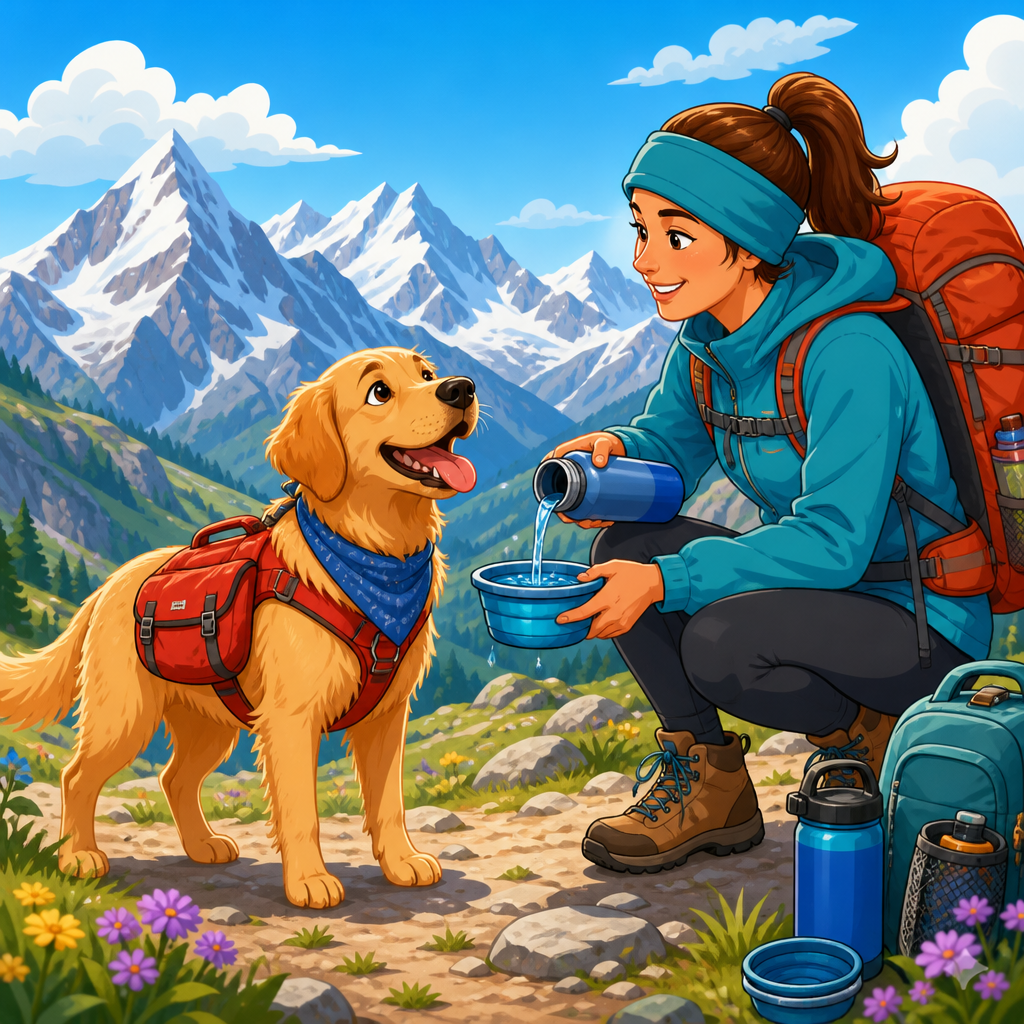
Should you ask your vet before taking a pet above 8,000 feet? In most cases, yes. Any trip that takes a dog, cat, or other companion animal to high elevation deserves a veterinary check-in because altitude changes oxygen availability, temperature, hydration needs, exercise tolerance, and emergency access. For healthy pets on a short car trip, the conversation may be brief. For seniors, flat-faced breeds, pets with heart or lung disease, anxious animals, or any pet flying or hiking to a mountain destination, that conversation can prevent a dangerous mistake.
High altitude usually refers to elevations above 8,000 feet, where the partial pressure of oxygen drops enough to affect both people and animals. “Acclimatization” means the body’s gradual adjustment to thinner air through changes in breathing, circulation, and fluid balance. “Altitude sickness” is the cluster of problems that can appear when that adjustment does not happen smoothly. In pets, signs may include heavy panting, weakness, vomiting, poor appetite, disorientation, collapse, or worsening of an existing respiratory problem. Those signs are not normal travel stress and should never be ignored.
I have helped owners plan mountain trips with energetic retrievers, brachycephalic bulldogs, diabetic cats, and older dogs with hidden heart murmurs. The pattern is consistent: the pets that do best are the ones whose owners treat altitude as a health planning issue, not just a packing issue. This hub on pet health and planning brings together the core decisions that matter before a mountain trip: whether your pet is medically suited for elevation, how to prepare, what to monitor on the road, and when to change plans.
The reason this matters is simple. A vacation at 8,000 to 12,000 feet can turn routine conditions into urgent ones. A dog with mild laryngeal paralysis may struggle on a steep trail. A cat that already drinks poorly may become dehydrated in dry air. A pet with arthritis may face colder temperatures and rough footing. At the same time, many healthy pets travel safely to mountain towns every year. The goal is not to avoid altitude automatically. The goal is to match the trip to the pet, understand risk factors early, and create a plan that covers prevention, monitoring, and emergency response.
Why a vet visit matters before high-altitude pet travel
A pre-trip veterinary visit helps answer one central question: is this specific pet a good candidate for time above 8,000 feet? That is a better question than asking whether altitude is “safe” in general. Vets assess baseline heart and lung function, review medications, discuss breed-related airway risk, and identify conditions owners may not realize become more serious at elevation. Even a routine exam can uncover a murmur, obesity-related breathing compromise, pain that limits mobility, or anxiety severe enough to make travel unsafe.
Dogs with brachycephalic airway syndrome, collapsing trachea, chronic bronchitis, congestive heart failure, pulmonary hypertension, or a history of heat stress deserve especially careful review. Cats with asthma, heart disease, kidney disease, or stress-triggered urinary problems also need individualized planning. High altitude is not just about oxygen; it is also about exertion, cold nights, dry air, and reduced margin for error. A veterinarian may recommend delaying travel, adjusting activity, refilling medications, or identifying an altitude threshold beyond which the pet should not go.
Good pre-trip planning also updates basics that become more important away from home. Vaccines, parasite prevention, ID tags, and microchip registration should be current. If your pet will be exposed to wildlife, standing water, boarding stops, or unfamiliar dogs, your vet can discuss region-specific disease risks. Ask for a printed medical summary, vaccination record, and enough medication for the full trip plus extra days. If your pet takes insulin, seizure medication, cardiac drugs, or inhalers, this is not optional backup; it is essential travel preparation.
Which pets face the highest altitude risk
Not all pets face the same risk at elevation. Flat-faced breeds such as Bulldogs, Pugs, Boston Terriers, Persian cats, and Himalayan cats have less efficient airways at baseline, so thinner air and excitement can push them into distress quickly. Senior pets often have less cardiopulmonary reserve, even when they seem active at home. Overweight animals must work harder to breathe and regulate heat. Puppies and kittens may be more vulnerable to cold, dehydration, and stress because they have less physiologic stability than mature adults.
Underlying disease raises concern further. Heart disease can limit oxygen delivery. Chronic lung disease can make normal altitude compensation inadequate. Kidney disease increases the consequences of dehydration. Seizure disorders may become harder to manage if a pet eats poorly or vomits medications. Arthritis and neurologic disease reduce sure-footedness on icy trails, stairs, and rocky paths. Behavior matters too. An anxious pet that pants continuously in the car or hotel may effectively create its own respiratory challenge before the hike even starts.
Species differences matter. Dogs are the most common mountain travelers because they often accompany owners on road trips, skiing vacations, and hikes. Cats usually travel less well and are more prone to stress-related hiding, anorexia, and litter box disruption. Rabbits, birds, and small mammals are particularly sensitive to temperature swings and stress, and they require species-specific veterinary advice before any mountain travel. Exotic pets should never be assumed to tolerate altitude simply because they appear quiet; many conceal illness until they are critically compromised.
What to ask your vet before going above 8,000 feet
The best veterinary conversation is specific. Bring your itinerary, planned maximum elevation, mode of travel, sleeping altitude, expected temperatures, and daily activity level. Tell your vet whether your pet will ride in a car for ten hours, fly in cargo, use gondolas or ski lifts where permitted, hike several miles, or stay mostly indoors at a mountain rental. Altitude risk depends heavily on how quickly the ascent occurs and how much exertion happens during the first forty-eight hours.
Ask direct questions: Does my pet have any condition that makes altitude unsafe? Should exercise be restricted on day one or longer? What warning signs mean we should descend immediately? Do any medications need timing adjustments? Is sedation appropriate for travel, or could it worsen breathing? In my experience, owners often focus on motion sickness and forget to ask about rescue plans. You should know the nearest emergency hospital, whether oxygen therapy is available nearby, and how to reach care after hours.
| Question for your vet | Why it matters | Example outcome |
|---|---|---|
| Is my pet medically fit for 8,000 to 10,000 feet? | Sets a clear safety threshold based on exam findings | Healthy adult dog cleared for gradual ascent and light activity |
| Are there breed or airway concerns? | Flat-faced and airway-compromised pets decompensate faster | Bulldog advised to avoid strenuous hiking and midday exertion |
| Should medications or doses change? | Vomiting, appetite changes, and timing issues affect control | Extra anti-nausea medication prescribed for travel days |
| What signs require descent or emergency care? | Owners need objective action points under stress | Collapse, blue gums, labored breathing trigger immediate evaluation |
| How do we manage hydration, food, and rest? | Dry air and excitement increase fluid and calorie disruption | Owner told to offer frequent water and smaller, regular meals |
How to prepare your pet for a high-elevation trip
Preparation starts before departure. Keep exercise consistent in the weeks leading up to travel so your pet is not deconditioned. If your dog will hike, build endurance gradually with leash walks, hill work, and paw conditioning on varied surfaces. If your cat or small dog will stay in lodging, acclimate them to a crate, carrier, or portable pen well in advance. Stress reduction is a medical strategy, not a luxury. Pets that understand their travel setup eat, rest, and hydrate better.
Pack for mountain conditions, not just for the drive. Bring regular food, measured portions, collapsible water bowls, waste bags, harnesses, reflective gear, paw protection if terrain warrants it, bedding, medications, medical records, and a thermometer if your vet recommends one. Include a pet first-aid kit with bandaging supplies, saline, tweezers, and vet-approved wound care products. Do not rely on resort stores or small mountain markets to stock your pet’s specific diet, insulin syringes, inhaler spacers, or prescription food.
Acclimatization matters. If possible, spend the first night at a moderate elevation before going higher, and keep day one activity light. Offer water often because mountain air is dry and many pets drink less than expected in unfamiliar places. Feed familiar meals and resist the urge to over-treat. Travel stress plus rich food is a common cause of vomiting and diarrhea, which can mimic or worsen altitude problems. If your pet refuses food, acts withdrawn, or pants excessively, slow down and reassess before adding exertion.
Warning signs to watch for at altitude
Owners should know the difference between ordinary travel adjustment and a true problem. Mild fatigue after a long drive may be expected. Persistent respiratory effort is not. Concerning signs include panting at rest in cool conditions, noisy breathing, pale or blue-tinged gums, repeated vomiting, staggering, unusual lethargy, unwillingness to walk, collapse, or confusion. In cats, warning signs may be subtler: open-mouth breathing, crouching, hiding, refusing food, or sudden weakness. Any breathing difficulty is urgent, especially in flat-faced animals.
Altitude-related illness can overlap with dehydration, heat stress, hypothermia, overexertion, toxin exposure, and pain. That is why a simple rule helps: if your pet looks significantly worse than they do at home doing comparable activity, stop the activity and evaluate immediately. Move them to a calm, temperature-controlled environment, offer water if they can drink normally, and avoid forcing food. Descending to a lower elevation often helps, but it is not a substitute for veterinary care when signs are severe.
One of the most preventable mistakes is pressing on because the destination is close. I have seen owners continue a hike with a dog that was “just slowing down,” only to find the dog later unable to stand. Mountain rescue for pets is limited, terrain can delay transport, and cell service may be unreliable. Conservative decisions save lives. If your pet shows respiratory distress, collapse, or neurologic signs, seek emergency veterinary care immediately.
Activity, weather, and logistics: the planning details that change outcomes
Most pets get into trouble at altitude because several manageable stressors stack together. A rapid ascent, poor sleep, dry air, bright sun, steep exercise, and cold evening temperatures can overwhelm even a normally hardy dog. Plan shorter walks than you would do at home for the first one to two days. Schedule activity in the cool morning, avoid hot pavement and midday sun, and use a harness rather than a neck collar for dogs prone to airway pressure or pulling.
Weather changes fast in mountain environments. Snow can occur outside winter, UV exposure is stronger, and lakes or streams may be dangerously cold. Hypothermia is a real risk for short-coated dogs, toy breeds, and wet animals after swimming. Paw injuries from rock, ice melt products, burrs, and crusted snow are common. Lodging logistics matter too. Confirm pet rules, nearby relief areas, elevator access for arthritic dogs, and whether local emergency hospitals are open overnight. Good planning reduces panic when a routine problem appears after dark.
This pet health and planning hub connects those details into one principle: mountain travel should be customized, not improvised. A healthy acclimated dog on a gentle weekend trip may need little more than pacing and hydration. A senior brachycephalic dog with mild heart disease may need a different destination entirely. Asking your vet before taking a pet above 8,000 feet turns guesswork into a practical safety plan. Before you book, schedule the exam, review the itinerary, and build the trip around your pet’s real limits.
Frequently Asked Questions
Should I always ask my vet before taking my pet above 8,000 feet?
In most cases, yes. A quick veterinary check-in is a smart step anytime you plan to take a dog, cat, or other companion animal to high elevation. Above 8,000 feet, oxygen availability drops, temperatures can shift quickly, hydration needs often increase, and a pet that seems perfectly healthy at home may tire much faster than expected. A vet can help you decide whether the trip is low risk or whether your pet needs a more careful plan.
This is especially important for senior pets, flat-faced breeds such as Bulldogs, Pugs, and Persian cats, pets with heart or lung disease, animals with a history of anxiety, and any pet that will be flying, hiking, or exerting itself in a mountain environment. Even healthy pets may need guidance on acclimation, safe activity levels, food and water intake, and signs of altitude-related problems. For a young, healthy pet going on a short car trip, the conversation may be brief. For higher-risk pets, your veterinarian may recommend an exam, medication review, activity restrictions, or even postponing the trip if the altitude change is likely to be too stressful.
What health risks can high altitude create for pets?
High altitude affects pets in many of the same ways it affects people. The lower oxygen levels can make breathing more difficult, reduce exercise tolerance, and put extra strain on the heart and lungs. Pets may become tired sooner, pant more heavily, seem less interested in activity, or act restless and uncomfortable. In some cases, altitude can also contribute to dehydration because mountain air is often drier and pets may lose more moisture through panting, especially if they are active.
There are also practical mountain-related risks beyond oxygen levels. Nights can be much colder than expected, weather can change quickly, and access to emergency veterinary care may be limited depending on how remote your destination is. Hiking, long walks, and unfamiliar terrain can increase stress and physical demand. Flat-faced pets are at particular risk because they already have less efficient airways. Pets with heart murmurs, chronic bronchitis, collapsing trachea, asthma, laryngeal issues, or reduced stamina can also struggle more at altitude. If a pet becomes distressed far from care, a situation that started as mild fatigue can escalate quickly, which is why advance planning matters.
Which pets are most likely to need a detailed veterinary evaluation before a mountain trip?
The pets most likely to need a full discussion with a veterinarian are seniors, very young pets, flat-faced breeds, overweight pets, animals with known heart or lung disease, and pets that are anxious or prone to motion sickness. Older pets may have reduced cardiovascular reserve, arthritis that worsens on strenuous terrain, or hidden medical issues that become more obvious when oxygen is reduced. Puppies and kittens can also be more vulnerable because they may not regulate temperature or handle physical stress as well as healthy adult animals.
Pets with respiratory or cardiac conditions deserve special caution. Even a mild issue at sea level can become more significant at altitude. A dog with a heart condition may not tolerate reduced oxygen well. A cat with asthma may be more reactive in cold, dry air. A brachycephalic pet may breathe adequately at home but struggle once altitude, excitement, travel stress, and exercise are added together. Pets that will fly, hike long distances, or stay in remote areas also need more planning because there is less room for error. In these cases, your veterinarian may suggest a pre-trip exam, changes to medication timing, a gradual ascent schedule, lower-intensity activity, or a backup plan if symptoms develop.
What symptoms of altitude trouble should I watch for in my pet?
Watch closely for any change in breathing, energy, appetite, or behavior. Warning signs can include excessive panting, rapid breathing at rest, labored breathing, coughing, weakness, unusual fatigue, reluctance to walk, wobbliness, disorientation, vomiting, refusal to eat or drink, or obvious distress. Some pets become very quiet and withdrawn, while others seem agitated or unable to settle. In cats, signs can be subtle, such as hiding, crouching, open-mouth breathing, or a sudden drop in activity.
If your pet shows any breathing difficulty, collapses, has pale or blue-tinged gums, seems confused, or cannot comfortably rest, take it seriously. Stop all activity, move the pet to a lower elevation if possible, keep them calm and cool, and seek veterinary care right away. Mild fatigue after activity may improve with rest and hydration, but any ongoing or worsening symptom deserves prompt attention. One reason to speak with your vet before the trip is to know what is normal for your individual pet, what warning signs should trigger concern, and where the nearest emergency clinic is located before you need one.
How can I prepare my pet safely for a trip above 8,000 feet?
Start with a veterinary conversation well before travel, especially if your pet has any medical history or if the trip involves flying, hiking, camping, or long periods away from veterinary services. Ask whether your pet is a good candidate for the altitude, whether current medications need adjustment, and whether you should limit exercise for the first day or two. If your vet approves the trip, plan to ascend gradually when possible rather than jumping from low elevation to a very high destination in one push. A slower adjustment period can help some pets tolerate the change better.
During the trip, focus on hydration, pacing, and observation. Bring extra water, offer frequent drink breaks, and avoid intense activity immediately after arrival. Keep walks shorter at first, give your pet time to rest, and avoid the hottest part of the day or sudden bursts of exercise. Pack all regular medications, copies of medical records, your vet’s contact information, and the location of the nearest emergency clinic at your destination. Make sure your pet has appropriate cold-weather protection if needed, especially for small, short-haired, or elderly animals. The goal is not just to reach the mountain safely, but to recognize early if your pet is not handling the altitude well and respond before a minor issue becomes an emergency.