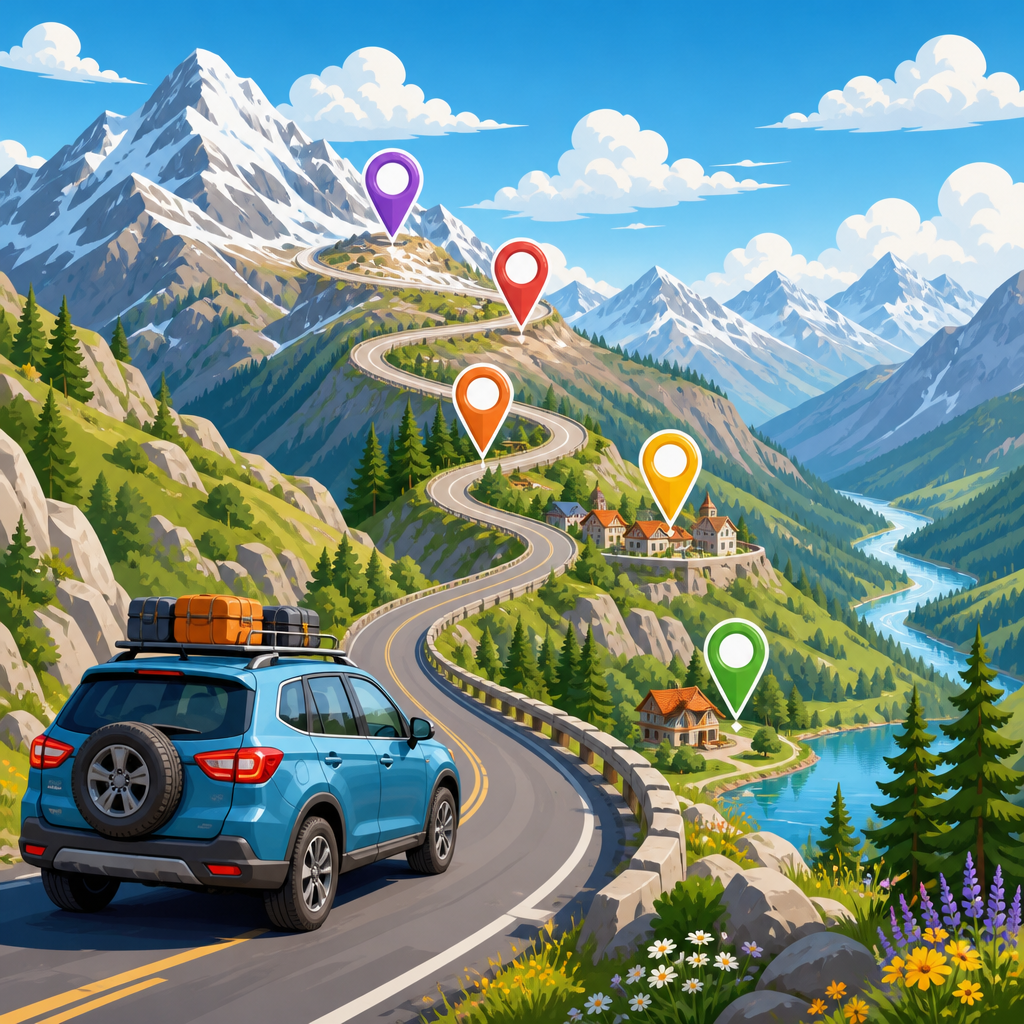
Planning the best order of stops on a mountain road trip to acclimate gradually can make the difference between a memorable high-country journey and a vacation interrupted by headaches, nausea, or exhaustion. Acclimatization is the process by which your body adjusts to lower oxygen levels at higher elevations. On a mountain road trip, that means gaining altitude in stages, sleeping lower than your highest daytime stop when possible, and building in time for hydration, nutrition, and rest. I have planned alpine itineraries across Colorado, the Sierra Nevada, the Andes, and the European Alps, and the same principle holds everywhere: the smartest route is rarely the fastest route on the map.
This topic matters because altitude illness is common, preventable, and often misunderstood. Many travelers focus on scenic routes, hotel rates, or how many national parks they can stack into one week, but the order of overnight stops usually deserves more attention than any attraction list. The body starts to notice altitude for many people around 6,500 to 8,000 feet, and the risk rises as sleeping elevation increases. A well-sequenced itinerary reduces strain, protects energy for hiking and sightseeing, and gives drivers more margin for weather, road closures, and fatigue. For trip planning and logistics, this article serves as a practical hub: it explains how to sequence destinations, how long to stay, what to watch for, and how to match route design to travelers, vehicles, and activities.
Start with sleeping elevation, not sightseeing altitude
The best order of stops on a mountain road trip begins with a simple rule: plan by overnight elevation first and attractions second. A traveler can usually tolerate a brief daytime visit to a higher overlook better than an immediate night at that same height. In practical terms, that means your first night should be in a lower gateway town, your second or third night at a moderate elevation, and only later should you sleep high near trailheads or passes. When I build mountain itineraries, I list every candidate stop with its sleeping elevation, average drive time, fuel availability, and medical access before I look at restaurant options or photo points.
A common mistake is flying into Denver, driving straight to a ski village above 9,000 feet, and expecting to ski hard the next morning. A more resilient sequence is Denver or Boulder first, then a mid-elevation stop such as Idaho Springs, Estes Park, or Salida depending on direction, and only then a resort or lodge at higher altitude. The same logic applies in California: instead of sleeping immediately near Tuolumne Meadows, start lower in the foothills or at the eastern base of the Sierra. In Peru, travelers who land in Cusco often do better by continuing to the lower Sacred Valley before returning to sleep higher later in the trip.
This approach works because the body adapts during rest. Sleeping elevation is the strongest planning variable you control on a road trip, so use it deliberately. If you remember one thing from this hub article, remember this: gradual acclimatization is really gradual increases in sleeping altitude.
A practical progression for ordering stops
For most healthy travelers, the safest and most comfortable sequence is low elevation on night one, moderate elevation on nights two and three, then high elevation from night four onward if needed. The exact numbers depend on where your trip starts, but a useful planning framework is to spend the first night below roughly 5,000 to 6,000 feet if possible, then move to 6,000 to 8,000 feet, and postpone nights above 8,500 feet until your body has had at least one or two nights to adapt. Above about 10,000 feet, caution matters even more, especially for older travelers, children, and anyone with prior altitude sensitivity.
When I review traveler reports, the most successful road trips usually follow a “stair-step” pattern rather than a “rocket launch” pattern. For example, a Rockies loop could run: airport city, lower canyon town, mountain valley town, high resort base, then one or two selective overnight stops near the highest terrain. An Alps drive might sequence lakeside valley villages before moving to car-free or pass-side destinations. In the Andes, the best routes often alternate busy sightseeing days with gentler valley days to control exertion while elevation rises.
| Trip Day | Ideal Stop Type | Typical Sleeping Elevation | Goal |
|---|---|---|---|
| Day 1 | Gateway city or foothill town | 0 to 5,500 feet | Recover from flight or long drive, hydrate, sleep well |
| Day 2 | Lower mountain town | 5,500 to 7,500 feet | Light activity, short walks, no major exertion |
| Day 3 | Moderate elevation base | 7,000 to 8,500 feet | Assess tolerance, extend adaptation time |
| Day 4 | High base near passes or trailheads | 8,500 to 10,000 feet | Begin bigger hikes or scenic high drives cautiously |
| Day 5+ | Selective highest stops | Variable | Add peak experiences, keep backup lower lodging |
This pattern is not a medical prescription, but it is a strong default for trip planning and logistics. It also makes the itinerary more flexible. If someone feels unwell at the moderate stop, you can extend that stay and cut a higher overnight without unraveling the whole route.
How many nights to spend at each altitude band
Travelers often ask how long acclimatization takes. The practical answer is that mild adjustment starts within the first one to three days, but full adaptation takes longer than most vacations allow. For road trips, the planning question is narrower: how many nights should you spend before moving higher? In most cases, one night at a low gateway stop and one to two nights at a moderate elevation stop creates a much better outcome than climbing every day. If your trip includes sleeping above 9,000 feet, adding a second moderate-elevation night is usually worthwhile.
The duration should also match activity intensity. If your high stop is only for scenic driving, hot springs, photography, or a gondola ride, you may manage with a faster ascent than if your main goal is backpacking, trail running, mountain biking, or a summit attempt. I routinely tell clients to separate the “travel acclimatization phase” from the “performance phase” of a trip. During the first phase, keep days short and flexible. During the second, schedule longer hikes only after sleep and appetite feel normal.
A useful screening tool is morning status. If you wake with a strong headache, poor sleep, unusual fatigue, dizziness, or nausea, do not move to a higher overnight stop that day. Repeat a similar elevation or descend slightly if symptoms persist. Good mountain logistics are not rigid; they are adaptive.
Route design factors that matter as much as elevation
Elevation is central, but it is not the only planning variable. Long drive days amplify altitude stress because travelers arrive dehydrated, stiff, and sleep deprived. Winding roads increase motion sickness, which can blur the early signs of altitude illness. Limited food options at remote stops can lead to under-fueling. Weather fronts, wildfire smoke, summer heat in lower valleys, and shoulder-season snow at passes can all reshape the best stop order. When I build itineraries, I score every stop for altitude, drive strain, access to water and meals, cell coverage, and bailout options.
Fuel and charging logistics deserve special attention on mountain routes. A stop that looks perfect for acclimatization may be a poor choice if it sits beyond a long stretch with no reliable fuel, especially in cold weather or if you are towing. Electric vehicles add another layer: steep climbs reduce range, chargers can be sparse, and waiting at a high, exposed charger in a storm is not ideal. The best mountain road trip order balances acclimatization with infrastructure.
Lodging type matters too. At higher elevations, dry air and indoor heating can worsen dehydration and poor sleep. A simple roadside inn at 6,500 feet may support recovery better than a luxury lodge at 9,500 feet on night one. Prioritize quiet rooms, easy parking, nearby groceries, and a cancellation policy that lets you descend if needed.
How to plan for different travelers and trip styles
No single stop order fits every group. Families with young children generally benefit from shorter drive segments, lower first-night elevations, and destinations with easy walks rather than strenuous attractions. Older travelers may tolerate altitude well, but they often do best with extra recovery time after flights or all-day drives. Travelers with migraines, respiratory conditions, anemia, sleep apnea, or prior altitude illness should discuss plans with a clinician before going high. Pregnant travelers need individualized medical guidance as well.
Adventure-focused travelers often make the mistake of applying fitness logic to altitude. Being fit helps with exertion, but it does not make someone immune to altitude illness. In fact, very active travelers sometimes push too hard on day one because they feel strong at sea level. Better planning means holding back early. Schedule scenic byways, visitor centers, lakeside walks, or hot springs in the first two days, then place the biggest hike or ride later. Photographers can use sunrise and sunset pullouts at moderate elevations while acclimating instead of racing to the highest pass immediately.
Trip style affects stop order too. A loop route can work well if the highest section falls in the middle or later portion. An out-and-back route is often even better because it lets you stage upward and then descend along familiar terrain. Multi-generational groups should choose at least one moderate-elevation hub where some members can rest while others take higher day trips.
Recognizing when the order is wrong and how to fix it
The wrong stop order usually reveals itself quickly. If multiple travelers develop headaches, appetite loss, insomnia, or unusual fatigue after a steep jump in sleeping elevation, the itinerary climbed too fast. The remedy is not to “push through” with a higher scenic stop the next day. The remedy is to pause or descend. Mild symptoms often improve with rest, fluids, food, and avoiding alcohol. Worsening symptoms, vomiting, confusion, trouble walking straight, or shortness of breath at rest are serious warning signs that require immediate descent and prompt medical evaluation.
From a logistics standpoint, the fix is easier if you prepared alternatives in advance. Before departure, identify lower backup towns every day of the route. Save them in your navigation app, note pharmacy and urgent care locations, and keep at least one flexible lodging night during the highest portion of the trip. I also recommend downloading offline maps because mountain cell service can be unreliable exactly where rerouting becomes necessary.
One of the best habits on high-country trips is to ask each traveler for a simple morning check-in: headache, appetite, sleep quality, energy, and nausea. This takes one minute and catches problems early. It also prevents the group from mistaking altitude symptoms for normal travel fatigue.
Building a complete mountain road trip planning system
If this article is your hub for trip planning and logistics, use it as a checklist for every mountain itinerary. Start with a route map that marks sleeping elevations. Group stops into low, moderate, and high bands. Keep the first night low whenever possible. Add one or two moderate nights before the highest lodging. Limit day-one exertion. Keep drive times realistic, especially on winding roads where average speeds are lower than map estimates suggest. Book lodgings that support flexibility rather than locking every night into the highest destination.
Then layer in the operational details that make a road trip work smoothly: vehicle readiness, tire condition, weather windows, fuel or charging points, daylight hours, food access, and backup descent options. For mountain routes in national parks or scenic corridors, check timed-entry rules, seasonal closures, chain requirements, and construction notices. If your route crosses multiple climate zones, pack so that colder high stops remain accessible without unpacking the whole car. The best stop order is not just healthy; it reduces stress, saves time, and protects the quality of the entire trip.
Finally, build your activities around acclimatization instead of treating acclimatization as a side note. Place museums, scenic drives, short walks, and lower-elevation towns early. Put major hikes, pass crossings, and remote alpine lodges later. This sequencing gives you the highest odds of enjoying mountain scenery with steady energy rather than spending precious days recovering in a hotel room. Use this framework on your next route, compare sleeping elevations before booking, and plan your stops so the mountains feel welcoming instead of punishing.
Frequently Asked Questions
What is the best order of stops on a mountain road trip to acclimate gradually?
The best order is usually a step-by-step ascent that gives your body time to adjust before you sleep much higher. In practical terms, that means starting your trip at the lowest practical elevation, spending your first night at a moderate altitude, and then increasing sleeping elevation gradually over the next several days instead of jumping straight to your highest destination. A smart itinerary often includes lower-elevation gateway towns first, then mid-mountain stops, and only after that the highest scenic roads, trailheads, passes, or lodges. If possible, make your biggest elevation gains during the daytime and return to sleep somewhat lower. This “climb higher, sleep lower” pattern can help reduce the chances of altitude-related symptoms while still letting you enjoy dramatic mountain scenery.
A useful rule of thumb is to be especially cautious once you are heading above roughly 8,000 feet, since that is where many travelers start noticing headaches, poor sleep, fatigue, or shortness of breath. Even fit travelers can feel the effects. For a road trip, the ideal stop order is not just about geography; it is about pacing. A well-designed route might look like this: arrive in a foothill town, spend a night there, move to a mid-elevation base for one or two nights, take a higher daytime drive or short outing, then continue to a higher overnight stop only if everyone is feeling well. If you have limited time, it is still better to compress sightseeing than to compress acclimatization. The mountain views will be there, but your body may not cooperate if you rush the elevation gain.
How many nights should I spend at each elevation before going higher?
For many travelers, one night at a moderate elevation can be enough before moving somewhat higher, but the safest approach is to think in stages rather than fixed numbers. If your route begins near sea level, your body often benefits from spending at least one night at a lower mountain town before going to a higher overnight destination. Once you reach elevations where altitude symptoms commonly appear, it is wise to spend one to two nights at each meaningful increase in sleeping altitude, especially if your final destination is very high or if anyone in your group has had altitude trouble before. The higher your intended overnight stops, the more valuable these extra acclimatization nights become.
It also helps to watch how your group is responding instead of relying only on a schedule. Mild fatigue, lighter appetite, or slightly disturbed sleep can be normal during the adjustment period, but persistent headache, nausea, dizziness, or unusual exhaustion are signs to slow down. If someone is struggling, stay at the same elevation another night or change the plan so the next stop is lower rather than higher. Families with children, older travelers, and anyone coming directly from low elevation should be especially conservative. A good mountain road trip schedule leaves room for flexibility, because acclimatization does not happen on a perfectly predictable timeline. The best itinerary is one that can adapt without turning the trip into a race.
Is it better to do high-altitude viewpoints and passes as day trips before sleeping that high?
Yes, in many cases that is one of the smartest ways to structure a mountain road trip. Visiting higher elevations during the day and then returning to a lower place to sleep can help your body ease into the altitude more gradually. This approach lets you enjoy alpine overlooks, mountain passes, scenic drives, and even short hikes without forcing an immediate jump in sleeping elevation. Because sleeping high is often harder on the body than simply visiting high elevations briefly, day trips can be an effective bridge between lower overnight stops and later nights at higher destinations.
This strategy works especially well during the first few days of a trip. For example, you might stay in a mid-elevation town, drive to a significantly higher overlook or visitor area, spend a few hours there, hydrate, eat well, and then descend for the evening. That gives your body exposure to altitude while reducing the stress of an abrupt overnight move. It is still important, however, not to overdo it. A long day at high elevation combined with dehydration, alcohol, poor sleep, or strenuous activity can still trigger symptoms. Keep early high-altitude excursions moderate, especially if you arrived from low elevation recently. In short, high day trips paired with lower sleeping stops are often one of the best sequencing tools for gradual acclimatization.
What should I do if someone in the group gets altitude symptoms during the road trip?
If someone develops symptoms such as headache, nausea, unusual fatigue, dizziness, poor coordination, or shortness of breath out of proportion to activity, the first step is to stop ascending. Do not push on to the next higher stop just because it is already booked or because the group is eager to continue. Mild altitude symptoms can sometimes improve with rest, hydration, food, and time at the same elevation, but worsening symptoms should never be ignored. If the person is not improving, the most important response is to descend to a lower elevation. Descent is the most reliable treatment when symptoms are significant or getting worse.
It is also important to know the difference between common mild altitude discomfort and signs of something more serious. A mild headache after a fast ascent may improve with rest and fluids, but confusion, trouble walking straight, severe breathlessness at rest, chest tightness, bluish lips, or a persistent cough are red flags that need urgent medical attention. Those symptoms can signal a dangerous altitude illness and should not be treated as routine travel fatigue. On a road trip, one of your biggest advantages is mobility: use it. Build your itinerary so you always know where the next lower-elevation town, clinic, or hospital is located. Being willing to change plans quickly is part of traveling responsibly in the mountains.
Besides the order of stops, what else helps with acclimatization on a mountain road trip?
The order of stops matters a lot, but it works best when paired with supportive habits. Hydration is one of the biggest factors. Mountain air is often dry, and many travelers become mildly dehydrated without realizing it, which can make altitude symptoms feel worse. Drink water consistently throughout the day, and do not wait until you feel thirsty. Eating regular meals also helps, especially carbohydrate-rich foods that are easy to tolerate if your appetite drops slightly at altitude. Rest is equally important. Long driving days, early starts, poor sleep, and heavy activity all add stress at the exact time your body is trying to adapt.
It is also wise to go easy on alcohol, especially during the first few nights at higher elevations, since alcohol can worsen dehydration and disrupt sleep. Try not to schedule your hardest hike, biggest climb, or most physically demanding activity for the first full day at a new high elevation. Keep those first outings shorter and less intense, then increase effort if everyone is feeling good. If anyone in your group has a history of altitude problems or if your itinerary includes very high sleeping elevations, speak with a healthcare professional before the trip about prevention strategies or medications. The most successful mountain road trips combine a gradual stop order with patience, hydration, sensible activity levels, and a willingness to adjust plans based on how people actually feel.