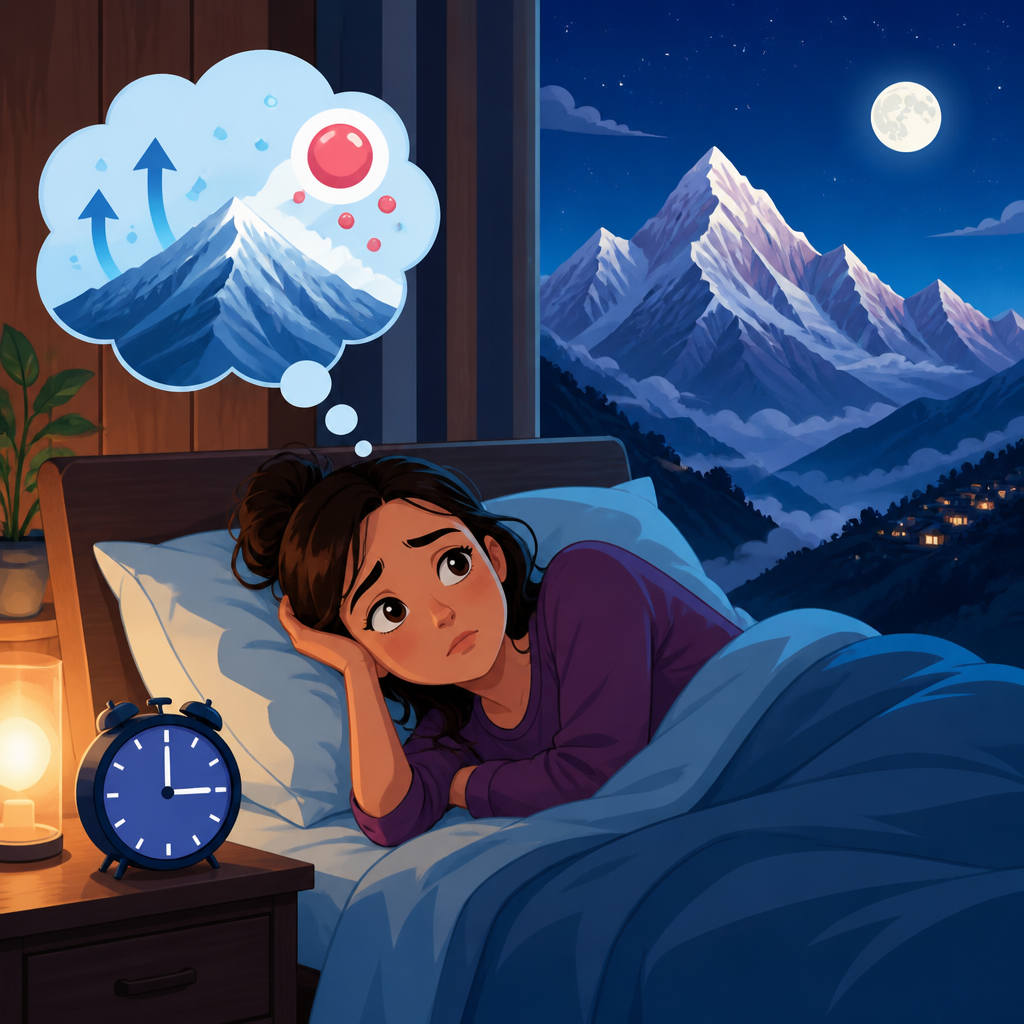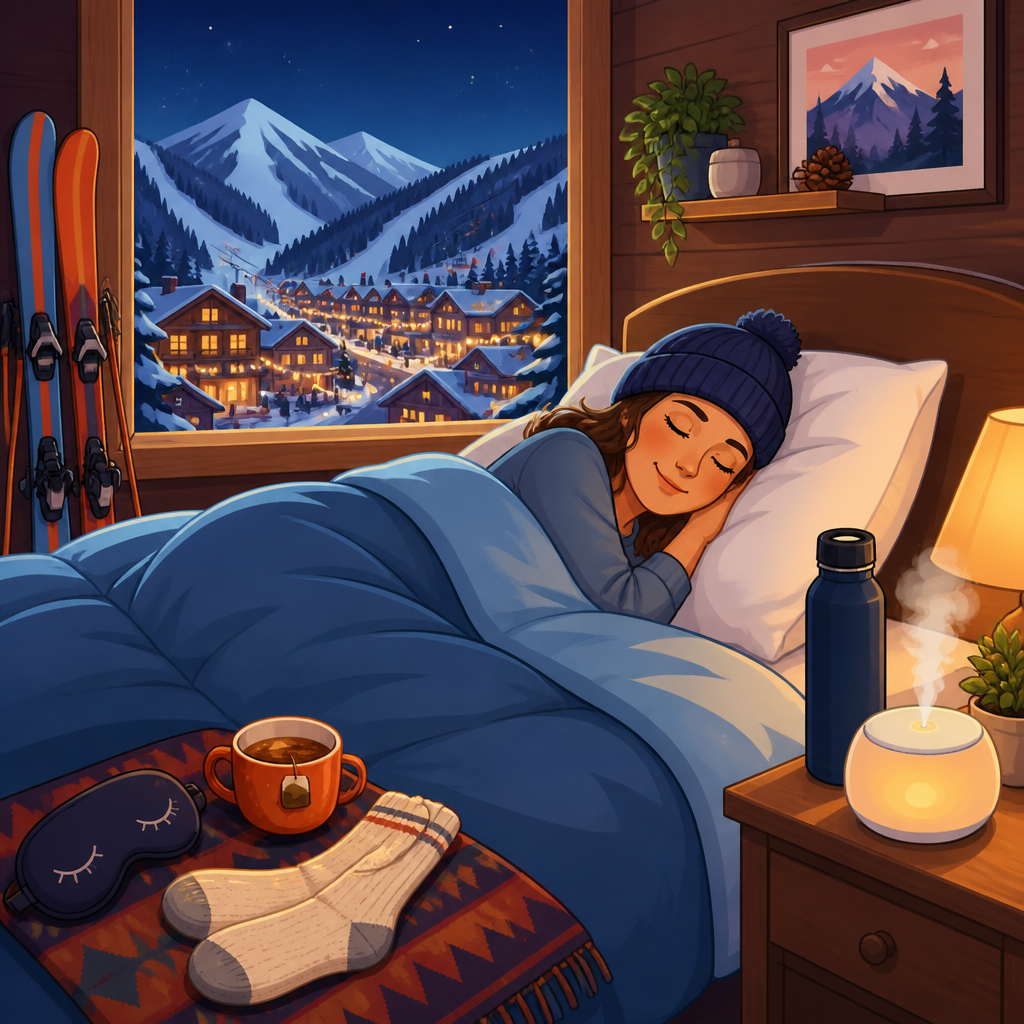
High altitude insomnia can disrupt an otherwise exciting first week in the mountains, turning a ski trip, trekking holiday, training camp, or work assignment into a cycle of restless nights, headaches, and sluggish days. In practical terms, the phrase describes new or worsening sleep problems that begin after a rapid ascent, usually above 5,000 to 8,000 feet, when thinner air lowers oxygen availability and changes breathing patterns during sleep. I have seen it repeatedly with travelers arriving in Colorado, the Andes, and the Himalaya: people feel tired all day, yet wake often, breathe oddly at night, or drift off only to snap awake minutes later. Sleep and recovery matter immediately at altitude because poor sleep amplifies fatigue, slows acclimatization, worsens mood, and can make hydration, nutrition, and pacing mistakes more likely. For a first-week strategy, the goal is not perfect sleep on night one. The goal is to reduce physiologic stress, support acclimatization, and avoid common habits that make altitude insomnia worse.
The key terms are straightforward. Acclimatization is the body’s adjustment to lower oxygen pressure over several days or weeks. Periodic breathing is the stop-start breathing pattern that commonly appears during sleep at altitude, with brief reductions in breathing followed by deeper recovery breaths. Sleep efficiency is the share of time in bed actually spent asleep, and it often drops during the first few nights after ascent. Recovery includes more than sleep alone; it also includes hydration status, carbohydrate availability, training load, and autonomic stress. This article serves as a hub for sleep and recovery at altitude, linking the major pieces together: why altitude affects sleep, what to do before travel, how to set up your first week, when medications help, what athletes and hikers should change, and which warning signs require medical evaluation rather than another cup of tea and a melatonin gummy.
Why altitude disrupts sleep in the first place
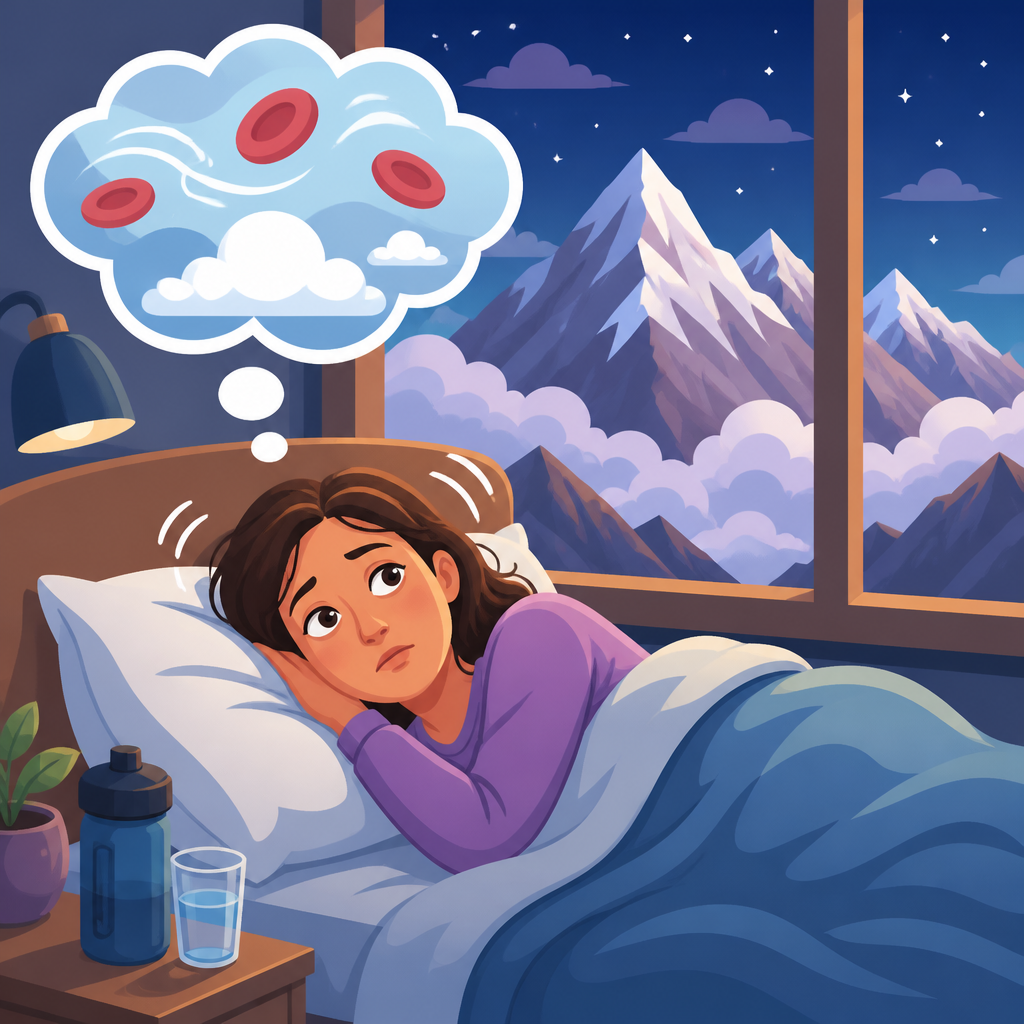
Altitude insomnia is not simply “bad hotel sleep.” It has identifiable mechanisms. The main driver is hypobaric hypoxia: lower barometric pressure means each breath delivers less oxygen to the lungs. Your brain responds by increasing ventilation, especially during sleep. That helps oxygenation, but it also lowers carbon dioxide. When carbon dioxide falls below a threshold, the brain briefly reduces breathing effort. Oxygen drops, carbon dioxide rises again, and breathing restarts with a few deeper breaths. That repeating cycle is periodic breathing, and it fragments sleep even if you do not remember every awakening.
Research on sleep at altitude consistently shows reduced total sleep time, more awakenings, lower slow-wave sleep, and lower oxygen saturation during the first days after ascent. Many travelers notice vivid dreams, a pounding heartbeat in bed, dry mouth, or a feeling that they are “forgetting to breathe.” Those sensations are common and often improve as acclimatization progresses. In my experience, the people most unsettled by altitude sleep are not always the least fit. Endurance athletes can be surprised by how poorly they sleep because fitness does not prevent the ventilatory instability caused by altitude.
Other factors compound the problem. Cabins and hotel rooms at altitude are usually dry, which increases fluid loss through breathing and can cause nasal congestion, throat irritation, and overnight thirst. Alcohol and sedatives can worsen oxygen drops and respiratory events. Hard training on day one raises sympathetic activation, making it harder to fall asleep. Even room temperature matters, because cold extremities can delay sleep onset while overheated rooms increase awakenings. The result is a cluster of small stressors stacked on top of reduced oxygen, which is why a full sleep and recovery plan works better than a single trick.
What to do before you go: preparation that makes the first nights easier
The first week at altitude starts before departure. If you can stage your ascent, do it. Sleeping one or two nights at a moderate elevation before moving higher often reduces symptoms compared with jumping directly from sea level to a high resort town or mountain lodge. When I plan trips for clients, the best outcomes usually come from sleeping low and spending daytime hours higher for the first two days. That pattern is a classic acclimatization principle because it allows exposure without maximal overnight stress.
Sleep debt is another hidden risk. Arriving already underslept makes altitude insomnia more noticeable and recovery slower. Protect sleep for several nights before travel, especially if your trip includes early flights, time-zone changes, or intense activity on arrival. If you already use caffeine heavily, taper slightly instead of arriving dependent on multiple large coffees just to function. High doses late in the day are one of the fastest ways to turn normal first-night restlessness into a multi-night problem.
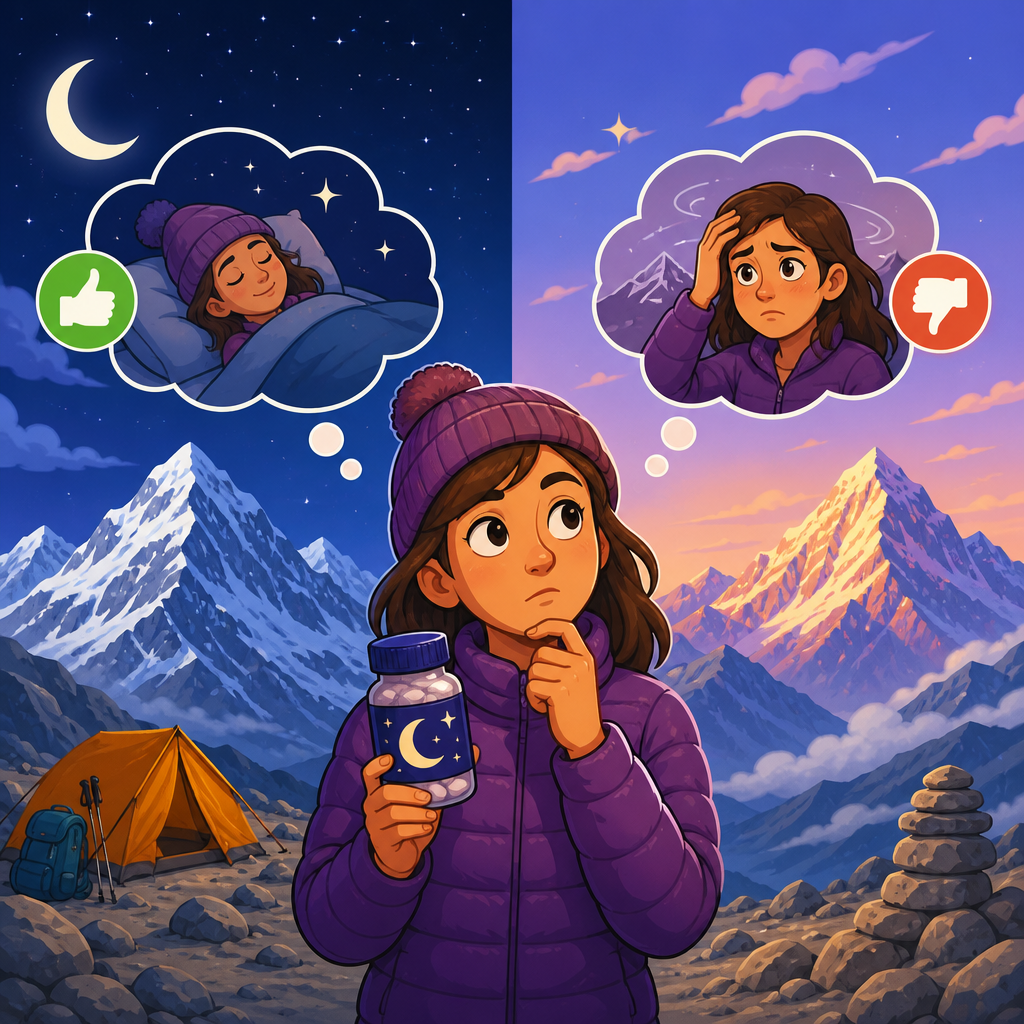
Planning medication deserves nuance. Acetazolamide is the best-studied option for preventing acute mountain sickness and can also improve sleep by reducing periodic breathing. It works by causing a mild metabolic acidosis that stimulates ventilation more steadily. Typical preventive dosing is often 125 milligrams twice daily, starting before ascent, but travelers need individualized medical advice because sulfonamide reactions, kidney issues, and side effects such as tingling or taste changes matter. Melatonin may help with sleep onset, especially if travel crossed time zones, but it does not fix severe altitude symptoms. If you snore loudly, have known sleep apnea, or use CPAP, talk with a clinician before the trip, because untreated sleep-disordered breathing can worsen significantly at altitude.
Your first-week sleep plan: the habits that help most
The most effective first-week plan is simple, disciplined, and boring in the best possible way. Hydrate consistently, eat enough carbohydrates, keep the first forty-eight hours easy, maintain a regular sleep window, and create a dark, cool, quiet room. Carbohydrates deserve emphasis because they produce slightly more carbon dioxide per unit of oxygen consumed than fats, and many people find they tolerate altitude better when meals are carb-forward rather than heavy, rich, and late. A practical dinner is rice, potatoes, pasta, soup, or bread with moderate protein and limited alcohol.
During the day, get sunlight exposure early. Morning light supports circadian timing and can offset the disorientation of travel days. Keep naps short, ideally twenty to thirty minutes, because long afternoon naps reduce homeostatic sleep drive. If you exercise, think “aerobic circulation” rather than “fitness test.” Easy walking, light spinning, or a gentle hike supports adaptation; intervals, race-pace efforts, and heavy gym sessions on day one usually backfire. I have watched athletes insist on proving they are fine at 8,000 feet, then spend the night with a pounding pulse and fragmented sleep.
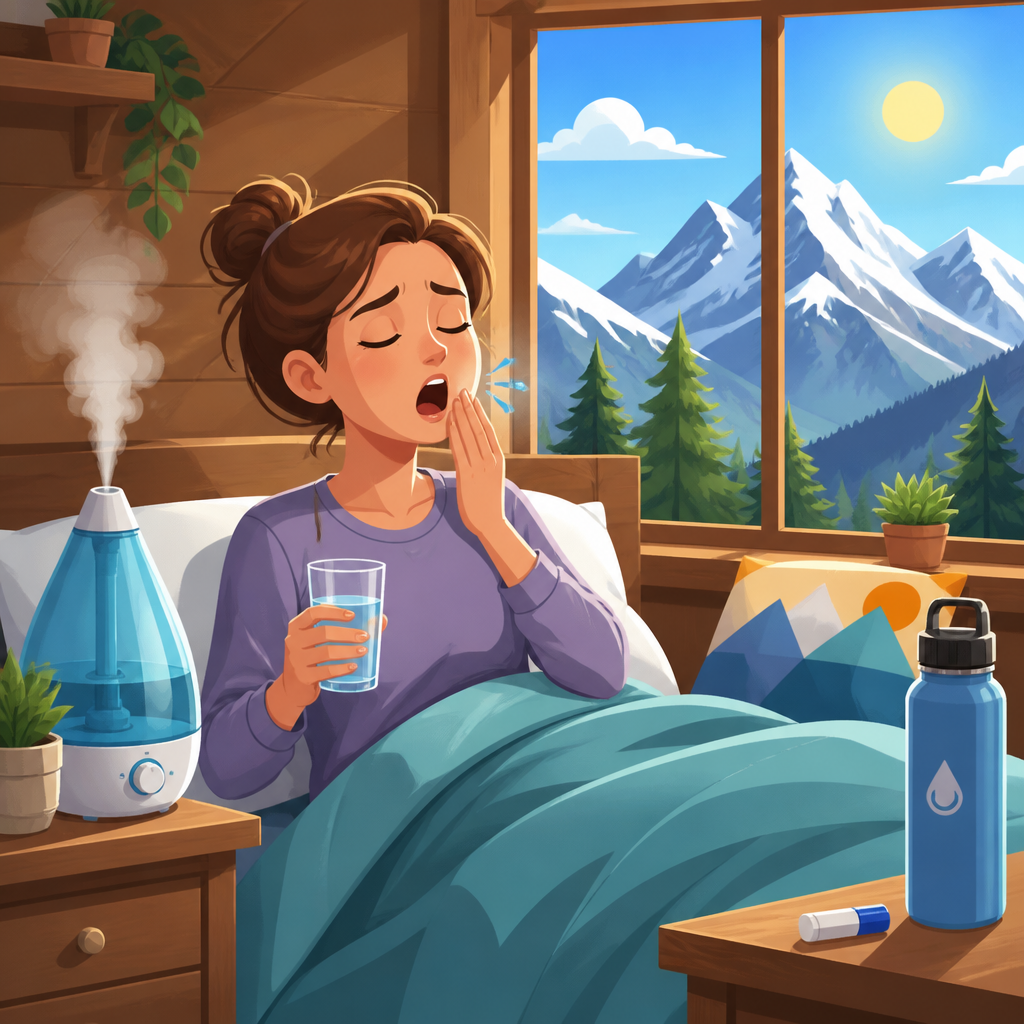
Bedroom setup matters more than many travelers realize. Use a humidifier if available, or saline nasal spray if the air is very dry. Raise the head of the bed slightly if congestion is bothersome. Keep water at bedside, but do not chug liters right before sleep or you will trade insomnia for repeated bathroom trips. Limit alcohol, especially within three hours of bed. Alcohol may make you drowsy, but it worsens oxygen desaturation, fragments REM sleep, and often increases awakenings later in the night. For the same reason, avoid combining alcohol with sleeping pills.
| First-week issue | What usually helps | What often makes it worse |
|---|---|---|
| Trouble falling asleep | Regular bedtime, dim light, light dinner, melatonin if appropriate | Late caffeine, hard evening training, long naps |
| Frequent awakenings | Cool room, humidification, reduced alcohol, steady hydration | Heavy meals, overheated room, dehydration |
| Breathless or “forgetting to breathe” feeling | Gradual ascent, acetazolamide under guidance, sleeping lower if possible | Sedatives, alcohol, rapid further ascent |
| Morning headache and fatigue | Hydration, carbohydrate intake, easier pace, symptom monitoring | Pushing through intense workouts, inadequate food, poor sleep hygiene |
Hydration, nutrition, and recovery: the bigger picture behind better sleep
Because this page is the hub for sleep and recovery, it is important to connect nighttime symptoms with daytime inputs. Dehydration alone does not cause altitude illness, but dry air, increased breathing, and travel routines commonly leave people underhydrated, which can intensify headache, fatigue, and overnight discomfort. The fix is steady intake, not force-drinking. A pale yellow urine color is a practical target. Electrolytes can help if you are sweating heavily, but most travelers do not need extreme sodium loading. Overdrinking plain water can be counterproductive.
Nutrition influences both acclimatization and sleep quality. Appetite often drops at altitude, yet energy needs can rise because movement costs more and cold exposure increases demands. Under-fueling is one reason hikers wake at 2 a.m. feeling wired and hungry. Prioritize regular meals and simple snacks: oatmeal, fruit, yogurt, rice bowls, soups, tortillas, potatoes, and recovery drinks after long days. Protein still matters for muscle repair, but huge fatty dinners can sit heavily and worsen reflux or nighttime discomfort. If nausea from altitude suppresses appetite, small frequent meals work better than forcing one large plate.
Recovery also includes load management. For athletes, the first week is not the time to judge sea-level fitness. Resting heart rate is often higher, high-intensity power output drops, and perceived exertion climbs. Objective tools such as pulse oximeters can be useful for trends, but they should not drive anxiety or become a contest. Oxygen saturation fluctuates naturally, and one low reading on a cold finger means little. The more reliable signs are your symptoms, your sleep, your ability to complete easy activity, and whether each day feels steadier than the last.
When to use remedies, and when to seek medical help
Travelers often ask what is safe to take for altitude insomnia. The best answer starts with cause. If the issue is circadian disruption from travel, melatonin may help. If the issue is altitude-related ventilatory instability, acetazolamide has the strongest rationale. Sedative-hypnotics require caution because some can depress respiration or mask worsening altitude illness. Diphenhydramine and similar antihistamines may leave you groggy and dry-mouthed. Herbal sleep aids are inconsistent and rarely address the main mechanism.
There are also moments when poor sleep is not the main problem. Acute mountain sickness often begins with headache, nausea, dizziness, unusual fatigue, and poor sleep after ascent. If symptoms are mild, the correct treatment is usually rest, fluids, food, and no further ascent until improvement. If symptoms are moderate to severe, or if you develop shortness of breath at rest, worsening cough, confusion, trouble walking straight, blue lips, or severe weakness, seek medical attention and descend. High-altitude pulmonary edema and high-altitude cerebral edema are medical emergencies. No sleep supplement fixes them.
People with asthma, chronic lung disease, cardiovascular disease, pregnancy, or diagnosed sleep apnea should prepare more carefully because baseline physiology is less forgiving. CPAP users may need pressure review, battery planning, and confirmation that equipment works well at elevation. Children can also struggle to describe symptoms, so adults need to watch appetite, energy, coordination, and nighttime breathing. A conservative ascent profile is not overcautious; it is smart risk management.
How this hub fits your broader sleep and recovery strategy
Think of high altitude insomnia as one part of a broader sleep and recovery system. The same fundamentals that help in the mountains also support recovery at sea level: consistent sleep timing, daylight exposure, hydration, adequate carbohydrates after long efforts, smart caffeine use, and controlled training load. Altitude simply makes the consequences of neglecting those basics more obvious. That is why this hub should sit alongside deeper guides on hydration strategy, altitude nutrition, jet lag, sleep apnea while traveling, recovery after long hikes, and acetazolamide use. Each topic connects back to the same practical question: how do you recover well enough to enjoy the trip and perform safely?
The most important takeaway is reassuring. High altitude insomnia during your first week is common, explainable, and usually temporary. Most people sleep better after several nights if they avoid rapid overexertion, limit alcohol, eat enough, stay sensibly hydrated, and give the body time to acclimatize. The biggest benefit of a deliberate first-week plan is not just more sleep; it is better recovery, steadier energy, clearer judgment, and lower risk of altitude-related setbacks. If you are heading uphill soon, build your sleep strategy before you pack, keep the first days conservative, and use this sleep and recovery hub to plan the rest of your altitude routine.
Frequently Asked Questions
Why does high altitude make it so hard to sleep during the first week?
High altitude often disrupts sleep because your body is suddenly working with less oxygen than it is used to at sea level. After a rapid ascent, especially once you get above roughly 5,000 to 8,000 feet, your brain and lungs respond by changing how you breathe. During sleep, that can lead to more frequent awakenings, lighter sleep, vivid dreams, and a pattern called periodic breathing, where breathing becomes irregular and may briefly pause before resuming with a gasp or deeper breath. Many people interpret this as “I am exhausted, but I just cannot stay asleep.”
The first few nights are usually the hardest because acclimatization is still in progress. Your body has not yet adjusted its breathing drive, fluid balance, and oxygen delivery as efficiently as it will after several days. On top of that, the typical first week at altitude often includes travel fatigue, dehydration from dry mountain air, alcohol at dinner, heavy activity, jet lag, and anxiety about sleeping badly, all of which can worsen insomnia. In most otherwise healthy travelers, the sleep disruption improves gradually over several nights as acclimatization advances, but the early adjustment period is when symptoms are most noticeable.
How long does altitude insomnia usually last, and when should I start feeling better?
For many people, the worst sleep problems happen during the first two to four nights after arrival, with meaningful improvement by the end of the first week. That timeline is not identical for everyone. It depends on how high you climbed, how quickly you got there, your prior altitude exposure, your age, your baseline sleep quality, and whether you are also dealing with acute mountain sickness symptoms such as headache, nausea, or unusual fatigue. Someone who flies straight to a high ski town may sleep worse than someone who ascends gradually over several days.
A useful rule of thumb is that if your symptoms are uncomplicated and related to normal acclimatization, sleep should trend in the right direction rather than steadily worsen. You may still wake more than usual, but the night should feel less fragmented after a few days. If sleep remains severely disrupted beyond a week, or if it is accompanied by significant shortness of breath at rest, chest tightness, confusion, worsening headache, persistent vomiting, or inability to function during the day, that goes beyond ordinary first-week insomnia and deserves medical evaluation. Persistent or escalating symptoms can signal more serious altitude-related illness or another issue entirely.
What can I do the first week at altitude to sleep better naturally?
The most effective non-drug approach is to support acclimatization and remove common sleep disruptors. Start by ascending gradually whenever possible. If you can spend a night or two at a moderate elevation before sleeping higher, that often helps. Once you arrive, keep the first 24 to 48 hours relatively easy. Many travelers make the mistake of pushing hard on day one with strenuous skiing, running, hiking, or drinking, then wonder why they lie awake half the night with a pounding heart and dry mouth. Light activity is usually fine, but a full-gas effort right after ascent can worsen both sleep and altitude symptoms.
Hydration matters, but balance is important. Mountain air is dry, and breathing rates rise at altitude, so fluid losses increase. Drink regularly through the day, but do not force excessive water late at night or you may create multiple bathroom trips that fragment sleep further. Avoid alcohol close to bedtime, because while it may make you drowsy, it tends to worsen sleep quality, breathing instability, and overnight dehydration. Be cautious with caffeine as well, especially in the afternoon and evening. Many people rely on extra coffee to push through altitude fatigue, then end up amplifying insomnia.
Simple sleep hygiene becomes especially valuable at altitude. Keep your room cool, dark, and quiet. Use a humidifier if the room is extremely dry. Eat a lighter evening meal rather than a heavy, rich dinner. Maintain a regular bedtime and wake time even on vacation. If nasal dryness or congestion is an issue, saline spray can help. Some people also sleep a little better with their head slightly elevated, particularly if they feel congested or notice irregular breathing sensations at night. None of these steps can fully override the body’s acclimatization process, but together they can make the first week much more manageable.
Are sleep medicines or altitude medications helpful for high altitude insomnia?
They can be, but the right choice depends on the person, the altitude, and any other medical conditions. One of the most commonly discussed altitude medications is acetazolamide, which helps the body acclimatize by improving breathing response and oxygenation. For many travelers, it not only reduces the risk of acute mountain sickness but also improves sleep quality by decreasing the unstable breathing pattern that often appears at altitude. It is typically most useful when started before ascent or at the time of ascent, especially if you know from past trips that you struggle at elevation.
Traditional sleeping pills are a separate issue. Some may help you fall asleep, but not all are ideal at altitude because anything that suppresses breathing can be problematic when oxygen is already limited. That does not mean all prescription or over-the-counter sleep aids are automatically unsafe, but it does mean they should be chosen carefully and ideally discussed with a clinician familiar with altitude medicine. This is particularly important for people with sleep apnea, lung disease, heart disease, or a history of severe altitude illness. Melatonin may be useful if jet lag is part of the picture, though its effect on altitude-related sleep disruption alone is usually modest compared with proper acclimatization.
The practical takeaway is that medication can help, but it should support, not replace, altitude-safe habits. If you are planning a trek, training camp, ski trip, or work stay at elevation and you already know you sleep poorly at altitude, it is worth discussing a prevention plan before you travel rather than improvising after several bad nights.
When is altitude insomnia a sign of something more serious?
Ordinary altitude insomnia usually means restless, light, fragmented sleep with tiredness the next day, but you are otherwise able to speak normally, walk around, and function with mild to moderate discomfort. It becomes more concerning when poor sleep is accompanied by signs of significant altitude illness. Red flags include severe or worsening headache that does not improve, shortness of breath at rest, persistent cough, chest congestion, blue lips, marked dizziness, trouble walking straight, confusion, unusual drowsiness, or repeated vomiting. Those symptoms can point to serious conditions such as high-altitude pulmonary edema or high-altitude cerebral edema, both of which require urgent action.
Another important distinction is whether the problem is really insomnia or repeated breathing disturbances. If a travel companion notices loud snoring, long pauses in breathing, frequent gasping, or if you wake feeling panicked and air-hungry again and again, altitude may be unmasking sleep-disordered breathing. People with known sleep apnea should be especially cautious, because higher elevations can worsen nighttime oxygen drops. In any of these scenarios, the safest response is not to “wait it out” indefinitely. Reduce exertion, seek medical evaluation, and if symptoms are significant, descend. At altitude, worsening sleep combined with worsening physical symptoms should always be taken seriously.