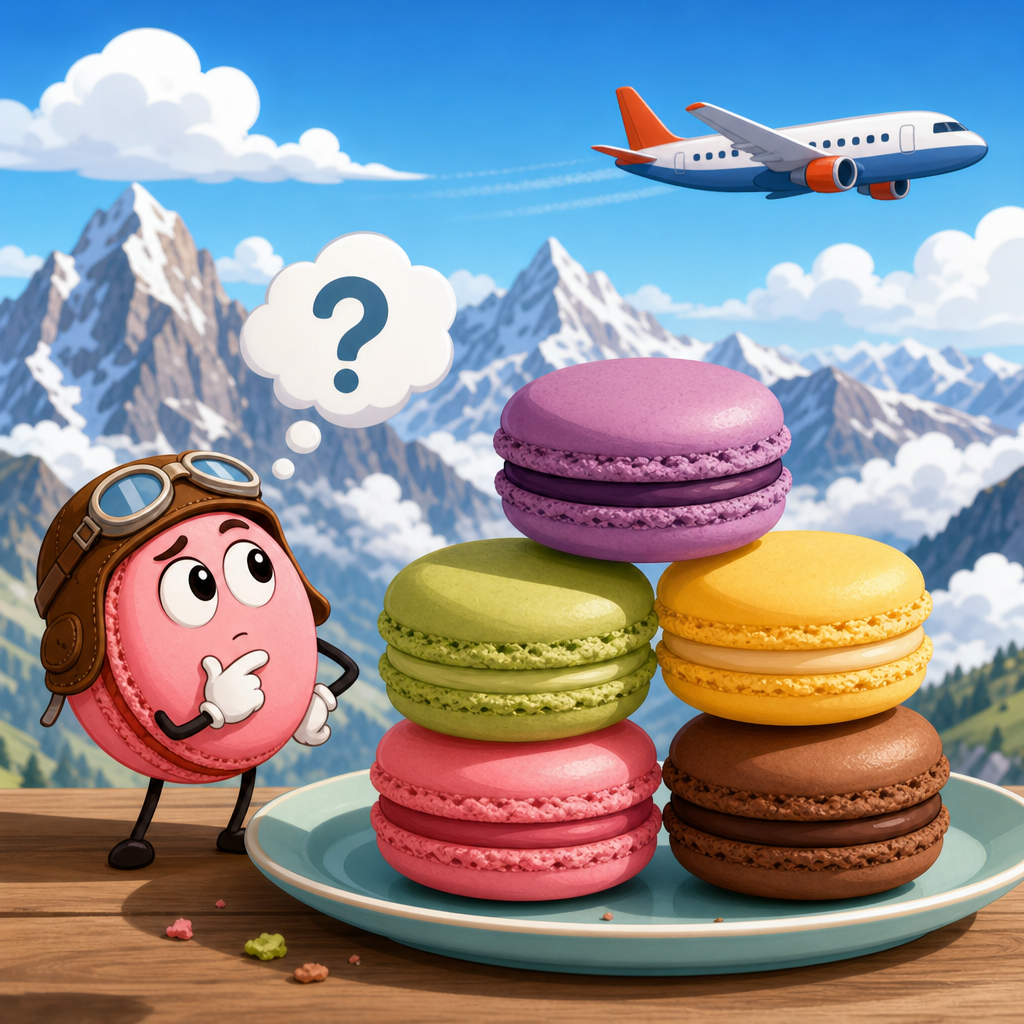
Macarons at altitude can absolutely work, but they demand tighter control than almost any other cookie in the baking canon. In mountain kitchens, where air pressure is lower and moisture evaporates faster, delicate pastry formulas behave differently from the versions written for sea level. That matters most in the “Pies, Pastries & Meringues” category because these desserts depend on structure built from butter layers, egg foams, starch gels, and sugar concentration. A small shift in evaporation rate or expansion can turn a smooth macaron shell hollow, a pie crust tough, puff pastry uneven, or meringue sticky and fragile.
When bakers talk about altitude baking, they usually mean making formula adjustments above roughly 3,000 feet, then increasing them as elevation rises. I have tested macarons, lemon meringue pies, pâte à choux, rough puff, and fruit pies in kitchens around 5,000 to 7,500 feet, and the same pattern repeats: recipes fail less because they are “wrong” and more because the margin for error narrows. At altitude, sugar cooks faster, egg whites whip differently, fillings lose water more quickly, and oven spring can become aggressive before a batter or dough has set.
This hub article explains how macarons fit into the larger world of high-altitude pies, pastries, and meringues. It defines the core mechanisms, shows what changes first, and points to practical fixes that keep results consistent. If you want a direct answer, here it is: yes, macarons can succeed at altitude, but only when you manage meringue strength, batter flow, drying, and baking temperature with precision. The same disciplined approach improves tart shells, pie fillings, pavlova, choux buns, and laminated doughs. Master the principles here, and every related bake becomes easier to troubleshoot.
Why altitude changes pies, pastries, and meringues
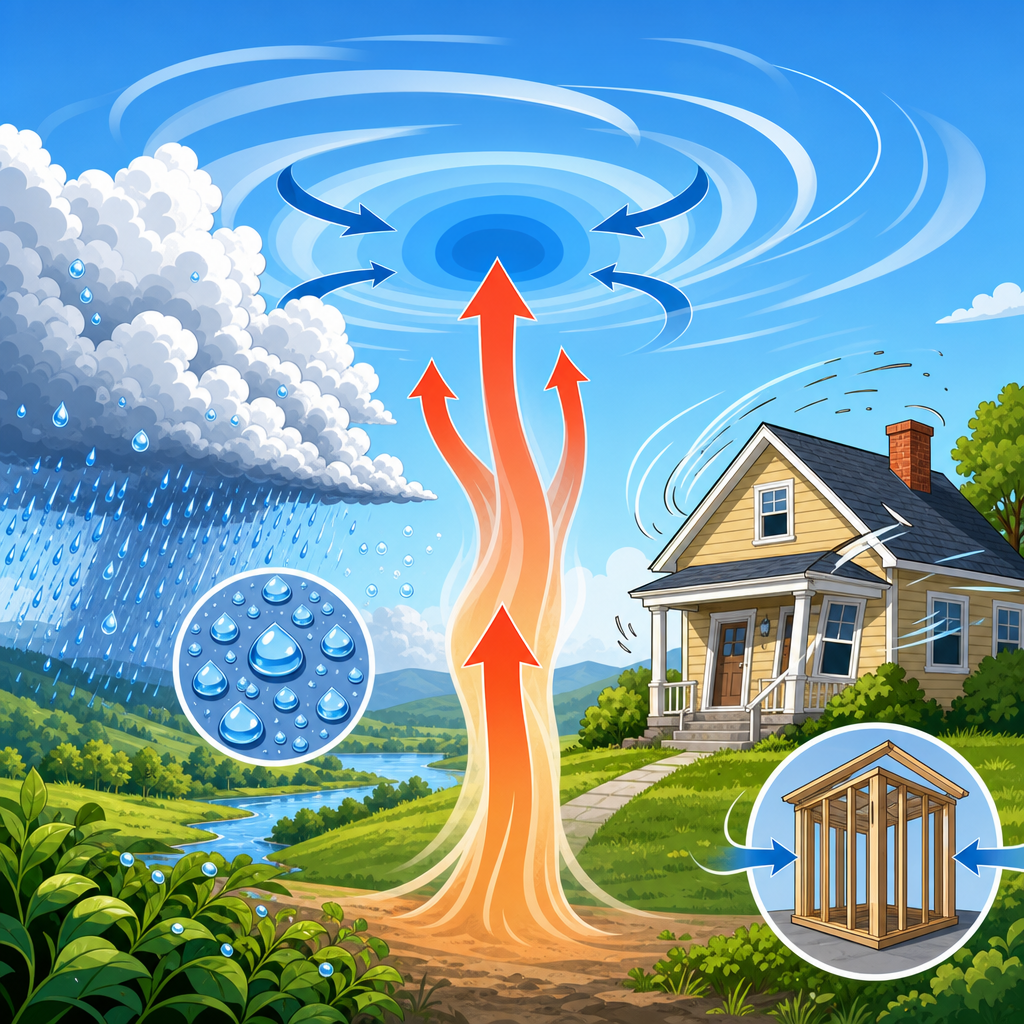
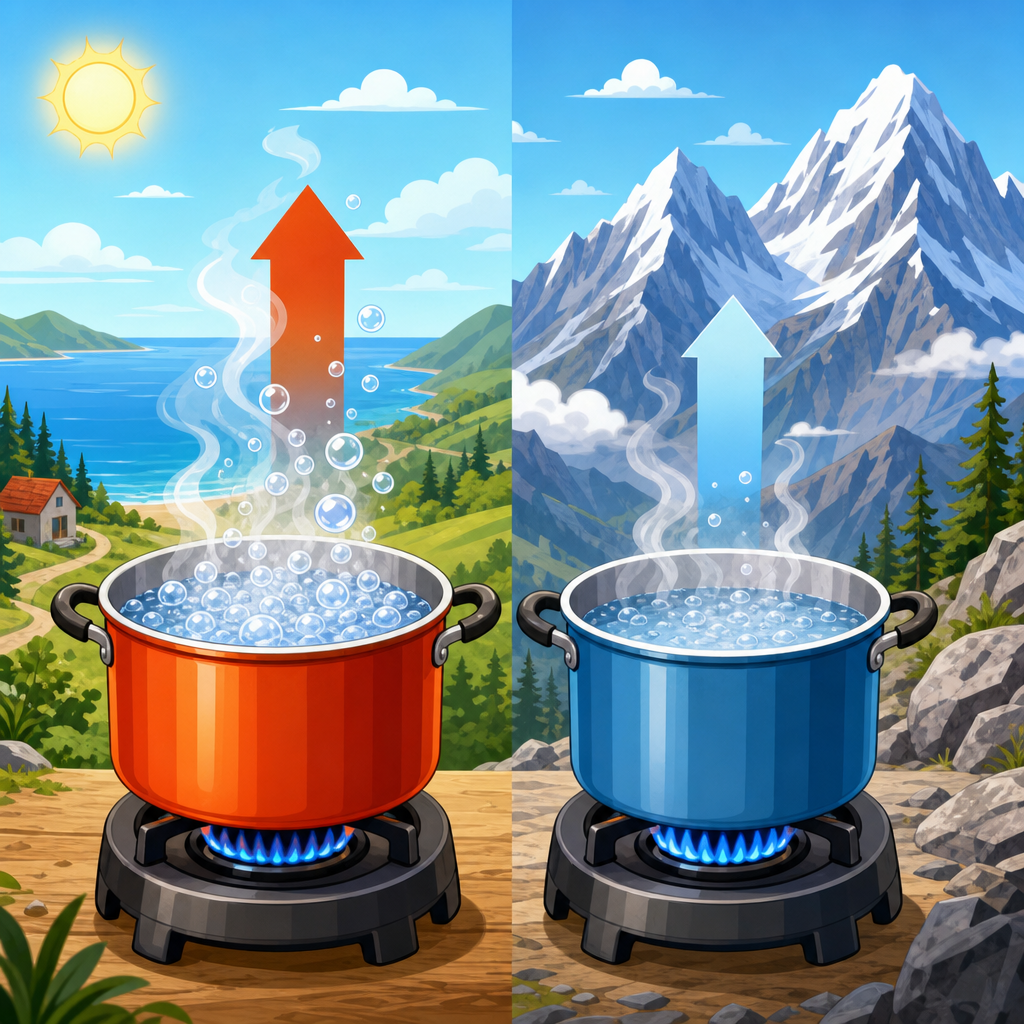
Altitude affects baking through three main forces: lower atmospheric pressure, faster evaporation, and altered boiling and setting behavior. Water boils at a lower temperature as elevation increases, so pie fillings reduce faster, sugar syrups concentrate sooner, and steam forms more readily in laminated dough and choux pastry. Meanwhile, gases in batters and foams expand more easily, which can produce dramatic rise followed by collapse if proteins and starches have not set in time. This is why a meringue can balloon and crack, or why a macaron shell can develop feet too early and then separate from its interior.
In practical terms, bakers at altitude often need slightly hotter ovens for structure-setting items, slightly lower leavening in chemically leavened pastries, and closer attention to moisture retention. For pie work, that can mean reducing added liquid, thickening fruit fillings more decisively, and shielding crust edges to prevent overbrowning. For meringues, it usually means controlling sugar ratio and whipping stage. For pastries built on steam, such as puff pastry and choux, it means balancing hydration so expansion is strong but not chaotic. These are not cosmetic tweaks; they address the physics of the bake.
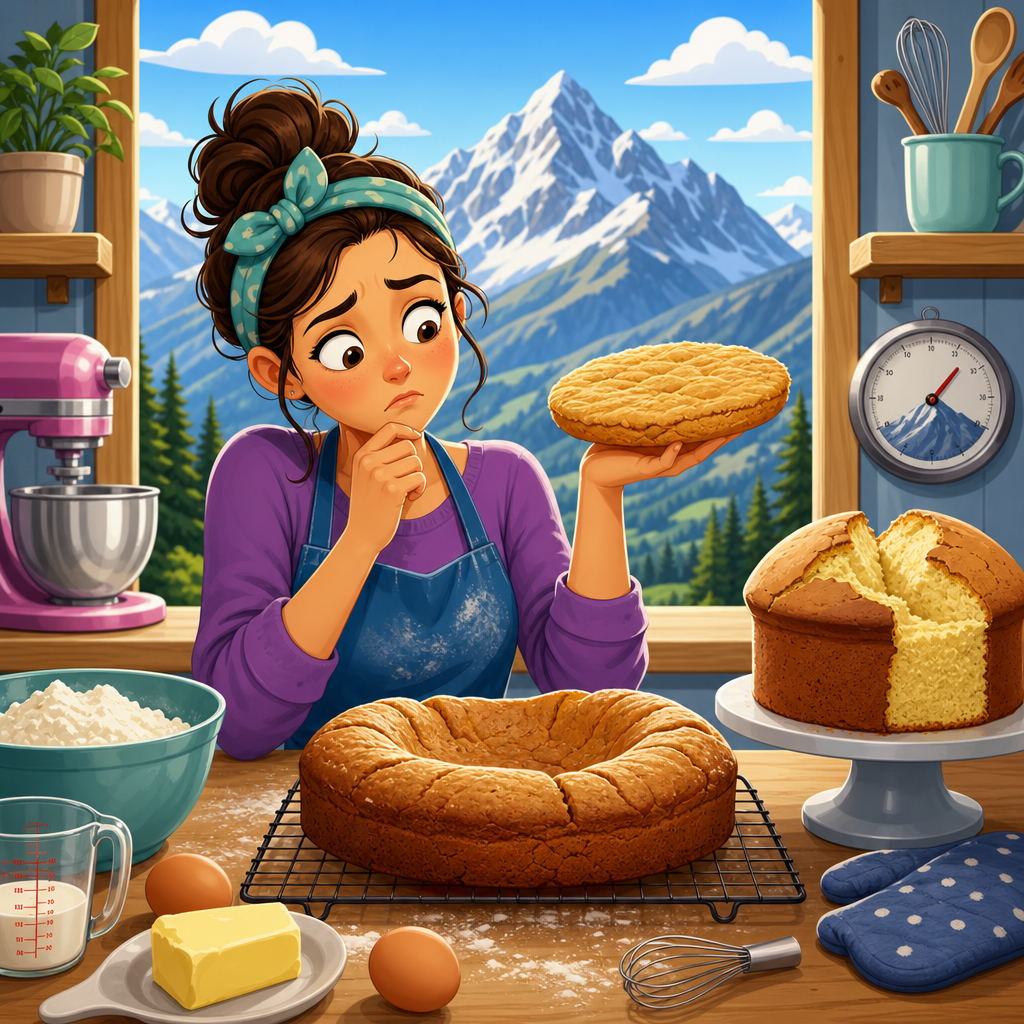
Macarons are especially sensitive because they combine an almond flour batter with a meringue whose bubbles must survive mixing, piping, drying, and baking. At sea level, a recipe may tolerate a slightly loose macaronage or an underdried shell. At 6,000 feet, the same batter can spread wide, rise too quickly, and bake hollow. That sensitivity is exactly why macarons make a useful anchor topic for this hub: once you understand why they fail at altitude, many other pastry problems become easier to diagnose.
Macarons at altitude: what actually changes and how to adjust
The biggest misconception is that altitude makes macarons impossible. It does not. It makes them less forgiving. The key variables are meringue strength, batter consistency, shell drying, and bake profile. I get the most reliable high-altitude shells using an Italian or Swiss meringue because both create a tighter, glossier foam than a basic French method. French macarons can still work, but they usually require more exact whipping and gentler macaronage. If you are struggling above 5,000 feet, changing the meringue method often improves results faster than changing every ingredient.
Start with aged or at least room-temperature egg whites, finely sifted almond flour, and confectioners’ sugar with no lumps. Whip to firm but not dry peaks. At altitude, overwhipped whites become brittle, then deflate during folding, leaving a batter that seems thick but bakes hollow. During macaronage, stop when the batter flows in a thick ribbon and settles slowly; many mountain bakers overmix because the batter initially feels tighter in dry air. Pipe consistently, tap trays to release large air pockets, and let shells dry until the surface is matte and no batter sticks to a fingertip. In very dry climates, that rest can be shorter than expected.
For baking, I usually recommend testing slightly lower temperatures than local lore suggests, often around 290°F to 305°F, because rapid expansion can create oversized feet and hollow centers before the interior dries. Use an oven thermometer; many home ovens run hot by 15 to 25 degrees. Double-stacking pans or using insulated sheets can moderate bottom heat. If shells crack, they were often underdried, underfolded, or baked with too much top heat. If they spread, the batter was overmixed or the meringue weak. If they bake hollow, the foam was unstable, the oven too hot, or the shells were pulled before fully set.
| Item | Common altitude problem | Most effective adjustment |
|---|---|---|
| Macarons | Hollows, cracked tops, oversized feet | Stronger meringue, precise macaronage, slightly gentler bake |
| Fruit pies | Runny filling, overbrowned crust | Increase thickener modestly, reduce free liquid, protect edges |
| Meringue pies | Weeping, shrinkage, beads | Use hot filling, stabilize whites, spread meringue to crust |
| Puff pastry | Butter leakage, uneven lift | Keep dough colder, rest longer, bake until fully dry |
| Choux pastry | Collapse after baking, wet centers | Adjust egg carefully, dry paste well, finish with venting |
High-altitude pie crusts and fillings: what this hub covers
Pie baking at altitude is usually easier than macarons, but the failures are different. Crust issues often come from moisture management. Dry flour absorbs inconsistently in arid climates, tempting bakers to add too much water. That creates a crust that rolls easily but bakes tough. I recommend adding ice water more gradually than sea-level recipes suggest, then relying on rest time so the flour fully hydrates before judging texture. Butter-based doughs also warm quickly in low-humidity kitchens, so brief chilling between mixing and rolling becomes more important, not less.
Fruit fillings need special attention because lower boiling points change the visual cues bakers rely on. A blueberry or peach pie may look actively bubbling before the starch has fully thickened, especially if the filling started cold. The fix is not guesswork. Use a measured thickener, such as tapioca starch, cornstarch, or ClearJel, and bake until the center bubbles repeatedly through the vents. For juicy fruit, I often increase thickener by a small amount rather than extending bake time indefinitely, which can burn the crust before the filling sets. Cooling time is part of the formula; slicing early disguises a properly baked pie as a failed one.
Custard and meringue pies add another layer because proteins must coagulate without curdling. Lemon meringue at altitude benefits from a filling cooked fully on the stovetop, then topped while still hot so the meringue bonds instead of shrinking away. The meringue itself should be spread to touch the crust all around the edge, sealing it. Cream pies and chess-style pies can overbake before their centers set cleanly, so a moderate oven and metal pie plate often give better heat transfer than thick ceramic. Across this hub, expect detailed guidance on fruit pies, custard pies, blind baking, lattice control, and meringue stability.
Pastries and meringues beyond macarons
The same altitude principles show up across classic pastry work. Puff pastry and rough puff rely on distinct butter layers that release steam in the oven. At altitude, steam generation is vigorous, which sounds helpful but exposes weak lamination. If the dough is too warm or the turns are uneven, butter leaks out before the layers set. The best correction is disciplined temperature control: cold dough, cold butter, full rests between turns, and a complete bake until the interior layers are dry. Pulling pastry when it merely looks browned leaves compressed, gummy centers.
Choux pastry is another benchmark. Because it rises primarily from steam, high-altitude choux can inflate dramatically and then collapse if the shell is too thin or underdried. The panade must be cooked enough on the stovetop to drive off excess moisture before eggs are added. Then the final paste should be smooth and pipeable but not loose. During baking, resist opening the oven early. Near the end, a brief venting step helps moisture escape so éclairs and cream puffs hold their shape. This same moisture logic applies to gougères and Paris-Brest.
Meringues deserve special mention because they are both simple and unforgiving. Swiss and Italian methods usually outperform French meringue at altitude when stability matters. Sugar dissolved properly into the whites reduces graininess and helps the foam retain moisture. Acid, such as cream of tartar or lemon juice, can support foam stability, but it is not a cure-all if the whites are overwhipped. For pavlova, dacquoise, and pie toppings, low-and-slow baking or drying is still essential. Browning the exterior too fast traps moisture inside, leading to collapse, beads of syrup, or a marshy center where a crisp shell was expected.
Tools, standards, and a troubleshooting mindset
Successful altitude baking is less about collecting secret recipes and more about using repeatable controls. The tools I trust most are a digital scale, an oven thermometer, a probe thermometer, heavy-gauge sheet pans, and a notebook. Weighing ingredients is nonnegotiable for macarons and strongly recommended for pie dough, choux, and laminated pastry. Even a 10-gram error in egg white or flour can change a batter enough to affect shell formation. Oven accuracy matters just as much; many “altitude” failures are simply temperature errors exposed by a delicate formula.
Standards from professional pastry kitchens still apply in mountain homes: mise en place, ingredient temperature control, and process consistency. Use the same almond flour brand when troubleshooting macarons. Note the protein range of your flour when adjusting pie dough. Record humidity, rest time, and pan type. If you change three variables at once, you learn nothing. I advise bakers to diagnose by symptom. Hollow macarons point toward foam and bake profile. Weeping meringue points toward sugar dissolution, topping a cool filling, or underbaking. Soggy-bottom pies point toward insufficient bottom heat, excess filling liquid, or premature slicing.
As this sub-pillar hub expands, each linked article should answer one focused problem completely: how to blind bake at altitude, how to prevent shrinking tart shells, how to stabilize meringue, how to adapt puff pastry, and how to judge doneness in fruit pies. That structure helps readers find the fix they need without losing the big picture. The big picture is simple. Altitude does not rewrite pastry science; it amplifies weak technique and rewards precision. Once you bake with that mindset, macarons stop feeling mythical, pies slice cleaner, pastry lifts higher, and meringues hold their shape with far less drama.
Macarons at altitude do work, and they work for the same reason every successful high-altitude pie, pastry, or meringue works: structure must set before expansion and evaporation outrun the formula. That principle connects this entire hub. Macarons need stable meringue and precise baking. Fruit pies need controlled liquid and fully activated thickeners. Custard pies need steady heat. Puff pastry and choux need moisture balanced against strong structure. Meringues need sugar managed carefully and enough drying time to finish the job.
If you remember only a few things, make them these. Weigh ingredients. Trust thermometers more than recipe folklore. Change one variable at a time. Use symptom-based troubleshooting instead of random adjustment. And accept that mountain baking is not harder because the recipes are cursed; it is harder because precision matters more. In my experience, once bakers understand that shift, their results improve quickly across the entire category, not just with one dessert.
Use this page as your starting point for “Cooking & Baking at Altitude” under pies, pastries, and meringues, then move into the individual guides that match the problem on your counter today. If macarons are your challenge, start with meringue strength, drying, and bake temperature. If pies or pastry are giving you trouble, focus on moisture and doneness cues. Apply the principles here, keep notes, and your altitude baking will become far more predictable.
Frequently Asked Questions
Can macarons really be made successfully at high altitude?
Yes, macarons can absolutely work at high altitude, but they are far less forgiving than many other cookies. Macarons rely on a very narrow balance of whipped egg whites, dissolved sugar, almond flour, and moisture loss in the oven. At altitude, lower air pressure changes how quickly moisture evaporates and how rapidly trapped air expands, which means a batter that behaves beautifully at sea level can spread too much, dry too fast, hollow out, crack, or rise unevenly in a mountain kitchen. That does not mean the method is impossible; it means the margin for error gets smaller. Bakers at altitude usually get the best results by making controlled adjustments rather than changing everything at once. In practice, that often means slightly strengthening the meringue, watching macaronage more carefully so the batter is not over-loosened, and being willing to test small shifts in oven temperature, resting time, and bake duration. Once those variables are tuned to a specific kitchen, consistent macarons are very achievable.
Why do macarons behave so differently in mountain kitchens?
Macarons are especially sensitive because they depend on foam structure and precise moisture management. The whipped egg whites create a fragile network that must stay strong long enough for the shells to rise, develop feet, and set before collapsing. At high altitude, the reduced atmospheric pressure allows gases in the batter to expand more easily, which can cause the shells to puff quickly before their structure is fully stable. At the same time, moisture evaporates faster, which affects both the batter and the baking process. A shell may form sooner on the surface while the interior is still unstable, leading to hollows or lopsided feet. Sugar concentration also matters more than many bakers realize. In meringue-based pastries, sugar helps stabilize egg whites and regulate water movement. If evaporation happens faster than expected, the formula can behave as though it has shifted out of balance. That is why altitude adjustments for macarons are not just about baking longer or hotter; they are about understanding the interaction between foam strength, sugar, and moisture loss. In the broader pies, pastries, and meringues category, this is a common theme: delicate structures built from air, fat, starch, or dissolved sugar become much more sensitive when the environment changes.
What are the most important adjustments to try when baking macarons at altitude?
The smartest approach is to make a few targeted adjustments and keep notes rather than overhaul the recipe all at once. Start with the meringue, because a stable meringue is the backbone of a good macaron shell. Many altitude bakers benefit from whipping to a strong, glossy peak rather than a softer one, but stopping before the meringue becomes dry or clumpy. Some also find that aging egg whites or using powdered egg white can improve consistency, though that depends on the recipe. During macaronage, be conservative. Batter that is folded to a perfect “lava” flow at sea level may become too loose at altitude, so stopping slightly earlier can help preserve structure. It is also common to test a modest increase in oven temperature so the shells set before they over-expand, though the exact number depends on the oven and pan setup. Resting time may need adjustment too. In dry climates, shells can skin over very quickly, and over-drying can contribute to weak rise or uneven feet. Use visual and tactile cues rather than the clock alone. Finally, bake one tray at a time if possible and evaluate shell shape, feet, hollows, and browning after every run. Macarons reward precision, and at altitude that precision matters even more.
What causes common high-altitude macaron problems like cracking, hollow shells, or spreading?
Those issues usually come from structure failing at one of several critical stages. Cracking often happens when the top of the shell cannot expand evenly, either because the shell did not rest enough, the oven is too aggressive, or the interior rose too quickly before the surface was ready. At altitude, fast gas expansion can make that problem more pronounced. Hollow shells are another frequent complaint, and they usually point to a mismatch between rise and set. The shell may balloon upward from expanding air, but if the interior does not bake into a stable structure soon enough, it leaves empty space inside. Overwhipped meringue, overly loose batter, or too much heat too early can all contribute. Excessive spreading often comes from overmixing during macaronage, but altitude can magnify it because lower pressure and faster moisture shifts make the batter less predictable. Even ingredient inconsistency plays a role. Almond flour that is too oily, powdered sugar with lumps, or egg whites measured imprecisely can create a batter that is already borderline before altitude effects push it over the edge. The key is to diagnose one symptom at a time and connect it to a stage in the process: meringue quality, folding, resting, oven settings, or bake length. That kind of troubleshooting is usually more effective than chasing random fixes.
How can I make my high-altitude macaron results more consistent from batch to batch?
Consistency comes from controlling variables with almost laboratory-level discipline. Weigh every ingredient, including egg whites, and avoid volume measurements. Sift dry ingredients thoroughly, and if the almond flour is coarse or damp, address that before mixing. Use the same mixing method, same pan type, same parchment or silicone setup, and ideally the same oven rack position every time. Because mountain kitchens are often dry, temperature and humidity matter even more than bakers expect. A rainy day, a very dry winter day, or a hot kitchen can all change how quickly the shells form a skin and how the batter flows. Keep a record of rest time, oven temperature, bake time, and the exact result so you can identify patterns. It also helps to know your oven honestly; many home ovens run hotter or cooler than the dial suggests, and macarons expose that immediately. If possible, verify with an oven thermometer. Perhaps most importantly, test in small increments. Change one factor at a time, such as a slightly shorter macaronage, a 10-degree temperature increase, or a few extra minutes of baking, then compare the results. High-altitude macaron success rarely comes from a single magic trick. It comes from building a repeatable system that matches your recipe, your oven, and your elevation.