Pie crust at altitude challenges even experienced bakers because mountain conditions change how fat melts, how flour hydrates, and how water leaves dough. A crust that stays layered and crisp at sea level can turn tough, shrunken, or dry at 5,000 feet and above. In practical terms, altitude baking means working in lower air pressure, lower boiling temperature, and usually lower humidity, all of which influence pastry from mixing through baking and cooling. For a subtopic hub on pies, pastries, and meringues, pie crust is the foundation: if the shell fails, fruit fillings leak, custards crack, cream pies weep, and decorative tops lose definition. The good news is that flaky pie crust at altitude is not mysterious. It comes from controlling temperature, moisture, gluten development, and oven timing with more precision than many standard recipes require. After years of testing dough in dry mountain kitchens, I have found that small changes matter more than dramatic formula rewrites, and understanding the reasons behind them leads to consistent results across fruit pies, blind-baked shells, turnovers, galettes, tart crusts, puff-style pastries, and meringue-topped pies.
Why altitude changes pie dough behavior
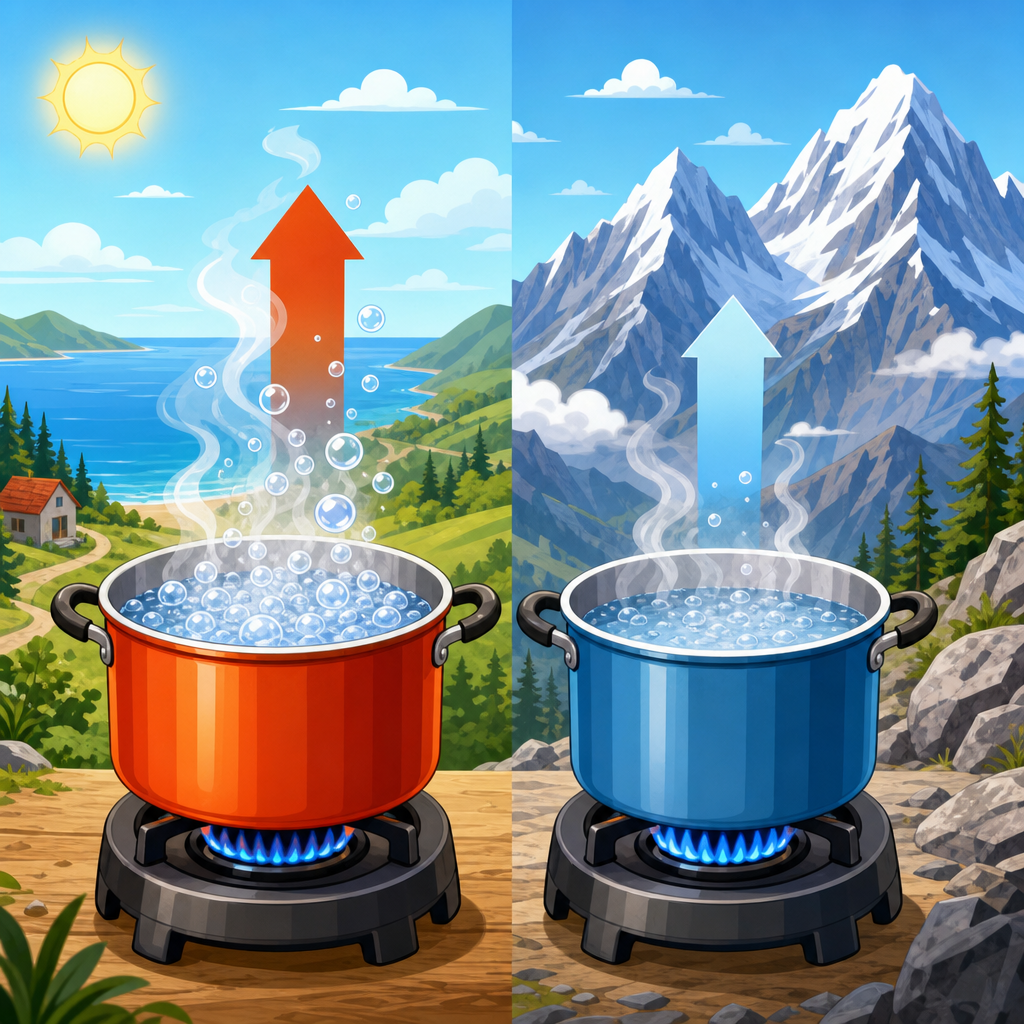
At altitude, evaporation accelerates and water boils at a lower temperature, so dough loses moisture faster before its structure fully sets. That means a pie crust can dry on the edges while the center still needs time, or it can release steam quickly enough to create uneven bubbling and shrinkage. Lower humidity adds another complication: flour and starches often begin drier than they would in coastal kitchens, so a dough mixed by feel may need a little more liquid than the recipe suggests. Bakers often assume altitude mainly affects cakes, but pastry is highly sensitive because flakiness depends on preserving cold pieces of butter or shortening until the oven generates steam. If the dough dries out, you add too much force to make it come together, and that extra handling develops gluten. More gluten means toughness instead of tenderness.
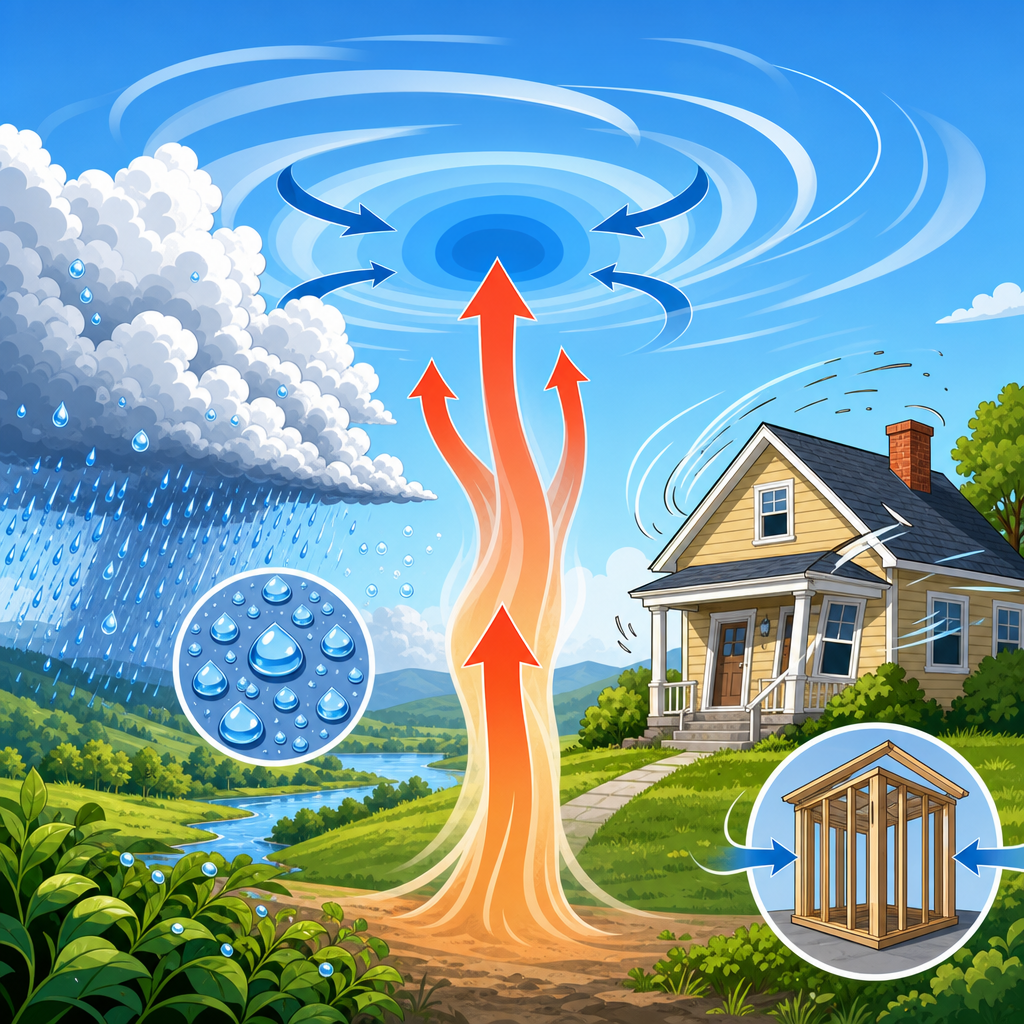
Temperature swings are also magnified in mountain baking. Butter can go from ideal firmness to greasy softness quickly under warm hands, yet refrigerated dough can become so firm and dry that rolling causes cracking. Lower atmospheric pressure affects leavened pastries more dramatically, but even unleavened pie crust changes because steam expands differently and structural set happens on a tighter timeline. This is why altitude pie crust instructions should specify ingredient temperature, resting periods, pan material, and visual doneness cues, not just ingredient weights.
The core formula for flaky pie crust at altitude
A reliable altitude pie crust still starts with the classic ratio: flour for structure, fat for flake and tenderness, water for hydration, and salt for flavor. Many bakers also use a small amount of acid, such as vinegar or lemon juice, to limit oxidation and modestly discourage excessive gluten toughness, though acid is not a cure-all. For most double-crust pies, I prefer all-purpose flour with 10 to 11.5 percent protein rather than bread flour. Bread flour makes rolling easier in some situations, but it creates a firmer bite that can read as tough once moisture loss is factored in. Pastry flour is excellent for tender tart shells, yet in a very dry climate it can feel fragile for lattice or top crust work.
Butter produces superior flavor and distinct layers, but it melts quickly. Vegetable shortening stays solid over a wider range and can be useful above 7,000 feet where warm kitchens and rapid handling losses become more noticeable. Many professional bakers use a combination, often around 70 percent butter and 30 percent shortening by weight, to balance flavor and workability. Water should be added gradually, and at altitude the right amount is often slightly higher than in the same recipe at sea level. The key is not “more water” in the abstract; it is enough water for the dough to hold when pressed without becoming sticky or smooth. Visible pieces of fat should remain throughout mixing.
Ingredient adjustments that actually help
The most effective pie crust altitude adjustments are modest and targeted. For every 2 1/2 cups, or about 300 grams, of flour, many mountain bakers need an extra 1 to 2 teaspoons of ice water compared with sea-level formulas, especially in winter. If the dough repeatedly cracks at the perimeter when rolled after proper resting, underhydration is more likely than overchilling. Salt should not be reduced; bland crust tastes drier than it is. Sugar in sweet pie dough should remain low unless you specifically want a cookie-like shell, because higher sugar promotes faster browning before the interior layers are fully baked.
Acid can help in small amounts. A teaspoon of cider vinegar or lemon juice in the ice water is enough for a standard double crust. Too much acid alters flavor and does not solve poor technique. Some bakers replace part of the water with vodka because alcohol limits gluten formation and evaporates readily; this can be useful at altitude, but it is still possible to overwork the dough. The real gains come from weighing flour, keeping fat cold, and stopping the mixer or pastry blender earlier than your instincts may suggest. Dough should look shaggy before resting, not polished.
| Issue | Likely cause at altitude | Most useful fix |
|---|---|---|
| Dough cracks while rolling | Underhydration or overchilling | Add 1 teaspoon water during mixing next batch; rest slightly longer before rolling |
| Crust turns tough | Too much mixing or too much flour during rolling | Leave larger fat pieces; brush excess bench flour away |
| Edges slump in blind baking | Fat warmed before baking or shell not chilled enough | Freeze shaped shell 15 to 20 minutes; use pie weights to the rim |
| Bottom stays pale | Oven heat too low or glass/ceramic pan heats slowly | Start hotter, bake on preheated steel or heavy sheet pan |
| Crust browns too fast | Low moisture and high sugar wash exposure | Use foil shield later in bake; reduce egg wash thickness |
Mixing, resting, and rolling without losing flake
Flakiness comes from discrete layers of fat in dough. In the oven, water in the butter and dough turns to steam, separating those layers before the flour matrix fully sets. At altitude, that steam release can be brisk, so preserving structure before baking matters even more. I cut butter into pieces about the size of hazelnuts for most pie crusts, leaving a few larger flat shards for dramatic layers. A food processor is fast, but it can overreduce fat in seconds; pulsing carefully works, yet for warm kitchens I often prefer a pastry blender or fingertips because I can feel when the mixture has reached a coarse, uneven meal with visible chunks.
Resting is not optional. A first rest after mixing allows hydration to equalize so you are not tempted to add excess water. A second chill after shaping the disk firms the fat. A third chill after lining the pan is one of the most overlooked altitude steps, particularly for blind-baked shells and decorative edges. If the dough springs back aggressively while rolling, let it sit on the counter for three to five minutes rather than forcing it thinner. Force compacts layers and creates shrinkage. Roll from the center outward, rotating often, and use only enough bench flour to prevent sticking. Excess flour dries the surface and toughens the finished crust.
Baking strategy for single-crust, double-crust, and blind-baked pies
For flaky pie crust at altitude, oven management matters as much as dough composition. I generally bake fruit pies 15 to 25 degrees Fahrenheit hotter at the start than many standard recipes suggest, then reduce slightly if browning races ahead of filling thickening. An initial temperature around 425 degrees Fahrenheit helps set layers and encourages bottom crust browning, especially when the pie sits on a preheated baking steel or heavy metal sheet. Glass pie plates allow visual monitoring of the underside, but metal pans conduct heat faster and often produce a crisper base in mountain ovens.
Blind baking requires even more discipline. Docking alone is rarely enough. Line the chilled shell with parchment, fill with pie weights or dry sugar all the way to the rim, and bake until the edges are dry and lightly colored before removing the weights. Then return the shell to the oven until the bottom looks matte rather than raw and glossy. At altitude, underbaked shells absorb custard or cream pie moisture rapidly and lose crispness. For double-crust pies, venting is essential because fillings can boil vigorously. Wide slits or a lattice top release steam and reduce the chance that trapped moisture softens the upper crust. For hand pies and turnovers, sealing with water alone can fail; an egg wash seal and thorough chilling hold better.
How this hub connects pies, pastries, and meringues
This page is the working hub for pies, pastries, and meringues because the same altitude principles repeat across formats. Fruit pies need a sturdy bottom crust and vented top because juicy fillings boil earlier and evaporate faster. Custard pies, including pumpkin and chess-style pies, depend on fully blind-baked shells because their fillings set gently and cannot rescue an underdone crust. Cream pies require complete shell baking and careful cooling so condensation does not soften layers. Galettes and crostatas use a more rustic free-form crust, but hydration and chilling remain critical because unsupported dough can crack or leak.
Pastries extend the same logic. Rough puff, palmiers, turnovers, and pop tarts all rely on cold butter layers and controlled rolling. At altitude, lamination warms faster and proofed pastry can overexpand before structure sets, so shorter work intervals and firmer chilling are beneficial. Meringues may seem separate from pie crust, yet they complete many classic pies and fail for similar environmental reasons. Dry air can help crisp meringue shells, but low pressure and rapid evaporation also increase the risk of overbeating whites, coarse foam, and shrinking toppings. Italian and Swiss meringues are often more stable than French meringue for high-altitude pie finishing because dissolved sugar and heat-treated structure hold better over hot fillings. If you are building an internal library of recipes, the natural next pieces under this hub are fruit pie filling adjustments, blind-baking methods, high-altitude rough puff, stable meringue toppings, tart shells, and troubleshooting soggy bottoms.
Troubleshooting the failures bakers see most often
If your crust shrinks down the sides of the pan, the usual causes are overworked gluten, stretching the dough to fit, or insufficient chilling before baking. Lower pressure did not create the problem by itself; altitude simply exposed weak technique more clearly. If the crust leaks butter, the fat pieces were too large for the dough’s hydration level, or the dough warmed excessively before going into the oven. If the crust is pale and greasy, the oven likely ran cool or the shell was underbaked. An inexpensive oven thermometer catches this more often than recipe adjustments do.
Soggy bottoms almost always trace to one of four issues: juicy filling without a thickener calibrated for altitude, no heat reservoir under the pie, underbaked shell, or cooling the pie in a way that traps steam beneath it. Tough crust points to too much water, too much mixing, or too much bench flour, though many bakers misdiagnose underhydration as toughness because dry dough feels resistant. Cracking after baking can happen when the dough was too dry or when a fully baked shell cooled too quickly in a draft. The fix is systematic testing. Change one variable at a time, record pan type, rack position, oven temperature, dough temperature, and hydration, and your results will improve quickly.
Flaky pie crust at altitude is achievable when you treat pastry as a controlled process rather than a casual recipe. Keep ingredients cold, but not so cold that the dough shatters when rolled. Add only enough water for the dough to hold, recognizing that dry mountain kitchens often need slightly more than printed formulas. Rest the dough, chill the shaped shell, and start baking with enough heat to set layers and brown the bottom. Use this hub as your base for the broader world of pies, pastries, and meringues: fruit pies, custards, cream pies, galettes, turnovers, tart shells, rough puff, and stable toppings all build on the same core principles. When you understand evaporation, gluten, fat distribution, and timing, altitude stops being a mystery and becomes a variable you can manage. Save this page, test one adjustment at a time, and your next crust will be lighter, crisper, and reliably flaky.
Frequently Asked Questions
Why does pie crust behave differently at high altitude?
Pie crust changes at altitude because the environment changes the way dough forms, rests, and bakes. At 5,000 feet and above, air pressure is lower, water boils at a lower temperature, and the air is often drier. That combination affects every major part of pastry-making. Flour tends to need slightly more moisture to hydrate properly, but water also evaporates faster during mixing, rolling, and baking. At the same time, butter or shortening can soften and melt more unpredictably, which makes it harder to preserve the distinct fat layers that create flakiness.
Lower air pressure also changes how steam behaves in the oven. Steam is essential in pie crust because it helps separate thin layers of dough around solid pieces of fat. If the dough is too dry, there is not enough steam to lift those layers. If it is too warm, the fat melts into the flour before baking, and the crust bakes up mealy or tough instead of flaky. Altitude can also make crusts shrink more if the gluten has been overworked or if the dough was not rested long enough. In short, high-altitude pie crust success depends on controlling three things more carefully than at sea level: temperature, hydration, and handling. When bakers keep the dough cold, add liquid gradually, and avoid overmixing, they give themselves the best chance of getting a tender, crisp, well-layered crust.
How can I keep my pie crust flaky instead of tough or dry at altitude?
The most reliable way to keep pie crust flaky at altitude is to focus on cold ingredients, minimal mixing, and slightly adjusted hydration. Flakiness comes from small, intact pieces of fat trapped between thin sheets of dough. In the oven, those pieces release steam and create layers. If you overwork the dough, the flour develops too much gluten and the fat gets smeared in, which leads to toughness instead of flakes. This is even easier to do in a dry, high-altitude kitchen, where bakers sometimes keep adding liquid and handling the dough longer than necessary.
Start with very cold butter, lard, shortening, or a combination, and chill your flour and bowl if your kitchen runs warm. Add ice water a little at a time, just until the dough holds together when pressed. At altitude, dough often needs a touch more water than standard recipes suggest, but the key is to add it gradually rather than all at once. The dough should look somewhat shaggy before you gather it; it should not be smooth like bread dough. After mixing, flatten it into a disk and let it rest in the refrigerator so the flour can fully hydrate and the gluten can relax. That resting period matters even more at altitude because it reduces cracking, shrinking, and uneven texture.
When rolling, use as little extra flour as possible, since too much bench flour can dry the dough further. If the dough cracks around the edges immediately, it may need a brief rest or a tiny bit more moisture next time. If it feels sticky and greasy, it has probably warmed up too much and should be chilled before continuing. Bake in a fully preheated oven so the fat stays solid long enough to create steam and layers. Those small adjustments often make the difference between a crust that is brittle and dense and one that is crisp, tender, and distinctly flaky.
Do I need to add more water to pie dough when baking at high altitude?
Often, yes. One of the most common altitude-related pie crust problems is underhydrated dough. Because high-altitude air is typically drier, flour can absorb moisture differently, and water can disappear more quickly from the dough and from the surface while you work. That means a pie crust recipe that seems perfectly balanced at sea level may feel crumbly, cracked, or impossible to roll smoothly in a mountain kitchen. Adding a little more water can help, but it should be done carefully and intentionally.
The goal is not wet dough. The goal is adequately hydrated dough that holds together without heavy kneading. Add ice water one teaspoon or one tablespoon at a time, depending on batch size, and toss it in gently rather than stirring aggressively. Press a handful of dough together to test it. If it stays in a clump and only shows a few dry spots, it is probably ready to rest. If it falls apart immediately, it likely needs a bit more water. At altitude, that “bit more” may only be a tablespoon or two for a standard double crust, but it can have a major effect on the finished texture.
Resting the dough after mixing is just as important as the amount of water itself. A dough that seems slightly dry at first often becomes easier to roll after chilling because the flour has had time to absorb the liquid more evenly. If you skip the rest and keep mixing to force the dough together, you risk toughness. So yes, high-altitude pie dough frequently benefits from extra water, but the better principle is to let the dough’s texture guide you rather than relying only on the original recipe measurement.
Why does my pie crust shrink, slump, or lose its shape in the oven at altitude?
Shrinkage and slumping usually point to gluten tension, overhandling, or insufficient chilling, and altitude can exaggerate all three. When dough is mixed too much or rolled too aggressively, the flour proteins develop elasticity. In the oven, that elasticity contracts, pulling the crust down the sides of the pan or causing the edges to shrink. At altitude, where moisture balance is already trickier and baking conditions are less forgiving, even a well-made crust can lose shape if it goes into the oven too warm or too tense.
To reduce shrinkage, mix only until the dough just comes together, then give it time to rest after mixing and again after lining the pie plate. That second chill is especially helpful. Once the crust is fitted into the pan, refrigerate or freeze it briefly before baking so the fat firms back up and the gluten relaxes. Avoid stretching the dough to make it fit the plate; stretched dough always wants to spring back. Instead, lower it in gently and let it settle naturally into the corners. If you are blind baking, use parchment and pie weights generously so the sides are supported while the crust sets.
Pan choice and oven readiness also matter. A pie plate that heats evenly and a fully preheated oven help the crust set before the fat fully melts. If the oven is not hot enough at the start, the butter can liquefy and the dough can slump before structure develops. For bakers at altitude, that often means being more disciplined about chilling the shaped crust, avoiding overworked scraps, and not rushing the bake. Those steps preserve both the appearance and the flaky structure of the crust.
What are the best practical tips for baking a crisp, flaky pie crust above 5,000 feet?
The best high-altitude pie crust strategy is a combination of small, practical habits rather than one dramatic recipe change. First, keep everything cold. Chill your fat, your mixed dough, and even your rolling surface or sheet pan if your kitchen is warm. Second, watch hydration closely. Expect that your dough may need slightly more ice water than the printed recipe suggests, but add it gradually and stop as soon as the dough can hold together when pressed. Third, handle the dough as little as possible so the fat stays in distinct pieces and the gluten does not become overdeveloped.
Fourth, build in resting time. Rest the dough after mixing so the flour hydrates fully, and chill it again after fitting it into the pie plate. This helps prevent cracking during rolling and shrinkage during baking. Fifth, avoid excess bench flour when rolling because it can dry out the dough and throw off the flour-to-fat ratio on the surface. If sticking is an issue, short chilling breaks are often more effective than adding a lot more flour. Sixth, bake in a well-preheated oven and consider placing the pie on a preheated baking sheet or stone if you want stronger bottom heat for a crisp base.
Finally, judge the crust by color and texture rather than time alone. At altitude, recipes may bake a little differently, and a pale crust is often an underbaked crust. For fruit pies especially, you want the bottom crust to have enough time to dry and set, not just the top to turn golden. If you repeatedly get dry crust, add a touch more water next time. If you get greasy or dense crust, chill more aggressively and reduce handling. With a few altitude-aware adjustments, pie crust can still be beautifully flaky, tender, and crisp even in a mountain kitchen.