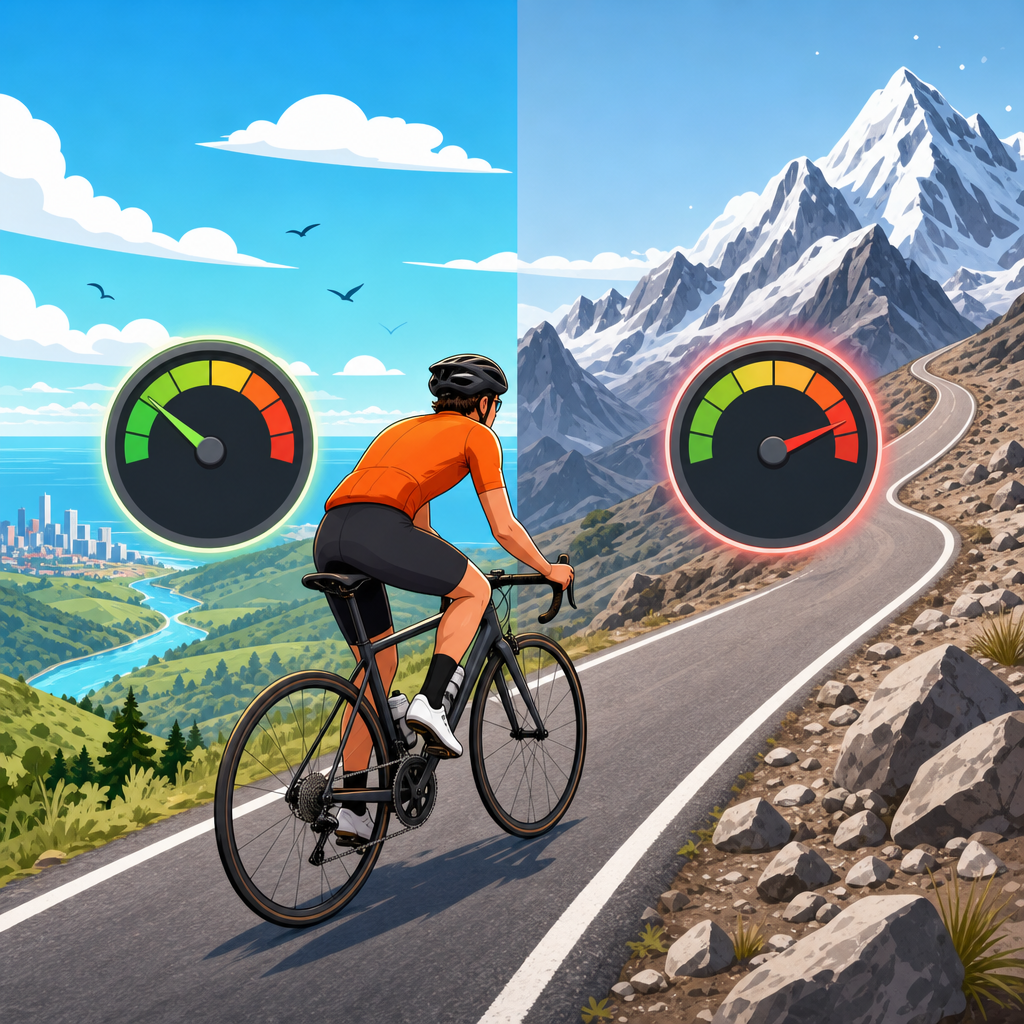
Heat training and altitude training are two of the most discussed methods for improving endurance, resilience, and race-day performance, yet they work through different physiological pathways and suit different athletes, schedules, and goals. In performance strategy, heat training means repeated exercise or passive exposure in hot conditions to drive adaptations such as expanded plasma volume and improved thermoregulation, while altitude training means living, sleeping, or training in reduced-oxygen environments to stimulate changes linked to oxygen transport, especially increased erythropoietin and red blood cell production. Both methods matter because hikers, runners, cyclists, triathletes, mountaineers, and military athletes often need to perform under environmental stress, and limited training time makes the choice consequential. I have used both approaches with endurance athletes preparing for summer ultras, mountain trekking, desert stage races, and sea-level marathons, and the right choice has never been universal. The useful question is not which method sounds more advanced, but which one creates the most transferable adaptation for the event, the athlete, and the available recovery budget.
What heat training actually improves
Heat training is most useful when the goal is to improve thermal tolerance, maintain output in hot conditions, and gain cardiovascular adaptations that carry over beyond heat-specific racing. Repeated exposure, typically over seven to fourteen days, increases plasma volume, lowers heart rate at a given workload, improves sweat rate and sweat distribution, and often reduces perceived exertion during submaximal efforts. Those changes help preserve stroke volume when body temperature rises, which is why a runner who fades badly in July can look transformed after a structured acclimation block. In plain terms, the body becomes better at moving blood to both working muscles and the skin without the same level of cardiovascular strain.
For hikers and mountain athletes, heat training also offers a practical benefit: it is accessible. A treadmill session in extra clothing, an indoor bike workout without a fan, a post-exercise sauna, or hot-water immersion after training can create a meaningful stimulus without travel. The strongest evidence supports controlled, repeatable exposure rather than random suffering. Core temperature needs to rise enough to challenge thermoregulation, but not so high that quality training collapses. In practice, I have found that easy to moderate sessions of forty-five to ninety minutes, followed in some cases by twenty to thirty minutes of sauna, work better than turning every workout into a death march. The athlete still needs to complete the broader program.
There is also a sea-level performance angle. Some studies and field experience show small but real gains in endurance economy after heat blocks, partly from plasma expansion and improved cardiovascular stability. These gains will not replace threshold work, long runs, or climbing strength, but they can complement them. For summer marathoners, thru-hikers, or trekkers facing hot valleys before high passes, heat training often delivers a higher return than people expect because the adaptation window is relatively short and the logistics are simple.
What altitude training actually improves
Altitude training is most useful when the event demands oxygen efficiency or occurs at moderate to high elevation, generally above 1,500 meters, where reduced partial pressure of oxygen begins to impair performance. The central adaptation people seek is increased red blood cell mass through erythropoietin signaling, though the response varies widely between individuals. When it works, the athlete can transport more oxygen, which supports aerobic metabolism during sustained efforts. Altitude exposure can also improve muscle buffering, economy in some athletes, and psychological familiarity with thin-air discomfort, but the headline benefit remains oxygen delivery.
The important nuance is that altitude training is not one thing. Living high and training high often compromises workout quality because paces slow and recovery costs increase. Living high and training low, when available, usually preserves intensity better while still providing enough hypoxic exposure to stimulate adaptation. Simulated altitude tents and rooms can help with access, but they add cost, sleep disruption risk, and compliance issues. On paper, spending three to four weeks at altitude sounds ideal. In reality, many recreational athletes cannot take that time away, and a poorly timed camp can leave them stale rather than stronger.
For hikers and alpinists, altitude training has a second role beyond performance: acclimatization rehearsal. It does not make someone immune to acute mountain sickness, but prior exposure can improve familiarity with pacing, hydration, appetite changes, and sleep disturbance. That matters on long treks where poor decisions on day two can ruin day five. I have seen strong sea-level runners underperform badly at 3,500 meters simply because they treated altitude like ordinary fatigue. Specific preparation, whether through staged ascent, prior camps, or simulated exposure, changes those outcomes more reliably than bravado.
Heat training vs altitude training: the key differences
The simplest way to compare heat training vs altitude training is to match stimulus to performance limiter. Heat primarily challenges thermoregulation and cardiovascular stability. Altitude primarily challenges oxygen availability. Heat adaptations arrive faster, often within one to two weeks, and can be maintained with occasional top-up sessions. Altitude adaptations usually require longer exposure, often three or more weeks for a meaningful hematological effect, and the individual response is less predictable. Heat blocks are cheaper, easier to schedule, and easier to integrate into normal training. Altitude blocks are more resource-intensive and can reduce training quality if mishandled.
That does not mean heat is always better. If the event is a high-altitude climb, mountain ultra, or trekking expedition above 2,500 meters, altitude-specific preparation is usually more useful because the event stressor is not just effort; it is reduced oxygen pressure all day and all night. Conversely, if the event is a hot marathon, desert hike, or midsummer gran fondo at sea level, heat training offers more direct transfer. For mixed events, the decision becomes strategic. A runner doing a hot trail race at 2,000 meters may benefit from both, but sequencing matters: preserve key fitness first, then layer the most event-specific stress closest to competition.
| Factor | Heat Training | Altitude Training |
|---|---|---|
| Main target | Thermoregulation, plasma volume, cardiovascular stability | Oxygen transport, acclimatization to hypoxia |
| Typical adaptation timeline | 7 to 14 days | 3 to 4 weeks or longer |
| Cost and access | Low to moderate | Moderate to high |
| Risk to workout quality | Manageable if intensity is controlled | High when training hard at elevation |
| Best fit | Hot races, summer hiking, rapid prep blocks | Mountain races, alpine trekking, high-elevation events |
When heat training is the smarter performance strategy
Heat training is the smarter choice when an athlete has limited time, limited budget, and a clear exposure need. It is especially effective for road runners preparing for warm races, cyclists targeting long summer events, and hikers planning multi-day trips where midday heat will be unavoidable. It also helps athletes who tend to decouple badly in the heat, meaning heart rate climbs while pace or power falls. In coaching review, this pattern often shows up in training files from Garmin, COROS, TrainingPeaks, or WKO as a drift that appears much sooner in warm conditions than in cool ones. Heat acclimation can reduce that drift.
Another reason heat training often wins is control. You can periodize it with precision. One useful approach is a ten-day acclimation block of easy aerobic work in the heat, keeping intensity low while monitoring body mass loss, heart rate, and recovery, then using one or two maintenance sessions per week. Passive methods can help when musculoskeletal load must stay modest. Sauna bathing after exercise has become popular for exactly this reason. The athlete gets a thermal stimulus without turning every key session into compromised junk mileage.
There are limits. Heat training raises fatigue, dehydration risk, and sleep disruption in some athletes. It can also distort pace expectations because the same effort produces slower splits. The solution is objective control. Use heart rate, RPE, and session duration rather than ego. Replace some pace-based intervals with power on the bike or hill efforts on feel. If body mass drops sharply across sessions and does not recover, the block is too aggressive. Good heat training is not survival training; it is a structured environmental intervention layered onto normal endurance principles.
When altitude training is the smarter performance strategy
Altitude training is the smarter choice when the event itself is altitude-limited or when the athlete already has strong sea-level fitness and enough time to absorb a camp. For a summit expedition in the Andes, a trail ultra in Colorado, or a trek to Everest Base Camp, hypoxic preparation is more relevant than superior sweating. The athlete must cope with lower oxygen saturation, slower recovery, altered sleep, appetite suppression, and conservative pacing demands. Altitude-specific preparation helps the athlete understand that effort ceilings change, even when legs feel fresh early in the day.
Timing is critical. Many athletes perform poorly because they arrive at altitude too late to acclimatize and too early to feel sharp. The classic choices are arriving very close to the event, before substantial symptoms develop, or arriving early enough to adapt meaningfully. The middle zone can be rough. Coaches also need to watch iron status. Altitude-driven red blood cell production depends on adequate iron availability, so ferritin screening is common before camps. Without enough iron, the hoped-for hematological benefit may be blunted. That is one reason altitude training can underdeliver in the real world despite excellent theory.
Altitude also carries a bigger opportunity cost. If threshold pace collapses and the athlete cannot hit high-quality sessions for weeks, the camp may reduce race readiness. Elite systems use live-high train-low setups to solve this, but most recreational athletes do not have that infrastructure. For them, altitude is most worthwhile when specificity outweighs the downsides. If the trip or race is genuinely high, the investment makes sense. If the event is near sea level, altitude can still help some athletes, but it is no longer the obvious first choice.
How to decide for hiking, endurance racing, and mixed-goal seasons
For hiking and trekking, start with route demands. If the route involves severe heat, long exposed climbs, and limited shade below 2,000 meters, prioritize heat acclimation, hydration planning, and pacing strategy. If the route spends nights above 2,500 meters or climbs much higher, altitude preparation becomes essential because sleep, recovery, and appetite all change. For endurance racing, use the event environment as the tiebreaker. Hot road marathon in August: heat first. Fifty-kilometer trail race at 3,000 meters: altitude first. Mixed-goal seasons require sequencing, not indecision.
The most effective performance strategy hub principle is this: choose the intervention that addresses the dominant limiter without undermining the rest of training. Build aerobic capacity, strength, fueling skill, and event-specific durability first. Then add heat or altitude where it sharpens, rather than replaces, core fitness. If you are deciding now, audit your event calendar, climate exposure, travel time, budget, and recovery history. Pick the method that fits the real constraint, commit to a measured block, and track outcomes carefully. Done that way, both tools are valuable, but heat training is usually more useful for accessibility and rapid adaptation, while altitude training is more useful when elevation itself decides the result.
Frequently Asked Questions
What is the main difference between heat training and altitude training?
The biggest difference is the physiological problem each method asks your body to solve. Heat training exposes you to hot conditions during exercise or through passive methods such as sauna or hot-water immersion. The body responds by improving thermoregulation, increasing plasma volume, enhancing sweat response, and reducing cardiovascular strain at a given workload. In practical terms, that can help you stay cooler, maintain pace longer, and feel less overwhelmed in warm or humid racing conditions. Many athletes also notice that heart rate becomes more stable during steady endurance work after a period of well-managed heat exposure.
Altitude training, by contrast, reduces the amount of oxygen available in the air, whether through living high, sleeping in altitude conditions, or training at elevation. That lower oxygen availability challenges oxygen transport and can stimulate adaptations linked to red blood cell production, hemoglobin mass, and the body’s ability to function in hypoxic environments. The performance goal is usually to improve aerobic capacity, oxygen delivery, and endurance potential, especially for sea-level competition after a well-timed altitude block. So while both methods are used to improve endurance, heat training mainly acts through fluid balance, cardiovascular efficiency, and thermal adaptation, whereas altitude training is more closely associated with oxygen-carrying capacity and hypoxic tolerance.
Which method is more useful for most recreational and competitive endurance athletes?
For most athletes, heat training is often the more practical and accessible tool. It can be done without traveling to the mountains, without expensive camps, and without the performance disruption that sometimes comes with altitude exposure. A runner, cyclist, or triathlete can add controlled heat sessions, post-exercise sauna, or other supervised heat-acclimation protocols into an existing training plan with relatively little logistical complexity. The adaptations also tend to appear fairly quickly, often within one to two weeks, which makes heat training attractive when preparing for a race in hot conditions or when looking for a short-term boost in cardiovascular resilience.
Altitude training can be extremely valuable, but it is usually more demanding in terms of planning, timing, cost, and individual response. Some athletes adapt well and gain a meaningful performance benefit, while others see limited changes or find that training quality suffers because workouts become harder to execute at elevation. Altitude also requires more careful scheduling, because the benefits depend heavily on how long the athlete is exposed, whether they can maintain enough training intensity, and how close the altitude block is to the target event. If the question is general usefulness across a wide range of athletes, heat training often wins because it is simpler to apply consistently and more predictable for race preparation, especially when heat is expected. If the athlete has access to a well-designed altitude setup and is targeting maximal aerobic performance in an endurance event, altitude may offer a higher ceiling, but it is not automatically the better choice for everyone.
Does heat training improve performance even if the race will not be in hot weather?
Yes, it can. One reason heat training has attracted so much attention is that some of its benefits are not limited to hot races. Expanded plasma volume can support stroke volume and cardiovascular efficiency, which may help endurance performance more broadly. Some athletes report lower heart rates at submaximal efforts, better tolerance for sustained work, and improved resilience during hard training blocks. Because plasma volume is closely tied to circulation and cardiac output, there is a plausible pathway for heat adaptation to support performance outside of purely thermal stress.
That said, the benefit is usually strongest and most reliable when the event itself involves heat stress. If an athlete is preparing for a cool-weather marathon, mountain bike race, or time trial, heat training may still be useful, but it is less likely to be as decisive as event-specific training, aerobic development, pacing, and recovery. It should be viewed as a supplement rather than a substitute for the fundamentals. In other words, heat training can provide transferable endurance benefits, but its value becomes especially clear when the race environment is warm, humid, or likely to create major thermal strain. For athletes with limited time, the best decision is usually to match the intervention to the conditions and demands of the target event.
What are the biggest drawbacks or risks of each approach?
Heat training carries a clear risk if it is done too aggressively. Dehydration, excessive fatigue, poor sleep, reduced training quality, and in severe cases heat illness are real concerns. Athletes sometimes make the mistake of assuming more heat is always better, when in reality the body adapts best to a progressive, controlled stimulus. The goal is not to destroy yourself in every session. It is to accumulate enough heat stress to trigger adaptation while preserving the quality of the broader training plan. Heat exposure should be managed carefully, especially for athletes with a history of cramping, cardiovascular issues, or low recovery capacity.
Altitude training has a different set of limitations. The most common problem is that athletes cannot train as well at elevation as they can at sea level, especially during high-intensity sessions. Recovery may be slower, sleep may worsen, appetite can change, and some athletes simply do not respond strongly in terms of hemoglobin or red blood cell adaptation. There is also a higher logistical burden, whether that means travel, time away from home, or the use of simulated altitude environments. In addition, altitude is not something you can “force” through willpower. If the athlete is under-fueled, iron deficient, or unable to stay long enough at altitude, the expected benefits may never materialize. In short, both methods can work, but both can backfire if applied without enough planning, monitoring, and recovery support.
How should an athlete decide whether to use heat training, altitude training, or both?
The decision should start with the event, the athlete’s resources, and the timeline. If the race is expected to be hot, humid, or thermally demanding, heat training has obvious strategic value and should often be prioritized. If the event is a major endurance goal in which aerobic capacity and oxygen delivery are central, and the athlete has reliable access to altitude with enough time to adapt properly, altitude training may deserve stronger consideration. Budget, travel ability, recovery tolerance, and experience also matter. Heat training is usually easier to deploy in shorter windows and can fit into normal life more easily. Altitude training tends to reward athletes who can commit to a structured block and who already understand how their body responds.
Using both can make sense, but only when the plan is thoughtfully sequenced. An athlete might complete an altitude camp to target aerobic adaptations, then use a heat-acclimation block closer to race day if the event will be hot. Another athlete may rely mostly on heat training because it offers a good return on investment with fewer logistical barriers. The best choice is rarely about which method is universally superior. It is about which method best matches the competition environment, the athlete’s physiology, and the realities of the training schedule. If there is uncertainty, heat training is often the more practical starting point, while altitude is best approached when there is enough support to do it well rather than simply doing it because it sounds elite.