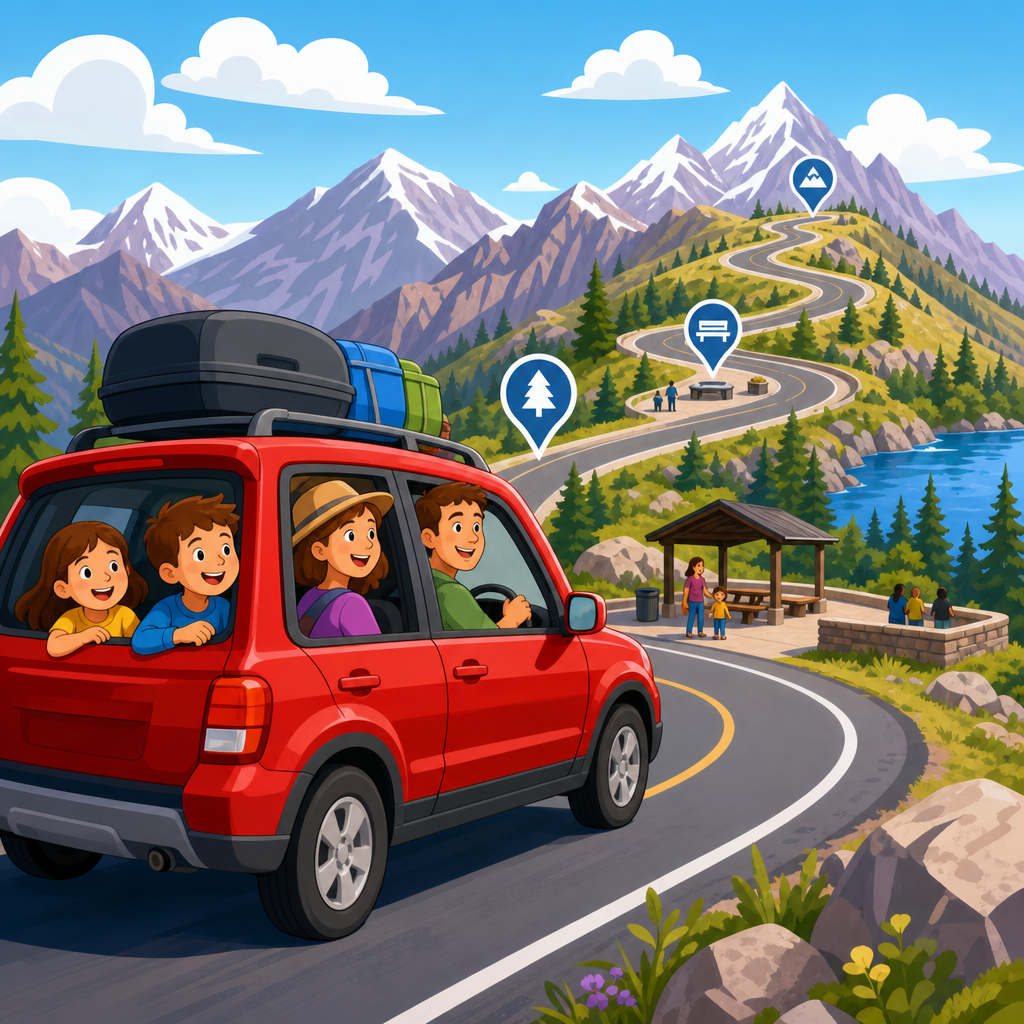
A family road trip to altitude succeeds or fails on one practical question: where should you break up the ascent so everyone arrives safe, rested, and ready to enjoy the destination. In family logistics and planning, “altitude” generally means sleeping above about 5,000 to 8,000 feet, where thinner air can affect adults, children, pregnant travelers, and infants differently. “Breaking up the ascent” means adding strategic overnight stops, meal breaks, hydration pauses, and low-effort activity windows so your body adjusts before you sleep higher. I have planned mountain drives with babies, school-age kids, and grandparents, and the most common mistake is treating a high-country destination like any other road trip. It is not. Altitude changes sleep, appetite, energy, and bathroom timing, and it can turn a manageable travel day into a rough first night.
This matters because acute mountain sickness can begin even in healthy travelers, especially when families drive from low elevation and sleep high on the same day. Children may not describe symptoms clearly, and common complaints like headache, nausea, dizziness, poor appetite, unusual fatigue, or restless sleep are easy to dismiss as car sickness or crankiness. Pregnant travelers often need more deliberate hydration and rest planning, while infants cannot tell you what feels wrong at all. Good planning reduces risk, improves comfort, and protects the trip budget by preventing the expensive domino effect of emergency purchases, canceled activities, and last-minute lodging changes. The best family logistics plan starts before departure and continues through the first forty-eight hours at elevation.
As a hub for family logistics and planning, this guide covers the core decisions every parent needs to make: choosing sleep elevations, timing the drive, packing for dry air and temperature swings, managing meals and medications, and knowing when to slow down or descend. It also helps you connect the rest of your travel planning, from booking lodging with easy parking and breakfast access to building realistic activity plans for the first two days. If you only remember one rule, make it this: gain altitude in stages whenever possible, and avoid making your first night the highest night of the trip.
How altitude affects families on a road trip
Altitude exposure matters because atmospheric pressure drops as elevation rises, reducing the amount of oxygen available with each breath. Your body responds by breathing faster, urinating more, and gradually making physiological adjustments over hours to days. That adjustment period is called acclimatization. In practical family terms, acclimatization means the six-year-old who usually naps nowhere may suddenly fall asleep in the car, the toddler drinks less than normal because dry air suppresses comfort, and the adults wake at 2 a.m. with pounding headaches after a fast climb to a ski village. None of that is unusual, and all of it is easier to prevent than to fix once everyone is already at 9,000 feet.
Most families notice altitude most on the first sleeping night, not during the scenic drive. A daytime pass crossing at 10,000 feet may feel fine if you stop briefly, eat lightly, and keep moving. Sleeping at that height is different. The Centers for Disease Control and Prevention Yellow Book and wilderness medicine guidance consistently note that sleeping elevation is a key predictor of symptoms. On trips I have mapped for families heading into Colorado, Utah, Wyoming, and the Sierra, the safest pattern is simple: sleep lower than your end destination first, then climb the next day after breakfast, fluids, and a short walk. That single change often turns a miserable arrival into a smooth transition.
Where to break up the ascent: the staging-night rule
The most reliable way to break up the ascent is to insert a staging night at a moderate elevation before the final climb. For many families, the sweet spot is an overnight stop around 4,000 to 7,000 feet, followed by a destination night at 7,500 to 9,500 feet. If your final lodging is above 9,000 feet, the case for a lower first night becomes stronger. Families coming from near sea level benefit the most because the jump is physiologically bigger, even if the drive seems straightforward on a map. Driving time is not the only metric that matters; sleeping elevation matters more.
A staging night should be easy, not scenic at all costs. I look for towns with a grocery store, chain pharmacy, urgent care access, quick breakfast options, and predictable parking. This is not the night for a remote cabin reached by switchbacks after dark. It is the night for a dependable hotel where you can refill water bottles, feed kids familiar foods, and get everyone horizontal early. Good staging towns are often at the base of mountain corridors rather than at the summit destination. They may look less exciting online, but they perform better in real life because they reduce stress exactly when your family is most vulnerable to a rough adjustment.
| Final sleeping altitude | Recommended break strategy | Best first-night target | Family planning note |
|---|---|---|---|
| 5,000 to 7,000 feet | Usually manageable in one day for many families | No staging night needed if everyone is well rested | Prioritize hydration, early arrival, and a light first evening |
| 7,000 to 9,000 feet | Add one moderate-elevation overnight if starting near sea level | 4,000 to 6,500 feet | Especially helpful for toddlers, pregnant travelers, and grandparents |
| 9,000 to 11,000 feet | Strongly consider one or two staged nights | 5,000 to 7,500 feet | Keep the first full day easy and delay strenuous activity |
| Above 11,000 feet | Avoid making this the first sleeping altitude when possible | Lower resort town or gateway city | Medical guidance is wise for infants, pregnancy, or health conditions |
Planning the drive day around kids, meals, and fatigue
Families often focus on where to sleep and forget that the drive day itself shapes altitude tolerance. A late start, skipped lunch, too many sugary snacks, and an after-dark arrival can mimic or worsen altitude symptoms. The best ascent day starts with a full breakfast, consistent water intake, and a realistic departure time that avoids bedtime driving on mountain roads. I usually advise families to arrive at their higher-elevation overnight stop by late afternoon. That gives children time to move their bodies, eat dinner slowly, and settle before sleep. Early arrival also gives you daylight to assess how everyone actually feels.
Meal planning matters more than parents expect. Heavy, greasy meals and alcohol can make the first night at altitude worse for adults, while long gaps between meals can leave kids headachy and irritable. Pack familiar proteins, fruit, salty snacks, and simple carbohydrates that do not require refrigeration for hours. Think trail mix for older kids, pouches and crackers for toddlers, sandwiches, bananas, pretzels, cheese sticks in a cooler, and electrolyte drinks used sensibly rather than constantly. Dehydration is common in dry mountain air, but overdoing sweet sports drinks is its own problem. Plain water plus normal meals usually works best for healthy travelers.
Build stops around physiology, not only attractions. A ten-minute bathroom and stretching stop every ninety to one hundred twenty minutes is useful for children and pregnant travelers, especially during long canyon or pass drives where services thin out. If anyone is prone to carsickness, seat placement, airflow, and forward sightlines matter. Motion sickness and altitude discomfort overlap enough that it is worth managing both aggressively. Bring vomit bags, ginger chews if age appropriate, wipes, a change of clothes, and medication your pediatrician has already approved for your child. Solving a preventable carsickness spiral can protect the entire ascent plan.
Special considerations for babies, pregnancy, and health conditions
Infants and young children need more conservative planning because they cannot reliably describe symptoms. For babies, I advise parents to discuss the specific itinerary with their pediatrician if they plan to sleep well above 8,000 feet, especially in the first months of life or if the baby was premature or has heart or lung issues. Normal feeding patterns, wet diapers, alertness, and breathing effort are the signals that matter most. A fussy baby after a long drive is not automatically altitude illness, but unusual lethargy, poor feeding, or labored breathing should never be brushed off.
Pregnancy adds another planning layer. Many pregnant travelers can safely visit moderate altitude, but hydration, rest, and access to care become more important, and individual medical history matters. If there is hypertension, anemia, placental concerns, or reduced exercise tolerance, pre-trip medical advice is essential. I encourage a lower first night, shorter drive blocks, compression socks if recommended, and lodging close to services rather than isolated vacation rentals. The goal is not fear; it is margin. Mountain trips are most enjoyable when you remove variables that are hard to solve after arrival.
Families should also factor in asthma, sleep apnea, migraine history, recent illness, and cardiac conditions. Dry air and cold can irritate airways, and poor sleep at altitude can trigger headaches or fatigue even without classic acute mountain sickness. Pack rescue inhalers, spacers, humidifying nasal saline, prescribed medications, and a paper list of doses in case batteries die or bags get separated. If a family member uses CPAP, confirm power access and altitude capability in advance. These details are routine logistics, not overplanning, and they often determine whether the first mountain nights feel calm or chaotic.
Choosing lodging that supports acclimatization
Lodging choice is one of the most overlooked parts of family altitude planning. The right hotel or rental can shorten adjustment stress, while the wrong one can amplify every symptom. Prioritize properties with easy access after dark, minimal stairs, reliable climate control, blackout curtains, and breakfast or kitchen access. Families often sleep worse at altitude because of dry air, noise, and unfamiliar schedules, so convenience features matter more than mountain-chic aesthetics on the first night. If the destination is spread across a slope, compare actual room elevation, not just the town name. In some resorts, a difference of 1,000 vertical feet separates two lodging options that look interchangeable online.
When I book high-country stays, I read reviews for practical clues: How far is parking from the room. Is there an elevator. Are roads plowed early. Can you walk to a grocery store. Is the check-in desk open if weather delays the arrival. A condo with a great view but four flights of stairs and no late check-in is a poor acclimatization choice for a family carrying sleeping children and gear. Likewise, a remote cabin may be wonderful on night three but stressful on night one. Put the glamorous option later in the trip, after everyone has adjusted.
What to do in the first 24 to 48 hours after arrival
The first two days at altitude should be deliberately light. Families who feel great can always add more, but families who overschedule often spend the second night recovering instead of enjoying the destination. Keep the arrival evening simple: unpack, hydrate, eat an early dinner, and take a short walk. On day one, choose easy sightseeing, a playground stop, a gondola ride without strenuous hiking, a lake loop, or a museum. Delay hard skiing, long hikes, high-output biking, and hot-tub marathons. Hot tubs can worsen dehydration, and intense exercise can expose symptoms that a gentler start might have avoided.
Watch for direct signs that your ascent plan worked. Healthy acclimatization usually looks like normal appetite returning, decent urine output, better sleep on the second night, and stable mood and energy. Mild headache or fatigue can happen, but worsening headache, repeated vomiting, confusion, severe shortness of breath at rest, or trouble walking straight means stop and seek medical help promptly. Descending is the most effective response to significant altitude illness. Families should know the nearest urgent care and emergency department before they need them, and they should not hesitate to change plans if symptoms do not improve with rest and fluids.
A family road trip to altitude goes better when you treat ascent as part of the vacation, not as dead space between home and the mountains. Break up the climb with a moderate staging night, arrive high earlier in the day, choose practical lodging, and keep the first forty-eight hours gentle. Those choices support safer acclimatization for kids, pregnant travelers, grandparents, and anyone with health concerns. They also make every other family logistics decision easier, from meals and sleep to packing and activity timing. If you are planning a high-country getaway, map your sleeping elevations now, pick your break point before you book, and build the trip around a comfortable ascent rather than a rushed arrival.
Frequently Asked Questions
What does “breaking up the ascent” actually mean on a family road trip to altitude?
Breaking up the ascent means planning your drive so your family does not go from low elevation to sleeping high in a single push if it can be avoided. In practical terms, it means using one or more lower-altitude overnight stops, plus regular meal breaks, hydration stops, and short movement breaks, before everyone sleeps at a significantly higher elevation. For many families, the real issue is not just how high they drive during the day, but how high they sleep that night. Sleeping above roughly 5,000 to 8,000 feet can feel very different from passing through those elevations for a few hours, especially for children, adults who are sensitive to altitude, pregnant travelers, and infants.
A smart ascent plan reduces physical stress and gives everyone time to adjust to thinner air, drier conditions, and longer travel days. Instead of driving straight from near sea level to a mountain resort late at night, a more family-friendly strategy might be to stop at a moderate elevation, have dinner, hydrate well, sleep, and then continue the next day. Even if you cannot add a full overnight stop, adding several low-key breaks can help reduce exhaustion, dehydration, and headaches. The goal is not to make the trip complicated. It is to make the journey safer, smoother, and far more enjoyable once you arrive.
At what elevation should families seriously consider an overnight stop before reaching the final destination?
Families should strongly consider an overnight stop when the final sleeping elevation is above about 5,000 to 8,000 feet, especially if the trip begins much lower and the ascent happens quickly. The exact threshold varies because altitude affects people differently. Some travelers feel completely fine, while others develop headache, nausea, fatigue, poor sleep, or reduced appetite after a rapid climb. Children may not describe symptoms clearly, which is one reason a conservative plan often works best. If your lodging is at a higher mountain town, ski resort, or remote cabin, arriving in stages can be a very practical decision.
Several factors make an overnight stop more important: starting from low elevation, driving many hours in one day, arriving late, traveling with babies or young children, having a pregnant traveler in the group, or bringing anyone with heart, lung, or previous altitude-related issues. If you can choose, a first night at a moderate elevation is often easier on the body than jumping straight to a much higher sleeping altitude. Families also benefit from the non-medical advantages of a stop: less crankiness, better meals, more bathroom opportunities, more time to hydrate, and less pressure if weather or traffic slow the trip. If you are unsure how aggressive your ascent should be, it is wise to ask your pediatrician, obstetric clinician, or primary care clinician before travel, particularly for infants, pregnancy, or preexisting medical concerns.
How do we choose the best place to stop and sleep on the way up?
The best stop is not just the one that looks convenient on a map. It should help your family recover from driving and prepare for the next climb. Ideally, choose a town or lodging area at a moderate elevation lower than your final destination, with reliable services such as food, fuel, clean bathrooms, grocery options, and easy medical access if needed. For families, a stop works better when check-in is simple, parking is easy, and there is enough flexibility to get everyone fed, hydrated, and in bed without stress. A short evening walk or very light activity can be helpful, but this is not the night for a strenuous hike or packed sightseeing schedule.
It also helps to think about timing. A good break point is often a location you can reach before everyone is overtired, rather than the farthest place you can push to by bedtime. Stopping earlier can make the next day dramatically easier. Look for lodging where rooms are quiet, temperatures are comfortable, and drinking water is easy to access. If anyone in the family tends to be sensitive to motion, headaches, or disrupted sleep, prioritize a restful stop over a scenic but more demanding detour. Families with infants should also think through feeding, formula or water needs, diaper changes, and safe sleep arrangements in advance. In short, the right place to break up the ascent is the one that reduces strain, supports hydration and sleep, and leaves the family feeling better the next morning instead of merely closer to the destination.
What should families do during the drive to reduce altitude-related stress before they even arrive?
Start with the basics: hydrate consistently, eat regular balanced meals, avoid letting anyone get overly hungry, and build in frequent breaks for movement and bathroom stops. Dry air, long hours in the car, and excitement about the trip can all lead families to drink less than they should. Children may not ask for water often enough, and adults may unintentionally limit fluids to avoid extra stops. A better approach is to plan hydration into the route. Keep water accessible, offer it regularly, and pair it with snacks that are easy on the stomach. Many travelers also feel better when they avoid heavy meals and excessive alcohol during ascent days.
Keep activities light once you get higher. If you stop for lunch at elevation, this is usually not the ideal moment for a hard run, intense hike, or physically demanding outing. Fatigue from the drive plus rapid altitude gain can leave people feeling worse than expected. If anyone develops headache, unusual tiredness, dizziness, nausea, poor coordination, or shortness of breath that seems out of proportion, slow the plan down. Rest, hydrate, and pay attention. If symptoms worsen or seem severe, get medical help promptly and consider descending. Families should remember that road-trip success at altitude usually comes from pacing. The best itineraries leave room for the body to catch up with the map.
How can we tell whether normal travel fatigue is becoming a real altitude problem for a child or adult?
Normal travel fatigue usually looks like sleepiness, irritability, boredom, stiff legs, mild dehydration, or a need for food and rest after a long drive. These issues often improve with water, a meal, a break from the car, and a good night’s sleep. Altitude-related problems may overlap with those symptoms, but they deserve closer attention when they appear after a rapid ascent or become more noticeable at higher sleeping elevations. Watch for persistent headache, nausea, vomiting, unusual fatigue, reduced appetite, dizziness, trouble sleeping, shortness of breath beyond expected exertion, or behavior that seems clearly “off.” In children, the warning signs may be less specific, such as refusing food, unusual fussiness, lethargy, poor sleep, or saying they do not feel well without being able to explain why.
The key question is whether symptoms improve with rest and a slower pace or continue to worsen. If someone seems significantly unwell, is struggling to breathe, appears confused, cannot keep fluids down, or is clearly deteriorating, seek medical care immediately. Descending to a lower elevation may be necessary. Families should not dismiss concerning symptoms just because they are on vacation or because everyone is eager to arrive. When planning a road trip to altitude, it is always better to build in margin for a lower overnight stop than to force a difficult arrival. If you are traveling with an infant, a pregnant traveler, or anyone with medical conditions, getting personalized advice before the trip is the most reliable way to set a safe and realistic ascent plan.