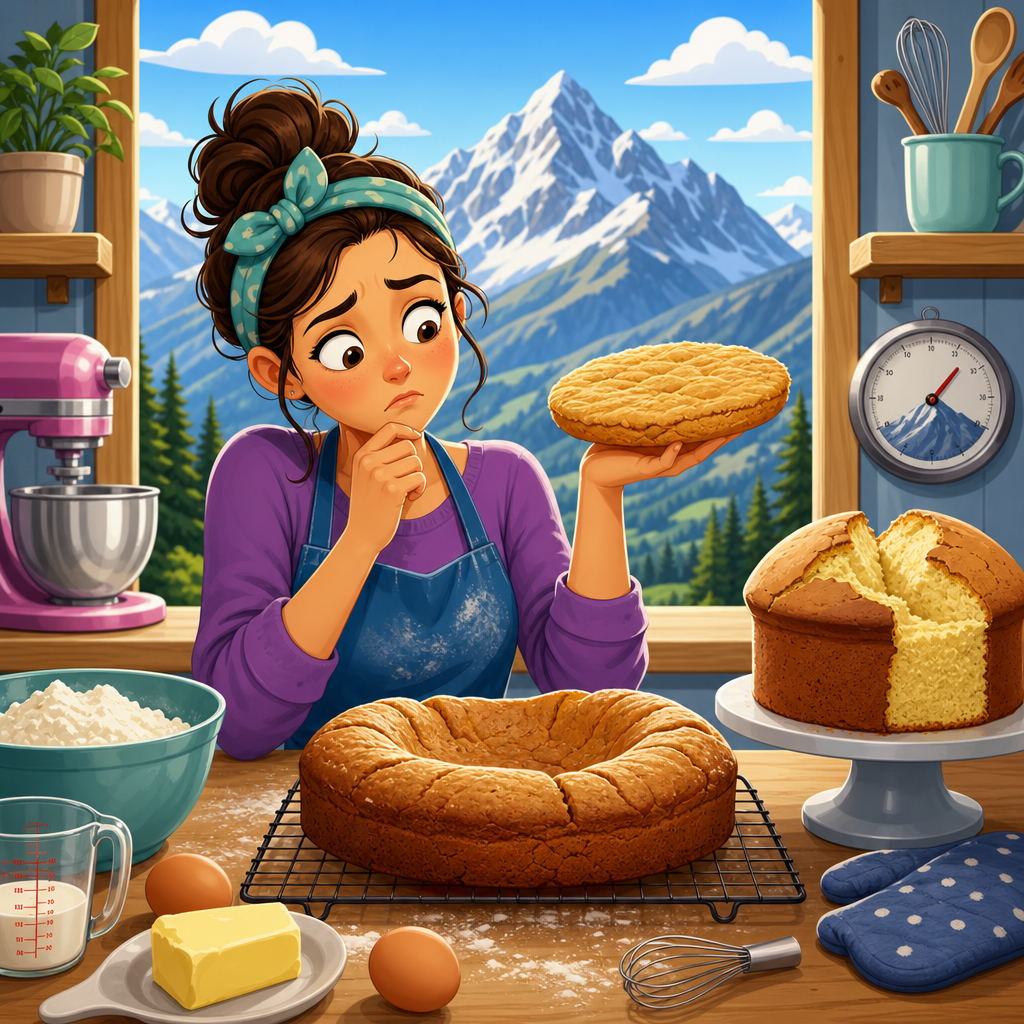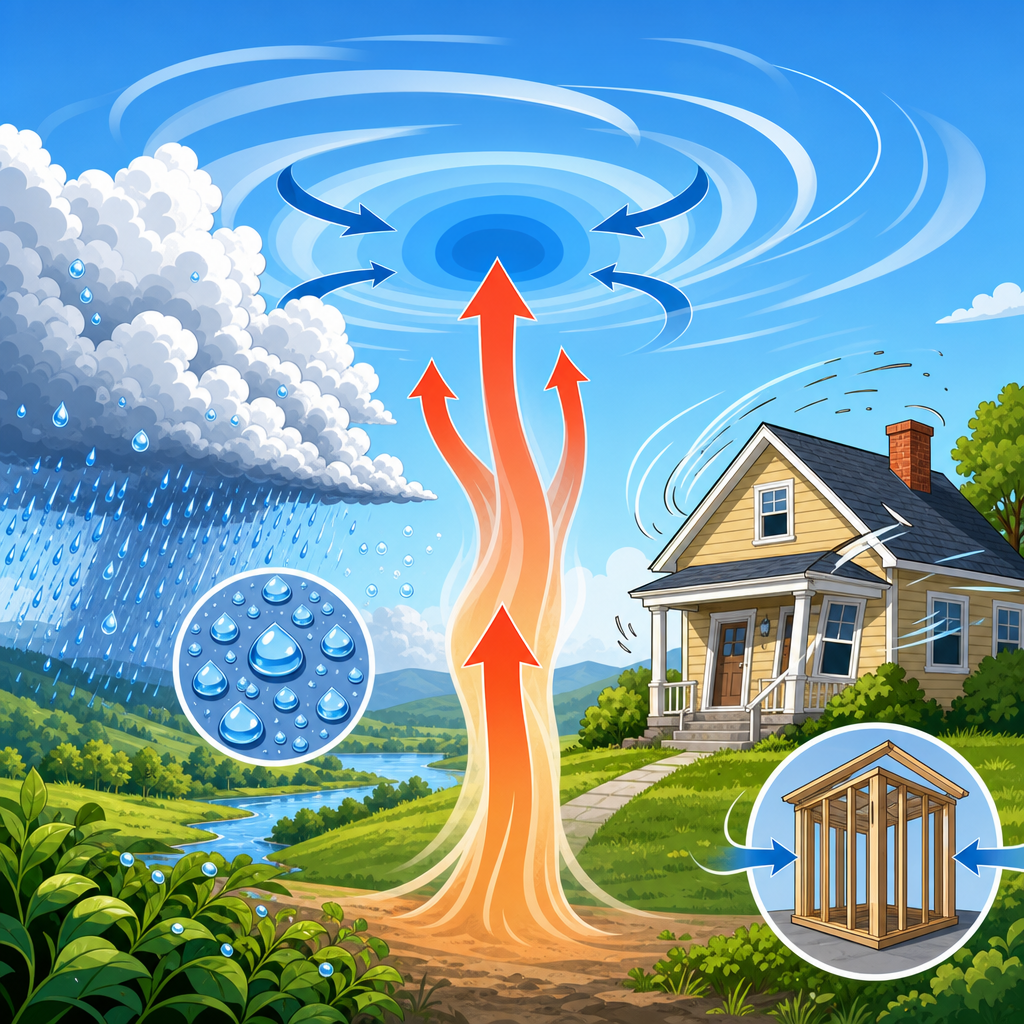
Altitude changes sourdough discard recipes because lower air pressure speeds fermentation, dries dough faster, and alters how starches gelatinize, proteins set, and moisture evaporates during baking. In practical terms, the same discard pancake batter, cracker dough, muffin mix, or quick flatbread that behaves predictably at sea level can turn overly sour, slack, dry, or pale in a mountain kitchen. I have tested discard recipes in both lowland and high-elevation kitchens, and the pattern is consistent: successful adaptation starts with understanding what “discard” is, how altitude affects yeast breads and sourdough, and which variables matter most.
Sourdough discard is the unfed portion of starter removed before refreshment. It still contains wild yeast, lactic acid bacteria, flour, water, acids, enzymes, and fermentation byproducts, but it is weaker than a freshly fed active starter. In discard recipes, that matters because many formulas rely on discard more for flavor, acidity, and hydration than for primary lift. At altitude, however, even that residual fermentation activity can become more pronounced. The thinner air also changes how batters rise, how fast liquids cook off, and why sugar, salt, and hydration percentages need closer control. For anyone baking above roughly 3,000 feet, especially in the 5,000-to-8,000-foot range common in the American West, learning these shifts is the difference between reliable results and repeated waste.
This hub article covers the full yeast breads and sourdough side of altitude baking through the lens of discard recipes. It explains what changes first, which recipe categories are easiest to adjust, how to troubleshoot texture and flavor, and when a discard formula should be treated like a quick bread versus a true fermented dough. It also serves as the foundation for related pages on high-altitude sourdough bread, discard crackers, pancakes, biscuits, pizza dough, and enriched doughs. If you understand the mechanisms here, you can adapt almost any discard recipe with confidence instead of guessing batch by batch.
Why altitude affects sourdough discard more than many bakers expect
Altitude affects baking primarily through reduced atmospheric pressure. Water boils at a lower temperature as elevation increases, gases expand more readily, and moisture escapes dough and batter faster. In a standard yeasted loaf, those shifts already require changes to hydration, proofing, and oven temperature. In sourdough discard recipes, the challenge is more nuanced because discard carries acidity and enzyme activity without always bringing strong gas production. That combination can exaggerate weakness in gluten structure or make a batter seem fine at mixing, then collapse in the pan or dry out in the oven.
For example, discard waffles at sea level often benefit from a loose overnight batter because acids tenderize flour and create flavor. At 7,000 feet, the same batter can overferment overnight, thinning excessively and baking into waffles that brown too fast yet remain fragile. Discard crackers can go the other direction: they may seem easy because they are rolled thin, but mountain air can dehydrate the dough before baking, making it crack at the edges and bake unevenly. Even discard recipes that use baking powder or baking soda instead of relying on yeast are still affected because the discard changes pH, and chemical leaveners behave differently in thinner air.
The key point is simple: at altitude, discard is not inert. Its acidity, residual microbial activity, and hydration all become more consequential. Treat discard as an active ingredient with structural effects, not just a way to avoid waste.
How fermentation, acidity, and hydration shift in mountain kitchens
Fermentation usually proceeds faster at altitude kitchens for reasons beyond elevation alone. Many high-altitude regions are also dry, sunny, and prone to wide indoor temperature swings. In my own testing, jars of discard left on a counter at 68°F in a dry mountain climate acidified faster than similar jars in a more humid coastal kitchen, even when flour and feeding ratios matched. The discard developed sharper aroma, more visible separation, and a thinner consistency sooner. That matters because older, more acidic discard weakens gluten-forming potential in recipes that need strength.
Hydration also behaves differently. Flour dries out in storage at altitude, but dough loses moisture quickly once mixed. Bakers often assume they should simply add more water to every recipe. Sometimes that works, but not always. In discard scones or biscuits, extra liquid can create spread rather than height. In discard focaccia or pizza dough, slightly higher hydration is often beneficial because the dough will still lose moisture during bulk fermentation and baking. The better approach is to identify the recipe family first, then adjust liquid with intent.
Acidity deserves special attention. Sourdough discard lowers pH, which can strengthen dough temporarily in some contexts yet increase proteolysis over time, weakening it if fermentation goes too long. In recipes using baking soda, acidic discard triggers early carbon dioxide release. At altitude, where gases expand more aggressively, too much soda or too much rest time can cause a batter to rise early and then sink before it sets. That is why discard muffins, pancakes, and biscuits usually need a modest reduction in leavener and a shorter bench rest in mountain kitchens.
| Recipe type | Main altitude risk | Most useful first adjustment | Common sign of success |
|---|---|---|---|
| Discard pancakes and waffles | Overexpansion, dryness, coarse crumb | Reduce leavener slightly; add a little more liquid | Tender interior with even browning |
| Discard muffins and quick breads | Collapse after rising | Lower sugar and chemical leavening; raise oven temperature slightly | Domed top that stays set after cooling |
| Discard crackers | Dough drying before rolling or baking | Increase dough hydration slightly and cover during rest | Crisp texture without edge shattering |
| Discard pizza or flatbread dough | Overproofing and weak structure | Shorten fermentation and watch dough temperature | Good oven spring with chewy crumb |
| Discard biscuits and scones | Excess spread | Cut liquid carefully and chill before baking | Defined layers and moderate lift |
Best practices for adapting sourdough discard pancakes, waffles, muffins, and biscuits
These recipes are usually the easiest entry point because discard functions as a flavoring and tenderizing component more than a primary leavening system. Still, altitude changes their balance. For pancakes and waffles, start by reducing baking powder by about 10 to 25 percent once you are above 3,500 feet. If the original recipe includes baking soda because the discard is tangy, keep enough soda to neutralize some acidity and promote browning, but avoid overdoing it. Too much soda at altitude creates rapid expansion, coarse holes, and a soapy aftertaste. I also increase liquid by 1 to 2 tablespoons per cup of flour when the batter thickens too much after resting.
Muffins and quick breads with discard need firmer structure. Sugar weakens structure and raises the temperature at which starch and proteins set, so high-altitude bakers often reduce sugar by 1 to 2 tablespoons per cup. A slightly hotter oven, often 15°F to 25°F higher, helps the batter set before overexpansion causes collapse. If the crumb tunnels or the top sinks, reduce leavener and shorten mixing. If the crumb is dry, increase liquid, use oil instead of all butter, or decrease bake time slightly while confirming doneness with an internal temperature check.
Discard biscuits and scones are less about fermentation and more about lamination, fat management, and moisture control. At altitude, dry flour and low humidity make these doughs seem underhydrated at first, leading bakers to add too much milk. The result is spread. Mix just until the dough holds, then rest it covered so the flour hydrates fully before deciding whether it needs more liquid. Keep the butter cold, cut cleanly, and bake from a chilled state. In a mountain oven, that cold start preserves layers and gives the exterior time to set.
Adjusting discard crackers, flatbreads, pizza dough, and other savory staples
Discard crackers are often marketed as foolproof, but they expose altitude problems quickly because thin dough magnifies moisture imbalance. A good cracker dough should be pliable, not crumbly, after mixing. If it tears while rolling, the dough is usually too dry or insufficiently rested. Add water or oil a teaspoon at a time, wrap tightly, and let it sit 20 to 30 minutes before rolling again. Dock the dough thoroughly, because trapped bubbles expand more aggressively at altitude and can cause uneven blistering. Bake until moisture is truly driven off; crackers that seem crisp when hot can soften as they cool if they retained too much interior moisture.
Discard flatbreads and skillet breads behave differently because direct heat sets them quickly. Here the main issue is not collapse but fermentation speed. A discard naan or yogurt flatbread dough may puff too rapidly during a warm rest and become sticky. Shorten rest time and rely on feel rather than clock time. If the dough doubles too fast, move it to a cooler spot or refrigerate briefly. The target is extensibility with enough strength to hold steam pockets on the griddle.
Pizza dough and focaccia made with discard sit closer to classic yeast breads. Many formulas combine discard with commercial yeast for reliability. At altitude, that is often the right choice, but reduce the instant yeast modestly and monitor dough temperature closely. Professional bakers aim for a final dough temperature because fermentation speed tracks temperature more reliably than elapsed time. If your kitchen is dry and warm, a dough mixed to 78°F may overproof far sooner than expected. For high-altitude pizza dough, I prioritize moderate hydration, shorter bulk fermentation, and cold proofing when possible. That combination controls acid buildup, improves extensibility, and protects flavor.
Working with true sourdough discard in yeast breads and enriched doughs
Some discard recipes ask the baker to use large quantities of unfed starter in sandwich bread, cinnamon rolls, dinner rolls, or soft buns. These formulas can work beautifully, but altitude makes their limits obvious. Discard contributes flavor and some fermentation power, yet if it is overly acidic and the dough undergoes a long rise, the dough may slacken and lose shape. Enriched doughs are especially sensitive because butter, eggs, and sugar already slow gluten development and alter proofing behavior.
When adapting these recipes, first decide whether the discard is included mainly for flavor or whether the formula expects it to do real leavening work. If the dough also includes commercial yeast, think of discard as a fermented ingredient like buttermilk with benefits beyond lift. In that case, shorten proofing, reduce yeast slightly, and guard against dryness by covering tightly and using a pan of hot water or a covered proof box. If the formula relies only on discard, use younger discard or partially refreshed starter instead of very old discard, especially above 5,000 feet. Younger culture provides acidity without as much structural damage from prolonged acid exposure.
For enriched breads, watch the dough itself, not just volume. At altitude, a dough can look fully proofed because gas cells expand easily, yet the gluten may not be ready. A finger poke that springs back slowly is more useful than aiming for an exact doubling. Overproofed cinnamon rolls often bake up with separated spirals and dry edges because they exhausted expansion before entering the oven. Underproofed rolls tear unpredictably. The right middle ground is slightly less proof than you might expect at sea level, paired with a slightly hotter bake to set structure.
Troubleshooting texture, flavor, and timing problems with discard recipes
If a sourdough discard recipe turns out too sour at altitude, the most effective fixes are using younger discard, refrigerating discard promptly, and shortening any room-temperature rest. Extra sugar can mask sourness, but it does not solve the underlying fermentation imbalance and can create additional structural problems. If a recipe seems bland, by contrast, the issue is often underdeveloped fermentation because the discard was too fresh or the formula depended on more acid than your starter provided.
Dense texture usually comes from one of three causes: insufficient hydration, overacidified discard weakening structure, or overcorrection on leavening reduction. Spread and collapse point more often to excess leavening, too much sugar, or overproofing. Pale crust can result from lower sugar, insufficient soda in acidic batters, or underbaking caused by fear of dryness. Burnt bottoms are common in high-altitude ovens that run hot; a baking steel or dark pan may intensify that problem, especially for crackers and pizza. An oven thermometer is not optional here. Many home ovens miss the set temperature by 25°F or more, and altitude adjustments fail when the true bake environment is unknown.
Timing is the final variable to master. Recipes written for sea level usually give proofing windows that are too long for mountain kitchens. Instead of asking, “How many hours?” ask, “What should the dough look and feel like?” For discard doughs, that means tracking elasticity, stickiness, surface tension, and aroma. Build notes after each bake: elevation, room temperature, dough temperature, discard age, flour brand, hydration changes, and actual bake time. That log becomes your most useful altitude baking tool because patterns emerge quickly across recipes.
Altitude does not make sourdough discard recipes unpredictable; it simply makes cause and effect easier to see. Lower air pressure, faster moisture loss, and more sensitive fermentation mean discard pancakes, muffins, crackers, flatbreads, pizza dough, and enriched breads all need clearer control of hydration, leavening, proofing, and bake temperature. Once you recognize whether a recipe uses discard for flavor, acidity, tenderness, or lift, the right adjustment becomes much easier to choose.
For this yeast breads and sourdough hub, the core takeaway is to adapt by category. Quick discard batters usually need slightly less chemical leavening and a bit more liquid. Thin savory doughs need protection from drying. Yeasted discard doughs need shorter fermentation and closer attention to dough temperature. Enriched formulas benefit from younger discard and a cautious final proof. Across every category, watch the dough, not the clock, and keep records detailed enough to repeat success.
If you bake regularly above 3,000 feet, use this page as your starting point, then build outward into specific recipes and methods for your elevation. Test one variable at a time, note what changed, and turn your discard from a frustrating leftover into one of the most useful ingredients in your high-altitude kitchen.
Frequently Asked Questions
Why do sourdough discard recipes behave differently at high altitude?
High altitude changes sourdough discard recipes because the environment itself changes how batter and dough develop, ferment, and bake. As elevation increases, air pressure drops. That lower pressure allows gases to expand more easily, which means discard-based batters can puff sooner and structure can become unstable before it fully sets. At the same time, fermentation often moves faster, especially in recipes where the discard still contains active yeast and bacteria. That can make pancakes, muffins, and flatbreads taste more sour than expected or overproof more quickly.
Moisture loss is another major factor. High-altitude kitchens are often drier, and water evaporates faster both from the bowl and in the oven. A discard cracker dough that feels balanced at sea level may become crumbly in the mountains, while a pancake batter may thicken as it sits. Baking is affected too, because starches gelatinize and proteins set under different conditions when boiling and evaporation happen differently at elevation. The result is that familiar sea-level formulas can turn out too dry, too slack, too pale, or too delicate unless you adjust for hydration, fermentation time, and baking conditions.
What are the most common problems with sourdough discard pancakes, muffins, crackers, and flatbreads at altitude?
The most common issue is that recipes move faster than expected. Discard pancake batter can become overly tangy, thin out from acid activity, or bubble aggressively and then lose lift before it hits the pan. Muffin batters may rise quickly, then collapse or bake up with a coarse, fragile crumb. Crackers can dry out before they are rolled properly, making them crack at the edges instead of baking evenly. Quick discard flatbreads may puff unevenly, feel dry on the surface, or cook pale while remaining underdone inside.
Texture problems also show up more often at elevation. Because moisture evaporates faster, recipes that rely on a soft, balanced batter can become too thick or too stiff if left to rest too long. On the other hand, if fermentation outruns structure, the mixture may seem loose and weak. Flavor shifts are common as well. A discard recipe that tastes pleasantly tangy at low altitude can become sharply sour at higher elevations because fermentation progresses more rapidly. Browning can be less predictable too, especially in enriched discard bakes, since products may set before they color deeply. In practice, the biggest trouble signs are over-souring, early drying, unstable rise, and uneven baking.
How should I adjust sourdough discard recipes for high altitude?
Start with the simplest and most reliable changes: shorten fermentation or resting time, increase moisture slightly, and watch consistency more than the clock. If your discard is active, use it sooner and avoid long room-temperature holds unless the recipe truly needs them. For pancake and muffin batters, it often helps to mix and cook or bake sooner so the batter does not over-acidify or lose structure. If the mixture thickens as it sits, add a small amount of extra liquid to bring it back to the texture you want. For cracker and flatbread doughs, keep dough covered so it does not dry out while resting.
In the oven, a modest increase in baking temperature can help structure set before the product over-expands or dries excessively, though exact changes depend on the formula. You may also need to reduce leavening slightly in discard recipes that include baking soda or baking powder in addition to fermentation, since gas expansion is stronger at altitude. For drier doughs, slightly more water, milk, yogurt, or another liquid can improve handling and final texture. The key is to make small adjustments one at a time. At altitude, discard recipes usually improve when you control souring, protect moisture, and encourage quicker structural set.
Does sourdough discard become more sour at higher elevations?
It often does, or at least it can seem that way in finished recipes. Higher altitude does not magically change the culture itself, but it does create conditions that can push fermentation along more quickly and change how flavors develop. If discard sits at room temperature for too long in a mountain kitchen, acids can accumulate faster, especially if the kitchen is warm and the discard was already ripe when used. In recipes like pancakes, muffins, or skillet breads, that extra acidity can come through very clearly because the formulas are relatively simple and do not have long baking times or strong sweeteners to mask the tang.
To manage sourness, use fresher discard when you want a milder flavor, chill it if you are not baking right away, and reduce long bench rests whenever possible. If a recipe includes both discard and chemical leavening, mixing and cooking promptly can preserve lift and keep the flavor cleaner. You can also balance acidity by adjusting sweetness, salt, or fat slightly depending on the recipe, but timing is usually the biggest lever. If your high-altitude discard recipes keep tasting more sour than intended, it is a strong sign that the mixture is fermenting too long before cooking or baking.
How can I tell whether I need more liquid, less leavening, or shorter fermentation in a high-altitude discard recipe?
The batter or dough will usually tell you. If your discard mixture starts at the right consistency but becomes noticeably thicker, drier, or harder to spread as it rests, you likely need a bit more liquid or a shorter rest. This is especially common with crackers, scones, quick flatbreads, and thick pancake batters. If the recipe rises fast, domes aggressively, or looks inflated early and then sinks or turns fragile, that points toward too much leavening, overly active discard, or both. In those cases, reducing baking soda or baking powder slightly and moving the batter into the oven or onto the griddle sooner often helps.
Flavor is another useful clue. If the finished product is much tangier than expected, fermentation time is probably too long for your altitude and room conditions. If the crumb is dry even though the formula should be tender, increase hydration a little and guard against evaporation during mixing and resting. If the bake is pale but fully cooked, a slightly hotter oven may improve color and set. The best approach is to keep notes and adjust in small increments. With sourdough discard recipes at altitude, the winning formula usually comes from tracking consistency, rise speed, and flavor rather than relying strictly on sea-level timing.