Choosing the best pan for cookies at high altitude is not a minor detail; it directly affects spread, browning, moisture loss, and the final texture of every batch. In mountain kitchens, where lower air pressure changes how quickly water evaporates and how gases expand, the pan becomes part of the formula, not just the surface under the dough. I have tested cookies above 5,000 feet on everything from dark nonstick sheets to insulated air-bake pans and commercial aluminum half sheets, and the differences are immediate. At altitude, cookies can puff fast, set unevenly, dry out before the centers finish, or overbrown on the bottom while staying pale on top. That is why pan choice matters as much as flour, sugar, and oven temperature.
For this hub on Cookies & Bars within Cooking & Baking at Altitude, the core question is simple: what pan gives you the most control? The short answer is a light-colored, heavy-gauge aluminum sheet pan lined appropriately for the cookie style. That answer, however, needs context because drop cookies, shortbread, brownies, blondies, bar cookies, and slice-and-bake doughs behave differently. Pan material, thickness, rim height, surface coating, and size all influence heat transfer. At altitude, stronger evaporation and faster setting often reward pans that heat evenly without pushing aggressive bottom browning. The goal is consistency: cookies that spread predictably, bars that bake through without edge overcooking, and batches that match from tray to tray.
This article serves as the hub page for high-altitude cookies and bars, so it covers the principles that connect every subtopic. You will find which pans work best, why some popular pans fail in mountain conditions, how liners change outcomes, and how to match the pan to the style of bake. If you are building a reliable altitude baking setup, start here. Once your pan is right, every later adjustment—more flour, less sugar, shorter bake time, slightly higher oven temperature—becomes easier to judge because your results stop shifting with the equipment.
Why pan choice changes cookie results at high altitude
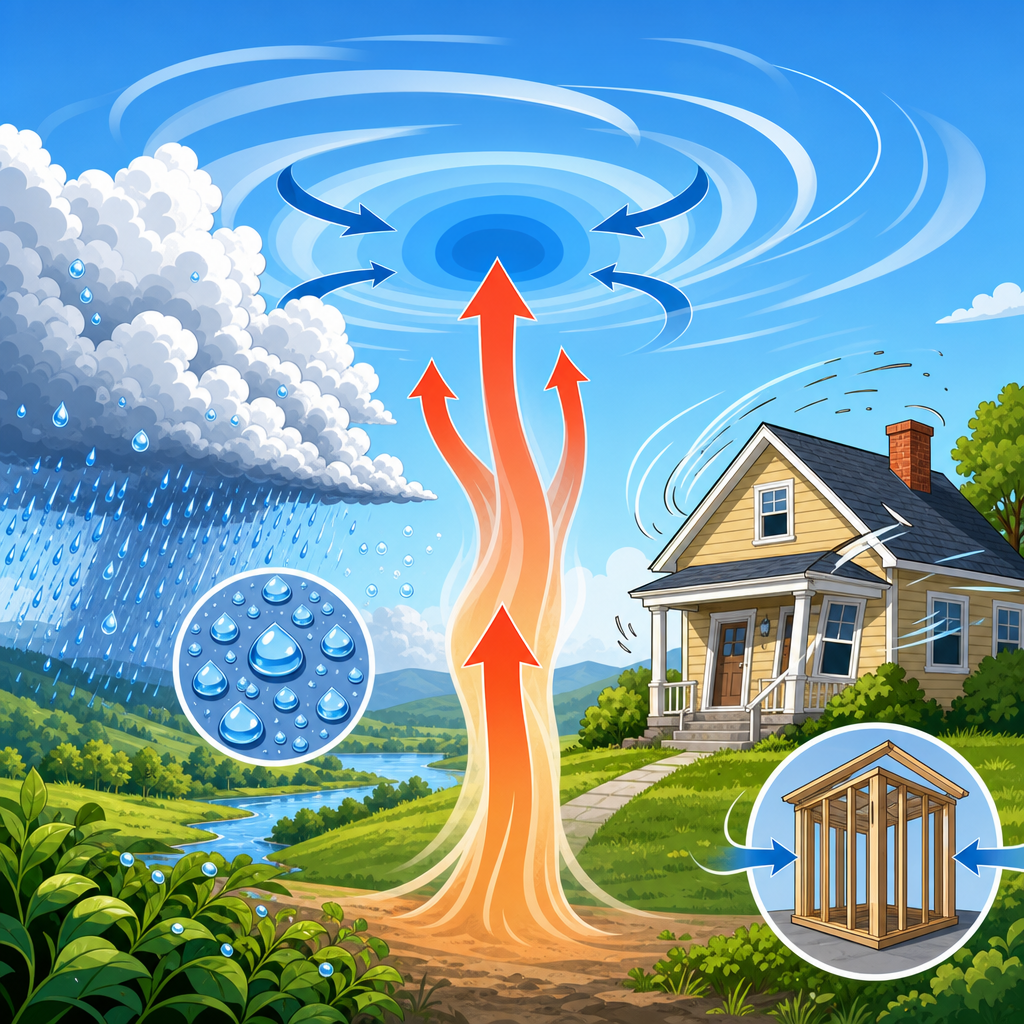
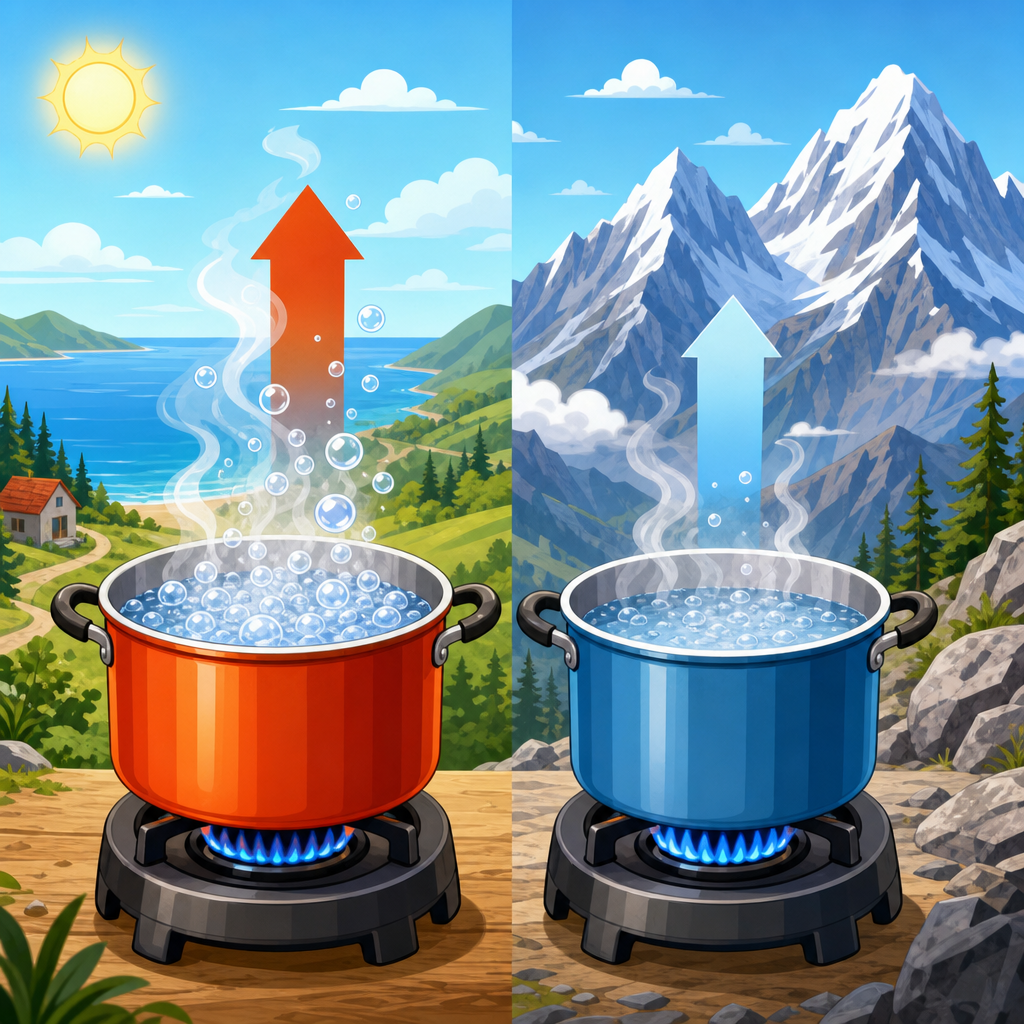
At high altitude, atmospheric pressure drops as elevation rises. Water boils at a lower temperature, moisture leaves dough faster, and leavening gases expand more easily. In cookies, that usually means dough can spread or puff before the structure fully sets. In bars, the edges can set too early while the center stays soft longer. The pan controls how quickly heat moves into the dough, especially from below. A pan that runs hot exaggerates edge spread, bottom darkening, and dry texture. A pan that insulates too much can leave cookies underbaked in the center and bars gummy in the middle.
Material is the first factor. Aluminum is the standard for professional baking because it conducts heat efficiently and evenly. Light-colored aluminum reflects more radiant heat than dark pans, so it reduces the risk of overbrowned bottoms. Steel pans are durable but often coated; that coating changes how the pan absorbs heat. Dark nonstick pans typically bake hotter because dark surfaces absorb more energy. Glass behaves differently again, retaining heat longer and often continuing to bake the product after it comes out of the oven. At sea level, bakers can compensate for these differences with timing. At altitude, the margin for error is smaller, so equipment consistency becomes more valuable.
Thickness matters almost as much as material. Heavy-gauge sheet pans resist warping and distribute heat more steadily. Thin pans create hot spots, especially over strong bottom heating elements or convection airflow. When I switched one mountain kitchen from thin grocery-store sheets to heavy 18-gauge aluminum half sheets, chocolate chip cookies stopped developing scorched bases with pale tops. The recipe needed fewer adjustments because the pan was no longer amplifying the altitude problem.
The best pan for most high-altitude cookies
For most cookies at high altitude, the best pan is a light-colored, heavy-gauge aluminum rimmed baking sheet. A rimmed sheet provides structure, resists twisting in the oven, and makes rotation easier. The rim does not interfere with cookies as long as there is enough open surface area and room for airflow. Commercial half-sheet pans from brands such as Nordic Ware, Winco, Chicago Metallic, and Vollrath are dependable choices because they are built to hold shape under repeated heating.
The reason this pan works so well is balance. It conducts enough heat to set the cookie before excess spread takes over, but not so aggressively that the bottoms darken too fast. It also behaves predictably across styles. Drop cookies bake evenly, slice-and-bake cookies hold clean edges, and even delicate butter cookies gain color without burning. If you are creating a mountain-baking toolkit and want one universal recommendation, this is it.
Surface preparation still matters. Parchment paper usually gives the most reliable results because it moderates direct contact heat and supports even release. Silicone mats can be useful, but at altitude they often increase spread and slow bottom browning, which is not ideal for already fragile doughs. A greased dark pan is usually the least forgiving setup because it combines stronger heat absorption with extra slip under the dough. If your cookies run flatter than expected, changing from a dark greased pan to parchment on aluminum can correct the issue without changing the recipe.
For small-batch bakers, quarter-sheet pans made of the same material are excellent for test bakes. They let you evaluate spread, color, and timing before scaling to full trays. That is especially useful above 6,000 feet, where a one-minute difference in bake time can change texture from chewy to crisp.
Pans to avoid or use cautiously for cookies and bars
Not every pan marketed for baking helps at altitude. Dark nonstick cookie sheets are the most common problem. They encourage rapid browning on the base before the upper surface has time to set and color. That can leave cookies with crisp bottoms, underdeveloped centers, and a dry finish by the next day. Air-insulated sheets, including classic double-layer styles, often create the opposite issue: reduced bottom heat and delayed setting. At sea level they can protect delicate cookies, but at altitude they may produce pale, overspread cookies that never develop enough structure.
Glass and ceramic are acceptable for some bar cookies, but they need caution. Brownies and blondies baked in glass often continue cooking after removal because the vessel holds heat. At altitude, where moisture loss is already accelerated, that carryover baking can push bars from fudgy to dry. If glass is the only option, reduce bake time slightly, lower the oven rack away from the bottom element, and pull the pan when a few moist crumbs remain on the tester.
Very thin store-brand sheets are another weak point. They buckle under high heat and create uneven zones that show up as one side of the tray browning faster. For sugar cookies and gingerbread, where shape control matters, these pans are especially frustrating. The dough at altitude already has less tolerance for overexpansion, so any hot spot becomes visible in the finished cookie.
| Pan type | Best use at altitude | Main advantage | Main risk |
|---|---|---|---|
| Light heavy-gauge aluminum sheet | Drop cookies, sliced cookies, general use | Even heat, predictable spread | Minimal; needs liner choice matched to recipe |
| Dark nonstick sheet | Occasional crisp cookies only | Fast browning | Overdark bottoms, dry texture |
| Insulated sheet | Rarely ideal | Protects bottoms | Pale, overspread cookies |
| Metal square or rectangular pan | Brownies, blondies, bar cookies | Good edge-to-center balance | Overbaking if too dark or too thin |
| Glass baking dish | Bars when adjusted carefully | Readily available | Carryover baking and dry edges |
Best pans for specific cookie styles
Different cookies need different support, and high altitude makes those differences sharper. Chocolate chip, oatmeal, peanut butter, and other drop cookies perform best on light aluminum sheets with parchment. These doughs often contain enough sugar and butter to spread readily, so a neutral pan helps preserve thickness. For shortbread and butter-rich piped cookies, the same pan works, but chilling the shaped dough and avoiding silicone mats usually improves edge definition.
Rolled cookies such as sugar cookies and gingerbread also favor heavy aluminum. Because shape is the priority, cool pans between batches and bake one tray at a time if your oven has uneven circulation. Warm pans soften dough on contact and accelerate spread. At altitude, that effect shows up even more clearly because the dough structure sets under extra stress from expanding gases.
Crisp cookies, including tuiles or very thin lace cookies, are one category where a darker pan can occasionally be useful, but only with close timing control. Most home bakers are better served by sticking with aluminum and increasing bake time by a small increment if more color is needed. It is easier to add thirty seconds than to reverse a burnt bottom.
Bar cookies require a different pan profile. Brownies and blondies usually bake best in light metal square pans, commonly 8-inch or 9-inch, depending on formula volume. Light metal promotes cleaner edge-to-center baking. For lemon bars, shortbread crust bars, and crumb bars, a straight-sided metal pan lined with a parchment sling is ideal because it supports easy removal and limits overbrowning. Rimmed sheet pans are useful for thinner slab bars and cookie bars intended for crowds, but depth matters: too shallow a layer at altitude can dry before the center sets.
Liners, pan prep, and oven position
The pan is only part of the system. Liners and placement inside the oven change the result enough that they should be considered part of pan choice. Parchment paper is the default recommendation for high-altitude cookies because it creates a stable, low-stick surface and slightly buffers bottom heat. It also improves repeatability between batches. Silicone baking mats are durable and convenient, but they can promote extra spread and softer bottoms. For macarons or very delicate items they may still be useful, yet for classic cookies they are often not the first choice in mountain baking.
Greasing the pan directly is best reserved for specific bar recipes that rely on fried-edge crispness or for legacy formulas written around greased metal. Excess grease under cookie dough encourages outward slip before the proteins and starches set. If your cookies flatten too much, remove grease from the equation before altering ingredient ratios. That one change solves more altitude complaints than many bakers expect.
Rack position also matters. For cookies, the center rack is usually best because it balances top and bottom heat. For brownies and blondies prone to overbrowned bases, moving the rack slightly upward can help. Convection ovens require added judgment. Fan-forced air can intensify drying and edge setting at altitude, so many bakers reduce the stated temperature by about 25 degrees Fahrenheit and watch early. The pan that works in a conventional oven generally still works in convection, but bake time often shortens and rotation becomes more important.
How to build a high-altitude cookies and bars setup
If you bake cookies and bars regularly above 3,500 feet, build your setup around consistency rather than novelty. Start with two heavy-gauge light aluminum half sheets, two quarter sheets for testing, and at least one light metal 8-inch or 9-inch square pan for brownies and blondies. Add parchment paper, an oven thermometer, and a cooling rack. Those tools solve more real baking problems than specialized cookie sheets advertised as nonstick miracles.
The oven thermometer matters because many altitude problems blamed on recipes are actually temperature drift. I have seen home ovens cycle 25 to 40 degrees off the dial setting, enough to make a good pan look bad. A reliable pan plus verified oven temperature lets you diagnose the recipe itself. If cookies still overspread, then you can evaluate butter temperature, dough hydration, sugar ratio, or flour strength with confidence.
This hub also points toward the wider Cookies & Bars category. Once your pan setup is stable, you can refine each style: chewy chocolate chip cookies, high-altitude brownies, blondies that stay moist, rolled sugar cookies that hold shape, lemon bars with clean layers, and sheet-pan cookie bars for events. Each of those recipes may require small formula adjustments, but the same pan logic applies across them. Good equipment reduces variables, and fewer variables make altitude baking teachable.
What to remember before your next batch
The best pan choice for cookies at high altitude is usually a light-colored, heavy-gauge aluminum sheet pan, with parchment for most doughs and a matching light metal square pan for bars. That recommendation works because it manages heat transfer without exaggerating the very issues altitude already creates: rapid moisture loss, overexpansion, and uneven setting. Dark nonstick pans tend to brown too aggressively, insulated pans often delay structure, and glass can overcarry heat in bars. When bakers tell me their cookies became consistent after months of frustration, this equipment change is often the turning point.
Use the pan as part of a complete method. Bake on the center rack, cool pans between rounds, verify oven temperature, and choose liners intentionally. Match the pan to the product: sheets for cookies, straight-sided metal pans for brownies, blondies, and layered bars. Then make recipe adjustments only after your equipment is predictable. That order saves time, ingredients, and guesswork.
If you are building your high-altitude baking library, let this page be your starting point for Cookies & Bars. Set up your pans correctly, test one recipe at a time, and use those results to guide the next article and bake in your mountain kitchen.
Frequently Asked Questions
What type of cookie pan works best at high altitude?
For most high-altitude bakers, a light-colored, heavy-gauge aluminum baking sheet is the most reliable choice. At elevation, cookies tend to lose moisture faster and can spread or set differently because water evaporates more quickly and gases expand more readily. A pan that conducts heat evenly without overbrowning the bottoms gives you the most control. That is why commercial-style aluminum half sheets are often the best starting point. They heat predictably, encourage even spread, and help cookies bake through before the bottoms get too dark.
Dark nonstick pans usually run hotter and absorb more radiant heat, which can make cookie bottoms brown too quickly before the centers finish setting. That problem becomes more noticeable at high altitude, where dough can already behave more aggressively. Insulated pans can go too far in the other direction, slowing bottom browning and sometimes causing excess spread before the structure firms up. If you want one pan that works across a wide range of cookie styles, from chocolate chip to oatmeal to sugar cookies, a sturdy, uncoated aluminum sheet is typically the safest and most versatile option.
Are dark nonstick cookie sheets a bad idea for baking cookies in mountain climates?
They are not automatically a bad idea, but they are usually less forgiving at high altitude. Dark surfaces absorb more heat, and nonstick coatings often encourage faster browning on the underside of cookies. In a mountain kitchen, where baking conditions already push moisture out of dough more quickly, that extra heat can tip cookies from nicely golden to overdone on the bottom in a short window. You may end up with cookies that look finished underneath while the centers still need another minute or two.
If dark pans are what you have, you can still use them successfully, but expect to make adjustments. Lowering the oven temperature slightly, using parchment paper, shortening bake time, and chilling dough more thoroughly can all help. It is also smart to watch for visual cues rather than relying only on the timer. Look for set edges and slightly underdone centers if you want a softer cookie. In other words, dark pans can work, but they require more active management. If your goal is consistency and easier troubleshooting, light aluminum remains the stronger choice at altitude.
Should I use insulated or air-bake pans for cookies at high altitude?
Insulated or air-bake pans can be useful in some situations, but they are not usually the first recommendation for high-altitude cookies. These pans are designed to reduce direct heat to the bottom of the cookie, which helps prevent scorching. That sounds appealing, especially if you have struggled with overbrowning, but at altitude there is a tradeoff. Because the bottoms heat more slowly, cookies may spread more before the structure sets. That can lead to thinner cookies, paler bottoms, and less definition, particularly in butter-rich doughs.
They tend to work better for bakers who consistently battle dark bottoms from hot ovens or dark pans, and they can be helpful for delicate cookies where gentle heat is an advantage. However, if your cookies are already spreading too much at high altitude, insulated pans may worsen the issue. In side-by-side testing, many bakers find that standard heavy aluminum sheets produce a better balance of spread, browning, and interior texture. If you do use insulated pans, chilling the dough thoroughly and avoiding overcrowding the pan become even more important.
Does parchment paper or a silicone baking mat make a difference on cookie pans at high altitude?
Yes, the lining you use can noticeably change how cookies bake, especially at high altitude where small variables become more visible in the final result. Parchment paper is often the best all-around choice because it creates a light buffer between the dough and the pan without dramatically changing heat transfer. It helps reduce sticking, promotes more even browning, and makes cleanup easier, all while preserving fairly predictable spread. For many cookie recipes, parchment on a light aluminum sheet is the most dependable combination in a mountain kitchen.
Silicone baking mats can be useful, but they often encourage slightly more spread and can soften bottom browning. That may be fine for some cookies, but it is not always ideal at altitude, where excess spread is already a common challenge. If your cookies are turning too flat, switching from silicone to parchment is one of the easiest troubleshooting steps you can take. On the other hand, if your oven runs hot and your cookies tend to brown too quickly underneath, a silicone mat may offer a little protection. The key is to treat the pan liner as part of the baking system rather than an afterthought.
How do I choose the right pan if my cookies keep spreading too much or baking unevenly at high altitude?
Start by looking at both material and construction. If cookies are spreading too much, a light-colored, heavy-gauge aluminum pan is usually the best corrective move because it provides steady heat without overstimulating the dough. Avoid thin, flimsy sheets, which can create hot spots and exaggerated spread, and be cautious with insulated pans if your dough is already loose. Also consider using parchment instead of a silicone mat, since parchment generally helps cookies hold their shape a little better.
If your cookies are baking unevenly, the issue may be a combination of pan quality and oven behavior. Warped or lightweight pans often bake inconsistently, and dark pans can deepen that problem by overbrowning some areas before others are done. A flat, commercial-grade aluminum sheet gives you a more uniform baking surface and makes it easier to judge doneness accurately. Beyond the pan itself, rotating the sheet halfway through baking, allowing pans to cool between batches, and not placing dough on a hot pan all matter more at altitude. In practice, the right pan is the one that gives you control: even heat, moderate browning, and enough stability for the cookies to set before they dry out or flatten too far.