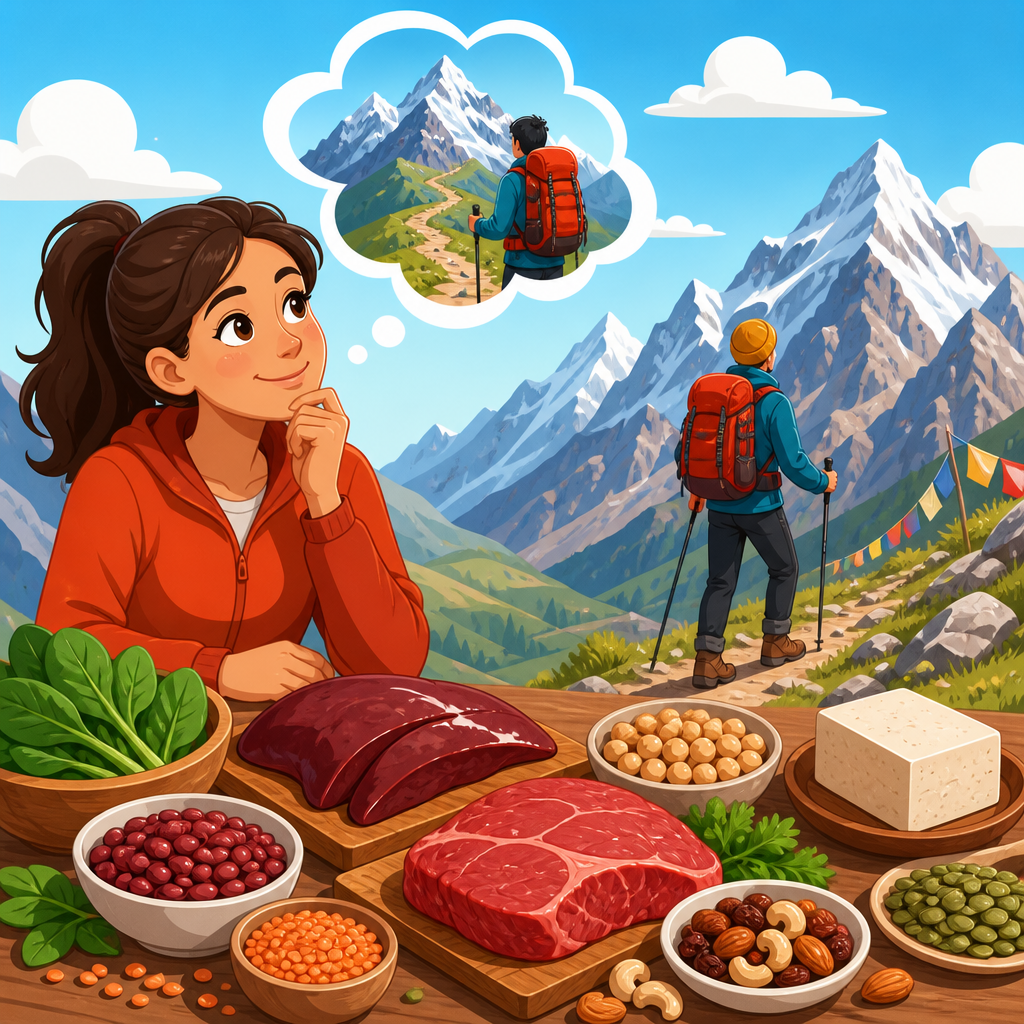
Planning meals before a mountain trip often raises one practical question: should you eat more iron-rich foods before an altitude trip? The short answer is yes, but with an important qualifier: iron helps only when your body actually needs it, and food works best when it is part of a broader nutrition and fueling plan that also covers carbohydrate intake, hydration, protein, sodium, and recovery. For travelers, trekkers, climbers, and skiers heading above roughly 2,000 meters, smart pre-trip nutrition can influence energy, sleep quality, acclimatization, and day-to-day performance.
Iron is a mineral your body uses to make hemoglobin, the protein in red blood cells that carries oxygen. Altitude reduces the amount of oxygen available with each breath, so anything that limits oxygen transport can feel more obvious when you go higher. I have seen this repeatedly in pre-expedition planning: people focus on gear, training, and medication, yet overlook low iron status, under-fueling, or poor hydration habits that quietly make altitude feel harder than it should. Nutrition and fueling matter because altitude places stress on appetite, fluid balance, digestion, recovery, and energy systems all at once.
This article serves as a hub for nutrition and fueling within sleep, hydration, and nutrition planning. It explains when iron-rich foods help, when they are not enough, how to structure meals before and during an altitude trip, and which mistakes most often undermine acclimatization. The goal is not to promise a miracle food. The goal is to help you arrive at altitude with adequate iron stores, stable energy availability, and a practical eating strategy that supports performance and recovery from the first day of travel through the final summit push or ski tour.
Why iron matters at altitude, and when it does not
Iron matters at altitude because oxygen delivery matters more. Your body responds to reduced oxygen pressure by increasing breathing rate, shifting fluid balance, and, over time, stimulating erythropoietin, a hormone that encourages red blood cell production. Red blood cells cannot be built efficiently without enough iron. If iron stores are low, the body may struggle to fully support this adaptation. That does not mean everyone should start taking supplements before a trip. It means iron status should be adequate before exposure to altitude, especially for endurance athletes, frequent blood donors, menstruating women, vegetarians and vegans, and anyone with a history of low ferritin or iron-deficiency anemia.
Food-first planning is usually the safest starting point. Heme iron from red meat, dark poultry meat, and shellfish is generally absorbed better than non-heme iron from beans, lentils, tofu, fortified cereals, spinach, pumpkin seeds, and quinoa. Vitamin C improves absorption of non-heme iron, so pair lentils with bell peppers, fortified oats with berries, or beans with tomatoes and citrus. Calcium, tea, coffee, and large amounts of fiber can reduce iron absorption around the same meal. In practical terms, if you are trying to improve iron intake before a trip, a bowl of fortified cereal with fruit may help more than spinach alone, and a beef-and-bean chili with tomatoes may help more than a salad eaten next to coffee.
However, iron is not a performance shortcut. If ferritin and hemoglobin are already normal, simply eating more iron-rich foods will not suddenly make altitude easy. You still need enough total calories, enough carbohydrate for higher-intensity work, enough protein to support recovery, and enough fluid and sodium to offset altitude-related fluid shifts. I tell clients to think of iron as one critical part of oxygen transport, not a substitute for the rest of a sound fueling system.
How to assess whether you may need more iron before travel
The most reliable way to know whether you may benefit from a deliberate iron plan is testing, not guesswork. Common lab markers include hemoglobin, ferritin, transferrin saturation, and sometimes C-reactive protein because ferritin rises during inflammation and can mask low iron stores. Sports dietitians and physicians often look beyond the normal reference range and interpret values in context: training load, sex, menstrual status, symptoms, and upcoming altitude exposure all matter. Symptoms that can overlap with low iron include unusual fatigue, shortness of breath during routine training, heavy legs, poor workout quality, headaches, restless sleep, dizziness, and feeling unusually cold. At altitude, those same symptoms are easy to blame on elevation alone.
In practice, I advise people to review iron status at least several weeks before a major trip, not a few days before departure. Red blood cell turnover and rebuilding take time. If someone has ferritin on the low side, increasing iron-rich foods consistently over six to eight weeks can be useful, while true deficiency may require medical guidance and supplementation. This distinction matters because self-prescribing iron pills can cause constipation, nausea, or excessive intake, and too much iron is not benign. Men and postmenopausal women, in particular, should avoid casual supplementation without a reason and a clinician’s input.
| Traveler profile | Why iron risk may be higher | Useful pre-trip action |
|---|---|---|
| Menstruating athlete | Monthly blood loss can reduce iron stores | Check ferritin early; build iron-rich meals with vitamin C |
| Vegetarian or vegan trekker | Relies on non-heme iron with lower absorption | Use legumes, tofu, fortified grains, seeds, and absorption strategies |
| Frequent blood donor | Regular donation lowers iron reserves | Delay donation before travel and review labs |
| Endurance runner or cyclist | High training load can increase iron turnover | Assess intake, symptoms, and blood work six to eight weeks out |
What to eat before an altitude trip: the full fueling picture
Good altitude nutrition starts with energy availability. Many people arrive slightly under-fueled from training hard, dieting, or rushing through travel days. That creates a poor setup because altitude commonly suppresses appetite, especially in the first days. If calorie intake drops too far, fatigue rises, recovery slips, and cold tolerance often feels worse. Before travel, prioritize regular meals built around carbohydrate, protein, and healthy fats. Carbohydrate is especially important because it supports training quality and provides a more oxygen-efficient fuel source per liter of oxygen consumed compared with fat during harder efforts. That does not mean a high-sugar free-for-all. It means ensuring grains, potatoes, fruit, beans, dairy, or equivalent staples appear consistently in the diet.
Protein should usually land around 1.2 to 1.8 grams per kilogram of body weight per day for active travelers, depending on training load and age. Practical protein sources include yogurt, eggs, milk, fish, poultry, tofu, tempeh, beans, lentils, and lean meats. Fats remain valuable for total energy and satiety, particularly from nuts, seeds, olive oil, avocado, and fatty fish, but very high-fat meals right before hard efforts can feel heavy. A balanced pre-trip dinner might be salmon, rice, roasted vegetables, and fruit. A vegetarian equivalent could be tofu stir-fry with rice, edamame, peppers, and oranges for vitamin C.
Hydration deserves equal attention. Altitude increases respiratory water loss because breathing rates rise and mountain air is often dry. Yet overdrinking plain water is not the answer. Aim to begin the trip well hydrated by drinking regularly and including sodium in meals, especially if traveling by air or training in heat before departure. Pale yellow urine is a useful rough sign, while completely clear urine all day can indicate unnecessary overconsumption. Caffeine does not need to be eliminated, but large amounts can aggravate poor sleep or stomach upset during travel.
Best iron-rich foods, meal pairings, and timing strategies
If your goal is to support iron status through food, the quality of the meal matters as much as the ingredient list. The highest-absorption foods are heme sources such as lean beef, lamb, liver, clams, mussels, and sardines. Non-heme sources include lentils, kidney beans, black beans, chickpeas, tofu, tempeh, pumpkin seeds, cashews, fortified breakfast cereals, amaranth, quinoa, and dark leafy greens. Spinach contains iron, but its absorption is limited by oxalates, which is why it should not be treated as a stand-alone solution.
Timing strategies are simple and effective. Include one to two meaningful iron-containing meals or snacks per day in the weeks before travel if you are trying to improve intake. Pair non-heme iron with vitamin C sources such as strawberries, kiwi, citrus, tomatoes, potatoes, or peppers. Separate tea and coffee from your most iron-focused meals by about one to two hours when possible. If you use calcium supplements, avoid taking them at the same time as iron-rich meals. Cast-iron cookware can slightly increase the iron content of acidic foods like tomato sauce, but the effect is modest and should be considered a small bonus rather than a primary strategy.
Examples work better than theory. Breakfast could be fortified oats with pumpkin seeds, raisins, and berries. Lunch could be lentil soup with a tomato-based broth and a citrus fruit. Dinner might be beef stir-fry with broccoli and rice, or tofu with bok choy, peppers, and noodles. Snacks can include trail mix with pumpkin seeds, roasted chickpeas, or yogurt plus fruit if protein is the priority. These combinations support iron intake without crowding out the rest of a well-rounded pre-trip diet.
Fueling during the trip: appetite, carbs, recovery, and GI tolerance
Once you arrive at altitude, the nutrition challenge shifts from building stores to maintaining intake despite lower appetite, travel fatigue, and changing exertion. The first principle is to eat early and regularly. Waiting for hunger is unreliable in the mountains. Small, frequent feedings usually work better than large meals, particularly above 2,500 to 3,000 meters where nausea or early fullness is common. Carbohydrate-rich foods are often easier to tolerate and more useful for sustained movement: oatmeal, rice, potatoes, bread, tortillas, dried fruit, bananas, pretzels, energy bars, and simple sandwiches all have a place.
During long hikes or climbs, target accessible carbohydrates each hour based on intensity and gut tolerance. For many people, 30 to 60 grams per hour is realistic; higher amounts can work for trained athletes using mixed glucose-fructose products. Recovery still matters at altitude, even on adventure trips. After big days, aim for carbohydrate plus protein within the first couple of hours, then follow with a full meal. Chocolate milk, yogurt and fruit, rice with eggs, or a burrito are practical examples. If dehydrated freeze-dried meals are part of the plan, test them before the trip because some are high in sodium and fiber and can upset sensitive stomachs.
Do not rely on iron-rich foods during the trip as an immediate fix for altitude fatigue. Food iron is important, but it does not act like a stimulant. The real in-trip priorities are maintaining energy intake, minimizing dehydration, preserving muscle function, and choosing foods you can actually digest and carry. For many people, bland staples outperform idealized superfoods once the trail gets steep and the air gets thin.
Common mistakes and who should seek medical advice
The most common mistake is narrowing the question to iron alone. People can have normal iron stores and still struggle because they start the trip glycogen-depleted, sleep deprived, mildly dehydrated, or in too large a calorie deficit. Another mistake is assuming healthy eating automatically covers iron needs. A clean diet built on salads, smoothies, and occasional protein can still be low in absorbable iron. I also regularly see travelers underestimate travel-day nutrition. Airport meals, long drives, and missed breakfasts create a poor foundation before the first hike even begins.
Medical advice is important if you have a history of anemia, heavy menstrual bleeding, gastrointestinal disease, celiac disease, inflammatory bowel disease, ulcers, bariatric surgery, unexplained fatigue, or repeated altitude intolerance. Pregnant travelers, adolescents, and elite endurance athletes also deserve more individualized planning. If you are considering an iron supplement, do it based on testing and guidance, not fear. The right answer for one traveler may be a food-based plan, while another may need formal treatment and follow-up labs. That nuance is what makes altitude nutrition effective rather than trendy.
So, should you eat more iron-rich foods before an altitude trip? In many cases, yes, especially if you are at higher risk for low iron or your diet has been inconsistent. But the smartest answer is broader: build adequate iron status before travel, then support it with a complete nutrition and fueling strategy that covers carbohydrates, protein, hydration, sodium, and practical on-mountain eating. Iron helps your body handle oxygen demands, yet it works best inside a bigger system.
The main benefit of this approach is resilience. You are more likely to arrive with better energy, adapt more smoothly, recover faster after hard days, and avoid preventable problems that feel like altitude but begin with nutrition. Start several weeks before departure, review your risk factors, favor iron-rich meals paired with vitamin C, and avoid last-minute supplementation unless a clinician advises it. Then organize simple travel foods and trail snacks you know you tolerate well.
Use this page as your nutrition and fueling hub for altitude planning. Revisit your iron intake, map out carbohydrates for travel and activity days, set a hydration routine, and make recovery meals easy to execute. Good altitude nutrition is not complicated when broken into parts, and those parts pay off quickly. Plan your meals before you pack your bag, and your body will thank you on the mountain.
Frequently Asked Questions
Should you eat more iron-rich foods before an altitude trip?
Yes, in many cases it makes sense to pay more attention to iron-rich foods before spending time at altitude, especially if you are heading above about 2,000 meters and will be trekking, climbing, skiing, or training hard. Iron is essential for making hemoglobin, the protein in red blood cells that carries oxygen. Because oxygen availability drops at higher elevations, your body relies heavily on its ability to transport oxygen efficiently. That is why iron status matters. However, the important qualifier is that increasing iron intake helps most when your body actually needs more iron or when your iron stores are on the low side. Simply eating large amounts of iron-rich foods does not automatically improve performance if your iron levels are already adequate.
A practical approach is to think of iron as one part of a complete pre-altitude nutrition plan rather than the only priority. Meals before a mountain trip should also include enough carbohydrates to support glycogen stores, adequate protein for recovery and muscle maintenance, fluids for hydration, and enough sodium to help with fluid balance, especially if you are traveling, sweating, or dealing with dry mountain air. Iron-rich foods fit into that framework well. Foods such as lean red meat, lentils, beans, tofu, spinach, fortified cereals, eggs, and shellfish can all contribute, but the goal is consistent, balanced intake over days or weeks before the trip, not a last-minute loading strategy.
How does iron help your body prepare for altitude?
Iron supports the production of hemoglobin and red blood cells, which are central to oxygen transport. At altitude, the air contains less oxygen pressure, so each breath delivers less usable oxygen than it does at sea level. Your body responds over time by making physiological adjustments, and one of the key adaptations is increased red blood cell production. That process depends on having enough iron available. If iron intake or iron stores are too low, your body may struggle to support this adaptation efficiently, which can affect energy, endurance, recovery, and your overall sense of well-being during the trip.
Iron also contributes to normal energy metabolism. People with low iron may notice fatigue, shortness of breath on exertion, poor exercise tolerance, headaches, or difficulty recovering from training, all of which can become more noticeable at elevation. This does not mean iron is a cure-all for altitude symptoms, and it does not prevent altitude sickness on its own. Acclimatization, pacing, hydration, sleep, and ascent profile still matter more. But adequate iron status can support the underlying oxygen-delivery system your body uses to adapt. That is why travelers preparing for mountain conditions often benefit from checking that their diet includes reliable iron sources well before departure.
What are the best iron-rich foods to eat before a mountain trip?
The best choices are the ones you can eat regularly, digest well, and build into balanced meals. Heme iron, which is found in animal foods, is generally absorbed more efficiently than non-heme iron from plant foods. Good heme iron options include lean beef, lamb, dark poultry meat, liver in moderation, sardines, tuna, mussels, clams, and oysters. Non-heme iron sources include lentils, chickpeas, black beans, kidney beans, tofu, tempeh, edamame, pumpkin seeds, spinach, quinoa, fortified breakfast cereals, and iron-fortified breads or grains. If you do not eat meat, it becomes especially important to be deliberate about including iron-rich plant foods consistently.
Absorption matters as much as food choice. Vitamin C can significantly improve non-heme iron absorption, so pairing beans with bell peppers, spinach with citrus, or fortified cereal with berries can be useful. At the same time, coffee, tea, and large amounts of calcium taken with meals can reduce iron absorption for some people. This does not mean you need to avoid those foods entirely, only that timing can help. For example, having tea or coffee between meals instead of with your main iron-rich meal may be beneficial. Before altitude, the ideal meal pattern is simple: iron-rich foods combined with carbohydrates for training fuel, protein for recovery, and produce for vitamins, minerals, and hydration support.
Should you take an iron supplement before going to altitude?
Not automatically. Iron supplements can be helpful for people with diagnosed iron deficiency, low ferritin, or increased iron needs, but they are not something everyone should start taking just because a mountain trip is coming up. Too much supplemental iron can cause digestive side effects such as nausea, constipation, and stomach discomfort, and unnecessary supplementation is not a good idea. In some cases, excess iron can also mask the real cause of fatigue if the issue is poor sleep, under-fueling, dehydration, illness, or insufficient acclimatization rather than low iron.
The most sensible path is to consider your personal risk factors. Endurance athletes, menstruating women, vegetarians and vegans, people with a history of low ferritin or anemia, and those doing heavy training before a trip may be more likely to benefit from screening. If you have been unusually tired, feel breathless during efforts that used to feel easy, or know you have had low iron in the past, it may be worth speaking with a clinician before travel. A simple blood test can help determine whether food alone is enough or whether a supplement is appropriate. If supplementation is recommended, it should ideally begin well in advance, because correcting low iron status is not something that happens overnight.
Besides iron, what should you focus on nutritionally before an altitude trip?
Iron is important, but it should not crowd out the rest of your preparation. Carbohydrates are one of the biggest priorities because they help top off glycogen stores and provide readily available energy for hiking, skinning, climbing, or skiing. At altitude, appetite can sometimes decrease even while energy needs rise, so starting the trip well fueled matters. Protein is also important for muscle repair, immune support, and recovery, especially if you are increasing training volume or carrying a heavy pack. Hydration deserves extra attention because high-altitude environments are often dry, breathing rate can increase, and travel itself can leave people mildly dehydrated.
Sodium and other electrolytes can also matter, particularly if you sweat heavily or are active for long hours. In the days before departure, focus on regular meals, steady fluid intake, and foods you know sit well with your stomach. Avoid showing up under-fueled, under-hydrated, or after aggressive dieting. A smart pre-trip routine might include carbohydrate-rich staples such as rice, oats, potatoes, pasta, fruit, and whole grains; protein from dairy, eggs, fish, meat, beans, or soy foods; iron-rich choices built into meals; and salty fluids or balanced snacks if training hard. In other words, the best pre-altitude strategy is not just “eat more iron,” but “arrive nourished, hydrated, and ready to adapt.”