Pikes Peak rises to 14,115 feet above sea level, and for first-time visitors that number is more than a bragging point: it shapes how your body feels, what you should pack, how long you can comfortably stay, and whether your day becomes memorable or miserable. In practical terms, this Pikes Peak altitude guide for first-time visitors is about managing rapid elevation gain on a short trip, because many travelers start the morning near Colorado Springs at roughly 6,000 feet and reach the summit within a few hours. That kind of ascent is exactly why Pikes Peak belongs in any serious conversation about extreme altitude day trips.
Altitude refers to height above sea level, but visitors usually care about its effects: thinner air, lower oxygen pressure, stronger sun exposure, colder temperatures, and faster dehydration. The summit has roughly 40 percent less available oxygen than sea level, which explains why healthy people can feel winded walking from the parking area to the visitor center. Most first-timers do not develop severe altitude illness, yet mild symptoms such as headache, nausea, dizziness, unusual fatigue, poor sleep, and loss of appetite are common when people ascend too fast, drink too little water, or ignore early warning signs.
I have planned high-elevation day itineraries for travelers who assumed Pikes Peak would feel like any scenic overlook, and the same pattern appears again and again: the people who do well treat the mountain like an environment, not an attraction. They pace themselves, eat lightly but regularly, layer clothing, and build flexibility into the schedule. The ones who struggle often combine altitude with heavy meals, alcohol the night before, dehydration, and overconfidence. Because Pikes Peak is accessible by car, cog railway, and guided tour, it can look easy on paper while still exposing visitors to genuine high-altitude stress.
This hub article covers the essentials of extreme altitude day trips through the lens of Pikes Peak: what altitude changes in the body, who is most vulnerable, how each route affects your experience, what to bring, when to turn around, and how to connect this day trip to nearby mountain destinations. If you understand those basics before you go, you can enjoy the views, the summit house, and the famous mountain drive with far less risk and far more confidence.
Why Pikes Peak feels harder than many first-time visitors expect
The main reason Pikes Peak surprises people is speed. On a multiday mountain trip, your body has time to adapt gradually through increased breathing rate, fluid shifts, and later a rise in red blood cell production. On a day trip, there is no meaningful acclimatization window. You are simply asking your body to function with much less oxygen than usual. At 14,115 feet, even routine effort feels amplified. Walking uphill a short distance, climbing a few stairs, or carrying a child can leave you breathing hard.
Weather compounds the challenge. Summit temperatures can be 20 to 30 degrees Fahrenheit cooler than in Colorado Springs, and wind chill may make it feel colder still. Ultraviolet exposure also increases with elevation, so people get sunburned quickly even on cool or cloudy days. Add the excitement of sightseeing, photo stops, and a crowded itinerary, and many visitors miss the signals that they are tiring faster than normal. A good rule is simple: if an activity feels strangely difficult, altitude is the first explanation, not poor fitness or bad luck.
Pikes Peak also matters because it sits at the accessible end of the fourteeners spectrum. You do not need technical climbing skills to reach the summit, which makes it one of the most approachable introductions to extreme altitude. That accessibility is valuable, but it can create false confidence. The mountain is beginner-friendly in logistics, not in physiology. This distinction is the foundation for every successful first visit.
What altitude sickness looks like and how to reduce your risk
The most common high-elevation problem is acute mountain sickness, usually shortened to AMS. Symptoms typically include headache plus one or more of the following: nausea, dizziness, fatigue, loss of appetite, and sleep disturbance. On Pikes Peak, symptoms can appear during the ascent, at the summit, or even later the same day. Mild AMS often improves with rest, fluids, and descent. Severe symptoms are different and should never be minimized. Confusion, inability to walk normally, extreme shortness of breath at rest, blue lips, or worsening symptoms despite stopping activity can indicate a medical emergency.
Risk is influenced less by age or fitness than many people think. I have seen marathon runners feel sick at altitude while less athletic travelers were fine. Previous tolerance to altitude, rate of ascent, hydration, sleep quality, illness, and alcohol intake matter more. People with heart or lung disease, anemia, pregnancy concerns, or a history of altitude illness should ask a clinician before visiting. The Centers for Disease Control and Prevention and Wilderness Medical Society both emphasize gradual ascent when possible, but on a day trip the practical strategy is risk reduction.
Start by sleeping at an intermediate elevation if your schedule allows. Spending a night in Colorado Springs, Manitou Springs, or another Front Range town is better than flying in and racing to the summit the same morning. Drink water steadily, but do not force excessive amounts. Eat a normal breakfast with carbohydrates and some protein. Avoid heavy alcohol the night before. Move slowly at the summit, especially during the first fifteen minutes. If symptoms begin, stop, sit down, and assess honestly. The fastest remedy for worsening altitude sickness is descent.
Best ways to reach the summit and what each option means for your body
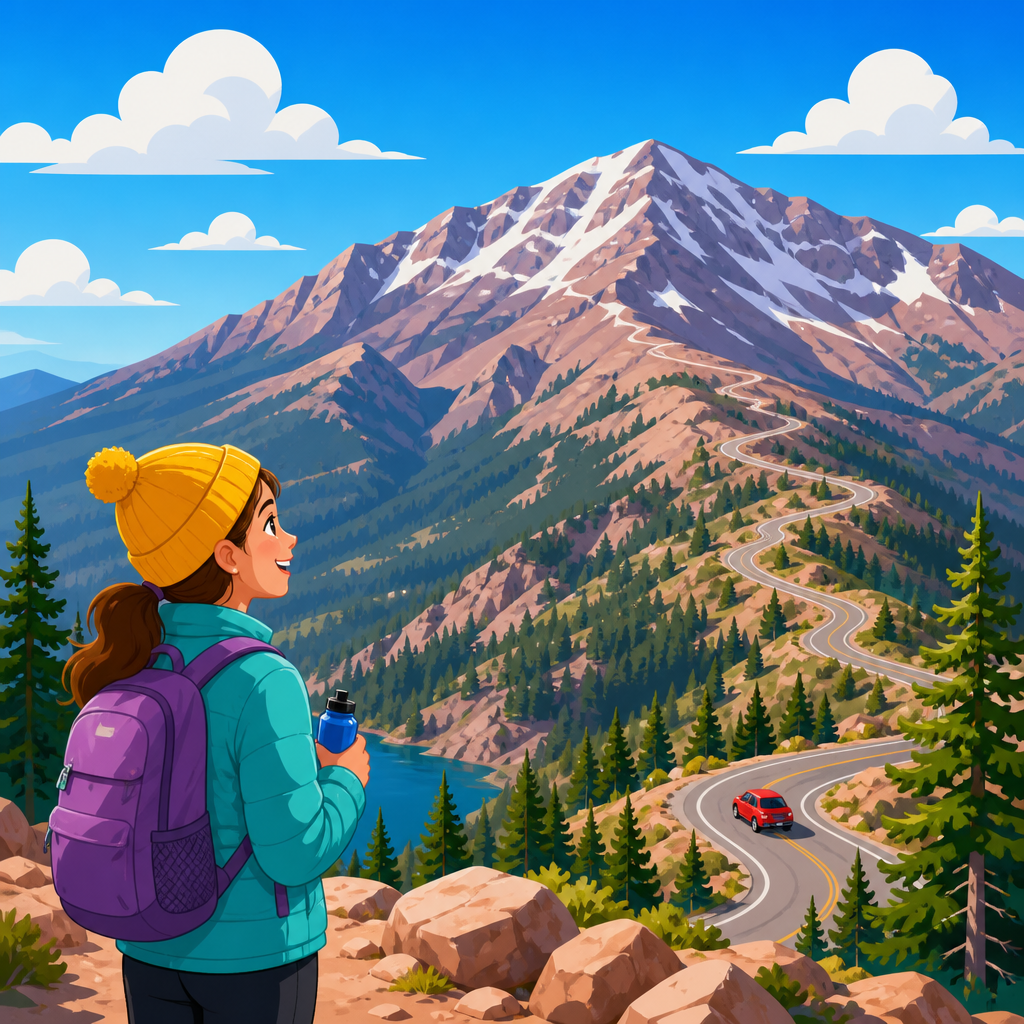
First-time visitors generally choose among the Pikes Peak Highway, the Broadmoor Manitou and Pikes Peak Cog Railway, shuttle services, cycling, or hiking. The highway is the most flexible option because you control the pace, stop at overlooks, and leave when needed. It is also the easiest way to descend quickly if someone develops symptoms. Drivers should use low gears on the way down to protect brakes; rangers may check brake temperatures during busy periods, and overheated brakes are a real safety issue on mountain roads.
The cog railway removes the stress of mountain driving and is excellent for visitors who want scenery without managing switchbacks. The tradeoff is that you are committed to the train schedule. If you begin feeling unwell, your options are less flexible than when you have your own vehicle. Guided tours solve the navigation problem and can be ideal for visitors uneasy about weather or road conditions, but the same schedule constraint applies. Hikers and cyclists earn a remarkable experience, yet they face the biggest physical demand and need more preparation than most day-trippers expect.
| Route | Typical experience | Main advantage | Main altitude consideration |
|---|---|---|---|
| Pikes Peak Highway | Self-paced scenic drive with multiple stops | Fastest option for descending if symptoms start | Easy to overdo sightseeing because you feel in control |
| Cog Railway | Reserved round-trip train ride to the summit | No driving stress, strong interpretive experience | Less flexibility if someone feels sick before departure |
| Guided tour or shuttle | Shared transport with commentary | Convenient for visitors without a car | Schedule may limit rest or early descent |
| Hiking or cycling | High-effort ascent with major elevation gain | Most immersive mountain experience | Greatest exposure to fatigue, weather, and altitude illness |
How to prepare the day before and the morning of your trip
Preparation starts earlier than most guides admit. The day before your trip, check the National Weather Service forecast for the summit area and verify operating conditions for the highway or railway. Afternoon thunderstorms, sudden fog, hail, and temperature swings are normal in the Rockies, especially from late spring through early fall. If your schedule is flexible, choose the earliest practical departure. Morning visits usually mean calmer weather, fewer crowds, and more margin if someone needs extra time.
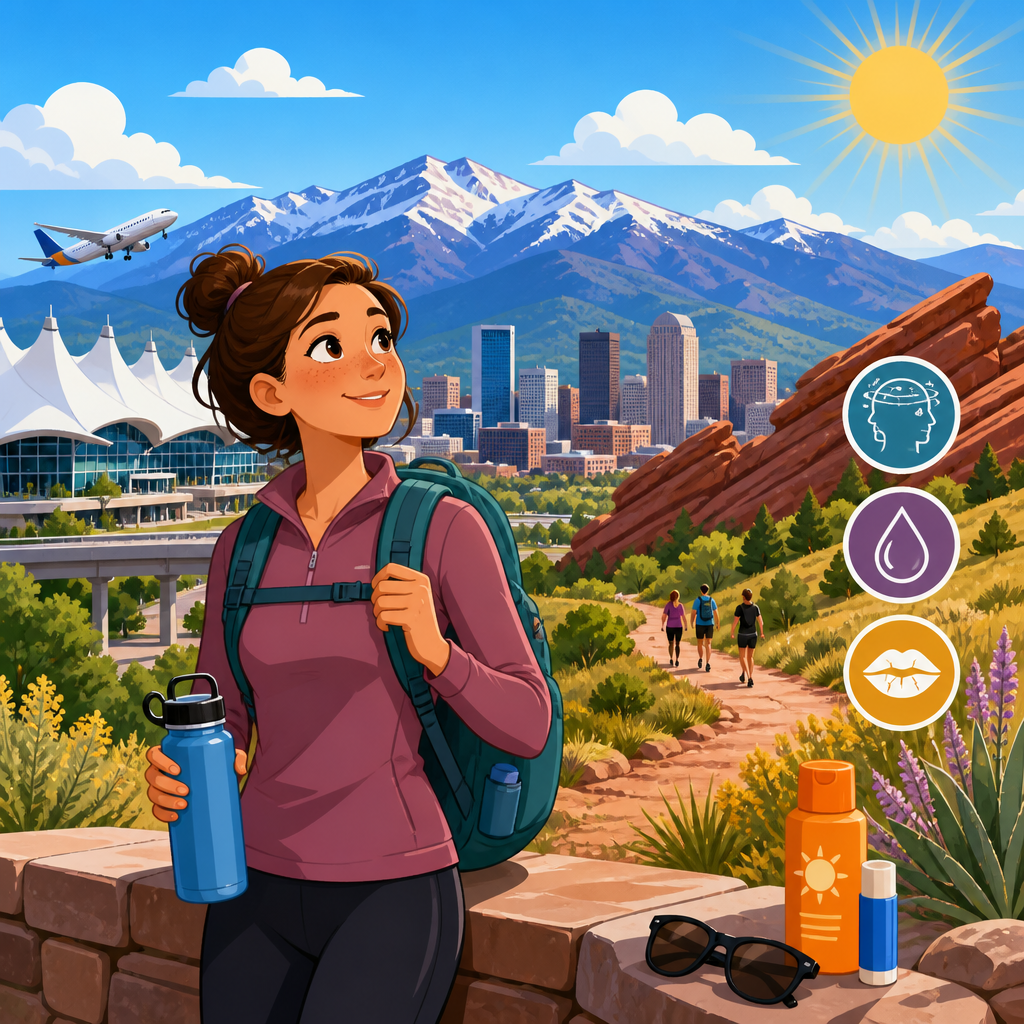
On the packing side, bring water, a warm layer, a waterproof shell, sunglasses, sunscreen, lip balm, and simple snacks such as fruit, nuts, crackers, or an energy bar. Closed-toe shoes are better than sandals because the summit can be cold, wet, and slippery. If you are traveling with children, add more layers than you think you need. Kids often seem fine until they are suddenly cold, cranky, thirsty, or nauseated. For photography, secure loose items; summit wind can be stronger than visitors expect.
The morning routine matters. Eat breakfast, skip the impulse to celebrate with mimosas, and begin hydrating before you feel thirsty. If you flew into Denver or Colorado Springs the same day, be even more conservative. Air travel, dry cabin air, disrupted sleep, and travel stress all make altitude feel sharper. I tell first-time visitors to think in halves: walk half as fast as usual, stay twice as aware, and expect to spend less active time at the summit than at lower attractions.
What to do at the summit without overexerting yourself
The summit experience is best when you treat it as a short, deliberate visit rather than a sprint to every viewpoint. Begin with a slow transition from the parking or arrival area. Give yourself a few minutes to breathe, orient, and notice how you feel. If you arrive by car, this is the time to check in with everyone in the vehicle, especially older relatives and children who may underreport symptoms. A mild headache or unusual breathlessness at this stage is not rare, but it is information you should use.
Most visitors want photos, mountain views, and a stop at the Pikes Peak Summit Visitor Center. Keep movement gentle. Avoid running between overlooks or climbing extra stairs just because the views are exciting. If you plan to eat at the summit, choose something light. The famous high-altitude donuts are part of the tradition, but they are better enjoyed with water and realistic expectations than as a meal replacement. Take breaks inside if weather is cold or windy, and remember that comfort drops quickly once you are chilled.
A practical summit timeline for first-timers is 30 to 90 minutes depending on weather, crowd levels, and how everyone feels. More time is not automatically better. In fact, many successful visits are shorter than people imagine. If symptoms are increasing rather than stabilizing, leave. The mountain will still be there on another trip, and descending a few thousand feet often brings noticeable relief within a surprisingly short time.
How Pikes Peak fits into a broader extreme altitude day-trip plan
As a hub for extreme altitude day trips, Pikes Peak is useful because it teaches the core rules that apply to other accessible high places in the American West. Mount Blue Sky near Denver, Trail Ridge Road in Rocky Mountain National Park, Independence Pass near Aspen, and high overlooks around the San Juan Mountains all involve the same basic equation: fast ascent, reduced oxygen, stronger sun, colder weather, and the need for flexible judgment. Learn those lessons here and you will travel more confidently across Colorado and beyond.
Pikes Peak is also an ideal first benchmark. If you struggle significantly at 14,115 feet during a short summit visit, that does not mean you cannot enjoy mountain travel. It means your future plans should emphasize slower ascent, lower sleeping elevations, and more conservative activity choices. For example, a traveler who feels nauseated on Pikes Peak may still have an excellent trip based around scenic gondolas, alpine lakes near 10,000 to 11,000 feet, or two-night stays that allow gradual adaptation. On the other hand, if you handle the summit well, you have useful evidence for planning future high-country drives and excursions.
Build your itinerary accordingly. Pair Pikes Peak with lower-elevation attractions such as Garden of the Gods, Old Colorado City, or the U.S. Olympic & Paralympic Museum on the same trip, but avoid stacking multiple high-altitude activities into one day. The biggest mistake I see in extreme altitude day trips is accumulation: a traveler arrives from sea level, takes a summit excursion, adds a strenuous hike, drinks alcohol at dinner, and wonders why the evening ends with a pounding headache. Good mountain travel is less about toughness than sequencing.
When to postpone, turn around, or seek help
Good judgment is the skill that matters most on Pikes Peak. Postpone if the forecast shows severe storms, if road conditions are poor, or if someone in your group is already sick, dehydrated, or sleep deprived. Turn around early if a traveler develops a persistent headache with nausea, marked dizziness, unusual weakness, or behavior that seems off. In mountain medicine, worsening symptoms outrank summit plans every time. Descending is not failure; it is the correct response.
If driving, stop at a lower point and reassess rather than pushing upward. If you are on the summit and symptoms are moderate or worsening, descend promptly and continue to monitor. Seek immediate medical help for severe shortness of breath at rest, chest pain, confusion, blue coloration, fainting, or inability to walk normally. Rangers and local emergency services handle mountain-related illness regularly, but the best outcomes come when visitors respond early instead of trying to tough it out.
Pikes Peak rewards preparation, humility, and a steady pace. Understand the altitude, choose the right route, pack for rapid weather changes, and keep your summit stay purposeful. That approach turns an intimidating first visit into a safe, unforgettable introduction to extreme altitude day trips. Use this guide as your planning baseline, then explore the related destinations in this subtopic with the same discipline. Start with one smart mountain day, and your future high-altitude travel will be better for it.
Frequently Asked Questions
How high is Pikes Peak, and why does the altitude affect first-time visitors so much?
Pikes Peak reaches 14,115 feet above sea level, which puts it well into the range where many people notice the effects of high elevation. What makes the mountain especially challenging for first-time visitors is not just the summit height, but how quickly most people gain altitude. A typical day might begin near Colorado Springs at around 6,000 feet and then jump to over 14,000 feet in a relatively short period by car, shuttle, or cog railway. That rapid ascent gives your body very little time to adjust to thinner air.
At higher elevations, there is less oxygen available with each breath, so your body has to work harder to do normal activities. You may feel short of breath walking short distances, climbing a few stairs, or simply moving around the summit. Even people who are fit at lower elevations can feel tired, lightheaded, or unusually sluggish. Altitude can also increase dehydration because the air is dry and you lose fluid faster through breathing.
For first-time visitors, the most important thing to understand is that altitude effects are normal and can happen even if you are healthy and active. The summit experience is often much more enjoyable when you expect to slow down, drink water, dress for colder and windier conditions, and limit strenuous activity. Knowing that the height of Pikes Peak can affect energy, breathing, and comfort helps you plan a safer and more enjoyable visit.
What altitude sickness symptoms should I watch for at Pikes Peak?
Mild altitude sickness can begin with symptoms that seem easy to brush off at first, especially if you are excited to be there. Common early signs include headache, dizziness, nausea, unusual fatigue, shortness of breath, loss of appetite, and feeling weak or unsteady. Some visitors also notice that they feel mentally foggy, more irritable than usual, or unusually tired after only light activity. On Pikes Peak, these symptoms can appear because of the fast elevation gain, even if you felt fine when you left lower elevations that morning.
In many cases, mild symptoms improve if you stop exerting yourself, drink water, eat a light snack, and descend to a lower elevation if needed. The key is to pay attention early rather than pushing through. If you develop a significant headache, increasing nausea, vomiting, worsening dizziness, or trouble walking normally, that is a sign you should take the situation seriously and begin descending. Young children and older adults may not always describe symptoms clearly, so watch for behavior changes such as unusual sleepiness, fussiness, or confusion.
Severe symptoms are a medical concern. These include severe shortness of breath at rest, chest tightness, confusion, blue lips or fingertips, inability to walk straight, or a persistent decline in alertness. Those symptoms are not part of a normal summit experience and require immediate attention and descent. For most first-time visitors, the best strategy is simple: recognize early warning signs, do not overexert, and leave the summit sooner rather than later if your body is telling you it is not handling the altitude well.
How can I prepare for the altitude before visiting Pikes Peak?
The best preparation starts before you ever begin the climb. If your schedule allows, spend at least a day or two in Colorado Springs or another moderate elevation area before going to the summit. That extra time will not fully acclimatize you to 14,115 feet, but it can help your body adjust somewhat to being above your usual elevation. During that time, drink plenty of water, avoid excessive alcohol, get a good night’s sleep, and keep your meals balanced and regular. Arriving already dehydrated, exhausted, or hungover can make altitude symptoms much more likely.
It also helps to plan a lighter activity day before your Pikes Peak trip rather than stacking the summit visit after intense hiking or travel. Eat a solid breakfast or lunch, and bring water and simple snacks with you. Carbohydrate-rich snacks can be useful because they are easy to eat and provide quick energy. If you take medications or have heart, lung, or blood pressure conditions, it is smart to talk with your healthcare provider before visiting high altitude, especially if this is your first experience above 14,000 feet.
Just as important is adjusting your expectations. Preparation is not about proving how tough you are; it is about making smart decisions. Plan to move slowly, dress in layers, and give yourself permission to shorten your summit time if needed. A flexible mindset goes a long way at Pikes Peak. First-time visitors who prepare for the altitude instead of underestimating it usually have a much better experience.
What should I pack or wear for a comfortable visit to the Pikes Peak summit?
Even on a warm day in Colorado Springs, the summit of Pikes Peak can be dramatically colder, windier, and less comfortable than visitors expect. Layering is the smartest approach. A moisture-wicking base layer, an insulating mid-layer such as fleece, and a wind-resistant or weather-resistant outer layer will cover most conditions. Long pants are usually more comfortable than shorts at the top, and closed-toe shoes with good traction are strongly recommended. If the forecast is cool or unsettled, bring a hat and light gloves as well.
Water is essential, because altitude and dry air increase your risk of dehydration. Bring more than you think you will need, especially if you will be spending time walking around before or after reaching the summit. Snacks are helpful too, particularly something easy to digest like granola bars, fruit, crackers, or trail mix. Sun protection matters more than many first-time visitors realize. At high altitude, ultraviolet exposure is stronger, so sunglasses, sunscreen, and lip balm with SPF are smart additions even on cooler days.
A few extra items can make the trip significantly easier: tissues, any personal medications, motion sickness remedies if winding roads bother you, and a small backpack to keep your hands free. If you are traveling with children, pack extra layers and more water than you think they will drink. The basic rule is simple: dress for lower temperatures, prepare for strong sun and wind, and carry enough water and snacks to keep altitude-related discomfort from escalating into a miserable visit.
How long should first-time visitors stay at the summit, and when is it time to go back down?
There is no single perfect amount of time for everyone, but first-time visitors generally do best by treating the summit as a short stay rather than an all-day destination. Because of the altitude, many people feel fine for a brief visit but begin to notice headache, fatigue, or lightheadedness if they linger too long. If you are arriving directly from much lower elevation, spending a modest amount of time at the top is often the most comfortable approach. Enjoy the views, take photos, walk slowly, and pay attention to how you feel throughout the visit.
Your ideal summit time depends on age, health, weather, exertion level, and how your body responds that day. If you feel strong, hydrated, and symptom-free, you may be able to stay a bit longer. But if you notice a worsening headache, nausea, unusual weakness, shakiness, or increasing shortness of breath, that is your cue to cut the visit short. Descending is the quickest and most effective way to relieve altitude-related symptoms. Many visitors make the mistake of waiting too long because they do not want to leave such an iconic place. In practice, leaving early is usually the reason the overall trip remains enjoyable.
It is also wise to remember that weather can change quickly on Pikes Peak. Cold wind, storms, or reduced visibility can turn a comfortable summit stop into a stressful one fast. For first-time visitors, the smartest plan is to enjoy the summit efficiently, listen to your body, and head down while you still feel well. A shorter, comfortable visit is far better than stretching your time at 14,115 feet until altitude or weather forces the decision for you.