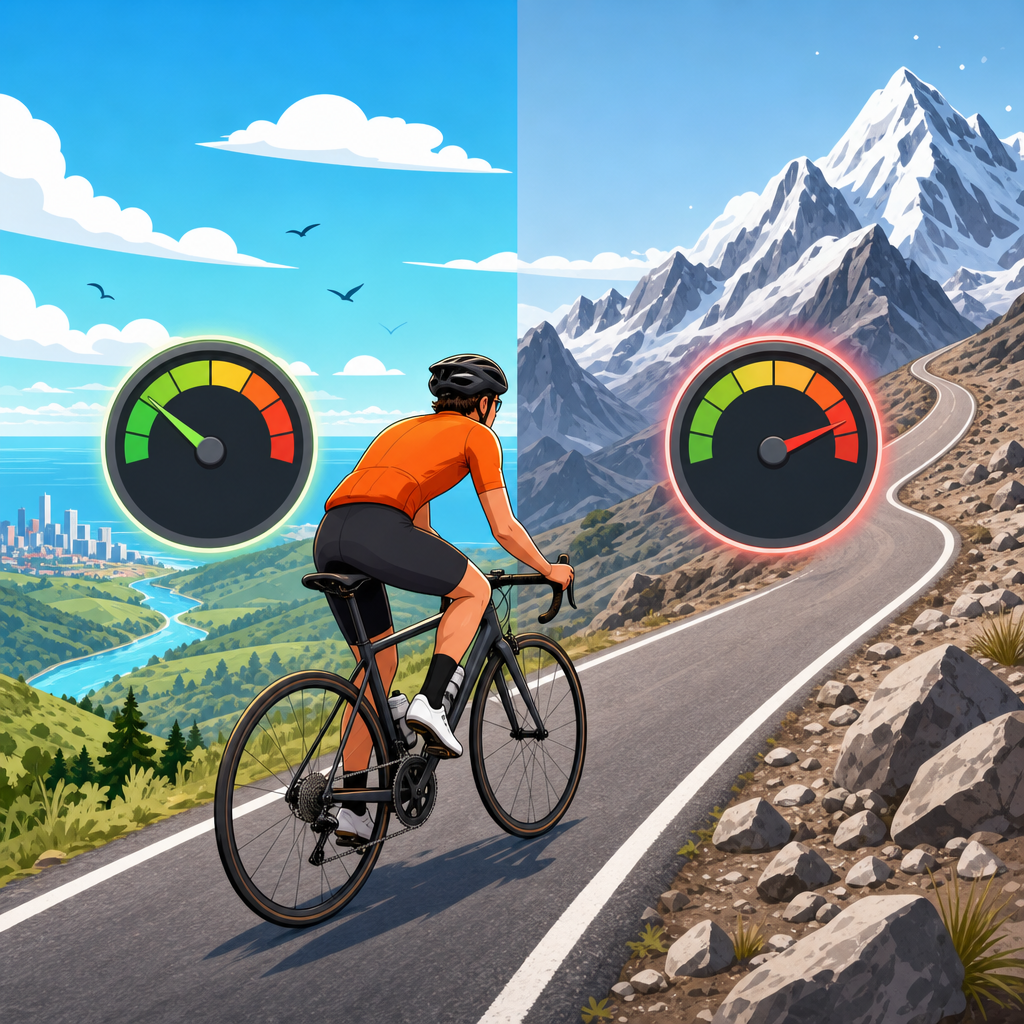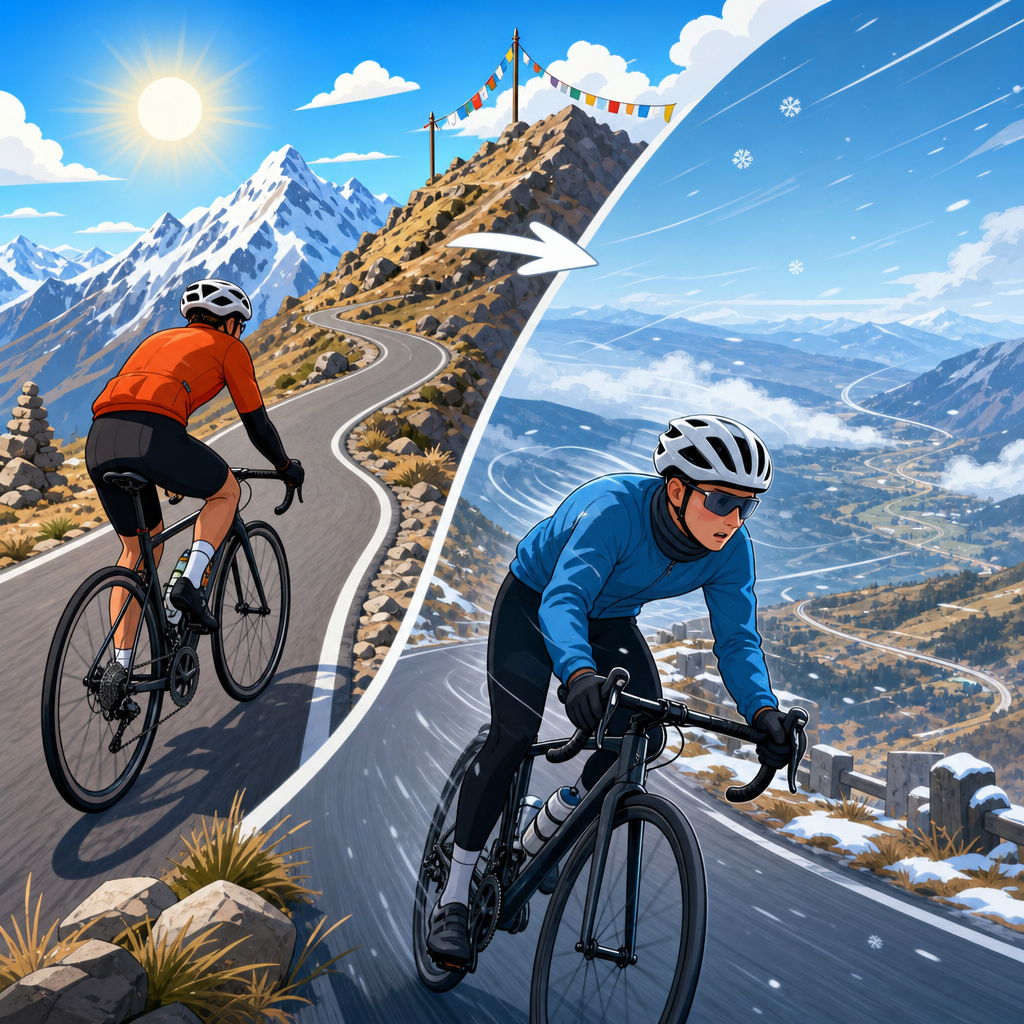
Summit day above tree line is where hiking strategy stops being abstract and becomes immediate: every bite affects pace, warmth, judgment, and whether the final push feels controlled or desperate. In this environment, the best snacks for summit day above tree line are not simply “healthy” foods. They are compact, easy to eat with cold hands, stable in wind and sun, and rich in fast-available carbohydrate with enough sodium and fat to support sustained effort. Above tree line usually means alpine or subalpine terrain exposed to stronger wind, higher solar radiation, colder temperatures, and fewer natural breaks. Summit day refers to the final ascent window on a peak objective, often starting before dawn and compressing the most demanding climbing into a limited weather and energy budget. Because this article sits within hiking strategy, the real question is broader than what to pack. It is how to match snack choice, timing, and carrying method to elevation, terrain, pace, and appetite so your fuel plan actually works when breathing hard in a shell and gloves.
I have learned on long alpine days that the perfect snack at home often becomes useless at 13,000 feet. Bars turn brick-hard, nut butter packets burst in pockets, and anything requiring two hands or careful unwrapping gets skipped. That matters because under-fueling at altitude compounds quickly. Glycogen stores drop, blood glucose swings affect coordination and mood, and dehydration suppresses appetite further. Research in endurance performance consistently shows that carbohydrate intake during prolonged exertion helps maintain output, especially once exercise extends beyond ninety minutes. For most hikers on a summit push, practical intake lands around thirty to sixty grams of carbohydrate per hour, with stronger athletes sometimes tolerating more if they have trained their gut. The best summit snacks therefore serve two jobs at once: they provide reliable energy, and they reduce friction so eating happens on schedule. A strong hiking strategy starts with that principle and then scales outward into pacing, layering, hydration, and turnaround decisions.
What makes a summit day snack work above tree line
The best snacks for summit day above tree line share five traits. First, they are accessible while moving. If food lives at the bottom of the pack, many hikers wait too long and then overeat at a break. I prefer shoulder-strap pockets, hip-belt pockets, or a chest pouch where I can reach calories without stopping. Second, they remain chewable in cold conditions. Soft chews, gummies, waffles, filled tortillas, and certain bars outperform dense protein bars or standard granola bars once temperatures drop below freezing. Third, they deliver a predictable mix of carbohydrate and sodium. Carbohydrate keeps work rate up; sodium helps replace sweat losses and encourages drinking, especially on dry, windy ridges where evaporative loss is easy to underestimate. Fourth, they are psychologically easy to eat. Flavor fatigue is real at altitude. Sweet-only plans often fail by late morning, so salty and savory options matter. Fifth, they produce minimal waste and minimal dexterity problems. Tiny wrappers become a serious annoyance in wind.
Calorie density matters, but not in isolation. Many hikers overpack trail mix, jerky, and giant energy bars because they seem efficient. On summit day, however, very fatty or very fibrous foods can sit heavily in the stomach, especially when effort is high and blood flow is diverted away from digestion. That is why snacks that combine quick carbohydrate with moderate fat often perform best. Think fig bars, stroopwafels, pretzels with nut butter, rice crispy treats, dates stuffed with almond butter, or soft energy chews. For cold, early starts, I also like foods that can be eaten in one or two bites without removing gloves for long. A snack you can consume in thirty seconds on a brief stop is strategically superior to a more “nutritious” item that remains untouched all day.
Best summit snacks by function, not marketing category
Instead of asking whether a food is a bar, gel, or whole food, classify it by what it does during the climb. Fast-burn snacks cover immediate energy needs when pace increases, the route steepens, or appetite fades. These include chews, gummies, sport gels, dried mango, dates, applesauce pouches, and candy such as jelly beans or sour gummies. They digest quickly and can lift a fading effort within minutes. Steady-output snacks are for routine hourly fueling and usually combine starch and sugar with a little fat or protein. Good examples are fig bars, soft oat bars, waffles, banana bread, tortillas with honey, rice balls, and mini sandwiches. Recovery-protective snacks help reduce the post-summit crash and support the descent. These add more substantial calories and often more sodium: peanut butter tortillas, cheese crackers, roasted salted potatoes, or a bagel half with jam and nut butter.
Commercial sports nutrition has advantages, especially in cold wind. Brands such as Skratch, Maurten, Honey Stinger, Clif Bloks, GU, and Precision Fuel & Hydration design products around carbohydrate delivery and electrolyte targets, and packaging is often glove-friendlier than standard grocery items. But grocery foods still win on cost, familiarity, and taste. On guided alpine trips and self-supported peak days, I have seen the most consistent success from mixed systems rather than all-one-brand kits. A few purpose-built products handle the hard effort window, while familiar foods carry the bulk of calories. That approach lowers cost, reduces palate fatigue, and keeps digestion predictable because you are not relying entirely on highly concentrated sweet products.
How to choose snacks for weather, altitude, and route style
Conditions above tree line decide what works. In cold alpine starts, bars harden, chocolate freezes, and water can ice in hoses. Choose soft foods, insulated flasks, and packaging you can open with gloves. In hot high-country conditions, chocolate melts, cheese sweats, and nut butter becomes messy. Dry baked items, chews, pretzels, and drink mix become more attractive. Wind changes behavior even when temperature seems mild. If stopping feels unpleasant, you need more pocket food and more one-handed options. Technical scrambles, snow climbs, and talus traverses also reduce feeding opportunities. On those routes, smaller, more frequent bites work better than planned “lunch” stops. For nontechnical trail summits, you can tolerate bulkier foods because there are more safe moments to eat.
Altitude itself affects appetite and digestion. Some hikers feel little change at 8,000 to 10,000 feet but struggle above 12,000. The practical response is to start fueling early, before appetite drops, and to bias toward carbohydrate-heavy foods that feel easy in the mouth and stomach. Dry air also raises fluid losses through respiration, so salty snacks pair well with regular drinking. If you know you become nauseated high up, avoid overly rich foods and carry at least one emergency “always edible” option such as sports chews, ginger candy, or plain crackers. Hiking strategy is about preserving decision quality as much as preserving speed. A simple food plan protects both.
| Snack | Best use | Main advantage above tree line | Watch for |
|---|---|---|---|
| Energy chews or gummies | Steep pushes, quick energy | Easy to eat fast, predictable carbohydrate | Can feel too sweet after hours |
| Fig bars | Routine hourly fueling | Soft texture, affordable, moderate density | Crush easily in pack |
| Pretzels or salted crackers | Salt replacement, flavor reset | Balances sweet foods, encourages drinking | Dry if you are already dehydrated |
| Nut butter tortilla | Long sustained energy | Compact, durable, more satisfying | Can feel heavy during high exertion |
| Dates or dried mango | Quick carbohydrate with whole-food feel | Portable and palatable in cold | Sticky, may freeze if very cold |
| Boiled salted potatoes | Savory break food | Excellent texture, sodium friendly, gentle on stomach | Bulkier than bars |
Timing: how often to eat on summit day
The simplest summit fueling rule is to eat before you feel depleted. For most hikers, that means a substantial breakfast one to three hours before movement, then small intake every thirty to forty-five minutes once on the trail. Waiting until hunger appears is unreliable at altitude because hunger can disappear even while energy demand rises. A good baseline is thirty to sixty grams of carbohydrate per hour for moderate to hard summit efforts lasting several hours. In plain food terms, that might be one fig bar plus a few chews each hour, or half a peanut butter tortilla and a small handful of gummies. If you are moving very hard, carrying a light pack, and already have endurance training, you may tolerate higher intake, but only if you have practiced during training hikes.
Break timing should follow terrain. Eat just before a steep headwall, not at the top when you are already empty. Take advantage of sheltered spots below ridgelines rather than forcing a long exposed stop in wind. On very cold days, I often pre-open one or two items before leaving the trailhead and place them in a chest pocket so the first hour of fueling is frictionless. This small habit prevents the common pattern of under-eating early and trying to rescue the day with a huge summit lunch. That rescue rarely works. Steady intake beats catch-up intake every time.
Packing strategy, hydration pairing, and common mistakes
Carrying method is part of nutrition strategy. Organize snacks in the order you will use them: fastest carbs in the most accessible pocket, routine bars and savory items one layer deeper, and reserve calories near the top of the pack. I separate wrappers before the hike when possible, cut larger bars into bite-size pieces, and place sticky foods inside a small zip bag that can be handled with gloves. If temperatures are below freezing, keep chews and bars close to the body or in an inside pocket so they remain pliable. If the route includes scrambling, avoid loose crumbs and powders that require careful handling on small ledges.
Hydration and snacks must be planned together. Carbohydrate intake works best when you are also drinking consistently, and sodium losses rise on warm, sunny climbs even in cool air. Many hikers carry only plain water and end up with a stomach full of sloshing liquid but inadequate electrolytes and too little energy. A better system is one bottle of water and one bottle with an electrolyte or carbohydrate mix, using products from brands such as Nuun, Skratch, Tailwind, or Precision depending on your tolerance. Common mistakes include packing only protein bars, saving the “good snacks” for the summit, relying entirely on caffeine, and trying a new gel for the first time on a major objective. The best summit day snack plan is proven on training hikes, adjusted for weather, and simple enough to execute when tired. Build that system before your next alpine objective, and your summit push will feel steadier, safer, and far more enjoyable.
The central lesson of hiking strategy above tree line is that food is not a side detail; it is a performance tool and a safety tool. The best snacks for summit day above tree line are the foods you can eat easily in cold, wind, and thin air while maintaining a steady carbohydrate flow, adequate sodium, and enough variety to keep appetite alive. Soft, accessible, fast-opening snacks usually beat bulky or overly “clean” options. A mixed system works best: quick carbohydrates for hard effort, moderate snacks for steady output, and a more satisfying item for the descent. Pair that with early fueling, regular sipping, and terrain-aware break timing, and your energy becomes far more stable.
As the hub page for hiking strategy within Fitness, Hiking & Performance, this topic connects directly to pacing, hydration, layering, acclimatization, pack setup, and turnaround judgment. Get summit snacks right, and many other decisions become easier because your brain and legs keep working when the mountain gets serious. Before your next objective, test three or four snack combinations on a hard training hike, note what you actually finish, and refine from there. A practical fueling plan is one of the simplest upgrades you can make to climb stronger and come down safer.
Frequently Asked Questions
What makes a snack ideal for summit day above tree line?
The best summit day snacks above tree line are chosen for function first. At that elevation and exposure, food needs to be compact, calorie-dense, easy to access, and simple to chew even when you are breathing hard, wearing gloves, and dealing with wind or cold. A good snack should provide fast-available carbohydrate for immediate energy, but it should also contain some sodium and a small amount of fat to help sustain effort and replace what you lose through sweat. Texture matters more than many hikers expect. Foods that become rock-hard in the cold, melt into a mess in the sun, or crumble in the wind are far less useful than they seem at home.
Practicality is just as important as nutrition. Above tree line, you do not want to stop for a long break every time you need calories. The most effective snacks are ones you can eat in small portions while moving or during very short pauses. Think soft bars, chews, gels, filled tortillas, pretzels, dried fruit blends, nut butter packets, or small sandwiches cut into manageable pieces. Packaging should open easily with cold hands, and each item should survive being stuffed into a pocket. In short, the ideal summit day snack is not just “healthy.” It is reliable under alpine conditions and helps you maintain pace, warmth, focus, and steady decision-making.
How often should I eat on summit day, and how much is enough?
Most hikers do better eating small amounts regularly rather than waiting for a big break or until they feel drained. Above tree line, once energy drops sharply, it can be difficult to recover quickly. A good rule is to start eating early and continue consistently, usually every 30 to 45 minutes, even if it is just a few bites. This keeps blood sugar steadier, supports more even pacing, and reduces the “bonk” that often shows up late in the climb when the route gets steeper, colder, or more technical.
In terms of quantity, many hikers aim for roughly 150 to 300 calories per hour depending on body size, intensity, temperature, and total duration. Carbohydrate needs are usually the priority, especially during the final push, because carbohydrates are the quickest fuel source for hard work at altitude. If the day is long, windy, and cold, your energy needs may rise further because your body is working harder to stay warm. It is smart to divide your food into hourly portions before the hike so you can monitor intake without guessing. If you suddenly feel irritable, chilled, mentally foggy, shaky, or strangely unmotivated, that often means you waited too long to eat. Summit day nutrition works best when it feels almost routine: small, frequent, deliberate intake instead of occasional large snacking.
What are the best specific snack options for cold, windy, high-exposure hiking?
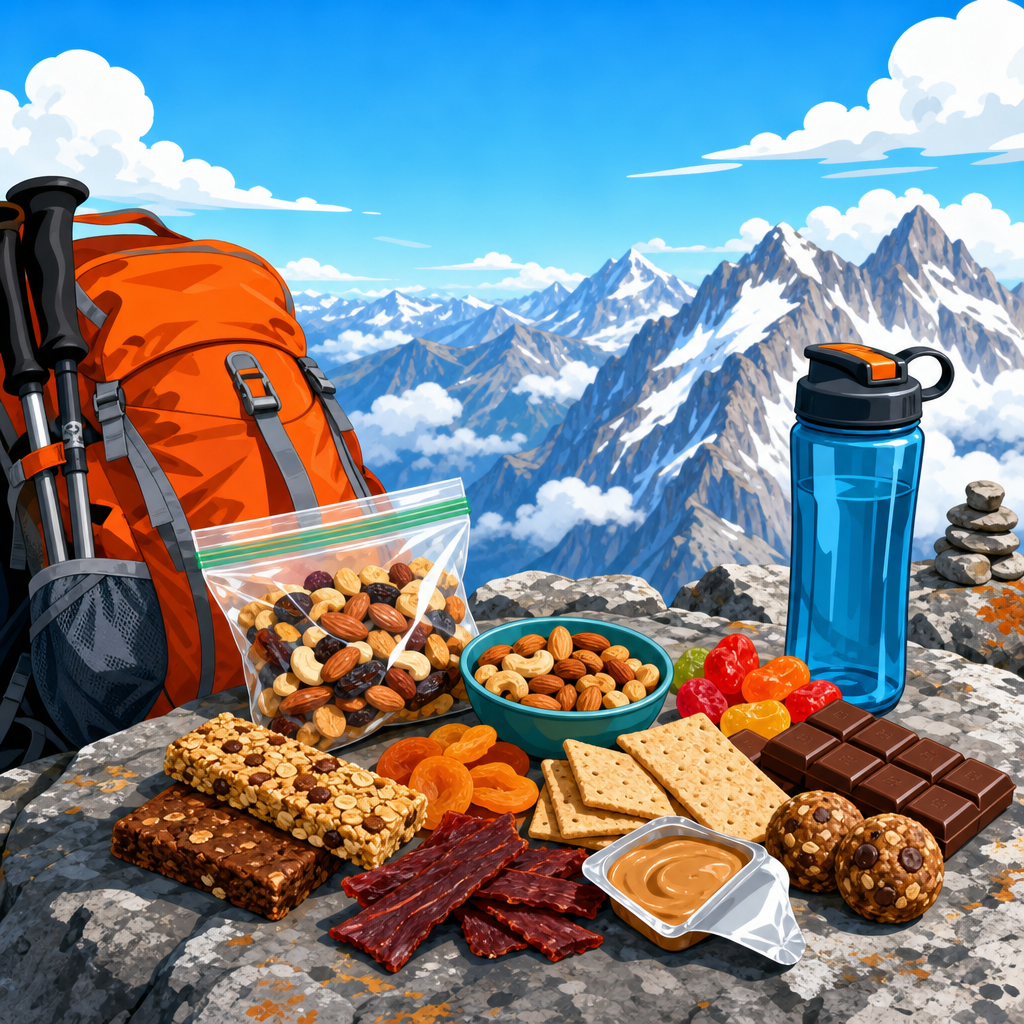
The strongest snack choices for alpine summit day are foods that combine ease of eating with stable energy. Soft energy bars are useful if they remain chewable in cold temperatures. Energy chews and gels are especially effective during steep efforts because they provide rapid carbohydrate and are easy to consume quickly, though many hikers prefer to pair them with water to avoid flavor fatigue. Pretzels, salted crackers, or seasoned rice snacks can work well for sodium and easy carbs, especially if you have been sweating heavily. Dried fruit like apricots, dates, or mango offers quick sugar, while trail mix can help on longer days if it is not too difficult to chew.
For a more substantial option, small tortilla wraps with nut butter, honey, or jam are excellent because tortillas pack well and do not crush as easily as bread. Nut butter packets are compact and calorie-dense, though they are best used alongside a carb source rather than alone. Some hikers also do well with fig bars, stroopwafels, small boiled potatoes with salt, or cut-up sandwiches with simple fillings. The key is to test foods in training hikes before relying on them for a summit push. Digestion can change at altitude and under hard effort, so your best snack list should be built from foods that you know sit well in your stomach, stay edible in alpine conditions, and are easy to eat without a long stop.
Should I prioritize sugar, fat, or protein for the final push to the summit?
For the final push above tree line, carbohydrate should usually be the top priority. That does not mean only eating candy, but it does mean favoring snacks that provide quick and accessible energy. When you are climbing hard, breathing heavily, and trying to hold pace in thin air, your body leans heavily on carbohydrate. Fast carbs help preserve power, improve focus, and reduce the chance of that flat, depleted feeling that can turn a controlled ascent into a struggle. This is why summit-day snack plans often emphasize bars, chews, fruit, crackers, wraps, and other carb-forward foods.
Fat still has a role, especially on long days, because it adds calorie density and helps with satiety. However, high-fat foods by themselves can be slow to digest and may not feel appealing when intensity rises. Protein is helpful in moderate amounts, but it is rarely the main driver of immediate summit energy. A balanced approach works best: center your snack plan on carbohydrates, add enough sodium to support hydration and performance, and include modest amounts of fat for longer-lasting fuel. If you only bring very lean “health food” snacks, you may find yourself underfueled. If you bring only very fatty foods, you may struggle to get fast energy when you need it most. For most hikers, the sweet spot is simple: mostly carbs, some salt, and a little fat, timed regularly from the start.
How do I pack and manage summit day snacks so they are actually easy to eat when conditions get rough?
Even excellent food can fail if it is packed poorly. Above tree line, accessibility matters almost as much as the snack itself. Put your most important items where you can reach them without taking your pack off, such as hip-belt pockets, jacket pockets, or the top lid. Pre-open or partially notch stubborn wrappers before the hike if you know your hands get cold. Repackage foods into small, weather-resistant bags so each serving is ready to grab quickly. If a snack requires too much handling, slicing, or sorting, you are less likely to eat it consistently when the wind picks up or the route steepens.
It also helps to organize food by timing and purpose. Keep rapid-energy snacks like chews, gels, or dried fruit separate from slower, more filling items like wraps or trail mix. Reserve one or two “emergency morale” foods for the hardest stretch or for the descent if the day runs long. Protect temperature-sensitive items from freezing by keeping them close to your body in a pocket, and shield melt-prone foods from direct sun. Most importantly, do not treat eating as an afterthought. Build it into your summit strategy the same way you think about layers, water, and navigation. When snacks are visible, reachable, and already portioned, you are far more likely to eat enough to stay warm, think clearly, and finish the day strong.