Skip to content

  • Home
  • Altitude Illness & Acclimatization
    • Acclimatization Plans
    • Altitude Medications & Oxygen
    • AMS Basics & Risk Factors
    • AMS Management & Recovery
    • AMS Symptoms & Diagnosis
    • Descent, Treatment & Emergency Response
    • HACE
    • HAPE
    • Monitoring & Decision Tools
    • Pre-Acclimation & Training
  • Cooking & Baking at Altitude
    • Baking Fundamentals
    • Baking Troubleshooting & Workflow
    • Cakes & Cupcakes
    • Candy, Preserves & Canning
    • Cookies & Bars
    • Cooking Methods
  • Daily Life, Skin, Eyes & Home Comfort
    • Comfort Troubleshooting
    • ENT & Sensory Issues
    • Everyday Health & Comfort
    • Eye Care & Vision
    • Indoor Air & Humidity
    • Lifestyle Adjustments
  • Fitness, Hiking & Performance
    • Cycling
    • Hiking Strategy
  • Family, Pregnancy & Kids
    • Family Logistics & Planning
    • Infants & Postpartum
    • Kids & Family Travel
  • Gear, Monitoring & Safety
    • Clothing, Sleep & Shelter
    • Monitoring & Oxygen
  • Toggle search form

Best travel gear for sleeping better at altitude

Posted on By

Sleeping at altitude is hard for reasons that catch even experienced travelers off guard. Dry air, colder nights, lower oxygen pressure, noisy lodges, and disrupted breathing can turn a simple overnight stay into a restless, headache-filled experience. The best travel gear for sleeping better at altitude is not luxury gear; it is a carefully chosen system that helps your body conserve heat, stay hydrated, breathe comfortably, and respond quickly if conditions worsen. For anyone planning mountain road trips, hut-to-hut trekking, ski travel, high-desert camping, or emergency evacuation kits for alpine regions, the right equipment can improve comfort and support safer decision-making.

Altitude usually refers to elevations high enough to reduce the amount of oxygen available with each breath. In practical travel terms, many people first notice sleep changes around 6,000 to 8,000 feet, while symptoms become more common and more disruptive higher up. At night, these effects often feel stronger because breathing patterns change during sleep. I have seen travelers feel fine during the day at 9,000 feet, then lie awake with a racing heart, dry throat, and repeated awakenings after midnight. That mismatch is why travel and emergency preparedness matter so much in this category.

This hub article covers the gear, monitoring, and safety essentials that support better sleep at elevation, while also pointing toward the broader preparedness mindset every mountain traveler needs. Good altitude sleep gear falls into several categories: sleep system insulation, breathing and moisture management, hydration and recovery tools, monitoring devices, comfort and noise control, and emergency backup equipment. None of these items replaces acclimatization, medical advice, or smart pacing. What they do is reduce preventable stressors so your body can devote more energy to adapting. When you build your packing list around that principle, nights improve, recovery improves, and trips become more resilient.

Why altitude disrupts sleep and what gear can realistically fix

Altitude sleep problems usually come from multiple small stressors acting at once, not one dramatic failure. The core physiological issue is lower barometric pressure, which reduces oxygen availability. Your body responds by breathing faster, increasing heart rate, and changing fluid balance. Many travelers also experience periodic breathing, a pattern where breathing becomes shallow, pauses briefly, then resumes with a gasp. Add cold air, very low humidity, and a less familiar sleep environment, and even a quality hotel room can feel uncomfortable at 8,500 feet.

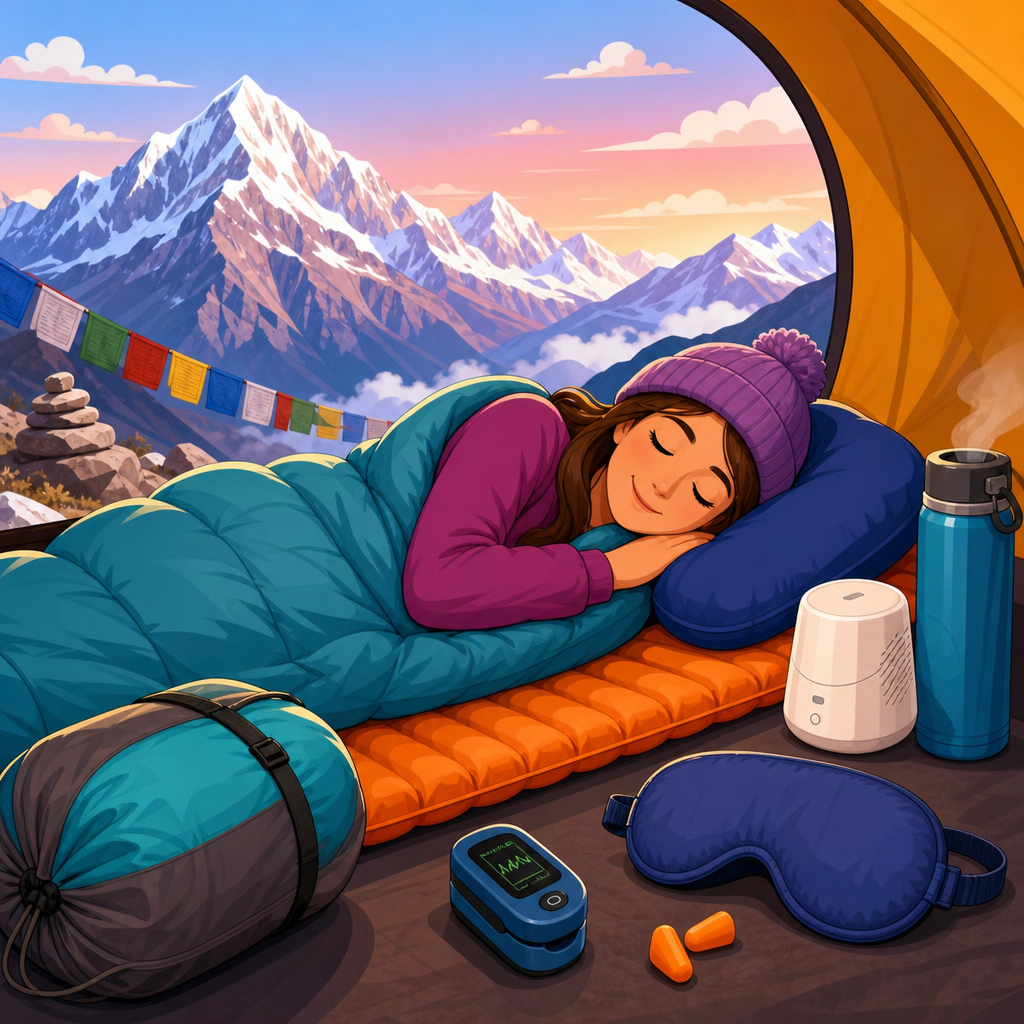
Gear cannot change altitude, but it can remove secondary burdens that make adaptation harder. For example, a warmer sleep system prevents repeated micro-awakenings from heat loss. A humidifying strategy such as saline spray and disciplined hydration helps with nasal dryness that triggers mouth breathing. Earplugs and a sleep mask reduce environmental disturbances in shared huts, roadside lodges, and campgrounds. A pulse oximeter does not treat symptoms, but it helps travelers compare subjective discomfort with objective readings and track trends. In emergency preparedness, trend awareness matters more than chasing one number.

The realistic goal is not perfect sea-level sleep. The goal is fewer awakenings, less overnight heat and moisture loss, steadier breathing comfort, and a better morning recovery baseline. Travelers who understand this tend to buy smarter. They prioritize layered function over novelty items, and they pack systems that work in a power outage, weather delay, or unplanned vehicle bivy.

Build a sleep system around warmth, insulation, and stable temperature

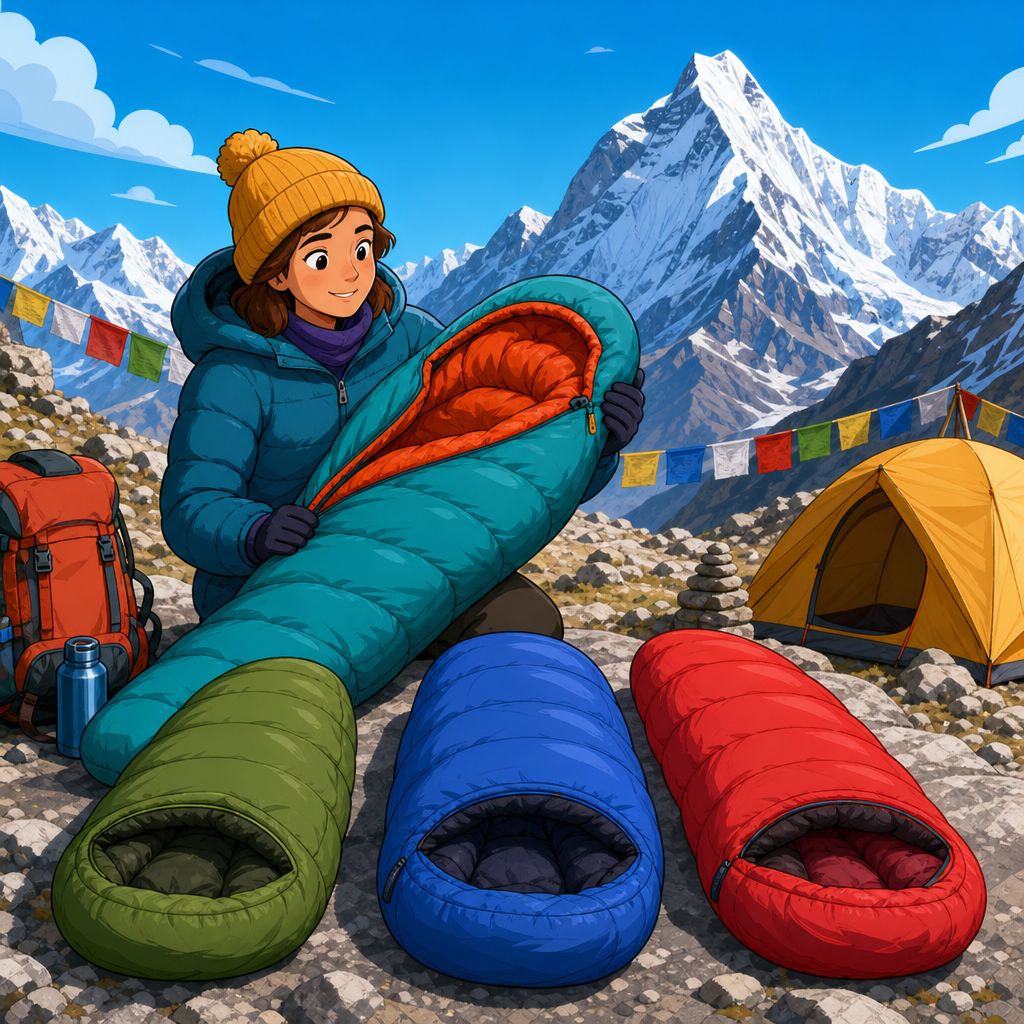
The most important gear for sleeping better at altitude is a reliable sleep system sized for colder conditions than the daytime forecast suggests. Nights in mountain environments often feel significantly colder because of wind exposure, radiational cooling, and fatigue-related sensitivity. A sleeping bag or quilt with an honest temperature rating, paired with an insulated sleeping pad, solves more altitude sleep complaints than most gadgets do. For three-season mountain travel, I usually advise travelers to focus first on pad R-value and realistic bag performance before buying electronic accessories.

Sleeping pad insulation matters because compressed insulation under the body provides little warmth. The pad must block conductive heat loss into the ground, cot, or thin lodge mattress. For cold shoulder-season trips, an R-value around 4 to 5 is often a strong starting point; winter or snow camping needs substantially more. Brands such as Therm-a-Rest, Sea to Summit, Nemo, and Exped publish pad specifications, but field conditions still matter. If you sleep cold, choose more insulation than the minimum.

Bag design also affects breathing comfort and rest. Mummy bags tend to preserve heat efficiently, while quilts can improve freedom of movement for active sleepers. Down offers excellent warmth-to-weight efficiency, but synthetic insulation performs better when damp and may suit emergency vehicle kits or wet climates. A bag liner can add modest warmth and keep the bag cleaner, but it is not a substitute for a warmer bag. For altitude lodging, even where beds are provided, carrying a compact insulating layer such as a lightweight quilt or travel blanket is often worthwhile because mountain accommodations can have inconsistent heating.

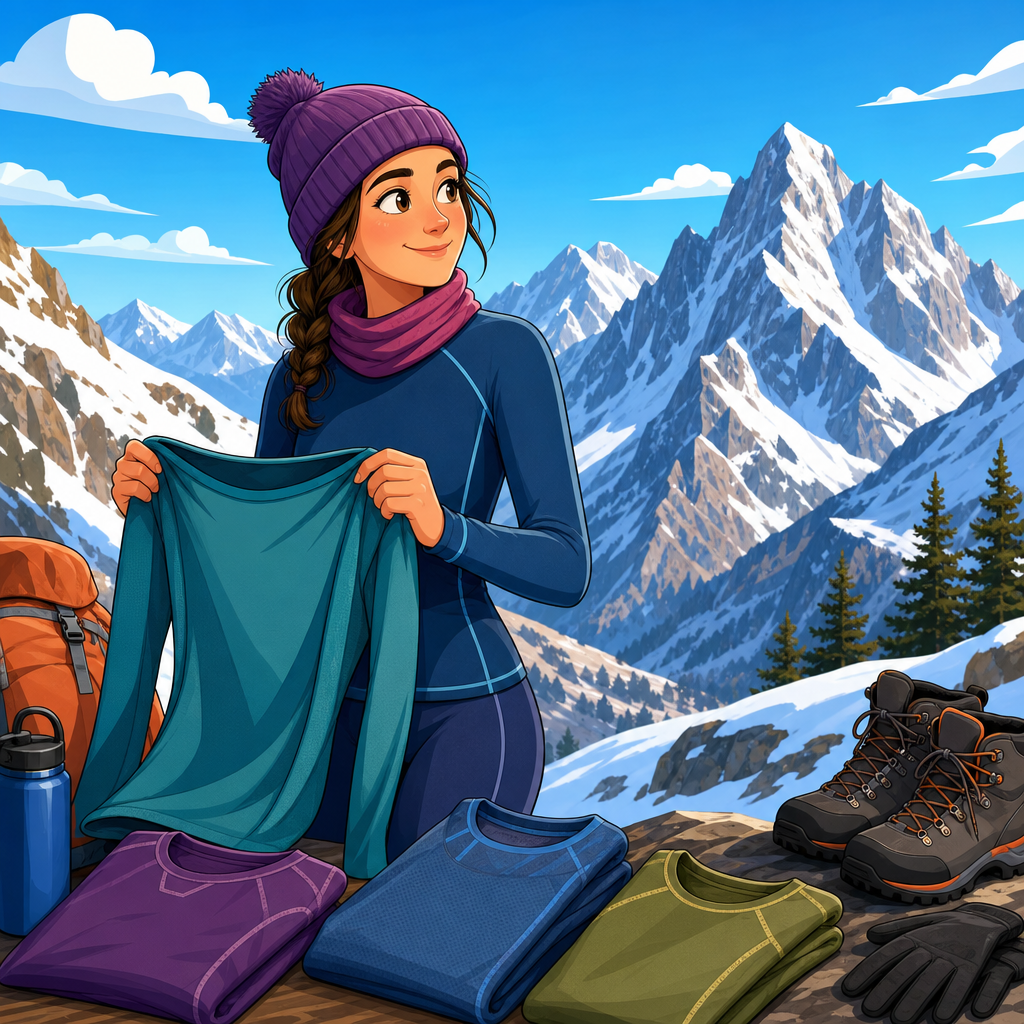
Temperature regulation extends beyond the bag itself. Sleep-specific base layers made from merino wool or synthetic knit fabrics help move moisture and reduce clammy wake-ups. Dry socks dedicated to sleeping are a simple upgrade with outsized returns. A warm beanie or balaclava helps in tents and drafty rooms because head and neck exposure often drives discomfort. If your feet run cold, a hot water bottle placed near the footbox can be highly effective, provided the bottle is leakproof and rated for boiling water.

Choose compact comfort gear that supports breathing, darkness, and noise control

At altitude, comfort gear is not cosmetic. It directly affects the frequency of awakenings. A good travel pillow supports neutral neck alignment, which can reduce mouth breathing and help side sleepers maintain easier airflow. Inflatable pillows save space, but hybrid designs with a small foam layer usually feel better over several nights. If you stay in huts, hostels, or avalanche-course bunkrooms, pack soft foam earplugs with a high noise reduction rating and a contoured sleep mask that does not press on the eyelids.

Nasal care is another overlooked area. Very dry air irritates nasal passages, especially after a day of exposure to dust, cold wind, or cabin heating during transit. A small bottle of isotonic saline spray can reduce dryness without using medicated decongestants. Some travelers also benefit from external nasal strips, particularly if congestion or narrow nasal passages lead to mouth breathing. I have found these most useful on the first two nights at elevation, when dryness is high and sleep feels unusually light.

Humidifiers are rarely practical in remote settings, so moisture management has to be portable. Lip balm, a small unscented moisturizer, and disciplined evening hydration help more than most people expect. If you use a CPAP machine at home, altitude trips require extra planning. Battery capacity, manufacturer altitude limits, and dry-air comfort accessories should be reviewed in advance. That is exactly the kind of preparation this travel and emergency preparedness hub should encourage: solve known sleep vulnerabilities before the trip, not after a bad night.

Hydration, nutrition, and recovery tools that improve overnight resilience

Hydration supports better sleep at altitude because dry air increases respiratory water loss and dehydration can worsen headaches, fatigue, and throat irritation. The key is steady intake, not excessive water right before bed. Overdrinking can interrupt sleep with repeated bathroom trips and, in rare cases, contribute to dangerous hyponatremia if electrolytes are ignored. I tell travelers to arrive well hydrated, sip regularly through the day, and include electrolytes when exertion, heat, or long travel days increase losses.

Useful gear in this category includes an insulated water bottle, a measured hydration bladder for daytime tracking, and single-serve electrolyte packets from established brands such as Skratch Labs, Liquid I.V., or Nuun. The best option depends on trip style. Bottles are easier to manage in freezing conditions; bladders improve access while moving but require more care in cold weather. A vacuum bottle also allows warm nighttime water, which can improve comfort in cold rooms or tents.

Nutrition matters too. Heavy alcohol intake and large late meals often make altitude sleep worse by increasing heart rate, reflux risk, and sleep fragmentation. A better strategy is a light carbohydrate-forward evening meal with some protein, followed by a simple pre-bed snack if needed. Travelers with sensitive stomachs often sleep better when they carry familiar, easy-to-digest foods rather than relying entirely on remote lodge menus or gas-station stops. Ginger chews, bland crackers, and instant oatmeal packets are humble but practical additions to an emergency sleep kit.

Gear category Best use at altitude What it solves Key caution
Insulated sleeping pad Tent camping, cold huts, vehicle bivy Ground heat loss and repeated cold wake-ups Check true R-value, not just thickness
Warm sleeping bag or quilt All overnight travel above cool-weather elevations Core warmth and recovery Match rating to real nighttime lows
Travel pillow and earplugs Shared rooms, flights, road trips, huts Noise, neck strain, shallow sleep Test fit before departure
Saline spray and nasal strips Dry climates and congested sleepers Nasal dryness and mouth breathing Do not rely on them for serious breathing issues
Pulse oximeter Trend tracking during acclimatization Objective context for symptoms Readings vary with cold hands and motion
Power bank and headlamp Emergency readiness in remote lodging Night navigation and device backup Recharge and cold-protect batteries

Monitoring and safety gear for altitude sleep problems and overnight changes

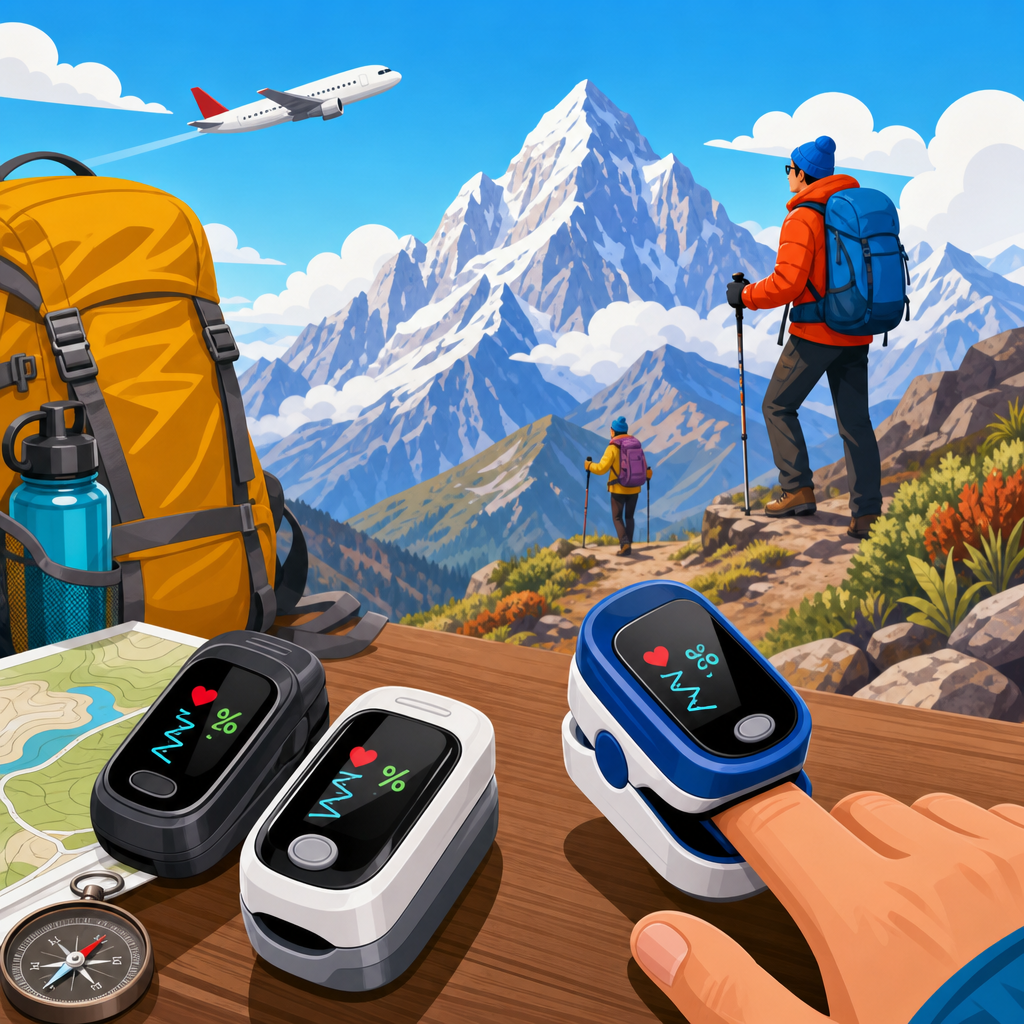
Monitoring gear becomes more valuable as elevation rises, itineraries tighten, or travelers have known risk factors. A fingertip pulse oximeter is the simplest tool to pack. It estimates blood oxygen saturation and pulse rate, giving a snapshot that can help interpret symptoms. However, it must be used correctly. Cold fingers, movement, nail polish, and low battery can skew readings. More important, single readings are less meaningful than repeated measurements taken under similar conditions. If a traveler feels markedly worse and readings trend down alongside worsening symptoms, that information supports a conservative plan.

Other useful items include a reliable thermometer, a headlamp with red-light mode, and a fully charged power bank. These may sound basic, but nighttime confusion, bathroom trips in unfamiliar lodges, or a need to check on a companion become much easier with dependable lighting. In vehicle-based mountain travel, I also recommend an emergency bivy, spare insulating layers, and a backup charging cable kept separate from primary luggage. Sleep at altitude is tightly linked to safety because fatigue degrades judgment the next day.

Travelers should also understand the limits of gear. Trouble sleeping alone is common at altitude, but severe headache, repeated vomiting, loss of coordination, worsening shortness of breath at rest, or altered mental status are red flags. Those symptoms can indicate serious altitude illness and require descent and medical evaluation. No pillow, oximeter, or herbal remedy replaces that decision. Preparedness means knowing when comfort measures are appropriate and when the plan must change immediately.

Pack for emergencies, transit delays, and unplanned overnight stays

The strongest travel and emergency preparedness kits assume plans will slip. A delayed mountain pass crossing, closed trailhead road, cancelled gondola, or weather hold can turn a day trip into an unplanned overnight. For that reason, the best travel gear for sleeping better at altitude overlaps heavily with emergency sleep gear. Keep a compact reserve kit in your car, duffel, or carry-on: insulated layer, hat, gloves, buff, emergency bivy or liner, calorie-dense snacks, water treatment backup, basic medications, and a small first-aid kit.

Medication planning deserves special attention. Some travelers discuss acetazolamide with a clinician before high-altitude trips, especially when rapid ascent is unavoidable. If prescribed, it should be tested for tolerance in advance and packed accessibly, not buried in checked baggage. The same applies to rescue inhalers, migraine medication, and any sleep-related prescriptions. I have seen excellent gear setups undermined by poor medication access after a late arrival to a small mountain town with limited pharmacy hours.

Finally, think in terms of systems, not isolated products. Your altitude sleep kit should work on a plane, in a rental car, in a heated lodge, and in a cold tent. It should cover darkness, noise, warmth, hydration, monitoring, and emergency backup with minimal redundancy. As the hub for this subtopic, this page should guide readers toward deeper articles on sleep systems, pulse oximeters, hydration tools, emergency bivies, first-aid kits, and acclimatization planning. Start by auditing your current kit, identify the weak links, and upgrade the pieces most likely to improve sleep, recovery, and safety on your next high-altitude trip.

Frequently Asked Questions

What travel gear actually helps you sleep better at altitude?

The most effective gear is the gear that solves the specific problems altitude creates at night: cold, dry air, low oxygen, noise, and interrupted breathing. A good sleep system usually starts with an insulated sleeping pad or a supportive travel mattress that keeps body heat from escaping into the ground or a cold lodge bed. On top of that, a sleeping bag or sleep sack rated for the actual nighttime temperatures matters more than many travelers expect, because high elevations often get much colder after sunset even when daytime conditions feel comfortable. A warm hat, clean merino or synthetic sleep layers, and dry socks can also make a noticeable difference, since maintaining warmth helps your body rest instead of constantly working to regulate temperature.

Hydration-support gear is just as important. A durable water bottle or insulated flask, electrolyte packets, and a bedside bottle help counter the dry air that commonly causes dehydration, dry mouth, and overnight waking. Many travelers also benefit from a humidification strategy, such as saline nasal spray, lip balm, and a small travel-friendly moisturizer, because dry nasal passages can make breathing feel harder and can worsen snoring or disrupted sleep. If the environment is noisy, simple items like high-quality earplugs and a contoured sleep mask can dramatically improve sleep quality in shared lodges, mountain huts, or hotels with thin walls. For some travelers, especially those sensitive to altitude, a pulse oximeter can be a useful monitoring tool, not to improve sleep directly, but to help track how the body is adapting. The best approach is to think in systems rather than single products: warmth, hydration, breathing comfort, and noise control all work together.

Do you need special breathing or altitude gear to sleep safely in the mountains?

Most travelers do not need highly specialized medical equipment for moderate altitude trips, but they do need to understand the difference between comfort gear and safety gear. Items like nasal saline spray, nasal strips, and a slightly elevated pillow setup can make breathing feel easier and may reduce congestion, dryness, and snoring. These are comfort-focused tools that can help you rest better. They do not treat altitude illness, but they can reduce some of the nighttime discomfort that altitude exaggerates. If you already use a CPAP machine at home, you should plan carefully before traveling, because altitude, power availability, battery life, and machine pressure performance can all affect how well it works. In that situation, it is smart to speak with your physician and your device manufacturer before the trip.

For higher elevations or travelers with known risk factors, some gear moves from optional to important. A pulse oximeter can help you keep an eye on oxygen saturation trends, though readings should never be the only factor guiding decisions. In remote areas, portable oxygen systems or hyperbaric bags may be part of an expedition’s medical planning, but these are usually group-level safety resources rather than standard travel sleep gear. The key point is that no gadget can substitute for proper acclimatization, good judgment, and descending if symptoms become severe. If someone develops serious signs such as worsening shortness of breath at rest, confusion, loss of coordination, or severe persistent headache, that is a medical concern, not a gear problem. The right sleep gear supports adaptation, but it should never create false confidence about dangerous altitude conditions.

How should you choose sleeping gear for cold nights at altitude without overpacking?

The smartest way to choose sleeping gear is to prioritize warmth efficiency over bulk. At altitude, warmth is not only about comfort; it directly affects sleep quality because repeated chilling can wake you up throughout the night and increase overall fatigue. Start with the surface under you. An insulated sleeping pad with an appropriate R-value is often more important than travelers realize, because conductive heat loss from below can ruin sleep even if your blanket or sleeping bag seems warm enough. If you are staying in hotels or lodges rather than camping, you may not need a full expedition setup, but you can still improve sleep with a compact insulated pad, a high-quality travel blanket, or a liner that adds warmth and cleanliness.

Layering is what keeps you from overpacking. Instead of bringing one oversized heavy item, combine light but effective pieces: moisture-wicking base layers, warm socks, a beanie, and a compressible insulated layer for evenings and early mornings. Down can be excellent for warmth-to-weight efficiency in dry conditions, while synthetic insulation is often more forgiving if there is any chance of dampness. If you sleep cold, a hot water bottle can be surprisingly effective, assuming you have a safe way to fill and seal it. Also pay attention to draft control. A neck gaiter, a hooded sleeping bag, or a scarf can help hold in warmth around the head and shoulders, where heat often escapes. The goal is not to carry everything; it is to bring the few pieces that create a dependable, repeatable sleep environment no matter how fast the temperature drops after dark.

What small accessories make the biggest difference for sleeping better at altitude?

The smallest accessories are often the most underrated. Earplugs are near the top of the list because mountain accommodations are frequently noisier than travelers expect. Wind, creaking buildings, hallway noise, early departures, snoring bunkmates, and nearby road traffic can all become more disruptive when you are already sleeping lightly from altitude stress. A well-fitting sleep mask is equally valuable, especially in places where curtains are poor or dawn arrives early. Together, these two low-cost items can significantly improve sleep continuity. Many travelers also find that a compact inflatable or compressible travel pillow improves neck position and reduces restless shifting, particularly if lodge bedding is thin or awkwardly shaped.

Dryness-control items are another category that punch above their weight. Saline nasal spray, lip balm, eye drops, and a small moisturizer can all help counter the dry, cold air that causes irritation and repeated waking. If you tend to wake up thirsty, keeping an insulated bottle beside the bed is a practical upgrade, since cold nighttime conditions can make plain water less appealing and can discourage drinking enough. Some people also sleep better with a lightweight buff or face covering that slightly warms inhaled air, though it should always feel comfortable and never restrictive. Finally, a simple headlamp with a red-light mode can help if you need to get up at night without blasting yourself awake with bright light. These accessories are not glamorous, but they are exactly the kind of low-bulk, high-impact gear that improves real sleep at altitude.

Can the wrong travel gear make altitude sleep worse?

Yes, and this happens more often than people think. Gear problems at altitude are usually not dramatic failures; they are small mismatches that create repeated sleep disruptions. An overbuilt sleeping bag in a relatively mild room can cause overheating, sweating, and dehydration, while an under-insulated setup can leave you shivering at 3 a.m. Cotton sleepwear is another common mistake because it traps moisture and loses warmth once damp, making you feel colder through the night. Poorly fitting pillows, thin lodge blankets, and noisy sleeping pads can also make it harder to stay asleep when your body is already dealing with reduced oxygen availability. Even something as simple as a water bottle that leaks or is hard to open in the dark can become a frustrating sleep interruption.

Breathing comfort is another area where bad gear choices show up quickly. Strong fragrances, dusty fabrics, or a very dry room without any way to soothe nasal passages can worsen congestion and mouth breathing. Some travelers also rely too heavily on gadgets while ignoring fundamentals like hydration, acclimatization, limiting alcohol, and eating enough. The best gear cannot fully compensate for poor altitude habits. In fact, the wrong approach is often to pack more instead of packing smarter. A heavy bag full of “just in case” items can make travel harder, reduce mobility, and discourage proper pacing during the day, which indirectly affects sleep at night. The best gear setup is the one that supports calm, warm, hydrated, low-friction rest without adding complexity. If your sleep system feels fussy, noisy, hard to regulate, or difficult to use when tired, it is probably not the right system for altitude travel.

Gear, Monitoring & Safety, Travel & Emergency Preparedness

Post navigation

Previous Post: Best lip balms for mountain sun and wind
Next Post: How to pack a carry-on for a fast ascent to a mountain town

Related Posts

How to choose gloves for cold but sunny alpine days Clothing, Sleep & Shelter
Best layering system for big temperature swings in the mountains Clothing, Sleep & Shelter
Best base layers for dry, cold mountain climates Clothing, Sleep & Shelter
How to pick a sleeping bag for high-altitude camping Clothing, Sleep & Shelter
Best sleeping pads for cold ground and thin air Clothing, Sleep & Shelter
Best pulse oximeters for altitude travel Gear, Monitoring & Safety

Pages

  • Privacy Policy
  • Welcome to HighAltitudeLife.com — Your Complete Guide to Living, Traveling, and Thriving at Elevation

Posts by category

  • Category: Altitude Illness & Acclimatization
    • Can you lose acclimatization after a few days back at sea level?
    • Does sleeping in a lower town really make a difference?
    • Can heat training replace altitude acclimatization?
    • Can sauna training help you prepare for altitude?
    • Do hypoxic tents work for high-altitude travel?
    • Can a weekend trip help you pre-acclimate for a bigger mountain trip?
    • Do altitude masks help with acclimatization?
    • Should you use HRV to monitor altitude adaptation?
    • How to track acclimatization with resting heart rate
    • Low SpO2 at altitude without symptoms: should you worry?
    • What is a normal oxygen saturation at 8,000 feet?
    • How to use a pulse oximeter at altitude without overreacting
    • How fast high-altitude pulmonary edema can progress after a rapid ascent
    • Why HAPE can happen even without classic altitude sickness first
    • What pink frothy sputum at altitude means and why it is an emergency
    • When chest tightness at altitude means you need to descend now
    • HAPE vs bronchitis: how to spot a dangerous cough at altitude
    • Early signs of HAPE every traveler should know
    • How quickly HACE can become life-threatening if you keep ascending
    • What to do if someone becomes disoriented at high altitude
    • HACE vs severe AMS: when symptoms cross into emergency territory
    • Why stumbling and confusion at altitude should never be ignored
    • Early signs of HACE that people mistake for simple exhaustion
    • Why descent is still the most important treatment for severe altitude illness
    • What to do if someone collapses at altitude
    • What to do if AMS hits on night one in a ski town
    • When to descend immediately because altitude symptoms are getting worse
    • When to go to urgent care for altitude symptoms
    • Why altitude symptoms often peak on the first night
    • Why you feel hungover at altitude even when you did not drink
    • Shortness of breath at altitude: what is normal and what is not
    • Why your hands and face can feel puffy after gaining elevation
    • Why your resting heart rate jumps after a rapid ascent
    • Altitude fatigue vs normal travel fatigue: how to tell the difference
    • Why dizziness at altitude feels worse when you stand up quickly
    • Loss of appetite at high altitude: when to push calories and when to rest
    • What causes nausea at altitude and what actually helps?
    • Acute mountain sickness symptoms timeline: what can start within 6 to 12 hours
    • Can poor sleep be your first sign that altitude is not going well?
    • Do anti-nausea meds help with altitude sickness?
    • How long should you wait before trying to go higher again after AMS?
    • Why appetite loss at altitude can quietly make symptoms worse
    • Can dehydration alone cause an altitude-like headache?
    • What not to do when you get altitude sick in a resort town
    • How to use rest days correctly while acclimatizing
    • Why mild altitude symptoms should change your next day’s plan
    • Can you get altitude sickness after moving higher within the same mountain region?
    • Why altitude illness symptoms can look like a hangover
    • Why some people get altitude sickness below the usual risk threshold
    • Do older adults acclimate more slowly at high altitude?
    • Do children get altitude sickness differently than adults?
    • What travelers usually miss about the altitude where they sleep
    • How altitude sickness feels different when you fly in vs drive up
    • Can you still get altitude sickness if you were fine last time?
    • What happens if you ignore mild altitude sickness symptoms?
    • How to know whether a mountain headache is just a headache or AMS
    • Why physical fitness does not protect you from altitude sickness
    • First-night altitude sickness: what to do before symptoms spiral
    • Why altitude sickness often feels worse after dinner
    • What does mild altitude sickness feel like at night?
    • How quickly can altitude sickness start after you arrive?
    • Can you get altitude sickness at 6,000 feet?
    • Altitude sickness vs dehydration: how to tell the difference on day one
    • When oxygen helps at altitude and when it is not enough
    • Can ibuprofen help with altitude headache?
    • What medications can make altitude sleep worse?
    • How long does acetazolamide take to start working?
    • Acetazolamide vs dexamethasone for altitude illness prevention
    • Acetazolamide side effects: what is normal and what is not
    • When should you take acetazolamide for high altitude travel?
    • Category: Acclimatization Plans
      • How to build a week-long acclimatization plan for a 14er trip
      • Driving to altitude vs flying to altitude: which is easier on your body?
      • How to acclimatize after flying straight from sea level to the mountains
      • How to acclimatize for a mountain wedding or family reunion
      • Why symptoms often improve during the day and worsen overnight
      • How many buffer nights do you need before going higher?
      • What climb high, sleep low actually means for normal travelers
      • Why sleeping altitude matters more than daytime altitude
      • How staged ascent lowers your risk of getting sick
      • Should you rest or exercise on your first day at altitude?
      • What a good first 48 hours at altitude actually looks like
      • How long does acclimatization take for a ski vacation?
      • How long does it take to acclimatize after moving to 6,500 feet?
      • How to acclimatize when you only have one extra day
      • Acclimatization plan for 8,000 to 10,000 feet
    • Category: Altitude Medications & Oxygen
    • Category: AMS Basics & Risk Factors
    • Category: AMS Management & Recovery
    • Category: AMS Symptoms & Diagnosis
    • Category: Descent, Treatment & Emergency Response
    • Category: HACE
    • Category: HAPE
    • Category: Monitoring & Decision Tools
    • Category: Pre-Acclimation & Training
  • Category: Cooking & Baking at Altitude
    • Can you cold ferment bread dough at altitude?
    • Biscuits at altitude: how to keep them flaky and tall
    • Best high altitude strategy for enriched doughs
    • How altitude changes sourdough discard recipes
    • Why your crust hardens too fast at altitude
    • Should you use bread flour or all-purpose flour at altitude?
    • How to proof dough in a cold mountain kitchen
    • Challah at altitude: how to keep braids tall and even
    • Focaccia at altitude without giant air tunnels
    • High altitude bagels: better chew without overproofing
    • Bread machine baking at altitude: how to stop overflow and collapse
    • High altitude cinnamon rolls that stay soft
    • How to fix dry dinner rolls at altitude
    • Pizza dough at altitude: timing bulk fermentation correctly
    • Whole wheat bread at altitude without a dense crumb
    • Why bread loaves collapse after rising beautifully at altitude
    • High altitude sourdough hydration: how to adjust for dry flour
    • How to make soft sandwich bread at altitude
    • Sourdough at altitude: how to manage a hyperactive starter
    • High altitude bread baking: how to slow overproofing
    • Why yeast dough rises too fast at altitude
    • Best oven rack position for muffins and quick breads at altitude
    • What high altitude does to buttermilk baking
    • Pumpkin bread at altitude without collapse
    • Cinnamon streusel muffins at altitude that actually hold together
    • Zucchini bread at altitude without a wet middle
    • Crepes at altitude: do you need to change anything?
    • Scones at altitude: why they spread and how to fix them
    • Waffles at altitude: crisp outside, fully cooked inside
    • Pancakes at altitude: why they turn gummy in the middle
    • Cornbread at altitude: moist texture without crumbling
    • Blueberry muffins at altitude without gummy centers
    • Quick breads at altitude: why they over-rise and collapse
    • Banana bread at altitude: how to stop the center from sinking
    • Muffins at altitude: how to avoid mushroom tops and tunnels
    • High altitude pastry cream without a grainy texture
    • Why whipped cream behaves differently in very dry climates
    • Best thickener choices for fruit pies at altitude
    • Souffles at altitude: why timing matters even more
    • How to blind bake pie crust successfully at altitude
    • Custards at altitude: how to avoid curdling and underbaking
    • Tart shells at altitude without slumping
    • How to fix hollow macarons in dry mountain air
    • Puff pastry at altitude: what matters and what does not
    • Cream puffs and choux pastry at altitude
    • Meringue at altitude: how to stop weeping and shrinking
    • Macarons at altitude: can they actually work?
    • Pumpkin pie at altitude without cracks or weeping
    • Pie crust at altitude: how to keep it flaky
    • Fruit pies at altitude: how to avoid runny fillings
    • Coffee brewing at altitude: how to get better extraction
    • Grilling at altitude: how wind and thinner air change cooking
    • Instant Pot altitude adjustments that actually work
    • Pressure cooking at altitude for soups and stews
    • Roasting meat at altitude: why thermometers beat timing
    • Slow cooker meals at altitude: do you need to adjust time?
    • Beans at altitude: stovetop vs pressure cooker
    • Cooking rice at altitude without mush or crunch
    • Pasta at altitude: why it takes longer than you expect
    • How long to boil eggs at altitude
    • Category: Baking Fundamentals
      • How altitude affects gluten-free baking
      • Best tools for reliable high altitude baking at home
      • How to test a new recipe at altitude without wasting ingredients
      • Why eggs matter more in high altitude baking
      • How much extra liquid to add when baking at altitude
      • When to reduce baking powder and baking soda at altitude
      • When to reduce sugar in high altitude baking
      • When you should increase oven temperature at altitude
      • Why your flour behaves differently in dry mountain air
      • Why water boils at a lower temperature at altitude and why it matters
      • High altitude baking conversion chart for beginners
      • How to adjust a sea-level recipe for high altitude
      • Why low air pressure changes rise, moisture, and structure
      • High altitude baking basics: why recipes fail above 3,000 feet
      • What counts as high altitude for baking?
    • Category: Baking Troubleshooting & Workflow
      • Best freezer strategies for make-ahead baking at altitude
      • How to troubleshoot overproofed bread in a dry mountain kitchen
      • Best notebook system for testing and improving high-altitude recipes
      • Why pie fillings bubble differently at altitude
      • How to adapt family recipes without losing the original feel
      • How to adjust cheesecake water baths at altitude
      • Can you use convection mode for high-altitude baking?
      • What altitude does to brownie edges vs brownie centers
      • Why high-altitude cakes brown before the center is done
      • How to rescue a batch of flat cookies at altitude
    • Category: Cakes & Cupcakes
      • High altitude wedding cake planning for home bakers
      • How to keep sheet cakes soft at altitude
      • Bundt cakes at altitude: why they stick and how to fix it
      • Sponge cake at altitude: how to stabilize the foam
      • Cheesecake at altitude: how to avoid cracks and underbaked centers
      • Angel food cake at altitude: how to keep it from collapsing
      • High altitude red velvet cake without a dense crumb
      • How to keep layer cakes from drying out at altitude
      • Best frosting choices for dry mountain climates
      • How to adapt box cake mix for 5,000 to 8,000 feet
      • Why cupcakes dome and crack at altitude
      • High altitude vanilla cake: how to prevent tunneling and collapse
      • How to fix a gummy cake at altitude
      • Why cakes sink in the middle at high altitude
      • High altitude chocolate cake that stays moist and tall
    • Category: Candy, Preserves & Canning
      • Best thermometer use for sugar work at high altitude
      • Altitude-safe fruit preserving for mountain home cooks
      • Why home canning mistakes are riskier at altitude
      • Pressure canning at altitude: how to adjust pressure safely
      • Boiling-water canning at altitude: how to adjust processing time
      • High altitude canning basics for beginners
      • Jam and jelly at high elevation: safer set points and timing
      • Fudge at altitude without graininess
      • Caramel at altitude: why your thermometer matters more
      • Candy making at altitude: how soft-ball and hard-crack stages change
    • Category: Cookies & Bars
      • Should you chill cookie dough longer at altitude?
      • Best pan choice for cookies at high altitude
      • Peanut butter cookies at altitude: how to stop cracking
      • High altitude lemon bars without a soggy crust
      • Why blondies turn cakey at altitude
      • Snickerdoodles at altitude: why they flatten and how to fix them
      • Shortbread at altitude: how to keep it tender
      • Bar cookies at altitude: how to avoid underbaked centers
      • Brownies at altitude: chewy edges without a dry center
      • Fudgy brownies at 7,000 feet: the easiest adjustments
      • Best high altitude oatmeal cookie adjustments
      • High altitude sugar cookies that hold their shape
      • High altitude chocolate chip cookies that do not go flat
      • Why cookies spread too much at altitude
      • How to fix dry cookies at altitude
    • Category: Cooking Methods
    • Category: Pies, Pastries & Meringues
    • Category: Quick Breads & Breakfast Bakes
    • Category: Yeast Breads & Sourdough
  • Category: Daily Life, Skin, Eyes & Home Comfort
    • Best lip SPF for high elevation conditions
    • How to protect your scalp from altitude sun
    • Sunburn on cloudy mountain days: why it still happens
    • How to read the UV Index before a mountain hike
    • Best UPF clothing for high altitude summer days
    • Best sunscreen for high altitude hiking and snow reflection
    • How often should you reapply sunscreen while skiing?
    • How altitude changes eczema triggers
    • Does acne get better or worse at altitude?
    • Why UV exposure is stronger at altitude
    • How to treat a nose that feels raw in dry mountain weather
    • Best overnight routine for repairing skin after sun and wind exposure
    • Windburn vs sunburn: how to tell the difference after a mountain day
    • How to stop chapped lips from coming back in mountain air
    • Why your hands crack faster at altitude and what helps
    • Best moisturizers for mountain dryness without feeling greasy
    • How to build a high altitude skincare routine that actually works
    • How to reduce fatigue during your first month at altitude
    • Does allergy season get better or worse at higher elevation?
    • Why your skin gets drier at 7,000 feet
    • How to dress for 40-degree temperature swings in one day
    • Why coffee tastes different in the mountains
    • What shoulder season living is really like in mountain towns
    • How to dry laundry faster in cold, dry air
    • Best pet hydration routine for mountain homes
    • How to keep houseplants alive at altitude
    • Best place to put a humidifier in a mountain bedroom
    • Best houseplants for adding humidity in dry climates
    • How to reduce nosebleeds caused by dry indoor air
    • Static electricity at altitude: why it gets so bad
    • How to use a bedroom humidifier without creating mold
    • Why your sinuses hurt more in dry mountain houses
    • How to keep produce fresh longer in mountain air
    • Indoor humidity at altitude: what range feels best?
    • Humidifier vs whole-house humidifier for mountain homes
    • How to protect your eyes on windy ridge days
    • Do blue eyes burn faster in bright snow conditions?
    • Can altitude make contact lenses less comfortable?
    • What photokeratitis feels like and when to get help
    • How to prevent snow blindness on bright alpine days
    • When should you wear glacier glasses instead of regular sunglasses?
    • Best eyedrops for mountain dryness and screen time
    • Dry eyes at high altitude: what actually helps
    • What altitude does to your taste and smell
    • Why groceries dry out faster in a mountain pantry
    • Best food storage tweaks for dry, high-elevation kitchens
    • How to manage barometric pressure headaches in mountain towns
    • Why weather swings trigger headaches at altitude
    • Daily hydration habits that work when you live at altitude
    • How to create an altitude-friendly self-care routine for guests
    • Do storms feel more intense when you live high in the mountains?
    • Why you feel thirstier in cold mountain weather
    • Why your voice feels rough after a day in dry mountain weather
    • How to prevent cracked cuticles and hangnails at altitude
    • Can altitude make tinnitus feel worse?
    • How to soothe a dry sore throat caused by mountain air
    • High altitude cough: dry air vs illness vs something serious
    • Why your nose bleeds more often in winter at altitude
    • Sinus pressure after a big elevation gain: what helps safely
    • How to relieve ear pressure on mountain drives
    • Category: Comfort Troubleshooting
      • Why mountain air can make you feel tired even when your weather app says perfect
      • How to build a guest room that feels better for visitors new to altitude
      • Best ways to protect kids’ skin from mountain sun year-round
      • Do humidifiers help with snoring in dry mountain bedrooms?
      • How to keep your home office comfortable in dry mountain air
      • Best reusable water bottle habit for daily life at altitude
      • How to handle cold, sunny days that dehydrate you faster than you expect
      • Best shower and skincare routine after skiing at altitude
      • Can altitude make contact lenses dry out faster on flights and mountain days?
      • How to stop waking up with nosebleeds in winter mountain homes
    • Category: ENT & Sensory Issues
    • Category: Everyday Health & Comfort
    • Category: Eye Care & Vision
    • Category: Indoor Air & Humidity
    • Category: Lifestyle Adjustments
    • Category: Skin Care & Dryness
    • Category: Sun Protection & UV
  • Category: Family, Pregnancy & Kids
    • How to plan a lower-risk babymoon in a mountain town
    • When to call your OB before a mountain trip
    • Best hydration strategy for pregnancy in dry mountain air
    • Why remote mountain travel changes pregnancy risk planning
    • Pregnancy and brief high-altitude travel: practical planning questions
    • Can you ski early in pregnancy at altitude?
    • How to plan rest days on a high-altitude family trip
    • Can kids sleep worse than adults at altitude?
    • What to do if your child vomits after arriving at altitude
    • Traveling to altitude with a baby: what pediatricians usually discuss
    • Best snacks for children who lose appetite at altitude
    • How to keep kids hydrated on mountain vacations
    • How to pace a family ski trip so kids acclimate better
    • Best first-day plan for families arriving at altitude
    • Best packing list for infants in high-altitude climates
    • What altitude symptoms in toddlers are easy to miss
    • How to spot altitude sickness in children
    • How to recognize when a baby is not adjusting well to altitude
    • Safe sleep questions parents ask after moving to altitude
    • Newborns at altitude: what families should ask their pediatrician
    • Postpartum recovery at altitude: what can feel harder than expected
    • Breastfeeding at altitude: how dry air and hydration affect comfort
    • Category: Family Logistics & Planning
      • How to build a kid-friendly first-aid kit for mountain trips
      • Should children take acetazolamide for altitude travel?
      • How to talk to kids about altitude sickness without scaring them
      • Family road trip to altitude: where to break up the ascent
      • How to plan a multigenerational vacation at altitude without overdoing it
      • Best family-friendly mountain towns for a first altitude trip
      • How to manage screen-free downtime when bad weather keeps kids inside
      • How to plan a family reunion in the mountains for mixed ages
      • High school athletes competing at altitude: how to prepare safely
      • Traveling with grandparents and kids to altitude: how to pace the trip
    • Category: Infants & Postpartum
    • Category: Kids & Family Travel
    • Category: Pregnancy Travel
  • Category: Fitness, Hiking & Performance
    • Best recovery routine after multiple ski days at altitude
    • Can altitude make you more reckless on the mountain?
    • How to reduce quad burnout on long ski days at altitude
    • Snowshoeing at altitude: how to avoid overheating and dehydration
    • Backcountry ski touring at altitude: pacing and fueling tips
    • How to stay hydrated while skiing in cold weather
    • Best acclimatization plan for a ski weekend
    • Skiing at altitude: how to survive day one without a headache
    • How to use perceived effort instead of pace at altitude
    • Do you lose fitness or just feel slower at elevation?
    • Why interval workouts feel brutal at altitude
    • Can you train hard on day one at altitude?
    • How to pace your first run in a mountain town
    • Why workouts feel harder at 6,000 feet
    • Heart rate zones at altitude: how to adjust them
    • How much does VO2 max drop at altitude?
    • Does creatine help or hurt during altitude adaptation?
    • Can you build muscle normally while living at altitude?
    • Can altitude make you sorer for longer after leg day?
    • How to recover from strength sessions in dry mountain climates
    • Should bodybuilders adjust protein and water needs at altitude?
    • Do heavy lifts feel harder at altitude or is it just cardio strain?
    • Best gym week after moving to altitude
    • Strength training at altitude: should you cut volume or intensity first?
    • How long altitude training benefits last after you come home
    • Can altitude training help a half marathon at sea level?
    • How to avoid altitude headaches after a run
    • Best recovery plan after a hard run at altitude
    • Best acclimatization strategy for trail runners
    • How to train for your first 14er from sea level
    • How to fuel long runs in dry mountain air
    • How to know whether fatigue is from training or acclimatization
    • Running at altitude: what sea-level runners should expect
    • High altitude muscle cramps: hydration vs sodium vs pacing
    • Post-workout headaches at altitude: most common causes
    • Should you add extra recovery days during your first week at altitude?
    • Signs you are pushing too hard at altitude
    • Best active recovery ideas when you live above 7,000 feet
    • How altitude affects hiking with a pack vs running without one
    • Using a pulse oximeter to guide training at altitude
    • Can you train through mild altitude sickness?
    • How to return to sea-level pace after a high-altitude block
    • Do women respond differently to altitude training than men?
    • Can swimmers benefit from altitude exposure away from the pool?
    • Heat training vs altitude training: which is more useful?
    • Best cross-training options during your first altitude week
    • Live high, train low: what it really means for non-elite athletes
    • How to plan a training camp at altitude without burning out
    • How to build rest breaks into a family hike at altitude
    • Why appetite changes can wreck athletic performance at altitude
    • Altitude and weight loss: why the scale may drop fast at first
    • Best snacks for summit day above tree line
    • How to plan a safer turnaround time at altitude
    • Breathing techniques that actually help on steep ascents
    • How often should you stop on a high-altitude hike?
    • What to do when your hiking partner is slowing down from altitude
    • How to pace steep climbs so you do not blow up early
    • Hiking at altitude when you are not acclimated
    • Category: Cycling
      • What to eat on a high-altitude ride over three hours
      • Mountain biking at altitude: how to manage surges and recovery
      • Do descents feel colder and drier at altitude on the bike?
      • Best gearing strategy for steep high-altitude climbs
      • How altitude changes power output on the bike
      • Cycling mountain passes: how to pace long climbs at altitude
    • Category: Hiking Strategy
    • Category: Performance Strategy
    • Category: Recovery & Monitoring
    • Category: Running & Endurance
    • Category: Strength & Gym Training
    • Category: Training Physiology
    • Category: Winter Sports
  • Category: Gear, Monitoring & Safety
    • Best gear for kids on their first high-altitude trip
    • How to build a simple altitude emergency kit for your trunk
    • Best cabin backup lighting for storms and outages
    • Do portable air purifiers help in smoky mountain rentals?
    • How to choose a pack that carries water well in dry conditions
    • What to keep in a high-altitude travel med kit
    • Best backpacks for day hikes at altitude
    • Water filters that perform well in cold alpine conditions
    • Best cooking tools for reliable high-altitude recipe testing
    • Best face coverings for wind, cold, and sun at altitude
    • How to pack a carry-on for a fast ascent to a mountain town
    • Best travel gear for sleeping better at altitude
    • Best lip balms for mountain sun and wind
    • UPF hoodies vs sunscreen: what works best above tree line
    • Best sunscreen format for high-altitude hiking
    • Glacier glasses vs regular sunglasses for snow and alpine travel
    • Best traction devices for icy shoulder-season trails
    • Best sunglasses for high-altitude UV exposure
    • Best headlamps for cold mountain nights
    • Power banks that hold up better in winter conditions
    • Satellite messenger vs cell phone for remote altitude travel
    • Best first-aid kit additions for high-altitude hiking
    • Do trekking poles really help at altitude?
    • Hydration packs that resist frozen hoses in winter
    • Best water bottles for cold, high-altitude hikes
    • Best thermometers for high-altitude cooking and candy making
    • Do you need a humidifier for mountain hotel rooms?
    • Oxygen canisters for hikers: helpful tool or marketing gimmick?
    • How to read a pulse oximeter without panicking
    • Portable oxygen concentrators for high altitude travel: what they can and cannot do
    • Best pulse oximeters for altitude travel
    • Category: Clothing, Sleep & Shelter
      • Tent features that matter most in exposed alpine camps
      • Best sleeping pads for cold ground and thin air
      • How to pick a sleeping bag for high-altitude camping
      • Best base layers for dry, cold mountain climates
      • Best layering system for big temperature swings in the mountains
      • How to choose gloves for cold but sunny alpine days
    • Category: Monitoring & Oxygen
    • Category: Safety & Navigation
    • Category: Sun, Eye & Skin Gear
    • Category: Travel & Emergency Preparedness
  • Category: Home Systems, Vehicles & Off-Grid Living
    • How to set indoor humidity in a mountain home without causing mold
    • Whole-house humidifier vs portable humidifiers for altitude homes
    • Category: Indoor Systems & Humidity

My Templates

  • Default Kit
  • Default Kit

  • Acclimatization Plans
  • Altitude Illness & Acclimatization
  • Altitude Medications & Oxygen
  • AMS Basics & Risk Factors
  • AMS Management & Recovery
  • AMS Symptoms & Diagnosis
  • Baking Fundamentals
  • Baking Troubleshooting & Workflow
  • Cakes & Cupcakes
  • Candy, Preserves & Canning
  • Clothing, Sleep & Shelter
  • Comfort Troubleshooting
  • Cookies & Bars
  • Cooking & Baking at Altitude
  • Cooking Methods
  • Cycling
  • Daily Life, Skin, Eyes & Home Comfort
  • Descent, Treatment & Emergency Response
  • ENT & Sensory Issues
  • Everyday Health & Comfort
  • Eye Care & Vision
  • Family Logistics & Planning
  • Family, Pregnancy & Kids
  • Fitness, Hiking & Performance
  • Gear, Monitoring & Safety
  • HACE
  • HAPE
  • Hiking Strategy
  • Home Systems, Vehicles & Off-Grid Living
  • Indoor Air & Humidity
  • Indoor Systems & Humidity
  • Infants & Postpartum
  • Kids & Family Travel
  • Lifestyle Adjustments
  • Monitoring & Decision Tools
  • Monitoring & Oxygen
  • Performance Strategy
  • Pies, Pastries & Meringues
  • Pre-Acclimation & Training
  • Pregnancy Travel
  • Quick Breads & Breakfast Bakes
  • Recovery & Monitoring
  • Running & Endurance
  • Safety & Navigation
  • Skin Care & Dryness
  • Strength & Gym Training
  • Sun Protection & UV
  • Sun, Eye & Skin Gear
  • Training Physiology
  • Travel & Emergency Preparedness
  • Winter Sports
  • Yeast Breads & Sourdough
  • Privacy Policy
  • Welcome to HighAltitudeLife.com — Your Complete Guide to Living, Traveling, and Thriving at Elevation

Copyright © 2026 .

Powered by PressBook Grid Blogs theme