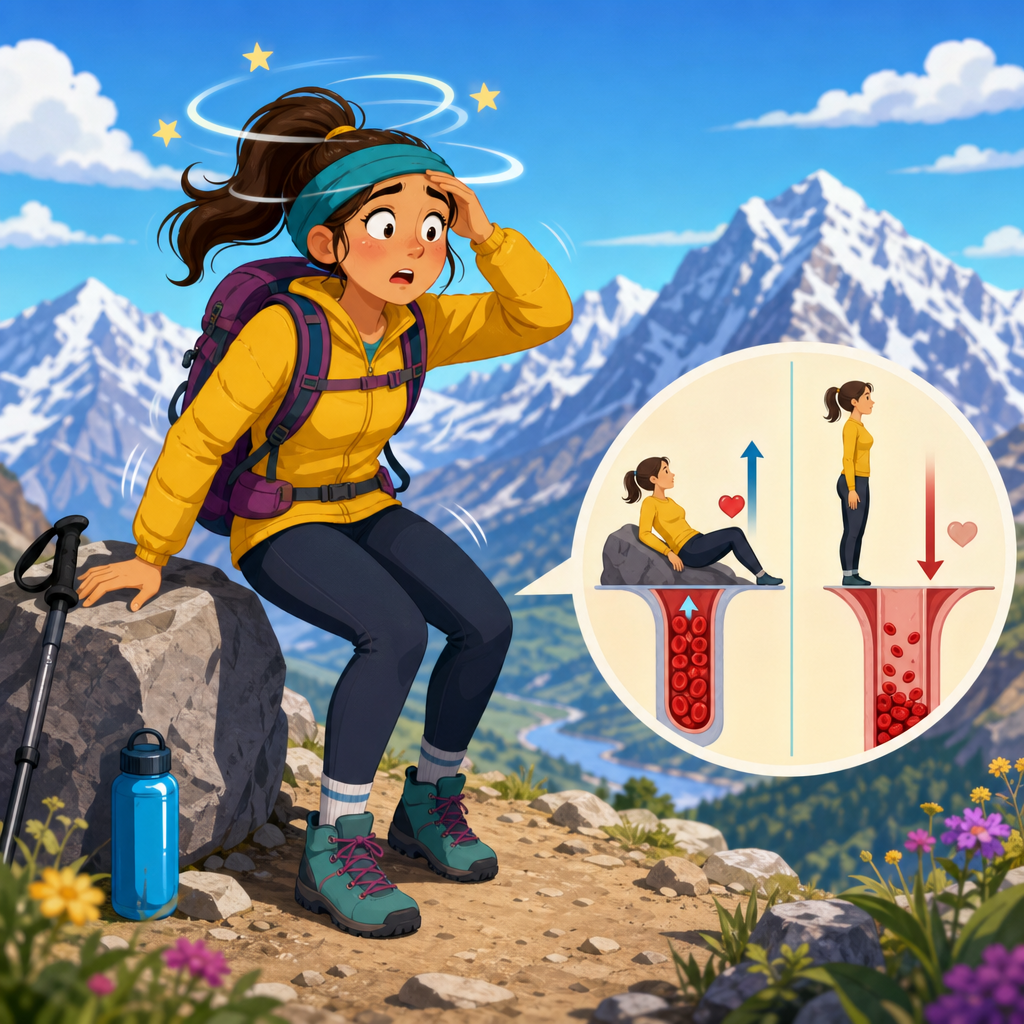
Dizziness at altitude often feels worst the moment you stand up because your body is trying to manage low oxygen, fluid shifts, faster breathing, and changing blood pressure all at once. In mountain clinics and on treks, I have seen otherwise healthy people feel stable while sitting in a tent, then suddenly become lightheaded, nauseated, or unsteady after rising to grab water or step outside. That pattern is common, and it matters because it can be an early clue to acute mountain sickness, dehydration, or a more serious altitude problem that needs attention. Understanding why this happens helps people recognize symptoms sooner, respond correctly, and avoid turning a manageable issue into an emergency.
Altitude refers to elevations high enough to reduce the amount of oxygen available with each breath. The percentage of oxygen in the air remains about 21 percent, but barometric pressure drops as elevation increases, so the partial pressure of oxygen falls. That means less oxygen moves from the lungs into the blood. Acute mountain sickness, usually shortened to AMS, is the most common altitude illness. It typically appears after a recent gain in sleeping elevation, especially above 2,500 meters or 8,200 feet, and is defined by headache plus one or more symptoms such as nausea, fatigue, dizziness, or poor sleep. Diagnosis is largely clinical, based on symptoms, timing, ascent profile, and exam findings rather than a single test.
This article serves as a hub for AMS symptoms and diagnosis because dizziness at altitude is rarely a standalone complaint. People ask whether they are just dehydrated, whether pulse oximeter numbers matter, whether dizziness means low blood sugar, and how to tell normal acclimatization from something dangerous. The answer starts with physiology. When you stand up quickly, gravity briefly pulls blood toward your legs and abdomen. At sea level, the autonomic nervous system compensates within seconds by tightening blood vessels and increasing heart rate. At altitude, that compensation is less forgiving because oxygen delivery is already strained. If you are breathing fast, losing fluid, eating poorly, sleeping badly, or developing AMS, that small postural change can produce a much stronger wave of dizziness.
Normal acclimatization also causes sensations that can confuse people. Mild shortness of breath with exertion, faster resting pulse, and disturbed sleep are expected during the first days at elevation. Headache can occur from dehydration, exertion, or AMS. Dizziness can come from standing too fast, but it can also signal worsening illness. The practical challenge is deciding which pattern fits. A hiker who feels briefly lightheaded when rising after a long day may just need fluids and slower movements. A climber with persistent headache, nausea, fatigue, and worsening dizziness after gaining sleeping altitude likely has AMS until proved otherwise. That distinction is why symptom clusters, progression, and context matter more than any single sensation.
Why standing up quickly amplifies dizziness at altitude
The immediate mechanism is orthostatic stress. Standing causes a temporary reduction in venous return, which lowers stroke volume and can briefly reduce blood flow to the brain. At altitude, lower arterial oxygen content means the brain has less reserve during that dip. Hyperventilation, a normal response to hypoxia, lowers carbon dioxide and can contribute to lightheadedness in some people. At the same time, dry air and increased respiratory water loss make dehydration more likely, reducing plasma volume and magnifying the drop in blood pressure when you stand. The result is a sharper sensation of dizziness than you might feel at sea level from the same movement.
Another factor is that acclimatization is uneven in the first one to three days. Your body increases ventilation quickly, but fuller adaptation takes longer. Kidneys begin compensating for respiratory alkalosis, heart rate stays elevated, and sleep may be fragmented by periodic breathing. Many travelers also arrive tired, underfed, or after long travel days. I often tell trekkers that altitude exposes small deficits. Slight dehydration, skipped meals, alcohol at dinner, and poor sleep may be tolerated near sea level but become obvious at 3,000 meters. When you stand up suddenly in that state, dizziness is not mysterious; it is the visible consequence of reduced circulatory and oxygenation reserve.
How AMS symptoms usually begin and progress
AMS most often starts within six to twelve hours after ascent, though it can appear later. The classic first symptom is headache in someone who has recently gone higher. From there, people may develop loss of appetite, nausea, unusual fatigue, dizziness, or sleep disturbance. Symptoms are typically worse overnight or early in the morning after a new sleeping elevation. They can improve with rest at the same altitude, but continued ascent usually makes them worse. Mild AMS may remain limited to headache and fatigue; moderate cases add persistent nausea, reduced activity tolerance, and more constant dizziness.
Dizziness in AMS is often described as lightheadedness, feeling off balance, or feeling faint when walking or standing. It differs from spinning vertigo, which points more toward inner ear causes. The key question is whether dizziness is episodic with standing or persistent even at rest. Episodic postural dizziness can occur with dehydration or low intake alone. Persistent dizziness paired with headache after ascent fits AMS more strongly. If balance becomes clearly impaired, if the person cannot walk heel to toe, or if mental status changes appear, think beyond simple AMS and consider high altitude cerebral edema, the severe end of altitude brain swelling.
What symptoms belong in an AMS diagnosis
AMS diagnosis is symptom based because no blood test or pulse oximeter reading can confirm it on its own. Established scoring systems such as the Lake Louise Score emphasize recent ascent, headache, and associated symptoms. In practical field use, I assess four things first: recent gain in sleeping altitude, presence of headache, associated symptoms, and whether performance is clearly reduced. Associated symptoms include gastrointestinal upset, fatigue or weakness, dizziness or lightheadedness, and sleep disruption. If a person has gone higher and now has headache plus one or more of those symptoms, AMS is likely.
Severity depends on function and progression. A person eating breakfast slowly with a mild headache who can still hike gently may have mild AMS. A person who avoids food, feels dizzy every time they stand, and cannot keep pace without repeated rests has more significant illness. Severe, red-flag features are not just “worse AMS”; they suggest complications. Ataxia, confusion, severe shortness of breath at rest, blue lips, cough with frothy sputum, or rapidly falling exercise tolerance demand immediate descent and medical evaluation. Those features point toward high altitude cerebral edema or high altitude pulmonary edema, which can be fatal without prompt action.
Common causes of dizziness at altitude besides AMS
Not every dizzy traveler has AMS, and this is where careful diagnosis matters. Dehydration is extremely common because altitude increases insensible water loss through breathing and often suppresses thirst. Low calorie intake can contribute, especially during hard trekking days. Alcohol and sedating sleep medicines can worsen dehydration, suppress breathing, and muddy the symptom picture. Viral illness, migraine, medication effects, anemia, and simple exhaustion can also mimic altitude complaints. Pulse oximeter numbers add context, but they vary widely by person and altitude and do not reliably separate mild AMS from normal acclimatization.
Orthostatic hypotension deserves special attention because it explains why symptoms worsen on standing. Blood pressure medications, diuretics, diarrhea, vomiting, and heat exposure all increase the risk. So does prolonged tent rest followed by abrupt movement. In practice, the diagnosis often depends on pattern recognition. If symptoms are mainly present when rising and improve quickly after sitting, orthostatic dizziness is likely. If symptoms persist through the day, worsen with higher sleeping altitude, and accompany headache or nausea, AMS becomes more likely. Sometimes both are present. A dehydrated trekker with mild AMS may feel dramatically worse when standing because each problem amplifies the other.
How clinicians and expedition leaders evaluate symptoms
Field assessment starts with history, not equipment. Ask when the person arrived, how fast they ascended, what altitude they slept at, whether symptoms began before or after ascent, how much they have eaten and drunk, whether they are urinating normally, and what medicines they have taken. Then check for danger signs: confusion, clumsiness, breathlessness at rest, persistent vomiting, or chest symptoms. A basic exam includes heart rate, respiratory rate, mental status, gait, and lung sounds if a stethoscope is available. A pulse oximeter can support the assessment, but it must never override symptoms.
| Symptom pattern | Most likely explanation | What to do next |
|---|---|---|
| Brief lightheadedness only when standing, no headache, normal walking | Orthostatic dizziness, dehydration, low intake | Rest, hydrate, eat, stand slowly, reassess in one to two hours |
| Recent ascent plus headache, nausea, fatigue, dizziness | Acute mountain sickness | Stop ascending, rest, hydrate, consider acetazolamide, monitor closely |
| Dizziness with severe headache, poor coordination, confusion | High altitude cerebral edema | Immediate descent, oxygen if available, dexamethasone, urgent rescue |
| Dizziness with breathlessness at rest, cough, chest tightness | High altitude pulmonary edema | Immediate descent, oxygen, nifedipine when appropriate, urgent care |
One practical rule I use is this: if a person feels worse after every altitude gain and better after rest or descent, altitude illness stays high on the list. If symptoms do not fit the ascent timeline, broaden the differential diagnosis. Another useful check is a tandem gait test. Ask the person to walk heel to toe in a straight line. Clear unsteadiness is not typical simple dizziness; it is a warning sign for cerebral involvement. This kind of bedside assessment is more useful in the mountains than chasing perfect numbers.
When dizziness is dangerous and demands descent
Dizziness becomes dangerous when it stops being merely positional and starts reflecting impaired brain function, inadequate oxygenation, or fluid in the lungs. The biggest concern is high altitude cerebral edema, usually an evolution of worsening AMS. Early clues include severe headache, marked fatigue, unusual behavior, and balance problems. Later signs include confusion, drowsiness, and inability to walk straight. High altitude pulmonary edema can also present with dizziness because oxygen levels drop further as the lungs fill with fluid. People may report breathlessness at rest, reduced exercise tolerance, cough, chest pressure, or a crackling sound in the chest.
In both conditions, delaying descent is the most common serious mistake. Medications and portable hyperbaric bags can buy time, but they are not substitutes for going lower. Supplemental oxygen is highly effective when available. Dexamethasone is used for suspected cerebral edema, and nifedipine is used in selected pulmonary edema cases, especially when descent is delayed. These are established treatments in wilderness and high-altitude medicine, but they work best alongside rapid descent and careful monitoring. Anyone with red-flag symptoms should not be left alone, should avoid exertion, and should be treated as an evacuation priority.
Prevention and self-care strategies that actually work
The most effective prevention is controlled ascent. Above about 3,000 meters, sleeping elevation should increase gradually, with rest days built in after significant gains. “Climb high, sleep low” can help, but sleeping altitude remains the critical driver. Acetazolamide is well supported for prevention in people ascending quickly or with prior AMS history. It works by stimulating ventilation and improving acclimatization, not by masking symptoms. Good hydration matters, but overhydration is not helpful and can be harmful. Aim for normal urine output and pale yellow urine, not forced liters. Eat regularly, limit alcohol early in a trip, and stand up slowly, especially overnight or in the morning.
For someone already experiencing mild dizziness at altitude, immediate steps are straightforward: stop ascending, sit or lie down, drink fluids if intake has been poor, eat carbohydrates if you have not eaten, and reassess after resting. If the dizziness occurs mainly on standing, rise in stages from lying to sitting to standing. If there is headache plus other AMS symptoms, treat it as AMS until symptoms improve. The main benefit of recognizing this early is simple: most severe altitude illness starts with ignored mild symptoms. Respecting those early signs keeps trekkers moving safely and prevents preventable emergencies. If your symptoms do not clearly improve with rest at the same altitude, make descent the next decision.
Frequently Asked Questions
Why does dizziness at altitude often feel worse right after standing up?
At altitude, your body is already working harder than usual to maintain oxygen delivery to the brain and other organs. The air contains less oxygen, so you breathe faster, your heart rate often rises, and your circulation has to adapt quickly. When you stand up suddenly, gravity pulls blood toward your legs and lower body. Normally, your blood vessels tighten and your heart responds fast enough to keep steady blood flow going to the brain. But at altitude, that adjustment can be less effective because you may already be mildly dehydrated, breathing off more fluid through rapid respiration, eating and drinking less, or dealing with early altitude illness. The result is a brief drop in blood pressure to the brain, which can cause lightheadedness, dim vision, nausea, weakness, or a sense that you might faint. That is why someone may feel fine sitting in a tent or lodge, then feel noticeably worse the moment they stand up.
Is feeling dizzy when standing at altitude normal, or could it be a sign of acute mountain sickness?
It can be common, but it should never be dismissed automatically. A brief spell of lightheadedness after standing may simply reflect orthostatic stress, meaning your body is temporarily struggling to maintain blood pressure when you rise. At altitude, that can happen more easily because of dehydration, fatigue, low calorie intake, alcohol use, poor sleep, or the natural stress of reduced oxygen. However, dizziness can also be an early warning sign of acute mountain sickness, especially if it comes with headache, nausea, loss of appetite, unusual fatigue, poor sleep, or a general sense that you are not functioning normally. If the dizziness is persistent, worsening, or paired with trouble walking straight, confusion, severe headache, breathlessness at rest, or vomiting, it becomes more concerning and needs prompt evaluation. In other words, mild and brief dizziness can happen at altitude, but recurring or worsening symptoms deserve attention because they may be your body’s way of signaling that you are not acclimatizing well.
What makes standing up quickly more likely to trigger dizziness at high elevation?
Several altitude-related factors can stack together and make the transition from sitting or lying down to standing feel surprisingly difficult. First, low oxygen pushes your body into a constant state of compensation, increasing breathing rate and often heart rate. Second, you lose fluid faster than many people realize because the air is dry, you exhale more moisture with rapid breathing, and you may urinate more during the early phases of altitude exposure. Third, many travelers eat less, sleep poorly, or overexert themselves on arrival, all of which reduce the body’s reserve. Fourth, if you have been resting in a sleeping bag, tent, or shelter for a while, your circulation has adapted to that position, so standing abruptly demands an immediate cardiovascular response. At sea level, most healthy people tolerate that shift easily. At altitude, the same quick movement can expose even a mild shortfall in blood volume, blood pressure regulation, or oxygen delivery. That is why a simple action like jumping up to answer a call, grab water, or head outside can suddenly bring on dizziness.
How can I reduce dizziness when getting up at altitude?
The most effective approach is to make position changes gradual and support the basics of acclimatization. Sit up slowly before fully standing, and if you have been lying down, pause for a moment on the edge of the bed, cot, or sleeping pad. Flexing your calf muscles and moving your legs before rising can help push blood back toward the heart. Hydration matters, but it is not just about drinking huge amounts of water; it is about maintaining steady fluid intake, replacing electrolytes when appropriate, and avoiding the dehydration that can worsen blood pressure drops. Eating regular meals or snacks helps as well, because low energy intake can make you feel weak and unsteady. Limit alcohol, be cautious with sedating medications, and avoid overexertion during the first day or two at a new elevation. Most importantly, ascend gradually when possible. Good acclimatization is the best protection. If you are already symptomatic, slowing your pace, resting, and monitoring for other signs of altitude illness can prevent a minor problem from becoming a more serious one.
When should dizziness at altitude be considered serious enough to stop ascending or seek medical help?
You should take it seriously if the dizziness is not just a brief moment after standing, but is frequent, intense, or getting worse. Red flags include persistent headache, repeated vomiting, inability to walk in a straight line, clumsiness, confusion, unusual drowsiness, fainting, severe weakness, or shortness of breath at rest. These symptoms raise concern for more significant altitude illness, including acute mountain sickness that is progressing or, in more dangerous cases, high-altitude cerebral edema or high-altitude pulmonary edema. Even if the cause is simpler, such as dehydration or exhaustion, ongoing dizziness can still increase the risk of falls, bad decisions, and delayed recognition of a worsening condition. A practical rule is this: if symptoms improve quickly with rest, fluids, food, and slower movement, you may be dealing with a mild problem. If symptoms linger, intensify, or interfere with walking, thinking, or breathing, stop ascending and get evaluated. At altitude, early action is far safer than waiting to see if serious symptoms pass on their own.