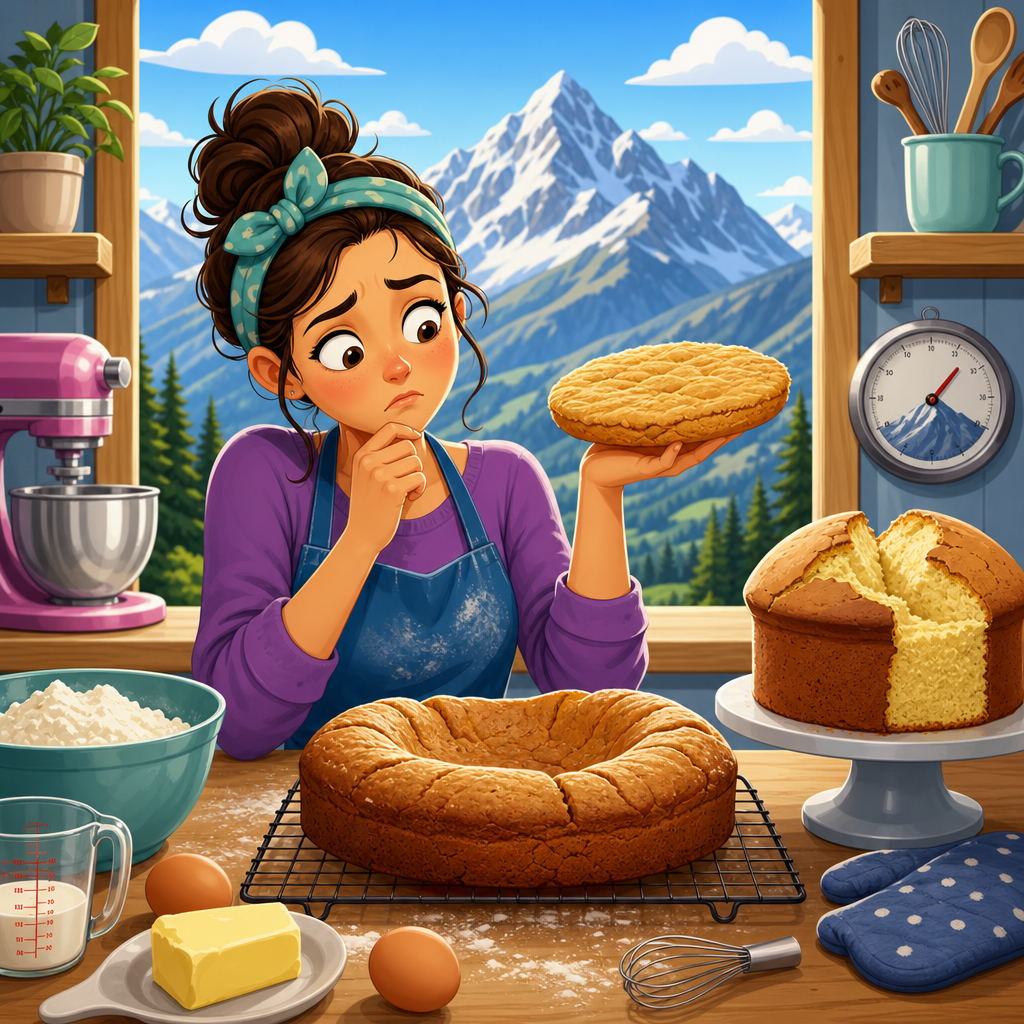
Family recipes carry more than ingredient lists; they preserve habits, memories, and a cook’s sense of what a dish should feel like on the table. Adapting them for altitude, modern ovens, dietary needs, or tighter schedules can seem risky because small changes often alter texture, rise, browning, and flavor release. In baking, “original feel” means the recognizable character of the finished food: the crumb your grandmother expected in her banana bread, the chew in a holiday cookie, the way a pie filling sets but still tastes generous. I have rebuilt dozens of handwritten formulas for mountain kitchens, and the goal is never change for its own sake. It is controlled adjustment. When you understand the function of flour, sugar, eggs, leavening, liquid, heat, and mixing method, you can troubleshoot problems without erasing identity. This matters especially in cooking and baking at altitude, where lower air pressure speeds evaporation, encourages overexpansion, and can leave trusted recipes dry, sunken, coarse, or bland if you follow them exactly.
As a hub for baking troubleshooting and workflow, this guide explains how to adapt family recipes systematically. It covers how to decode old instructions, identify which parts define the recipe, test altitude adjustments, organize your process, and document revisions so the next batch is better, not just different. You will also see where common baking failures begin: too much lift, weak structure, rushed mixing, inconsistent pan prep, and poor note-taking. Whether you are fixing layer cakes at 7,000 feet, scaling a church cookbook muffin recipe, or updating a beloved cinnamon roll dough for a convection oven, the same principle applies. Protect the sensory signature first, then change only what the environment or workflow requires.
Start by identifying the recipe’s nonnegotiables
The safest way to adapt a family recipe without losing the original feel is to separate identity from mechanics. Identity includes the flavors, textures, appearance, and serving context people remember. Mechanics are the parts that can change to deliver that same result under different conditions. Before touching the formula, ask direct questions: What do people always comment on? Is the cornbread prized for a crisp edge or a custardy center? Is the ginger cookie supposed to spread thin or stay domed and soft? Does the casserole matter because of the exact ingredients, or because it reaches the table bubbling and savory on winter Sundays?
In practice, I write a short profile before testing: sweetness level, dominant aromas, crumb type, moisture level, color, height, and finish. For example, an inherited sour cream coffee cake may be remembered for a tight, velvety crumb and a thick cinnamon ribbon. That means the ribbon and tender crumb are nonnegotiable. Pan size, baking time, and even a modest reduction in baking powder at altitude are negotiable if they preserve that profile. This approach prevents random substitutions that solve one problem while creating another. It also helps when a recipe is vague. “Bake until done” becomes easier to interpret when you know the intended feel: lightly springy center, golden top, clean edges pulling from the pan, and an internal temperature near the standard target for enriched cakes.
Decode handwritten recipes before you troubleshoot
Many family recipes were written for cooks who already knew the routine, so the most important step is often reconstruction. Old cards may omit pan material, mixing order, egg size, oven type, or whether “1 cup nuts” means chopped before or after measuring. In troubleshooting terms, these missing details are not minor; they can explain failures. A glass dish bakes slower than dark metal. Large eggs add more liquid and protein than medium eggs. A creamed butter cake behaves differently from a dump-and-stir batter even with the same ingredients.
Create a working version with standardized language. Convert volume measurements to weight where possible using a dependable reference such as King Arthur Baking’s ingredient weight charts. Note flour type, because all-purpose flour at 10.5 percent protein and another at 12 percent will not absorb liquid the same way. Translate phrases like “moderate oven” into temperature, generally around 350 degrees Fahrenheit, but check context because many older ovens ran cool. Record the original yield and actual batter weight. If a recipe says it fills “two pans,” measure the pans. This groundwork is boring, but it is where successful adaptation begins. A recipe cannot be rescued consistently until it is readable, repeatable, and measurable.
Understand what altitude changes in baking
At higher elevations, lower atmospheric pressure changes how batters and doughs behave. Gases expand more readily, so products can rise too fast, then collapse before structure sets. Water boils at lower temperatures, which increases evaporation and can dry batters, concentrate sugar, and interfere with starch gelatinization and protein coagulation. Leavening can become excessive even when the original amount looked modest at sea level. Sugar may weaken structure further by delaying setting, while oven temperatures that worked perfectly lower down may not firm the crumb quickly enough.
The practical result is familiar to mountain bakers: cakes that peak and sink, muffins with tunnels, cookies that over-spread, quick breads with crumbly edges, and custards that seem set around the perimeter but underdone in the middle. The USDA and university extension baking guides consistently recommend measured adjustments rather than wholesale rewriting. In many formulas, that means slightly less baking powder or baking soda, a little more liquid, sometimes a touch more flour, and often a somewhat higher oven temperature to set structure sooner. The exact combination depends on the product category. A foam cake, high-ratio layer cake, pie crust, and yeast dough do not respond the same way, so category-based troubleshooting is more reliable than generic advice.
Use a controlled testing workflow instead of guessing
When people say a family recipe “just doesn’t work up here,” the real problem is often uncontrolled testing. They change three or four variables at once, then cannot tell which one helped. A better workflow is simple: establish a baseline bake, make one meaningful adjustment, and record the outcome in sensory terms and measurable terms. I track batter temperature, pan size, fill weight, oven setting, bake time, final height, internal temperature where relevant, and tasting notes after full cooling. This turns nostalgia into a testable standard rather than a vague hope.
| Problem | Likely cause at altitude | Best first adjustment | What success looks like |
|---|---|---|---|
| Cake rises then sinks | Too much leavening; structure sets late | Reduce baking powder slightly; raise oven 15 to 25°F | Even crown, stable crumb, no wet line |
| Muffins are dry and crumbly | Rapid evaporation | Add 1 to 2 tablespoons liquid per cup used originally | Moist interior with tender, not gummy, crumb |
| Cookies spread too much | Butter melts before structure forms | Increase flour slightly; chill dough; verify pan temperature | Defined edges, expected diameter, chewy center |
| Yeast dough overproofs fast | Warmer dough and faster gas expansion | Shorten proof by observation, not clock time | Dough springs back slowly and bakes with even crumb |
This kind of table keeps the process disciplined. If your banana bread tunnels, first reduce chemical leavening or ease up on mixing before also adding flour, changing pans, and replacing the sugar. A workflow mindset is what preserves the original feel, because you are tuning the delivery system, not rewriting the recipe’s personality.
Adjust ingredients with function in mind
Every ingredient in a family recipe does more than contribute flavor. Flour provides structure; sugar sweetens but also tenderizes and holds moisture; eggs emulsify, set, and color; fat coats flour and shapes mouthfeel; dairy affects acidity and browning; salt controls flavor intensity; and leavening determines lift. To adapt well, change ingredients according to function. If a high-altitude chocolate cake collapses, extra cocoa is not the first answer. You look first at leavening, liquid balance, and oven heat because those influence expansion and set.
For cakes and quick breads, common altitude adjustments include reducing baking powder by roughly one-eighth to one-quarter teaspoon per teaspoon called for, increasing liquid modestly, and sometimes increasing flour by one to four tablespoons per recipe. For cookies, a small flour increase and a short chill often protect shape better than drastic sugar cuts, which can deaden the familiar flavor. For yeast doughs, flour should be adjusted by feel, not fear; over-flouring to fight stickiness is one of the fastest ways to erase the softness everyone remembers. I prefer to hold back part of the flour, mix to moderate gluten development, and let a brief rest improve absorption before deciding. That preserves tenderness while keeping the dough manageable.
Protect texture through mixing, pan choice, and bake profile
Recipe adaptation is not only about ingredients. Workflow choices can make an unchanged formula fail. Overmixing quick breads develops too much gluten and exaggerates tunneling. Under-creaming butter and sugar reduces aeration in cakes. Filling pans inconsistently causes uneven baking, and old leaveners create false troubleshooting trails because the issue is freshness, not altitude. If the original feel matters, process control matters just as much as the formula.
Pan material is especially important. Dark metal browns faster and can help set structure in some high-altitude cakes, but it can also overbake edges before the center is done. Glass retains heat longer and often slows early baking. Convection increases air movement, which can intensify surface drying and browning. If a family recipe predates convection, test with the fan off first or reduce temperature according to the manufacturer’s guidance. Use an oven thermometer; many home ovens miss the set point by 25 degrees or more. In my own tests, correcting actual oven temperature has solved more “mystery failures” than changing ingredients. A recipe thought to need major adaptation sometimes only needed a truthful oven and a pan that matched the original intent.
Keep flavor constant while updating for modern needs
Families often want changes beyond altitude, such as less sugar, gluten-free flour, smaller batch size, or better make-ahead workflow. The same rule applies: preserve the defining sensory cues. If a molasses cookie is known for deep spice and a crackled top, a small sugar reduction may be acceptable, but replacing molasses with a lighter sweetener will likely strip away the recognizable profile. If a casserole is remembered for onion-rich savoriness, reducing sodium should start with salt measurement discipline and higher-impact aromatics, not a complete overhaul.
For gluten-free adaptation, blends with xanthan gum can work in some quick breads, but they rarely replicate wheat exactly in laminated or highly structured doughs. For dairy-free changes, cultured nondairy products may better mimic tang and moisture than plain alternatives. For smaller households, scale by baker’s percentages or weight instead of halving by eye. An odd half-egg should be beaten and weighed, not guessed. These methods are how you modernize a recipe respectfully. The goal is not museum-style preservation, but continuity. People should recognize the dish immediately, even if the path to the result is more precise than it used to be.
Document each revision so the recipe survives you
The final step in adapting family recipes is writing them for someone who was not in the room. That means ingredients by weight and volume where useful, pan dimensions, mixing cues, target batter consistency, proofing signs, doneness markers, cooling instructions, and storage notes. Include altitude-tested versions if your household spans elevations. A good note might read: “At 6,500 feet, reduce baking powder from 2 teaspoons to 1 1/2 teaspoons, add 2 tablespoons milk, bake at 365 degrees in light metal pans.” That single line can save years of frustration.
Also record what should not be changed. If chilling the dough overnight creates the signature flavor, say so. If the pie must cool fully for the filling to set, make that explicit. Photos help, but descriptive language is stronger than nostalgia alone. I encourage families to save both the original transcription and the adapted master version, with dates and tester comments. That archive becomes a practical baking troubleshooting system, not just a keepsake box.
Adapting family recipes without losing the original feel is a process of careful observation, selective adjustment, and disciplined record-keeping. Start by defining what the dish must remain, then decode the original method, account for altitude and equipment, test one change at a time, and document what works. That approach solves the real problems behind baking failures while protecting flavor, texture, and memory. If you want your favorite recipes to succeed in a mountain kitchen and still taste like home, begin with one recipe card, one baseline bake, and one thoughtful revision today.
Frequently Asked Questions
How can I adapt a family recipe without losing what made it special in the first place?
Start by defining what the recipe is really known for. In many family dishes, the “original feel” is not every single ingredient or step, but the finished result people remember: a tender but sturdy crumb, a certain chew, a browned edge, a glossy filling, or even the aroma that hits the table first. Before changing anything, make the recipe as written if possible and take notes on texture, sweetness, rise, color, moisture, and timing. If you cannot make the exact original version, talk to relatives about what they most associate with it. Ask specific questions such as whether the cake was light or dense, whether the cookies spread thin or stayed thick, or whether the pie filling was soft-set or sliceable.
Once you identify that core character, change only one variable at a time. That is the safest way to preserve the recipe’s identity. If you need to adapt for a modern oven, start with temperature or bake time before changing fat, flour, and liquid all at once. If you need a dietary adjustment, focus first on replacing the ingredient that absolutely must change, then test whether additional tweaks are necessary. Small, controlled adjustments help you understand cause and effect. A recipe loses its original feel most often when too many substitutions happen at once and there is no way to trace what altered the outcome.
It also helps to separate symbolic ingredients from functional ones. Some ingredients are emotionally important because they were always used, while others are structurally important because they control browning, tenderness, stability, or flavor release. If a recipe always used a certain spice blend, keeping that flavor profile may matter more than preserving an exact brand of flour. On the other hand, in baking, changing the fat or sugar type can dramatically alter spread, crumb, and moisture. Respecting the original feel means understanding both memory and food science, then making changes with a light hand.
What should I change first when adapting an old family baking recipe for a modern oven, different pans, or high altitude?
Begin with the conditions around the recipe before you change the formula itself. Many older recipes were written for ovens that ran cooler or less evenly, for darker or lighter bakeware than you use now, and for pan sizes that may not match modern standards exactly. A family recipe can seem “off” in a new kitchen even when the ingredient list is fine. Check pan dimensions, material, and depth first. A batter baked in a wider pan will bake faster and may turn out drier; the same batter in a smaller or deeper pan may remain underdone in the center while overbrowning at the edges. Simply matching the original pan as closely as possible often restores a familiar result.
For modern ovens, use an oven thermometer if you can. Many ovens are inaccurate by more than enough to change a cake’s rise or a cookie’s spread. If the recipe browns too quickly before the center sets, lower the temperature slightly and extend the bake time. If baked goods emerge pale and heavy, a modest increase in temperature or better preheating may help. Convection settings also matter; if your oven circulates air, recipes may bake faster and brown more deeply. In that case, reducing the temperature a bit and checking early usually preserves the intended texture more effectively than rewriting the recipe.
At high altitude, start with the standard altitude adjustments that protect structure and moisture. Reduced air pressure encourages batters to rise too quickly and then collapse, while faster evaporation can dry them out. Depending on the recipe, that often means slightly reducing leavening, increasing liquid, and sometimes increasing oven temperature a little so the structure sets sooner. Sugar may also need modest reduction in some baked goods because it can weaken structure and intensify spreading. The key is to make restrained adjustments and compare results. You are not trying to create a new recipe style; you are trying to guide the batter or dough back toward the familiar crumb, chew, and shape the original cook expected.
How do I handle ingredient substitutions for dietary needs without changing the texture and flavor too much?
The best approach is to identify the job each ingredient performs before substituting it. In family baking recipes, ingredients rarely do just one thing. Butter contributes flavor, tenderness, and browning. Eggs can provide structure, moisture, richness, and emulsification. Wheat flour affects protein development, starch gelatinization, and overall crumb. Sugar does more than sweeten; it influences tenderness, spread, moisture retention, and color. When people substitute based only on category rather than function, the recipe often loses the original feel even if the ingredient list still looks similar.
For dairy-free changes, consider whether the recipe relies mainly on dairy for fat, moisture, acidity, or flavor. In some cakes and quick breads, a neutral plant-based yogurt or sour cream alternative may preserve tenderness better than a thinner milk substitute. In cookies, replacing butter with a product that has a different water content can change spread and crispness, so you may need slight flour or chilling adjustments. For egg-free baking, a substitute that works in a muffin may fail in a meringue-based dessert because the egg’s role is different. For gluten-free changes, the biggest challenge is often preserving both structure and mouthfeel. A balanced flour blend plus a binder may help, but if the original recipe’s charm was a very particular chew or delicate crumb, expect some testing before the result feels familiar.
Flavor continuity matters just as much as structure. If a family recipe is remembered for browned butter notes, tang from cultured dairy, or the warmth of a certain spice combination, preserving those signals can keep the dish recognizable even when the formula changes. Sometimes the answer is not a full one-to-one substitution, but a layered strategy: use a substitute for function, then restore flavor with an additional ingredient or technique. That might mean adding vanilla, citrus zest, toasted nuts, or a pinch of spice to recreate the sensory cues people associate with the original version. Done carefully, substitutions do not have to erase identity; they just need to support the same finished impression.
How can I speed up a time-intensive family recipe while keeping the same homemade character?
Look for places to simplify process without flattening flavor or changing texture. The safest time-saving edits are usually logistical rather than structural. For example, you can pre-measure dry ingredients ahead of time, use parchment for faster pan prep and release, chill dough in flatter portions so it cools more quickly, or divide a large batch into smaller pans to reduce baking time. In many recipes, these changes preserve the original formula and therefore keep the result closer to the version people remember.
Be more cautious with shortcuts that compress flavor development. Resting, cooling, and gradual cooking often create the very qualities that make a family recipe feel right. Cookie dough may need time for flour hydration and deeper flavor. Pie filling may need enough stovetop time to thicken fully before baking. A braise or sauce may taste “finished” only after reduction concentrates and rounds out the flavors. If you remove those stages entirely, the dish may be faster but noticeably less like the original. A better strategy is selective efficiency: make components in advance, freeze portions, or split the work over two days so the recipe still gets the time it needs, just not all at once.
When you do shorten a method, protect the recipe’s defining traits. If the original banana bread was known for a moist, close crumb and dark top, you may be able to bake it in muffin form for convenience, but you may need to adjust bake time carefully and perhaps increase oven heat briefly at the start to preserve color and lift. If the original cookie depended on hand-mixed dough to avoid overaeration, an electric mixer may be faster but should be used gently. Shortcuts are most successful when they remove friction from the process while leaving the recipe’s flavor, structure, and table presence intact.
What is the best way to document changes so the recipe still feels like a true family recipe for future generations?
Create a working version and a heritage version. Keep one record of the recipe exactly as it was passed down, including informal wording, brand references, pan descriptions, and any family notes like “bake until the kitchen smells right” or “dough should look like soft clouds.” Those details may not be precise by modern standards, but they preserve context and voice. Then create a second version that translates the recipe into clear measurements, temperatures, timing ranges, and tested adaptation notes. This lets you honor the original while also making it usable in current kitchens.
Be specific about what changed and why. Instead of writing “updated for altitude,” note the exact adjustment: reduced baking powder by a certain amount, increased milk slightly, baked at a somewhat higher temperature, and observed a better dome and less collapse. If you changed flour, fat, or pan size, record the outcome in sensory terms: softer crumb, less spread, darker edges, milder flavor, improved moisture on day two. These notes become invaluable because family recipes are often judged by feel as much as by formula. Future cooks need to know not only what to do, but what result they should be looking for.
Finally, preserve the story along with the technique. Write down who made the recipe, when it was served, what people loved about it, and what signs told an experienced cook it was done correctly. The