Pressure canning at altitude requires more than simply following a standard recipe, because reduced atmospheric pressure changes the temperature at which water boils and can lower the heat delivered inside a canner. In practical terms, that means a process tested for sea level may be unsafe in Denver, Santa Fe, or any mountain town unless the pressure is adjusted correctly. For low-acid foods, that adjustment is not optional. It is the difference between destroying dangerous microorganisms and sealing a jar that only looks shelf stable.
When I teach home canners who already bake, make jam, or pickle confidently, this is the point that usually surprises them: altitude affects nearly every preservation method, but pressure canning has the smallest margin for guesswork. Pressure canning is the method used for foods that are not acidic enough to be safely processed in a boiling-water bath, including plain vegetables, meats, poultry, seafood, and many soups. The target is not just a good seal. The target is a lethal combination of heat and time that controls Clostridium botulinum, the bacterium associated with botulism.
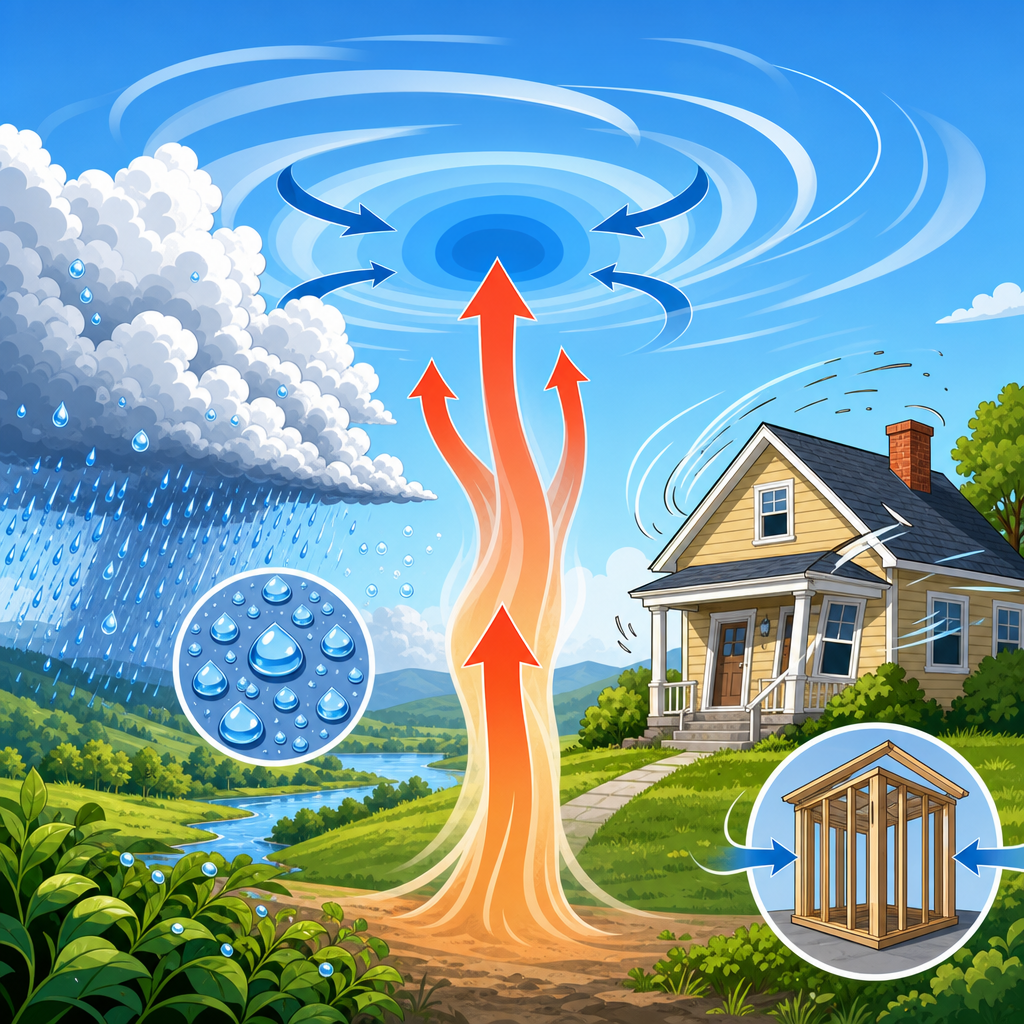
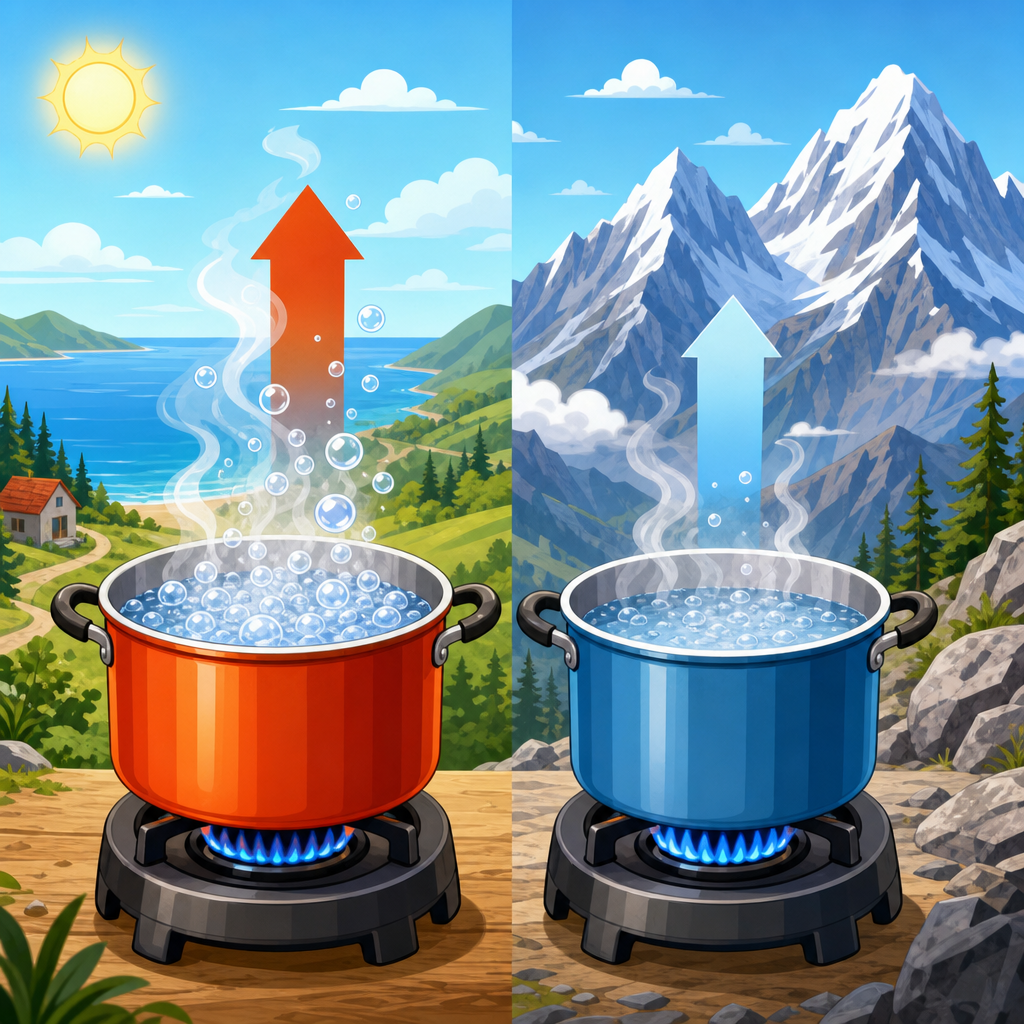
Altitude matters because atmospheric pressure decreases as elevation increases. Water therefore boils at a lower temperature, and steam behaves differently inside the canner. To compensate, pressure must go up so the contents of the jars still reach the temperatures assumed by tested processes. In U.S. home canning guidance, the main reference points come from the USDA Complete Guide to Home Canning and the National Center for Home Food Preservation. Their recommendations are clear: for dial-gauge canners, increase pressure by altitude range; for weighted-gauge canners, use the next higher weight once you are above 1,000 feet.
This hub covers the broader Candy, Preserves & Canning topic within cooking and baking at altitude, but pressure canning is its safety anchor. If you make fruit butter, marmalade, apple butter, chutney, pie filling, salsa, pickles, or syrup, you also need to know where the limits are between acidity-based preservation and pressure-based preservation. Understanding those boundaries will help you choose the right method, read tested recipes correctly, and avoid common errors that still show up in home kitchens every season.
Why altitude changes canning safety
The plain-language answer is simple: higher elevation means lower air pressure, and lower air pressure means lower boiling temperatures. At sea level, water boils at 212 degrees Fahrenheit. At 5,000 feet, it boils several degrees lower. That may sound minor, but in canning those degrees matter because microorganisms die according to specific time-and-temperature relationships. Pressure canning works by raising the temperature above the boiling point of water, typically to around 240 degrees Fahrenheit or higher, depending on pressure. If the canner pressure is too low for your altitude, the jars may never reach the intended internal temperature.
This is especially important for low-acid foods with a pH above 4.6. In those foods, botulism spores can survive ordinary boiling temperatures and later produce toxin in an oxygen-free sealed jar. Pressure canning is designed to prevent that hazard. High-acid foods, including many fruit preserves and most pickles made to tested formulas, are often processed in a boiling-water bath instead. Even there, altitude adjustments are needed, but they usually involve extending time rather than increasing pressure.
I often see confusion arise when people move from jam and jelly to vegetables or mixed products like spaghetti sauce. They assume a sealed jar equals a safe jar. It does not. A lid can seal on an underprocessed food, on a spoiled food, or on a food processed in the wrong appliance. Safety comes from a tested process matched to the food, jar size, pack style, and altitude. The seal only tells you the vacuum formed after processing.
Dial gauge versus weighted gauge at altitude
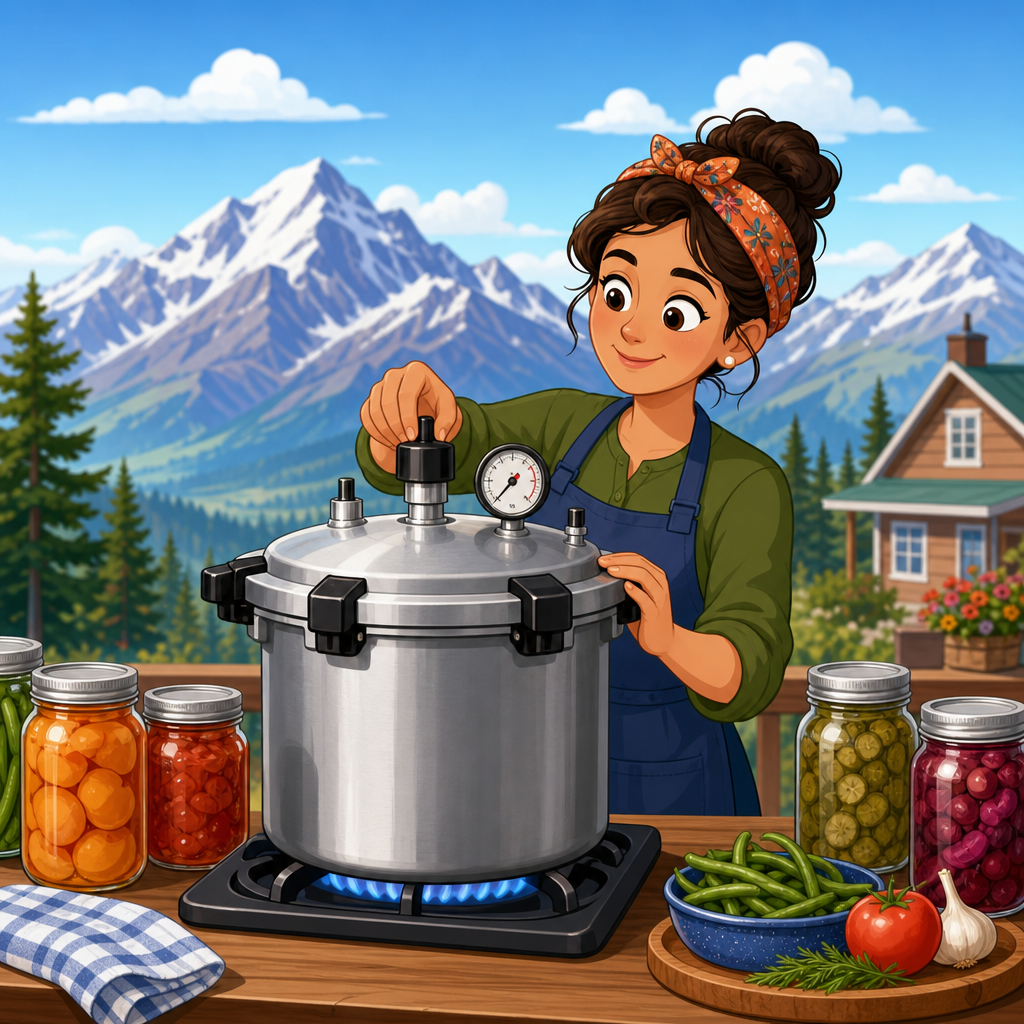
Home pressure canners use either a dial gauge, a weighted gauge, or both. The distinction matters because altitude adjustments are handled differently. A dial gauge shows incremental pressure readings, usually allowing you to process at 11 pounds, 12 pounds, or 13 pounds depending on altitude and recipe guidance. A weighted gauge regulates pressure at preset values, typically 5, 10, or 15 pounds. Because weighted gauges move in larger steps, the recommendation above 1,000 feet is usually to process at 15 pounds, even when that exceeds the dial-gauge equivalent.
In practice, weighted-gauge canners are very forgiving once they are at pressure, but they process hotter at altitude because you jump to the next weight. That can slightly affect food quality. Green beans may soften more, and chicken may become more shreddable than the same product canned in a dial-gauge canner at 12 pounds. Dial-gauge canners can preserve texture somewhat better because the pressure can be matched more closely to tested guidance. The tradeoff is maintenance: a dial gauge must be checked for accuracy at least yearly, and many extension offices still offer this service.
| Canner type | Altitude | Typical pressure guidance | Key note |
|---|---|---|---|
| Dial gauge | 0 to 2,000 feet | 11 pounds | Use only if the tested recipe specifies pressure canning |
| Dial gauge | 2,001 to 4,000 feet | 12 pounds | Increase pressure as altitude rises |
| Dial gauge | 4,001 to 6,000 feet | 13 pounds | Common range for many mountain communities |
| Weighted gauge | 0 to 1,000 feet | 10 pounds | Maintain a steady jiggle or rock per manufacturer guidance |
| Weighted gauge | Above 1,000 feet | 15 pounds | Do not split the difference with an untested setting |
Always verify the current manufacturer instructions for your specific canner model and compare them with USDA or extension guidance. Presto, All American, and other major manufacturers publish detailed operating instructions, but recipe safety still comes from tested canning sources, not from appliance marketing materials or social media shortcuts.
How to adjust pressure safely step by step
The safest method is to begin before you prep a single jar. First, determine your elevation as accurately as possible. Do not guess based on the nearest city if you live in a canyon, ridge community, or high plateau. County GIS maps, the U.S. Geological Survey, phone compass apps, and local extension offices can help you find a practical elevation figure. If your home sits near a breakpoint, such as just under or over 2,000 feet, use the higher category.
Second, use a tested recipe from a current source. For pressure canning, that means the USDA guide, the National Center for Home Food Preservation, Ball and Bernardin tested recipes, or university extension publications. Third, identify whether the recipe is written for a dial-gauge or weighted-gauge canner, then apply the altitude adjustment exactly as directed. Do not change jar size, thickness, starch level, or ingredient ratios unless the source explicitly allows it. These factors affect heat penetration.
Fourth, vent the canner fully before pressurizing. This step is often called exhausting the canner. Most pressure canners require a steady column of steam to vent for 10 minutes before the weight is applied or the petcock is closed. Venting removes cooler air trapped inside, creating a chamber of pure steam that transfers heat more predictably. Skipping this step can result in lower internal temperatures even if the gauge appears correct.
Finally, once target pressure is reached, start timing and keep pressure from dropping below the required level for the entire process. If it drops, the standard rule is harsh but necessary: bring the canner back to pressure and restart the timing from the beginning. I know that feels wasteful, but partial processing is not cumulative in a way home canners can calculate safely.
What belongs in pressure canning, and what does not
For the Candy, Preserves & Canning category, the biggest safety divide is acidity. Most classic fruit jams, jellies, marmalades, preserves, and syrups are high-acid products and are usually water-bath canned, not pressure canned. Their altitude adjustment generally involves increased processing time because boiling temperatures are lower at elevation. Fruit butters, chutneys, and pie fillings may be more complex and should always follow tested formulas because density and acidity vary widely.
Pressure canning is appropriate for plain vegetables, stock, broth, dried beans, meats, poultry, and many combination foods formulated for safety. Tomatoes occupy a special middle ground: modern tested tomato canning recipes usually require added acid, such as bottled lemon juice or citric acid, even when water-bath canned, because tomato acidity can vary by variety and ripeness. Salsa is another product people frequently improvise, but changing the balance of peppers, onions, tomato solids, and acid can make the recipe unsafe.
Some foods should not be canned at home at all using standard methods. Dairy-based sauces, pureed pumpkin, mashed winter squash, flour-thickened soups, and many egg-rich custards are not approved because heat penetration is too unpredictable or the product quality collapses. In altitude regions, where people often preserve garden abundance in large batches, the temptation to invent a “mountain family recipe” is strong. The safe approach is to preserve ingredients separately and combine them when serving.
Common altitude canning mistakes in mountain kitchens
The most common error I encounter is treating altitude adjustment as optional if the jars seal and look normal. Another is using the pressure listed in an old cookbook without checking whether it assumes sea level. Older publications can also contain outdated times, jar sizes, or unsupported practices such as oven canning or open-kettle filling. These methods persist in local tradition, but they are not recognized as safe home canning processes.
A third mistake is failing to maintain steady pressure. On a glass-top or coil stove, heat changes may lag, and beginners often overshoot, then cool the burner too much, causing the gauge to dip below target. With weighted gauges, people sometimes mistake occasional movement for proper operation when the manufacturer calls for a consistent rhythm. Reading your specific canner manual matters here because the sound and motion standards differ by brand.
Water level errors also matter. Pressure canners do not work like boiling-water canners; jars are not submerged. Most models require a measured amount of water, often around 2 to 3 inches, though the exact amount varies. Too little water can cause the canner to boil dry before the process ends. Too much can interfere with venting or jar performance. At altitude, long processing times for meats and quart jars make correct water level especially important.
Finally, many people ignore equipment calibration. A dial gauge that reads two pounds high can tempt you into underprocessing food at elevation. Gaskets, vent ports, overpressure plugs, and sealing surfaces also need inspection. Good canning is part recipe discipline and part equipment discipline.
How this fits into candy, preserves, and other altitude preservation topics
As the hub for Candy, Preserves & Canning, this topic connects pressure canning with the wider preservation methods mountain cooks use every year. Candy making at altitude has its own adjustment logic because sugar stages are tied to boiling point. A sea-level soft-ball stage temperature may run too high in a high-elevation kitchen, leading to brittle fudge or grainy fondant unless corrected. Preserves and jellies depend on pectin concentration, sugar level, acidity, and final temperature, all of which shift slightly when water boils earlier.
The useful principle across these methods is that altitude changes the behavior of water, steam, and dissolved sugar. In candy, you usually lower target temperature. In water-bath canning, you usually extend processing time. In pressure canning, you increase pressure to restore the temperature needed for safety. Keeping those three patterns straight prevents the kind of cross-method confusion that causes mistakes. If you remember only one thing from this hub, remember this: preserve quality and preserve safety are related, but they are not the same calculation.
For readers building a deeper altitude cooking library, the next logical topics are adjusting boiling-water bath times for jams and pickles, calibrating candy temperatures for your elevation, understanding pectin behavior in dry mountain climates, and choosing tested recipes for salsa, tomato products, fruit butter, and pie filling. Those pages all connect back to the same core habit: determine your elevation first, then apply the tested adjustment for that exact method.
Pressure canning at altitude is safe when you treat altitude as a primary variable, not a footnote. Use a tested recipe, identify your canner type, adjust pressure according to elevation, vent the canner for the full recommended time, and maintain pressure without drops for the complete process. That sequence protects the food in the jar and the people who will eat it months later.
Within the larger Candy, Preserves & Canning category, this is the method that demands the greatest precision because it is controlling a severe biological risk, not just texture or shelf life. Jams that set a little softly can still be refrigerated and enjoyed. Underprocessed low-acid foods do not offer that margin. The reward for doing it correctly, though, is substantial: stable pantry jars of vegetables, stocks, beans, meats, and meal components that hold quality well and reduce waste from seasonal abundance.
If you can at altitude regularly, keep current guidance bookmarked from the USDA, the National Center for Home Food Preservation, and your state extension service, and have your dial gauge checked each year. Build the rest of your altitude preservation skills from that same evidence-based foundation. Start with your elevation, trust tested processes, and let precision become the habit that makes every batch safer.
Frequently Asked Questions
Why does altitude matter so much when pressure canning low-acid foods?
Altitude matters because air pressure drops as elevation rises, and that changes how heat behaves inside your canner. At higher elevations, water boils at a lower temperature than it does at sea level. In everyday cooking, that may just mean longer boiling times. In pressure canning, however, it directly affects food safety. Low-acid foods such as vegetables, meats, poultry, and seafood must be processed at temperatures high enough to destroy harmful microorganisms, including bacterial spores that can survive ordinary boiling.
A tested pressure-canning process is built around achieving and holding a specific internal temperature for a specific amount of time. If you live in a place like Denver, Santa Fe, or another high-elevation area and you use a sea-level pressure recommendation without adjustment, the canner may not reach the temperature the tested process requires. That means the food may be underprocessed even if you followed the timing exactly. For low-acid foods, this is not a minor quality issue. It is a serious safety issue. Correct altitude adjustment ensures the canner reaches the needed temperature so the process can do what it was scientifically designed to do.
How do I safely adjust pressure canning pressure for higher elevations?
The safe adjustment depends on two things: your altitude and the type of pressure canner you are using. Pressure canners generally use either a dial gauge or a weighted gauge, and the adjustment rules are not identical. With a dial-gauge canner, pressure is often increased in smaller increments based on altitude ranges. With a weighted-gauge canner, the adjustment is usually made by moving to the next approved weight level, commonly from 10 pounds to 15 pounds pressure once you are above a certain elevation. The exact recommendation should always come from a current, research-based source such as the USDA Complete Guide to Home Canning, your extension service, or the canner manufacturer’s tested instructions.
The most important rule is this: adjust pressure, not processing time, unless a tested recipe specifically tells you otherwise. Home canning directions for low-acid foods are developed with precise safety margins. Extending the time on your own does not reliably compensate for insufficient pressure, because the issue is not just how long the food is heated but whether the canner reaches the correct lethal temperature in the first place. To can safely at altitude, first confirm your elevation, then match that elevation to the correct pressure setting for your gauge type, and maintain that pressure for the entire processing time.
Can I just process jars longer instead of increasing the pressure at altitude?
No. In pressure canning, increasing the processing time is not a safe substitute for using the correct pressure. That is one of the most common and most dangerous misunderstandings about altitude adjustment. The tested process is based on a combination of temperature and time, not time alone. If the pressure is too low for your elevation, the temperature inside the canner may also be too low, and the process may fail to destroy the microorganisms it is supposed to eliminate.
There is also a quality issue. Extending processing time without proper guidance can lead to overcooked, dry, mushy, or discolored food while still not correcting the underlying safety problem. In other words, you can end up with food that is both poor in quality and unsafe. When canning low-acid foods, always use a tested recipe and follow the altitude-adjusted pressure exactly as written for your type of canner. If a recipe or chart gives altitude instructions, use those. If it does not come from a reliable source, do not improvise. Safe canning depends on tested procedures, not guesswork.
How do I know my exact altitude and which pressure setting to use?
The best approach is to find your elevation before canning season starts and keep that information with your canning supplies. You can determine altitude using a GPS-enabled smartphone, online topographic maps, local government resources, or your county extension office. If you live near the edge of an altitude range, it is smart to use the higher applicable adjustment rather than assume you are safely below the cutoff. Even within the same region, elevation can vary more than many people realize, especially in foothill and mountain communities.
Once you know your altitude, compare it to a current, trusted canning chart. Be sure the chart matches your canner type. Dial-gauge and weighted-gauge canners use different adjustment methods, and mixing those instructions can create confusion. If you have a dial-gauge canner, it is also essential to have the gauge tested regularly for accuracy if your local extension service offers that service. An inaccurate gauge can make a safe process unsafe by giving you a false pressure reading. If you are ever uncertain between two settings, choose the higher approved pressure rather than the lower one, provided that choice is supported by the tested guidance for your equipment.
What other safety steps should I follow when pressure canning at altitude?
Altitude adjustment is critical, but it is only one part of a safe pressure-canning process. Start with a current, tested recipe developed specifically for home pressure canning. Use the jar size, preparation method, headspace, and processing time exactly as directed. Vent the canner properly before pressurizing, because trapped air can lower the temperature inside the canner even if the pressure reading looks correct. Follow the manufacturer’s directions for venting, locking the lid, and bringing the canner to pressure. Once the target pressure is reached, keep it there for the full processing time. If the pressure drops below the required level at any point, the standard safety guidance is to bring the canner back to pressure and begin the entire processing time again.
You should also avoid rushing the cooling stage. Let the canner depressurize naturally according to the manufacturer’s instructions. Forcing it open, removing the weight too soon, or trying to cool it rapidly can cause liquid loss from jars, seal failures, or underprocessing. After processing, check seals, label jars, and store them in a cool, dry place. Before serving home-canned low-acid foods, inspect each jar for signs of spoilage such as leaking, bulging lids, spurting liquid, or unusual odors. Safe pressure canning at altitude comes from the whole system working together: a tested recipe, the correct pressure adjustment, accurate equipment, and disciplined processing from start to finish.