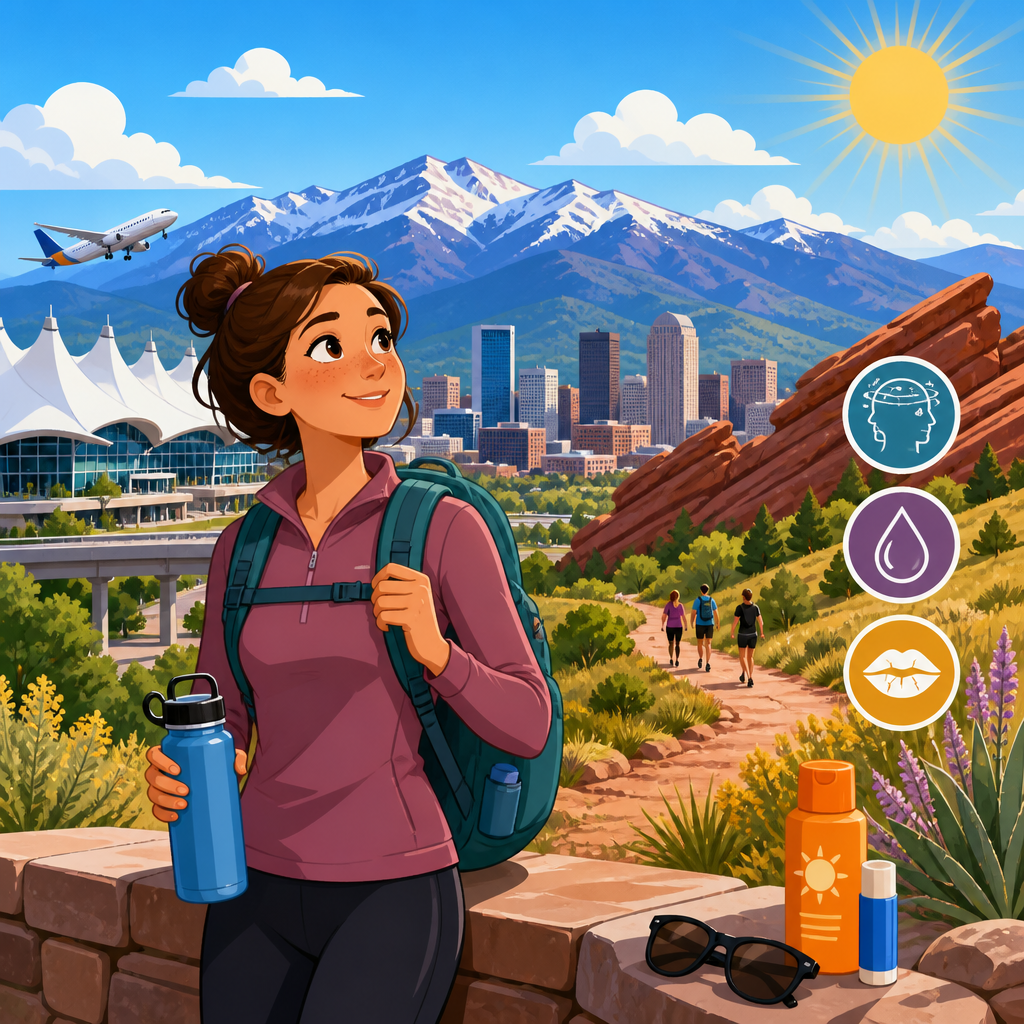
Arriving in Aspen feels dramatic before you even step outside. The town sits at roughly 7,900 feet in Colorado’s Roaring Fork Valley, ringed by steep peaks, dry mountain air, and weather that changes quickly. For first-time visitors, the biggest surprise is usually physical, not scenic: altitude, cold, intense sun, and the effort required to move luggage, walk uphill, or start skiing on the same day. Understanding what to expect physically when you arrive in Aspen helps you avoid preventable problems and enjoy the town sooner.
Aspen is a ski town, but it is also a compact mountain community with distinct terrain, transportation patterns, and seasonal demands. In practical terms, “physical expectations” means how your body responds to elevation, winter climate, mountain light, lower humidity, and the layout of town. It also includes what you will notice during the trip from Aspen/Pitkin County Airport, from Denver, or from nearby resort areas such as Snowmass. I have planned ski trips here, landed in the valley during storm cycles, and watched otherwise fit travelers get slowed by dehydration, overpacked bags, bad footwear, and an overconfident first day. Aspen rewards preparation more than bravado.
This guide serves as a ski town hub as much as an arrival primer. If you are researching where to stay, how much walking is realistic, what your first grocery stop should be, or whether kids and older travelers need extra time to acclimate, Aspen is a useful model for mountain travel in the Rockies. The town’s high elevation, pedestrian-friendly core, and proximity to four ski areas make it one of the clearest examples of how destination logistics affect your body. The short answer is simple: expect thinner air, drier skin, faster fatigue, stronger sun, and a greater need for pacing than at lower elevations.
Altitude hits first: what 7,900 feet feels like
The most important physical factor in Aspen is altitude. At 7,900 feet, the air contains the same percentage of oxygen as at sea level, but lower barometric pressure means each breath delivers less oxygen. Many visitors notice this within hours. You may feel slightly lightheaded carrying luggage, walking stairs, or speaking while moving. Heart rate often runs higher than normal, sleep can feel lighter, and mild headaches are common on day one. These reactions are normal signs of acute altitude exposure, not proof that you are unfit.
The usual adjustment window is 24 to 72 hours. During that time, your body increases breathing rate and begins a cascade of adaptations that improve oxygen delivery. The practical takeaway is to treat arrival day as a transition day. Eat a full meal, drink water steadily, and keep exertion moderate. If you land at Aspen/Pitkin County Airport and head straight to a rental, even the short walk from curb to check-in can feel more tiring than expected. If you drive from Denver, the fatigue can be deceptive because hours in a car often hide the stress of gaining elevation.
Altitude affects travelers differently. Children may become unusually tired or irritable. Older adults may need slower pacing, especially if they already become winded at home. Athletes often misread the situation because leg strength is not the issue; oxygen availability is. Common symptoms of mild altitude stress include headache, nausea, poor sleep, reduced appetite, and breathlessness with simple activity. More serious symptoms, such as worsening headache, persistent vomiting, confusion, or shortness of breath at rest, require prompt medical attention. Aspen Valley Hospital and local urgent care services are part of the safety net, but prevention remains far easier than treatment.
Cold, dryness, and mountain sun change how your body feels
Many first-time ski visitors expect cold to be the main issue, but Aspen’s dryness and sun are just as noticeable. Winter humidity is low, especially indoors where heating systems dry the air further. Within a day, lips crack, skin tightens, and nasal passages feel irritated. Contact lens wearers often notice dryness immediately. I advise travelers to pack lip balm, a heavy moisturizer, saline nasal spray, and lubricating eye drops alongside gloves and base layers. These are not luxury extras in a high-altitude ski town; they are comfort essentials.
The sun in Aspen is stronger than many visitors expect because ultraviolet exposure increases with elevation and is amplified by reflection off snow. It is entirely possible to arrive on a bluebird day, feel cold, and still get sunburned while walking through town or sitting at an outdoor lunch. Broad-spectrum sunscreen, SPF lip protection, and sunglasses with strong UV coverage matter from the first hour. Snow blindness is uncommon but real after prolonged exposure without proper eyewear. Even non-skiers can end a day with red cheeks, headaches, and tired eyes if they underestimate the combination of bright light and thin air.
Cold exposure in Aspen is usually manageable because the climate is often dry rather than damp, but that can create a false sense of security. A 20-degree day in Colorado may feel less raw than a wetter cold elsewhere, yet fingers still go numb quickly when you are standing still at a bus stop or handling ski gear with bare hands. Layering works better than a single thick coat because temperatures swing through the day and vary between sunny streets, shaded sidewalks, gondola bases, and mountain decks. Good winter boots with traction matter as much as a warm jacket because packed snow and slick corners are common around town.
Walking around Aspen is easy in theory and tiring in practice
Aspen is compact and highly walkable, which is one reason travelers love it. Restaurants, shops, lodging, shuttle stops, and ski access points are clustered tightly compared with more spread-out mountain destinations. The catch is that walkability at altitude is not the same as easy walking at sea level. Short distances can feel longer when you are carrying bags, wearing winter clothing, stepping over slush, or adjusting to thinner air. Visitors staying a few blocks from the gondola often assume the walk is trivial, then find themselves warm, breathless, and overburdened before skiing even begins.
Street conditions add another physical layer. Main routes are maintained well, but side streets, alley crossings, and parking lot edges can be icy or uneven. Rolling a suitcase through snowmelt is harder than it sounds. Families with strollers, travelers in fashion boots, and older visitors with balance concerns should plan for traction, not just style. If your lodging is near downtown Aspen, ask whether there is a slope from the road to the entrance, how many exterior steps exist, and whether ski storage is on-site. These small details have an outsized effect on arrival comfort.
| Arrival factor | What you will notice physically | Best response |
|---|---|---|
| Altitude at 7,900 feet | Faster breathing, mild headache, early fatigue | Hydrate, eat, avoid hard exertion first day |
| Dry mountain air | Chapped lips, dry skin, irritated nose and eyes | Use moisturizer, lip balm, saline spray, eye drops |
| Strong sun on snow | Sunburn, squinting, headaches, tired eyes | Apply sunscreen, wear UV sunglasses or goggles |
| Compact but snowy town | Short walks feel harder, slippery footing | Wear insulated boots with traction, carry less |
| First-day ski excitement | Overexertion before acclimating | Start with easy terrain and shorter sessions |
Transportation, luggage, and the first hour after check-in
How you enter Aspen shapes how you feel. If you fly into Aspen/Pitkin County Airport, arrival is efficient, but winter operations can be affected by weather and aircraft performance limits. That means delays, diversions, or tight baggage timelines are part of realistic trip planning. If you land successfully, you are close to town, yet the rapid transition from cabin pressure to mountain altitude can make the first half-day feel abrupt. If you come through Denver and drive, the challenge shifts to a longer travel day, road concentration, and cumulative fatigue before you ever unpack.
Luggage handling is a bigger physical task in ski towns than in city travel. Boots are heavy, ski clothing is bulky, and sidewalks may be wet or snowy. If you have children, groceries, and rental gear pickup on the same afternoon, check-in can become the most draining part of the day. The best strategy is simple: minimize what must be carried at once, reserve equipment in advance, and confirm whether your property offers shuttle service, bell support, elevators, and heated storage. These are not minor amenities in Aspen; they determine whether your arrival feels smooth or exhausting.
Once in your room or rental, do a quick physical reset before going out. Drink water, unpack only essentials, change into footwear with grip, and spend ten minutes assessing how everyone feels. If someone already has a headache or nausea, do not push a shopping walk followed by après and a late dinner. Aspen’s core encourages spontaneous roaming, but arrival day is where disciplined pacing pays off most. The people who enjoy Aspen fastest are usually the ones who resist the urge to do everything immediately.
What to expect if you ski, snowboard, or exercise on day one
The four mountains linked to the Aspen Snowmass ecosystem create a powerful temptation to start immediately. Aspen Mountain rises right from town, while Aspen Highlands, Buttermilk, and Snowmass are accessible by shuttle or drive. Physically, however, skiing on arrival day compresses multiple stressors: altitude, cold, dehydration, sunlight, and muscular effort. Even advanced skiers feel the difference. Legs tire sooner, recovery on lifts can be incomplete, and judgment often declines late in the day when visitors are more fatigued than they realize.
If you insist on skiing day one, choose lower-intensity terrain and shorter sessions. Warm up deliberately. Eat carbohydrates and protein before you click in. Keep drinking water because altitude suppresses thirst while increasing fluid loss through breathing. Snowboarders often feel the arrival strain in their calves and core; skiers notice quad fatigue and a subtle drop in endurance. At Aspen Mountain and Highlands, the terrain can quickly become demanding, so Buttermilk is often the smartest first-day choice for reacclimation, families, and rusty skiers who need an easier start.
Non-ski exercise deserves the same respect. Walking to dinner, climbing lodge stairs repeatedly, carrying shopping bags, or joining a winter hike can be enough to trigger a headache or unusual fatigue. Alcohol intensifies the issue for many people because it compounds dehydration and can worsen sleep disruption at altitude. Aspen has a strong dining and après scene, but a heavy first-night celebration often makes day two worse. The mountain-smart approach is straightforward: arrive, settle in, eat well, sleep early, and let your body catch up before pushing harder.
How Aspen compares with other ski towns for first-time visitors
As a ski town guide, Aspen is useful because it combines prestige with practical accessibility. Compared with high-elevation base areas in Summit County, Aspen’s town layout is exceptionally pleasant for pedestrians, dining, and non-ski activities. Compared with sprawling resort villages, it feels more like a real town. Physically, though, Aspen is not effortless. The altitude is meaningful, sidewalks can be slick, and the town’s active culture encourages more movement than visitors anticipate. In that sense, it is friendlier than some mountain destinations logistically, but no easier on the body than the elevation suggests.
For families, Aspen stands out because transportation is manageable and beginner access within the broader resort system is strong, especially with Buttermilk and Snowmass available. For older travelers, the town offers good services, quality lodging, and a compact core, but only if mobility needs are considered in advance. For luxury travelers, a central hotel can reduce physical strain dramatically compared with a beautiful rental perched farther out. For budget-conscious visitors, the tradeoff is often more walking and more bus use, which is perfectly workable if you dress properly and plan around fatigue.
The core lesson applies across ski town travel: mountain destinations are body-first environments. You do not experience Aspen only through itineraries, lift tickets, and restaurant reservations. You experience it through breathing rate, skin hydration, sleep quality, muscle fatigue, and footing on snowy pavement. Travelers who understand that arrive calmer, pack better, choose smarter first-day plans, and enjoy more of what makes Aspen special.
What should you expect physically when you arrive in Aspen? Expect beauty, but also thinner air, dry skin, brighter sun, and a stronger need to pace yourself than at lower elevations. That is normal. Aspen sits high enough to change how you sleep, walk, hydrate, and recover, especially during the first one to three days. Most visitors do very well when they treat arrival as an acclimation period rather than the opening sprint of a vacation.
The practical formula is clear: hydrate early, eat real meals, protect your skin and eyes, wear proper winter footwear, and keep day one light. If you ski immediately, start conservatively. If you are traveling with kids, older adults, or anyone with respiratory or cardiac concerns, build in extra flexibility and monitor symptoms honestly. Small choices on arrival day shape the rest of the trip more than most people realize.
Aspen remains one of North America’s great ski towns because it pairs serious mountain access with a walkable, memorable town center. When you know what your body is likely to feel, you can enjoy that setting instead of reacting to it. Use this Aspen guide as your starting point for ski town planning, then map lodging, transportation, and first-day activities around comfort as much as convenience. Arrive prepared, pace the first day wisely, and Aspen will feel energizing instead of overwhelming.
Frequently Asked Questions
What physical effects do most people notice first when they arrive in Aspen?
The first thing many visitors notice in Aspen is not the view, but how different their body feels at elevation. Aspen sits at about 7,900 feet above sea level, which means there is less available oxygen than at lower elevations. Even healthy, active travelers can feel slightly winded doing simple things such as carrying bags, climbing stairs, or walking uphill from a parking area to a hotel. It is also common to notice a dry mouth, thirst, mild headache, light fatigue, or a faster heartbeat during the first several hours after arrival. None of this necessarily means something is wrong; it often means your body is adjusting to altitude, dry air, and the extra effort required to move around in the mountains.
The environment adds to that adjustment. Aspen’s air is typically much drier than what visitors are used to, so dehydration can happen quickly, especially after a flight. On top of that, temperatures may feel colder than expected in shade or wind, while the high-altitude sun can feel unusually strong when you are standing outside. That combination can leave first-time visitors feeling both chilled and dehydrated at the same time. In practical terms, expect to move a little slower on day one, breathe harder during routine activity, and need more water, lip balm, and layers than you might at home.
How likely is altitude sickness when you first get to Aspen, and what does it feel like?
Mild altitude-related symptoms are fairly common for first-time visitors, especially if they fly in from sea level and begin walking around immediately after arrival. Altitude sickness does not affect everyone, but it is common enough in Aspen that visitors should take it seriously. The usual early symptoms include headache, unusual tiredness, dizziness, nausea, poor appetite, trouble sleeping, and shortness of breath with exertion. Some people describe it as feeling slightly hungover, even if they have not had anything to drink. Symptoms can begin within a few hours of arrival or later the same day, and they are more likely if you are dehydrated, physically overexert yourself, or drink alcohol too soon.
The good news is that most mild symptoms improve with rest, hydration, lighter activity, and time to acclimate. The smartest approach is to treat your first day in Aspen as an adjustment day rather than a performance day. That means avoiding the temptation to ski hard immediately, take a long uphill walk with luggage, or celebrate your arrival with several drinks. However, if symptoms become severe, such as persistent vomiting, confusion, chest tightness, difficulty breathing at rest, or worsening headache that does not respond to rest and fluids, that is no longer normal adjustment and should be evaluated promptly. For most travelers, though, being aware of the possibility and pacing themselves reduces the chances of a rough arrival significantly.
Why do simple activities feel harder in Aspen than they do at home?
At Aspen’s elevation, your muscles and lungs are working with less oxygen than they are used to, so everyday tasks demand more effort. That is why carrying suitcases through a hotel lobby, walking up even a modest hill, or putting on ski gear can leave you more breathless than expected. It is not just strenuous exercise that feels different. Small bursts of activity that barely register at lower elevations can feel surprisingly taxing when you arrive in the mountains. If you are also bundled in winter layers, navigating snow or ice, or rushing to check in before heading to a restaurant, the physical load adds up quickly.
Weather and terrain also matter. Aspen is scenic, but it is not flat, and many visitors underestimate how much uphill walking is built into getting around town, hotels, slopes, and parking areas. Cold air can make breathing feel sharper, and dry air can make your throat and nasal passages feel irritated. If you arrived after a flight, slept poorly, or are slightly dehydrated, your body has even less reserve. That is why the most reliable expectation is this: on arrival day, normal activity may feel like light exercise, and light exercise may feel more demanding than usual. Giving yourself extra time, using hotel assistance for luggage when available, and easing into physical plans can make the transition much more comfortable.
How do cold, sun, and dry air affect your body when you arrive in Aspen?
Aspen’s climate can be physically deceptive because several conditions hit you at once. The air is dry, which increases fluid loss through breathing and can quickly lead to chapped lips, dry skin, irritated eyes, nasal dryness, and a scratchy throat. Many visitors wake up thirsty, congested, or with a mild headache simply because they did not realize how much moisture they were losing. At the same time, the mountain sun is much stronger than people expect. Because of the elevation, ultraviolet exposure is more intense, and snow can reflect sunlight back onto your face, increasing the chance of sunburn. It is entirely possible to feel cold in the wind and still get burned in less time than you would at lower elevations.
Temperature swings are another factor. You may step out into bright sunshine and feel warm, then turn a corner into shade or encounter afternoon weather changes and suddenly feel much colder. That can be physically draining because your body is constantly adjusting. The best expectation is variability: your skin dries out faster, your nose and throat may feel uncomfortable, and your body may not regulate comfort as easily as it does at home. This is why experienced Aspen travelers rely on hydration, moisturizer, lip balm, sunscreen, sunglasses, and layered clothing rather than just a heavy coat. Those basics are not just for comfort; they help reduce avoidable stress on your body during the first 24 to 48 hours.
What should you do physically on your first day in Aspen to feel better and avoid problems?
The most effective strategy is to arrive with a plan to ease in. Start hydrating before you feel thirsty and continue throughout the day, because altitude and dry air increase fluid loss quickly. Eat regular meals, even if your appetite feels slightly off, since low energy can be made worse by skipping food. Move, but do not overdo it. A gentle walk around town is usually better than immediately attempting a hard workout, a full ski day, or a steep hike. If possible, give yourself time to unpack, rest, and let your breathing and energy settle before taking on demanding activity. It is also wise to limit alcohol on arrival day because it can worsen dehydration, fatigue, and altitude symptoms.
Dress for changing conditions rather than one fixed temperature. Use layers so you can adjust as sunlight, wind, and activity levels change. Protect your skin and eyes with sunscreen and sunglasses, even in winter. If you are traveling with children, older adults, or anyone with underlying heart or lung conditions, be especially attentive to how they feel because they may fatigue faster or describe symptoms differently. Most important, listen to your body instead of your itinerary. Aspen rewards visitors who acclimate first and push later. If you respect the altitude, the climate, and the effort required by the terrain, you are far more likely to feel strong, comfortable, and ready to enjoy the rest of your trip.