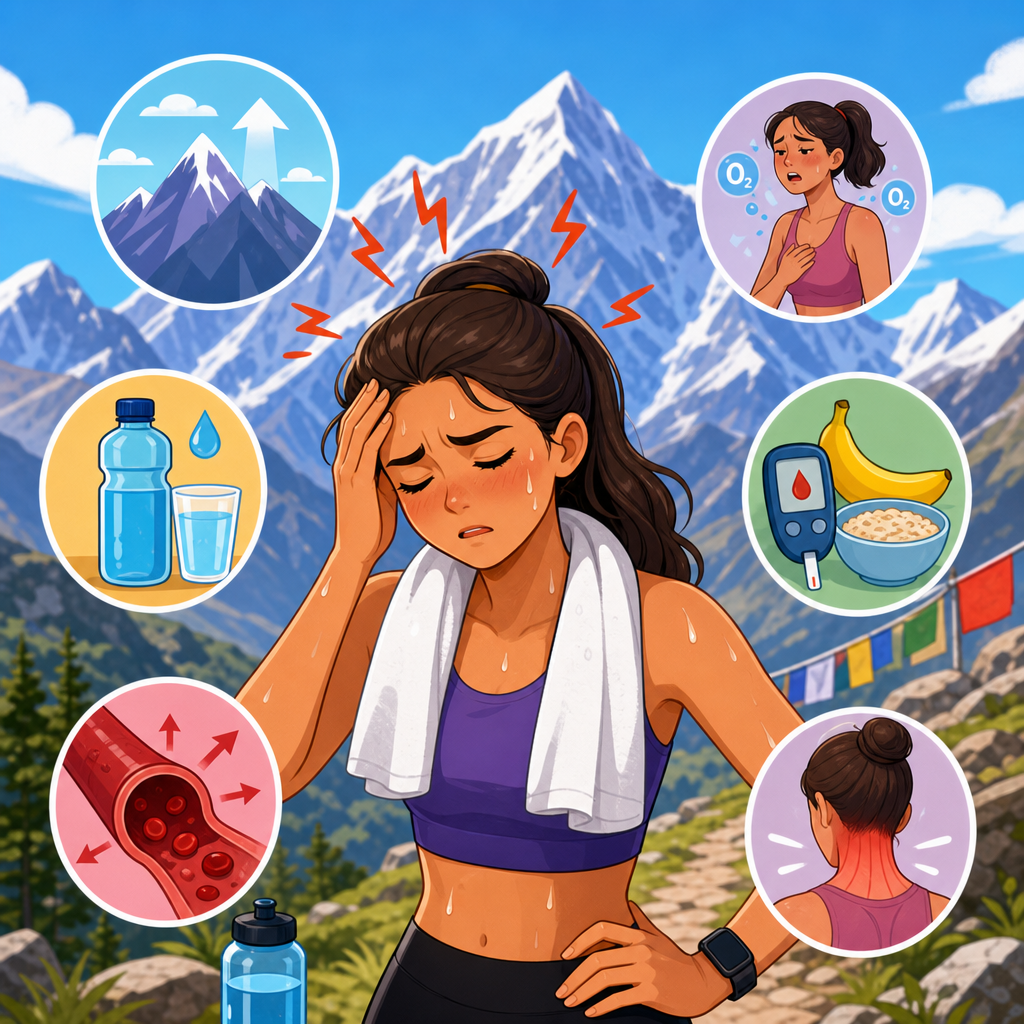
Post-workout headaches at altitude are common, but they are never random. In mountain towns, high desert trail systems, and ski valleys, I have seen the same pattern repeatedly: someone trains hard, feels strong during the session, then develops a pounding headache during recovery. The causes usually come down to a short list of physiological stressors that altitude magnifies. Understanding those stressors matters because the right response can improve recovery, protect performance, and help you recognize when a headache is a warning sign rather than a minor annoyance.
Altitude generally refers to elevations where reduced barometric pressure lowers the amount of oxygen available with each breath. For many active people, symptoms begin above roughly 5,000 to 8,000 feet, although sensitivity varies widely. A post-workout headache is head pain that appears during cooldown, in the hours after exercise, or later the same day. Recovery and monitoring, the focus of this hub, means tracking how your body responds after training: hydration status, sleep quality, heart rate trends, fueling, symptom timing, and signs that load exceeds adaptation. That process is especially important in the mountains because normal training stress combines with hypoxia, dry air, temperature swings, and travel fatigue.
Why does this topic deserve a dedicated guide within fitness, hiking, and performance? Because many athletes mislabel every altitude headache as dehydration, then miss other common causes such as acute mountain sickness, underfueling, poor pacing, blood pressure spikes, caffeine withdrawal, or disrupted sleep. Others overreact to mild symptoms and stop all training when a structured recovery plan would solve the problem. Good monitoring sits between those extremes. It helps runners, hikers, climbers, cyclists, skiers, and team-sport athletes decide when to rest, when to modify intensity, and when to seek medical care.
This article covers the most common causes of post-workout headaches at altitude and shows how to monitor recovery in practical terms. It is designed as a hub page, so it connects the main ideas that support deeper topics in recovery planning: acclimatization, hydration strategy, fueling, sleep, load management, symptom tracking, and red-flag decision making. If you want fewer headaches and better training consistency at elevation, start by treating recovery data as seriously as the workout itself.
Altitude physiology: why recovery feels harder after exercise
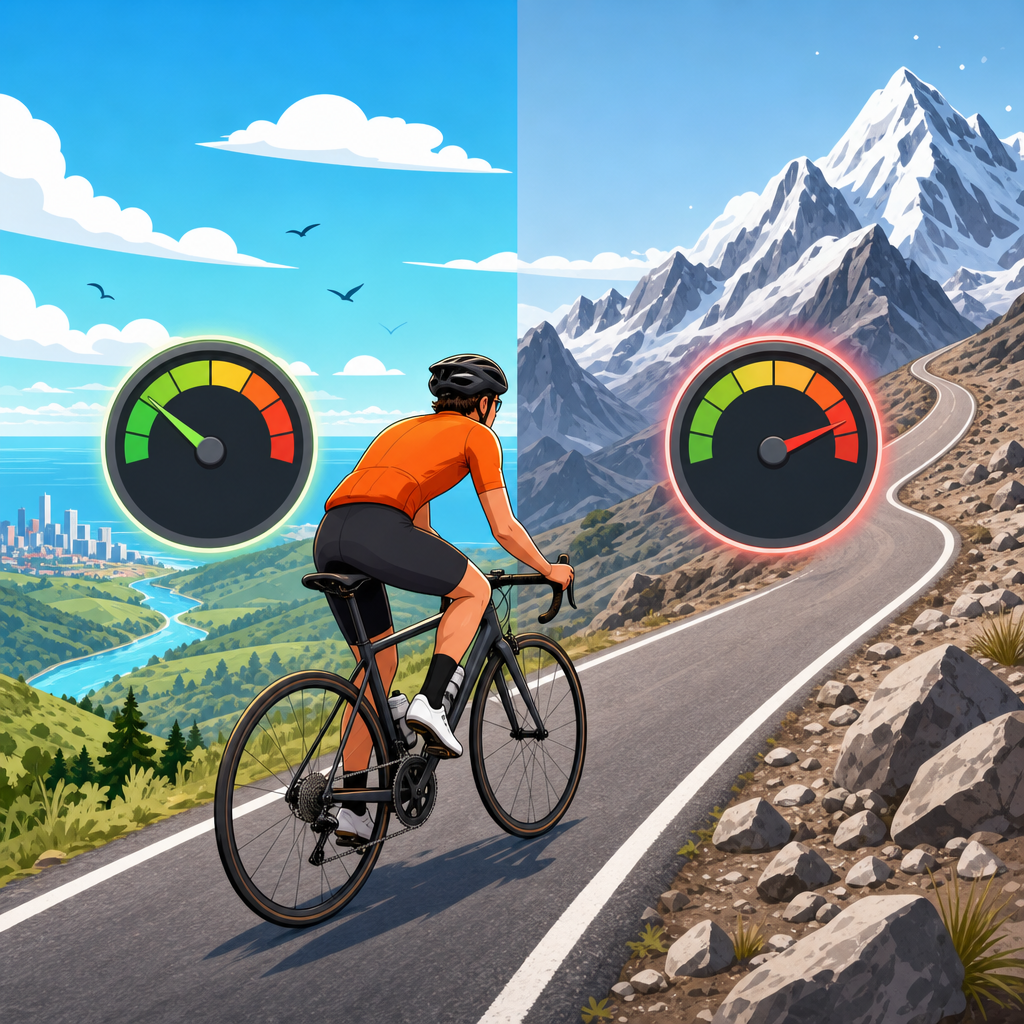
At altitude, the air still contains about 21 percent oxygen, but lower barometric pressure means each breath delivers less oxygen into the lungs and bloodstream. That reduced oxygen availability increases ventilation, raises heart rate, and shifts fluid balance. During exercise, those demands grow quickly. After exercise, the body remains in catch-up mode: breathing may stay elevated, circulation is still redistributing blood, and fluid losses from sweat and respiration continue. A headache can emerge during that recovery window because the brain is sensitive to changes in oxygenation, blood vessel tone, hydration, and pressure.
Dry air is a major multiplier. Mountain environments increase respiratory water loss because every exhalation carries moisture away. Many athletes underestimate this, especially in cold weather when sweat feels less obvious. Add a hard workout, a warm hat or helmet, and limited drinking opportunities on a trail or climb, and mild dehydration becomes likely. Dehydration alone does not explain every headache, but it lowers your margin for error and makes other triggers more potent.
Sleep also changes at altitude. Even fit people can experience fragmented sleep, periodic breathing, and a lower overnight oxygen saturation during the first days at elevation. That means a morning workout may begin on a less stable recovery foundation than usual. In practice, I often see headaches after a second or third day of training at altitude, not because a single workout was extreme, but because cumulative recovery debt finally shows up.
Another key point is that intensity feels deceptively normal early in a session. Adrenaline can mask the strain of hypoxia, especially for sea-level visitors. Then recovery becomes the moment when symptoms appear. That is why monitoring should include not only pace, power, or vertical gain, but also post-session headache severity, appetite, urine color, resting heart rate, dizziness, nausea, and sleep quality.
Dehydration, electrolyte imbalance, and underfueling
The most common cause of post-workout headaches at altitude is a combination of dehydration and inadequate fueling. Water loss rises through sweat and breathing, while appetite often drops at elevation. If you finish a session with low fluid volume, lower blood glucose, and depleted sodium stores, a headache is a predictable outcome. The pattern is especially common after long hikes, uphill interval runs, ski touring days, and back-to-back training blocks during mountain travel.
Dehydration headaches usually come with thirst, dry mouth, darker urine, unusual fatigue, and a sense that your heart rate stayed high for the workload. Electrolyte imbalance becomes more likely during long or very sweaty efforts, or when someone replaces losses with plain water only. Sodium matters because it helps maintain fluid balance and supports nerve and muscle function. This does not mean everyone needs heavy supplementation after every workout, but prolonged exercise at altitude often benefits from a drink or food source that includes sodium.
Underfueling is just as important. At elevation, carbohydrate becomes the preferred fuel for higher-intensity work because it produces more energy per unit of oxygen than fat. If you train hard after skipping breakfast, or you rely on a small snack for a multi-hour effort, post-workout headache risk rises. I have seen hikers finish a long ascent blaming altitude when the more immediate issue was that they consumed almost no carbohydrates for four hours.
| Trigger | Typical signs after exercise | Monitoring clue | Practical response |
|---|---|---|---|
| Dehydration | Thirst, dry mouth, darker urine, headache, elevated heart rate | Body mass drop, low fluid intake, limited urination | Rehydrate gradually, include sodium, avoid chugging excessive plain water |
| Electrolyte loss | Headache, fatigue, cramping, lightheadedness | Long sweaty session, salty sweat, large fluid intake without sodium | Use electrolyte drink or salty foods with recovery meal |
| Low carbohydrate availability | Headache, shakiness, irritability, heavy legs, poor concentration | Minimal intake before or during session | Refuel with carbohydrates soon after exercise and plan intake during long efforts |
A practical recovery target is to begin refueling within an hour, combining carbohydrates, protein, and fluids. Exact amounts depend on body size and session length, but the principle is consistent: replace what you used before headache symptoms compound. Monitoring here is simple and useful. Log pre-session intake, during-session intake, thirst level, and next-day energy. Patterns become obvious quickly.
Acute mountain sickness and poor acclimatization
Acute mountain sickness is another leading cause of post-workout headaches at altitude, particularly for people who traveled up quickly and trained too soon. The hallmark symptom is headache in the setting of recent altitude gain, often accompanied by nausea, loss of appetite, fatigue, dizziness, or poor sleep. Exercise does not directly cause acute mountain sickness, but hard exercise soon after arrival often unmasks or worsens it.
Poor acclimatization explains why one athlete can handle a moderate run at 7,000 feet while another develops a severe headache after a short hike. Recent altitude exposure, sleeping elevation, hydration, alcohol use, illness, and individual susceptibility all matter. A person may feel fine walking around town, then become symptomatic only after a workout increases oxygen demand. This is common during destination races, ski vacations, mountain biking trips, and climbing weekends when training enthusiasm outruns adaptation.
The safest rule is straightforward: if a post-workout headache is accompanied by nausea, ataxia, unusual shortness of breath at rest, confusion, or rapidly worsening fatigue, treat altitude illness as a possibility. Rest, stop ascending, and monitor closely. If symptoms are significant or do not improve, descend and seek medical evaluation. Severe forms of altitude illness, including high-altitude cerebral edema and high-altitude pulmonary edema, are medical emergencies.
For prevention, the best strategy is staged exposure. Increase sleeping elevation gradually when possible. Keep the first one to three days easy, even if your fitness is excellent. Many mountain medicine guidelines support limiting rapid ascent and allowing time for adaptation before intense exercise. In a recovery log, note arrival date, sleeping altitude, symptom onset, and exertion level. That timeline often reveals whether the headache fits poor acclimatization more than simple training fatigue.
Overexertion, breathing patterns, and blood pressure spikes
Not every altitude headache comes from being underprepared for elevation itself. Sometimes the direct cause is simply going too hard. High-intensity intervals, steep uphill pushes, heavy strength sets, and maximal efforts can trigger headaches through abrupt increases in blood pressure and muscular tension, especially in the neck, jaw, and scalp. At altitude, the same effort may produce a stronger response because heart rate and ventilation are already elevated.
Exercise-related headaches are often throbbing and can begin during the session or shortly after it ends. Common triggers include hill sprints on the first day at altitude, hard finish kicks, breath-holding during lifts, and grinding climbs where form deteriorates. I have seen recreational hikers trigger intense headaches by racing the final switchbacks while carrying a pack, then collapsing into shallow breathing at the summit.
Breathing mechanics matter more than many athletes realize. Hyperventilation, erratic breathing, and repeated Valsalva maneuvers can all contribute. Lifters who hold their breath through heavy reps, cyclists who tense their shoulders on steep grades, and runners who climb with a clenched jaw often create the perfect conditions for post-workout head pain. Monitoring should therefore include not just external load, but perceived exertion, breathing control, and muscular tension.
The solution is load management. Use conservative pacing during the first days at altitude. Extend warmups. Keep strength work submaximal until symptoms are stable. If headaches appear after very intense sessions but not easy ones, the pattern points toward exertional triggers rather than hydration alone. A chest-strap heart rate monitor, pulse oximeter trends used cautiously, and a simple session RPE score can help you identify when intensity is outrunning adaptation.
Secondary contributors and red flags you should not ignore
Several other factors commonly layer onto altitude stress. Caffeine withdrawal is a frequent one during travel. A person who normally drinks coffee before every workout may arrive at a trailhead early, skip caffeine, train hard, and then blame altitude for the resulting headache. Alcohol, common during vacations in mountain towns, worsens dehydration and sleep quality. Sinus irritation from cold, dry air can create forehead pressure that feels like an altitude headache. Tight goggles, helmets, ponytails, or pack straps can also contribute to tension-type pain.
Medication effects deserve attention. Some people use acetazolamide for acclimatization, and while it can help prevent altitude illness, it changes fluid balance and can increase urination. Nonsteroidal anti-inflammatory drugs may reduce pain, but they do not fix the underlying cause and may not be appropriate for everyone, particularly when dehydration or kidney stress is a concern. If you have migraine history, altitude can act as a trigger, and your normal management plan may need adjustment.
Because this page is a recovery and monitoring hub, the most important skill is distinguishing common benign patterns from warning signs. Seek prompt medical care if a headache is severe, sudden, or associated with confusion, fainting, weakness, chest pain, shortness of breath at rest, repeated vomiting, visual changes, or loss of coordination. Also take persistent headaches seriously if they continue despite hydration, food, rest, and reduced exertion. High blood pressure, concussion, infection, heat illness, and serious altitude complications can all mimic a routine post-workout problem.
Recovery monitoring works best when it is structured. Keep a simple log that records altitude, workout type, duration, intensity, fluids, sodium, carbohydrate intake, sleep, headache timing, severity, and other symptoms. Over a week, this turns guesswork into evidence. It also supports smarter internal planning across your broader recovery system: acclimatization days, hydration habits, sleep protection, and training modifications. If post-workout headaches at altitude keep appearing, use that data to adjust early rather than pushing through and hoping the problem disappears.
Post-workout headaches at altitude usually trace back to a few recurring causes: dehydration, electrolyte loss, underfueling, poor acclimatization, overexertion, and secondary triggers such as sleep disruption, caffeine changes, alcohol, or muscular tension. The reason this matters for recovery and monitoring is simple. Headaches are often one of the earliest visible signals that your current training load and environment are out of balance. If you listen to that signal, you can correct the problem before it affects performance, enjoyment, or safety.
The most effective approach is systematic. Match intensity to your acclimatization status. Replace fluids and sodium according to conditions and sweat loss. Prioritize carbohydrates around long or hard sessions. Protect sleep, especially during the first nights at elevation. Track symptoms after every workout instead of judging the day by motivation alone. When you collect these details consistently, patterns emerge fast, and those patterns tell you whether the main issue is fueling, pacing, altitude illness risk, or a separate medical concern.
For athletes, hikers, and mountain travelers, better recovery decisions lead directly to better days outside. You train more consistently, enjoy the climb or run more, and reduce the chance that a manageable headache becomes a trip-ending problem. Use this hub as your starting point for building a smarter recovery routine at elevation, then apply what you learn to every session. Monitor closely, adjust early, and treat persistent or severe symptoms as a reason to seek qualified medical advice.
Frequently Asked Questions
Why do post-workout headaches happen more often at altitude?
Post-workout headaches are more common at altitude because the same training stress creates a bigger physiological load when oxygen availability is lower. Even if a workout feels manageable in the moment, your body is working harder behind the scenes to deliver oxygen to muscles and the brain. Breathing rate increases, heart rate rises faster, and fluid losses through respiration go up substantially in dry mountain air. After exercise ends, that combination can set the stage for a pounding recovery headache.
In most cases, the headache is not random. Altitude tends to amplify a short list of triggers: dehydration, under-fueling, electrolyte imbalance, overly intense effort, inadequate acclimatization, and poor recovery habits after training. Blood vessels can respond differently at elevation, and the brain is also more sensitive to changes in oxygenation, fluid status, and pressure. That is why someone can complete a hard run, ride, hike, or ski session feeling fine, then develop a headache 30 minutes later when the body starts shifting from exercise mode into recovery mode.
The practical takeaway is that altitude headaches usually reflect a mismatch between the environment, the training load, and the recovery plan. If you adjust pace, hydration, sodium intake, carbohydrate intake, and acclimatization expectations, these headaches often become much less frequent. If the headache pattern is severe, new, worsening, or accompanied by symptoms like confusion, vomiting, loss of coordination, shortness of breath at rest, or visual changes, it should not be brushed off as a normal altitude issue.
What are the most common causes of a headache after exercise at altitude?
The most common causes are dehydration, rapid fluid loss through breathing, under-fueling, electrolyte imbalance, abrupt high-intensity exertion, and incomplete acclimatization. At altitude, dry air increases respiratory water loss, so people often become more dehydrated than they realize, especially during long runs, interval workouts, uphill efforts, or ski days. Even mild dehydration can contribute to headache development during the recovery window after exercise.
Under-fueling is another major factor. Hard training at elevation burns through carbohydrate stores quickly, and if you start a session underfed or delay post-workout nutrition, blood sugar swings can contribute to headache symptoms. Sodium losses also matter. Not every athlete needs aggressive electrolyte replacement, but when sweat losses are high and plain water intake is excessive without enough sodium, headache, fatigue, and a washed-out feeling can appear afterward.
Intensity is often the hidden trigger. Athletes frequently try to train at sea-level paces before they are acclimated, which drives breathing harder, raises internal stress, and increases the likelihood of a delayed headache once the session ends. In addition, some people are simply still adapting to the altitude itself. If you recently arrived in a mountain town or are exercising above your usual elevation, your body may not yet be handling oxygen demands efficiently. In that setting, a post-workout headache is often a sign that your system is being pushed faster than it can adapt.
How can I tell whether my post-workout headache is from dehydration, altitude, or something else?
There is overlap, but the context usually offers useful clues. A dehydration-driven headache often follows workouts with heavy breathing, significant sweat loss, limited fluid intake, dark urine, thirst, dry mouth, and a general sense of being drained. It may improve gradually with fluids, sodium, cooling down, and a proper recovery meal. Altitude-related headaches, by contrast, may appear even when hydration seems reasonable, especially if you are newly arrived, sleeping poorly, training hard too soon, or spending time at a much higher elevation than normal.
If the headache is mostly tied to intensity, you may notice a pattern: it shows up after intervals, steep climbs, race-pace efforts, or strength sessions where you held your breath and strained. In those cases, the trigger may be a mix of altitude stress, blood pressure changes, neck and shoulder tension, and inadequate recovery. If under-fueling is involved, the headache may come with shakiness, irritability, low energy, or feeling unusually weak after the session.
What matters most is the full symptom picture. A mild to moderate headache that improves with hydration, food, rest, and easier pacing is different from a severe headache with nausea, vomiting, dizziness, confusion, fainting, chest symptoms, trouble breathing, poor balance, or neurological symptoms. Those red flags can point to acute mountain sickness or another medical problem that deserves prompt evaluation. When headaches are recurrent, intense, or hard to explain, it is smart to review the pattern with a qualified clinician rather than assuming altitude is the only reason.
What is the best way to prevent headaches after workouts at altitude?
Prevention starts with respecting the fact that altitude changes your recovery math. The best strategy is to reduce intensity early, hydrate consistently rather than reactively, and fuel workouts better than you think you need to. If you have just arrived at altitude, avoid going straight into maximal efforts. Give yourself time to acclimate by keeping the first few days easier, shortening hard sessions, and using perceived effort rather than sea-level pace or power expectations as your guide.
Hydration should begin well before training and continue after it, but prevention is not just about drinking more water. Because altitude increases fluid loss and many mountain environments are very dry, you also need enough sodium and adequate total calories. For longer or harder sessions, using a sports drink or adding electrolytes may help, particularly if you are a salty sweater or training for more than an hour. Post-workout, prioritize both fluids and carbohydrates, and include some protein to support recovery.
Other overlooked factors include warm-up quality, sleep, alcohol intake, and sun exposure. Poor sleep at altitude can make the nervous system more reactive. Alcohol worsens dehydration and can compound headache risk. Intense sun and heat, even in cool mountain air, can quietly add to fluid loss and fatigue. The athletes who do best at altitude usually stack small advantages: easier pacing, better sleep, deliberate hydration, enough sodium, timely carbs, and realistic expectations for performance while acclimating.
When should a post-workout headache at altitude be taken seriously?
A post-workout headache should be taken seriously if it is severe, sudden, different from your usual pattern, or associated with other concerning symptoms. Warning signs include vomiting, confusion, shortness of breath at rest, chest pain, trouble walking straight, unusual fatigue that feels disproportionate, fainting, vision changes, or symptoms that keep getting worse instead of improving with rest, fluids, and food. At altitude, these features can raise concern for acute mountain sickness or more serious altitude-related illness.
You should also pay attention to headaches that repeatedly occur after ordinary workouts, especially if your training load has not changed much. Recurrent headaches may signal that your hydration, fueling, acclimatization, blood pressure response, or training intensity needs closer evaluation. They can also be influenced by neck tension, medication effects, caffeine shifts, sleep disruption, or an underlying headache disorder that altitude is making more obvious.
If the headache is persistent, escalates over hours, wakes you from sleep, or does not respond to sensible recovery steps, it is worth getting checked. The goal is not to create unnecessary alarm, but to avoid normalizing symptoms that fall outside the typical post-exercise pattern. At altitude, mild headaches can be common, but severe or complicated headaches deserve respect. Acting early can protect both your health and your ability to keep training well.