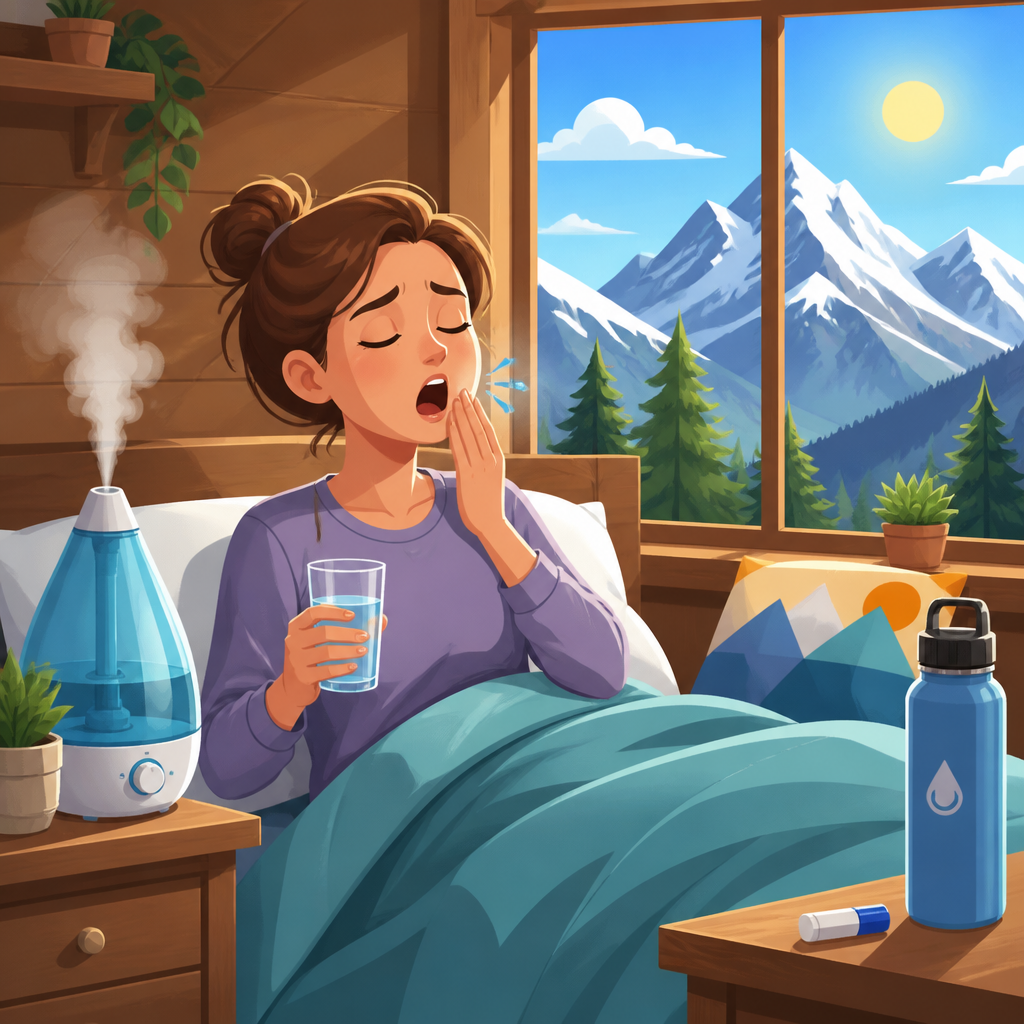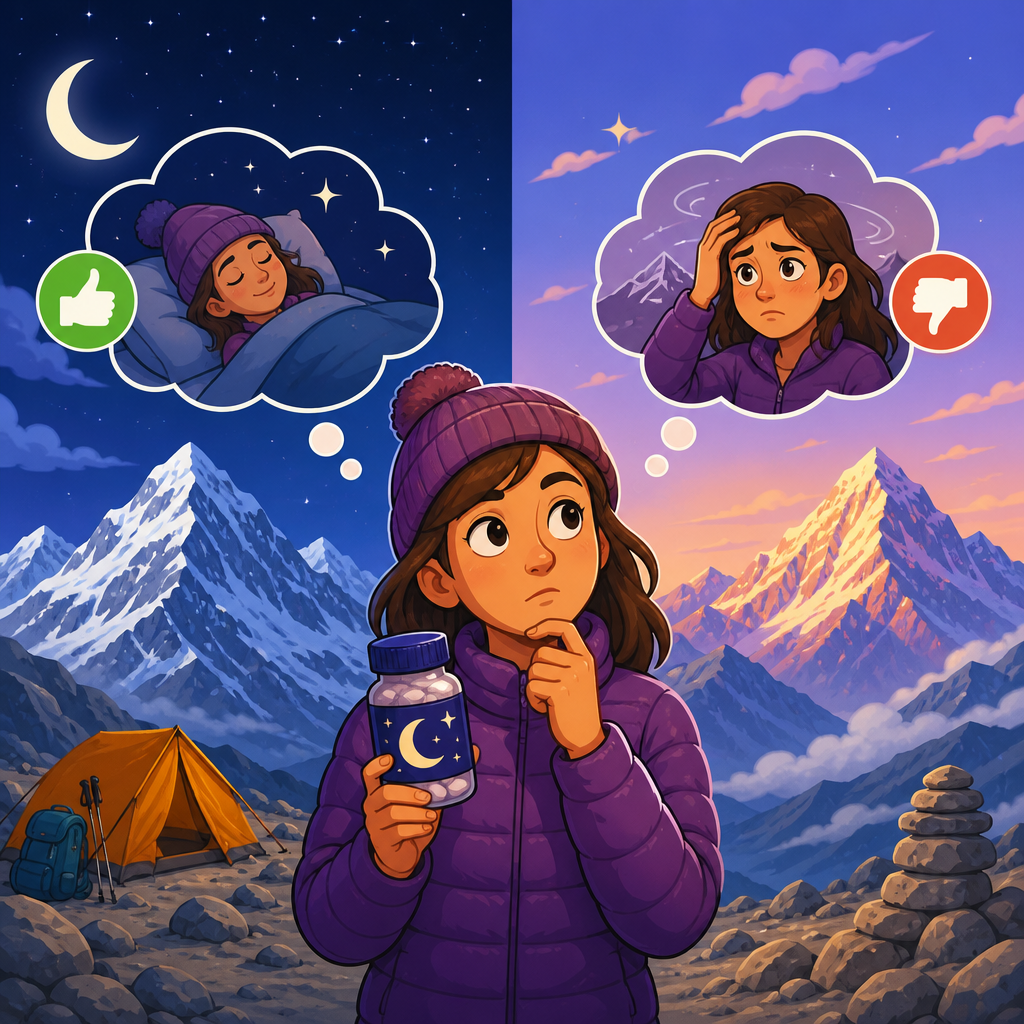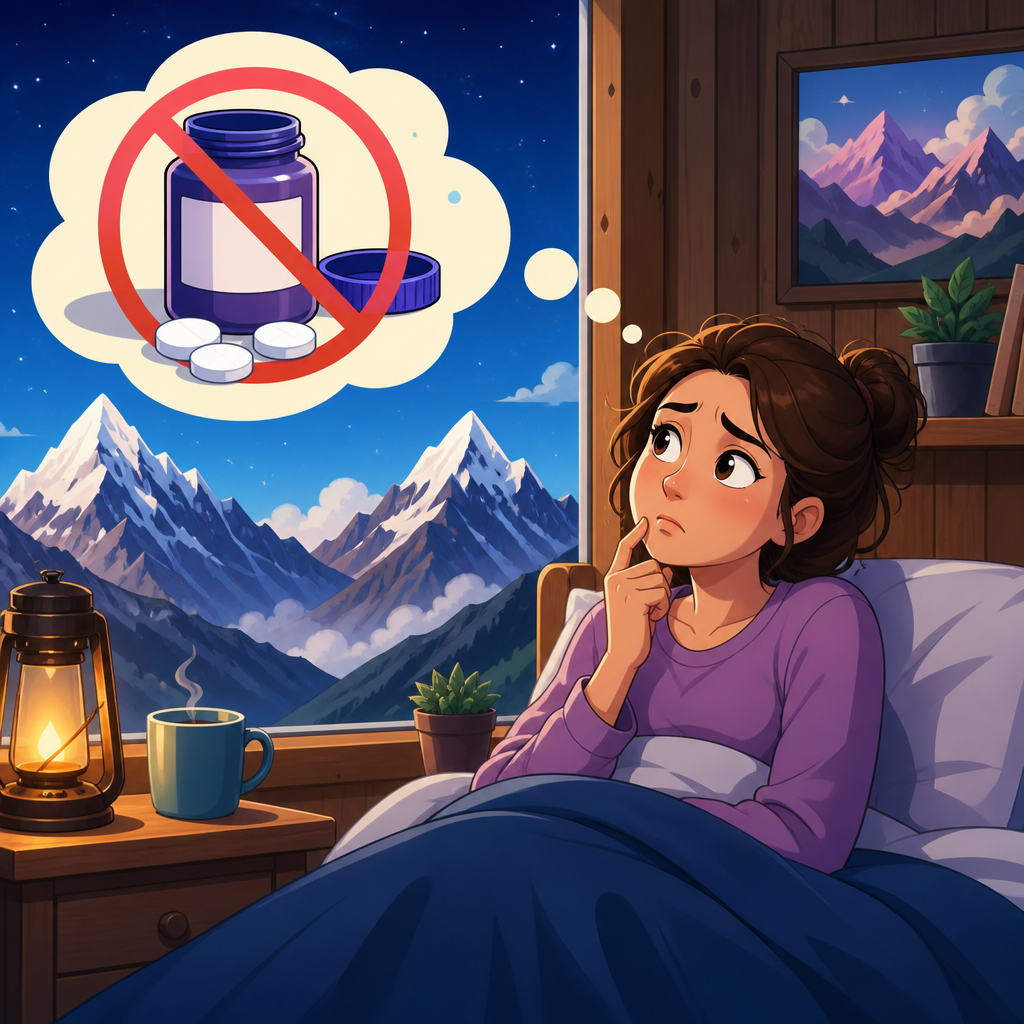
Sleeping pills at altitude can be useful in narrow situations, but most travelers should approach them cautiously because common sedatives can worsen breathing, mask early altitude illness, and impair judgment when quick decisions matter. In mountain medicine, “altitude” usually means elevations above 2,500 meters, where falling oxygen pressure can disrupt sleep, increase nighttime awakenings, and trigger periodic breathing. “Sleeping pills” includes prescription hypnotics such as zolpidem, zaleplon, eszopiclone, benzodiazepines, sedating antihistamines, melatonin, and a wide range of over-the-counter supplements sold for rest. The reason this topic matters is simple: poor sleep is common on treks, ski trips, high camps, and rapid work deployments, yet the wrong substance can trade one problem for a more dangerous one. I have advised climbers, expedition staff, and first-time high-altitude travelers, and the pattern is consistent. People often underestimate how much altitude itself changes normal medication effects. They also overestimate how much one good night of sleep will help if acclimatization, hydration, nutrition, and pacing are poor. This hub explains which sleep aids deserve caution, which options are usually safer, how alcohol, cannabis, caffeine, and supplements fit into the picture, and when no pill is the right answer. If you want a short answer, avoid routine use of strong sedatives at altitude unless a clinician familiar with altitude medicine says they are appropriate for your itinerary, health history, and sleeping environment.
Why altitude changes sleep and drug risk
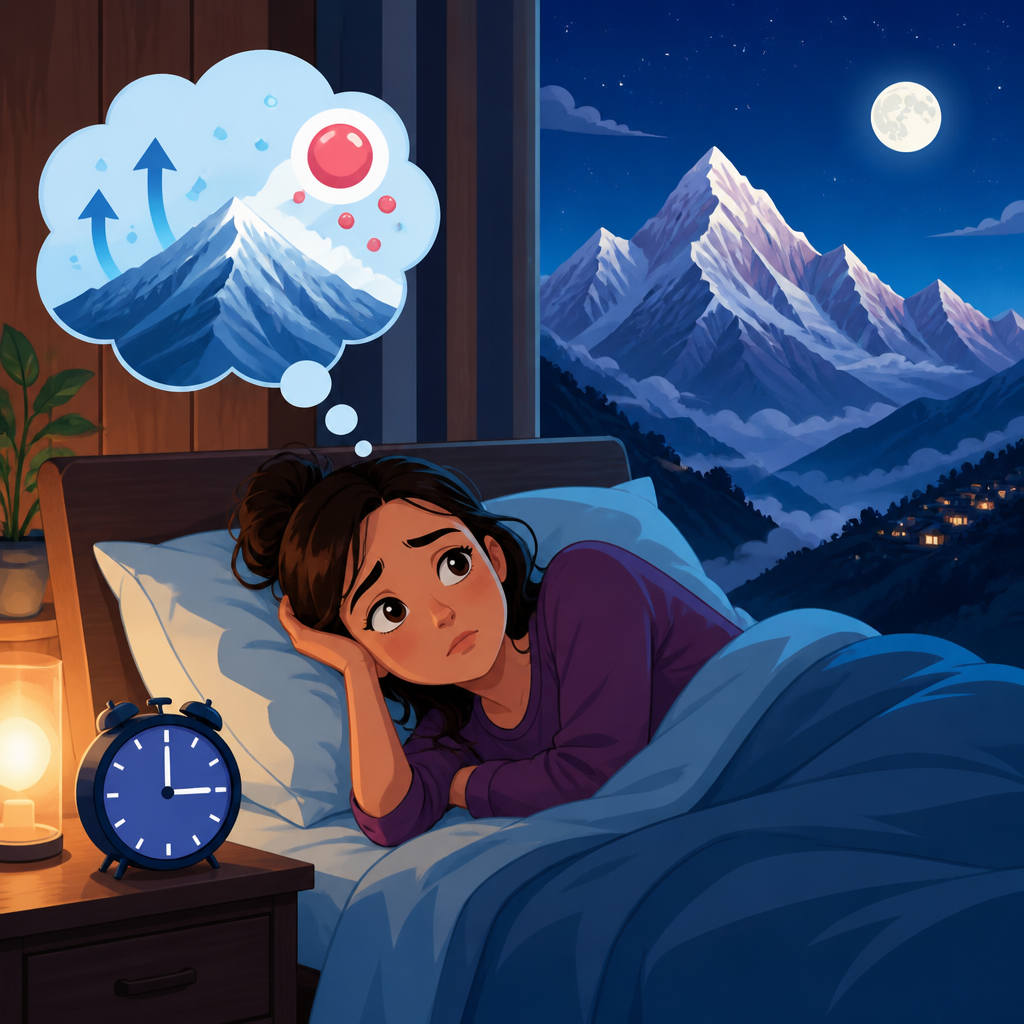
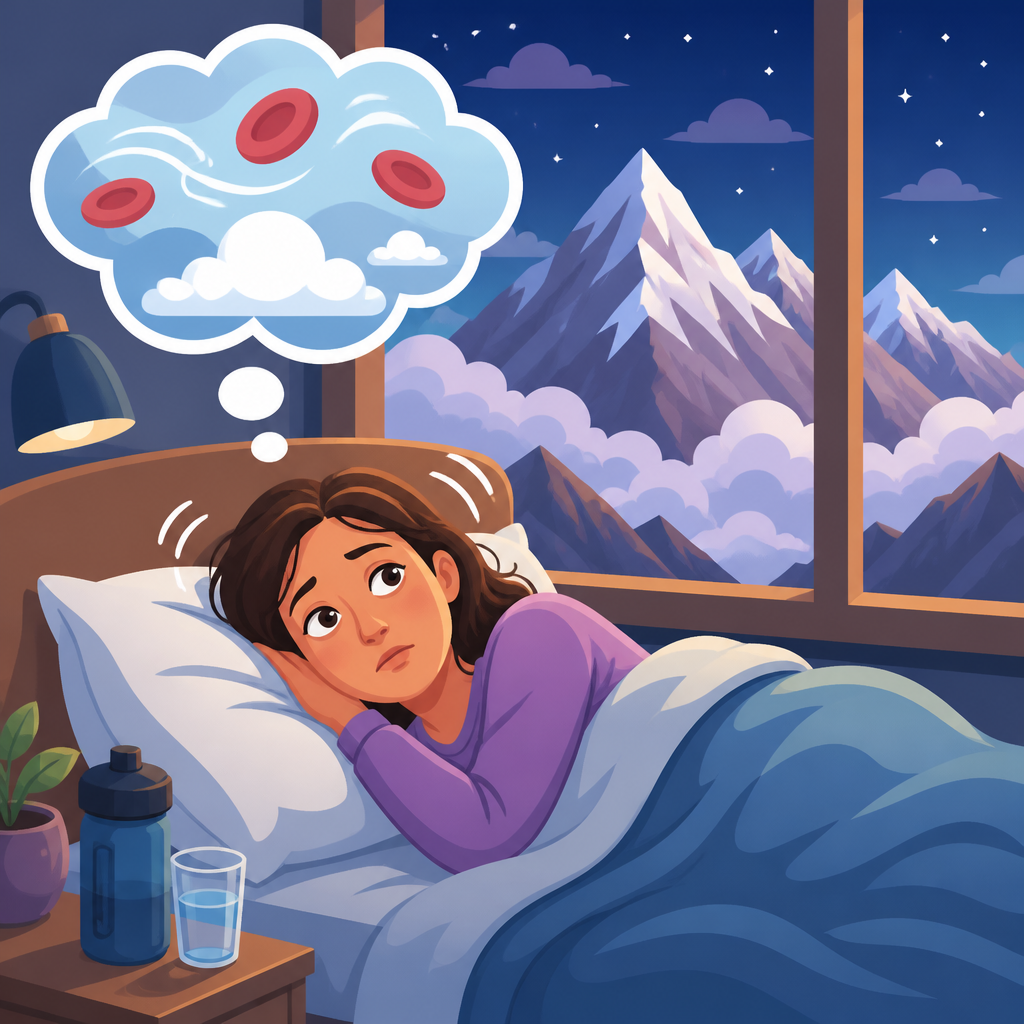
Sleep commonly worsens after ascent because the body is adapting to lower oxygen availability. Many people experience lighter sleep, frequent awakenings, vivid dreams, and a distinct breathing pattern called periodic breathing, in which ventilation waxes and wanes during sleep. At rest, especially overnight, carbon dioxide and oxygen levels can fluctuate enough to cause brief arousals. That means a drug that is mild at sea level may feel stronger, last longer, or carry different risks on the mountain. In practical terms, the concern is not just next-morning grogginess. Sedatives can reduce respiratory drive, blunt awareness of worsening headache or nausea, and make it harder to recognize acute mountain sickness early. That matters most in huts, tents, cold environments, and remote camps where delayed response has real consequences. Good sleep at altitude comes primarily from acclimatization, conservative ascent, warm gear, adequate calories, and timing fluids intelligently. Pills are secondary tools, not the foundation of a high-altitude sleep strategy.
Should you avoid sleeping pills at altitude: the direct answer
You should avoid many sleeping pills at altitude, especially if you are newly arrived, sleeping above 2,500 meters, have symptoms of acute mountain sickness, snore heavily, have sleep apnea, use opioids, or may need to wake quickly for safety. Benzodiazepines such as temazepam, diazepam, and alprazolam are generally poor choices because they can depress breathing and impair coordination. Sedating antihistamines like diphenhydramine and doxylamine are also unattractive because they often cause dry mouth, urinary difficulty, residual sedation, and paradoxically poor-quality sleep. Nonbenzodiazepine hypnotics such as zolpidem or zaleplon may be considered in select, otherwise healthy travelers if tested at sea level first and used in low doses, but they are not risk free. If you have active altitude symptoms, the safest decision is usually not to sedate yourself. Treat the cause, not just the sleeplessness. That may mean resting, delaying further ascent, taking clinician-recommended acetazolamide, improving warmth and comfort, or descending if symptoms progress.
What the evidence says about common substances and supplements
Research in high-altitude sleep is imperfect, but several principles are well established. Drugs that suppress respiration deserve the most caution. Benzodiazepines can worsen hypoventilation and slow reaction time. Alcohol has a similar problem and adds dehydration, fragmented sleep, and poor thermoregulation. Opioids are particularly risky because they further depress breathing. By contrast, acetazolamide, though not a sleeping pill, often improves sleep at altitude indirectly by reducing periodic breathing and supporting acclimatization; it is one of the most useful substances in this whole subtopic. Melatonin can help with sleep timing, especially after travel across time zones, and it does not depress breathing the way stronger sedatives can. Herbal products are less reassuring than marketing suggests because formulations vary, interactions are underreported, and quality control is inconsistent. I have seen travelers rely on a “natural” gummy without realizing it included multiple sedatives plus high-dose melatonin. At altitude, ingredient ambiguity is not a small issue; it is a planning failure.
| Substance | Main concern at altitude | Typical role | Practical guidance |
|---|---|---|---|
| Benzodiazepines | Respiratory depression, impaired coordination, amnesia | Anxiety or insomnia treatment | Generally avoid unless specifically prescribed by a clinician who understands your altitude plan |
| Z-drugs | Residual sedation, complex sleep behaviors, judgment impairment | Short-term insomnia | Consider only selective use after sea-level trial and not with alcohol or altitude symptoms |
| Diphenhydramine or doxylamine | Dry mouth, confusion, urinary retention, “hangover” effect | Over-the-counter sleep aid | Usually not worth it at altitude |
| Melatonin | Variable product quality, vivid dreams in some users | Jet lag and sleep timing support | Often the safer first option if needed |
| Alcohol | Fragmented sleep, dehydration, reduced breathing drive | Social use | Avoid near bedtime, especially after ascent |
| Acetazolamide | Tingling, taste changes, urination, sulfonamide considerations | Prevention and treatment support for altitude illness | Often helps sleep by improving acclimatization rather than sedation |
Safer first-line options before any sedative
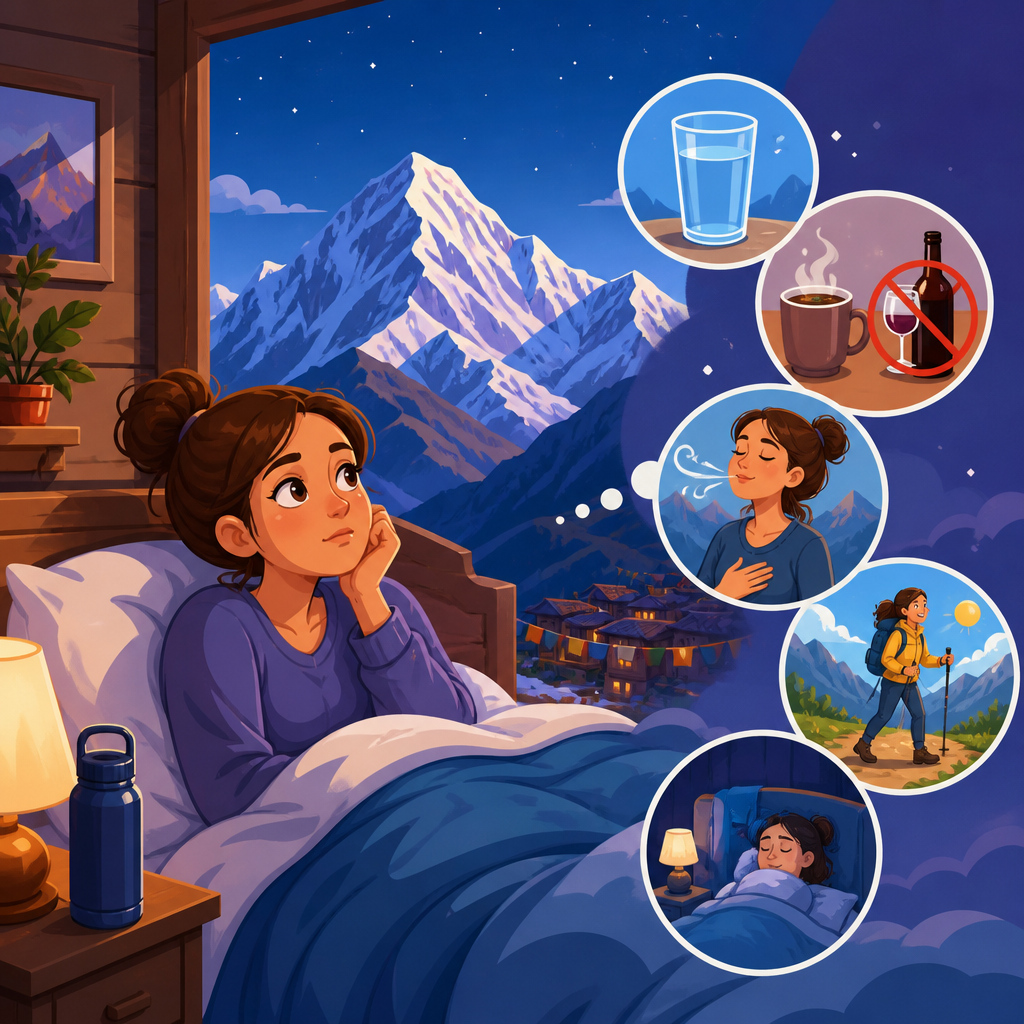
If the question is whether to avoid sleeping pills at altitude, the most useful answer is what to do first instead. Start with ascent discipline. The Wilderness Medical Society has long emphasized gradual ascent, sleeping altitude limits when possible, and extra acclimatization days after large gains. Eat enough carbohydrate, because appetite often falls at elevation while energy demands rise. Hydrate consistently, but do not force excessive water late in the evening or you will guarantee bathroom trips and colder sleep. Warmth matters more than many people expect: an inadequate sleeping pad, compressed down under the hips, or damp socks can create repeated micro-awakenings that people mistakenly blame on altitude alone. I tell teams to fix the tent, bag, pad, hat, meal timing, and headache plan before discussing tablets. If periodic breathing is the main issue and the traveler is suitable for it, acetazolamide frequently helps more than a sedative because it addresses the physiology causing the awakenings. Nasal congestion can also be a hidden culprit, so saline or clinician-approved therapies may improve sleep without systemic sedation.
How to think about caffeine, alcohol, cannabis, and nicotine
These substances shape sleep at altitude as much as classic sleep aids. Caffeine is not the villain many travelers assume. Used earlier in the day, it can support performance, reduce perceived exertion, and help with altitude-related fatigue. The problem is timing and dose. Large amounts after midafternoon commonly delay sleep onset and increase nighttime awakenings, especially in people already stimulated by altitude. Alcohol is far more problematic. It may make you feel drowsy, but it consistently fragments sleep and can worsen oxygen drops overnight. Cannabis is complicated because legal status, product strength, and formulations vary widely. Some users feel it helps them fall asleep, yet THC can impair cognition, reaction time, and balance, which is a poor trade in an alpine environment. Edibles are especially unpredictable because onset is delayed and duration is long. Nicotine, whether smoked or vaped, is stimulating and can worsen sleep continuity. The practical rule is straightforward: simplify your substance use as elevation increases. When sleep is fragile and breathing is challenged, unpredictability is your enemy.
Who should be especially careful with sleep aids at altitude
Certain groups should use much more caution than the average traveler. Anyone with obstructive sleep apnea, chronic lung disease, asthma requiring frequent rescue inhaler use, obesity hypoventilation, or significant cardiovascular disease should discuss altitude plans and sleep medications with a clinician in advance. So should older adults, because sedatives raise fall risk and nighttime confusion in unfamiliar environments. People taking opioids, gabapentinoids, antidepressants with sedating effects, antipsychotics, or multiple antihistamines are at higher risk of additive sedation. Children and adolescents deserve an even more conservative approach; altitude sleep disruption in young travelers should prompt attention to ascent rate, hydration, warmth, and illness symptoms rather than improvised medicating. Pregnancy adds another layer, since both altitude exposure and medication choice require individualized review. I also worry about solo travelers, because no one is present to notice worsening symptoms or unusual drug reactions. If your itinerary includes glacier travel, summit starts, avalanche terrain, exposed ladders, or early-morning vehicle transfers, residual impairment from a sleep aid is not a minor inconvenience. It is a safety hazard.
How this hub fits the broader substances and supplements strategy
This page serves as the hub for the broader “Substances & Supplements” topic within sleep, hydration, and nutrition at altitude. In practice, these categories overlap. Travelers searching about sleeping pills often also need clear guidance on acetazolamide, ibuprofen for altitude headache, iron status for endurance at elevation, electrolytes, caffeine strategy, protein intake during trekking, alcohol limits, and whether magnesium, valerian, or CBD are worth packing. The organizing principle is simple: choose interventions that support acclimatization, recovery, and clear decision-making, and avoid those that cloud symptoms or suppress breathing. For internal planning, I separate substances into four buckets. First are acclimatization-supporting tools, such as acetazolamide when appropriate. Second are symptom-targeted medications, such as clinician-approved analgesics or antiemetics. Third are performance-supporting substances, mainly caffeine with disciplined timing. Fourth are high-ambiguity products, including many sleep gummies, proprietary blends, and unregulated herbals. The last group creates the most preventable problems. Mountain environments reward boring reliability over novelty, especially at night.
When a sleep aid may be reasonable and how to use one more safely
A sleep aid may be reasonable when the traveler is otherwise healthy, has no altitude illness symptoms, has already tested the medication at sea level, is sleeping in a controlled setting, and poor sleep itself threatens function more than the medication does. Examples include a business traveler at a high city like La Paz who must recover after jet lag, or a climber at a moderate altitude lodge during a staged acclimatization schedule. Even then, lower doses are better, combinations are worse, and first-night use after rapid ascent is the highest-risk scenario. Never mix a hypnotic with alcohol, opioids, or unfamiliar supplements. Keep a simple log of dose, bedtime, awakenings, and next-day effects; patterns become obvious quickly. If the medication causes confusion, unusual behavior, significant morning grogginess, or breathing concerns, stop it and reassess the whole sleep plan. The best question is not “What can knock me out?” It is “What preserves sleep while keeping breathing, awareness, and mobility intact?” At altitude, that distinction protects people.
The bottom line is that most people should avoid routine reliance on sleeping pills at altitude, especially strong sedatives or anything untested and combined with other substances. Altitude insomnia is usually a sign to improve acclimatization, sleeping conditions, substance timing, and symptom management before reaching for a hypnotic. The safest options are the ones that do not suppress breathing and do not hide a worsening mountain illness. For many travelers, that means prioritizing gradual ascent, warmth, adequate calories, disciplined caffeine use, and clinician-guided acetazolamide when indicated. Melatonin can have a role, but it is still a tool, not a solution. Alcohol, antihistamines, and benzodiazepines are common mistakes. If you remember one principle, make it this: at altitude, the goal is not sedation at any cost; the goal is restorative sleep without sacrificing respiratory safety or judgment. Use this hub as your starting point for every substances-and-supplements decision, then build a personalized plan before your next trip.
Frequently Asked Questions
Should you avoid sleeping pills at altitude?
In many cases, yes, at least until you know how your body is responding to the elevation. At altitude, especially above about 2,500 meters, sleep often becomes lighter, more fragmented, and less satisfying because lower oxygen pressure can trigger frequent awakenings and a breathing pattern called periodic breathing. That can make sleeping pills seem appealing, but common sedatives are not always a simple fix. Some can depress breathing, dull your awareness of worsening symptoms, or make it harder to recognize early signs of acute mountain sickness, such as headache, nausea, unusual fatigue, dizziness, or confusion.
That does not mean sleeping medications are never used in mountain settings. In carefully selected situations, certain sleep aids may be reasonable for people who are already acclimatized, sleeping in a controlled environment, and have discussed the choice with a clinician familiar with altitude travel. The key point is that most travelers should be cautious rather than casual. If you are newly arrived at altitude, feeling unwell, ascending quickly, or sleeping somewhere remote where nighttime problems could require fast decisions, avoiding routine use of sleeping pills is often the safer approach.
Why can sleeping pills be risky in the mountains?
The main concern is that altitude already stresses the body’s breathing system, and many sedative medications can add to that stress. At higher elevations, oxygen levels are lower, and the body compensates by changing how you breathe. During sleep, this can become unstable, leading to periodic breathing, where breathing speeds up and slows down in cycles. Some sleeping pills and sedating medications may blunt normal breathing drive or reduce your ability to wake up fully when oxygen drops, which can make nighttime oxygenation worse in some people.
There are also practical safety issues. Sedatives can impair balance, reaction time, judgment, and coordination, all of which matter in mountain environments. If you need to get up at night to use the bathroom, respond to a weather change, help a companion, or recognize worsening altitude illness, being groggy or confused can create real risk. Another problem is symptom masking. A medication may make you less aware of headache, restlessness, or shortness of breath, delaying the decision to stop ascending or descend. Finally, side effects such as sleepwalking, unusual behavior, next-day sedation, and interactions with alcohol or other medicines can be more serious when you are far from medical support.
Are any sleep aids safer than others at altitude?
Potentially, but “safer” does not mean risk-free, and the decision depends on the specific medication, the altitude, your health, and how well acclimatized you are. The category of “sleeping pills” is broad. It includes prescription hypnotics such as zolpidem and zaleplon, benzodiazepines such as temazepam or diazepam, over-the-counter antihistamines such as diphenhydramine and doxylamine, melatonin, and alcohol used as a sleep aid. These are not equivalent. Benzodiazepines and many sedating antihistamines are often viewed more cautiously because they can cause lingering sedation, impaired coordination, and in some cases greater concern about breathing effects. Alcohol is also a poor choice because it fragments sleep, worsens dehydration, and can further impair breathing and judgment.
Some clinicians may consider specific short-acting sleep aids in limited circumstances, particularly after acclimatization and in travelers without respiratory disease, sleep apnea, severe fatigue, or active altitude symptoms. Melatonin may be useful for some people, especially when jet lag is part of the problem, because it is not a classic respiratory depressant, although it still should not be treated as universally harmless. The safest approach is to avoid experimenting for the first time on a high-altitude trip. If you think you may need a sleep aid, discuss it before travel with a clinician who understands high-altitude medicine, and test any prescribed medication at low altitude first so you know how you respond.
When is it especially important not to take a sleeping pill at altitude?
You should be particularly cautious if you have any symptoms of altitude illness, including headache with nausea, vomiting, dizziness, unusual weakness, poor coordination, confusion, or shortness of breath that seems worse than expected. In those settings, sedating yourself can delay recognition that the problem is progressing. It is also wise to avoid sleeping pills if you have just made a rapid ascent, are sleeping at a new highest elevation, or are in a remote setting where help is limited and nighttime decisions may matter. If weather, route conditions, or camp logistics could require you to wake up and act quickly, sedation may create more risk than benefit.
Other higher-risk situations include having sleep apnea, chronic lung disease, significant asthma, opioid use, alcohol use, or taking other medications that already cause drowsiness. People with a history of unusual reactions to sleep medications, falls, sleepwalking, or confusion should be especially careful. The same goes for anyone who is dehydrated, exhausted, or not eating well, since those factors can intensify side effects. In short, if breathing, judgment, balance, or symptom monitoring are especially important on a given night, taking a sleeping pill is often not the best move.
What should you try before using sleeping medication at altitude?
The most effective strategy is usually prevention through smart ascent and acclimatization. Climb gradually when possible, avoid sleeping much higher each night once you are above roughly 2,500 meters, and build in rest or acclimatization days on longer itineraries. Good hydration, adequate calories, and avoiding heavy alcohol intake can also improve how you feel overnight. If jet lag is part of the issue, address that separately with light exposure, schedule adjustment, and, when appropriate, melatonin under guidance.
For sleep itself, focus on non-drug measures first. Keep warm, use a comfortable sleep system, minimize noise and light, and avoid large late meals or excess caffeine close to bedtime. Expect some disrupted sleep during the first nights at altitude; a rough night does not always mean something is wrong. If you suspect altitude is affecting sleep significantly, talk with a qualified clinician about whether preventive or treatment strategies for altitude illness are more appropriate than simply sedating the problem. The bottom line is that if sleep trouble at altitude is mild, temporary, and improving as you acclimatize, patience and conservative measures are usually better than reaching immediately for a sleeping pill.