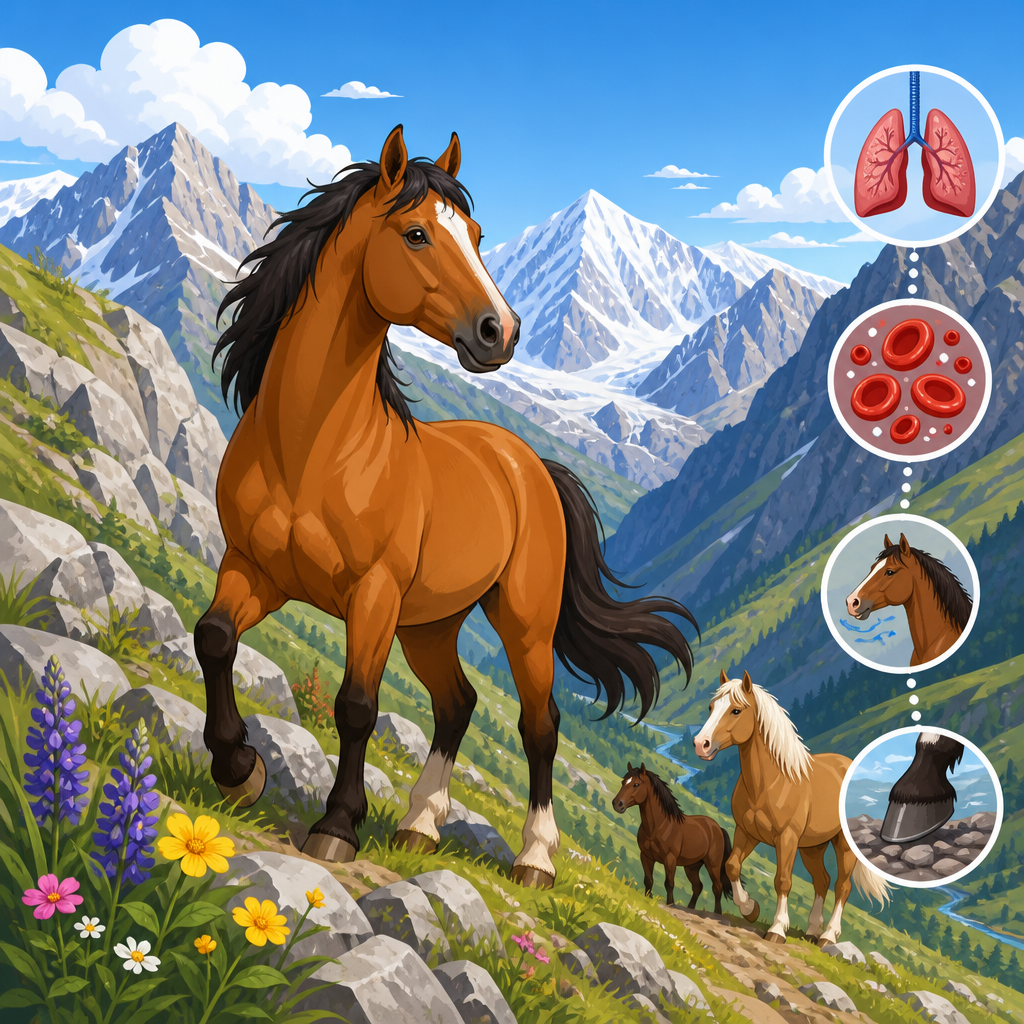
How horses acclimate to mountain environments depends on a coordinated set of changes in breathing, circulation, metabolism, hydration, hoof wear, feeding behavior, and daily management. In practical terms, acclimation is the adjustment period that lets a horse function safely at higher elevations, steeper grades, colder nights, stronger sun, and thinner air than it normally experiences. For owners focused on pet health and planning, this topic matters because mountain travel, relocation, trail riding, endurance work, and seasonal boarding all place new demands on the horse’s body. I have managed horses moving from lowland facilities to high-country camps, and the pattern is consistent: the horses that adapt best are not simply fit, but carefully prepared, monitored, and introduced to altitude in stages. Good planning reduces respiratory strain, dehydration, weight loss, muscle fatigue, and avoidable hoof or gastrointestinal problems.
Mountain environments challenge horses in several ways at once. Altitude lowers available oxygen, which increases breathing rate and heart workload. Cooler temperatures can disguise fluid loss, while dry air increases evaporation from the lungs. Terrain adds concussion on descents, muscular effort on climbs, and greater risk of slips on rock, mud, snow, or loose shale. Forage often differs from familiar pasture, turnout may be limited, and transport to remote areas can add stress before acclimation even begins. Pet health and planning therefore means more than packing tack. It includes pre-trip conditioning, veterinary review, transport timing, feed strategy, water management, first-aid preparation, route selection, and recovery time after arrival. When those pieces are handled correctly, most healthy horses can adapt well and remain comfortable, useful, and safe in mountain conditions.
What happens in a horse’s body at altitude
The first and most immediate response to altitude is increased respiration. Because each breath contains less oxygen at higher elevations, the horse compensates by breathing faster and, to a point, deeper. Heart rate also rises to deliver oxygen more efficiently to working muscles. In the first days, many horses appear bright at rest yet tire early on climbs because oxygen delivery is still limited. Over time, the body improves efficiency through better ventilatory response, plasma volume shifts, and, with longer stays, increased red blood cell production stimulated by erythropoietin. This is not instant. A horse unloaded from a trailer at 7,000 feet may walk around comfortably, but asking for hard work that same day is poor management.
Altitude response varies by age, fitness, breed, previous exposure, and underlying health. A fit trail horse with regular hill work usually adapts faster than a sedentary horse, but fitness does not erase the oxygen challenge. Horses with inflammatory airway disease, a history of exercise intolerance, anemia, cardiac murmurs, or poor body condition need extra caution and veterinary input before mountain travel. In my experience, owners often underestimate the interaction between transport stress and altitude. A long trailer ride suppresses drinking, stiffens muscles, and disrupts feeding. If that horse is then asked to climb steep switchbacks within hours of arrival, normal acclimation is replaced by preventable overload. The safe approach is to separate travel stress from work stress whenever possible.
How long acclimation takes and what to expect
Most horses show the first phase of acclimation within several days, but meaningful adjustment for sustained riding or pack work commonly takes one to three weeks, depending on elevation gain and workload. At moderate elevations, an easy horse may settle quickly with only mild increases in resting respiration and water demand. At higher elevations, especially above about 6,000 to 8,000 feet, the adjustment is more obvious. Owners should expect temporary reductions in stamina, a higher respiratory rate during exertion, increased urination early on, and changes in appetite if forage or routine changes abruptly. These are management signals, not reasons to panic, provided the horse remains hydrated, alert, and afebrile.
A simple rule works well: arrive, rest, assess, then build work gradually. Day one should emphasize unloading, access to water, hay, and quiet walking. Day two can include light hand walking or an easy hack on level ground. Climbing intensity should increase only after the horse is eating and drinking normally and recovering well after light exercise. If you are planning a multi-day mountain trip, scheduling two low-demand days at base camp is often the best investment in your horse’s health. Riders who rush this timeline often mistake normal acclimation fatigue for laziness, then create soreness, tying-up risk, or feed refusal by pushing too early.
Conditioning before the move or trip
The best mountain acclimation plan starts at home. Horses need aerobic conditioning, musculoskeletal preparation, and exposure to the kind of footing and workload they will meet in the mountains. A practical program includes long walking sets, gradual trot intervals, hill work if available, and strength-building transitions. Even in flat regions, raised poles, interval training, and longer low-intensity rides can improve cardiovascular capacity and soft-tissue resilience. I prefer to build duration before speed because mountain horses spend more time climbing, balancing, and recovering than moving fast. Core stability and hindquarter strength matter as much as raw fitness.
Preparation also includes preventive care. Hooves should be trimmed or shod with mountain footing in mind, not by the calendar alone. A horse traveling over granite, shale, or packed gravel may need more protection or traction than one living on soft pasture. Dental care affects feed efficiency; a horse that cannot chew hay well will lose condition faster at altitude. Vaccination, parasite control, and current health records are part of planning, especially when crossing state lines or boarding temporarily. If the horse takes medications, confirm storage requirements and competition withdrawal rules where relevant. These details are not glamorous, but they are exactly what keep a mountain trip routine instead of complicated.
Hydration, electrolytes, and feeding in mountain conditions
Hydration is the most common weak point in mountain management. Horses lose water through sweat, respiration, and manure, and the dry air at elevation increases insensible loss even when temperatures feel pleasant. Some horses also drink less from unfamiliar buckets, mineral-tasting water sources, or icy troughs. The result can be dehydration, slower gut motility, reduced appetite, and poorer exercise recovery. Owners should monitor water intake directly rather than assuming it is adequate. Offering soaked hay cubes or beet pulp, flavoring water consistently before and during travel, and providing loose salt can all support intake. Checking capillary refill, gum moisture, manure texture, and skin tenting gives useful daily clues, though none replaces actual intake tracking.
Feed changes should be conservative. Good-quality forage remains the foundation because hindgut fermentation supports energy and heat production. Sudden shifts from pasture to rich alfalfa, or from familiar hay to sparse mountain grazing, can upset the gastrointestinal tract. Concentrates should match workload, not owner anxiety. Overfeeding grain to “boost energy” often creates more risk than benefit. For horses doing sustained climbing, adding calories through digestible fiber and, where appropriate, fat is usually steadier than sharply increasing starch. Electrolytes are valuable when sweat losses rise, but they are not interchangeable with salt blocks alone and should be paired with reliable water access.
| Planning area | Best practice in mountain environments | Common mistake |
|---|---|---|
| Arrival | Allow 24 to 48 hours of light activity before hard climbs | Riding strenuously the same day as transport |
| Hydration | Measure water intake and offer soaked forage | Assuming cool weather prevents dehydration |
| Feeding | Keep forage consistent and change concentrates gradually | Adding large grain meals for quick energy |
| Hoof care | Select trim, shoeing, or boots for rock and traction | Using the same setup as soft lowland footing |
| Workload | Increase duration and elevation gain in stages | Pushing pace before recovery is normal |
| Monitoring | Track appetite, manure, respiration, and attitude daily | Waiting for severe symptoms before adjusting plans |
Hooves, muscles, and movement on steep terrain
Mountain footing changes how horses move and where they fatigue. Climbs demand hindquarter engagement and aerobic capacity, while descents load the forehand, shoulders, and supporting soft tissues. Short, controlled steps are safer than rushing. Horses need time to learn balance on irregular surfaces, particularly if they come from arenas or level pasture. On rock, concussion and sole sensitivity can limit performance long before cardiovascular fitness does. That is why hoof planning is central to pet health and planning in mountain settings. Depending on the horse, this may mean a fresh trim, rim shoes, pads, studs where appropriate and legal, or well-fitted hoof boots carried with spare gaiters.
Muscle soreness often appears a day after work, not during it. A horse that looked merely tired on a steep ride may come out stiff, reluctant to turn, or back-sore the next morning because stabilizing muscles were overused. Warm-up and cool-down become more important on cold mountain mornings, and post-ride checks should include digital pulses, hoof temperature, back palpation, and inspection for interference cuts. If the horse starts forging, stumbling, or dragging toes, treat that as fatigue information. The correct response is to shorten the day or rest, not to “ride through it.” Long-term soundness is protected by conservative choices made early.
Weather, sun, insects, and environmental exposure
Many owners plan for cold and forget sun and weather volatility. Mountain air is thinner, ultraviolet exposure is stronger, and conditions can shift from warm sun to sleet within hours. Horses with pink skin, white faces, or sparse coats are more prone to sunburn, especially on the muzzle. Dark-coated horses may overheat when climbing in full sun even when ambient temperatures seem mild. Blanketing decisions should be based on the individual horse, wind exposure, wetness, and overnight lows rather than habit. A clipped horse that is comfortable at sea level may need substantial protection at elevation, while a hardy native type may require only shelter and dry forage.
Environmental exposure also includes insects, toxic plants, and wildlife stress. High-country pastures may contain species unfamiliar to lowland owners, so local plant knowledge matters. County extension offices, veterinarians, and land managers are often the best sources for region-specific risks. In some mountain areas, mosquitoes near water drive head tossing and poor grazing; in others, flies are minor but biting midges or ticks matter. Horses stabled near elk, deer, or predators may pace at night until they settle. Planning for mountain health means controlling the small stressors that drain recovery: fly protection, shade, shelter, turnout safety, and enough quiet time to sleep.
Monitoring health and knowing when to stop
Good mountain horse management is built on observation. Before a trip, owners should know the horse’s normal resting temperature, pulse, respiration, manure output, and drinking habits. At altitude, those baselines help separate expected adjustment from brewing illness. Warning signs that deserve immediate attention include persistent elevated respiration at rest, repeated coughing, blue or muddy gums, refusal to drink, absence of manure, obvious ataxia, marked lethargy, or swelling and heat in limbs after work. Colic risk rises when transport, dehydration, and feed change overlap, so reduced gut sounds and dry feces should never be dismissed.
Emergency planning belongs in every hub discussion of pet health and planning. Carry a thermometer, stethoscope if you know how to use one, bandaging supplies, electrolyte options, hoof boot or repair materials, and written veterinary contacts for the area. Cell service may fail in mountain terrain, so know the nearest trailer access points and human medical limitations as well. If a horse cannot recover normally after light exertion, stop the workload and reassess. Acclimation is successful when the horse remains eager, hydrated, sure-footed, and recoverable from effort. Build your mountain plans around that standard, and use your veterinarian, farrier, trainer, and local trail knowledge to make each trip safer, kinder, and more rewarding.
Frequently Asked Questions
How long does it usually take a horse to acclimate to a mountain environment?
Most horses need several days to a few weeks to adjust well to mountain conditions, and the exact timeline depends on how high they are going, how fit they are beforehand, their age, overall health, and how quickly the change in elevation happens. In the first phase of acclimation, the horse’s breathing rate and heart rate often increase because thinner air delivers less oxygen with each breath. Over time, the body begins to compensate through more efficient respiration, changes in circulation, and gradual metabolic adjustment that help the horse work more comfortably at altitude. A horse that is trailered from low elevation to a mountain location and immediately asked to climb steep grades may struggle far more than one that is introduced gradually with light work, rest periods, and close monitoring.
For practical planning, owners should think of acclimation as a staged process rather than a single milestone. The first few days are best used for quiet turnout, hand walking, or easy riding. If the horse remains bright, hydrated, willing to eat, and recovers normally after effort, work can be increased in small steps. Full adaptation to a demanding mountain routine may take longer, especially if the horse also has to adjust to colder nights, unfamiliar forage, rougher footing, and increased water loss from dry air and exercise. A conservative schedule lowers the risk of overexertion, poor recovery, dehydration, and hoof soreness, all of which can interfere with safe mountain travel.
What physical changes help horses cope with high altitude and steep mountain terrain?
Horses acclimate to mountain environments through a coordinated set of changes involving the lungs, heart, blood flow, muscles, hydration balance, and energy use. At higher elevations, a horse typically breathes faster and sometimes more deeply to take in as much oxygen as possible. The cardiovascular system also responds by increasing heart output so oxygen can be delivered to working muscles more efficiently. With time, the horse’s body becomes better at supporting exercise in lower-oxygen conditions, and the animal often shows improved recovery compared with the first days at altitude.
Mountain terrain adds another layer of adaptation because climbing and descending place special demands on muscles, joints, balance, and hoof wear. Uphill travel requires greater effort from the hindquarters, while downhill movement increases strain on the forelimbs and challenges coordination. Horses gradually learn to regulate stride length, distribute weight more carefully, and move more efficiently over rocky or uneven ground. Their feeding and drinking patterns may shift as well, especially if temperatures are cooler at night and exercise is spread across long trail days. In short, acclimation is not just about surviving thinner air. It is a whole-body adjustment that includes stamina, footing, hydration, energy conservation, and day-to-day management.
What are the warning signs that a horse is not adjusting well to mountain conditions?
Owners should watch closely for signs that a horse is struggling rather than adapting. Common red flags include persistent heavy breathing after mild exertion, unusually slow recovery of heart rate, marked fatigue, reluctance to move forward, stumbling, poor appetite, reduced water intake, dry manure, muscle soreness, and a dull or anxious attitude. Some horses become noticeably less willing on steep climbs, while others may seem normal at rest but tire quickly once work begins. These changes matter because they can signal that the horse is not handling the combined stress of altitude, exertion, colder nights, and unfamiliar terrain.
Hydration and hoof comfort are especially important to monitor. Mountain air can be dry, travel can be physically demanding, and horses may drink less if water tastes unfamiliar or if routines change. Dehydration can quietly worsen performance and recovery. At the same time, rocky trails and increased mileage can lead to excessive hoof wear, bruising, or tenderness that shows up as shortened stride, careful foot placement, or reluctance on descents. If a horse is breathing hard for too long, refusing feed or water, acting weak, showing abnormal gait changes, or simply not recovering as expected, the safest response is to reduce work, rest, reassess conditions, and consult a veterinarian when signs are significant or persistent.
How should feeding and hydration be managed when a horse is acclimating to the mountains?
Feeding and hydration management are central to successful acclimation because mountain travel changes energy demands, water loss, and grazing behavior. Horses working at altitude and on steep grades often burn more energy, but that does not mean they should be overloaded with concentrates right away. In most cases, forage should remain the nutritional foundation, since steady fiber intake supports gut health and helps maintain normal digestive function during periods of travel or relocation. Any feed changes should be made gradually, especially if the horse is moving from one region to another and encountering different hay, pasture, or feeding schedules. A sudden switch in diet can create digestive upset at exactly the time the horse also needs to cope with environmental stress.
Water intake deserves daily attention. Horses may lose more fluid through respiration and exercise, and some drink less in unfamiliar settings. Owners should encourage regular drinking by offering frequent access to clean water, keeping routines consistent, and watching for practical signs of dehydration such as tacky gums, reduced manure moisture, and sluggish recovery after work. Electrolyte support may be helpful for horses sweating during long rides or packing trips, but it should be used thoughtfully and ideally in line with the horse’s workload and veterinary guidance. Good acclimation nutrition is not about pushing calories aggressively. It is about supporting appetite, digestive stability, fluid balance, and steady energy over several days or weeks.
What daily management steps help a horse acclimate safely to mountain travel or relocation?
The best daily management approach is gradual, observant, and flexible. Horses generally do best when elevation gain, workload, and exposure to rugged terrain increase in measured steps rather than all at once. During the first days, light exercise, turnout, and ample rest are usually more beneficial than demanding rides. Owners should check breathing effort, recovery time, hydration, appetite, manure output, attitude, and limb soundness every day. These basic observations often reveal whether the horse is adapting normally or whether the plan needs to be slowed down. When possible, schedule harder efforts only after the horse is resting comfortably, eating well, and recovering normally from easier work.
Hoof care, weather protection, and trail planning also matter more in mountain settings than many owners expect. Rough terrain can increase hoof wear quickly, so shoeing, trimming, or hoof protection should be considered before the trip rather than after soreness develops. Colder nights and stronger sun at elevation mean horses may need shelter, blanketing decisions based on the individual animal, and thoughtful timing of work to avoid extreme midday exposure or sudden temperature drops. Good mountain management also includes allowing time for grazing breaks, using realistic mileage goals, and avoiding the temptation to match the pace of fitter or already-acclimated horses. A horse that is introduced carefully, monitored closely, and managed conservatively is much more likely to settle into mountain conditions safely and comfortably.