Bodybuilders who train, live, or travel at altitude should usually adjust both protein and water intake, because thinner air changes appetite, breathing rate, recovery demands, and fluid loss in ways that directly affect muscle retention and gym performance. Altitude generally refers to elevations above about 1,500 meters, with more noticeable performance effects often appearing above 2,000 meters and becoming significant above 2,500 meters. For strength athletes, the practical question is not whether altitude matters in theory, but how much it changes daily nutrition, training quality, and recovery when the goal is preserving lean mass while still progressing in the gym.
I have worked with lifters who moved from sea level to mountain cities, competitors who used high-elevation camps before returning to lower elevations, and hikers who wanted to keep bodybuilding-style training effective on trips. The pattern is consistent: altitude affects bodybuilders differently from endurance athletes, but it still matters. Reduced oxygen availability can increase fatigue between sets, raise respiratory water loss, disturb sleep, blunt appetite during the first days, and make hard training feel less repeatable. At the same time, many bodybuilders are already managing high-protein diets, creatine, sodium intake, carbohydrate timing, and deliberate hydration. Altitude changes the margins for error.
Protein needs are the amount of dietary protein required to maintain muscle protein synthesis, support recovery, and limit muscle breakdown. Water needs include total daily fluid intake from beverages and food, adjusted for sweat rate, urine output, climate, and activity. In bodybuilding, those two variables are linked. If a lifter underhydrates, training volume drops, pumps feel worse, digestion can slow, and bodyweight readings become noisy. If protein intake is too low while appetite is suppressed or energy expenditure rises from more walking, hiking, or shivering in cooler environments, maintaining lean mass becomes harder. Understanding those interactions is what makes this topic important for anyone combining strength and gym training with mountain travel or high-altitude living.
This article serves as a hub for strength and gym training within fitness, hiking, and performance. The aim is to answer the core question directly while also mapping the bigger picture: how altitude changes resistance training capacity, what signs indicate that intake should be raised, where common mistakes happen, and how bodybuilders can organize meals, hydration, supplements, and workouts for reliable results. The short answer is yes, adjustments are often warranted, but the correct adjustment depends on elevation, acclimatization status, session length, climate, and whether the athlete is bulking, cutting, maintaining, or preparing for an event.
How altitude changes bodybuilding performance
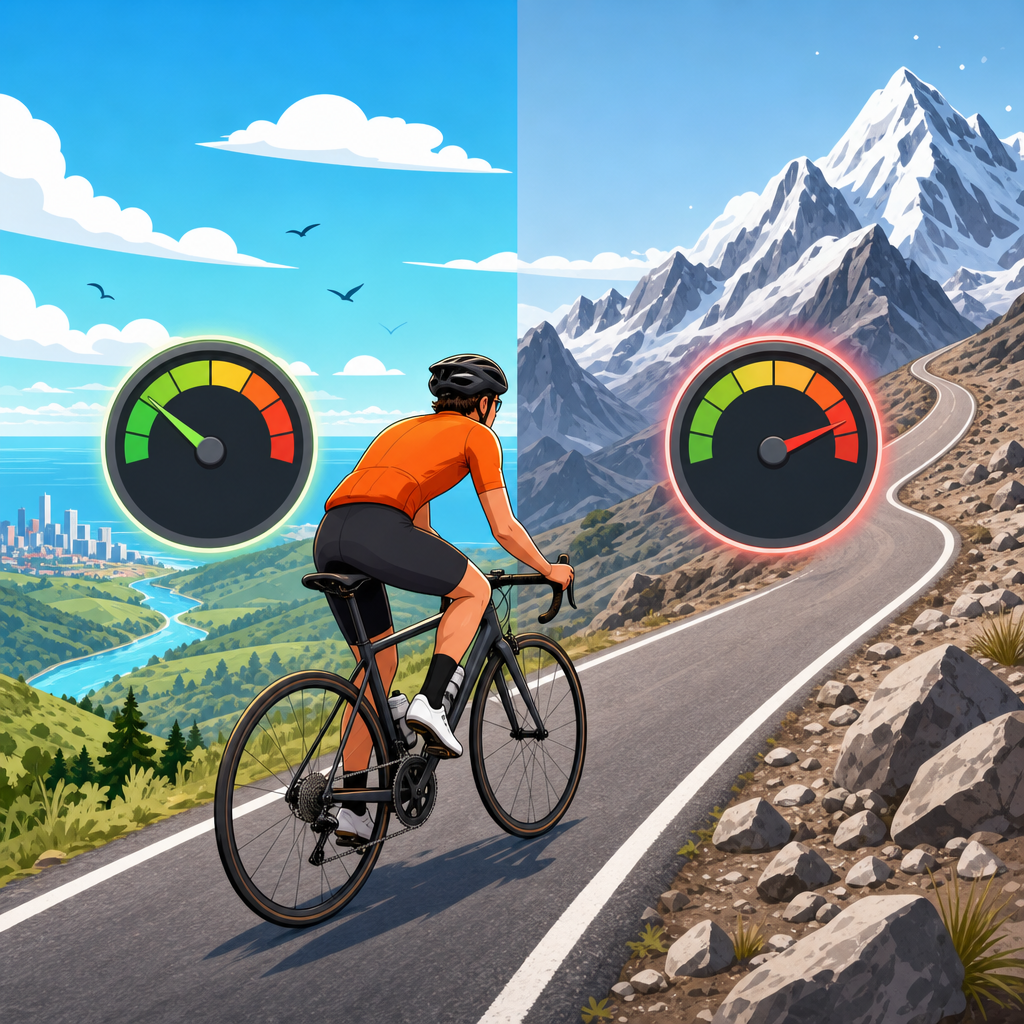
Altitude reduces the partial pressure of oxygen, which means less oxygen is available for working muscles and for recovery between efforts. Heavy single repetitions are often less affected than repeated high-volume work, but bodybuilding usually depends on moderate to high training volume, short to moderate rest periods, and enough work to create a hypertrophy stimulus. That is exactly where altitude can become noticeable. A lifter might still hit top sets on squats or presses yet struggle to sustain accessory work, supersets, or high-rep finisher sets. Perceived exertion rises faster, and session quality can fall before absolute strength does.
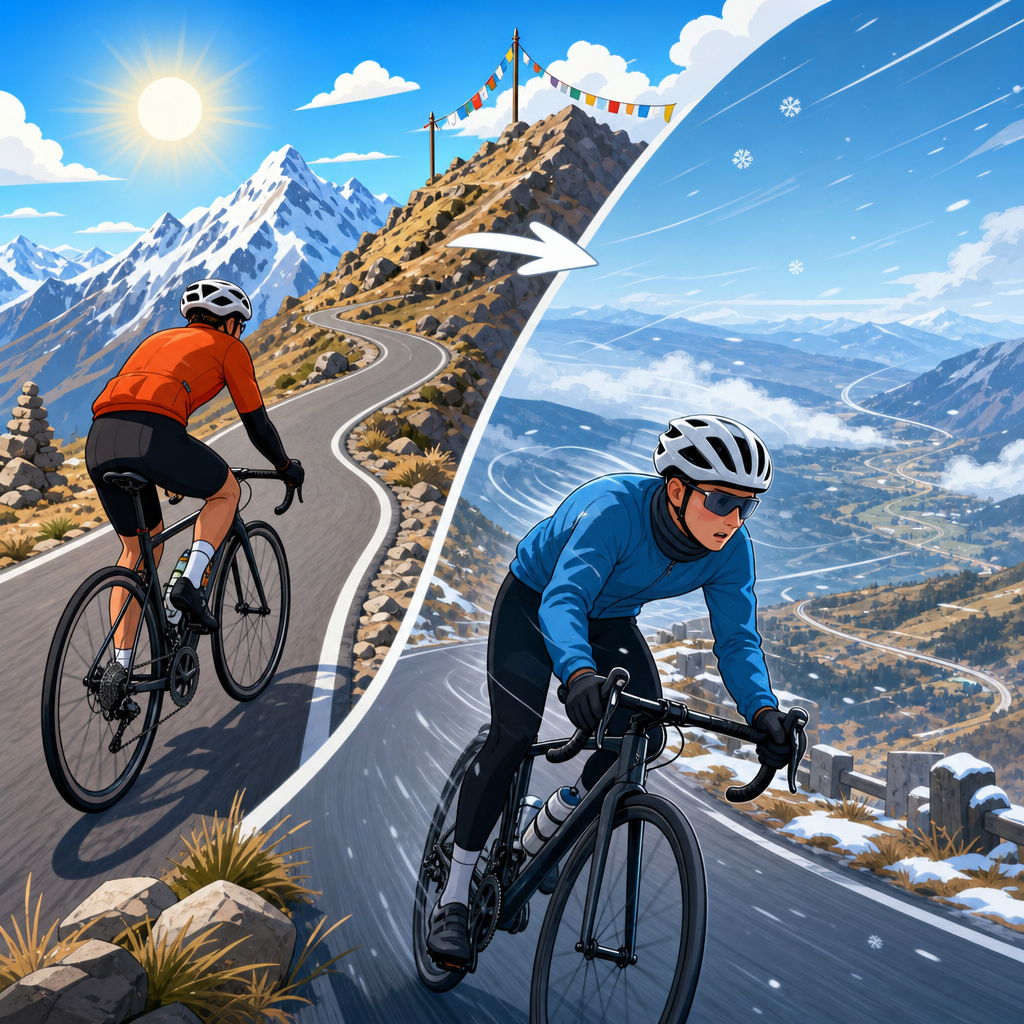
During the first few days at altitude, reduced appetite, mild headaches, poor sleep, elevated resting heart rate, and lower training tolerance are common. Those effects can increase protein and fluid risk indirectly. If an athlete normally eats 220 grams of protein but loses appetite and only manages 160 grams for several days while also walking more and sleeping worse, muscle retention becomes more vulnerable. Likewise, increased ventilation causes greater respiratory fluid loss, and mountain air is often cooler and drier, so athletes do not always feel as sweaty even while losing more water overall. That combination tricks many bodybuilders into drinking too little.
There is also a difference between living high and visiting high. Someone who permanently trains at 2,300 meters will typically acclimatize over time and can rebuild work capacity, although some sessions may still require pacing changes. A bodybuilder flying in for a week of hiking and gym work at 2,800 meters faces a sharper disruption. Short-term visitors often need more conservative training loads, more rest between sets, and a more deliberate hydration plan. In practice, the need to adjust intake is usually strongest during the first one to two weeks, during hot or very dry weather, or when altitude is combined with caloric restriction.
Protein needs at altitude: what usually changes
For most bodybuilders at sea level, a practical protein range for gaining or maintaining muscle is around 1.6 to 2.2 grams per kilogram of bodyweight per day, a range well supported in sports nutrition literature. At altitude, many athletes do not need a dramatic increase beyond the top of that range, but they often benefit from moving toward the higher end if appetite is suppressed, recovery is impaired, or total calorie intake falls. In other words, altitude rarely creates a reason for extreme protein intake, but it can make precision and consistency more important.
The main risk is not that altitude suddenly doubles protein requirements. The real risk is that altitude increases muscle breakdown pressures while reducing the athlete’s ability to eat enough. Lower oxygen availability can increase physiological stress. Travel, poor sleep, and longer walking distances can raise overall energy expenditure. Cold conditions can subtly increase caloric needs. If food access is limited, protein distribution across the day becomes critical. I usually advise lifters in these conditions to protect four anchors: a solid breakfast protein feeding, a pre- or post-workout serving, an evening meal with complete protein, and a portable backup such as whey isolate, Greek yogurt, jerky, or ready-to-drink shakes.
Leucine content matters here because leucine is a primary trigger for muscle protein synthesis. Complete proteins such as whey, milk, eggs, meat, fish, and soy are efficient choices when appetite is low. A bodybuilder who cannot finish a large steak at altitude may still tolerate a whey shake and fruit. That matters more than perfect meal aesthetics. If gastrointestinal comfort worsens at elevation, lower-fat protein sources are often easier around training. The goal is not to chase novelty. It is to preserve total daily intake and high-quality distribution despite a less forgiving environment.
| Situation | Protein approach | Hydration approach | Training adjustment |
|---|---|---|---|
| Short trip above 2,500 m | Aim for 1.8 to 2.2 g/kg, emphasize shakes and easy foods | Increase fluid intake early, monitor urine color and bodyweight | Reduce volume 10 to 20 percent for several days |
| Living at 1,500 to 2,300 m | Stay within normal hypertrophy range, prioritize consistency | Add fluids based on dryness, walking, and session length | Use slightly longer rest periods on high-rep work |
| Cutting at altitude | Use upper end of range to protect lean mass | Keep sodium and fluids stable to maintain performance | Avoid stacking hard cardio and leg volume too aggressively |
| Bulking at altitude with poor appetite | Use calorie-dense protein foods and liquid nutrition | Drink regularly between meals, not just during training | Choose quality sets over marathon sessions |
Water needs at altitude: why dehydration happens faster
Bodybuilders should expect water needs to increase at altitude, especially in dry climates, during travel, and when sessions include hiking or long warm-ups. The physiology is straightforward. Ventilation rises because the body is trying to take in more oxygen, and every exhale carries water vapor out. Mountain environments are commonly low in humidity, which increases insensible water loss from breathing and skin. Some athletes also experience altitude-related diuresis early in acclimatization, leading to more frequent urination. Put simply, you can dehydrate faster even when sweat does not feel dramatic.
The consequences show up quickly in the gym. Even mild dehydration can reduce endurance within a session, worsen perceived effort, and make repeated sets less productive. For bodybuilders, that means lower rep quality, weaker pumps, reduced training density, and noisier body composition assessment. Athletes sometimes misread altitude-related water shifts as sudden fat gain or muscle loss because scale weight fluctuates sharply. A better method is to compare several morning weigh-ins, track urine color, and note thirst, headache frequency, and post-session bodyweight change. If a lifter loses more than about 2 percent of bodyweight in a session, fluid replacement strategy needs work.
Electrolytes matter as much as total water. Drinking large amounts of plain water while keeping sodium very low can leave an athlete feeling flat or lightheaded, particularly if training hard and eating clean foods with little added salt. Sodium supports fluid balance and helps retain the water you drink. Potassium and magnesium also matter, but sodium is usually the first limiting factor for active lifters in mountain conditions. Practical hydration works best when water intake is spread across the day, meals contain adequate sodium, and training beverages are used when sessions are long, sweaty, or paired with outdoor activity.
How to set intake targets for altitude training
A useful starting point is to keep normal sea-level protein targets unless conditions suggest a risk, then move upward within the established bodybuilding range rather than beyond it. For many athletes, that means about 1.8 to 2.2 grams per kilogram per day at altitude, especially during a cut, during the first week at elevation, or when appetite is unreliable. Daily fluid targets vary much more by climate and body size, but many lifters need several hundred milliliters to over a liter more than usual. The right number is the one that stabilizes morning hydration markers and preserves training quality.
Meal timing can solve practical problems. Start the day with fluids and sodium rather than waiting for thirst to build. Include 25 to 40 grams of high-quality protein per meal, aiming for three to five feedings across the day. Around training, combine water with easily digested carbohydrate and protein if the session is demanding or follows hiking. Creatine monohydrate remains useful at altitude for strength and lean mass support, although athletes should not confuse creatine-related water retention with poor hydration status. Caffeine can still help performance, but high doses may worsen sleep and altitude symptoms in sensitive individuals, so context matters.
When I set plans for lifters heading into mountain environments, I focus less on perfection and more on friction reduction. Pack protein that does not require cooking. Use a marked bottle so intake is visible. Salt meals consistently. Build one repeatable breakfast. Pre-log nutrition if the trip involves lodges, airports, or trail towns with unpredictable menus. Those simple systems outperform complicated formulas when the environment is already adding stress.
Common mistakes bodybuilders make at altitude
The first mistake is keeping training volume unchanged while assuming nutrition can stay casual. Altitude often makes the same workload more taxing, so recovery resources need to tighten up. The second mistake is chasing thirst rather than drinking proactively. By the time many athletes feel distinctly thirsty in a dry mountain climate, they are already under target. The third mistake is relying on very high protein alone while neglecting calories and carbohydrates. Muscle retention does not come from protein in isolation. If calories collapse because appetite drops, performance and recovery usually follow.
Another common error is mismanaging the first seventy-two hours. That period often determines whether a trip feels productive or miserable. Bodybuilders who arrive and immediately attempt maximal volume leg days, hard conditioning, alcohol-heavy evenings, and inconsistent eating usually perform poorly. Smarter athletes treat arrival like a transition block. They reduce volume, walk more than they run, eat predictably, hydrate early, and let sleep normalize. After that, they increase workload based on symptoms and output rather than ego.
Finally, many lifters ignore context. A dry 2,600-meter city in winter creates different needs than a humid hill station at 1,600 meters. Indoor training with easy food access is different from backcountry hiking plus hotel gyms. If you want reliable results, match the plan to the actual environment, not to generic advice.
Best practices for strength and gym training at elevation
Bodybuilding can work very well at altitude when programming reflects reality. Keep heavy compound lifts, but watch total session density. Extend rest periods slightly on hypertrophy work. Use machine and dumbbell accessories to maintain output when barbell conditioning feels poor. If sleep or appetite dips, prioritize quality sets over extra exercises. Most athletes adapt better when they preserve intensity moderately well and trim unnecessary volume for a week rather than trying to force normal numbers.
Nutrition supports that approach. Center meals on complete protein, carbohydrate you digest well, and enough sodium to hold fluid balance. Use shakes when appetite lags. Replace losses after long hikes before expecting an evening gym session to feel normal. If your scale weight drops sharply after travel, assume fluid disruption first, not instant tissue loss. Measure trends, not single days.
The core answer is clear: bodybuilders should usually adjust protein and water needs at altitude, but the adjustment is targeted, not extreme. Raise awareness before you raise numbers. Protect protein quality and consistency. Increase fluids and electrolytes based on bodyweight change, urine color, climate, and training demand. Most important, let acclimatization guide training volume. When those pieces align, lifters can maintain muscle, recover well, and keep strength and gym training productive in mountain environments. If you train or travel at elevation, audit your protein anchors, hydration routine, and first-week programming before your next block.
Frequently Asked Questions
Should bodybuilders increase protein intake at altitude?
In many cases, yes. Bodybuilders who train, live, or even temporarily travel to higher elevations often benefit from a modest increase in daily protein intake because altitude places extra stress on recovery, muscle maintenance, and overall energy balance. As elevation rises, appetite can drop, breathing rate increases, sleep quality may worsen, and training performance may temporarily decline. All of those factors can make it harder to eat enough total calories and preserve lean mass. Protein becomes especially important in that environment because it helps protect muscle tissue during periods of reduced appetite, higher fatigue, and disrupted training quality.
A practical approach is to stay toward the upper end of normal bodybuilding protein targets rather than making extreme changes. If a bodybuilder typically does well around 1.6 to 2.2 grams of protein per kilogram of body weight per day, altitude is often a reason to avoid the low end of that range. During a short stay at moderate to high altitude, some athletes may do better around 1.8 to 2.4 grams per kilogram, especially if calories are low, training volume remains high, or body weight is starting to drift down. The goal is not to overload protein at the expense of carbohydrates and hydration, but to make sure muscle repair and retention are covered when the environment becomes more demanding.
Why does altitude change water needs for strength athletes and bodybuilders?
Altitude increases fluid needs for several reasons, and this is one of the most overlooked issues for bodybuilders. First, the air is typically drier at higher elevations, so more water is lost through breathing. Second, breathing rate often rises because the body is working harder to take in oxygen from thinner air. That means more respiratory water loss throughout the day, not just during workouts. Third, travel to altitude may involve more walking, more fatigue, disrupted routines, and changes in food intake that make hydration less consistent. Some athletes also experience increased urination during the initial days at altitude, which can add to fluid loss early in the adaptation period.
For bodybuilders, even mild dehydration can have a noticeable effect on gym performance, pumps, work capacity, perceived exertion, and recovery. It can also make altitude symptoms feel worse. A smart strategy is to increase fluid intake proactively rather than waiting until thirst becomes obvious. There is no single universal number, because needs vary by body size, climate, training volume, and elevation, but many athletes need more water than usual as soon as they arrive above roughly 1,500 to 2,000 meters. Monitoring body weight trends, urine color, thirst, and workout performance is more useful than guessing. Also remember that hydration is not just about water alone. If fluid intake goes up substantially, sodium and overall electrolyte intake matter too, especially for athletes who sweat heavily or train hard.
How much should a bodybuilder adjust protein and water intake when going to altitude?
The right adjustment depends on how high the elevation is, how long the athlete will stay there, and whether the goal is maintenance, muscle gain, or contest prep. At moderate altitude, a small but intentional increase is often enough. For protein, that usually means making sure intake consistently reaches at least the middle to upper end of an evidence-based range, rather than relying on a minimum target that works at sea level. For water, it often means adding enough fluid to account for increased respiratory losses and potentially drier conditions, especially around training. The higher the altitude and the more severe the appetite suppression or fatigue, the more important these adjustments become.
As a general framework, elevations above about 1,500 meters may start to change hydration needs and recovery, with more noticeable effects often appearing above 2,000 meters and becoming more significant above 2,500 meters. A bodybuilder spending a few days at 1,800 meters may only need a modest hydration increase and tighter attention to protein consistency. Someone training hard at 2,500 meters or higher may need a clearer plan: slightly higher protein intake, more deliberate fluid and electrolyte intake, and easier-to-digest meals if appetite falls. The key point is that altitude does not usually require a complete nutrition overhaul, but it does reward precision. Small, well-timed increases in protein and fluid can make the difference between maintaining performance and feeling flat, fatigued, and under-recovered.
What are the biggest nutrition mistakes bodybuilders make at altitude?
One of the biggest mistakes is assuming that sea-level habits will automatically work at elevation. Bodybuilders often underestimate how quickly altitude can reduce appetite, increase fluid loss, and lower training output. If calorie intake drops unintentionally, protein totals may also fall, which increases the risk of muscle loss during travel or an altitude training block. Another common mistake is focusing only on water while ignoring electrolytes, especially sodium. Drinking more fluids without replacing enough sodium can leave athletes feeling weak, cramp-prone, or unable to maintain good training quality.
Another error is overcorrecting with very high protein while neglecting carbohydrates. Protein matters, but carbs are still critical for training performance, glycogen support, and reducing the sense of effort during workouts. Bodybuilders at altitude often do best when they keep protein robust, hydration aggressive but balanced, and carbohydrate intake sufficient for the demands of their program. It is also a mistake to judge readiness solely by motivation. Altitude can make normal workouts feel harder, especially during the first few days, and that can mislead athletes into thinking they need to push harder when what they really need is better recovery support. Planning portable protein sources, drinking consistently throughout the day, salting meals appropriately, and adjusting training expectations during the acclimation phase are usually more effective than trying to force peak performance immediately.
How can bodybuilders practically manage protein and hydration when training or traveling at altitude?
The most effective approach is simple, structured, and proactive. Start by keeping protein intake evenly distributed across the day rather than relying on one or two large meals. This matters because appetite may be less reliable at altitude, so waiting until later in the day can backfire. Lean meats, Greek yogurt, eggs, whey or casein shakes, cottage cheese, and other easy protein options can help maintain intake even when hunger is low. For athletes who struggle to eat enough, liquid nutrition is often useful because it is easier to tolerate than large solid meals. Pre-planning protein snacks and shakes is especially important during flights, long drives, ski trips, mountain training camps, or competitions held at elevation.
For hydration, begin increasing fluid intake early in the day and continue steadily rather than trying to catch up all at once. Pair water intake with meals and training, and use sodium intelligently so that the extra fluid is retained and used effectively. If the athlete sweats heavily, trains in a dry climate, or spends time above about 2,000 to 2,500 meters, including an electrolyte drink or salting food more deliberately may help. A useful routine is to check morning body weight, monitor urine color, and pay attention to signs such as headaches, unusual fatigue, poor pumps, elevated heart rate, and a sudden drop in performance. These can all point to inadequate hydration or insufficient recovery support. In short, bodybuilders at altitude usually perform best when they treat protein and water as active performance variables, not passive background habits.