Skip to content

  • Home
  • Altitude Illness & Acclimatization
    • Acclimatization Plans
    • Altitude Medications & Oxygen
    • AMS Basics & Risk Factors
    • AMS Management & Recovery
    • AMS Symptoms & Diagnosis
    • Descent, Treatment & Emergency Response
    • HACE
    • HAPE
    • Monitoring & Decision Tools
    • Pre-Acclimation & Training
  • Cooking & Baking at Altitude
    • Baking Fundamentals
    • Baking Troubleshooting & Workflow
    • Cakes & Cupcakes
    • Candy, Preserves & Canning
    • Cookies & Bars
    • Cooking Methods
  • Daily Life, Skin, Eyes & Home Comfort
    • Comfort Troubleshooting
    • ENT & Sensory Issues
    • Everyday Health & Comfort
    • Eye Care & Vision
    • Indoor Air & Humidity
    • Lifestyle Adjustments
  • Fitness, Hiking & Performance
    • Cycling
    • Hiking Strategy
  • Family, Pregnancy & Kids
    • Family Logistics & Planning
    • Infants & Postpartum
    • Kids & Family Travel
  • Gear, Monitoring & Safety
    • Clothing, Sleep & Shelter
    • Monitoring & Oxygen
  • Travel & Destinations
    • National Park Gateways
    • National Park Guides
    • Ski Town Guides
    • Trek Preparation
    • Trip Planning & Logistics
    • US City Guides
    • US Lake & Mountain Guides
  • Sleep, Hydration & Nutrition
    • Nutrition & Fueling
    • Practical Meal Planning
    • Recovery & Return to Sea Level
    • Sleep & Recovery
    • Substances & Supplements
  • Respiratory, Cardio & Chronic Conditions
    • Other Chronic Conditions
    • Pre-Trip Medical Planning
    • Pregnancy
    • Sleep Apnea & Breathing Disorders
    • Travel with Medical Conditions
  • Toggle search form

Why food can taste blander above 7,000 feet

Posted on By

Why food can taste blander above 7,000 feet is a question that sits at the intersection of sensory science, mountain physiology, cooking technique, and the lived culture of high-altitude communities. In practical terms, high altitude usually refers to elevations above about 5,000 feet, while many noticeable changes in appetite, aroma, and seasoning become more obvious around 7,000 feet and higher. “Blander” does not mean ingredients lose their chemistry; it means the human systems that detect flavor are working under different conditions. In my experience testing recipes in mountain towns and speaking with cooks who feed residents, skiers, miners, trekkers, and climbers, the pattern is consistent: soups need brighter acid, baked goods need reformulation, and foods that seem balanced at sea level can taste flat on the ridge.

To understand why, it helps to define flavor correctly. Taste is only one part of flavor and includes sweet, sour, salty, bitter, and umami signals detected on the tongue and oral tissues. Aroma comes from volatile compounds that travel retronasally from the mouth to the olfactory receptors during chewing and swallowing. Texture, temperature, sound, trigeminal sensations such as chile heat or mint cooling, and even expectation also shape flavor perception. Above 7,000 feet, lower air pressure, lower humidity in many mountain climates, colder ambient temperatures, and the physiological stress of reduced oxygen can all alter these inputs at once. That combination matters not only for home cooks but also for restaurants, institutional kitchens, food manufacturers, and tourism economies in mountain regions.

This topic matters because food is a daily quality-of-life issue and also a cultural one. Communities in the Andes, Himalayas, Rockies, Ethiopian Highlands, and other elevated regions have developed cuisines and techniques that respond to local growing conditions, fuel demands, and the way flavor reads in thin air. Understanding the science helps explain why those traditions make sense. It also helps travelers and new residents cook better, waste less, and avoid the common mistake of simply adding more salt to everything. The real answer is broader: above 7,000 feet, food can taste blander mainly because aroma perception drops when nasal passages dry out and physiological changes affect appetite and sensory acuity, while altitude also changes the food itself through faster evaporation, lower boiling temperatures, and different cooking dynamics.

The sensory science behind blandness at altitude

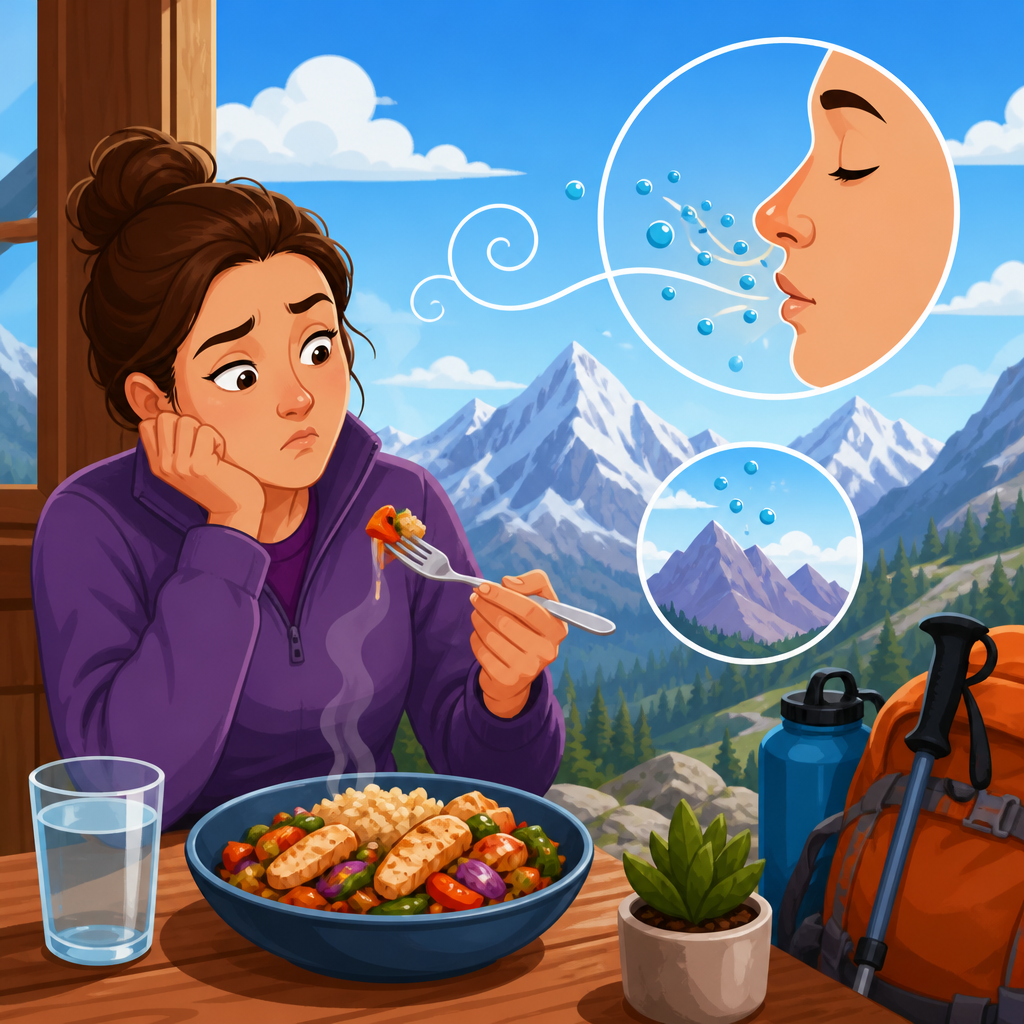
The clearest explanation is that much of what people call taste is actually smell, and smell often performs worse at altitude. In dry mountain air, the mucus layer that helps odor molecules dissolve and reach olfactory receptors can become less effective. Cabins, lodges, and heated homes intensify that dryness. Researchers studying airline meals have popularized a related point: low humidity and pressure reduce perceived sweetness and saltiness while muting aroma, which is why food served in flight often tastes duller. Conditions in an airplane cabin are not identical to a mountain town, but the sensory direction is similar enough to be useful. When smell is diminished, a stew may still contain the same compounds, yet your brain receives a weaker flavor picture.

Reduced oxygen also changes how the body feels and eats. At higher elevations, especially during the first days of exposure, many people experience mild hypoxia, shortness of breath, headache, and appetite suppression. Acute mountain sickness can further blunt interest in food. Even when illness is absent, exertion, dehydration, and sleep disruption alter sensory attention and satisfaction. I have seen hikers insist that a meal was underseasoned, then describe it as balanced after water, rest, and time to acclimatize. That does not mean the effect is purely psychological; it means flavor perception sits inside whole-body physiology. If you are tired, dry, and slightly hypoxic, subtle aromas and seasoning cues become easier to miss.

Another reason food seems blander is environmental context. Cold suppresses volatility because fewer aromatic molecules escape food rapidly into the air. A bowl of chili served outdoors on a windy summit literally releases its aromas into a moving, cold environment that works against fragrant impact. At the same time, people often drink less than they should in mountain climates because cool air masks sweat loss. Dehydration dries the mouth and nose, making both taste and aroma less vivid. In short, altitude does not erase flavor compounds; it reduces delivery and perception of them.

How altitude changes cooking chemistry and flavor release

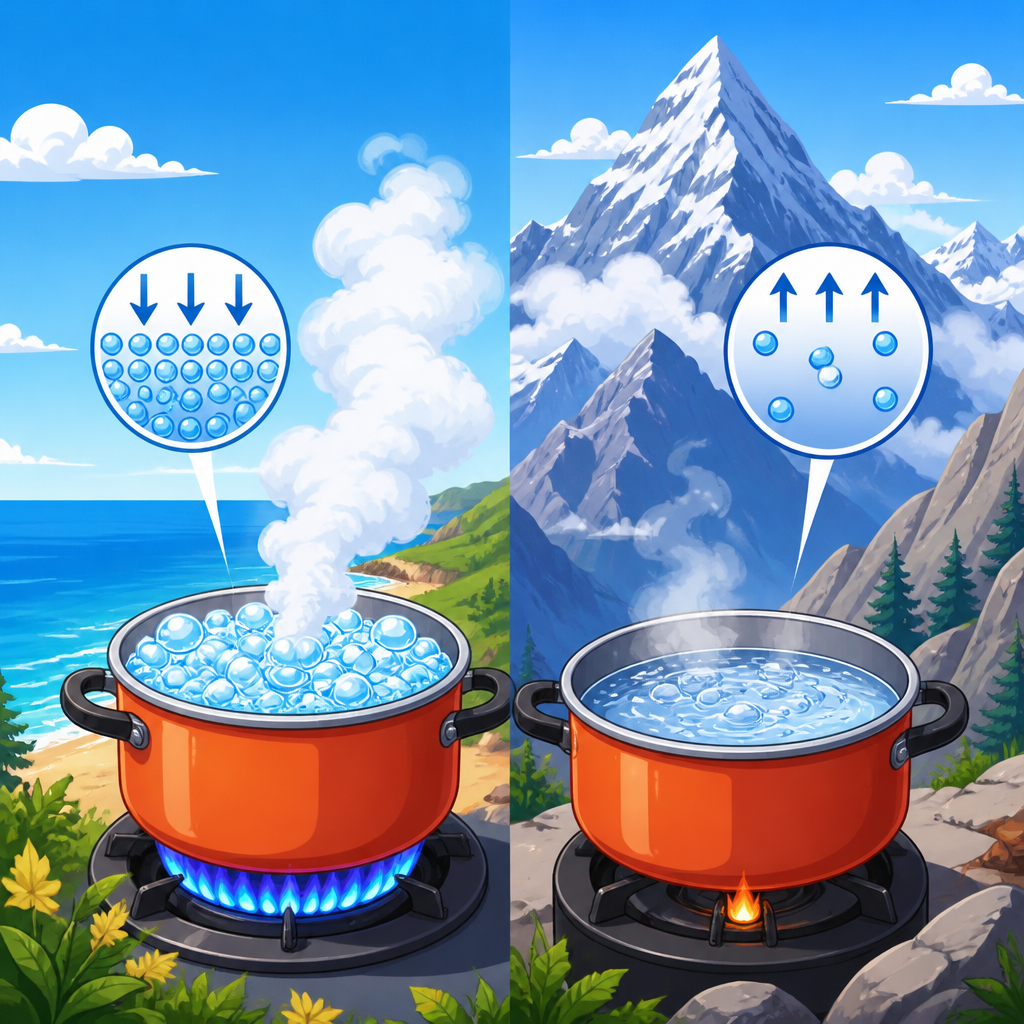
Food can also taste blander because altitude changes the way recipes cook. As elevation rises, atmospheric pressure drops, which lowers the boiling point of water. Near 7,500 feet, water boils at roughly 198 degrees Fahrenheit rather than 212 degrees at sea level. That means simmering, poaching, braising, and steaming happen at lower temperatures unless a pressure cooker is used. Lower-temperature moist cooking can preserve some delicate compounds, but it also slows browning and can limit the depth that comes from Maillard reactions unless cooks adapt. In beans, grains, stocks, and stews, the result can be texture that takes longer to soften and flavors that seem less rounded if cooking time and seasoning strategy remain unchanged.

Evaporation behaves differently too. Liquids evaporate faster at altitude, which can concentrate some tastes while driving off top-note aromatics that provide freshness and complexity. Herbs added too early may lose their lift. Wine reductions can become harsh if aromatic alcohol and fruity esters vanish before structure balances out. Baking poses another set of problems: gases expand more quickly, batters can over-rise and collapse, and moisture escapes faster, leaving cakes or muffins dry. Dryness reduces perceived richness and flavor intensity. Skilled mountain bakers compensate by increasing liquid, adjusting flour, reducing leavening, and controlling oven temperature. Those are technical changes, but they affect flavor every bit as much as texture.

Salt is frequently misunderstood in this context. People notice muted food and assume they just need more sodium. Sometimes a modest increase helps, especially in foods diluted by added liquid or ingredients. But salt is only one lever. Acid from citrus or vinegar can restore definition more effectively than extra salt. Umami from mushrooms, aged cheese, miso, soy sauce, tomatoes, cured meats, or nutritional yeast can rebuild savoriness without making food taste overtly salty. Fat carries aroma and prolongs flavor release, so a finish of butter, sesame oil, olive oil, or cultured dairy may matter more than another pinch from the shaker.

What people actually notice above 7,000 feet

The experience of blandness is not uniform, but several patterns repeat in kitchens and dining rooms at altitude. People often report that coffee seems less aromatic, soups need more seasoning, baked goods seem drier, and fresh produce can taste less vivid outside peak season. Spicy foods remain compelling because capsaicin stimulates pain and heat receptors rather than depending only on taste buds. Crunchy textures also read strongly because sound and mechanical sensation survive where aroma is weaker. This helps explain why chile-heavy stews, pickles, fermented condiments, toasted grains, and crispy garnishes appear so often in mountain cooking traditions.

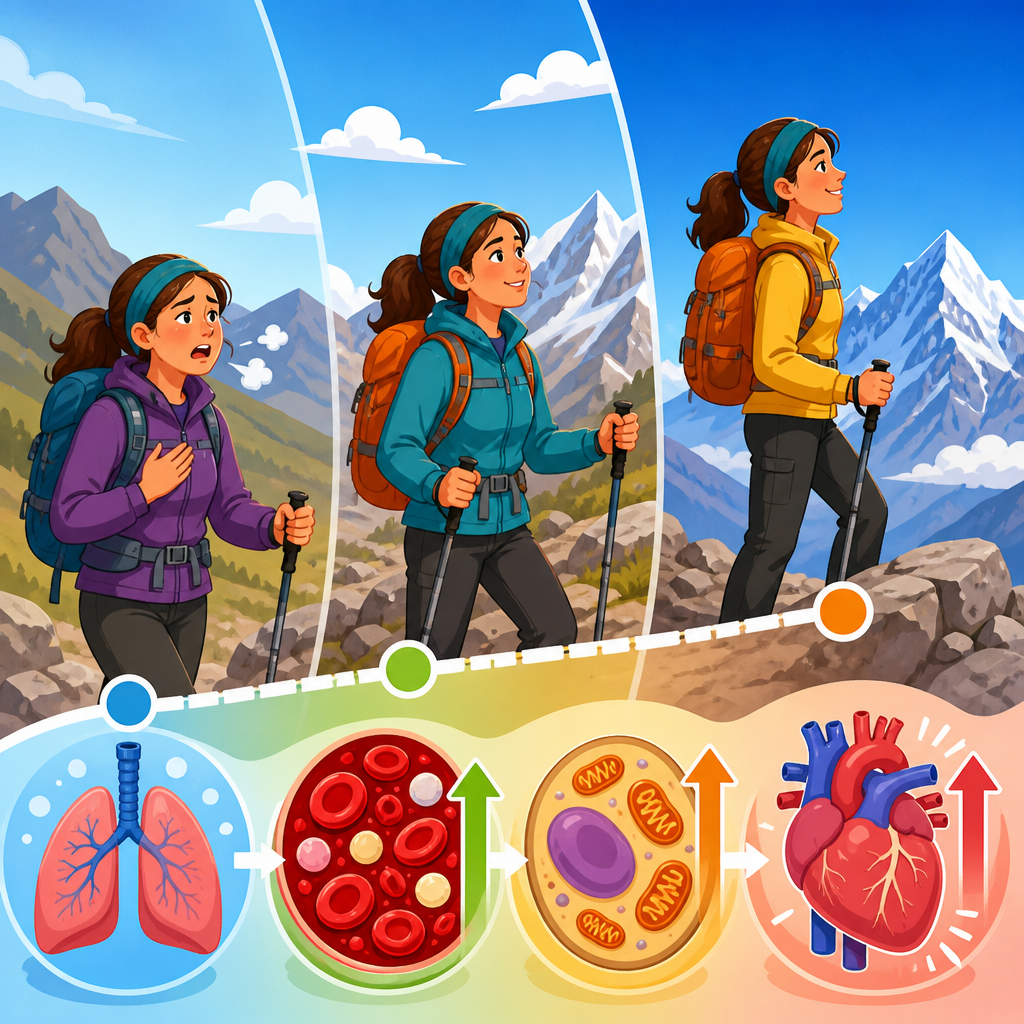
Acclimatization changes the picture over time. Residents who live year-round at 7,000 feet or higher often adjust behavior and recipes even if they no longer consciously notice the sensory deficit. They hydrate more deliberately, favor broths with acid and spice, and learn how much seasoning a dish needs in their own environment. Visitors, by contrast, may be surprised by a temporary loss of appetite or by how little a familiar recipe tastes like itself. This distinction matters for hospitality businesses. Menus designed for tourists often lean into big aromatic signals, warming spices, roasted notes, and hearty textures because those register reliably across a wide range of acclimatization states.

Altitude factor What changes Common effect on flavor Useful kitchen response
Lower humidity Nasal passages and mouth dry out Aroma seems muted Hydrate, use humidification, finish with fresh herbs
Lower air pressure Water boils at lower temperature Soups, beans, and braises taste less developed Cook longer or use a pressure cooker
Faster evaporation Moisture and volatile compounds escape quickly Food dries out; fresh top notes fade Add liquid, cover pans, season late
Cold conditions Volatility and aroma release drop Food tastes flatter outdoors Serve hotter, add acid and spice
Mild hypoxia Appetite and sensory acuity may decline Meals feel less appealing Smaller portions, stronger contrast, easy hydration

Why mountain cuisines often taste bold, sour, spiced, or fermented

Traditional high-altitude foodways are not accidental; they are practical answers to environment. In the Andes, cooks have long relied on potatoes, quinoa, maize, ají peppers, herbs, and drying techniques suited to intense sun, cold nights, and variable growing seasons. In Himalayan regions, soups, momos, thukpa, fermented greens, pickles, and butter tea deliver warmth, salt, acid, fat, and comfort in conditions that can suppress appetite. Ethiopian highland cooking uses berbere, niter kibbeh, legumes, slow stews, and injera’s tang to create vivid flavor contrast. Across the Rocky Mountains, lodge cooking historically emphasized roasts, chiles, gravies, preserved fruits, and robust breakfasts that hold up in cold, dry air.

Fermentation deserves special attention because it solves several altitude-related problems at once. Fermented foods generate acids, esters, and savory compounds that increase perceived complexity. They also improve shelf life in remote environments and can pair well with staple grains and legumes. Pickled onions on beans, kimchi with rice, sauerkraut on sausages, or yogurt with spiced lentils all cut through sensory dullness with sharp, aromatic contrast. Smoke and drying work similarly. Smoked meats, dried chiles, and air-cured cheeses create concentrated flavors that remain expressive even when conditions mute delicate notes.

These culinary patterns reveal a broader cultural truth: people living at altitude have already conducted centuries of flavor testing. Their kitchens favor methods that amplify what human senses can still perceive clearly in thin, dry, cold air. That is why the science and the culture belong together. The physiology explains the problem; the cuisine shows the durable solutions.

How to make food taste better above 7,000 feet

The most effective strategy is layered flavor building rather than indiscriminate seasoning. Start by protecting aroma: cover pots when appropriate, add tender herbs near the end, and reserve citrus zest, scallions, toasted spices, and finishing oils for service. Build depth through browning whenever possible. If boiling temperatures are too low for good development, use the oven, a broiler, or a pressure cooker to create richer reactions before combining ingredients. Control moisture aggressively in baking and braising, because dryness steals flavor impact. Increase liquid modestly, monitor cooking time, and do not assume sea-level instructions will translate.

Then increase contrast. Acid is often the fastest route to livelier food at altitude. A squeeze of lime in chili, sherry vinegar in lentils, tamarind in stew, or pickled vegetables on roasted meat can wake up a dish more effectively than extra salt alone. Use umami strategically with anchovy, Parmesan, soy sauce, fish sauce, mushrooms, tomato paste, miso, or stock reductions. Consider trigeminal ingredients such as ginger, horseradish, black pepper, mustard, and chiles, which create sensations that remain persuasive when aroma lags. Serve foods hot enough to volatilize aromas, and encourage hydration before meals. If someone is newly arrived at altitude, smaller, more frequent meals often outperform one heavy plate.

For communities, restaurants, and home cooks, the practical lesson is simple. Above 7,000 feet, blandness is not a failure of palate or produce; it is a predictable interaction between environment, human biology, and cooking physics. Better results come from understanding that interaction and adjusting recipes accordingly. If you cook, bake, host, or travel in mountain regions, treat flavor as a system: preserve aroma, manage moisture, use pressure when needed, and lean on acid, umami, spice, and texture. Do that consistently, and high-altitude food stops tasting flat and starts expressing the richness that mountain cultures have known all along.

Frequently Asked Questions

Why does food taste blander above 7,000 feet?

Food often tastes blander above 7,000 feet because altitude changes how the body perceives flavor, not because the food itself suddenly loses its basic chemistry. Flavor depends heavily on smell, moisture, temperature, and the brain’s ability to integrate sensory signals. At higher elevations, lower air pressure and drier air can dry out nasal passages and reduce how efficiently aroma compounds reach the olfactory receptors that play a major role in taste. Since much of what people describe as “taste” is actually aroma, even a modest reduction in smell can make meals seem flatter, duller, or less satisfying.

There is also a physiological side to the experience. At high altitude, the body is adapting to thinner air and lower oxygen availability. That adjustment can come with mild dehydration, appetite changes, headaches, fatigue, and altered sensory sensitivity, especially during the first days at elevation. When people are dehydrated or congested, their perception of saltiness, sweetness, and complexity can seem muted. On top of that, high-altitude cooking often changes the texture of food because water boils at a lower temperature, which affects how ingredients cook, how fats behave, and how volatile aromas are released. The result is a very real sense that food is blander, even though the ingredients themselves have not become less flavorful.

Is it really taste that changes at altitude, or is it mostly smell?

In most cases, it is mostly smell that drives the change, although the full experience of flavor can be affected from several directions at once. The tongue detects basic tastes such as salty, sweet, sour, bitter, and umami, but the layered character of food comes largely from retronasal olfaction, which is the movement of aroma compounds from the mouth to the nose during chewing and swallowing. At higher elevations, dry air and reduced humidity can make the nasal lining less effective, which can interfere with this process. When aromas do not register as strongly, soups, roasted foods, baked goods, and even coffee can seem less expressive and less intense.

That said, the distinction is not purely academic because direct taste can shift too. Dehydration and altitude-related stress can influence saliva production, and saliva is essential for dissolving flavor molecules so taste receptors can detect them. Some people notice that they crave stronger salt, acid, spice, or richer textures at elevation because those sensory cues cut through the muted background. So while smell is usually the biggest reason food seems blander above 7,000 feet, the lived experience is broader: aroma may be dampened, mouthfeel may change, and the body’s general state of adaptation can alter how satisfying food feels overall.

Why do dehydration and dry air make such a big difference in how food tastes?

Dehydration and dry air matter because flavor perception is a moist system. The mouth and nose need adequate moisture to dissolve, transport, and detect flavor and aroma compounds. At altitude, the air is typically drier, and the body loses water more easily through breathing, especially during hiking, skiing, climbing, or simply acclimatizing. Many people do not realize how quickly they become mildly dehydrated in mountain environments. Even mild dehydration can reduce saliva, dry the throat, and make the nasal passages feel less responsive, all of which can blunt the perception of flavor.

Dryness also changes comfort and attention. When the nose feels irritated or stuffy, aromas become harder to detect, and when the mouth is dry, foods can feel less juicy and less complete. A stew that tastes rich at sea level may seem less aromatic at 8,000 feet simply because fewer scent molecules are being effectively perceived. This is one reason cooks in high-altitude regions often emphasize broths, sauces, spices, chile heat, herbs, and acidic ingredients like citrus or vinegar. These additions do not just “add flavor” in a generic sense; they help compensate for the sensory dulling caused by dry air and fluid loss. Staying hydrated is therefore not just a health recommendation at altitude; it is also one of the simplest ways to improve how food tastes.

Does high-altitude cooking itself make food less flavorful?

High-altitude cooking can absolutely contribute to the perception that food is less flavorful, although it usually does so indirectly through changes in temperature, moisture, and texture. Because water boils at a lower temperature as elevation increases, foods that are simmered or boiled cook differently than they do at sea level. Beans may take longer to soften, starches can behave differently, and braised dishes may develop less efficiently unless cooking times are adjusted. Baked goods can also lose moisture faster, rise too quickly, or end up with textures that feel dry or less satisfying. Since texture and aroma release are central parts of flavor, these cooking changes can make dishes seem weaker or less rounded.

There is also the issue of seasoning balance. A recipe developed at sea level may need adaptation in the mountains, not only for structure and doneness but for impact. Roasting, browning, reducing sauces, and building layers with aromatics become even more important at elevation because they concentrate flavor in ways that survive a muted sensory environment. Cooks often rely more on umami-rich ingredients, fresh herbs added at the end, finishing salts, fermented components, and acid to brighten dishes. In other words, altitude does not remove flavor from food, but it can change how flavor is extracted, concentrated, and experienced, which is why thoughtful technique matters more above 7,000 feet.

How can you make food taste better above 7,000 feet?

The most effective strategy is to build flavor more intentionally and support the body’s ability to perceive it. Start with hydration. Drinking enough water helps maintain saliva and keeps nasal tissues from becoming overly dry, which improves both taste and smell. In the kitchen, focus on stronger aromatic foundations: onions, garlic, ginger, toasted spices, chiles, herbs, stocks, mushrooms, aged cheeses, soy sauce, miso, tomato paste, and other umami-rich ingredients can make dishes feel fuller and more vivid. Acid is especially valuable at altitude because lemon juice, lime juice, vinegars, and pickled elements can brighten food without simply making it saltier.

Texture and temperature also matter. Warm foods often release aroma better than cold ones, and contrast helps keep meals interesting, so adding crunchy toppings, creamy components, or a finishing drizzle can improve perceived flavor. Taste and adjust at the end rather than relying only on the original recipe. Many cooks at elevation find they need a little more salt, a little more spice, or a sharper acidic finish to achieve the same sensory impact they expect at lower elevations. If someone is newly arrived at altitude and food seems especially bland, patience matters too. As the body acclimatizes over several days, appetite and sensory perception often improve. The goal is not to overwhelm every dish, but to recognize that above 7,000 feet, flavor usually benefits from a more deliberate, mountain-aware approach.
Science & Culture, Science, Culture & High-Altitude Communities

Post navigation

Previous Post: Why weather changes feel faster and harsher in mountain environments
Next Post: What altitude does to combustion, engines, and gas appliances

Related Posts

What happens to air pressure as elevation rises? Science & Culture
Oxygen percentage vs oxygen pressure: the altitude concept most travelers misunderstand Science & Culture
Why water boils at a lower temperature at altitude Science & Culture
Why sleep oxygen drops more than daytime oxygen at altitude Science & Culture
How the body acclimatizes to thinner air over days and weeks Science & Culture
What scientists know about Tibetan high-altitude adaptation Science & Culture

Pages

  • Privacy Policy
  • Welcome to HighAltitudeLife.com — Your Complete Guide to Living, Traveling, and Thriving at Elevation

Posts by category

  • Category: Altitude Illness & Acclimatization
    • Can you lose acclimatization after a few days back at sea level?
    • Does sleeping in a lower town really make a difference?
    • Can heat training replace altitude acclimatization?
    • Can sauna training help you prepare for altitude?
    • Do hypoxic tents work for high-altitude travel?
    • Can a weekend trip help you pre-acclimate for a bigger mountain trip?
    • Do altitude masks help with acclimatization?
    • Should you use HRV to monitor altitude adaptation?
    • How to track acclimatization with resting heart rate
    • Low SpO2 at altitude without symptoms: should you worry?
    • What is a normal oxygen saturation at 8,000 feet?
    • How to use a pulse oximeter at altitude without overreacting
    • How fast high-altitude pulmonary edema can progress after a rapid ascent
    • Why HAPE can happen even without classic altitude sickness first
    • What pink frothy sputum at altitude means and why it is an emergency
    • When chest tightness at altitude means you need to descend now
    • HAPE vs bronchitis: how to spot a dangerous cough at altitude
    • Early signs of HAPE every traveler should know
    • How quickly HACE can become life-threatening if you keep ascending
    • What to do if someone becomes disoriented at high altitude
    • HACE vs severe AMS: when symptoms cross into emergency territory
    • Why stumbling and confusion at altitude should never be ignored
    • Early signs of HACE that people mistake for simple exhaustion
    • Why descent is still the most important treatment for severe altitude illness
    • What to do if someone collapses at altitude
    • What to do if AMS hits on night one in a ski town
    • When to descend immediately because altitude symptoms are getting worse
    • When to go to urgent care for altitude symptoms
    • Why altitude symptoms often peak on the first night
    • Why you feel hungover at altitude even when you did not drink
    • Shortness of breath at altitude: what is normal and what is not
    • Why your hands and face can feel puffy after gaining elevation
    • Why your resting heart rate jumps after a rapid ascent
    • Altitude fatigue vs normal travel fatigue: how to tell the difference
    • Why dizziness at altitude feels worse when you stand up quickly
    • Loss of appetite at high altitude: when to push calories and when to rest
    • What causes nausea at altitude and what actually helps?
    • Acute mountain sickness symptoms timeline: what can start within 6 to 12 hours
    • Can poor sleep be your first sign that altitude is not going well?
    • Do anti-nausea meds help with altitude sickness?
    • How long should you wait before trying to go higher again after AMS?
    • Why appetite loss at altitude can quietly make symptoms worse
    • Can dehydration alone cause an altitude-like headache?
    • What not to do when you get altitude sick in a resort town
    • How to use rest days correctly while acclimatizing
    • Why mild altitude symptoms should change your next day’s plan
    • Can you get altitude sickness after moving higher within the same mountain region?
    • Why altitude illness symptoms can look like a hangover
    • Why some people get altitude sickness below the usual risk threshold
    • Do older adults acclimate more slowly at high altitude?
    • Do children get altitude sickness differently than adults?
    • What travelers usually miss about the altitude where they sleep
    • How altitude sickness feels different when you fly in vs drive up
    • Can you still get altitude sickness if you were fine last time?
    • What happens if you ignore mild altitude sickness symptoms?
    • How to know whether a mountain headache is just a headache or AMS
    • Why physical fitness does not protect you from altitude sickness
    • First-night altitude sickness: what to do before symptoms spiral
    • Why altitude sickness often feels worse after dinner
    • What does mild altitude sickness feel like at night?
    • How quickly can altitude sickness start after you arrive?
    • Can you get altitude sickness at 6,000 feet?
    • Altitude sickness vs dehydration: how to tell the difference on day one
    • When oxygen helps at altitude and when it is not enough
    • Can ibuprofen help with altitude headache?
    • What medications can make altitude sleep worse?
    • How long does acetazolamide take to start working?
    • Acetazolamide vs dexamethasone for altitude illness prevention
    • Acetazolamide side effects: what is normal and what is not
    • When should you take acetazolamide for high altitude travel?
    • Category: Acclimatization Plans
      • How to build a week-long acclimatization plan for a 14er trip
      • Driving to altitude vs flying to altitude: which is easier on your body?
      • How to acclimatize after flying straight from sea level to the mountains
      • How to acclimatize for a mountain wedding or family reunion
      • Why symptoms often improve during the day and worsen overnight
      • How many buffer nights do you need before going higher?
      • What climb high, sleep low actually means for normal travelers
      • Why sleeping altitude matters more than daytime altitude
      • How staged ascent lowers your risk of getting sick
      • Should you rest or exercise on your first day at altitude?
      • What a good first 48 hours at altitude actually looks like
      • How long does acclimatization take for a ski vacation?
      • How long does it take to acclimatize after moving to 6,500 feet?
      • How to acclimatize when you only have one extra day
      • Acclimatization plan for 8,000 to 10,000 feet
    • Category: Altitude Medications & Oxygen
    • Category: AMS Basics & Risk Factors
    • Category: AMS Management & Recovery
    • Category: AMS Symptoms & Diagnosis
    • Category: Descent, Treatment & Emergency Response
    • Category: HACE
    • Category: HAPE
    • Category: Monitoring & Decision Tools
    • Category: Pre-Acclimation & Training
  • Category: Cooking & Baking at Altitude
    • Can you cold ferment bread dough at altitude?
    • Biscuits at altitude: how to keep them flaky and tall
    • Best high altitude strategy for enriched doughs
    • How altitude changes sourdough discard recipes
    • Why your crust hardens too fast at altitude
    • Should you use bread flour or all-purpose flour at altitude?
    • How to proof dough in a cold mountain kitchen
    • Challah at altitude: how to keep braids tall and even
    • Focaccia at altitude without giant air tunnels
    • High altitude bagels: better chew without overproofing
    • Bread machine baking at altitude: how to stop overflow and collapse
    • High altitude cinnamon rolls that stay soft
    • How to fix dry dinner rolls at altitude
    • Pizza dough at altitude: timing bulk fermentation correctly
    • Whole wheat bread at altitude without a dense crumb
    • Why bread loaves collapse after rising beautifully at altitude
    • High altitude sourdough hydration: how to adjust for dry flour
    • How to make soft sandwich bread at altitude
    • Sourdough at altitude: how to manage a hyperactive starter
    • High altitude bread baking: how to slow overproofing
    • Why yeast dough rises too fast at altitude
    • Best oven rack position for muffins and quick breads at altitude
    • What high altitude does to buttermilk baking
    • Pumpkin bread at altitude without collapse
    • Cinnamon streusel muffins at altitude that actually hold together
    • Zucchini bread at altitude without a wet middle
    • Crepes at altitude: do you need to change anything?
    • Scones at altitude: why they spread and how to fix them
    • Waffles at altitude: crisp outside, fully cooked inside
    • Pancakes at altitude: why they turn gummy in the middle
    • Cornbread at altitude: moist texture without crumbling
    • Blueberry muffins at altitude without gummy centers
    • Quick breads at altitude: why they over-rise and collapse
    • Banana bread at altitude: how to stop the center from sinking
    • Muffins at altitude: how to avoid mushroom tops and tunnels
    • High altitude pastry cream without a grainy texture
    • Why whipped cream behaves differently in very dry climates
    • Best thickener choices for fruit pies at altitude
    • Souffles at altitude: why timing matters even more
    • How to blind bake pie crust successfully at altitude
    • Custards at altitude: how to avoid curdling and underbaking
    • Tart shells at altitude without slumping
    • How to fix hollow macarons in dry mountain air
    • Puff pastry at altitude: what matters and what does not
    • Cream puffs and choux pastry at altitude
    • Meringue at altitude: how to stop weeping and shrinking
    • Macarons at altitude: can they actually work?
    • Pumpkin pie at altitude without cracks or weeping
    • Pie crust at altitude: how to keep it flaky
    • Fruit pies at altitude: how to avoid runny fillings
    • Coffee brewing at altitude: how to get better extraction
    • Grilling at altitude: how wind and thinner air change cooking
    • Instant Pot altitude adjustments that actually work
    • Pressure cooking at altitude for soups and stews
    • Roasting meat at altitude: why thermometers beat timing
    • Slow cooker meals at altitude: do you need to adjust time?
    • Beans at altitude: stovetop vs pressure cooker
    • Cooking rice at altitude without mush or crunch
    • Pasta at altitude: why it takes longer than you expect
    • How long to boil eggs at altitude
    • Category: Baking Fundamentals
      • How altitude affects gluten-free baking
      • Best tools for reliable high altitude baking at home
      • How to test a new recipe at altitude without wasting ingredients
      • Why eggs matter more in high altitude baking
      • How much extra liquid to add when baking at altitude
      • When to reduce baking powder and baking soda at altitude
      • When to reduce sugar in high altitude baking
      • When you should increase oven temperature at altitude
      • Why your flour behaves differently in dry mountain air
      • Why water boils at a lower temperature at altitude and why it matters
      • High altitude baking conversion chart for beginners
      • How to adjust a sea-level recipe for high altitude
      • Why low air pressure changes rise, moisture, and structure
      • High altitude baking basics: why recipes fail above 3,000 feet
      • What counts as high altitude for baking?
    • Category: Baking Troubleshooting & Workflow
      • Best freezer strategies for make-ahead baking at altitude
      • How to troubleshoot overproofed bread in a dry mountain kitchen
      • Best notebook system for testing and improving high-altitude recipes
      • Why pie fillings bubble differently at altitude
      • How to adapt family recipes without losing the original feel
      • How to adjust cheesecake water baths at altitude
      • Can you use convection mode for high-altitude baking?
      • What altitude does to brownie edges vs brownie centers
      • Why high-altitude cakes brown before the center is done
      • How to rescue a batch of flat cookies at altitude
    • Category: Cakes & Cupcakes
      • High altitude wedding cake planning for home bakers
      • How to keep sheet cakes soft at altitude
      • Bundt cakes at altitude: why they stick and how to fix it
      • Sponge cake at altitude: how to stabilize the foam
      • Cheesecake at altitude: how to avoid cracks and underbaked centers
      • Angel food cake at altitude: how to keep it from collapsing
      • High altitude red velvet cake without a dense crumb
      • How to keep layer cakes from drying out at altitude
      • Best frosting choices for dry mountain climates
      • How to adapt box cake mix for 5,000 to 8,000 feet
      • Why cupcakes dome and crack at altitude
      • High altitude vanilla cake: how to prevent tunneling and collapse
      • How to fix a gummy cake at altitude
      • Why cakes sink in the middle at high altitude
      • High altitude chocolate cake that stays moist and tall
    • Category: Candy, Preserves & Canning
      • Best thermometer use for sugar work at high altitude
      • Altitude-safe fruit preserving for mountain home cooks
      • Why home canning mistakes are riskier at altitude
      • Pressure canning at altitude: how to adjust pressure safely
      • Boiling-water canning at altitude: how to adjust processing time
      • High altitude canning basics for beginners
      • Jam and jelly at high elevation: safer set points and timing
      • Fudge at altitude without graininess
      • Caramel at altitude: why your thermometer matters more
      • Candy making at altitude: how soft-ball and hard-crack stages change
    • Category: Cookies & Bars
      • Should you chill cookie dough longer at altitude?
      • Best pan choice for cookies at high altitude
      • Peanut butter cookies at altitude: how to stop cracking
      • High altitude lemon bars without a soggy crust
      • Why blondies turn cakey at altitude
      • Snickerdoodles at altitude: why they flatten and how to fix them
      • Shortbread at altitude: how to keep it tender
      • Bar cookies at altitude: how to avoid underbaked centers
      • Brownies at altitude: chewy edges without a dry center
      • Fudgy brownies at 7,000 feet: the easiest adjustments
      • Best high altitude oatmeal cookie adjustments
      • High altitude sugar cookies that hold their shape
      • High altitude chocolate chip cookies that do not go flat
      • Why cookies spread too much at altitude
      • How to fix dry cookies at altitude
    • Category: Cooking Methods
    • Category: Pies, Pastries & Meringues
    • Category: Quick Breads & Breakfast Bakes
    • Category: Yeast Breads & Sourdough
  • Category: Daily Life, Skin, Eyes & Home Comfort
    • Best lip SPF for high elevation conditions
    • How to protect your scalp from altitude sun
    • Sunburn on cloudy mountain days: why it still happens
    • How to read the UV Index before a mountain hike
    • Best UPF clothing for high altitude summer days
    • Best sunscreen for high altitude hiking and snow reflection
    • How often should you reapply sunscreen while skiing?
    • How altitude changes eczema triggers
    • Does acne get better or worse at altitude?
    • Why UV exposure is stronger at altitude
    • How to treat a nose that feels raw in dry mountain weather
    • Best overnight routine for repairing skin after sun and wind exposure
    • Windburn vs sunburn: how to tell the difference after a mountain day
    • How to stop chapped lips from coming back in mountain air
    • Why your hands crack faster at altitude and what helps
    • Best moisturizers for mountain dryness without feeling greasy
    • How to build a high altitude skincare routine that actually works
    • How to reduce fatigue during your first month at altitude
    • Does allergy season get better or worse at higher elevation?
    • Why your skin gets drier at 7,000 feet
    • How to dress for 40-degree temperature swings in one day
    • Why coffee tastes different in the mountains
    • What shoulder season living is really like in mountain towns
    • How to dry laundry faster in cold, dry air
    • Best pet hydration routine for mountain homes
    • How to keep houseplants alive at altitude
    • Best place to put a humidifier in a mountain bedroom
    • Best houseplants for adding humidity in dry climates
    • How to reduce nosebleeds caused by dry indoor air
    • Static electricity at altitude: why it gets so bad
    • How to use a bedroom humidifier without creating mold
    • Why your sinuses hurt more in dry mountain houses
    • How to keep produce fresh longer in mountain air
    • Indoor humidity at altitude: what range feels best?
    • Humidifier vs whole-house humidifier for mountain homes
    • How to protect your eyes on windy ridge days
    • Do blue eyes burn faster in bright snow conditions?
    • Can altitude make contact lenses less comfortable?
    • What photokeratitis feels like and when to get help
    • How to prevent snow blindness on bright alpine days
    • When should you wear glacier glasses instead of regular sunglasses?
    • Best eyedrops for mountain dryness and screen time
    • Dry eyes at high altitude: what actually helps
    • What altitude does to your taste and smell
    • Why groceries dry out faster in a mountain pantry
    • Best food storage tweaks for dry, high-elevation kitchens
    • How to manage barometric pressure headaches in mountain towns
    • Why weather swings trigger headaches at altitude
    • Daily hydration habits that work when you live at altitude
    • How to create an altitude-friendly self-care routine for guests
    • Do storms feel more intense when you live high in the mountains?
    • Why you feel thirstier in cold mountain weather
    • Why your voice feels rough after a day in dry mountain weather
    • How to prevent cracked cuticles and hangnails at altitude
    • Can altitude make tinnitus feel worse?
    • How to soothe a dry sore throat caused by mountain air
    • High altitude cough: dry air vs illness vs something serious
    • Why your nose bleeds more often in winter at altitude
    • Sinus pressure after a big elevation gain: what helps safely
    • How to relieve ear pressure on mountain drives
    • Category: Comfort Troubleshooting
      • Why mountain air can make you feel tired even when your weather app says perfect
      • How to build a guest room that feels better for visitors new to altitude
      • Best ways to protect kids’ skin from mountain sun year-round
      • Do humidifiers help with snoring in dry mountain bedrooms?
      • How to keep your home office comfortable in dry mountain air
      • Best reusable water bottle habit for daily life at altitude
      • How to handle cold, sunny days that dehydrate you faster than you expect
      • Best shower and skincare routine after skiing at altitude
      • Can altitude make contact lenses dry out faster on flights and mountain days?
      • How to stop waking up with nosebleeds in winter mountain homes
    • Category: ENT & Sensory Issues
    • Category: Everyday Health & Comfort
    • Category: Eye Care & Vision
    • Category: Indoor Air & Humidity
    • Category: Lifestyle Adjustments
    • Category: Skin Care & Dryness
    • Category: Sun Protection & UV
  • Category: Family, Pregnancy & Kids
    • How to plan a lower-risk babymoon in a mountain town
    • When to call your OB before a mountain trip
    • Best hydration strategy for pregnancy in dry mountain air
    • Why remote mountain travel changes pregnancy risk planning
    • Pregnancy and brief high-altitude travel: practical planning questions
    • Can you ski early in pregnancy at altitude?
    • How to plan rest days on a high-altitude family trip
    • Can kids sleep worse than adults at altitude?
    • What to do if your child vomits after arriving at altitude
    • Traveling to altitude with a baby: what pediatricians usually discuss
    • Best snacks for children who lose appetite at altitude
    • How to keep kids hydrated on mountain vacations
    • How to pace a family ski trip so kids acclimate better
    • Best first-day plan for families arriving at altitude
    • Best packing list for infants in high-altitude climates
    • What altitude symptoms in toddlers are easy to miss
    • How to spot altitude sickness in children
    • How to recognize when a baby is not adjusting well to altitude
    • Safe sleep questions parents ask after moving to altitude
    • Newborns at altitude: what families should ask their pediatrician
    • Postpartum recovery at altitude: what can feel harder than expected
    • Breastfeeding at altitude: how dry air and hydration affect comfort
    • Category: Family Logistics & Planning
      • How to build a kid-friendly first-aid kit for mountain trips
      • Should children take acetazolamide for altitude travel?
      • How to talk to kids about altitude sickness without scaring them
      • Family road trip to altitude: where to break up the ascent
      • How to plan a multigenerational vacation at altitude without overdoing it
      • Best family-friendly mountain towns for a first altitude trip
      • How to manage screen-free downtime when bad weather keeps kids inside
      • How to plan a family reunion in the mountains for mixed ages
      • High school athletes competing at altitude: how to prepare safely
      • Traveling with grandparents and kids to altitude: how to pace the trip
    • Category: Infants & Postpartum
    • Category: Kids & Family Travel
    • Category: Pregnancy Travel
  • Category: Fitness, Hiking & Performance
    • Best recovery routine after multiple ski days at altitude
    • Can altitude make you more reckless on the mountain?
    • How to reduce quad burnout on long ski days at altitude
    • Snowshoeing at altitude: how to avoid overheating and dehydration
    • Backcountry ski touring at altitude: pacing and fueling tips
    • How to stay hydrated while skiing in cold weather
    • Best acclimatization plan for a ski weekend
    • Skiing at altitude: how to survive day one without a headache
    • How to use perceived effort instead of pace at altitude
    • Do you lose fitness or just feel slower at elevation?
    • Why interval workouts feel brutal at altitude
    • Can you train hard on day one at altitude?
    • How to pace your first run in a mountain town
    • Why workouts feel harder at 6,000 feet
    • Heart rate zones at altitude: how to adjust them
    • How much does VO2 max drop at altitude?
    • Does creatine help or hurt during altitude adaptation?
    • Can you build muscle normally while living at altitude?
    • Can altitude make you sorer for longer after leg day?
    • How to recover from strength sessions in dry mountain climates
    • Should bodybuilders adjust protein and water needs at altitude?
    • Do heavy lifts feel harder at altitude or is it just cardio strain?
    • Best gym week after moving to altitude
    • Strength training at altitude: should you cut volume or intensity first?
    • How long altitude training benefits last after you come home
    • Can altitude training help a half marathon at sea level?
    • How to avoid altitude headaches after a run
    • Best recovery plan after a hard run at altitude
    • Best acclimatization strategy for trail runners
    • How to train for your first 14er from sea level
    • How to fuel long runs in dry mountain air
    • How to know whether fatigue is from training or acclimatization
    • Running at altitude: what sea-level runners should expect
    • High altitude muscle cramps: hydration vs sodium vs pacing
    • Post-workout headaches at altitude: most common causes
    • Should you add extra recovery days during your first week at altitude?
    • Signs you are pushing too hard at altitude
    • Best active recovery ideas when you live above 7,000 feet
    • How altitude affects hiking with a pack vs running without one
    • Using a pulse oximeter to guide training at altitude
    • Can you train through mild altitude sickness?
    • How to return to sea-level pace after a high-altitude block
    • Do women respond differently to altitude training than men?
    • Can swimmers benefit from altitude exposure away from the pool?
    • Heat training vs altitude training: which is more useful?
    • Best cross-training options during your first altitude week
    • Live high, train low: what it really means for non-elite athletes
    • How to plan a training camp at altitude without burning out
    • How to build rest breaks into a family hike at altitude
    • Why appetite changes can wreck athletic performance at altitude
    • Altitude and weight loss: why the scale may drop fast at first
    • Best snacks for summit day above tree line
    • How to plan a safer turnaround time at altitude
    • Breathing techniques that actually help on steep ascents
    • How often should you stop on a high-altitude hike?
    • What to do when your hiking partner is slowing down from altitude
    • How to pace steep climbs so you do not blow up early
    • Hiking at altitude when you are not acclimated
    • Category: Cycling
      • What to eat on a high-altitude ride over three hours
      • Mountain biking at altitude: how to manage surges and recovery
      • Do descents feel colder and drier at altitude on the bike?
      • Best gearing strategy for steep high-altitude climbs
      • How altitude changes power output on the bike
      • Cycling mountain passes: how to pace long climbs at altitude
    • Category: Hiking Strategy
    • Category: Performance Strategy
    • Category: Recovery & Monitoring
    • Category: Running & Endurance
    • Category: Strength & Gym Training
    • Category: Training Physiology
    • Category: Winter Sports
  • Category: Gear, Monitoring & Safety
    • Best recovery tools for multi-day mountain trips
    • Car emergency gear for winter mountain passes
    • GPS watch features that actually matter on mountain trips
    • Best gear for kids on their first high-altitude trip
    • How to build a simple altitude emergency kit for your trunk
    • Best cabin backup lighting for storms and outages
    • Do portable air purifiers help in smoky mountain rentals?
    • How to choose a pack that carries water well in dry conditions
    • What to keep in a high-altitude travel med kit
    • Best backpacks for day hikes at altitude
    • Water filters that perform well in cold alpine conditions
    • Best cooking tools for reliable high-altitude recipe testing
    • Best face coverings for wind, cold, and sun at altitude
    • How to pack a carry-on for a fast ascent to a mountain town
    • Best travel gear for sleeping better at altitude
    • Best lip balms for mountain sun and wind
    • UPF hoodies vs sunscreen: what works best above tree line
    • Best sunscreen format for high-altitude hiking
    • Glacier glasses vs regular sunglasses for snow and alpine travel
    • Best traction devices for icy shoulder-season trails
    • Best sunglasses for high-altitude UV exposure
    • Best headlamps for cold mountain nights
    • Power banks that hold up better in winter conditions
    • Satellite messenger vs cell phone for remote altitude travel
    • Best first-aid kit additions for high-altitude hiking
    • Do trekking poles really help at altitude?
    • Hydration packs that resist frozen hoses in winter
    • Best water bottles for cold, high-altitude hikes
    • Best thermometers for high-altitude cooking and candy making
    • Do you need a humidifier for mountain hotel rooms?
    • Oxygen canisters for hikers: helpful tool or marketing gimmick?
    • How to read a pulse oximeter without panicking
    • Portable oxygen concentrators for high altitude travel: what they can and cannot do
    • Best pulse oximeters for altitude travel
    • Category: Clothing, Sleep & Shelter
      • Tent features that matter most in exposed alpine camps
      • Best sleeping pads for cold ground and thin air
      • How to pick a sleeping bag for high-altitude camping
      • Best base layers for dry, cold mountain climates
      • Best layering system for big temperature swings in the mountains
      • How to choose gloves for cold but sunny alpine days
    • Category: Monitoring & Oxygen
    • Category: Safety & Navigation
    • Category: Sun, Eye & Skin Gear
    • Category: Travel & Emergency Preparedness
  • Category: Home Systems, Vehicles & Off-Grid Living
    • Best laundry and drying setup for cold, dry climates
    • How to prep a vacation rental for guests who are new to altitude
    • How to reduce dry-air damage to guitars, books, and artwork
    • Mountain town remote work setup: what changes in winter
    • Moving checklist for relocating from sea level to a mountain town
    • How to make guests more comfortable in a mountain home
    • Best first-month home purchases after moving to altitude
    • How to manage road closures and supply runs in remote mountain living
    • Best emergency food storage plan for a high-altitude cabin
    • Apartment living at altitude: easiest ways to improve air comfort
    • Septic systems in mountain terrain: planning basics
    • Starlink and internet reliability in remote high-altitude homes
    • How to size a backup generator for a mountain property
    • Off-grid living at altitude: first questions to answer before you buy
    • Water storage and freeze protection for off-grid cabins
    • Solar panels in snowy mountain climates: what owners learn fast
    • Best tire strategy for mountain towns with shoulder-season storms
    • How to drive steep passes safely after a rapid elevation gain
    • Can altitude affect diesel engines differently than gas engines?
    • Best emergency kit for mountain pass driving
    • How to winterize your vehicle for high-altitude roads
    • Do EVs lose range faster in cold mountain conditions?
    • Fuel economy at altitude: what actually changes
    • Snow melt systems: are they worth it in mountain towns?
    • Why car engines lose power at altitude
    • Air purifier sizing for high-altitude homes during smoke season
    • How to plan backup heat for a mountain power outage
    • Wildfire smoke prep for mountain homeowners
    • Best windows for mountain sun, cold nights, and big temperature swings
    • How altitude changes paint and stain drying times
    • How to reduce static electricity in a dry mountain house
    • Roofing materials that hold up better to high UV and snow load
    • Why wood furniture cracks more in dry mountain houses
    • Best flooring choices for dry, snowy mountain climates
    • Hot water heater performance at altitude: what homeowners should check
    • Propane appliances at altitude: why the flame looks different
    • Do gas ranges cook differently at high elevation?
    • How to prevent frozen pipes in mountain winters
    • How to set indoor humidity in a mountain home without causing mold
    • Whole-house humidifier vs portable humidifiers for altitude homes
    • Category: Indoor Systems & Humidity
    • Category: Mountain Home Maintenance
    • Category: Moving & Everyday Living
    • Category: Off-Grid & Resilience
    • Category: Vehicles & Mountain Driving
  • Category: Pets & Animals
    • Category: Cats & Small Pets
      • How to move pets from sea level to a mountain town with less stress
      • How to help an indoor cat adjust to dry mountain air
      • Do rabbits and small pets need extra humidity at altitude?
      • Best litter box setup for low-humidity homes
      • Can cats struggle after moving to altitude?
    • Category: Dogs & Altitude Sickness
      • High altitude hikes with flat-faced dogs: what to know first
      • How fast should you ascend with a dog?
      • Can older dogs handle high-altitude travel?
      • What to do if your dog starts panting excessively at altitude
      • How to acclimate your dog for a mountain vacation
      • Best hydration plan for dogs on high-altitude hikes
      • Signs your dog is struggling at altitude
      • Can dogs get altitude sickness?
    • Category: Mountain Dogs & Hiking
      • Best recovery routine after a big mountain day with your dog
      • How to plan rest breaks for dogs on steep trails
      • What to pack in a dog first-aid kit for mountain trips
      • How to recognize cold stress vs altitude stress in dogs
      • Can dogs sleep worse at altitude?
      • Best food and water routine for dogs in dry mountain air
    • Category: Pet Health & Planning
      • How to build an emergency descent plan for a pet in distress at altitude
      • Can altitude worsen underlying heart or lung disease in pets?
      • Mountain cabin pet checklist for weekend trips
      • Should you ask your vet before taking a pet above 8,000 feet?
      • Can altitude affect pet appetite and water intake?
      • How to protect pets from stronger UV and snow glare at altitude
      • What altitude does to working dogs and search-and-rescue dogs
      • Best wildlife safety habits for dog owners in mountain towns
      • How horses acclimate to mountain environments
      • Livestock at altitude: how ranch routines change with thinner air
  • Category: Respiratory, Cardio & Chronic Conditions
    • What causes periodic breathing at altitude?
    • Is loud snoring worse at altitude or just more obvious?
    • Portable power options for CPAP in mountain towns and cabins
    • Do you need oxygen with CPAP at high altitude?
    • Sleep apnea at altitude: what changes during a mountain trip?
    • Why CPAP users often sleep worse at altitude
    • Category: Asthma
      • Do rescue inhalers work differently at altitude?
      • How wildfire smoke plus altitude affects people with asthma
      • Best warm-up routine for asthma before hiking at altitude
      • What to ask your doctor before taking an asthma trip to 10,000 feet
      • Can high altitude make exercise-induced asthma worse?
      • Does dry mountain air trigger asthma symptoms?
      • How to tell altitude breathlessness from an asthma flare
      • Asthma and altitude: who does better and who gets worse?
      • What to pack for asthma at high altitude
      • Does high altitude affect asthma?
    • Category: Blood Disorders & Special Conditions
      • What people with pulmonary hypertension should know before altitude travel
      • Iron deficiency and altitude: why low ferritin can make the trip harder
      • Can altitude worsen anemia symptoms?
      • Sickle cell disease and altitude: why rapid ascent can be dangerous
      • Sickle cell trait and high altitude: what the real risks are
    • Category: COPD & Chronic Lung Disease
      • How to plan a lower-sleeping-altitude itinerary with COPD
      • Altitude travel checklist for people with chronic lung disease
      • Why COPD symptoms can feel worse during the first night at altitude
      • Can people with COPD visit mountain towns safely?
      • When home oxygen users should think twice about altitude travel
      • COPD and high altitude travel: what to ask before you go
    • Category: Diabetes
      • Travel checklist for diabetes in mountain environments
      • How to manage insulin on a high-altitude hiking trip
      • Can altitude illness mimic low blood sugar?
      • Do glucometers read differently at high altitude?
      • Diabetes at altitude: how elevation can change blood sugar patterns
    • Category: Heart & Blood Pressure
      • Angina at altitude: when lower oxygen becomes a problem
      • Heart failure and mountain travel: questions to ask your cardiologist
      • Why your heart works harder during the first days at altitude
      • High altitude and heart palpitations: common causes and red flags
      • Can you travel to altitude with coronary artery disease?
      • Does high altitude raise blood pressure?
    • Category: Other Chronic Conditions
      • Can altitude make long COVID symptoms worse?
      • GERD at altitude: why reflux may feel worse on mountain trips
      • Multiple sclerosis and altitude travel: what patients should plan for
      • Chronic kidney disease and altitude travel: hydration and risk questions
      • Thyroid medication and altitude: do you need to change anything?
      • Can high altitude worsen migraines?
    • Category: Pre-Trip Medical Planning
      • Post-viral fatigue and altitude: when to postpone the trip
      • How to decide whether altitude travel is worth the risk for your condition
      • Should you avoid altitude if you recently recovered from a respiratory infection?
      • Best questions to ask your specialist before a mountain trip
      • How to build a medication backup plan for remote altitude travel
      • When a stable chronic condition becomes a higher-altitude problem
      • What doctors wish travelers knew about preexisting conditions at altitude
    • Category: Pregnancy
      • Why remote mountain travel during pregnancy needs a different risk calculation
      • How to plan a safer high-altitude babymoon
      • Pregnancy at altitude vs visiting altitude: what is different?
      • Pregnancy and high altitude: what elevations are usually considered higher risk?
      • Can you take a brief mountain trip while pregnant?
    • Category: Sleep Apnea & Breathing Disorders
  • Category: Science, Culture & High-Altitude Communities
    • Category: Science & Culture
      • What altitude does to combustion, engines, and gas appliances
      • Why food can taste blander above 7,000 feet
      • Why weather changes feel faster and harsher in mountain environments
      • Why high-altitude populations do not all adapt in the same way
      • Do people burn more calories at altitude?
      • How red blood cells change after moving to altitude
      • How Andean adaptation to altitude differs from Tibetan adaptation
      • Why Ethiopian high-altitude adaptation gets less attention than it should
      • What scientists know about Tibetan high-altitude adaptation
      • How the body acclimatizes to thinner air over days and weeks
      • Why sleep oxygen drops more than daytime oxygen at altitude
      • Why water boils at a lower temperature at altitude
      • Oxygen percentage vs oxygen pressure: the altitude concept most travelers misunderstand
      • What happens to air pressure as elevation rises?
  • Category: Sleep, Hydration & Nutrition
    • Creatine at altitude: useful tool or unnecessary risk?
    • Nicotine and altitude: why breathing and recovery get harder
    • Should you avoid sleeping pills at altitude?
    • Caffeine at altitude: does it help headaches or make them worse?
    • Can pre-workout supplements make altitude symptoms feel worse?
    • Alcohol at altitude: why two drinks can feel like four
    • Category: Hydration & Electrolytes
      • How to stay hydrated when you do not feel thirsty in the mountains
      • Best hydration routine for cold, dry mountain weather
      • What color should your urine be at altitude if you are hydrated?
      • Can overhydrating make altitude symptoms feel worse?
      • How much extra water do you really need at altitude?
      • Electrolytes at altitude: when water alone is not enough
      • Why you pee more at altitude
      • High altitude dehydration: subtle signs beyond thirst
    • Category: Nutrition & Fueling
      • Best foods for recovering after altitude sickness
      • Should you eat more iron-rich foods before an altitude trip?
      • How to meal prep for your first week living at altitude
      • Does altitude change the way food tastes?
      • Loss of appetite at high altitude: how to still hit your calories
      • Why carbs matter more during your first days at altitude
      • Best snacks for altitude travel when you feel nauseated
      • What to eat before hiking at altitude
    • Category: Practical Meal Planning
      • Best electrolyte strategy for high-altitude road trips
      • Best recovery meal after a hard day at altitude
      • How to pack altitude-friendly snacks for kids
      • What to eat on travel day before you go from sea level to the mountains
      • How to fuel a long hike when altitude kills your appetite
      • Best breakfast before skiing at altitude
    • Category: Recovery & Return to Sea Level
      • How to know whether fatigue after altitude is normal or worth checking
      • Should you train hard the day after arriving at altitude?
      • How to recover after a trip where altitude wrecked your sleep
      • How long it takes to feel normal again after returning to sea level
      • Post-altitude headache recovery: when it should be gone
      • Why you feel wiped out for days after an altitude trip
    • Category: Sleep & Recovery
      • How to sleep better in a dry hotel room at altitude
      • Why alcohol is one of the worst sleep aids at altitude
      • When altitude sleep problems mean more than simple adjustment
      • Sleep hacks that actually help on your first night in a ski town
      • Melatonin at altitude: does it help or hurt?
      • How to stop waking up with a dry mouth in mountain air
      • Best bedroom humidity for sleeping at altitude
      • Why altitude sleep feels lighter and less restorative
      • High altitude insomnia: how to sleep better your first week
      • Why you wake up at 3 a.m. at high altitude
    • Category: Substances & Supplements
  • Category: Travel & Destinations
    • What to expect physically when you arrive in Aconcagua Base Areas
    • Aconcagua Base Areas altitude guide for first-time visitors
    • How to acclimatize before visiting Aconcagua Base Areas
    • What to expect physically when you arrive in Kilimanjaro
    • How to acclimatize before visiting Kilimanjaro
    • How to acclimatize before visiting Everest Base Camp
    • What to expect physically when you arrive in Everest Base Camp
    • Kilimanjaro altitude guide for first-time visitors
    • Everest Base Camp altitude guide for first-time visitors
    • What to expect physically when you arrive in Jackson Hole
    • How to acclimatize before visiting Jackson Hole
    • Jackson Hole altitude guide for first-time visitors
    • Mammoth Lakes altitude guide for first-time visitors
    • How to acclimatize before visiting Mammoth Lakes
    • What to expect physically when you arrive in Mammoth Lakes
    • What to expect physically when you arrive in Lake Tahoe
    • How to acclimatize before visiting Lake Tahoe
    • Lake Tahoe altitude guide for first-time visitors
    • What to expect physically when you arrive in Flagstaff
    • How to acclimatize before visiting Flagstaff
    • Flagstaff altitude guide for first-time visitors
    • Santa Fe altitude guide for first-time visitors
    • What to expect physically when you arrive in Santa Fe
    • How to acclimatize before visiting Santa Fe
    • What to expect physically when you arrive in Taos
    • How to acclimatize before visiting Taos
    • What to expect physically when you arrive in Leadville
    • Taos altitude guide for first-time visitors
    • How to acclimatize before visiting Leadville
    • Leadville altitude guide for first-time visitors
    • Denver altitude guide for first-time visitors
    • What to expect physically when you arrive in Denver
    • How to acclimatize before visiting Denver
    • Category: Extreme Altitude Day Trips
      • How to acclimatize before visiting Pikes Peak
      • What to expect physically when you arrive in Pikes Peak
      • Pikes Peak altitude guide for first-time visitors
    • Category: High-Altitude Communities
      • What to expect physically when you arrive in La Rinconada
      • How to acclimatize before visiting La Rinconada
      • La Rinconada altitude guide for first-time visitors
    • Category: International City Guides
      • What to expect physically when you arrive in Lhasa
      • What to expect physically when you arrive in Quito
      • Lhasa altitude guide for first-time visitors
      • How to acclimatize before visiting Lhasa
      • What to expect physically when you arrive in La Paz
      • Quito altitude guide for first-time visitors
      • How to acclimatize before visiting La Paz
      • La Paz altitude guide for first-time visitors
      • What to expect physically when you arrive in Cusco
      • How to acclimatize before visiting Cusco
      • Cusco altitude guide for first-time visitors
    • Category: International Destination Guides
      • Leh-Ladakh altitude guide for first-time visitors
      • What to expect physically when you arrive in Leh-Ladakh
      • How to acclimatize before visiting Leh-Ladakh
      • What to expect physically when you arrive in Machu Picchu
      • Machu Picchu altitude guide for first-time visitors
      • How to acclimatize before visiting Machu Picchu
    • Category: National Park Gateways
      • What to expect physically when you arrive in Estes Park
      • Estes Park altitude guide for first-time visitors
      • How to acclimatize before visiting Estes Park
    • Category: National Park Guides
      • What to expect physically when you arrive in Grand Canyon North Rim
      • How to acclimatize before visiting Grand Canyon North Rim
      • Grand Canyon North Rim altitude guide for first-time visitors
      • Yellowstone altitude guide for first-time visitors
      • What to expect physically when you arrive in Yellowstone
      • How to acclimatize before visiting Yellowstone
      • What to expect physically when you arrive in Bryce Canyon
      • How to acclimatize before visiting Bryce Canyon
      • Bryce Canyon altitude guide for first-time visitors
      • What to expect physically when you arrive in Rocky Mountain National Park
      • Rocky Mountain National Park altitude guide for first-time visitors
      • How to acclimatize before visiting Rocky Mountain National Park
    • Category: Ski Town Guides
      • What to expect physically when you arrive in Park City
      • Park City altitude guide for first-time visitors
      • How to acclimatize before visiting Park City
      • Steamboat Springs altitude guide for first-time visitors
      • What to expect physically when you arrive in Steamboat Springs
      • How to acclimatize before visiting Steamboat Springs
      • How to acclimatize before visiting Telluride
      • What to expect physically when you arrive in Telluride
      • How to acclimatize before visiting Aspen
      • What to expect physically when you arrive in Aspen
      • Telluride altitude guide for first-time visitors
      • Aspen altitude guide for first-time visitors
      • What to expect physically when you arrive in Vail
      • Vail altitude guide for first-time visitors
      • What to expect physically when you arrive in Breckenridge
      • How to acclimatize before visiting Vail
      • Breckenridge altitude guide for first-time visitors
      • How to acclimatize before visiting Breckenridge
    • Category: Trek Preparation
    • Category: US City Guides
    • Category: US Lake & Mountain Guides

My Templates

  • Default Kit
  • Default Kit

  • Acclimatization Plans
  • Altitude Illness & Acclimatization
  • Altitude Medications & Oxygen
  • AMS Basics & Risk Factors
  • AMS Management & Recovery
  • AMS Symptoms & Diagnosis
  • Asthma
  • Baking Fundamentals
  • Baking Troubleshooting & Workflow
  • Blood Disorders & Special Conditions
  • Cakes & Cupcakes
  • Candy, Preserves & Canning
  • Cats & Small Pets
  • Clothing, Sleep & Shelter
  • Comfort Troubleshooting
  • Cookies & Bars
  • Cooking & Baking at Altitude
  • Cooking Methods
  • COPD & Chronic Lung Disease
  • Cycling
  • Daily Life, Skin, Eyes & Home Comfort
  • Descent, Treatment & Emergency Response
  • Diabetes
  • Dogs & Altitude Sickness
  • ENT & Sensory Issues
  • Everyday Health & Comfort
  • Extreme Altitude Day Trips
  • Eye Care & Vision
  • Family Logistics & Planning
  • Family, Pregnancy & Kids
  • Fitness, Hiking & Performance
  • Gear, Monitoring & Safety
  • HACE
  • HAPE
  • Heart & Blood Pressure
  • High-Altitude Communities
  • Hiking Strategy
  • Home Systems, Vehicles & Off-Grid Living
  • Hydration & Electrolytes
  • Indoor Air & Humidity
  • Indoor Systems & Humidity
  • Infants & Postpartum
  • International City Guides
  • International Destination Guides
  • Kids & Family Travel
  • Lifestyle Adjustments
  • Monitoring & Decision Tools
  • Monitoring & Oxygen
  • Mountain Dogs & Hiking
  • Mountain Home Maintenance
  • Moving & Everyday Living
  • National Park Gateways
  • National Park Guides
  • Nutrition & Fueling
  • Off-Grid & Resilience
  • Other Chronic Conditions
  • Performance Strategy
  • Pet Health & Planning
  • Pets & Animals
  • Pies, Pastries & Meringues
  • Practical Meal Planning
  • Pre-Acclimation & Training
  • Pre-Trip Medical Planning
  • Pregnancy
  • Pregnancy Travel
  • Quick Breads & Breakfast Bakes
  • Recovery & Monitoring
  • Recovery & Return to Sea Level
  • Respiratory, Cardio & Chronic Conditions
  • Running & Endurance
  • Safety & Navigation
  • Science & Culture
  • Science, Culture & High-Altitude Communities
  • Ski Town Guides
  • Skin Care & Dryness
  • Sleep & Recovery
  • Sleep Apnea & Breathing Disorders
  • Sleep, Hydration & Nutrition
  • Strength & Gym Training
  • Substances & Supplements
  • Sun Protection & UV
  • Sun, Eye & Skin Gear
  • Training Physiology
  • Travel & Destinations
  • Travel & Emergency Preparedness
  • Trek Preparation
  • US City Guides
  • US Lake & Mountain Guides
  • Vehicles & Mountain Driving
  • Winter Sports
  • Yeast Breads & Sourdough
  • Privacy Policy
  • Welcome to HighAltitudeLife.com — Your Complete Guide to Living, Traveling, and Thriving at Elevation

Copyright © 2026 .

Powered by PressBook Grid Blogs theme