Souffles at altitude demand more precision than sea-level baking because lower air pressure changes how eggs foam, how steam expands, and how fast structure sets. In mountain kitchens, timing matters even more because every stage happens on a compressed schedule: whites whip quickly, batters lose strength faster, ovens cycle more aggressively, and a dessert that would hold for several minutes near sea level can peak and fall before it reaches the table. This hub page for pies, pastries, and meringues explains the shared science behind altitude-sensitive desserts and shows how to manage souffles within that broader category. The central idea is simple: at elevation, you are not just adjusting ingredients; you are managing time, temperature, and moisture as tightly linked variables. I have tested these formulas in home ovens between 5,000 and 8,500 feet, and the consistent lesson is that success comes from preparation before the ramekins ever enter the oven. Understanding why altitude affects laminated dough, fruit pie filling, meringue stability, pâte à choux, and custard-based pastries will make your souffle work more reliable too, because all of these depend on controlled evaporation, protein setting, and sugar behavior.
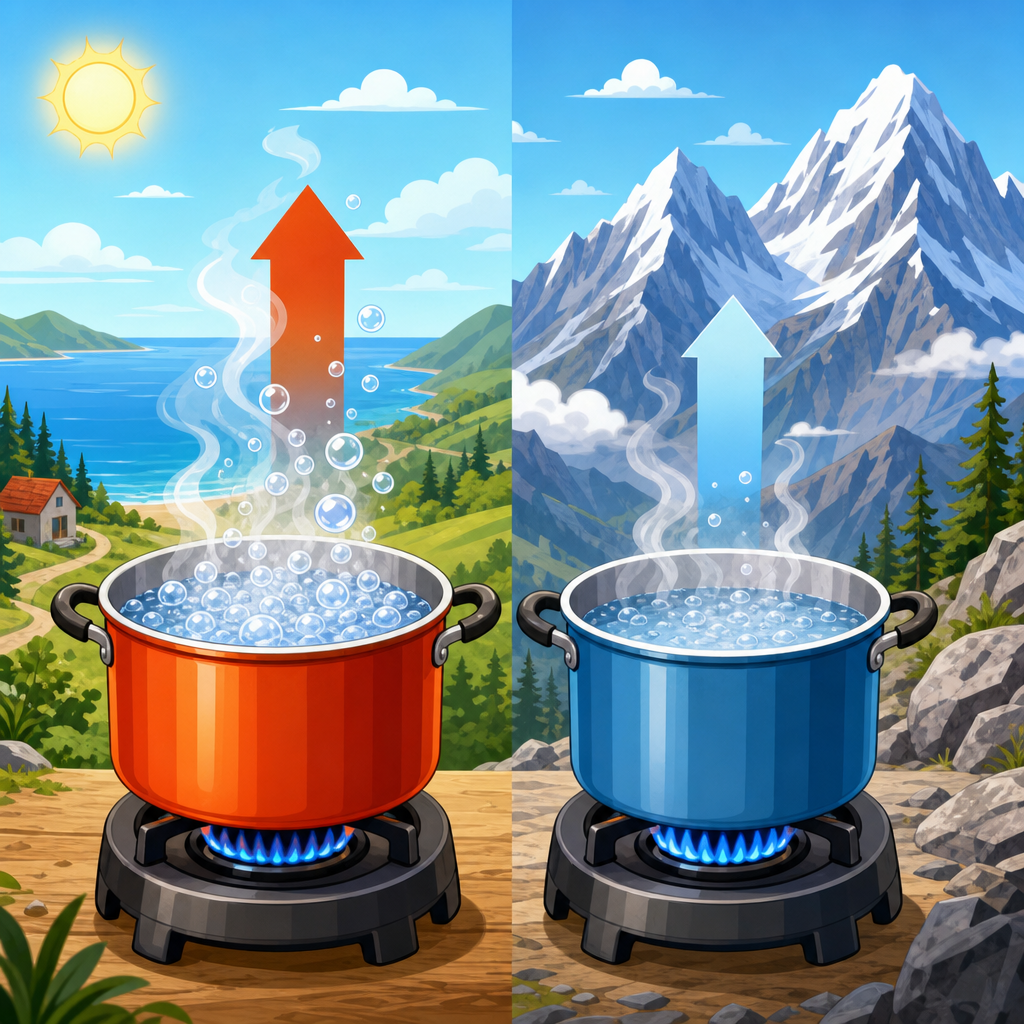
In practical terms, altitude usually means elevations above 3,000 feet, where reduced atmospheric pressure lowers the boiling point of water and speeds moisture loss. A souffle is a baked foam, usually built from a flavored base lightened with whipped egg whites, then expanded by air and steam in the oven. Pies rely on crust structure and balanced filling viscosity. Pastries include laminated doughs, choux, tarts, and custard shells that react sharply to drying and heat. Meringues are sugar-stabilized egg white foams, from French meringue to Swiss and Italian methods. These categories belong together because they all fail in familiar mountain ways: collapse, tunneling, shrinking, weeping, curdling, cracked crusts, soggy bottoms, or hollow centers. If you understand the mechanics, you can troubleshoot across recipes instead of memorizing disconnected fixes. That makes this page the hub for the subtopic: it connects the principles that govern altitude baking and points you toward methods that improve consistency across the entire pies, pastries, and meringues range.
Why altitude changes souffles first
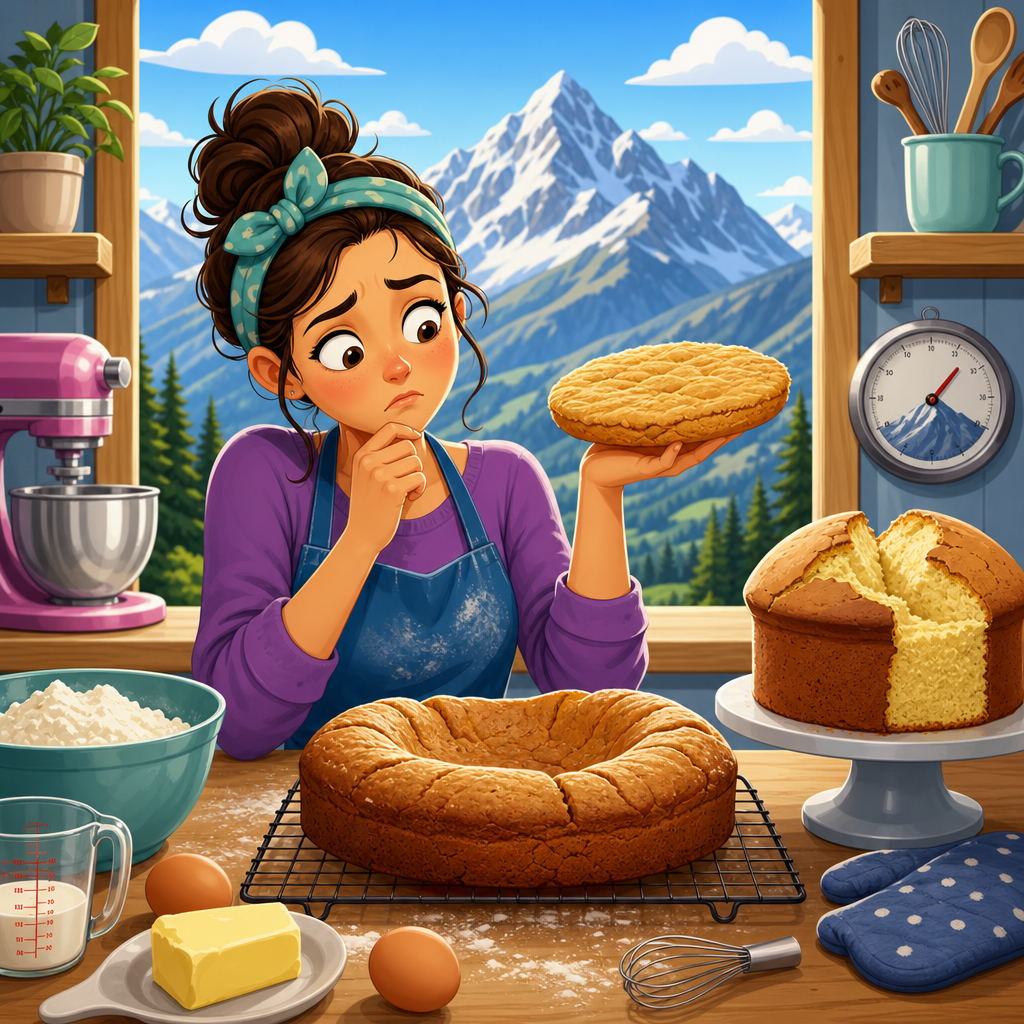
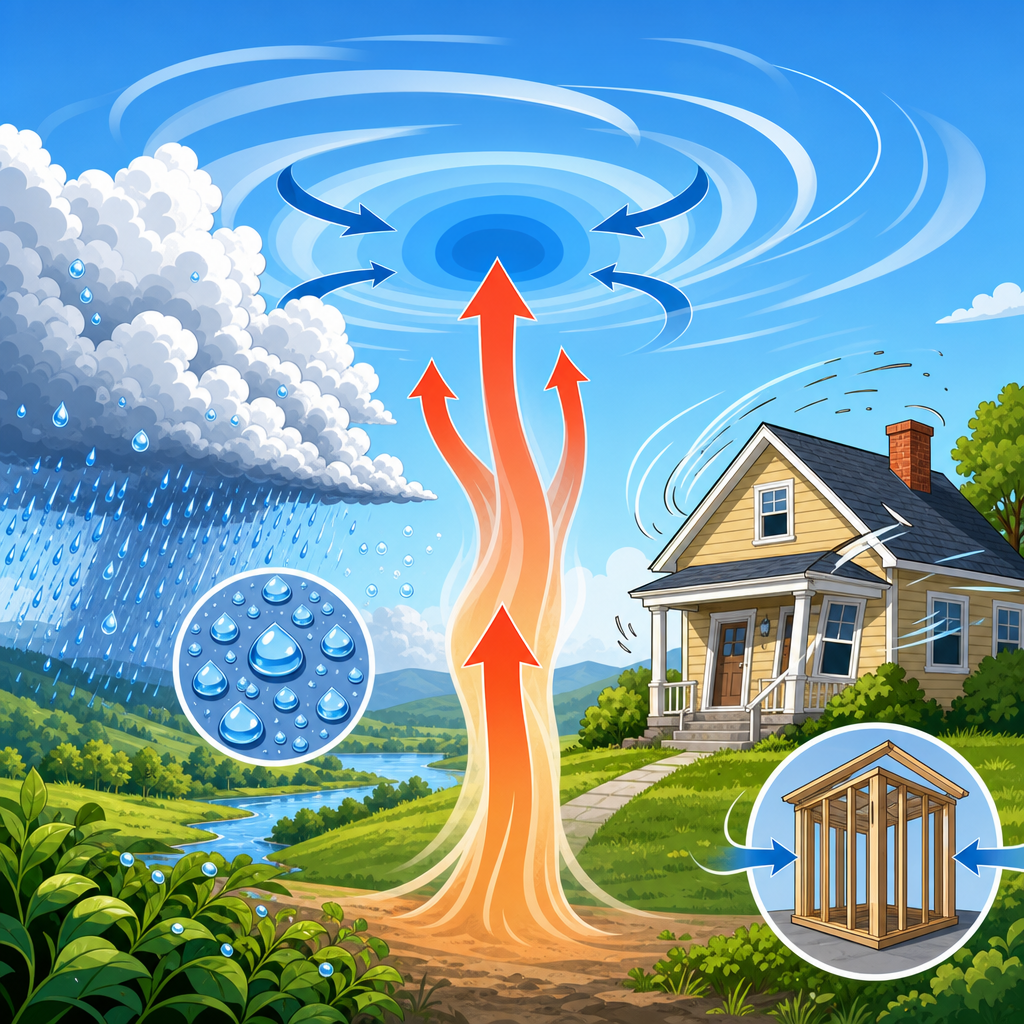
Souffles are often the first dessert bakers notice failing at altitude because they are built on a fragile balance of expansion and setting. Lower air pressure means the gases trapped in whipped whites expand more readily, so the batter rises fast. That sounds helpful, but it also means the foam can overstretch before the egg proteins and starches in the base coagulate enough to support it. In my own tests, a chocolate souffle formula that rose steadily for fourteen minutes at sea level peaked around eleven minutes at 7,200 feet and began losing height within two more. The same pressure effect also lowers the boiling point of water, so steam forms earlier. Early steam gives dramatic lift, but it also pushes moisture out of the batter sooner, increasing the odds of a dry shell and under-set center if the oven is not calibrated properly.
Timing matters because souffles have a narrower service window in mountain conditions. At sea level, you may have a little grace between pulling the ramekins and serving. At altitude, overbaking by even one minute can create a stiff outer wall that separates from the center, while underbaking by one minute can leave the middle fluid enough to collapse the moment the door opens. The practical adjustment is not simply “bake less” or “bake hotter.” It is to prepare every supporting variable so that the souffle can be baked and served immediately: preheat thoroughly, grease and sugar the ramekins evenly, finish the base before whipping whites, and seat guests before the bake starts. If your oven runs cool or cycles widely, use an oven thermometer and place ramekins where top and bottom heat are balanced. Mountain souffles reward readiness more than improvisation.
The shared rules for pies, pastries, and meringues
Although souffles are the headline, the same altitude rules govern pie crusts, tart shells, cream puffs, meringue toppings, and baked custards. First, moisture evaporates faster, so doughs and fillings dry out sooner. Second, leavening gases expand more aggressively, so structures can overinflate and then collapse. Third, sugar concentrates faster as water leaves a mixture, affecting browning, viscosity, and foam stability. Fourth, proteins in eggs and flour need careful heat management, because they can set too slowly in the center but overfirm at the edges. Once you know these four rules, many adjustments make sense. You may add a little extra liquid to pie dough, reduce sugar slightly in meringue-based formulas that brown too fast, increase oven temperature modestly for some pastries so structure sets sooner, or shorten bake times while protecting surfaces from overcoloring.
This is why a subtopic hub matters. A fruit pie with a soupy filling at 6,000 feet and a fallen cheese souffle at 7,500 feet may seem unrelated, yet both failures often trace back to premature boiling and insufficient thickening before structural set. Likewise, a cracked lemon meringue pie and a dry éclair shell can both result from excess evaporation. Bakers who learn category by category often miss these links. Bakers who learn the physics can transfer skill between recipes. Standards from King Arthur Baking, USDA food safety guidance for eggs, and professional pastry texts all support the same principle: stable results come from controlling heat transfer, water activity, and foam strength, not from relying on a single universal altitude conversion. That is especially true above 5,000 feet, where recipe tolerances tighten.
What timing means at each souffle stage
Timing starts before mixing. The base must be warm enough to fold smoothly with whites, but not hot enough to deflate them. If you make a béchamel or pastry cream base, cool it to warm room temperature, usually around the point where the bowl feels neutral rather than hot. Whites should be fresh, free of yolk, and whipped close to use, because foams at altitude lose strength quickly if left standing. I prefer beginning with room-temperature whites for volume, then adding sugar only when soft peaks form for sweet souffles; adding it too early slows foaming, while adding it too late creates a coarse, unstable texture. For savory souffles, a small amount of acid such as cream of tartar can help tighten the foam, but too much creates a dry, cottony structure.
Folding is where many mountain souffles are won or lost. Because expansion is stronger at altitude, you need fewer intact large bubbles and more evenly distributed small ones. That means folding just until no streaks remain, not preserving every visible pocket of foam. Fill ramekins promptly, level the tops, and run a thumb around the rim if the formula calls for a top hat rise. Then bake without delay. The moment batter sits, drainage begins: liquid sinks, foam rises, and the eventual crumb becomes uneven. During baking, avoid opening the oven early. Use the light and window instead. Once the tops have risen and the centers still show a slight controlled wobble, serve immediately. At altitude, the ideal finish is often a little less set than your instincts suggest, because carryover heat continues working on the way to the table.
Pie crusts, fillings, and meringue toppings at altitude
Pie work at altitude teaches the same lesson about timing from a different angle. Crusts lose moisture quickly during mixing and rolling, so they can seem cohesive on the bench but bake up crumbly and shrunken. I generally hold back a small portion of flour until I judge hydration, then add ice water in smaller increments than sea-level formulas suggest. Resting still matters, but overlong refrigeration can make a high-altitude dough drier than expected, especially in frost-free home refrigerators. For fruit fillings, the challenge is early boiling. Juices can thin before starches fully gelatinize, leading to bubbling edges and a loose center. Pre-cooking part of the filling, using tapioca starch or modified cornstarch where appropriate, and baking long enough for the center to visibly thicken are practical fixes.
Meringue toppings on pies are especially sensitive because they combine foam, sugar, and residual moisture from the filling. French meringue is the least stable and often weeps at altitude if spread over a hot filling and baked too long. Swiss meringue offers better control because sugar is dissolved over heat before whipping. Italian meringue is the most stable for many mountain bakers because hot syrup creates a tighter foam that resists collapse. The tradeoff is more equipment and more precision. Timing again is decisive: spread meringue while the filling is still hot enough to bond, seal it fully to the crust edge, and finish just until the surface is colored. Waiting too long between filling, topping, and baking encourages separation. That same sequence awareness improves souffles, which also punish delay between mixing and heat.
Pastry categories and the best altitude adjustments
Not every pastry reacts identically, so this hub organizes the main categories by their failure points and best corrections. Laminated doughs such as puff pastry and croissants suffer when butter softens too fast and trapped steam escapes before layers set; colder dough handling and decisive baking help. Pâte à choux often expands dramatically but can collapse if the shell dries outside before the interior structure finishes; a slightly higher bake to set the shell, followed by enough drying time, works better than rushing. Custard tarts and pies curdle more easily because water boils sooner; gentler baking, shields against overbrowning, and pulling at the right jiggle are essential. Meringue cookies and pavlovas crack more readily in dry mountain air; lower finishing heat and gradual cooling reduce stress.
| Category | Common altitude problem | Most effective adjustment |
|---|---|---|
| Souffles | Rapid rise, collapse before service | Prepare fully in advance, bake promptly, serve immediately |
| Fruit pies | Runny filling, overbrowned crust | Pre-cook filling, verify center bubbling, shield crust edges |
| Meringue pies | Weeping, shrinking, beading | Use a more stable meringue method and seal to hot filling |
| Pâte à choux | Large hollow shells that deflate | Dry panade properly, bake through, vent and dry after baking |
| Cream or custard pies | Curdling or watery set | Use gentler heat and remove at slight wobble |
| Puff pastry | Butter leakage, poor lift | Keep dough colder and avoid underbaking |
The practical value of this comparison is that it shows where to spend attention. For souffles, the priority is service timing. For pie fillings, it is thickening and moisture control. For laminated pastry, temperature management dominates. In each case, altitude amplifies small delays. A sheet of puff pastry left on a warm counter for five extra minutes, a lemon meringue pie topped after the filling cools, or a souffle batter waiting while dinner plates are cleared can move a recipe from excellent to disappointing. Mountain baking is often described as recipe adjustment, but in real kitchens it is workflow adjustment. Better mise en place consistently beats dramatic formula changes.
Tools, testing, and when to break the rules
Reliable altitude baking depends on measurement and observation, not folklore. An inexpensive oven thermometer is mandatory because many home ovens run 15 to 25 degrees off. A digital scale improves crust hydration, meringue sugar ratios, and choux consistency. An instant-read thermometer is useful for custards, curds, and sugar syrup for Italian meringue. If you bake often above 5,000 feet, keep a notebook with elevation, humidity, bake time, pan size, and flour brand. I have seen two kitchens at the same elevation produce different results because one oven vented aggressively and the other retained more humidity. Those notes reveal whether your repeated problem is excessive evaporation, weak structure, or simple underbaking. They also stop you from making conflicting adjustments all at once.
There are times to break standard altitude advice. Increasing oven temperature is often recommended, but not for every formula. Delicate custards and cheesecakes usually need protection from harsher heat, not more of it. Reducing sugar can help some cakes, yet meringues often need adequate sugar for stability, especially in dry climates. Adding flour or starch may strengthen a fruit filling, but too much can create a pasty texture. The best approach is to identify the actual failure mode and correct only that variable first. If your souffle rises fast and then caves, focus on stronger, earlier set and faster service, not random ingredient changes. If your pie crust shrinks, look at gluten development, rest time, and pan support before increasing liquid. Precision solves more problems than blanket rules.
Souffles, pies, pastries, and meringues all become more manageable at altitude once you treat timing as a structural ingredient. Lower air pressure speeds expansion, lowers the boiling point of water, and narrows the margin between perfectly set and overdone. That is why souffles are so unforgiving in mountain kitchens, and why the same habits that improve them also improve tart shells, fruit pies, choux, pavlovas, and meringue-topped desserts. Work from a complete mise en place, measure by weight, verify your oven, and make one adjustment at a time based on what actually failed. For souffles specifically, prepare the room, the ramekins, and the service plan before you whip the whites, because the clock starts the moment the foam is folded in.
As the hub for pies, pastries, and meringues within cooking and baking at altitude, this page gives you the framework to troubleshoot across the whole category instead of recipe by recipe. Use it to diagnose whether your issue is moisture loss, premature expansion, weak thickening, unstable foam, or delayed service. Then go deeper into individual recipes and techniques with that lens. You will waste fewer ingredients, get more predictable rises and cleaner slices, and understand why a fix works rather than guessing. If you bake above 3,000 feet, start with your next souffle: calibrate the oven, organize the table, and treat every minute from folding to serving as part of the formula.
Frequently Asked Questions
Why do souffles rise and fall faster at high altitude?
At high altitude, the lower air pressure changes the entire rhythm of a souffle. A souffle rises because air trapped in whipped egg whites expands and because moisture in the batter turns to steam in the oven. When atmospheric pressure is lower, that expansion happens more easily and more quickly, so the souffle can surge upward faster than it would at sea level. That sounds helpful, but it also means the delicate structure has less margin for error. If the interior has not set firmly enough by the time the rise peaks, the walls of the souffle can weaken and collapse sooner.
Timing becomes critical because several things are happening on a compressed schedule. Egg whites foam quickly, steam pressure builds faster, and the window between “beautifully risen” and “starting to fall” is much shorter. In many mountain kitchens, even a small delay between pulling the dish from the oven and serving can noticeably reduce height. Add in the fact that oven behavior can feel more aggressive or less forgiving at altitude, and you get a dessert that demands close attention from mixing through service. In practical terms, a high-altitude souffle should be treated as a minute-sensitive dessert, not a leisurely one. You want the table ready, plates prepared, and serving plan in place before the ramekins ever go into the oven.
How does altitude affect egg whites, and why does that matter so much for souffle timing?
Egg whites are the engine of a souffle, and altitude changes how that engine behaves. Because air pressure is lower, whites can whip to volume quickly, but “quickly” does not always mean “better.” It is easy to overwhip them before you realize it, especially if you are used to sea-level cues. Overwhipped whites look stiff and impressive in the bowl, yet they are harder to fold smoothly into the base and more likely to create a batter that rises unevenly or dries out before the interior sets. That can shorten the souffle’s ideal serving window even more.
The goal is a foam that is strong enough to lift the batter but still flexible enough to expand in the oven without tearing apart its own structure. At altitude, that often means watching texture more carefully than the clock. Many bakers do best stopping at glossy medium-to-stiff peaks rather than pushing for very firm peaks. Once folded into the base, the batter should go into prepared dishes and into the oven promptly. If it sits too long, the foam begins losing strength, and the batter can deflate before baking even starts. In other words, altitude magnifies the importance of every minute between whipping, folding, filling, baking, and serving. Good souffle timing starts with reading the whites correctly and moving with purpose once they are ready.
What timing adjustments help a souffle succeed in a mountain kitchen?
The most effective adjustment is to think of the entire process as a coordinated sequence rather than a casual recipe. At altitude, prep everything before whipping the whites: ramekins should be buttered and coated if needed, the base should be fully finished and cooled to the proper temperature, the oven should be thoroughly preheated, and your serving area should be ready. Once the whites are whipped and folded in, the batter should not linger on the counter. The faster rise at altitude means delays cost you more than they do at sea level.
During baking, rely less on generic recipe timing and more on visual readiness. A souffle at altitude may puff dramatically before the center is fully set, so do not assume maximum height means it is done. Look for a risen top that still appears moist but not liquid, with a slight wobble in the center rather than sloshing movement. If your oven has hot spots or cycles strongly, rotate only if absolutely necessary and only at a point when the structure is developed enough to tolerate brief disturbance. Most important, plan service around the souffle rather than the other way around. Call guests, pour coffee, and clear the path before the oven door opens. In mountain baking, “serve immediately” is not just cookbook language—it is a real performance requirement.
Should I change the oven temperature or baking method for souffles at altitude?
Often, yes—but the exact adjustment depends on your altitude, your oven, and the type of souffle you are making. The reason temperature matters so much is that the structure needs to set in balance with expansion. At altitude, gases and steam expand readily, so the souffle may rise before the proteins and starches have fully stabilized the interior. A modest temperature adjustment can help the batter set in time to support that rise. In some kitchens, slightly increasing the oven temperature helps the structure catch up. In others, especially with ovens that run hot or cycle sharply, too much heat can set the exterior too fast and leave the center unstable. That is why observation matters more than any single universal rule.
A smart approach is to test and document. If your souffle rises impressively but collapses almost at once, the structure may need better support, which could come from small formula changes or a slight bake adjustment. If the top darkens before the center is ready, your oven may be too aggressive for the timing you need. Use an oven thermometer, preheat thoroughly, and avoid opening the door early. If you bake souffles regularly at altitude, treat your kitchen like a controlled environment: take notes on oven behavior, rack position, dish size, and actual bake time. High-altitude success usually comes from consistency and repeatable timing, not guesswork. A souffle can still be elegant and dramatic in a mountain kitchen, but it rewards bakers who manage heat and timing as a single system.
How can I keep a high-altitude souffle from collapsing before it reaches the table?
You cannot prevent all settling—every souffle begins to lose height once it leaves the oven—but you can dramatically reduce premature collapse by tightening the timing from finish to service. Start by building the strongest possible structure: make a balanced base, whip the whites to the right stage rather than the maximum stage, fold gently without leaving large streaks or knocking out too much air, and bake until the center is properly set for the style you want. Underbaked souffles are especially vulnerable at altitude because they can look done from the outside while the interior remains too weak to support itself.
Then focus on logistics. The biggest mistake in high-altitude souffle service is treating the dessert as if it will wait. It will not. Have diners seated, accompaniments portioned, and any sauces or garnishes ready in advance. If you are moving the souffles from kitchen to dining room, keep the route clear and the transfer quick. Avoid long pauses for photos, plating decisions, or table resets after baking. If you are entertaining, tell guests ahead of time that dessert will arrive immediately from the oven. In mountain conditions, that level of planning is not fussy—it is practical. The best high-altitude souffles are not just well mixed and well baked; they are well timed all the way to the spoon.