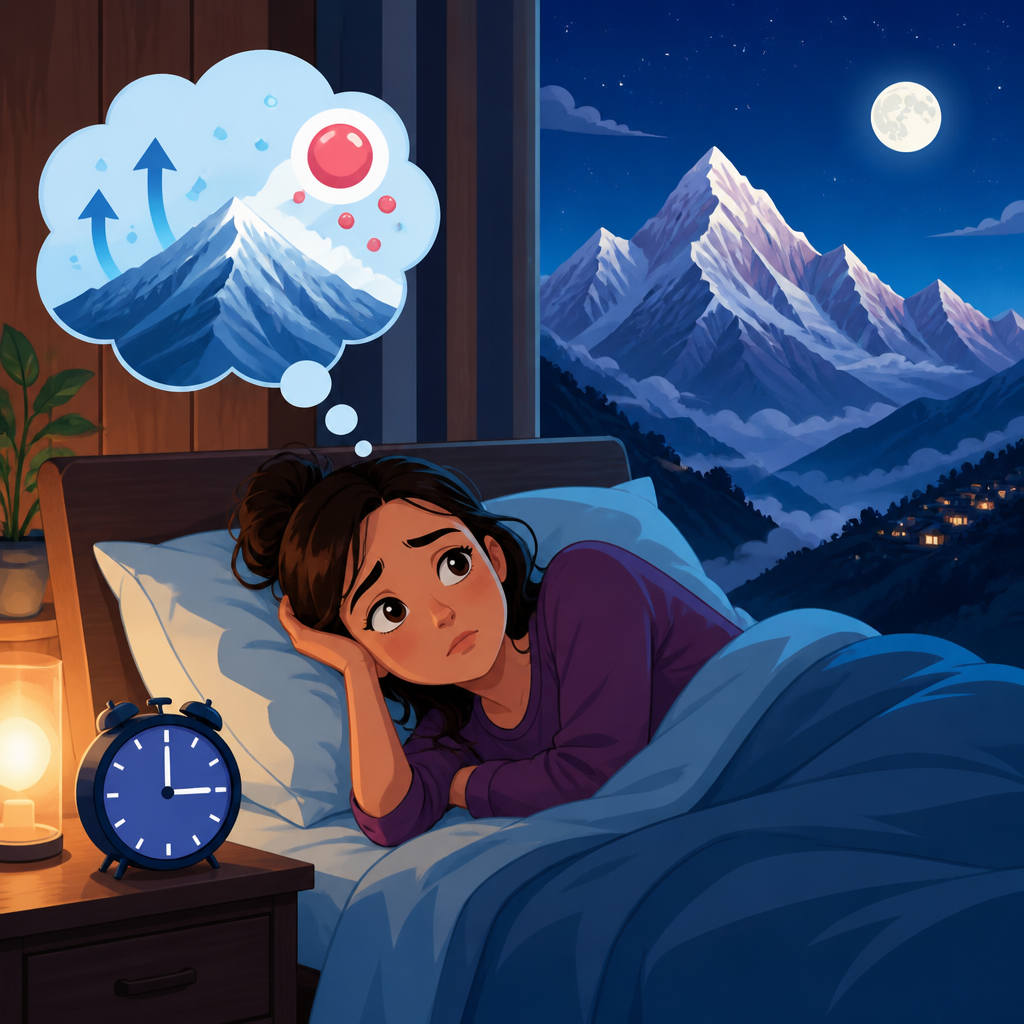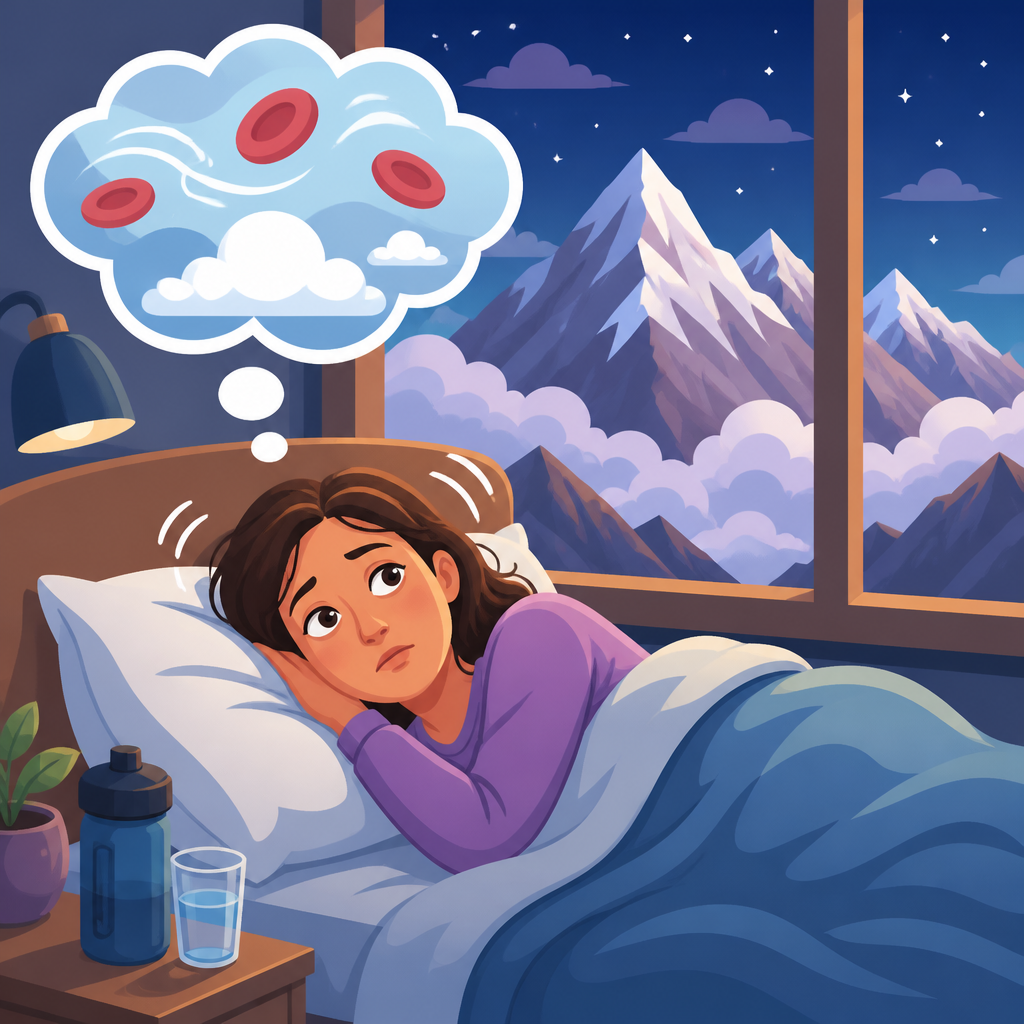
How to recover after a trip where altitude wrecked your sleep starts with understanding what changed in your body and what usually improves once you are back at sea level. High altitude generally means elevations above 1,500 to 2,500 meters, where lower barometric pressure reduces the amount of oxygen available with each breath. That lower oxygen availability can disrupt normal sleep architecture, increase nighttime awakenings, trigger periodic breathing, dry you out faster, and leave you feeling wired and exhausted at the same time. I have seen this pattern repeatedly in travelers returning from mountain ski weeks, trekking holidays, and high-elevation work trips: they assume one bad night is the issue, but the real problem is several days of fragmented sleep layered on top of dehydration, calorie mismatch, alcohol, sun exposure, and travel stress.
Recovery & Return to Sea Level is the phase where you stop chasing performance and focus on restoring normal physiology. For most healthy people, breathing stabilizes quickly after descent, but sleep quality, appetite, mood, and training capacity can lag for several days. The key terms matter. Sleep debt is the cumulative loss created by shortened or disrupted sleep. Circadian timing is your internal 24-hour clock, which travel can shift even if altitude was the main trigger. Rehydration is not just drinking water; it includes replacing sodium and potassium that help you retain and use fluid. Recovery nutrition means enough total calories, protein for repair, and carbohydrates to restore depleted glycogen. If altitude wrecked your sleep, your recovery plan should address every one of those pieces together, because fixing only one usually leads to slow, frustrating improvement.
This topic matters because poor post-trip recovery tends to spill into work, training, immunity, and mental sharpness. Research on altitude exposure consistently shows reduced oxygen saturation, altered respiratory patterns, and more sleep fragmentation at elevation, especially during the first nights. Even after descent, some travelers report headaches, unusually high resting heart rate, poor appetite, and the sense that sleep is still “light” or unrefreshing. The good news is that once you return to sea level, the environment is finally helping you again. Oxygen availability rises, ventilation normalizes, and your body can redirect energy from adaptation back toward repair. A structured plan over the next seventy-two hours and the following week can make the difference between bouncing back quickly and dragging fatigue around far longer than necessary.
Why altitude disrupts sleep and what usually happens after descent
The shortest accurate explanation is this: altitude stresses breathing during sleep. At elevation, your body increases ventilation to bring in more oxygen. That compensatory hyperventilation can lower carbon dioxide enough to destabilize breathing control, especially during lighter sleep. The result is periodic breathing, a waxing and waning pattern of breaths with brief pauses that can jolt you awake. Many travelers notice this as sudden awakenings, vivid dreams, dry mouth, or a feeling of never reaching deep sleep. Add a dry environment, reduced thirst sensation, extra walking, alcohol, and big temperature swings, and sleep quality often drops hard.
When you descend, periodic breathing usually improves quickly because oxygen pressure rises and the respiratory control system no longer has to work as aggressively. In practice, though, recovery is not always immediate. I tell returning travelers to expect the breathing problem to resolve faster than the fatigue problem. Several things can keep sleep feeling off at sea level: accumulated sleep debt, dehydration, delayed muscle soreness, disrupted meal timing, inflammation from long travel days, and anxiety about needing a “perfect” recovery night. If you are waking often after coming home, it does not necessarily mean altitude damage persists. More often, it means your nervous system is still activated and your basic routines have not been reset.
A useful benchmark is that many healthy travelers feel clearly better within one to three nights at sea level, while full recovery in energy, exercise tolerance, and appetite may take three to seven days. Longer recovery is common after trips involving very high sleeping elevations, hard endurance efforts, poor calorie intake, illness, or alcohol. If symptoms such as severe shortness of breath, chest pain, confusion, blue lips, or persistent low oxygen readings continue after descent, that is not normal post-trip fatigue and should be assessed promptly.
Your first 24 hours back: stabilize sleep pressure, fluids, and routine
The first day home should be simple and boring. Do not try to “make up” for altitude sleep loss with random naps, a brutal workout, heavy drinking, or a giant late dinner. Instead, restore the conditions that produce normal sleep. Hydrate steadily, get daylight early, eat regular meals, and keep bedtime close to your usual schedule. If you arrived on little sleep, a short nap can help, but cap it at twenty to thirty minutes and avoid late afternoon. Long naps reduce sleep pressure and often extend the problem into another night.
Rehydration works best when paired with electrolytes and food. A practical target is pale yellow urine, not perfectly clear urine all day, which can signal overdrinking. On return days, I often suggest fluids spread over several hours rather than chugging a huge amount at once. Include sodium through normal meals, broth, salted rice, potatoes, or an oral rehydration product if you had significant exertion, diarrhea, or a long dry flight. Carbohydrates matter too. They replenish glycogen, reduce stress hormones, and can support easier sleep onset that evening. Travelers who come home and “eat clean” but too little often wake at 2 a.m. hungry, hot, and restless.
Light movement helps more than intense training. A walk, mobility work, or an easy spin keeps circulation moving without extending sympathetic stress. If your trip included hard climbing, skiing, or trekking, this is not the day to test fitness. Use simple checks instead: resting heart rate, thirst, appetite, mood, and whether stairs feel oddly difficult. If those markers are off, prioritize recovery inputs before performance outputs.
How to sleep better at sea level after altitude insomnia
The best sleep recovery strategy is consistency. Go to bed and wake up at familiar times, keep the room cool and dark, and avoid trying to force extra sleep. Time in bed far beyond your normal schedule often backfires by increasing frustration and light wakefulness. If you are sleepy, get in bed on time; if you are not, use a wind-down routine and wait until drowsiness builds. The goal is to reconnect bed with sleep, not with monitoring symptoms.
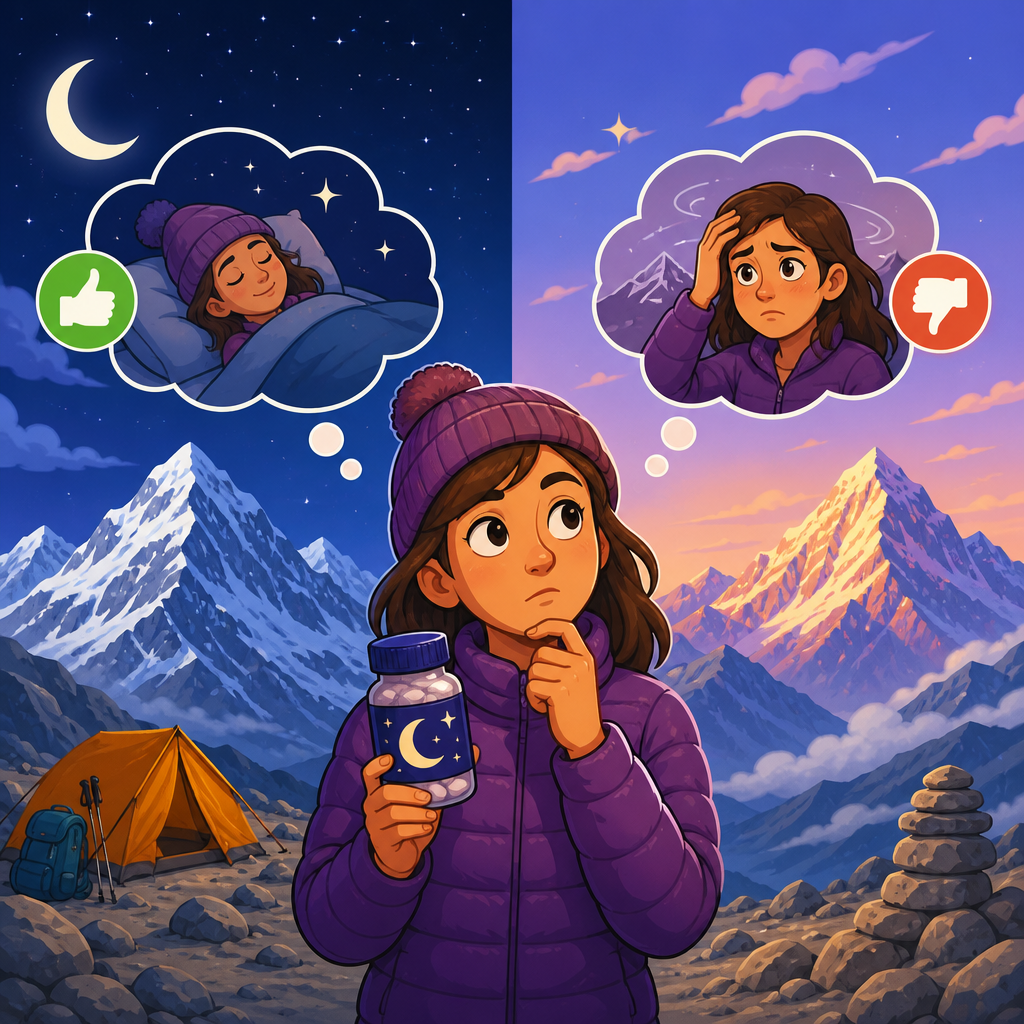
Caffeine needs nuance. If you used more caffeine than usual during the trip, taper back toward your normal intake and cut it off at least eight hours before bedtime. Alcohol is even more straightforward: skip it for a couple of nights. Alcohol can worsen dehydration, increase awakenings, and reduce REM quality, exactly the problems you are trying to reverse. For travelers asking about supplements, magnesium glycinate may help some people relax, but it is not a fix for altitude-related sleep disruption. Melatonin can be useful when travel shifted your schedule, yet for pure post-altitude fragmentation, routine and recovery behaviors generally matter more.
If your sleep still feels choppy, focus on objective progress rather than perfect sleep. Are you falling asleep faster than the first night home? Are awakenings shorter? Is morning energy improving? Those are signs the system is normalizing. Consumer wearables can be helpful if they lower guesswork, but they also fuel orthosomnia in anxious travelers. I have had better results using wearables for trend checks, such as resting heart rate and total sleep time, than for obsessing over exact sleep stages, which are estimated rather than directly measured outside formal polysomnography.
Hydration and nutrition that actually speed recovery
Altitude increases respiratory water loss, and many trips stack that with sweat, sun, and suppressed appetite. Recovery nutrition should correct deficits without creating digestive overload. Start with three priorities: fluids plus electrolytes, adequate carbohydrates, and sufficient protein. Most returning travelers do better with familiar, digestible meals than with restaurant splurges. Think rice, oats, potatoes, fruit, yogurt, eggs, soups, lean meats, beans, and salty broths. If appetite is low, smaller meals every three to four hours work well.
Protein supports tissue repair, especially if the trip involved skiing, hiking, climbing, or carrying loads. A useful general target is twenty to forty grams per meal, depending on body size and total intake. Carbohydrates deserve equal attention because altitude and activity can drain glycogen fast. Low glycogen is one reason people feel flat, irritable, and wakeful after an active mountain trip. Replacing it improves energy availability and can lower the physiological stress that keeps sleep light.
| Recovery goal | What to do | Plain-language example |
|---|---|---|
| Rehydrate effectively | Pair fluids with sodium and normal meals | Water through the day, plus soup and a salted rice bowl |
| Restore glycogen | Eat carbohydrate at each meal for two days | Oatmeal at breakfast, potatoes at dinner, fruit snacks |
| Support repair | Aim for protein at regular intervals | Eggs, Greek yogurt, chicken, tofu, or beans every meal |
| Reduce sleep disruption | Avoid heavy alcohol and very late meals | Finish dinner earlier and skip the celebratory nightcap |
| Calm the nervous system | Use light movement, daylight, and a stable bedtime | Morning walk, easy stretching, in bed at your usual time |
Be careful with overcorrection. Huge water intake without sodium can leave you feeling bloated and still unwell. Extremely high-fiber or greasy meals after travel can worsen nausea or reflux, which then further disrupt sleep. If you lost weight during the trip, do not panic; regain tends to happen once hydration and glycogen normalize. Focus on regular intake, not force-feeding.
Exercise, training, and when to push again
One of the most common mistakes after a poor-sleep altitude trip is returning straight to normal training. Physiologically, that makes little sense. Sleep debt raises perceived effort, slows reaction time, and can blunt recovery from exercise. Dehydration and calorie deficits compound that strain. For the first forty-eight hours back, stay in low-intensity zones unless you are clearly sleeping and eating normally again. Easy aerobic work, walking, mobility, and technique sessions are usually appropriate; maximal intervals, heavy lifting to failure, or long endurance sessions are not.
I like using a decision framework borrowed from sports medicine: combine subjective readiness with simple objective markers. Subjectively, assess motivation, soreness, and how refreshed you feel on waking. Objectively, compare resting heart rate, heart rate variability if you already track it, and pace or power at easy effort. If easy work feels strangely hard, appetite is poor, and resting heart rate is elevated, your system is still recovering. Waiting another day is not laziness; it is damage control that often shortens the total recovery timeline.
For recreational travelers, a practical progression is easy movement on day one, moderate training only after one or two decent nights, and harder sessions once sleep feels largely restored. If you came back from altitude illness, a respiratory infection, or extreme exertion, extend that timeline and consider medical advice before resuming intense exercise.
When lingering symptoms need medical attention
Most altitude-related sleep disruption improves with descent, rest, food, and fluids. However, some symptoms deserve evaluation, especially if they persist beyond a few days or seem out of proportion to your trip. Seek urgent care for chest pain, fainting, severe shortness of breath at rest, confusion, one-sided weakness, or oxygen saturation that remains unexpectedly low at sea level. These are not routine recovery signs.
Non-urgent follow-up is sensible if you continue to have major insomnia, loud snoring with witnessed breathing pauses, persistent morning headaches, or unusual fatigue lasting more than one to two weeks. Altitude can unmask underlying sleep apnea, iron deficiency, asthma, reflux, or anxiety that was already present but less obvious at home. In those cases, the mountain did not create the entire problem; it exposed it. Clinicians may use pulse oximetry, sleep studies, blood tests, or cardiopulmonary evaluation depending on the pattern. It is also worth reviewing any medicines used on the trip, including acetazolamide, sedatives, decongestants, and sleep aids, because rebound effects or side effects can muddy recovery.
Build a smarter return-to-sea-level plan next time
The biggest lesson from trips where altitude wrecked your sleep is that descent alone is not a complete recovery strategy. Plan the return phase before you travel. Keep the first evening home clear if possible, stock easy meals and electrolyte options, and avoid booking a hard workout or major presentation the next morning. If altitude sleep issues hit you every trip, document what helped: sleeping elevation, alcohol intake, hydration habits, medication use, and how many nights it took to normalize. Patterns appear quickly when written down.
Recovery & Return to Sea Level works best when you treat it as a deliberate reset. Reestablish your schedule, rehydrate with electrolytes, eat enough carbohydrates and protein, move lightly, and be patient with training intensity. Most travelers recover faster than they expect once these basics are handled well. If you want the best outcome from your next mountain trip, build your post-trip recovery plan now and follow it as carefully as your packing list.
Frequently Asked Questions
Why did altitude affect my sleep so much, and why do I still feel off after I get home?
Altitude changes sleep because the body is working in a lower-oxygen environment than it is used to. At elevations commonly considered high altitude, roughly 1,500 to 2,500 meters and above, lower barometric pressure means each breath delivers less oxygen. In response, your breathing pattern often changes, your heart rate may stay higher, and your sleep can become lighter and more fragmented. Many people also experience more frequent awakenings, unusually vivid dreams, dry mouth, headaches, and a restless feeling at night. A common altitude-related pattern called periodic breathing can also show up, where breathing becomes temporarily shallow or irregular and then rebounds, which can repeatedly disturb sleep without you fully realizing it.
Once you return to sea level, the oxygen issue improves quickly, but that does not always mean you feel normal right away. Poor sleep accumulated over several nights can leave behind a sleep debt, daytime fatigue, irritability, sluggish thinking, and a general sense that your body is still trying to reset. Travel itself can add to the problem through dehydration, alcohol, late meals, time-zone disruption, reduced activity, and stress. In most cases, what lingers after the trip is not ongoing altitude exposure but the aftereffects of broken sleep, dehydration, and a temporarily stressed nervous system. That is why recovery usually focuses on restoring hydration, resuming a stable sleep schedule, getting daylight exposure, and allowing a few nights of consistent rest rather than trying to “fix” altitude once you are already home.
How long does it usually take to recover sleep after a trip where altitude wrecked it?
For most healthy travelers, the worst altitude-related sleep disruption improves within a few days of returning to sea level, and many people start noticing better sleep within the first one to three nights. That said, full recovery can take a bit longer if the trip involved several consecutive bad nights, long travel days, alcohol, illness, major physical exertion, or crossing time zones. The body may be back in a normal oxygen environment immediately, but your sleep schedule, energy levels, and sense of mental sharpness may need additional time to catch up.
A useful way to think about recovery is in layers. The breathing-related part often improves first once you are back at lower elevation. Next, your hydration status, appetite, and headache symptoms may settle. Finally, your sleep rhythm and energy can normalize as sleep debt is repaid over multiple nights. If you keep a regular bedtime, get morning light, avoid overcompensating with long naps, and limit alcohol for a few days, recovery tends to be smoother. If you are still having significantly disrupted sleep, marked shortness of breath, chest symptoms, severe headaches, or unusual fatigue after several days at sea level, it is worth checking in with a medical professional to make sure something other than altitude-related sleep loss is going on.
What should I do in the first 24 to 72 hours after I get back to help my body recover?
The goal during the first few days home is to remove anything that keeps your system in a stressed, overstimulated state and to support normal sleep pressure at night. Start with hydration. Altitude can dry you out faster because of increased breathing losses and often low-humidity conditions, so drinking fluids steadily through the day helps. You do not need extreme amounts of water, but you do want to replace what you lost and include electrolytes if your trip involved heavy sweating, hiking, or air travel. Eat balanced meals with enough carbohydrates and protein, because under-fueling can make fatigue and sleep disruption feel worse. If you are exhausted, keep physical activity gentle at first, such as walking or easy mobility work, rather than trying to punish your body back into shape.
Sleep-wise, aim for a normal bedtime rather than going to bed dramatically early. Expose yourself to natural light soon after waking, because morning light is one of the most reliable ways to anchor your circadian rhythm and improve nighttime sleep quality. Limit caffeine to earlier in the day, and be cautious about using alcohol to “knock yourself out,” since it often fragments sleep further. Short naps can help if you are struggling, but keep them brief, ideally around 20 to 30 minutes, and avoid late-afternoon naps that reduce nighttime sleep drive. If your nose, throat, or mouth feel especially dry, consider a humidifier, saline spray, and consistent fluid intake. These simple steps are often enough to help the body transition back into stable sleep over the next several nights.
Should I try to catch up on sleep right away, or can that make things worse?
You should absolutely allow yourself to recover, but there is a smart way to do it. Catching up on sleep after an altitude-disrupted trip is helpful, because you may genuinely be carrying sleep debt. The problem comes when recovery turns into erratic sleep timing, very long daytime naps, or sleeping in so late that your body clock shifts. That can replace one sleep problem with another. A better approach is to protect your nighttime sleep opportunity by going to bed at a reasonable hour, sleeping as long as your body naturally needs when possible, and keeping your wake time fairly consistent from day to day.
If you are overwhelmingly tired, an earlier bedtime for a night or two can be useful, but avoid spending excessive hours awake in bed. Brief naps can take the edge off daytime fatigue, especially if you returned from altitude feeling foggy or headache-prone, but they should support nighttime sleep, not compete with it. In practice, that usually means short naps earlier in the day rather than long evening sleep sessions. Think of recovery as steady recalibration rather than a single marathon sleep session. Most people feel better when they combine adequate nighttime sleep with regular light exposure, movement, hydration, and a return to normal routines.
When should I worry that it is more than just altitude-related sleep disruption?
Most post-trip sleep problems related to altitude improve on their own, but certain symptoms deserve more attention. If you have ongoing shortness of breath at rest, chest pain, fainting, severe or worsening headaches, confusion, blue lips, significant swelling, or a feeling that you cannot get enough air even after returning to sea level, seek medical care promptly. Those symptoms are not typical of simple recovery from a few bad nights of sleep. You should also be more cautious if you have underlying heart or lung disease, sleep apnea, anemia, or if you became ill during the trip.
Even without emergency symptoms, it is reasonable to talk with a clinician if your sleep remains significantly disrupted beyond several days, if snoring or breathing pauses seem much worse than usual, or if exhaustion is severe enough to interfere with work, driving, or daily function. Sometimes altitude reveals an underlying issue such as sleep apnea, anxiety-related insomnia, or a rhythm problem that does not fully resolve when the trip ends. Persistent fatigue can also be related to dehydration, infection, jet lag, medication effects, or overexertion rather than altitude alone. In other words, feeling wiped out for a day or two after poor sleep at elevation is common; feeling progressively worse, having red-flag symptoms, or not improving at all deserves a closer look.