Planning the best gear for kids on their first high-altitude trip starts with one reality: children are not just smaller adults, and the margin for error gets thinner as elevation rises. In practical terms, high altitude usually means destinations above 8,000 feet, where oxygen pressure drops enough to affect sleep, appetite, hydration, temperature regulation, and energy. A first trip may be a family ski vacation, a mountain hut trek, a national park road trip, or a visit to a high-elevation town. Whatever the setting, the right equipment is less about convenience than about prevention. Good gear helps parents manage cold, sun exposure, dehydration, sudden weather changes, motion sickness, poor sleep, and delayed access to medical care.
Travel and emergency preparedness sit at the center of this planning. Families often focus on jackets and boots, then realize too late that the most valuable items were a reliable water system, child-sized sunglasses, lip balm with SPF, a pulse oximeter used correctly, a backup power bank, and a compact emergency kit that matched the route. I have helped families prepare for mountain travel where daytime sunburn happened in freezing air, and where the child who seemed fine at breakfast melted down by afternoon because they were under-hydrated, over-layered, and carrying a pack that rubbed their shoulders raw. The best gear solves these predictable problems before they become trip-ending issues.
This hub covers the core categories every parent should understand before a child’s first high-altitude trip: clothing systems, footwear, sleep and hydration gear, sun and weather protection, monitoring tools, travel logistics, and emergency supplies. It also explains what matters by age, trip type, and altitude exposure. The goal is simple: help families choose gear that is protective, packable, easy for kids to use, and realistic for actual travel. Expensive equipment is not automatically better. Fit, familiarity, and redundancy in a few key items matter more than brand prestige. When families get those basics right, kids stay warmer, drink more, recover faster, and enjoy the mountains instead of merely enduring them.
How to choose high-altitude gear for children
The best gear for kids on their first high-altitude trip should match four variables: elevation, forecast, activity level, and the child’s age and habits. A toddler riding in a carrier at 9,000 feet needs more insulation and sun shielding than a ten-year-old hiking under their own power. A child who resists drinking from a bottle may do better with a hydration bladder. A family staying in a heated lodge has different needs than one sleeping in a tent where overnight temperatures can swing below freezing. Start with the itinerary, not the shopping list.
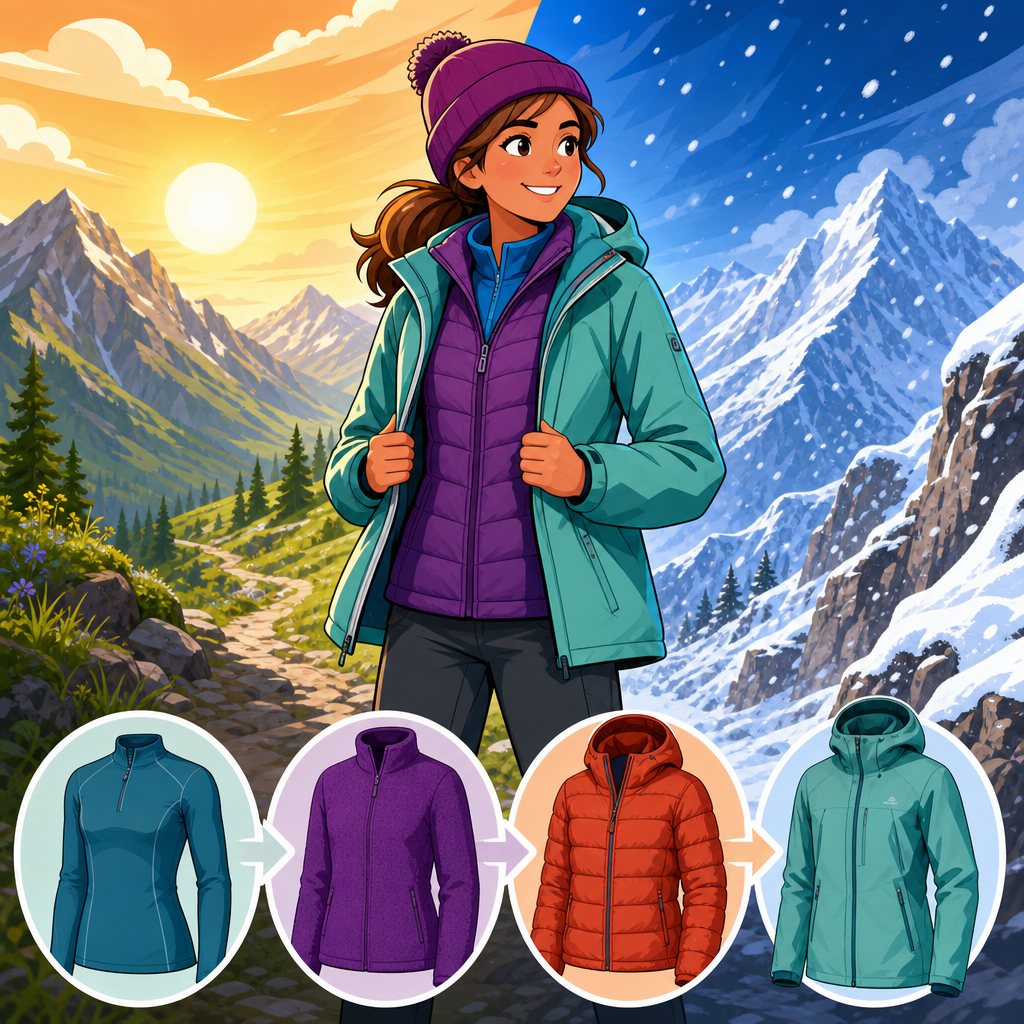
For most first trips, prioritize items that control the most common mountain stressors. Those are cold, ultraviolet exposure, dry air, dehydration, blisters, and sudden weather. Weather changes faster at elevation because thinner air and exposed terrain reduce the buffering effect families are used to at lower elevations. Children also generate heat unevenly: they can feel hot while moving, then become chilled during a snack stop. That is why modular systems outperform single bulky items. A fleece plus a shell plus a light insulated jacket covers more conditions than one heavy coat.
Parents should also judge gear by usability. If mittens are impossible to remove for a bathroom break, children will fight wearing them. If a water bottle leaks, it will not get used. If a headlamp button is too stiff for small hands, the child becomes dependent on an adult at the worst time. During gear checks, I look for simple closures, clear labeling, and items the child has already practiced with at home. Familiarity reduces friction, and friction is what often causes families to skip the very gear they packed for safety.
Clothing layers that actually work in the mountains
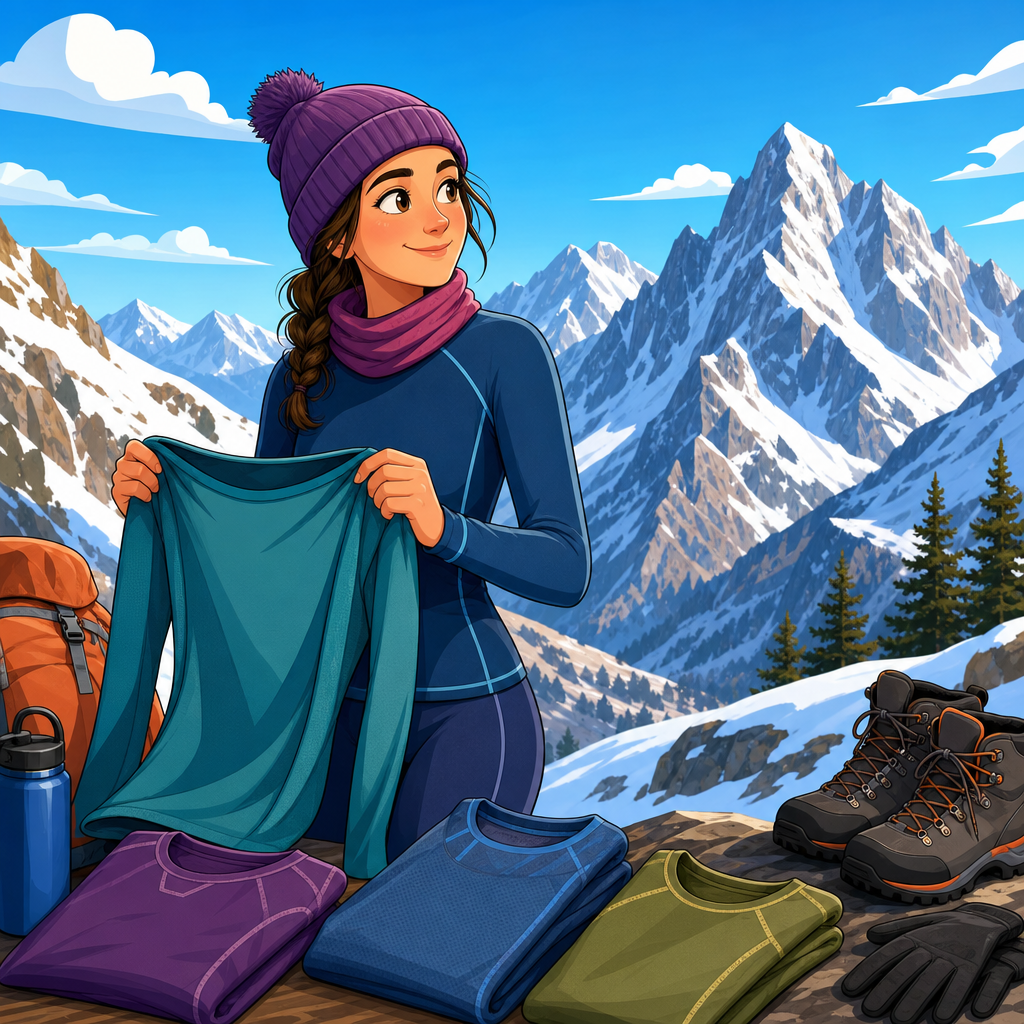
A proper layering system is the foundation of mountain safety for children. The base layer should move moisture away from the skin. Merino wool and quality polyester both work well; cotton does not. Once cotton gets damp from sweat or snow, it loses insulation and increases heat loss. For first-time high-altitude travel, pack at least two base layer tops, two bottoms if conditions are cold, and extra socks so a wet set never becomes a problem that lasts all day.
The midlayer provides warmth. A lightweight fleece handles active periods, while a synthetic or down insulated jacket covers rest stops, gondola rides, and evenings. Synthetic insulation performs better when damp, so it is often the safer family choice for variable mountain weather. The outer layer should block wind and precipitation. A waterproof-breathable shell with a hood is ideal, especially when children move between snow, sleet, and sun in the same day. Snow pants or softshell pants are worth bringing even outside winter because exposed ridgelines can turn warm forecasts into cold experiences quickly.
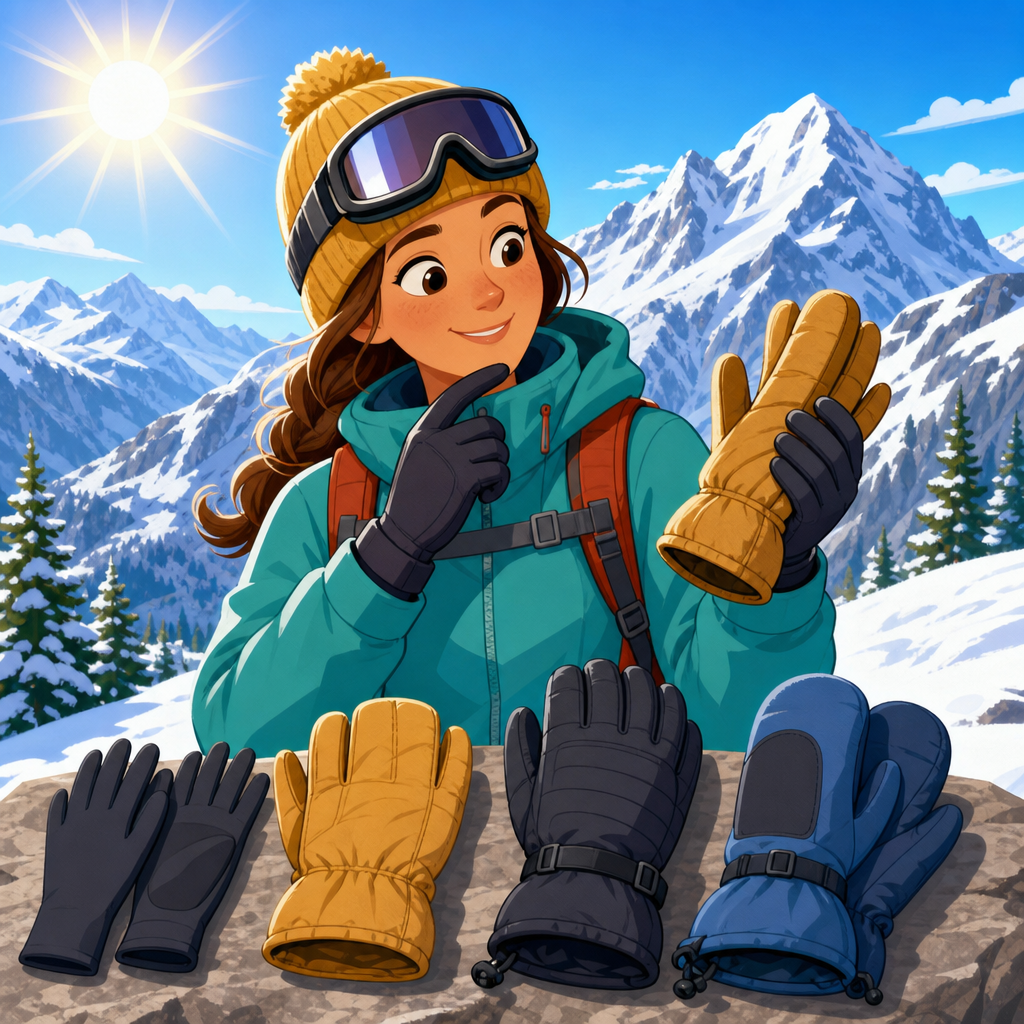
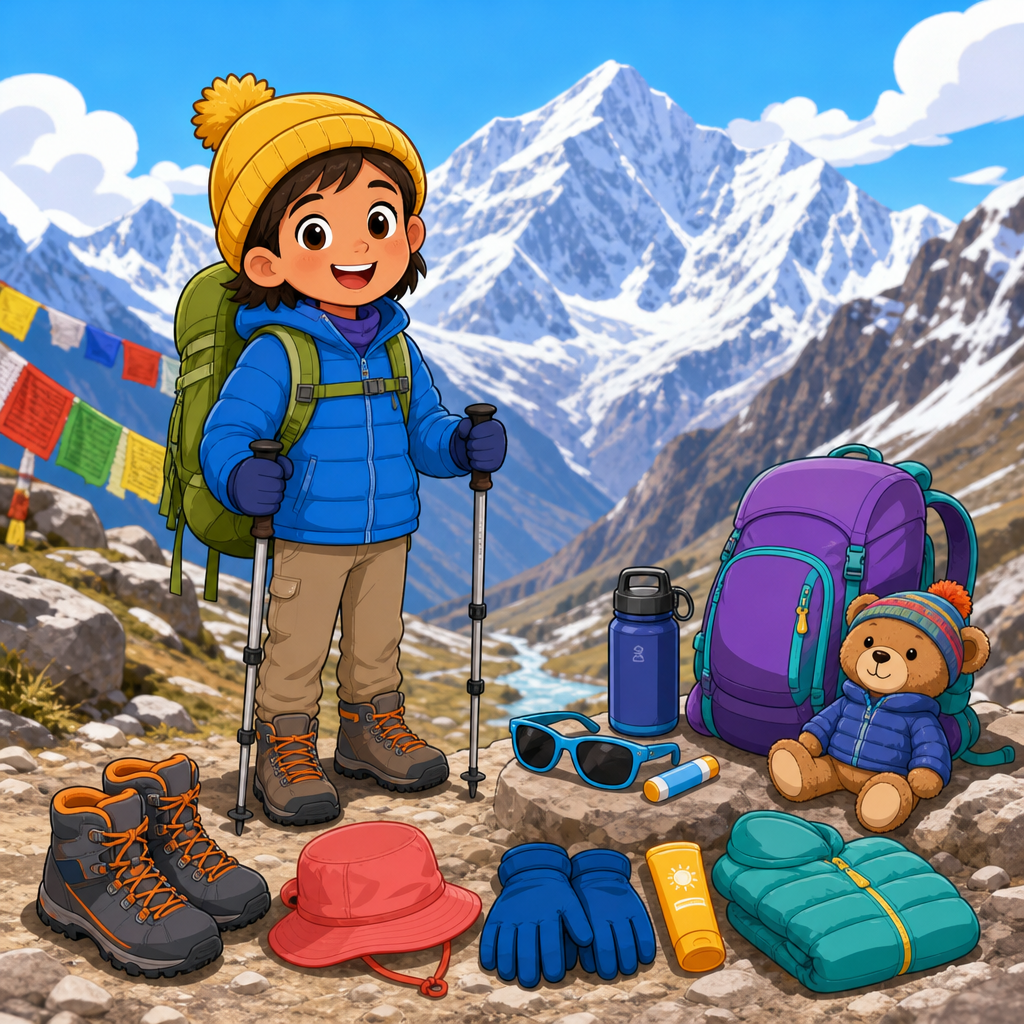
Accessories matter more than many parents expect. Heat escapes rapidly through the head, and children are prone to chapped lips, cold fingers, and sunburned ears. Pack a warm hat, sun hat, neck gaiter, insulated gloves or mittens, liner gloves, and spare socks. I also recommend packing one full backup outfit in a separate bag for travel days. If luggage is delayed or a child gets soaked, that backup set preserves both comfort and morale.
Footwear, packs, and comfort gear that prevent meltdowns
Footwear problems become altitude problems because pain, cold, and fatigue reduce a child’s willingness to eat, drink, and keep moving. Boots or shoes should be broken in before the trip, with enough room for toe movement but not enough heel lift to cause blisters. For summer mountain travel, trail shoes with good tread are often enough. For snowy conditions, insulated waterproof boots are better. Wool or synthetic socks outperform cotton, and a thin liner sock can help some children reduce friction on longer walks.
Children carrying their own gear should have small packs with sternum straps, light loads, and easy-access side pockets. A practical rule is that young children carry comfort items, snacks, and perhaps a light layer, not emergency essentials that the adult may need quickly. Adults should carry medications, navigation tools, extra insulation, and the primary first-aid kit. For carrier-aged kids, confirm that the carrier has sun protection, foot stirrups where appropriate, and room for extra layers because passive riders cool quickly.
Comfort gear is part of safety. Trekking poles sized correctly can reduce slips for older children. A sit pad keeps kids off snow, mud, or cold rock during breaks, which helps preserve body heat. Hand warmers can be useful, but they should supplement gloves, not replace them. A favorite snack pouch, a soft buff, or a familiar blanket for the car can prevent small discomforts from stacking into exhaustion.
Hydration, nutrition, and sleep systems for altitude
Hydration is one of the most important high-altitude habits because dry air and increased breathing cause higher fluid loss. Children rarely recognize this early. The best setup is the one a child will actually use consistently. Some drink more from a straw bottle, others from a hydration bladder, and some do best when each bottle has measured volume markers so parents can track intake. Electrolyte packets can help on active days, but plain water should remain the base. Avoid overloading kids with sugary drinks that suppress appetite or upset the stomach.
Altitude can blunt hunger, yet children still need frequent calories for heat and energy. Pack compact, familiar foods first: crackers, nut butter sandwiches, cheese, dried fruit, pretzels, applesauce pouches, and energy bars they have already tolerated at home. Warm drinks can encourage fluid intake in cold weather. For overnight trips, insulated bottles prevent freezing and make nighttime hydration easier.
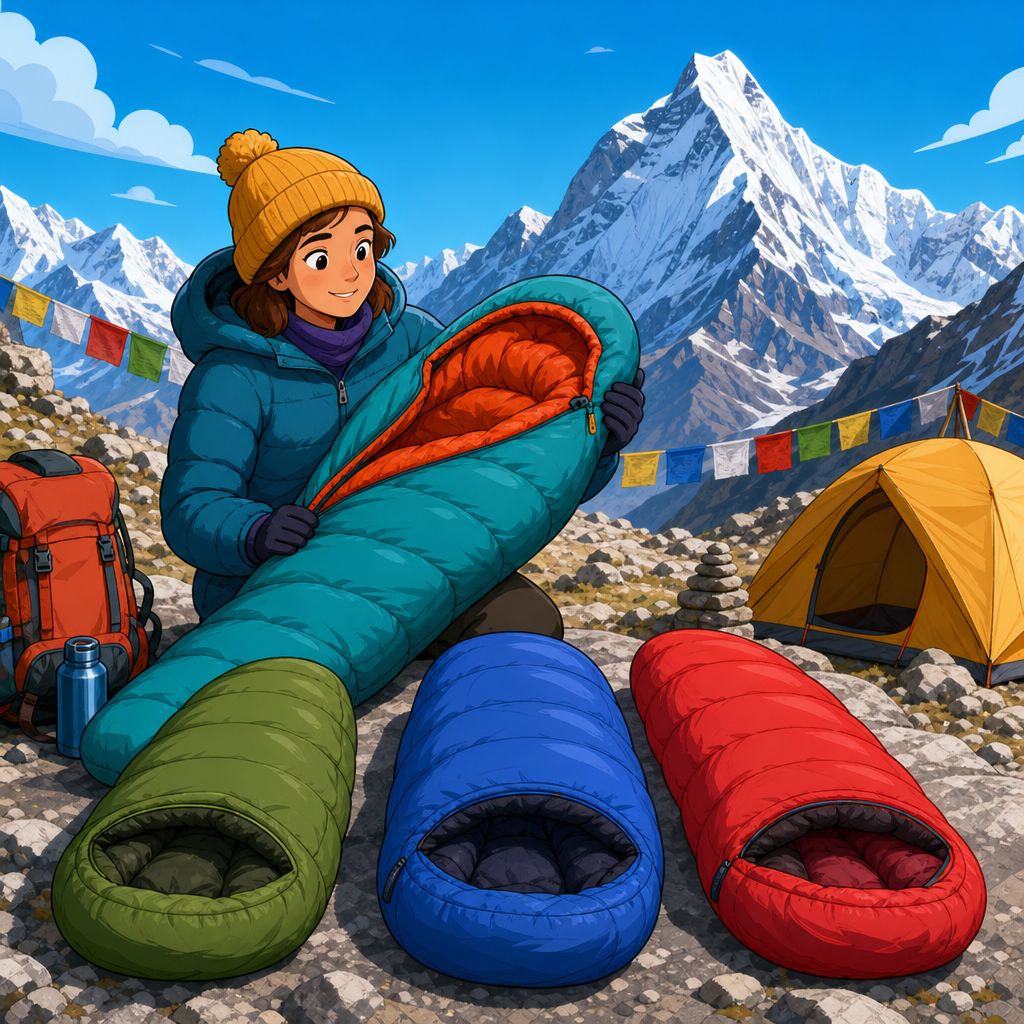
Sleep disruption is common during a first trip to altitude. Dry air, excitement, changed routines, and mild altitude effects all play a role. For lodging stays, a small humidifier can help if the room is very dry, though not every family wants to pack one. More practical is nasal saline, lip balm, and a bedtime water bottle. For camping, children need sleeping bags with realistic temperature ratings, insulated sleeping pads, dry sleep clothes, and a warm hat. The pad matters almost as much as the bag because ground insulation determines how much heat is lost overnight.
Sun, weather, and health monitoring essentials
Ultraviolet exposure intensifies with altitude because the atmosphere filters less radiation. Snow reflects it back upward, increasing risk to skin and eyes. That is why child-sized sunglasses with full UV protection are non-negotiable. Choose wraparound styles with secure straps for younger kids. Broad-spectrum sunscreen of SPF 30 or higher, SPF lip balm, and brimmed hats should be used year-round. Families are often surprised by severe sunburn on cold, cloudy days, but cloud cover does not block all UV, and mountain reflection makes exposure more complex than beach conditions.
Weather gear should include a waterproof shell, pack cover or dry bags, and a compact emergency blanket. In shoulder seasons, microspikes may be appropriate for adults on icy trails, but children should only use traction devices if they fit correctly and the route truly requires them. Never buy technical gear as a souvenir and expect instant safe use on exposed terrain.
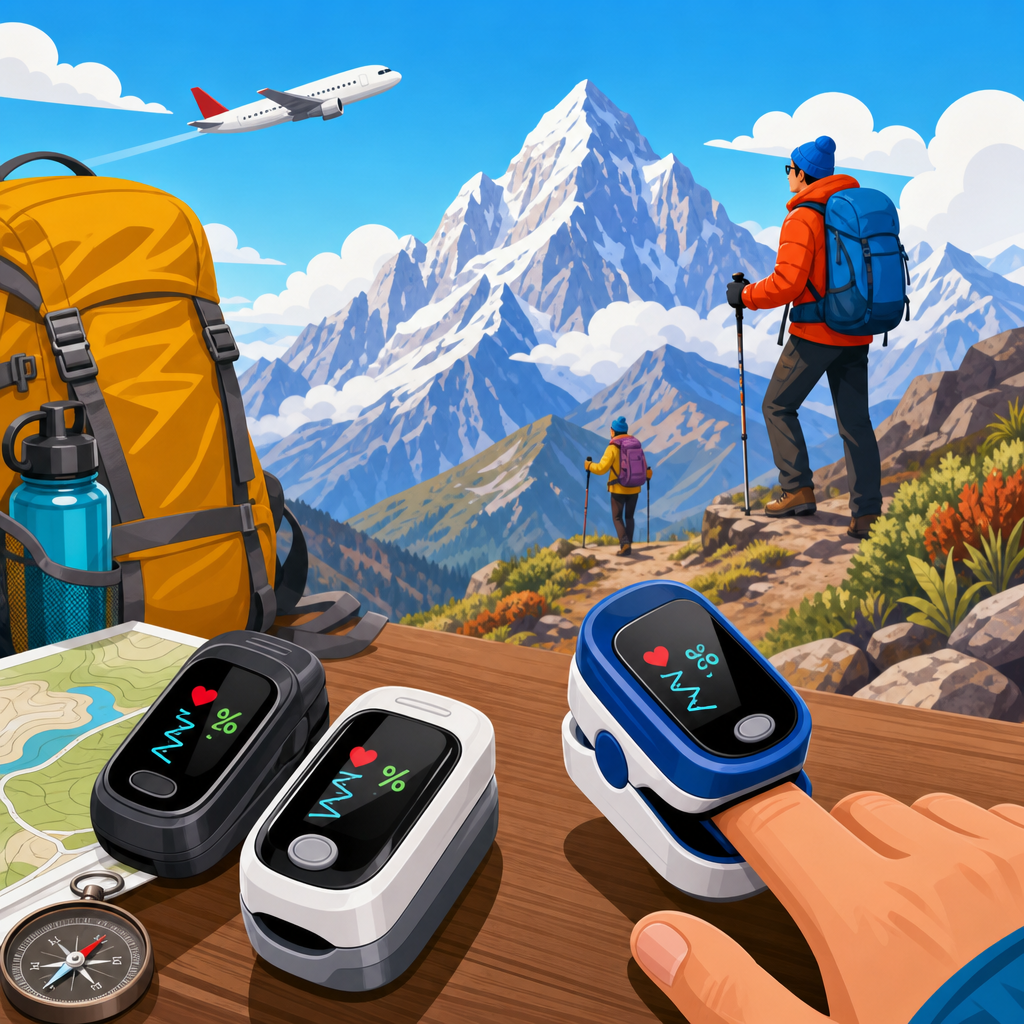
Monitoring tools help parents distinguish routine fatigue from emerging problems. A digital thermometer is useful because fever at altitude can confuse symptom assessment. A pulse oximeter can provide context, but numbers vary with device quality, cold fingers, motion, and altitude acclimatization, so readings should never replace clinical judgment. Watch for behavior change, unusual lethargy, poor intake, vomiting, severe headache, worsening cough, or trouble breathing at rest. In mountain medicine, symptoms matter more than gadget reassurance.
| Gear category | Best choice for most first trips | Why it matters |
|---|---|---|
| Base layers | Merino or polyester, no cotton | Reduces moisture-related chilling |
| Outerwear | Waterproof shell plus insulated jacket | Handles wind, snow, and temperature swings |
| Footwear | Broken-in trail shoes or insulated boots | Prevents blisters and cold stress |
| Hydration | Child-friendly bottle or bladder with volume tracking | Supports steady fluid intake |
| Sun protection | UV sunglasses, SPF 30+ sunscreen, lip balm, brimmed hat | Limits eye damage and fast mountain sunburn |
| Emergency kit | Medications, blister care, thermometer, blanket, power bank | Bridges delays and common minor incidents |
Travel logistics and emergency preparedness for families
Travel and emergency preparedness begin before departure. Parents should know the nearest clinic, urgent care, and hospital to the destination, along with expected drive times. Download offline maps in Google Maps or Gaia GPS, save emergency contacts, and keep paper reservation details in case batteries fail. If flying, split critical gear between checked and carry-on bags. A child’s medications, one full clothing change, snacks, and sun protection belong in the carry-on every time.
The first-aid kit should be compact but intentional. Include the child’s routine medications, weight-based dosing information for acetaminophen or ibuprofen, adhesive bandages, blister pads, gauze, tape, antiseptic wipes, oral rehydration packets, tweezers, and any physician-recommended items. Families with asthma should bring rescue inhalers and spacers, and anyone with severe allergies should carry prescribed epinephrine. If a child uses a wearable medical device or a phone-based monitoring app, pack charging cables and a power bank. Redundancy in power is essential in cold weather because batteries drain faster.
Emergency planning also means knowing when to stop ascending. If a child develops significant altitude symptoms, the reliable intervention is to rest, avoid further ascent, and descend if symptoms worsen or include breathing difficulty, confusion, severe fatigue, or persistent vomiting. No item in your pack replaces that decision. Good gear buys time, improves observation, and keeps children stable while parents make the right call.
How this hub supports your family gear planning
This page is the hub for travel and emergency preparedness within the broader gear, monitoring, and safety topic. Use it as the starting framework for every first high-altitude trip, then build out with more detailed checklists for season, age, lodging style, and activity. The central lesson is straightforward: the best gear for kids on their first high-altitude trip is gear that fits, layers well, protects from sun and weather, encourages hydration, and supports a clear emergency plan. Parents do not need expedition equipment for most family mountain travel, but they do need deliberate systems.
If you remember only a few priorities, make them these: avoid cotton, protect eyes and skin, carry more water capacity than you think you need, bring backup layers, and keep emergency items with the adult, not scattered across several bags. Add monitoring tools for context, not false confidence. Practice with boots, packs, bottles, and jackets before you leave home so the trip is not the first test.
Families who prepare this way usually have a very different first altitude experience. Kids stay comfortable longer, transitions go more smoothly, and parents can focus on the destination instead of constant troubleshooting. Use this hub to review your setup, identify gaps, and build a packing system you can reuse on every mountain trip. A careful gear plan is not extra work; it is what turns high altitude into a safe, memorable adventure for children.
Frequently Asked Questions
What gear do kids really need for a first high-altitude trip?
The best gear list starts with systems, not gadgets. For a child going above about 8,000 feet, the essentials are warm layers, weather protection, sun protection, hydration tools, sleep support, and a few health-and-comfort items that help them adjust to the thinner air. A moisture-wicking base layer, an insulating midlayer such as fleece or light down, and a waterproof or windproof outer layer matter much more than dressing a child in one bulky coat. At altitude, temperatures can swing fast between sunny afternoons and very cold mornings, and kids often get chilled sooner than adults once they stop moving.
Footwear should match the trip. For a ski vacation, insulated waterproof boots and multiple pairs of warm socks are key. For hiking or a mountain road trip with short walks, broken-in waterproof shoes or boots with good traction are usually enough. Add a warm hat, sun hat, insulated gloves or mittens, neck gaiter, and extra socks. Sun exposure is stronger at elevation, so every child should also have high-SPF sunscreen, UV-protective sunglasses that fit well, and lip balm with SPF. Hydration gear matters more than many parents expect, because altitude and dry mountain air increase fluid loss. A water bottle that your child will actually use is better than a fancy system they ignore.
For comfort and recovery, pack a small daypack, familiar snacks, a compact first-aid kit, and sleep items such as a favorite blanket, sleep mask, or white-noise device if they are sensitive sleepers. Many kids experience mild appetite changes, restless sleep, or fatigue during the first day or two at elevation. That does not mean they need specialized altitude gear; it means they benefit from smart basics that support warmth, drinking, resting, and easy layering. If you focus on those priorities, you will cover the gear that truly matters.
How should I dress a child for changing temperatures and weather at high altitude?
Layering is the safest and most practical approach because mountain weather changes quickly and children do not regulate temperature as predictably as adults. Start with a base layer that moves sweat away from the skin. Merino wool or quality synthetic fabrics are better than cotton, which holds moisture and can make a child feel cold very quickly once the wind picks up or activity slows down. On top of that, use a midlayer such as fleece or a lightweight insulated jacket for warmth. The outer layer should block wind and precipitation, whether that means a rain shell for summer hiking or a waterproof ski jacket for snow trips.
Parents often underestimate how often children need clothing changes at altitude. A child who is comfortable while walking in the sun may become cold within minutes after sitting on a lift, riding in a gondola, stopping for lunch, or getting sweaty during play. That is why it helps to keep spare gloves, socks, and a dry top close at hand. Hands and feet cool fast, especially in younger children, so mittens are often warmer than gloves for little kids. A warm hat is essential even when the forecast looks mild, and a brimmed sun hat is useful for daytime exposure because mountain sun is intense.
The goal is to avoid both overheating and chilling. If a child gets too hot and sweaty, damp clothing can make them cold later. If they are underdressed, they may burn energy trying to stay warm and tire faster. Check in frequently instead of assuming they will tell you exactly what they need. Younger kids in particular may not notice early discomfort until they are suddenly miserable. Packing versatile layers and adjusting them often is one of the simplest ways to make a first high-altitude trip smoother and safer.
Do kids need special hydration and snack gear at high altitude?
Yes, because altitude often reduces thirst cues while increasing fluid needs. The air is usually drier, breathing rate may be higher, and activity levels are often elevated on trips involving skiing, hiking, or sightseeing. Children may not ask for water even when they need it, so the right gear should make drinking easy and routine. A simple insulated water bottle for cold conditions or a lightweight bottle for milder weather is usually the best choice. Some children do well with hydration bladders, but others forget to use them or struggle to keep the hose from freezing in winter. The best setup is the one your child already knows how to use comfortably.
Snacks matter just as much. It is common for appetite to dip at higher elevations, especially on the first day or two. Pack small, familiar foods that are easy to eat frequently: crackers, fruit pouches, trail mix if age-appropriate, cheese, granola bars, pretzels, nut butter packets, or other dependable favorites. A child who refuses a large meal may still accept small snacks every hour or two, which can help maintain energy and mood. For skiing or day hikes, keep snacks accessible rather than buried in luggage so you can offer them before a child gets overly hungry, cold, or irritable.
Useful hydration and food accessories include a small cooler bag for road trips, insulated containers for warm drinks or soups, and a designated snack pouch in the daypack. The point is not to overcomplicate things but to remove friction. At altitude, the kids who do best are often the ones who drink and nibble consistently instead of waiting until they feel depleted. Reliable bottles, easy-open containers, and familiar snacks are surprisingly important pieces of high-altitude gear.
What health and safety items should I pack for a child’s first trip above 8,000 feet?
A well-stocked but practical health kit is one of the smartest things you can bring. Start with any regular medications your child uses, and keep them in your day bag rather than checked luggage or a hotel room. Include adhesive bandages, blister treatment, antiseptic wipes, child-safe pain or fever medicine if appropriate for your family, tissues, hand sanitizer, and any doctor-recommended remedies for motion sickness or allergies. Because sun and wind are stronger at elevation, add high-SPF sunscreen, SPF lip balm, and protective sunglasses with full UV coverage. These are not optional extras at altitude; they are core safety gear.
It is also wise to pack items that help you monitor and respond to how your child is adjusting. A thermometer can be useful if a child seems unusually tired or unwell. Extra fluids, oral rehydration options, and easy foods can help if appetite drops. If your pediatrician has given guidance related to altitude, asthma, or other conditions, bring those instructions and medications with you. Families should also know the basics of altitude illness. Symptoms can include headache, nausea, vomiting, unusual fatigue, dizziness, poor sleep, and reduced interest in eating or drinking. In children, the signs may be less clearly described, so watch behavior closely.
No piece of gear replaces judgment. If a child develops concerning symptoms that do not improve with rest, fluids, and a lighter schedule, or if symptoms worsen, the safest response may be to descend and seek medical care. For that reason, safety planning itself is part of your gear strategy. Carry a charged phone, offline maps, emergency contacts, and enough clothing and food to handle delays. The best high-altitude safety kit is not oversized, but it is intentional and built around warmth, hydration, sun protection, and quick response if a child is not adapting well.
What gear is most helpful for sleep, comfort, and acclimatization on a child’s first high-altitude trip?
Sleep disruption is common at altitude, even for adults, and children can feel the effects quickly. Helpful gear focuses on creating familiarity, warmth, and a calm sleep environment. Bring comfortable sleepwear that fits the room temperature, plus a backup option if conditions are colder or warmer than expected. A favorite blanket, stuffed animal, or pillowcase from home can make a big difference, especially if the child is sleeping in a hotel, mountain hut, or unfamiliar rental. If the room is dry, a child-safe moisturizer and lip balm can help with overnight discomfort. White-noise machines or simple phone-based sound apps may also help children settle in noisy lodging.
During the day, pacing gear matters too. A child-sized daypack, if they are old enough to carry one lightly, can help them feel involved without overloading them. Strollers or child carriers may still be appropriate for younger children on walking-heavy trips, but at altitude you want to avoid pushing them too hard physically just because they seem excited at first. Comfort items like hand warmers, an extra fleece, a compact blanket for the car, and easy-access snacks can help prevent small problems from turning into meltdowns. Sunglasses that fit properly and a hat they will actually keep on are also comfort tools as much as safety tools.
For acclimatization, the most helpful “gear” is gear that supports a gentler first 24 to 48 hours: water bottles that encourage sipping, layers that prevent overheating, simple foods, and an itinerary that allows extra rest. Many families expect a child’s first high-altitude trip to go best when they stay busy, but the opposite is often true at the beginning. Comfortable sleep items, reliable layers, and a setup that makes hydration and rest easy will do more for acclimatization than any trendy purchase. For most kids, the goal is not high performance on day one. It is feeling secure, warm