High altitude bagels challenge even experienced bakers because elevation changes fermentation speed, gluten behavior, and moisture loss all at once. In practical terms, high altitude usually means baking above 3,000 feet, where lower air pressure allows dough gases to expand faster and water to evaporate sooner. Bagels are especially sensitive because their defining qualities—dense crumb, glossy crust, and resilient chew—depend on controlled proofing rather than maximum rise. I have baked bagels and other yeast breads for years in mountain climates, and the pattern is consistent: recipes written for sea level often overproof before the dough develops enough strength. The result is a puffy ring that looks promising but bakes up with weak structure and bread-like softness instead of the tight, satisfying bite people expect. This hub explains how to prevent that outcome while covering the wider world of yeast breads and sourdough at altitude. You will learn what changes in bagels, sandwich loaves, pizza dough, enriched doughs, and naturally leavened breads, which adjustments matter most, and how to connect this page with your broader altitude baking practice. If you want better chew without overproofing, start by treating fermentation as the variable to control and water management as the variable to observe closely.
Why altitude changes yeast breads and sourdough
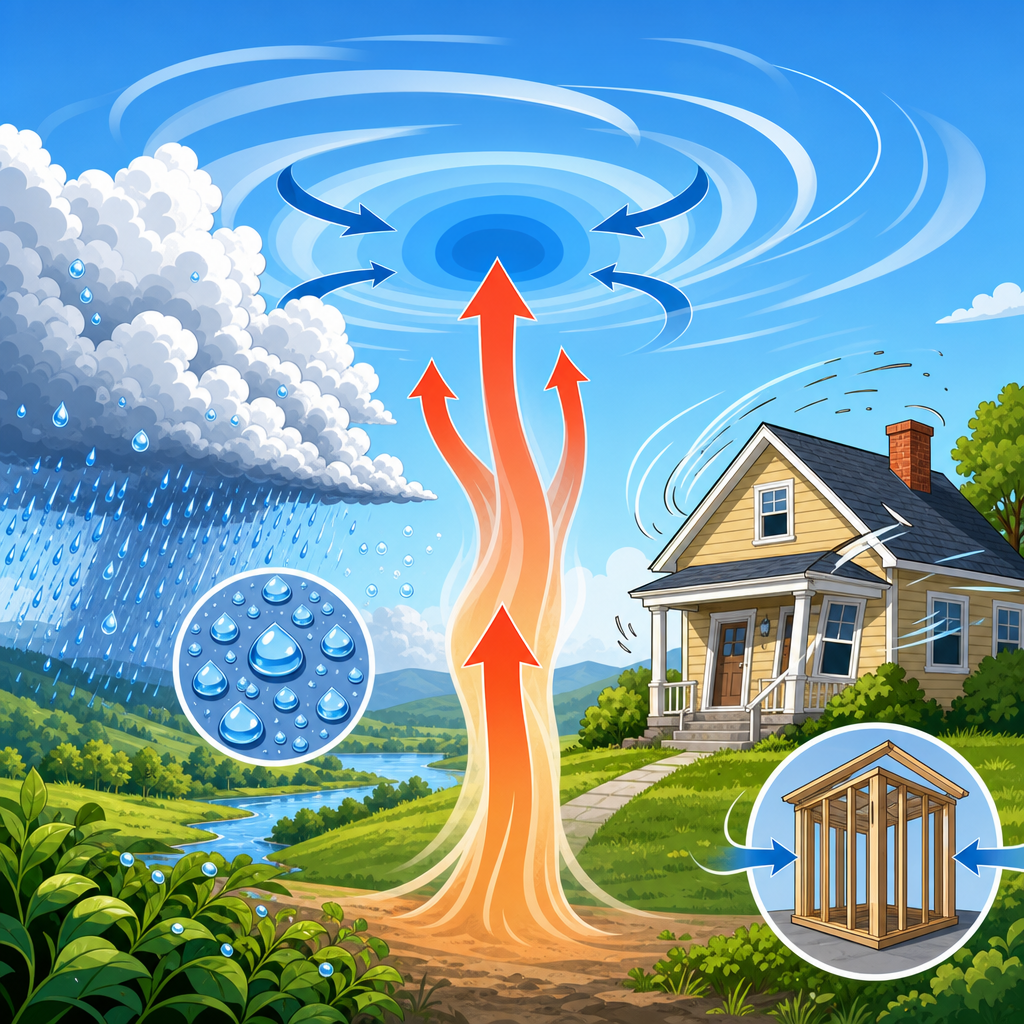
Altitude affects dough through three main mechanisms: reduced atmospheric pressure, faster gas expansion, and lower boiling temperature. The pressure drop allows carbon dioxide produced by commercial yeast or sourdough microorganisms to inflate the gluten network more readily. That sounds helpful, but in bread dough it often means the dough reaches apparent fullness before the gluten matrix has matured enough to hold shape in the oven. At the same time, water evaporates more quickly from both dough and the baking environment, so flour can hydrate unevenly, surfaces can dry during proofing, and finished bread can lose moisture faster in the oven.
For lean doughs such as bagels, French bread, and pizza dough, the consequence is usually overexpansion paired with understrength structure. For enriched doughs containing sugar, eggs, butter, or milk, altitude can magnify a different problem: the dough rises quickly while fat and sugar slow gluten development, creating collapse or coarse crumb if proofing is not shortened. In sourdough, the balance between yeast activity and bacterial acidification shifts with temperature and timing more than altitude alone, but lower pressure still accelerates visible expansion. That means volume is a less reliable indicator of readiness in mountain kitchens.
The strongest rule across yeast breads and sourdough is simple: trust dough strength and fermentation signs, not the clock. Recipes are built around expected pressure, humidity, flour absorption, and kitchen temperature. At altitude, those assumptions break. Better results come from reducing yeast, shortening warm fermentation, monitoring dough temperature, and preserving surface moisture. This is the central principle behind successful high altitude bagels and the larger “Cooking & Baking at Altitude” approach for all leavened doughs.
High altitude bagels: the key to better chew
Bagels should not behave like dinner rolls. A proper bagel dough is intentionally stiff, usually around 50 to 57 percent hydration depending on flour choice, and mixed to substantial gluten development. At altitude, many bakers misread the faster rise as a sign that the dough is thriving, then allow a full first rise and a full shaped proof. That double expansion creates too much gas for the tight crumb bagels need. By the time the dough reaches the kettle, the skin is delicate, the ring is overinflated, and boiling cannot restore density.
To get better chew, build strength first and expansion second. Use high-protein bread flour, ideally 12.7 to 14 percent protein, and mix until the dough is smooth, resistant, and only slightly tacky. If the dough feels dry, resist the urge to add much more water at once; altitude often makes dough seem drier on the surface even when internal hydration is adequate. A short rest after initial mixing often solves that. In my batches at elevations above 5,000 feet, reducing instant yeast by roughly 20 to 30 percent from sea-level formulas consistently improves control, especially when the dough includes malt syrup or sugar.
Proofing is where chew is won or lost. Many strong bagel formulas need only a modest bulk fermentation or none at all, followed by shaping and a short room-temperature rest before refrigeration. Cold retardation develops flavor and makes dough handling easier without driving excessive expansion. The classic float test can help, but it should confirm readiness, not replace judgment. If a shaped bagel floats immediately after a long warm proof, it is probably already too airy. The ideal bagel feels alive yet dense, with a smooth skin and enough gas to avoid sinking like a stone.
Boiling is the second half of chew development. A kettle with water plus barley malt syrup, baking soda, or both promotes surface gelatinization and color, but boiling time matters more than additives. Thirty to sixty seconds per side usually preserves chew; longer boils increase crust thickness and can create a denser shell. At altitude, because doughs can be more fragile from rapid proofing, a gentle boil is safer than an aggressive one. Bake hot, usually 425 to 450 degrees Fahrenheit, until deep golden brown. Underbaked bagels soften quickly and disguise proofing mistakes.
Core altitude adjustments for yeast breads and sourdough
Most mountain bakers do not need entirely new formulas; they need a disciplined adjustment process. Start with yeast quantity. For straight doughs, reduce commercial yeast by 15 to 30 percent and watch fermentation before making further changes. Next, evaluate water. Because flour dries in low-humidity environments and evaporation is faster, some doughs need slightly more water, but the correction is often small, around 1 to 3 percent of flour weight. Add water only after the dough has mixed and rested briefly, because flour hydration lags more than many people expect.
Temperature control is equally important. Desired dough temperature is one of the most useful professional tools for consistency. For many yeast breads, a final dough temperature around 75 to 78 degrees Fahrenheit supports predictable fermentation. If your kitchen is warm and dry, use cooler water and shorten bench rests. In sourdough, managing dough temperature can prevent acetic sharpness, slackness, or overproofing far more effectively than changing starter percentage blindly.
Flour choice matters too. High-protein bread flour gives bagels, pretzels, and hearth loaves the margin they need at altitude. Whole grain flours absorb more water and ferment actively because bran and germ supply nutrients, but they also weaken gluten structure. A mountain baker often gets better shape retention by autolysing whole grain doughs, adding salt after rest, and limiting proof expansion. For enriched doughs, slightly increasing flour or reducing sugar by a small amount can improve stability, though changes should be conservative.
| Dough type | Typical altitude issue | Most effective adjustment | Example result |
|---|---|---|---|
| Bagels | Overproofed, soft crumb | Reduce yeast, shorten proof, use cold retard | Tighter crumb and stronger chew |
| Sandwich loaves | Mushrooming over pan edge | Lower yeast and bake earlier | Finer crumb and better sliceability |
| Pizza dough | Balloons and tears easily | Cool fermentation, less yeast | Better extensibility and browning |
| Brioche or challah | Fast rise, weak structure | Chill dough and limit final proof | Higher bake volume without collapse |
| Sourdough boule | Spreads instead of springs | Shorter bulk and stronger shaping | Improved oven spring and ears |
Applying the same principles beyond bagels
This hub for “Yeast Breads & Sourdough” should help you move from one dough style to another without relearning altitude baking each time. Consider sandwich bread. At sea level, many pan loaves are proofed until the dough crowns well over the rim. At altitude, that visual target often leads to collapse or coarse tunnels. A better cue is to bake when the dough is just above the rim and still springs back slowly when pressed. The loaf may look slightly underproofed compared with standard photos, but it will finish expanding in the oven and hold a finer crumb.
Pizza dough reveals altitude effects in another way. Fast gas expansion can make dough balls look ready early, but if gluten has not relaxed fully, shaping becomes a fight between elasticity and trapped gas. Bakers then overhandle the dough, degassing it unevenly and producing dense rims with random bubbles. Longer cold fermentation with less yeast solves this more reliably than warm countertop proofing. The same logic applies to focaccia, ciabatta, and other high-hydration breads, though these doughs need extra attention to moisture retention because exposed surfaces dry quickly in low humidity.
Enriched doughs such as cinnamon rolls, brioche, and babka benefit from cooler schedules and stronger gluten development before butter is fully incorporated. If the dough doubles too quickly, it often lacks the internal strength to support spirals or layered fillings. Sourdough versions introduce another variable: acid load. At altitude, bakers sometimes mistake rapid expansion for healthy fermentation and let dough continue until acidity weakens gluten. The loaf then bakes flatter, even though the starter looked active. Shorter bulk, a pre-shaped rest, and a cold final proof usually produce better structure and cleaner flavor.
These are the same decision points covered across subtopic pages in a full altitude baking series: when to cut yeast, when to add water, when to stop proofing, and when to use refrigeration strategically. Bagels make the lesson obvious because their chew disappears fast, but every yeast bread rewards earlier baking and tighter process control in mountain conditions.
Troubleshooting: what went wrong and how to fix it
If your high altitude bagels are puffy and bread-like, the most likely cause is overproofing. Reduce yeast, shorten room-temperature fermentation, and refrigerate shaped bagels sooner. If they are dense to the point of gummy centers, the issue may be underbaking, insufficient boil, or weak gluten development rather than low proof alone. Mix longer, verify oven temperature with a thermometer, and bake to a darker color. If the crust wrinkles after cooling, the bagels were often overproofed or not baked long enough to set the shell.
If a sourdough loaf spreads sideways, ask three questions. Was the dough overfermented in bulk? Was shaping tight enough to create surface tension? Did the flour have enough strength for the hydration level? At altitude, all three matter, but overfermentation is the first suspect because visible volume increases faster than many bakers expect. A loaf can appear beautifully aerated in the banneton and still be too far gone for strong oven spring.
For dry crumb or tough crust, look at moisture management. Cover dough during rests, avoid excess bench flour, and consider baking with steam for hearth loaves. Bagels do not need the same steam profile because boiling already sets the crust, but loaves and rolls benefit from it. If dough repeatedly feels dry during mixing, store flour in airtight containers and weigh ingredients instead of using cups. Low humidity exaggerates measuring errors. Consistent scaling, dough temperature checks, and written notes will improve altitude baking more than any single ingredient tweak.
Building a reliable altitude bread workflow
The best mountain bakers work from process, not hope. Weigh flour, water, salt, and yeast in grams. Record room temperature, dough temperature, fermentation times, and visual cues. Keep one base formula for bagels, one for pan bread, one for lean hearth dough, and one for sourdough, then change only one variable per bake. This method shows whether reduced yeast, cooler water, or shorter proof made the difference. Without records, every loaf feels like a new experiment.
A practical high altitude workflow for bagels looks like this: mix a stiff dough with bread flour, malt, salt, and reduced yeast; knead to strong gluten; allow a brief room-temperature rest only if needed; shape tightly; refrigerate overnight; boil gently until the skin sets; then bake until deeply colored. For sourdough boules, feed the starter predictably, mix to moderate development, bulk until the dough is aerated but not doubled, shape firmly, and use cold proofing to expand your timing window. For sandwich bread, proof less than you think and let the oven finish the job.
This hub exists to anchor the broader “Cooking & Baking at Altitude” topic because yeast breads and sourdough reward precision more than nearly any other category. Once you understand why high altitude bagels need restrained proofing for better chew, you can apply the same reasoning to crusty loaves, rolls, pizza, pretzels, and laminated yeast doughs. Control fermentation, protect moisture, choose flour intentionally, and read the dough instead of the clock. Start with your next batch of bagels, take notes, and build a mountain baking process you can trust.
Frequently Asked Questions
Why do bagels overproof so easily at high altitude?
High altitude speeds up several parts of the bagel-making process at once, which is why overproofing can seem to happen suddenly even when your usual recipe works perfectly at lower elevation. Above roughly 3,000 feet, lower air pressure allows fermentation gases to expand more easily, so dough appears to rise faster even if the yeast itself is not dramatically more active. At the same time, moisture evaporates more quickly, which can dry the surface while the interior continues expanding. That combination creates a misleading situation: the dough may look ready, or even fully proofed, before the gluten structure has developed the balanced strength needed for a proper bagel.
Bagels are especially vulnerable because they are not supposed to proof like soft sandwich rolls. A good bagel depends on a relatively tight crumb, strong gluten, and restrained expansion. If you let high-altitude bagel dough rise too much, the dough weakens, the rings become puffy, and the final texture shifts away from chewy and toward bready. You may also see wrinkled crusts after boiling, excessive spreading instead of upward lift, or bagels that deflate slightly when moved. In most high-altitude kitchens, the solution is not to chase volume but to focus on dough feel, cooler fermentation, and shorter proof times. In other words, judge readiness by structure and springiness rather than by size alone.
What changes should I make to a standard bagel recipe when baking above 3,000 feet?
The most effective adjustments usually involve yeast, hydration, and fermentation control rather than a complete recipe overhaul. Start by slightly reducing the yeast, especially if the original formula was designed for room-temperature, sea-level baking. Even a modest reduction can slow the rise enough to preserve the dense, elastic character that bagels need. Many high-altitude bakers also benefit from adding a little more water to the dough, because flour tends to dry out faster and absorb inconsistently in lower-humidity, high-elevation environments. The goal is still a firm bagel dough, but one that is not so dry that it tears during mixing or shaping.
You should also shorten bulk fermentation and final proofing, or move one or both stages to a cooler environment. A refrigerator rest is often especially useful because it improves flavor while reducing the risk of runaway proofing. Some bakers find that slightly increasing salt helps tighten dough behavior and keep fermentation more controlled, though this should be done conservatively. During baking, a bagel formula usually does not require as much compensation as cakes or quick breads do, but watching the boil and bake carefully matters. At altitude, the dough can go from ideally proofed to overexpanded quickly, so the best adjustment is often better timing, not bigger changes. Make one variable change at a time so you can identify what actually improves chew, shape, and crust.
How can I tell when high-altitude bagels are properly proofed without going too far?
Properly proofed high-altitude bagels should look slightly puffy but still feel dense, smooth, and resilient. They should not double dramatically, and they definitely should not resemble airy dinner rolls. After shaping, the dough rings should hold a neat, defined form with enough internal tension to keep their round shape. If they become very swollen, fragile, or overly light before boiling, they have likely gone too far. One of the best indicators is the touch test: when gently pressed, the dough should spring back slowly but not collapse or remain deeply indented.
Another practical guide is the float test, but it should be used carefully and as one signal rather than the only one. If a shaped bagel floats in water after a short rest, that generally indicates it is ready to boil. However, at high altitude, dough can become gassy enough to float sooner than expected, so appearance and texture still matter. A ready bagel should feel alive but compact. If it floats immediately and feels fragile, fermentation may already be ahead of schedule. Over time, your most reliable cue will be learning the visual difference between “slightly expanded and strong” versus “inflated and soft.” For high-altitude bagels, underproofed by a small margin is usually safer than overproofed by a small margin, because the boil and oven can finish the job without sacrificing chew.
Does the boil matter even more for bagels at high altitude?
Yes, the boil becomes even more important at high altitude because it helps set the outer structure before baking and limits uncontrolled expansion in the oven. Bagels get their signature glossy crust and distinctive chew from this step. In a high-altitude environment, where dough gases expand more readily and moisture leaves the surface faster, the boil acts as a stabilizer. It gelatinizes the exterior starches, creates a skin that helps the bagel hold its shape, and prevents the dough from behaving like ordinary bread once it hits the oven.
That said, boiling cannot fully rescue an overproofed bagel. If the dough has already expanded too much and the gluten has weakened, the bagels may wrinkle, deflate, or bake up flat no matter how carefully you boil them. The best results come from pairing a well-timed proof with a controlled boil. Keep the water at a steady, gentle boil rather than an aggressive rolling one that can rough up delicate dough. Boiling for too little time can reduce chew, while too much can create an excessively thick crust or interfere with oven spring. In most cases, a moderate boil on each side is enough to reinforce shape and texture. At altitude, that reinforcement is especially valuable because it gives you a tighter margin of control over the final crumb and crust.
What is the best way to get a chewy texture at high altitude without making the bagels dry or tough?
The key is to build chew through gluten development and restrained fermentation, not through dehydration or excessive flour. High-altitude bakers sometimes respond to sticky dough by adding too much extra flour, but that often leads to stiff, dry bagels rather than properly chewy ones. A better approach is to mix and knead until the dough becomes smooth, strong, and elastic, then manage proofing carefully so the gluten remains supportive instead of overstretched. Chew comes from structure. Toughness comes from imbalance. At high altitude, that distinction matters a great deal.
To keep that balance, use a high-protein flour if possible, measure ingredients accurately, and resist the urge to let the dough rise until visibly large. A cold fermentation can be especially helpful because it develops flavor while slowing the proof, giving you more control and often improving the final bite. Make sure the dough is hydrated enough to remain workable, since dry environments can make bagel dough feel firmer than it actually is. Then use the boil and a full bake to set the crust without overbaking the interior. When all of those pieces work together, the result is the kind of bagel you want at altitude: compact but not heavy, glossy but not leathery, and chewy without becoming dense in a harsh or dry way.