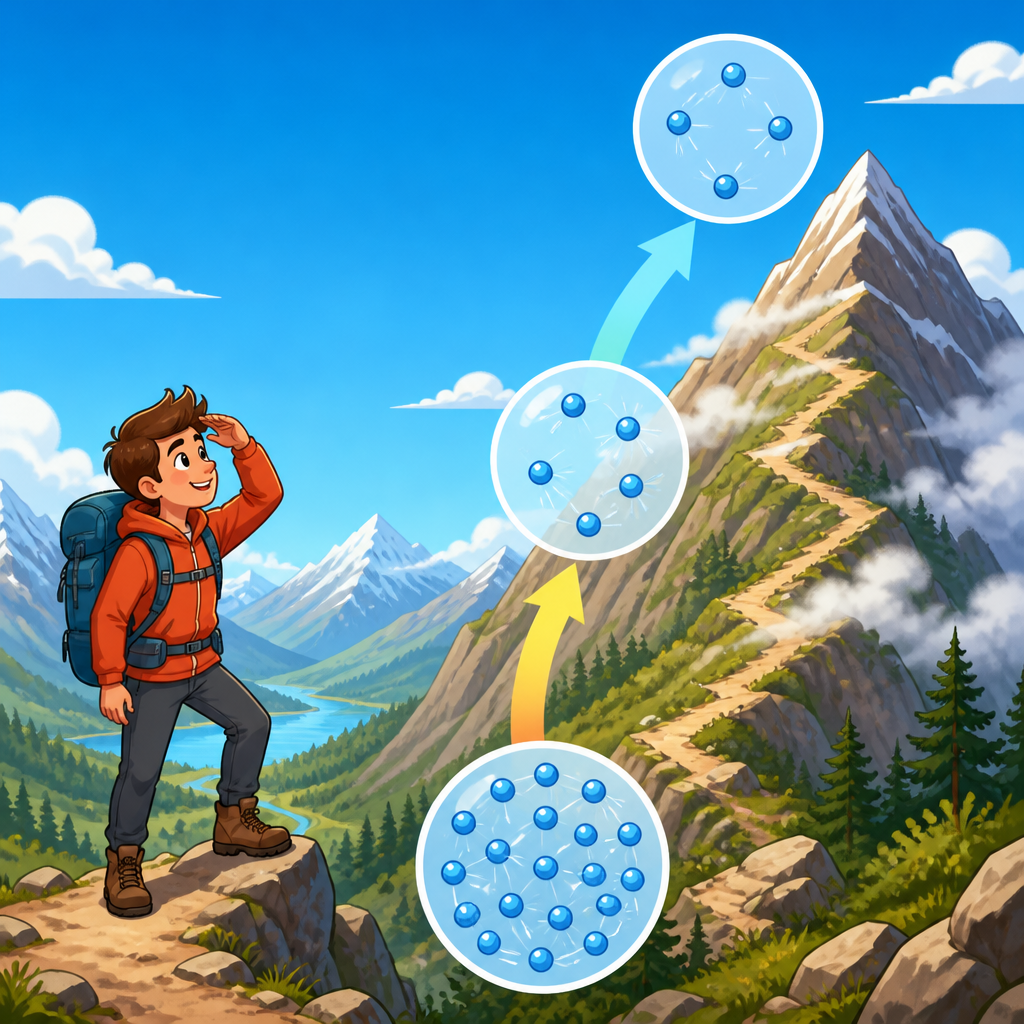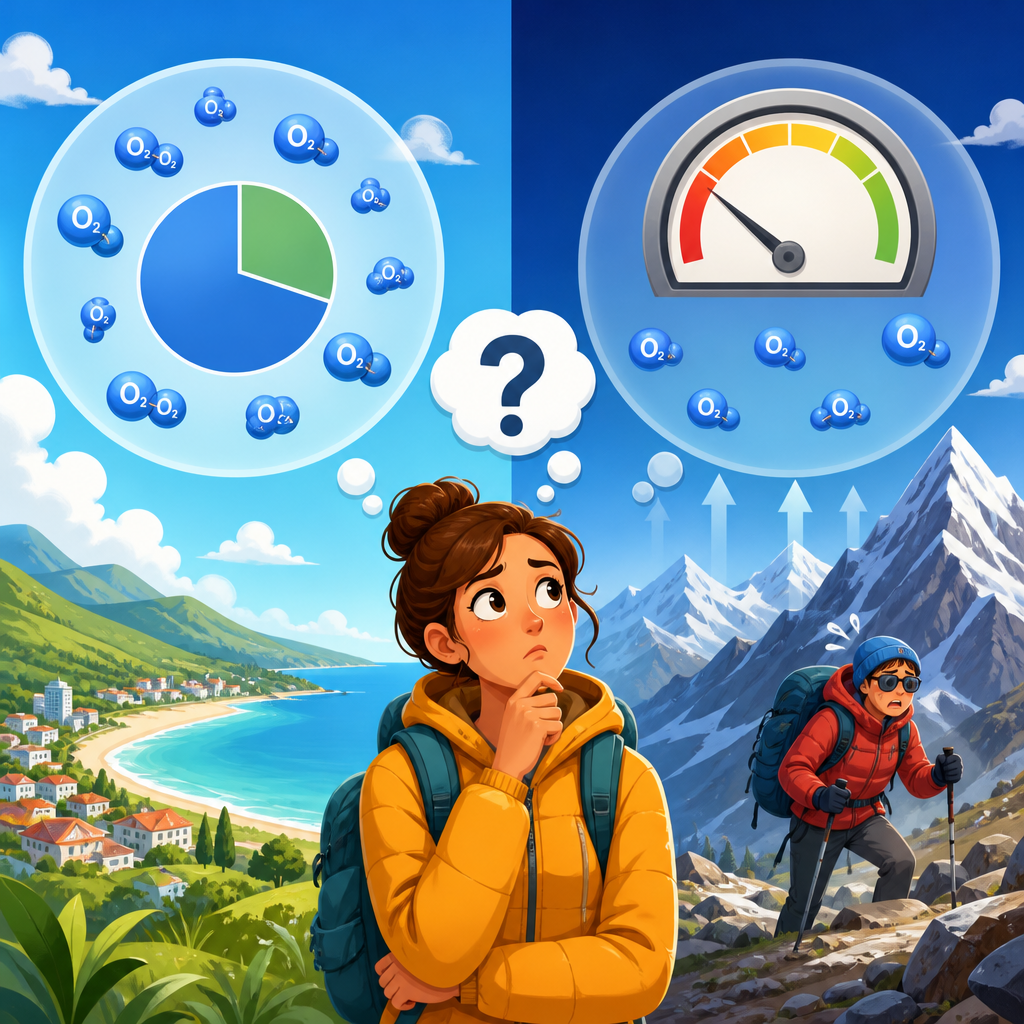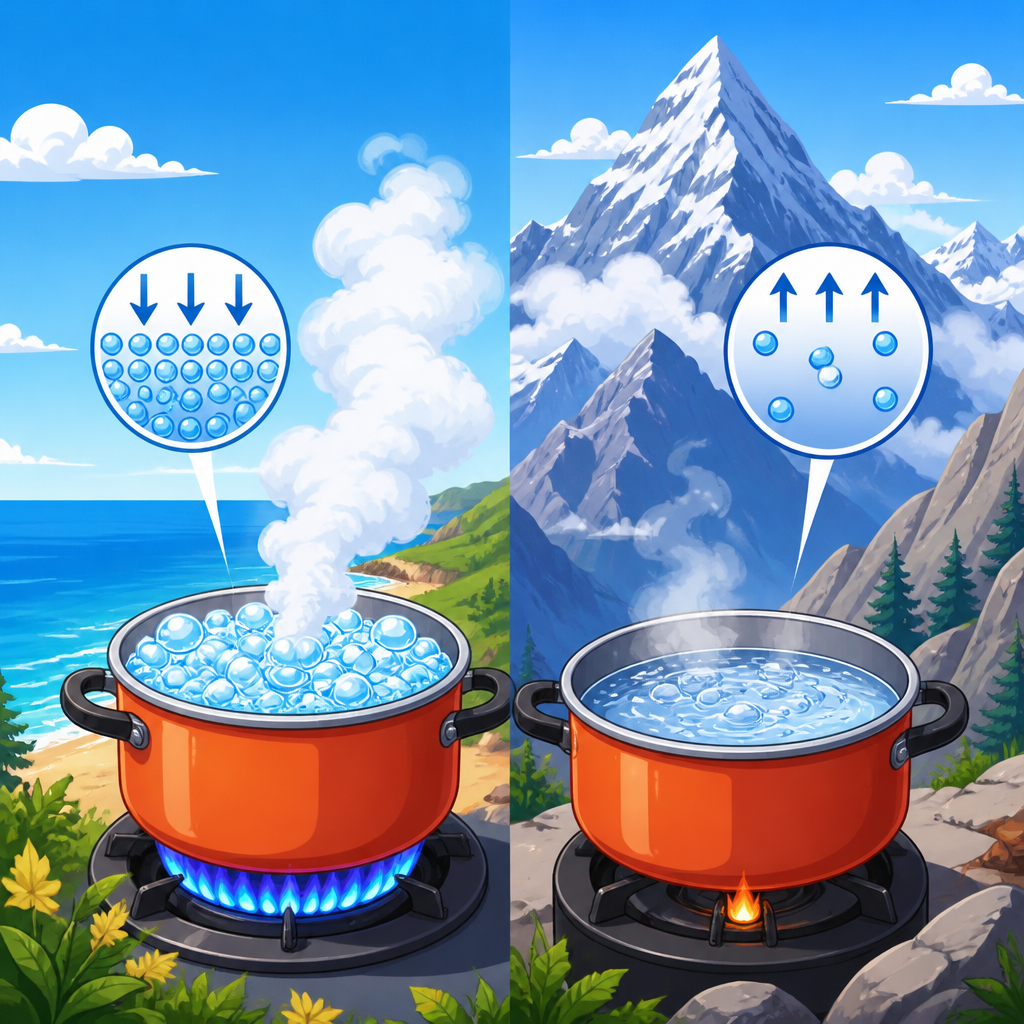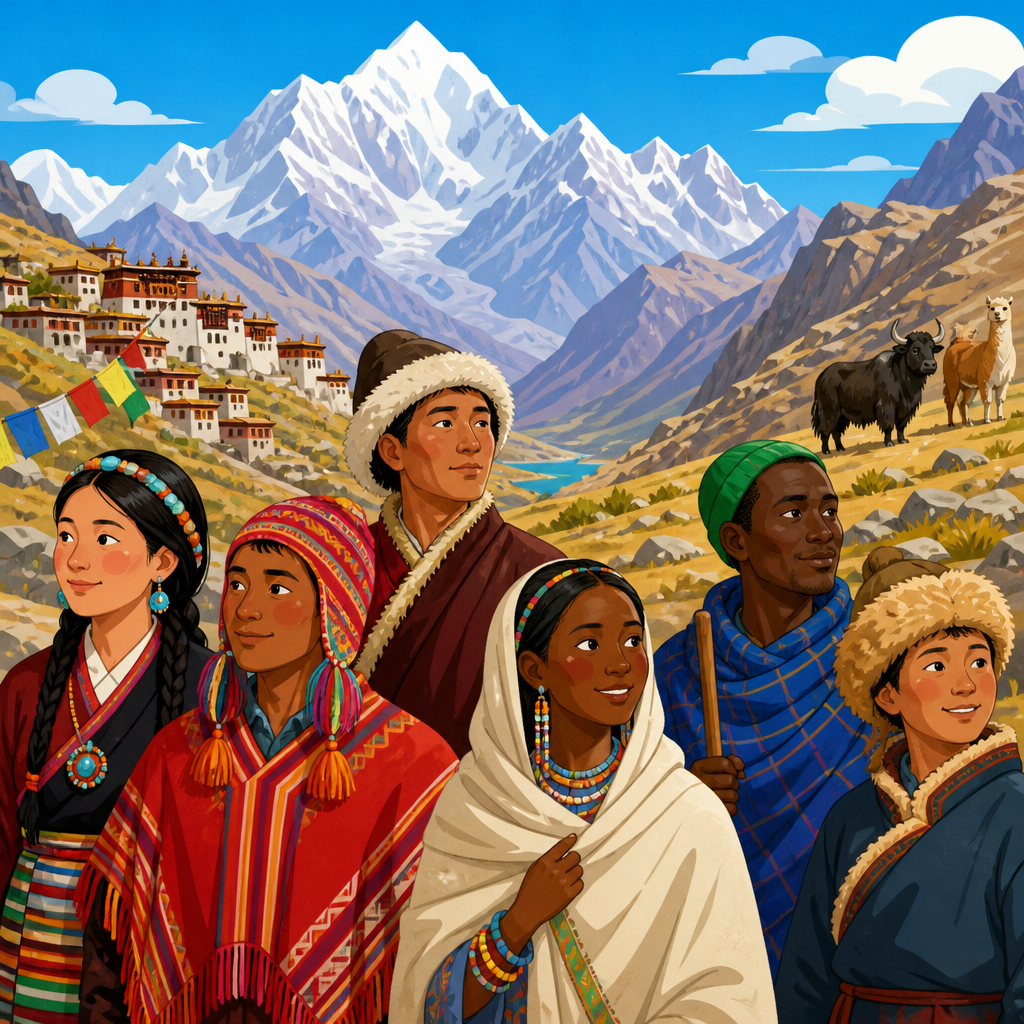
High-altitude populations do not all adapt in the same way because life above roughly 2,500 meters places the same stress on the body—low oxygen pressure—while history, ecology, diet, disease, migration, and culture shape different solutions. In mountain regions and high plateaus, the air still contains about 21 percent oxygen, but barometric pressure falls with elevation, so each breath delivers fewer oxygen molecules to the lungs. That condition, called hypobaric hypoxia, challenges every organ system. Yet there is no single “high-altitude gene,” no universal mountain body type, and no one cultural pathway to thriving at elevation.
I have worked with altitude physiology research, public-health data, and ethnographic studies of mountain communities, and the strongest lesson is that adaptation is always local. People often assume Tibetans, Andeans, and Ethiopian highlanders must share the same biological traits because they face the same environmental constraint. They do not. Some populations maintain relatively low hemoglobin compared with lowland newcomers, some tend toward higher hemoglobin, some show differences in ventilation or blood flow, and many combine biological changes with housing design, food systems, herding strategies, labor patterns, and ritual calendars. The result is a science-and-culture story rather than a simple genetics story.
This matters for three reasons. First, it improves scientific accuracy. “Adaptation” can mean short-term acclimatization within days, developmental responses during growth, genetic adaptation across generations, or cultural adaptation through learned practices and institutions. Mixing those terms leads to bad conclusions. Second, it matters for medicine and public health. Risk for chronic mountain sickness, pregnancy complications, sleep-disordered breathing, or work capacity is not identical across populations, so one-size-fits-all advice fails. Third, it matters for how we understand high-altitude communities themselves. Mountain peoples are not passive subjects molded by thin air; they are active societies that build technologies, economies, and identities around difficult terrain.
As a hub article for science and culture in high-altitude communities, this guide explains why adaptation differs, what researchers actually measure, how major highland populations compare, and where culture enters the picture. It also points to the broader questions that connect related topics: altitude physiology, genetics, maternal and infant health, pastoralism, architecture, mobility, tourism, and climate pressure. If you want one central explanation for why high-altitude populations do not all adapt in the same way, the answer is that evolution works with what history provides, while culture expands the menu of survival strategies.
The common challenge: what high altitude does to the human body
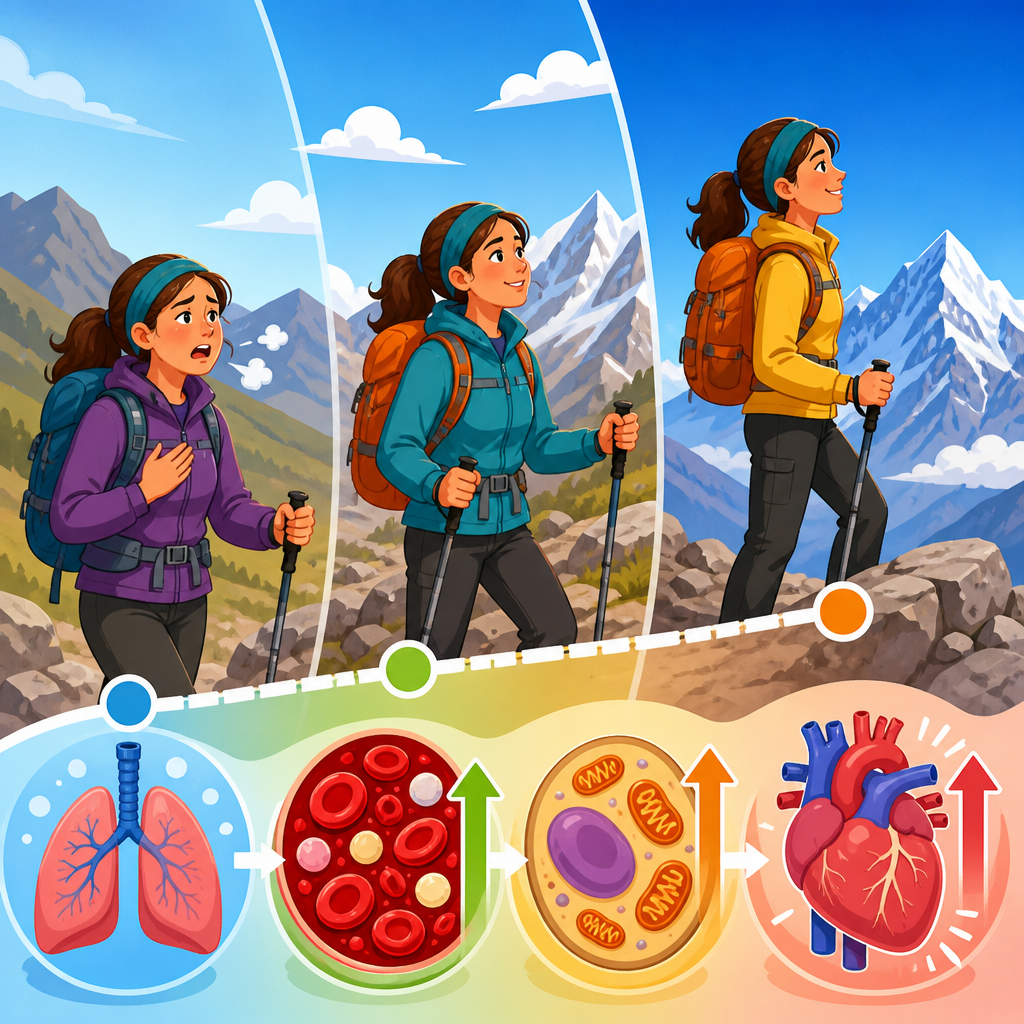
At high altitude, the main stressor is reduced inspired oxygen pressure. As elevation rises, oxygen moves less efficiently from the lungs into the blood, lowering arterial oxygen saturation unless the body compensates. The immediate response is increased ventilation: people breathe faster and deeper. Heart rate also rises, and over days the kidneys help correct blood chemistry changes caused by hyperventilation. Over weeks, many lowlanders produce more red blood cells through erythropoietin signaling. These changes help, but they are costly. Thicker blood can strain the heart, disturb sleep, and increase risk for chronic mountain sickness.
Researchers therefore separate several levels of response. Acclimatization is the short-term adjustment a visitor experiences. Developmental adaptation refers to traits shaped during growth, such as lung volume or chest dimensions, when children are raised at altitude. Genetic adaptation means inherited variants that became more common because they improved survival or reproduction under chronic hypoxia. Cultural adaptation includes clothing systems, crop choices, seasonal migration, cooking fuels, settlement layout, animal management, and social rules that reduce exposure or energy stress. All four levels matter, and the balance differs among populations.
The body systems involved are broader than most people expect. Oxygen transport includes the lungs, pulmonary circulation, heart, blood, microvasculature, and mitochondria. Reproduction is central because fetal growth is especially sensitive to oxygen delivery. Metabolism matters because cold, physical labor, and limited agriculture alter energy needs. Infection burdens also matter; respiratory disease, intestinal parasites, and indoor smoke change how effectively any biological adaptation works in practice. That is why mountain adaptation is best understood as an integrated package rather than a single trait.
Why there is no single high-altitude blueprint
Different populations reached high altitudes at different times and by different routes. Tibetan Plateau populations have lived at elevation for many millennia, with genetic evidence often pointing to deep occupation and strong selection on hypoxia-related pathways. Indigenous Andean populations also have long highland histories, but their demographic trajectories, disease exposures, and subsistence systems differ sharply from those of Inner Asia. Ethiopian highlanders present another distinct case, shaped by African population history, varied elevations, and complex lowland-highland interaction. Evolution can only select from the variation already present, so separate histories produce separate outcomes.
Time depth is only one variable. Selection targets reproductive success, not athletic performance or textbook oxygen values. If one population reduces fetal growth restriction by improving uterine blood flow, and another offsets hypoxia partly through higher hemoglobin, both may persist even if one strategy looks “less efficient” from a narrow physiological perspective. Tradeoffs also matter. More hemoglobin can improve oxygen carrying capacity, but too much raises blood viscosity. Greater ventilation helps oxygenation, but it increases water loss and changes acid-base balance. Selection often settles on different compromises in different places.
Gene flow and migration further complicate the picture. Very few highland populations were completely isolated. Trade, empire, labor recruitment, pilgrimage, and recent urbanization have mixed ancestries and altered exposure patterns. Cultural buffering can also reduce the strength of biological selection. If architecture, transport, food storage, and social organization improve survival, then the evolutionary pressure on one physiological trait may be weaker. That helps explain why even neighboring communities can diverge.
What the major high-altitude populations show
The clearest comparison comes from Tibetans, Andeans, and Ethiopian highlanders, although each category contains internal diversity. Tibetan populations are widely known for relatively low hemoglobin concentrations compared with acclimatized lowlanders at similar elevations. Research has linked this pattern to variants in genes such as EPAS1 and EGLN1, which are involved in oxygen-sensing pathways. In practical terms, many Tibetans appear to rely less on extreme red blood cell production and more on increased ventilation, nitric oxide-related blood flow differences, and other circulatory adjustments. This profile lowers the viscosity penalty that comes with very high hemoglobin.
Andean populations often show a different pattern. Average hemoglobin at altitude tends to be higher, chest dimensions may be larger, and pulmonary responses can differ from Tibetan patterns. Many Andean residents function very well with this profile, but some men, especially at older ages and very high elevations, develop chronic mountain sickness, characterized by excessive erythrocytosis, low oxygen saturation, headaches, sleep problems, and reduced work capacity. The key point is not that one population is “better adapted,” but that they reached viable solutions through different pathways, each with strengths and liabilities.
Ethiopian highlanders add another important lesson: some groups maintain relatively normal hemoglobin values despite living high above sea level, yet they do not simply mirror the Tibetan pattern. Studies have found distinctive physiological responses and a different genetic architecture from that seen in Tibet. This shows that similar outward results can emerge from different mechanisms. Convergent adaptation does not require identical genes or identical physiology.
| Population context | Commonly observed pattern | Important nuance |
|---|---|---|
| Tibetan Plateau | Relatively modest hemoglobin increase; strong ventilatory and blood-flow adjustments | Patterns vary by region, ancestry, and modernization |
| Andean highlands | Higher average hemoglobin and larger chest development | Can support high work capacity but may raise chronic mountain sickness risk in some adults |
| Ethiopian highlands | Often near-lowland hemoglobin levels at altitude | Underlying physiology and genetics differ from Tibetan cases |
These comparisons are useful, but they should not become stereotypes. Highland populations are not biologically uniform blocs. Altitude level, sex, age, occupation, infection burden, and admixture all affect outcomes. Any serious science-and-culture discussion must start with population averages and then ask where local variation changes the story.
Genes matter, but they are not the whole explanation
Genetic adaptation at altitude is real and well documented, but it is often oversimplified in public discussion. Researchers look for signals such as unusual allele frequencies, extended haplotypes, and associations with physiological traits or reproductive outcomes. In Tibetans, EPAS1 became famous because its selected variant is strongly associated with altitude adaptation and may have entered modern humans through archaic introgression from Denisovan-related ancestry. That is a remarkable finding, but it does not mean one gene explains Tibetan success at altitude. Oxygen sensing, red blood cell regulation, vascular tone, placental blood flow, and metabolism involve networks of genes and gene-environment interactions.
Genetics also does not erase developmental effects. Children raised at altitude often develop larger lung volumes and thoracic dimensions than migrants who arrive as adults. Those traits can improve oxygen uptake without requiring dramatic hemoglobin increases. Epigenetic mechanisms may also contribute, although evidence is still developing and should be treated cautiously. In my experience, the most reliable interpretation is layered: inherited variants set part of the range, growth conditions shape the phenotype, and adult behavior determines how those capacities are used.
Another limitation is that selection may operate most strongly on fertility and infant survival, not on traits most visible in adult men. Some of the best evidence for high-altitude adaptation concerns pregnancy. In long-resident highland populations, babies are often less growth-restricted than babies born to recent lowland migrants at the same elevation. Better uterine artery blood flow and placental oxygen delivery appear to play major roles. This is a crucial reminder that adaptation should be judged by life-course outcomes, not by isolated lab numbers.
Culture is an adaptation system, not background scenery
Biology alone cannot explain how high-altitude communities endure. Cultural practices reduce risk, conserve energy, and organize labor around environmental limits. On the Tibetan Plateau, yak pastoralism, barley cultivation, butter tea, layered clothing, and seasonal movement all help people manage cold, hypoxia, and sparse vegetation. In the Andes, terracing, freeze-drying potatoes into chuño, camelid herding, and vertical archipelagos of exchange link multiple ecological zones so communities are not trapped by one harsh environment. Ethiopian highlanders have long combined grain systems, settlement strategies, and market ties that differ from both Tibetan and Andean models.
Housing is a simple but powerful example. Building materials, insulation, orientation to sun and wind, stove design, and room ventilation affect thermal stress and smoke exposure. In many mountain villages, indoor air pollution from biomass fuel can worsen respiratory disease and undermine the body’s ability to cope with low oxygen. Public-health interventions that improve clean cooking technology can therefore be as important as any physiological trait. I have seen altitude discussions go wrong when they focus only on blood values and ignore the daily lived environment.
Culture also shapes reproduction, care, and mobility. Pregnancy norms, birth spacing, breastfeeding, women’s workloads, and access to clinics affect maternal and infant outcomes at altitude. Tourism and wage labor change sleep patterns, diet, and migration exposure. Schools and roads alter when children move between elevations. Religious calendars and local knowledge influence decisions about herding routes, planting times, and risk perception. These are not side notes. They are mechanisms through which communities adapt socially to altitude and through which selection pressures themselves may change.
Modern pressures are changing high-altitude adaptation
No high-altitude population lives outside history. Climate change is shifting snowfall, glacier melt, pasture timing, and water availability. Urbanization pulls highland residents into towns where pollution, processed foods, and sedentary work create new health profiles. Mining, military infrastructure, and mass tourism bring large numbers of lowland workers into thin-air environments, increasing demand for emergency care, oxygen systems, and occupational standards. The International Society for Mountain Medicine and the Lake Louise criteria help guide altitude illness assessment, but community realities remain uneven.
Modern medicine has reduced some risks while exposing new inequalities. Better prenatal care can improve outcomes for mothers and infants, yet remote clinics may still lack ultrasound access, blood pressure monitoring, or transport during obstetric emergencies. Oxygen concentrators, pulse oximeters, and telemedicine help, but they do not erase structural barriers. At the same time, genomic research is expanding, raising ethical questions about consent, benefit sharing, and the temptation to treat communities as repositories of “useful genes” rather than as partners with their own priorities.
For anyone studying science and culture in high-altitude communities, the core lesson is that adaptation is plural. Similar elevations do not produce identical bodies, and similar bodies do not arise from identical causes. Evolutionary history, developmental plasticity, health conditions, livelihoods, and institutions all interact. That is why this topic works best as a hub: every related article, from altitude sickness to mountain architecture, connects back to the same principle of local pathways to survival.
High-altitude populations do not all adapt in the same way because there is no single route through hypoxia, cold, labor, and isolation. Tibetan, Andean, and Ethiopian cases show that distinct genetic pathways, physiological tradeoffs, and cultural systems can all support long-term life at elevation. Some communities rely more on ventilatory and circulatory adjustments, others tolerate higher hemoglobin, and many protect survival through food systems, housing, mobility, and social organization. The mountain environment is shared, but the solutions are historically built.
The main benefit of understanding this diversity is clarity. It improves medical care, sharpens evolutionary science, and respects high-altitude communities as active makers of their worlds. Instead of asking which population is “best adapted,” ask which traits were favored, under what conditions, and with what tradeoffs. That question opens the door to better research and better policy.
Use this hub as your starting point for deeper reading on altitude physiology, maternal health, pastoralism, architecture, migration, and climate impacts in mountain societies. The more closely you look, the clearer the pattern becomes: at high altitude, human adaptation is always biological and cultural at the same time.
Frequently Asked Questions
Why do high-altitude populations not all adapt to low oxygen in the same way?
High-altitude populations face the same basic environmental challenge, but they do not share the same evolutionary history, time depth at altitude, or local living conditions. Above roughly 2,500 meters, the air still contains about 21 percent oxygen, yet lower barometric pressure means each breath delivers fewer oxygen molecules into the lungs. This creates hypobaric hypoxia, a persistent stress that affects breathing, circulation, metabolism, pregnancy, growth, and physical performance. In principle, natural selection can favor traits that help people cope with that stress. In practice, however, there is no single biological solution.
Different populations arrived at high altitude at different times and under different circumstances. Some groups have lived in mountain environments for thousands of years longer than others, giving natural selection more time to act on useful genetic variants. Populations also differ in ancestry, gene flow from neighboring lowland groups, and the amount of migration in and out of the region. As a result, the raw genetic variation available for adaptation is not identical everywhere. Selection can only work with the variation present in a population, so distinct starting points often lead to distinct outcomes.
Ecology and culture matter too. Diet, workload, child-rearing patterns, disease exposure, housing, fuel use, and reproductive behavior all shape how altitude stress is experienced. A pastoral community, a farming society, and a highly mobile trading population may all live at similar elevations but place very different demands on the body. Over generations, these differences can steer adaptation toward different combinations of traits rather than one universal pattern. That is why researchers often describe human high-altitude adaptation as a clear example of evolution producing multiple workable solutions to the same environmental problem.
If the oxygen percentage in the air stays the same, what exactly makes high altitude so difficult for the body?
The key issue is pressure, not the percentage of oxygen. At sea level and at high altitude, oxygen makes up about 21 percent of the atmosphere. What changes with elevation is barometric pressure, which steadily declines as you go higher. Because the total pressure is lower, the partial pressure of oxygen is also lower. That means fewer oxygen molecules enter the lungs with each breath, and less oxygen diffuses into the blood. So even though the air composition is unchanged, the body receives less usable oxygen per breath.
This reduction affects nearly every organ system. The lungs have to work harder to bring in enough oxygen, and the brain quickly detects the shortfall, often triggering faster breathing. The heart may beat faster to move oxygenated blood more rapidly to tissues. Over time, the body can increase red blood cell production, but that response has tradeoffs because thicker blood can strain circulation. Muscles, the placenta during pregnancy, and the developing fetus are especially sensitive to oxygen supply. People new to high altitude often feel short of breath, fatigued, lightheaded, or unable to exercise at their usual level because the entire oxygen transport system is under stress.
That is why high-altitude adaptation is such a complex topic. Surviving and reproducing well in low-pressure environments is not just about one organ or one gene. It involves how the lungs take in oxygen, how the blood carries it, how blood vessels deliver it, and how tissues use it efficiently. Different populations may end up emphasizing different parts of that physiological chain, which helps explain why adaptation at altitude can vary so much from one region to another.
What are some of the different ways human populations adapt to life at high altitude?
Human populations can adapt to altitude through several physiological pathways, and those pathways do not always look alike. One well-known response is increased ventilation, or breathing more deeply and frequently, which helps bring more oxygen into the lungs. Another is altered blood chemistry or vascular regulation that improves oxygen delivery without excessively thickening the blood. Some groups show relatively lower hemoglobin increases than outsiders might expect, while still functioning very well at altitude. Others show stronger red blood cell responses, which can be helpful up to a point but may become costly if blood viscosity rises too much.
There can also be differences in how blood vessels behave, especially in the lungs, where low oxygen can trigger constriction. Adaptations that reduce harmful pulmonary pressure can protect long-term health. In addition, some populations appear to support fetal growth and pregnancy more effectively at altitude, which is especially important because reproduction is one of the strongest filters of natural selection. Better oxygen delivery to the placenta can improve birth outcomes and infant survival, making pregnancy-related traits a major part of long-term adaptation.
At the tissue level, adaptation may include changes in metabolism, muscle function, or the efficiency of oxygen use. Rather than relying on a single dramatic trait, many populations seem to use a suite of smaller adjustments that work together. This is an important point: adaptation is often not one visible hallmark but a coordinated pattern across the respiratory, cardiovascular, and developmental systems. That is why two high-altitude populations can both be well adapted while still showing very different physiological profiles.
Are these differences mainly genetic, or can people also acclimatize within their own lifetime?
Both processes matter, but they are not the same. Acclimatization refers to the short-term and medium-term adjustments an individual makes after moving to high altitude or spending time there. These responses can begin within hours or days and include faster breathing, elevated heart rate, fluid balance changes, and eventually increased red blood cell production. Acclimatization helps people function better in thin air, but it does not make them identical to populations whose ancestors have lived at altitude for many generations. It is a flexible response by the body, not a permanent inherited adaptation.
Genetic adaptation, by contrast, unfolds across many generations through natural selection. If certain inherited traits improve survival or reproductive success at high altitude, those traits can become more common in a population over time. Researchers have identified genetic signals associated with oxygen sensing, blood regulation, and other pathways in some high-altitude populations. Importantly, the genes and traits under selection are not always the same from one region to another, which reinforces the idea that there are multiple evolutionary routes to coping with hypoxia.
Developmental factors also sit between these two categories. A person born and raised at altitude may develop differently from someone who arrives as an adult, even if they share the same ancestry. Growth patterns, lung development, and lifelong exposure can shape how the body handles low oxygen. So when scientists compare high-altitude populations, they are usually looking at a combination of immediate acclimatization, developmental influences, cultural practices, and long-term genetic evolution. The visible outcome is a layered biological response rather than a simple either-or distinction.
Why do history, diet, disease, migration, and culture matter so much in altitude adaptation?
Altitude is only one part of the environment. Real human populations live in specific historical and social settings, and those settings influence which traits are favored, how strongly they are favored, and whether they spread through a population. History matters because populations differ in how long they have occupied high-altitude regions and whether that occupation was continuous or interrupted. Migration matters because incoming gene flow from lower elevations can introduce new variants or dilute older ones. A relatively isolated highland population may follow a different evolutionary trajectory than a highland group with frequent movement and intermarriage.
Diet matters because nutrition affects growth, blood production, energy use, and pregnancy outcomes. A population with access to certain foods or pastoral resources may buffer some stresses better than a population facing periodic scarcity. Disease matters because infections, parasites, and inflammation can alter oxygen transport, child survival, and reproductive success, all of which influence natural selection. Even housing and technology can change exposure. For example, the type of shelter people use, whether they burn fuel indoors, how they clothe themselves, and how much heavy labor they perform can all shape respiratory and cardiovascular demands.
Culture matters because it influences marriage patterns, mobility, occupation, birth spacing, infant care, and who remains in high-altitude environments across generations. These social patterns can affect both the biology of daily life and the genetic structure of the population. In other words, altitude adaptation is never just a story about air pressure. It is a story about people living in particular places with particular histories. That broader perspective helps explain why high-altitude populations can share the same challenge of hypobaric hypoxia yet arrive at different, equally successful solutions.