Living at altitude changes ordinary routines in ways most people underestimate, and the best reusable water bottle habit for daily life at altitude is not simply “drink more water.” It is building a repeatable system that keeps hydration visible, measured, comfortable, and tied to the specific problems people feel every day in dry mountain air. In this comfort troubleshooting hub, reusable water bottle means a durable bottle designed for repeated daily use, while altitude generally refers to elevations where lower air pressure, lower humidity, greater respiratory water loss, and stronger sun exposure increase dehydration risk. I have worked with households adjusting to mountain towns, ski areas, and high desert cities, and the pattern is consistent: people blame headaches, dry eyes, scratchy throat, chapped lips, poor sleep, and afternoon fatigue on altitude alone when a preventable hydration routine is often part of the fix. A bottle habit matters because comfort at altitude is cumulative. Small fluid deficits add up across workdays, errands, exercise, heated indoor spaces, and long drives. The right habit supports skin comfort, eye comfort, respiratory comfort, and home comfort at once. It also creates a practical anchor for related troubleshooting, including humidifier use, caffeine timing, electrolyte balance, travel adjustment, and recognizing when symptoms are not simple dehydration. This article explains how to choose the habit, how to build it into your day, and how it connects to every major comfort issue people face at elevation.
Why altitude makes hydration feel harder
Altitude affects comfort through several mechanisms. Air is usually drier, especially in cold seasons and high desert climates. You lose water with every breath, and breathing often increases because the body is adapting to lower oxygen availability. Many people also urinate more during early altitude exposure, a response sometimes called altitude diuresis. Add indoor heating, wind, stronger ultraviolet exposure, and more frequent caffeine use, and the result is a daily hydration deficit that sneaks up fast. In practical terms, that can feel like waking with a dry mouth, needing eye drops by noon, getting a dull headache after errands, or feeling unusually tired in the late afternoon.
The common mistake is treating thirst as the only signal. At altitude, thirst often lags behind need, especially during work, winter sports, commuting, or long meetings. Another mistake is trying to solve the problem with occasional large amounts of water. Chugging a liter at once can leave you uncomfortable, can increase bathroom trips without improving steady comfort, and can dilute sodium intake if done excessively. A better approach is a structured bottle habit that delivers modest amounts frequently enough to match losses across the day.
The best reusable water bottle habit for daily life at altitude
The most effective habit is simple: carry one measured reusable bottle every day, refill it on a set schedule, and pair each refill with fixed routine triggers. For most adults, a bottle in the 24 to 32 ounce range works best because it is large enough to matter but light enough to carry. Marked volume lines help because they turn hydration from guesswork into a visible target. Insulated stainless steel is usually the most practical choice at altitude; it keeps water cold in dry heat, prevents freezing as quickly in winter, and avoids the flavor retention common in cheaper plastic bottles.
Routine triggers are what make the habit durable. I recommend finishing part of the bottle before leaving home, one bottle by late morning, one by midafternoon, and a final partial refill adjusted for dinner and sleep. People succeed when the habit attaches to moments that already happen: after brushing teeth, after arriving at work, with lunch, before school pickup, and after coming indoors from wind or sun. If you only drink when you “remember,” the habit fails. If you tie drinking to recurring cues, it becomes automatic.
This system also works as the hub for comfort troubleshooting. If headaches improve after two weeks on a consistent bottle schedule, dehydration was likely contributing. If dry eyes remain severe despite better hydration, the next article to consult would focus on humidifiers, indoor airflow, screen breaks, or preservative-free lubricating drops. The bottle habit becomes the baseline against which other comfort fixes can be judged.
How to choose the right bottle for comfort troubleshooting
Not every reusable water bottle supports daily life at altitude equally well. Capacity matters first. Bottles under 20 ounces usually require too many refills for busy adults, which breaks consistency. Bottles above 40 ounces can be useful at a desk or in a car, but many people stop carrying them because of weight and bulk. Material matters next. Stainless steel is durable and temperature stable. Tritan-style plastic is lighter and often less expensive, but it scratches over time and can hold odors. Glass tastes clean but is less practical for commuting, hiking, or family use.
Lid design matters more than people expect. A wide-mouth bottle is easier to clean and refill, while a straw lid often increases total intake because sipping requires less effort during work or driving. A narrow spout can help avoid spills but may reduce intake if flow is slow. Cleaning is nonnegotiable. At altitude, many people add electrolytes, lemon, or flavored tablets, and residue quickly creates odor or biofilm if lids and straws are not washed thoroughly. Use bottle brushes, disassemble seals when possible, and follow manufacturer instructions.
| Bottle Feature | Best Use at Altitude | Main Advantage | Tradeoff |
|---|---|---|---|
| 24–32 oz insulated stainless steel | Daily commuting, office, errands | Balanced size, temperature control, durable | Heavier than plastic |
| Straw lid | Desk work, driving, light activity | Encourages frequent sipping | More parts to clean |
| Wide mouth | Easy refill, ice, thorough washing | Fast cleaning and flexible use | Can spill more easily |
| Volume markings | Tracking intake during adaptation | Turns hydration into a measurable routine | Not available on every model |
Building a daily hydration schedule that actually works
A good schedule answers the question, “How much water should I drink at altitude?” The honest answer is that needs vary with body size, climate, activity, alcohol use, and acclimatization. General public health guidance often points to total fluid intake around 2.7 liters per day for many women and 3.7 liters per day for many men from all beverages and foods, but altitude, sun, and exertion can increase need. The practical method is to start with a bottle-based schedule, then adjust using comfort signals and urine color. Pale yellow usually indicates reasonable hydration; consistently dark urine suggests you need more fluids, while completely clear urine all day can mean you are overshooting.
For example, someone using a 28 ounce bottle might drink 10 ounces on waking, finish the first bottle by 11 a.m., refill and finish a second by 3 p.m., then drink another 12 to 16 ounces with dinner depending on evening activity. A teacher, nurse, or driver with limited bathroom access may need a different timing pattern, with more intake before shifts and after breaks. Parents often do well by tying sips to every child-related transition, such as school drop-off and pickup. The point is not perfection. The point is designing a pattern you can maintain seven days a week.
Using the bottle habit to solve common altitude comfort problems
Comfort troubleshooting starts with symptom patterns. Dry skin at altitude usually reflects both environmental dryness and impaired barrier function, so water alone will not replace moisturizer, but underhydration often makes tightness and flaking worse. Dry eyes often improve when hydration, humidity, and screen hygiene improve together. Mouth dryness and sore throat may reflect overnight mouth breathing, indoor heat, or sleep apnea, but low daytime fluid intake makes them feel worse. Mild headaches are frequently triggered by a mix of dehydration, sun, alcohol, poor sleep, and rapid ascent.
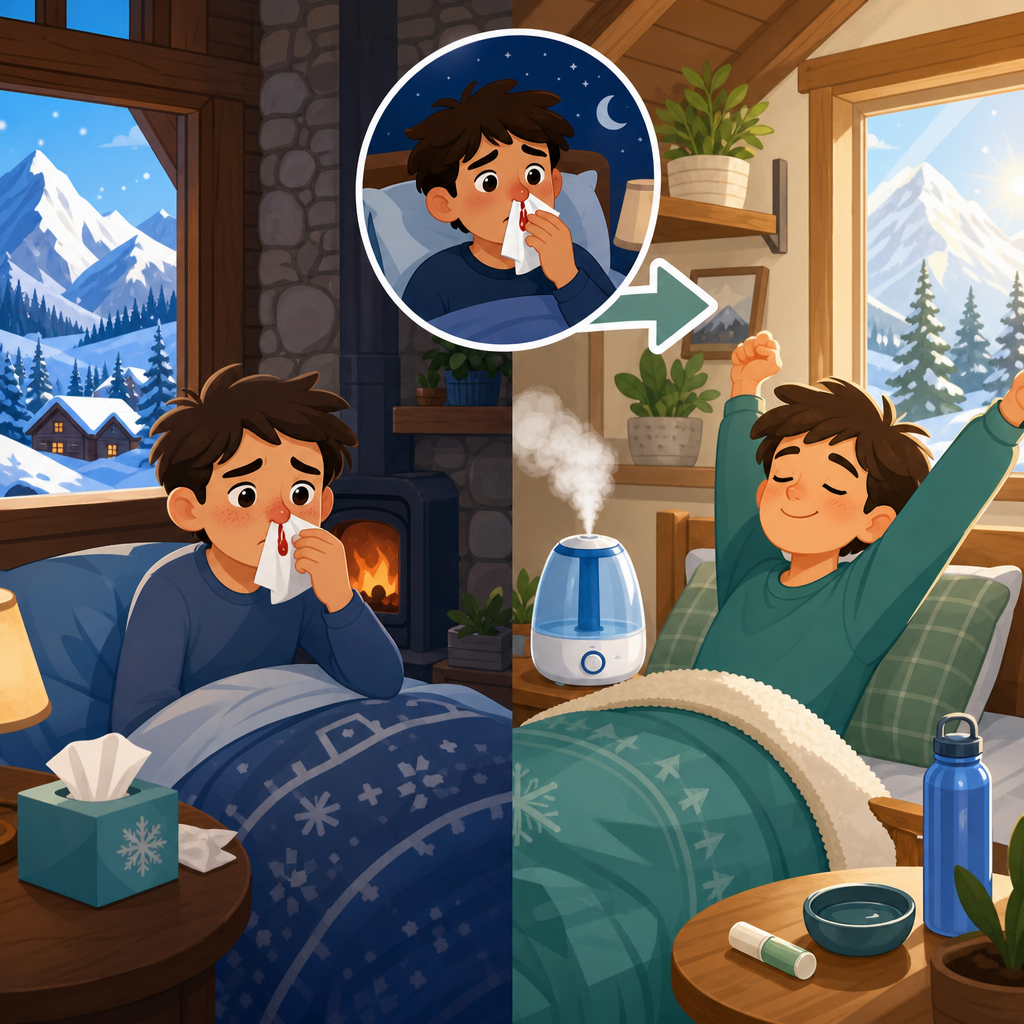
Here is how the bottle habit helps. Consistent sipping stabilizes fluid status before symptoms escalate. Cold water can encourage drinking after sun exposure. Marked bottles help identify whether comfort worsens on low-intake days. Pairing bottle use with lip balm, moisturizer after handwashing, and room humidity checks creates a layered solution. In homes above roughly 5,000 feet, especially in winter, I routinely see better comfort when residents combine reliable bottle use with indoor relative humidity in a safe midrange, often around 30 to 50 percent, while avoiding excessive humidity that can encourage condensation or mold.
Importantly, not every symptom is a hydration problem. Persistent severe headache, vomiting, shortness of breath at rest, chest pain, confusion, or worsening symptoms after ascent require medical attention. A reusable water bottle habit is a comfort tool, not a substitute for clinical care.
Electrolytes, caffeine, alcohol, and exercise
People often ask whether plain water is enough at altitude. Most of the time, yes, for normal daily living. Electrolytes become more useful when sweating heavily, doing long hikes, skiing for hours, working outdoors, recovering from illness, or feeling depleted after travel. Sodium matters because it helps retain fluid and supports normal nerve and muscle function. That does not mean everyone needs high-sodium drink mixes all day. Many commercial products vary widely, from lightly flavored tablets to performance mixes with substantial sodium and sugar. Read labels and match the product to the day’s demands.
Caffeine does not automatically dehydrate habitual users to a dangerous degree, but it can still increase bathroom frequency in some people and can crowd out water if coffee becomes the only morning beverage. The simplest fix is to drink water before coffee and keep the bottle within reach through the first half of the day. Alcohol is more problematic. At altitude, even moderate drinking can worsen sleep, dehydration, and headache. A dependable rule is one serving of water between alcoholic drinks and additional water before bed, without overdoing it.
Exercise increases fluid needs sharply, especially in sun, wind, or low humidity. Prehydrate before activity, carry more than you think you need, and consider electrolytes for longer sessions. This is where reusable bottles and larger reservoirs both have a place. The habit remains the same: drink on schedule, not just when thirst becomes obvious.
How this hub connects to the rest of comfort troubleshooting
This page is the hub because bottle habits connect directly to the rest of daily life, skin, eyes, and home comfort at altitude. If your main issue is eye irritation, the next step is combining hydration with humidifier placement, screen break timing, wraparound sunglasses outdoors, and preservative-free eye drops when appropriate. If your problem is skin discomfort, hydration supports but does not replace short lukewarm showers, fragrance-free cleansers, ceramide-rich moisturizers, and overnight ointments on cracked areas. If the issue is dry indoor air, you will want to compare evaporative and ultrasonic humidifiers, use a hygrometer, and clean equipment correctly to prevent mineral dust or microbial growth.
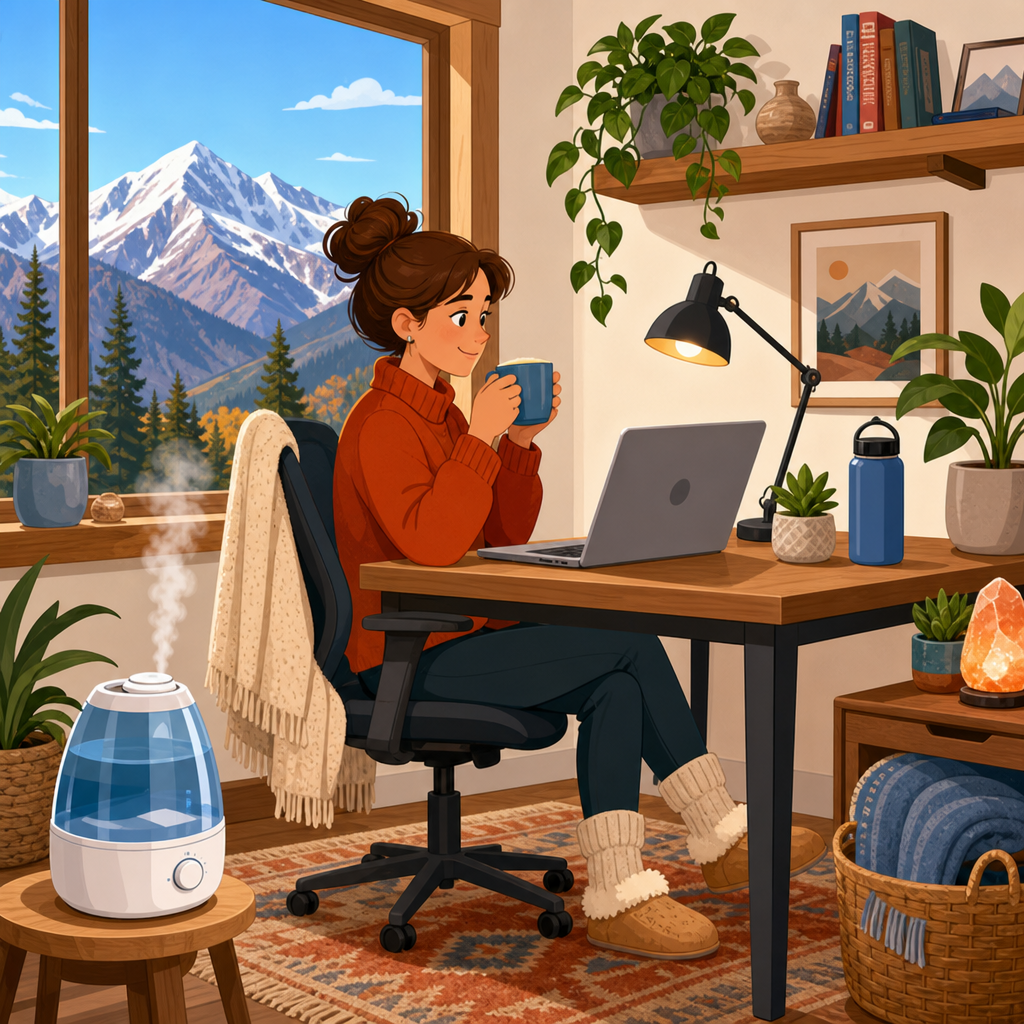
For travel and relocation, the bottle habit should start before ascent, continue during flights or long drives, and become more deliberate for the first several days in a new mountain environment. For children and older adults, visible bottles and scheduled reminders are especially valuable because thirst signaling and routine adherence may be less reliable. For office workers, the habit works best when the bottle is kept on the desk, not in a bag. For drivers, a cup-holder-friendly insulated bottle with one-handed access prevents missed intake during long commutes.
The larger lesson is that comfort at altitude improves when you stop treating symptoms in isolation. A reusable water bottle is not the whole answer, but it is the daily anchor that makes every other comfort intervention work better. Choose a bottle you will actually carry, set refill checkpoints, track how you feel for two weeks, and use that baseline to troubleshoot the rest of your mountain routine.
The best reusable water bottle habit for daily life at altitude is a measured, repeatable routine built around one bottle you carry everywhere, refill on schedule, and use as the foundation for solving common comfort problems. That habit matters because altitude increases water loss, blunts reliable thirst cues, and amplifies symptoms people often dismiss as inevitable, from dry eyes and skin to headaches, fatigue, and throat irritation. The most effective setup is usually a 24 to 32 ounce reusable bottle with easy cleaning, dependable portability, and visible volume tracking. The most effective behavior is pairing intake with fixed daily triggers rather than relying on memory or thirst alone.
As a hub for comfort troubleshooting, this topic connects hydration with the wider realities of altitude living. Water helps, but best results come when you combine it with the right home humidity, smart caffeine and alcohol choices, appropriate electrolyte use during exertion, and targeted solutions for skin and eye comfort. Just as important, a stable bottle habit helps you notice when symptoms do not improve and when it is time to look beyond hydration or seek medical guidance. That is what makes this routine so valuable: it is simple enough to sustain, measurable enough to evaluate, and broad enough to improve daily comfort across seasons and situations.
Start with one practical bottle, one realistic refill schedule, and one week of consistent use. Then build the rest of your altitude comfort plan around that baseline.
Frequently Asked Questions
What is the best reusable water bottle habit for daily life at altitude?
The best habit is not just telling yourself to drink more water. At altitude, the most effective approach is to create a simple, repeatable system that makes hydration visible, measurable, comfortable, and easy to follow every day. Dry air, faster fluid loss through breathing, more sun exposure, and changes in routine can all make dehydration sneak up on you. That is why a reusable water bottle works best when it becomes part of a daily pattern rather than an occasional reminder.
A strong routine starts with using one durable bottle you actually like carrying and keeping it in the same places every day: by the bed in the morning, at your desk or in your bag during the day, and near you in the evening. Fill it at predictable times, such as when you wake up, before leaving home, at lunch, and again in the late afternoon. This removes guesswork and turns hydration into a repeatable behavior. Many people do well with a bottle that has measurement markings so they can see progress instead of relying on thirst alone, which is often an unreliable signal at elevation.
Comfort matters too. At altitude, people often avoid drinking enough because the water is too cold, hard to access, or inconvenient to refill. A bottle with an easy-sip lid, comfortable mouth opening, and size that fits your daily routine is more helpful than a trendy option you rarely use. The ideal habit is one that reduces friction. If your bottle is easy to clean, easy to carry, and easy to notice, you are much more likely to use it consistently.
Most importantly, connect the habit to the specific issues you feel in mountain air: dry mouth, headaches, fatigue, chapped lips, lower exercise tolerance, and afternoon sluggishness. When your bottle routine is tied to how you want to feel rather than a vague wellness goal, it becomes much easier to maintain. In everyday life at altitude, consistency beats intensity. A steady, visible bottle habit usually works better than trying to make up for low intake by chugging water once or twice a day.
Why does altitude make hydration habits more important than they are at lower elevations?
Altitude changes the environment in ways that increase the need for a deliberate hydration routine. One of the biggest factors is dryness. Mountain air often contains less moisture, which means your body loses more water through breathing and normal daily evaporation. Even if you are not sweating heavily, you may still be losing fluid faster than you realize. That can leave you feeling tired, headachy, and uncomfortable before you consciously think, “I need water.”
Another issue is that altitude can change how your body responds during the day, especially when you are walking more, spending time outside, commuting in sunny conditions, or adjusting to elevation after travel. Physical activity often feels harder at altitude, and breathing can be faster and deeper, which increases respiratory water loss. Add indoor heating, wind, sun, and long stretches between refills, and ordinary routines can become unexpectedly dehydrating.
This is why hydration at altitude works best when it is proactive rather than reactive. Waiting until you are very thirsty often means you are already behind. A reusable water bottle habit solves that by keeping intake in front of you. Seeing the bottle, carrying it through your normal routine, and using set refill points creates a built-in safety net. You are not depending only on memory, thirst, or ideal motivation.
It is also worth remembering that hydration affects more than just thirst. At altitude, small hydration lapses may show up as dry skin, scratchy throat, reduced focus, irritability, lower workout quality, or general discomfort. People often misread these signs as bad sleep, stress, or a busy day, when dehydration is part of the picture. A consistent bottle habit helps reduce that daily wear-and-tear effect and supports better comfort, energy, and function in a dry, elevated environment.
How much water should I carry in a reusable bottle for everyday life at altitude?
The best bottle size depends on your schedule, access to refills, time spent outdoors, and how active you are, but for many people, a bottle in the roughly 20 to 32 ounce range works well for daily use. That size is usually large enough to encourage meaningful intake while still being practical to carry. At altitude, a bottle should support frequent drinking throughout the day, not become so heavy or bulky that you leave it behind.
Rather than focusing only on one perfect bottle capacity, think in terms of total daily rhythm. A moderate-sized bottle that you refill two or three times may be more effective than one very large bottle you rarely finish. The goal is to make hydration easy to track and maintain. Measurement lines can help you notice whether you are falling behind by noon or coasting through the afternoon without drinking enough.
If you commute, work indoors, or spend part of the day in a car, office, or classroom, a bottle that fits cup holders, side pockets, or desktop use is often the smartest option. If you are outside more often, walking around town, or doing light activity in dry air, a larger insulated bottle may make sense. Insulation can improve comfort because many people drink more consistently when the water stays at a pleasant temperature instead of getting too warm or too icy.
It is also important not to treat hydration as a one-size-fits-all number. Your needs may increase with exercise, sun exposure, illness, travel, caffeine, alcohol, or abrupt changes in elevation. The reusable bottle habit works best when it helps you respond to real-life conditions. A useful rule of thumb is to choose a bottle that is convenient enough to stay with you all day and structured enough to help you notice whether you are drinking steadily. If you want a practical target, many people at altitude do well by thinking in refill cycles: finish one bottle by late morning, refill by lunch, and reassess based on activity and dryness.
What features should I look for in a reusable water bottle if I live at altitude?
The best reusable water bottle for altitude is the one that makes regular hydration easier, not harder. Durability is important because daily life at altitude often includes more movement between indoors and outdoors, temperature swings, commutes, day trips, and higher general wear. Stainless steel and other sturdy materials are popular because they hold up well over time, while high-quality BPA-free plastic can work well if low weight is your top priority.
Insulation is one of the most useful features for many people. In mountain climates, temperatures can vary a lot across the day, and water that stays at a comfortable temperature is usually easier to drink regularly. Some people prefer cool water, while others find room-temperature water easier to drink in larger amounts, especially in the morning or when dealing with dry throat. The key is choosing a bottle that supports your personal comfort so you use it consistently.
Lid design matters more than people think. If you have to unscrew a difficult cap every time, or if the opening is awkward, you may drink less often. A straw lid, flip-top, or easy-twist cap can reduce friction and encourage small, frequent sips, which often works well at altitude. Wide-mouth bottles are easier to clean and refill, while narrower mouths may be more convenient for drinking on the move. Leak resistance is also essential if the bottle will live in a backpack, work bag, or car.
Other helpful features include measurement markings, a comfortable carry handle, compatibility with cup holders, and a shape that fits your routine. Cleaning should be simple, because a bottle that is annoying to wash tends to be neglected. If you use electrolyte mixes from time to time, choose a bottle that does not retain odors easily. In practical terms, the best bottle is one you want near you every day. At altitude, consistency is the real performance feature, so pick a bottle that makes your system feel effortless and sustainable.
Can a reusable water bottle habit help with common altitude-related discomforts like headaches, dry mouth, and fatigue?
Yes, a good bottle habit can help with many everyday discomforts associated with altitude, especially when those symptoms are partly related to underhydration. Dry mouth is one of the most obvious examples. Because mountain air is often dry, your mouth and throat can feel parched even during ordinary routines like working, walking, talking, or sleeping. Keeping water nearby and sipping regularly can reduce that constant dry feeling and make daily life more comfortable.
Headaches and fatigue are also common complaints at altitude, and while they are not caused by hydration alone, poor fluid intake can absolutely make them worse. Many people discover that they let too much time pass between drinks, then try to catch up all at once. That pattern is less effective than steady intake across the day. A reusable bottle creates visual accountability and helps you pace hydration before symptoms build. It becomes easier to notice, for example, that you have barely touched water by early afternoon.
The same goes for energy and concentration. Mild dehydration can make you feel foggy, heavy, or strangely drained, particularly in a dry environment where your body is losing fluid without dramatic sweating. A bottle routine gives you a simple control point in a setting where many factors feel variable. You may not be able to change the elevation, the weather, or the dryness, but you can make sure hydration is consistently supported.
That said