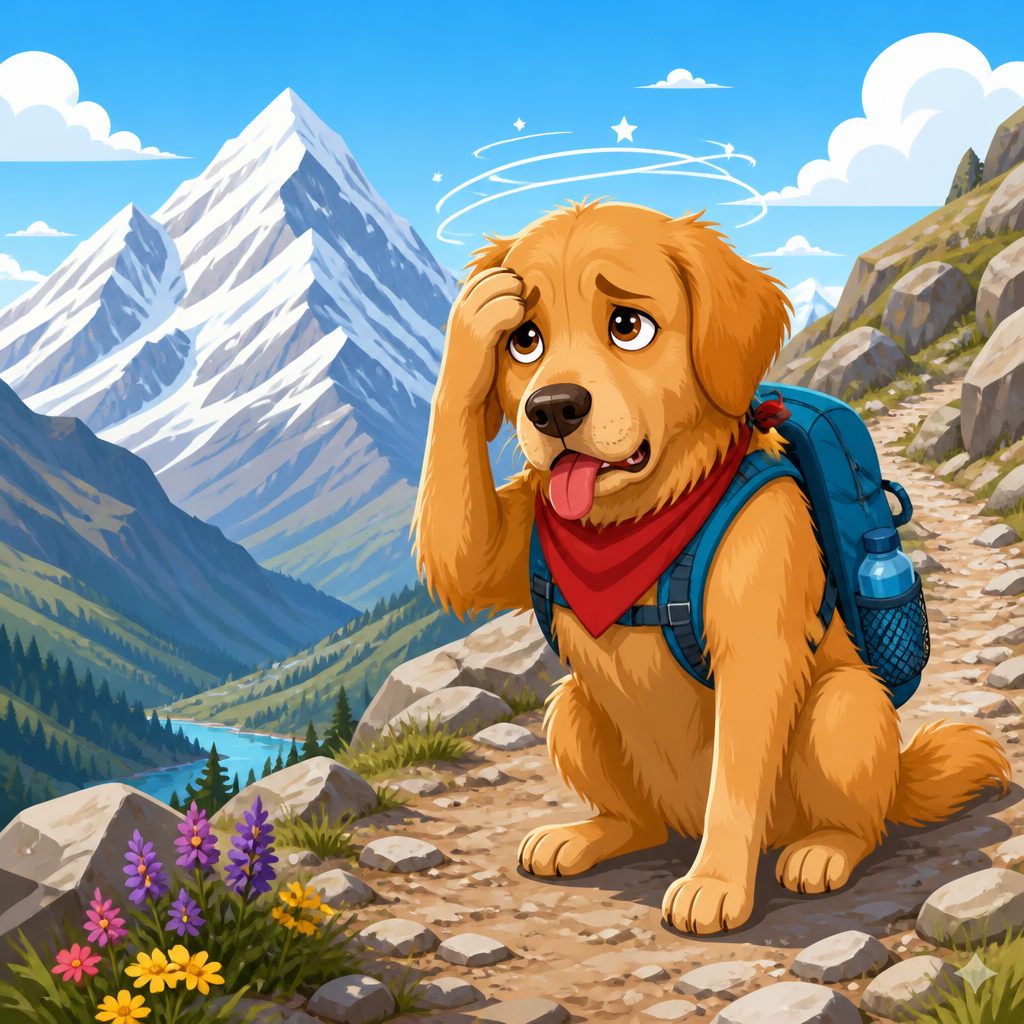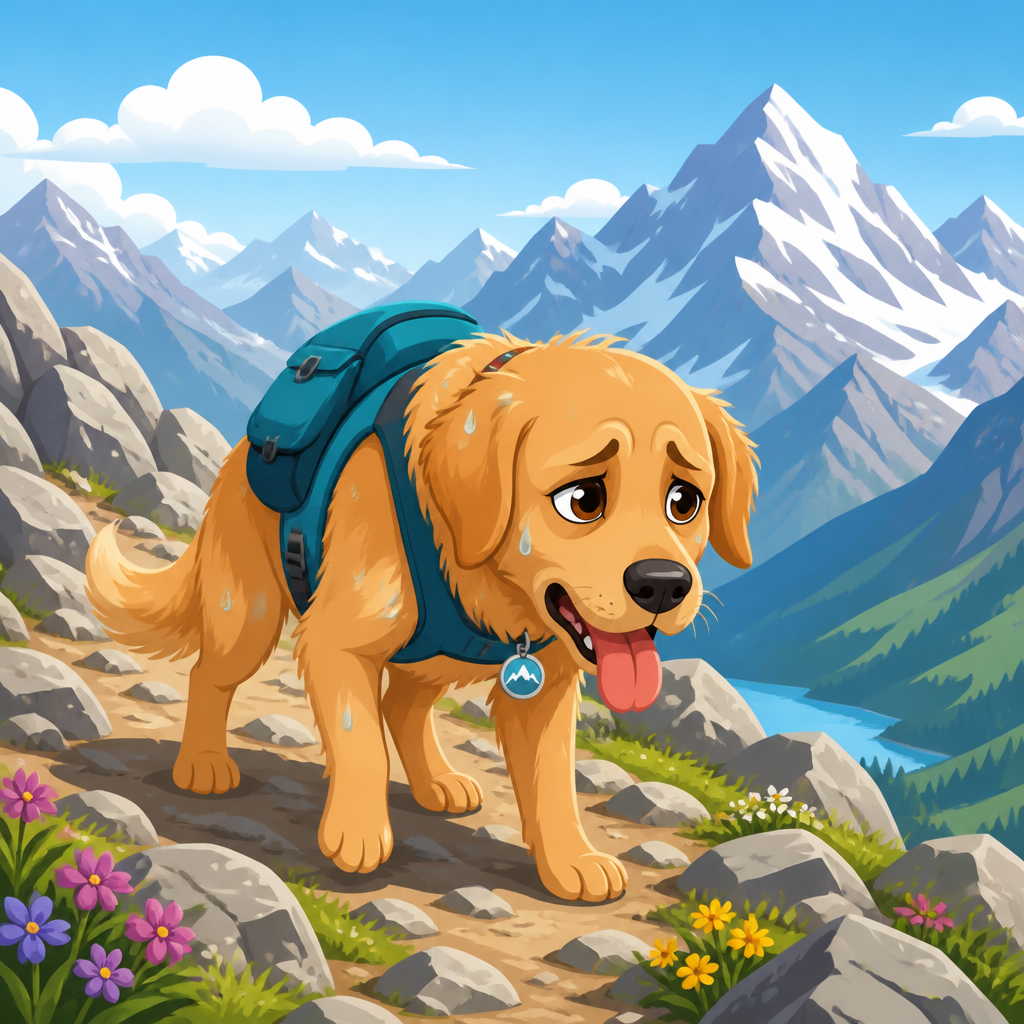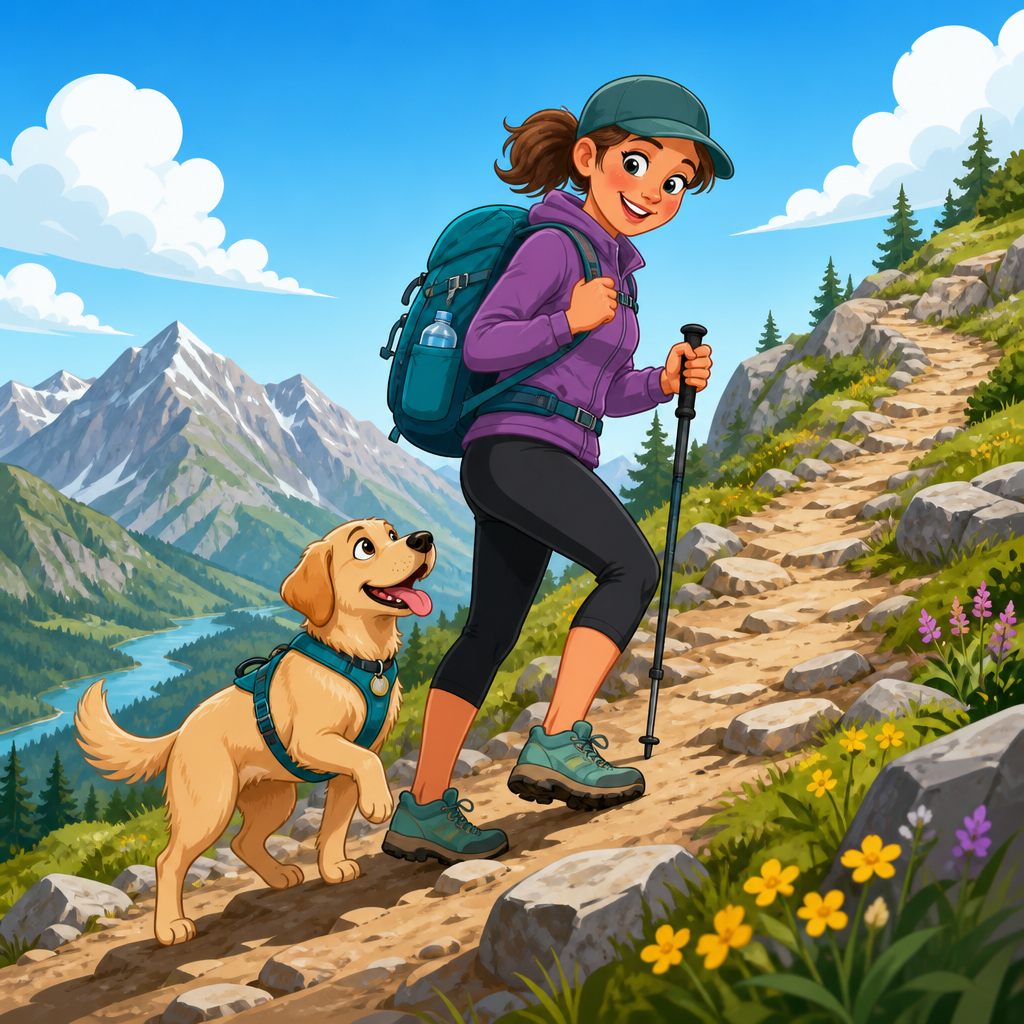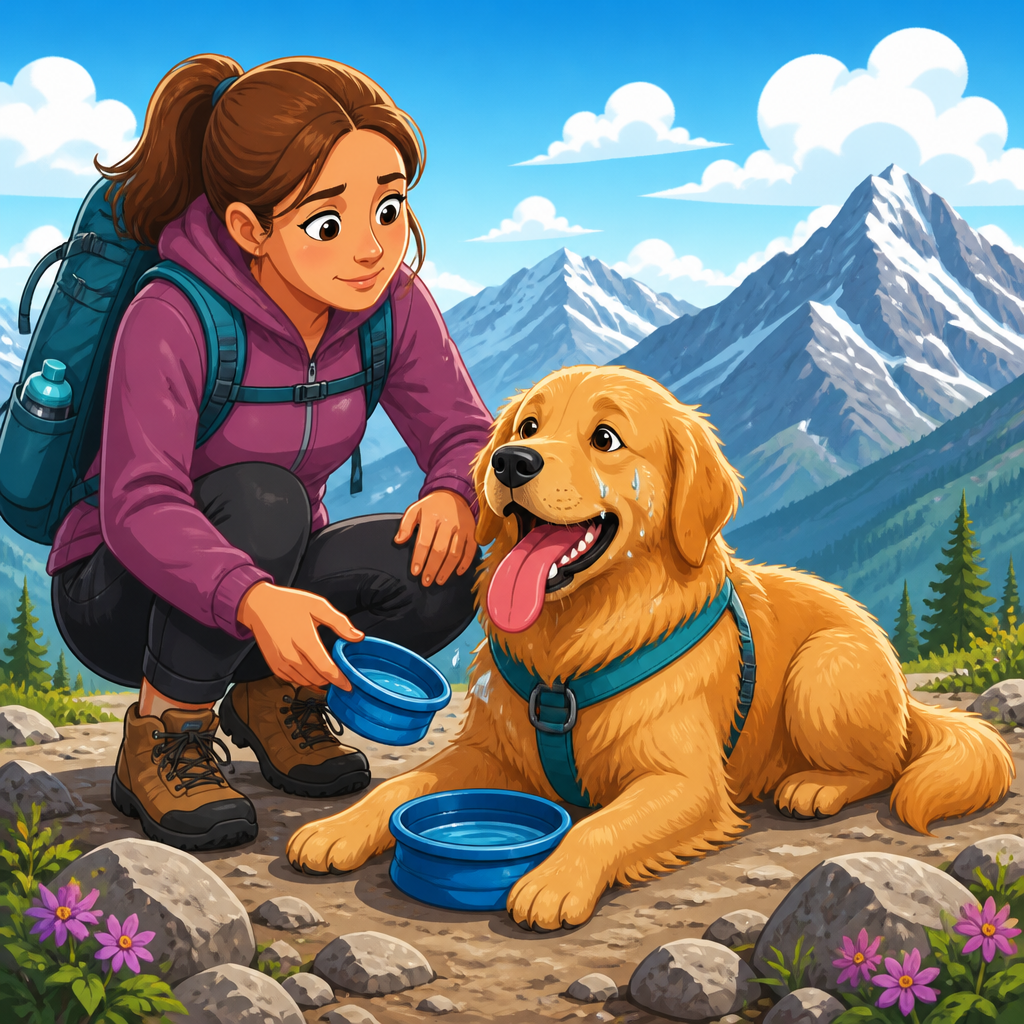
What to do if your dog starts panting excessively at altitude begins with understanding that heavy panting in the mountains is not always normal exercise recovery. Dogs cool themselves primarily through panting, so faster breathing can appear harmless after a hike, car ride, or exciting arrival at a cabin. At higher elevations, however, reduced oxygen pressure, colder air, dehydration, overexertion, and altitude-related illness can all push panting from expected to dangerous. I have seen mountain trips go wrong because owners assumed their dog was only “winded” when the real problem was low oxygen stress, fluid imbalance, or heat load layered onto altitude. The key is to recognize the difference quickly.
Altitude generally refers to elevations high enough to reduce available oxygen compared with sea level, often starting around 5,000 to 8,000 feet for sensitive dogs and becoming more significant above that range. Excessive panting means panting that is harder, longer, louder, or less responsive to rest than your dog’s normal pattern. It may come with rapid breathing, distress, weakness, glazed eyes, drooling, pale or blue gums, vomiting, stumbling, or reluctance to move. Dogs and altitude sickness is not a niche topic for climbers alone. Families driving from low elevations to ski towns, campers sleeping at mountain trailheads, and pet owners relocating to high-altitude cities all encounter the same basic issue: a dog’s body must adapt to thinner air, and some dogs struggle more than others.
This matters because delayed action can turn a manageable problem into an emergency. Breathing difficulty at altitude can overlap with heatstroke, cardiac disease, airway disorders, or high-altitude pulmonary complications. Brachycephalic breeds, senior dogs, puppies, overweight dogs, and dogs with heart, lung, or laryngeal conditions face higher risk, but healthy athletic dogs can also deteriorate if ascent is rapid or exercise is intense. The safest response is structured, calm, and immediate: reduce exertion, cool strategically, hydrate, monitor closely, and know exactly when to descend and seek veterinary care.
Why dogs pant more at altitude
Dogs pant to regulate temperature and support gas exchange, and altitude makes both tasks harder. As elevation rises, barometric pressure drops, which lowers the amount of oxygen available with each breath. Your dog compensates by breathing faster and often panting more, especially during exercise. At the same time, mountain environments can be deceptively drying. Low humidity, wind, sun exposure, and increased respiratory water loss all promote dehydration, which thickens secretions, raises body temperature, and increases cardiovascular strain. In practice, a dog that did fine on a flat morning walk at sea level may pant excessively after a short uphill trail at 8,000 feet because the same effort now costs more oxygen and fluid.
Excitement amplifies the problem. Many dogs arrive at a new trailhead overstimulated, then leap into activity after hours in a car. That combination of stress, sudden exertion, and altitude commonly produces panting that looks dramatic within minutes. Usually, simple overexertion improves after ten to fifteen minutes of quiet rest, shade, and water. When it does not, I start thinking beyond normal adjustment. Persistent heavy panting can indicate inadequate acclimatization, overheating despite cool ambient temperatures, pain, airway restriction, or the early stages of altitude-related illness.
How to tell normal panting from a warning sign
Normal altitude-related panting should ease after rest, hydration, and reduced stimulation. Your dog remains alert, responsive, able to walk normally, and interested in water. Gum color stays pink, and breathing gradually settles rather than escalating. Warning signs are different. Excessive panting at altitude becomes concerning when it is accompanied by labored inhalation, exaggerated chest or abdominal movement, noisy breathing, coughing, repeated swallowing, drooling, trembling, disorientation, vomiting, collapse, or refusal to lie down. Any blue, gray, very pale, or brick-red gum color is urgent.
A useful rule is duration plus behavior. If your dog is still panting hard after fifteen to thirty minutes of full rest in a cool setting, treat it seriously. If the panting is so intense that your dog cannot relax, drink, or focus on you, intervene immediately. Dogs with altitude sickness may also seem unusually quiet, uncoordinated, or weak rather than frantic. Owners often miss those subtle changes because mountain fatigue can look like simple tiredness. The difference is recovery. A healthy dog rebounds. A struggling dog does not.
Immediate steps to take when your dog starts panting excessively at altitude
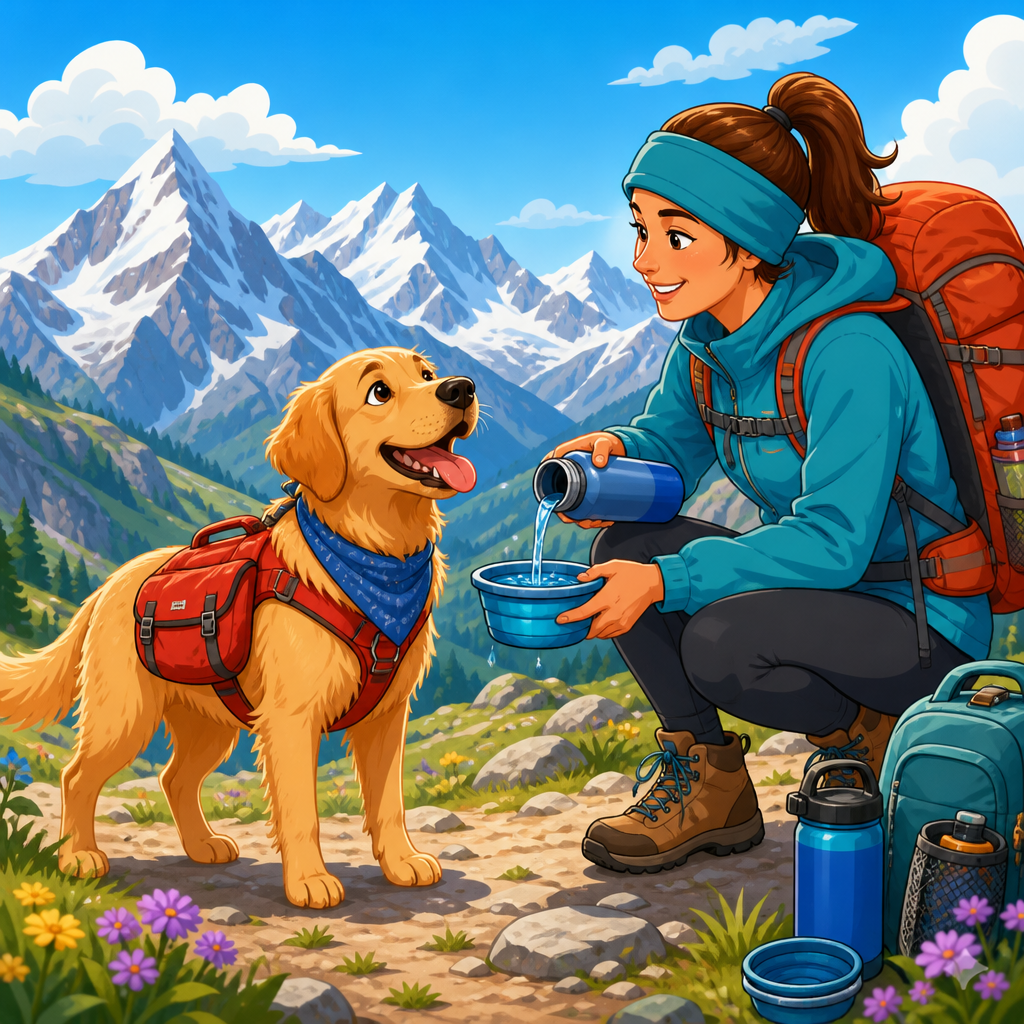
First, stop all activity. Do not encourage your dog to keep hiking, playing, or climbing into the car unassisted if movement worsens distress. Move to shade, shelter, or a cooler indoor space with good airflow. Offer small amounts of cool water frequently rather than forcing large volumes at once. Pouring water over your dog is not always necessary, but if your dog feels hot, wet the paws, groin, belly, and armpits with cool, not ice-cold, water, then use airflow from a fan or open vehicle vents. Ice baths are a poor choice because they can cause peripheral vasoconstriction and make heat dissipation less efficient.
Next, check gum color, effort of breathing, and level of awareness. Count breaths for fifteen seconds and multiply by four when your dog is resting as much as possible. Persistently high respiratory effort matters more than the exact number, but a very rapid resting rate combined with distress is concerning. Remove packs, harnesses that restrict the chest, and insulating jackets. Keep your dog calm; barking, pacing, and excitement increase oxygen demand. If your dog does not improve quickly, begins worsening, or shows neurologic signs, descend to a lower elevation and contact a veterinarian on the way. Descent is treatment, not surrender.
When excessive panting is likely altitude sickness or another emergency
Altitude sickness in dogs does not always present as one tidy syndrome, but the pattern usually includes recent ascent, exercise intolerance, persistent panting or rapid breathing, lethargy, poor coordination, and failure to recover with brief rest. In severe cases, fluid can accumulate in the lungs, causing coughing, crackles, severe respiratory distress, or frothy discharge. Some dogs develop neurologic signs such as confusion, stumbling, or collapse. These are emergencies. The definitive response is supplemental oxygen, veterinary assessment, and lower elevation.
Other emergencies can mimic altitude sickness. Heatstroke can occur even in cool climates when solar load, exertion, and poor acclimatization combine. Laryngeal paralysis, brachycephalic airway syndrome, heart disease, pneumonia, allergic reactions, and toxin exposure may all cause heavy panting and respiratory distress. Because the signs overlap, the safest assumption is that unexplained severe panting at altitude deserves prompt veterinary guidance. If you have cell service, call ahead and describe elevation, duration, gum color, rectal temperature if you can safely obtain it, and whether your dog can walk. Those details help a clinic triage your arrival.
Which dogs are at highest risk in mountain environments
Some dogs tolerate altitude well, while others struggle at moderate elevations. Short-nosed breeds such as Bulldogs, Pugs, Boston Terriers, and Shih Tzus are high risk because narrowed airways already make cooling and ventilation less efficient. Giant breeds and very small dogs can both fatigue quickly, though for different reasons. Senior dogs may have undiagnosed cardiac or pulmonary disease, and puppies have less endurance and poorer temperature regulation. Overweight dogs carry extra metabolic heat and require more effort to move uphill, so they often pant heavily earlier than lean dogs.
Preexisting medical conditions matter even more than breed. Dogs with collapsing trachea, chronic bronchitis, heart murmurs, pulmonary hypertension, laryngeal paralysis, anemia, or recent respiratory infection should not be treated like healthy hiking dogs. I also advise extra caution with highly driven working breeds that ignore fatigue. They may continue chasing balls or climbing switchbacks long after oxygen debt has become significant. In real-world mountain settings, the dogs at risk are not only the obviously fragile ones. The athletic dog with too much motivation and too little acclimatization is a frequent patient.
What to do over the next 24 hours after the initial episode
If your dog improves after immediate first aid, the day is not automatically back on schedule. Cancel strenuous activity for at least twenty-four hours. Keep the environment cool, quiet, and low stress. Encourage regular small drinks and normal meals, but do not force food if mild nausea is present. Monitor sleeping respiratory effort, gum color, urination, coordination, and energy. A dog that pants lightly while excited but sleeps comfortably and wakes bright is different from a dog that remains tachypneic at rest or seems weak on short leash walks.
If you can, sleep at a lower elevation than where symptoms started. Even a modest descent can reduce physiologic stress. Avoid sedatives unless prescribed by a veterinarian; many can depress respiration or cloud your assessment. Do not give human altitude medications or pain relievers without veterinary instruction. Acetazolamide, dexamethasone, ibuprofen, and aspirin all have significant considerations in dogs. If symptoms recur with minimal activity the next day, that is strong evidence your dog is not acclimating well and needs veterinary evaluation before continuing the trip.
How to prevent excessive panting and altitude problems on future trips
Prevention starts before the car leaves home. If your dog lives near sea level, plan a gradual ascent whenever possible. Spend the first night at a moderate elevation before sleeping much higher, and keep exercise light on day one. Hydration should begin the day before travel, not after symptoms appear. Pack collapsible bowls, extra water, a cooling vest if your dog tolerates one, and a canine first-aid kit that includes a thermometer. For dogs with prior issues, discuss travel plans with your veterinarian well in advance and ask whether baseline chest radiographs, cardiac screening, or an exercise tolerance discussion is appropriate.
Conditioning matters, but fitness is not the same as acclimatization. A fit dog from low altitude can still struggle when asked to run switchbacks at 10,000 feet on arrival. Build effort slowly, choose shaded trails, avoid the hottest hours, and schedule frequent recovery breaks before your dog asks for them. Watch recovery time after each hill. If panting lingers longer than expected, cut the outing short. Many altitude emergencies are preventable because early overexertion nearly always gives warning before a true crisis develops.
Practical decision guide for owners in the field
The simplest way to handle panting excessively at altitude is to sort the situation into three categories: monitor, stop and rest, or descend and seek care. This framework keeps decisions objective when stress is high. Use the table below as a field guide, but remember that any rapid decline overrides checklists. If your instincts tell you your dog looks wrong, act on that impression.
| Situation | What you see | What to do |
|---|---|---|
| Monitor | Brief panting after mild activity, pink gums, alert behavior, normal walking, improves within 10 to 15 minutes | Rest in shade, offer water, reduce exertion for the day, continue close observation |
| Stop and rest | Heavy panting lasting 15 to 30 minutes, reluctance to continue, mild weakness, hot body, excessive drool, no severe distress | End activity, cool with water and airflow, remove gear, monitor breathing, consider moving to lower elevation |
| Descend and seek care | Labored breathing, pale or blue gums, coughing, vomiting, stumbling, collapse, confusion, worsening despite rest | Go to lower altitude immediately, call a veterinarian, transport calmly, request emergency evaluation |
When to call the veterinarian and what information helps most
Call a veterinarian immediately if your dog has breathing effort that looks hard rather than simply fast, abnormal gum color, collapse, repeated vomiting, neurologic changes, or no meaningful improvement after a short period of strict rest and cooling. In mountain towns, clinics often triage many hiking and travel cases, so concise information speeds care. State your dog’s breed, age, weight, medical history, current elevation, home elevation, how quickly you ascended, what activity occurred before symptoms, and whether heat exposure was involved. Mention any coughing, collapse, appetite change, or medication use.
If possible, record a short video of the breathing pattern before transport. Video is often more informative than a verbal description because it shows posture, abdominal effort, and noise. Bring water intake notes, recent medical records, and a list of known conditions such as murmur, tracheal collapse, or brachycephalic airway surgery. These details help distinguish likely altitude-related stress from primary cardiopulmonary disease and support faster treatment decisions.
Excessive panting at altitude is a signal, not a diagnosis, and the safest dog owners treat it with respect. Most dogs recover well when the response is prompt: stop activity, cool sensibly, hydrate, monitor carefully, and descend if recovery is incomplete. The central lesson is simple. Mountain air places extra demand on breathing, circulation, and temperature control, and some dogs cannot compensate fast enough. Knowing the early signs of dogs and altitude sickness lets you intervene before distress becomes an emergency.
The main benefit of this approach is prevention of escalation. A dog that is protected at the first warning sign is far less likely to progress to severe respiratory compromise, heat injury, or a dangerous overnight decline. Build future trips around gradual ascent, conservative exercise, and honest observation rather than ambition. If your dog has had a prior episode, make a veterinary travel plan before the next mountain visit. Save this guide, share it with anyone hiking with your dog, and contact your veterinarian whenever panting at altitude seems abnormal rather than waiting for proof that it is serious.
Frequently Asked Questions
How can I tell whether my dog’s panting at altitude is normal or a sign of trouble?
Some panting at altitude can be completely expected, especially after hiking, climbing stairs, playing in snow, riding in a car, or getting excited in a new environment. Dogs regulate body temperature primarily through panting, so an increase in breathing rate by itself does not always mean something is wrong. The key is to look at the whole picture. Normal recovery panting should gradually slow once your dog is resting, cooling down, and offered water. Your dog should remain alert, responsive, able to settle, and interested in normal activity.
Panting becomes more concerning when it seems out of proportion to the level of exertion or does not improve after several minutes of rest. Warning signs include labored breathing, exaggerated chest movement, pale or bluish gums, glassy eyes, weakness, stumbling, refusal to walk, vomiting, collapse, disorientation, or agitation that does not ease. Excessive drooling, a very rapid heart rate, or a dog that cannot get comfortable may also signal a problem. At higher elevations, reduced oxygen availability can make an underlying issue worsen quickly, so it is wise to take persistent or intense panting seriously rather than assuming your dog just needs to “catch their breath.”
What should I do right away if my dog starts panting excessively in the mountains?
The first step is to stop all activity immediately and move your dog to a calm, cool, sheltered area. Get them out of direct sun, away from steep terrain, and off hot surfaces or deep snow that may be increasing physical stress. Offer small amounts of cool, fresh water, but do not force large volumes all at once. If your dog is wearing a pack, jacket, booties, or other gear that could be trapping heat or making breathing harder, remove it. Encourage quiet rest and avoid letting your dog continue hiking “just a little farther.”
Next, assess for signs that this may be more than simple exertion. Check gum color if your dog will allow it, and observe whether the breathing looks shallow, frantic, or effortful. If panting is paired with weakness, wobbliness, vomiting, collapse, coughing, distress, or any sign your dog is not recovering within a short period, start descending to a lower elevation and contact a veterinarian as soon as possible. If the symptoms are severe, especially if your dog struggles to breathe or becomes unresponsive, treat it as an emergency and seek immediate veterinary care. In altitude situations, early action matters because dogs can deteriorate faster than many owners expect.
Can altitude sickness affect dogs, and what symptoms should I watch for?
Yes, dogs can be affected by altitude just like people can. While not every dog will develop altitude-related illness, some are more sensitive to rapid elevation gain, strenuous activity shortly after arrival, dehydration, cold stress, or preexisting heart and lung conditions. In dogs, altitude problems may begin subtly. A dog may seem unusually tired, pant more than expected, sleep poorly, or hesitate during walks. Because many mountain trips involve excitement and exercise, early symptoms are easy to overlook.
More serious warning signs can include persistent heavy panting at rest, rapid breathing, weakness, poor coordination, confusion, loss of appetite, vomiting, coughing, collapse, or visible respiratory distress. Some dogs may also appear anxious or unable to settle, which can be a response to feeling short of breath. If your dog shows these signs after ascending to higher elevation, especially if the symptoms are new and not improving with rest, the safest approach is to reduce exertion, provide water, keep the dog warm but not overheated, and descend if possible. Veterinary evaluation is especially important for senior dogs, flat-faced breeds, and dogs with known heart, airway, or lung disease, because altitude can unmask problems that are usually manageable at lower elevations.
When should I call a veterinarian or seek emergency care for excessive panting at altitude?
You should contact a veterinarian any time your dog’s panting seems unusually intense, lasts longer than expected, or is accompanied by other symptoms. A call is especially appropriate if your dog is at a high elevation, has recently ascended quickly, or has a history of breathing, cardiac, or heat-related problems. Even if your dog is still standing and alert, a veterinarian can help you decide whether home monitoring is reasonable or whether your dog needs to be seen right away.
Seek emergency care immediately if your dog is struggling to breathe, cannot settle enough to catch their breath, has pale, gray, or blue gums, collapses, becomes weak or confused, vomits repeatedly, or seems much worse despite rest and cooling measures. If you hear abnormal breathing noises, see exaggerated abdominal effort, or notice your dog extending the neck to breathe, do not wait. Those are urgent signs. In mountain areas where clinics may be far away, it is smart to know the nearest emergency veterinary hospital before your trip starts. If you are in a remote location, begin descent while arranging care, since lower altitude can reduce physiologic strain while you travel.
How can I prevent excessive panting and breathing problems when traveling to higher elevations with my dog?
Prevention starts with pacing and preparation. If possible, let your dog acclimate gradually instead of going from low elevation to a strenuous mountain outing on the same day. Keep the first 24 to 48 hours easy, with shorter walks, lots of rest, and careful observation. Bring more water than you think you will need, offer frequent drink breaks, and remember that cold weather does not eliminate dehydration risk. Avoid the common mistake of assuming that because the air feels cool, your dog cannot become overheated or overworked.
It also helps to match the trip to your dog’s age, breed, fitness, and medical history. Flat-faced breeds, overweight dogs, puppies, seniors, and dogs with heart or respiratory disease often need more conservative plans. Schedule activity during the coolest parts of the day, take frequent breaks, and watch for subtle fatigue before it turns into heavy panting. Do not push through warning signs just because your dog is eager to keep moving. A pre-trip veterinary check is a good idea if your dog has any history of airway, lung, or cardiovascular issues. With thoughtful acclimation, hydration, realistic activity levels, and close monitoring, most dogs can enjoy mountain travel much more safely.