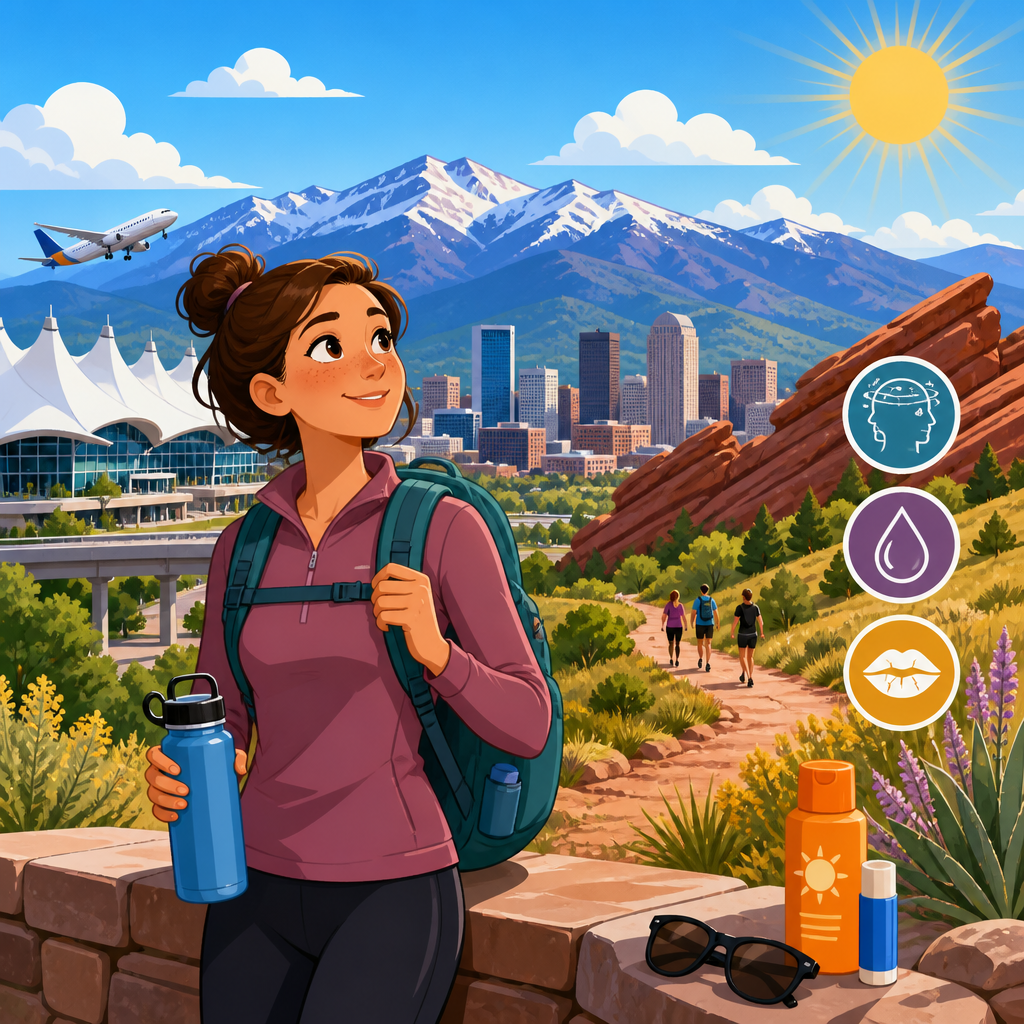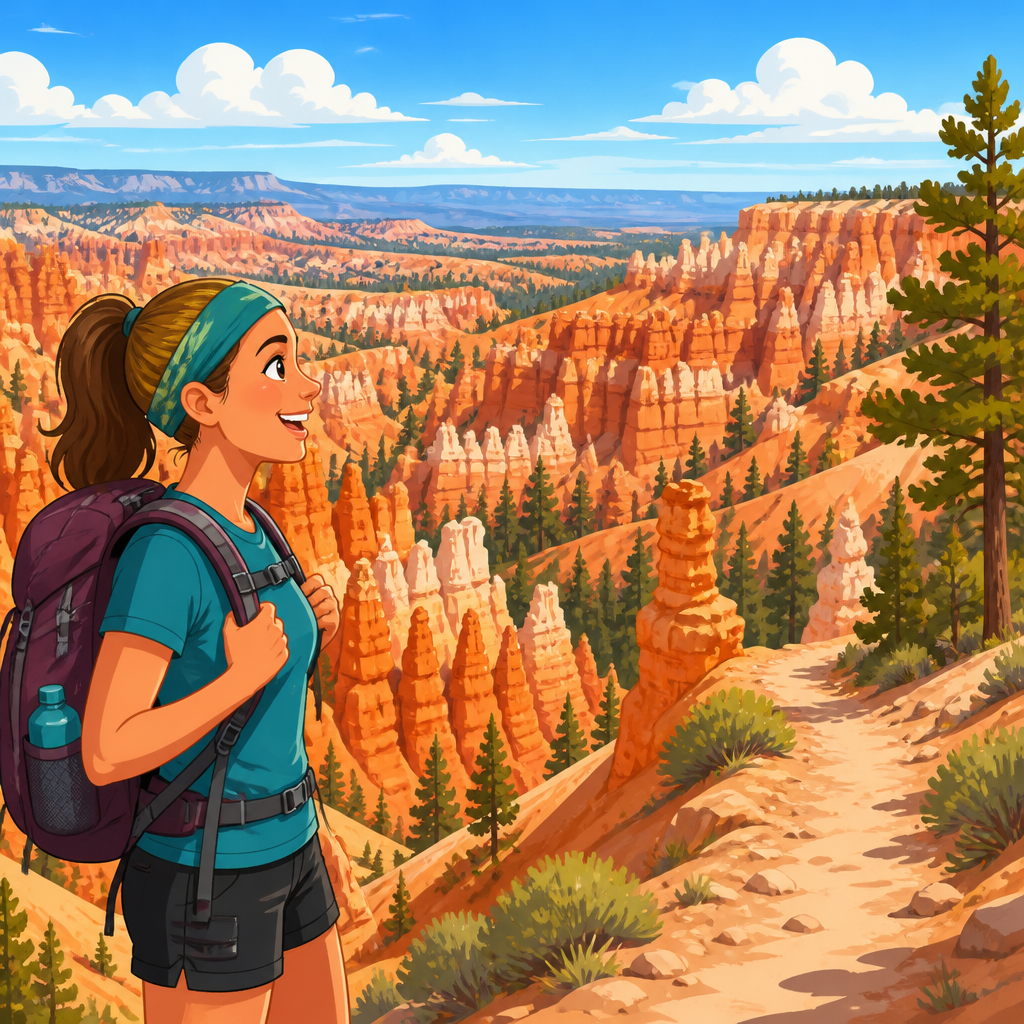
What to expect physically when you arrive in Bryce Canyon starts with altitude, dryness, and scale. Bryce Canyon National Park sits high on the Paunsaugunt Plateau in southern Utah, with the main amphitheater rim around 8,000 to 9,100 feet above sea level. That elevation changes how your body feels within minutes. Many first-time visitors step out of the car expecting a quick scenic stop and instead notice lighter breathing, cooler air, stronger sun, and legs that tire faster than normal. The landscape also affects movement. Trails often begin on the rim and descend steeply among hoodoos, which means the easiest part of the hike comes first and the hardest part is the climb back out.
Physically, Bryce Canyon is less about technical hiking and more about managing common stressors: altitude, dehydration, temperature swings, sun exposure, and exertion on loose or graded trails. The park is famous for rock spires called hoodoos, broad viewpoints such as Sunrise Point and Bryce Point, and a compact road system that makes sightseeing simple while hiding how demanding even short walks can become. I have seen visitors underestimate a one-mile loop because they judged it by distance rather than elevation change. That is the key principle for arrival day: Bryce Canyon rewards pacing, not rushing.
This guide serves as a practical hub for national park planning by explaining what your body is likely to experience when you first arrive, how different areas of the park feel underfoot, and what conditions change across seasons. If you understand the physical reality of Bryce Canyon before you park at the visitor center or step onto Rim Trail, you will make better choices about water, layers, trail selection, shuttle use, and timing. That leads to safer hikes, better energy, and more time enjoying one of the most distinctive landscapes in the National Park Service system.
Altitude, breathing, and energy on arrival
The first physical surprise at Bryce Canyon is usually altitude. Most developed areas in the park are far above the elevation of major cities and even above many other popular Southwest parks. At roughly 8,000 feet, air pressure is lower, which means each breath delivers less oxygen than at sea level. You do not need to be out of shape to feel it. People who flew in recently, drove up from Las Vegas or Zion, or came from low elevations often notice mild shortness of breath on stairs, faster heart rate, and earlier muscle fatigue. Headache and light dizziness can show up too, especially if you are dehydrated.
In practical terms, expect simple tasks to feel slightly harder for the first several hours. Carrying luggage from the car, walking from the parking lot to the rim, or climbing a short incline can leave you breathing more heavily than expected. This is normal. It does not mean something is wrong; it means your body is adjusting. The best response is to slow your pace immediately. On arrival day, I advise treating every trail estimate as if it will take 20 to 30 percent more effort than the mileage suggests. Rest briefly at viewpoints, breathe deeply, and avoid turning your first hour into a strenuous hike.
Altitude affects people differently. Fitness helps, but it does not make anyone immune. A runner from sea level can still feel the elevation. A visitor from Denver may barely notice it. If you develop severe headache, vomiting, confusion, or symptoms that do not improve with rest, that goes beyond routine adjustment and should be treated seriously. For most travelers, however, the fix is straightforward: hydrate, eat something light, avoid alcohol early, and choose a short rim walk before dropping into the amphitheater.
Dry air, sun exposure, and hydration needs
Bryce Canyon’s air is often far drier than visitors expect. Even when temperatures feel cool, the combination of elevation, low humidity, and breeze increases moisture loss through breathing and sweat evaporation. Because sweat disappears quickly, many people do not realize how much fluid they are losing. That is why dehydration is one of the most common arrival-day problems in the park. You may feel thirst, but you may also first notice dry lips, a slight headache, unusual fatigue, or irritability.
Sun exposure is stronger at higher elevations because there is less atmosphere filtering ultraviolet radiation. At Bryce Canyon, a pleasant 68-degree afternoon can still produce sunburn quickly, especially on exposed trails like Navajo Loop, Queen’s Garden, or the stretch between Inspiration Point and Bryce Point. The physical expectation is simple: you will dry out faster and burn faster than your comfort level suggests. Sunglasses, sunscreen, and a hat are not optional accessories here; they are basic physical protection.
Water strategy matters more than carrying a single bottle. Drink before you feel thirsty, especially if you drove in for several hours. Refill whenever you pass developed areas. Electrolytes help if you sweat heavily or are doing longer hikes. Food matters too. Salty snacks, fruit, or a simple lunch can stabilize energy better than hiking on coffee alone. I have seen visitors arrive from road trips, take a few scenic photos, then start Wall Street or Peekaboo Loop underfueled. They often mistake dehydration or low blood sugar for poor fitness. The issue is usually preparation, not capability.
How the terrain feels underfoot
Bryce Canyon trails are visually dramatic but physically readable. Most popular routes are well maintained dirt paths with switchbacks, packed surfaces, and occasional loose gravel. You do not need scrambling skills for the signature hikes, but you do need decent balance and awareness. Descending into the amphitheater places more demand on knees and ankles than many visitors anticipate. Climbing back to the rim then shifts the load to lungs and calves. Trekking poles can help, especially for older travelers or anyone managing joint sensitivity.
The park’s famous hoodoos create a canyon environment that can feel enclosed and warmer than the rim. Trails such as Queen’s Garden descend gradually at first, while sections like Wall Street are steeper and more confined. Footing is generally good in dry conditions, but dust, pebbles, ice, or mule droppings can make surfaces slippery. If it has recently snowed or melted, expect shaded areas to hold slick patches longer than sunny overlooks. Good traction matters more than heavy boots; many experienced hikers do well in sturdy trail shoes with grippy soles.
Visitors using viewpoints only should still expect short walks, uneven pavement edges, and brief altitude-related exertion from parking areas. Families with children should know that rim overlooks often sit beside steep drop-offs with railings in some places but not everywhere. Physically, Bryce Canyon is accessible in the sense that many spectacular views require little walking, yet the environment still demands attention with footing, weather, and fatigue.
What changes by season
Season strongly shapes the physical experience of arrival. Summer brings the largest crowds, warm days, intense sun, and afternoon thunderstorms. Temperatures are usually milder than lower desert parks, which can trick people into underestimating exposure. Monsoon storms may build quickly from July into early September, bringing lightning, brief heavy rain, and muddy trail sections. If thunder develops, ridgelines and exposed viewpoints become poor places to linger.
Spring and fall are often the most comfortable seasons for hiking, but they come with bigger day-to-night temperature swings. A crisp morning can start near freezing and warm into shirtsleeve weather by afternoon. That range catches out visitors who arrive dressed for only one part of the day. Winter is the park’s most underestimated season. Snow on red-orange hoodoos is spectacular, but cold air at elevation bites fast, trails can ice over, and ordinary walks become more strenuous when muscles stay tight in low temperatures.
Even in shoulder seasons, wind can make the rim feel much colder than the thermometer suggests. Layering is the right physical strategy year-round: moisture-wicking base layer, insulating mid-layer, and wind-resistant outer layer. Gloves and traction devices become practical, not excessive, after snow. The common mistake is assuming southern Utah always feels like desert heat. Bryce Canyon is a high plateau park, and your clothing should match mountain conditions more than canyon floor conditions.
Choosing the right first hike or viewpoint
Your first activity should match your energy, arrival time, and acclimatization. If you arrive midday after a long drive, start with the visitor center, Sunrise Point, Sunset Point, and a short section of Rim Trail. That sequence gives you immediate scenery with minimal physical stress. If you feel strong and have already spent time at elevation elsewhere, Queen’s Garden Trail is often the best first descent because the grade is moderate and the landmarks are easy to follow.
The classic Navajo Loop and Queen’s Garden combination is popular for good reason: it packs iconic formations, switchbacks, and amphitheater views into a manageable route. But physically, it is still a real hike because of the climb back to the rim. Wall Street, when open, feels steeper and more dramatic than many first-timers expect. Peekaboo Loop is substantially harder and should not be treated as a casual add-on. For many travelers, the smartest arrival-day plan is one scenic rim walk and one short descent, saving bigger mileage for the following morning.
| Area or trail | Physical difficulty on arrival | What it feels like | Best for |
|---|---|---|---|
| Sunrise Point to Sunset Point | Easy | Short walking, mild elevation effect, mostly paved or smooth paths | First hour in the park |
| Queen’s Garden Trail | Moderate | Gentle descent, steady return climb, strong exposure to sun | First hike if acclimating well |
| Navajo Loop via Wall Street or Two Bridges | Moderate to moderately hard | Steeper switchbacks, more knee load downhill and lung effort uphill | Visitors wanting the classic Bryce experience |
| Peekaboo Loop | Hard | Longer mileage, repeated elevation changes, significant endurance demand | Experienced hikers, not ideal on arrival day |
| Bryce, Inspiration, and Bryce Point overlooks | Easy | Minimal walking, quick altitude awareness, strong wind and sun possible | Low-energy or sightseeing-focused visits |
Facilities, transport, and practical strain reducers
Bryce Canyon is one of the easier national parks to navigate, and that helps reduce physical strain if you use the infrastructure well. The shuttle system, when operating seasonally, cuts down on parking stress and extra walking between crowded viewpoints. That matters more than many people realize, because repeated short uphill walks from lots to overlooks add up at altitude. Using the shuttle conserves energy for trails that actually matter.
The visitor center is the right first stop for current trail conditions, closures, and water information. Conditions change with rockfall, ice, and maintenance. The park’s rangers are often the quickest way to match your body and schedule to a realistic outing. Restrooms are available in developed areas, but once you start longer trails, services disappear. Plan accordingly before dropping below the rim.
Lodging location also changes how your body feels. Staying in or near Bryce Canyon City or the park lodge lets you start earlier, when temperatures are cooler and parking is easier. Arriving from lower, warmer parks such as Zion can create a jarring shift from canyon heat to plateau chill. Build in a few minutes to add layers, drink water, and reset expectations. In my experience, the visitors who enjoy Bryce Canyon most are not necessarily the fittest; they are the ones who adjust their pace to the place.
Who should take extra care
Several groups should be especially cautious on arrival: older adults, very young children, travelers with heart or lung conditions, visitors recovering from illness, and anyone coming directly from sea level who plans immediate exertion. None of these factors automatically prevents a great visit. They simply raise the importance of conservative pacing. If you use inhalers, medications, or mobility aids, keep them accessible rather than buried in luggage. If anyone in your group tends to skip water or meals while sightseeing, make hydration and breaks part of the plan instead of an afterthought.
Photographers and road-trippers are another overlooked group. Standing still for sunrise in cold wind, then moving quickly between viewpoints, can create a misleading sense that you are not working hard. But fatigue still accumulates. The same is true for families: carrying a child, pushing for one more overlook, or rushing to beat sunset often causes the worst misjudgments of the day. Bryce Canyon is best experienced steadily. Give yourself time, respect the elevation, and choose a first outing that leaves energy in reserve. Then use this hub as your starting point for deeper national park planning and build the rest of your Bryce Canyon itinerary around how your body actually feels.
Frequently Asked Questions
Why do I feel short of breath as soon as I arrive in Bryce Canyon?
Bryce Canyon sits at a high elevation, with most popular viewpoints and the main amphitheater rim ranging from about 8,000 to 9,100 feet above sea level. At that altitude, the air contains less available oxygen than at lower elevations, so your body has to work harder even during simple activities like walking from the parking lot to an overlook. Many visitors notice they are breathing faster, their heart rate rises more quickly, or they feel mildly lightheaded when climbing stairs or walking uphill. This is normal for many first-time visitors, especially if they are coming from near sea level and have not had time to acclimate.
The key thing to expect is that your usual pace may not feel normal here. A short walk can feel more demanding than you expect, and if you head straight into a steep trail, the effect becomes much more noticeable. Most people do best when they slow down, take steady breaths, drink water, and give themselves time to adjust. If you feel dizzy, nauseated, unusually weak, or develop a severe headache, that can be a sign your body is not tolerating the elevation well, and it is smart to stop exerting yourself, rest, and monitor symptoms carefully. For most visitors, the sensation of lighter breathing is temporary and manageable, but it is one of the first physical changes people notice on arrival.
Will the air feel colder or drier than I expect, even in sunny weather?
Yes, and that surprises a lot of visitors. Bryce Canyon’s elevation gives it a cooler climate than many people expect when they think of southern Utah, and the air is typically much drier as well. You can arrive under bright sunshine and still feel a chill, especially in the morning, evening, or when wind moves across the rim. Because the atmosphere is dry, sweat often evaporates quickly, which means you may not realize how much moisture your body is losing. Your lips, nose, throat, and skin can start feeling dry within a short time, and mild dehydration can creep up faster than people expect.
This combination of cool air and dryness can be physically misleading. You may not feel sweaty the way you would in a humid climate, but your body is still working hard and losing water. Layered clothing usually feels better than relying on a single jacket or assuming warm sun means warm conditions everywhere. It also helps to carry water right away rather than waiting until you feel thirsty. Visitors who prepare for both chill and dryness generally feel much better during their first few hours in the park.
Why do the sun and weather feel more intense at Bryce Canyon?
At Bryce Canyon’s elevation, sunlight feels stronger because there is less atmosphere filtering ultraviolet radiation. That means you can burn faster than you might at lower elevations, even on cooler days and even when the air feels pleasant. Many people step out into the sunshine, feel comfortable because the temperature is mild, and do not realize they are getting significant sun exposure. The dryness and wind can add to the strain by making your skin and eyes feel irritated, especially if you are out on exposed overlooks or hiking below the rim without much shade.
Weather also changes quickly at high elevation. A calm, sunny arrival can turn breezy, cold, or stormy faster than visitors expect, particularly outside the peak heat of the day. Physically, that means your body may be adjusting not just to altitude but also to bigger swings in temperature and exposure. Sunscreen, sunglasses, a brimmed hat, and extra layers are more than comfort items here; they help reduce fatigue, overheating, chills, and general physical stress. Bryce Canyon often feels crisp and scenic, but it is also a place where sun, wind, and elevation combine in ways that catch unprepared visitors off guard.
Will walking and hiking feel harder than the trail map makes it seem?
Very often, yes. Distances at Bryce Canyon can look modest on a map, but the physical effort can feel much greater because of altitude, steep grades, and the park’s terrain. Trails that descend into the amphitheater are especially deceptive. Going down may seem easy at first, but every step down becomes a step you eventually have to climb back up, and that return climb at high elevation is where many visitors suddenly feel the effort. Legs can tire quickly, breathing becomes heavier, and people who are comfortable hikers elsewhere may need more breaks than expected here.
The scale of Bryce Canyon also contributes to this. The views are so wide and dramatic that slopes and distances can look gentler or shorter than they really are. What appears to be a quick loop may involve significant elevation change and sustained exertion. A smart approach is to start with an easier walk along the rim, see how your body feels, and then decide whether to attempt a hike below the rim. If you do hike down, plan your energy around the climb out, not the descent in. Visitors who pace themselves early usually enjoy the park more and avoid the common mistake of using too much energy in the first hour.
What physical symptoms are normal when you arrive, and when should you be more concerned?
Common early symptoms at Bryce Canyon include slightly faster breathing, quicker fatigue, mild headache, dry mouth, chapped lips, thirst, and a general sense that walking uphill takes more effort than usual. Some people also notice they feel a little lightheaded when they stand up quickly or push themselves too fast. These reactions are often normal responses to elevation and dryness, especially during the first several hours. In many cases, resting, hydrating, eating something light, avoiding alcohol, and slowing your pace can make a noticeable difference.
More concerning symptoms include severe or worsening headache, vomiting, confusion, chest pain, extreme shortness of breath at rest, loss of coordination, or symptoms that do not improve when you stop exerting yourself. Those are not signs to ignore or “push through.” Families with small children, older adults, and visitors with heart, lung, or circulation issues should be especially mindful of how they feel on arrival. In general, Bryce Canyon is very manageable for most travelers, but the physical impact is real. Expect your body to notice the altitude, dryness, and exposure right away, and treat the first part of your visit as an adjustment period rather than a race to see everything at once.