Jackson Hole sits high in a broad mountain valley in northwestern Wyoming, and that elevation shapes nearly every first-time visitor’s experience. People often search for a Jackson Hole altitude guide because they want one practical answer: how high is Jackson Hole, and what does that mean for sleep, hydration, exercise, skiing, hiking, and even a simple walk around town? The short answer is that the Town of Jackson is about 6,237 feet above sea level, while Teton Village sits around 6,311 feet, and many popular activities quickly rise far higher. Ride the Jackson Hole Aerial Tram, ski upper mountain terrain, or hike in Grand Teton National Park, and you may spend hours above 9,000 or even 10,000 feet.
For first-time visitors, altitude is not a minor detail. It affects how your body uses oxygen, how quickly you tire, how much water you need, and how much alcohol can disrupt your first night. In my experience planning mountain itineraries, travelers who prepare for weather but ignore elevation are the ones most likely to feel headaches, poor sleep, unusual fatigue, and shortness of breath on day one. Most cases are mild and manageable, but they can derail a trip if you arrive expecting sea-level performance.
It helps to define the place clearly. Jackson Hole is the valley, bordered by the Teton and Gros Ventre ranges. Jackson is the main town. Teton Village is the resort base area for Jackson Hole Mountain Resort. Nearby destinations, including Grand Teton National Park and Yellowstone approaches, vary widely in elevation. That means a single vacation can move you through several altitude zones in one day. Morning coffee in Jackson may feel easy, a scenic tram ride may bring mild dizziness, and an afternoon hike can expose the limits of your acclimatization.
This matters because Jackson Hole is one of the most popular gateways to iconic Western landscapes, wildlife viewing, skiing, fly fishing, and summer hiking. A good Jackson Hole altitude guide for first-time visitors should do more than list numbers. It should explain where altitude changes, what symptoms are normal, when to slow down, and how to plan smartly from the moment you land. If you understand the elevation profile before your trip, you can enjoy more of the valley, avoid common mistakes, and build a safer, more comfortable itinerary around the way your body actually responds.
What Is the Altitude in Jackson Hole?
The most useful way to think about Jackson Hole altitude is by destination rather than by one single number. The valley floor is already high enough for some travelers to notice effects, especially if they are arriving from low elevations and flying in the same day. The town itself sits at roughly 6,237 feet. Teton Village is just over 6,300 feet. Jackson Hole Airport, the only commercial airport inside a US national park, sits around 6,451 feet. Common sightseeing points and trailheads rise higher, while ski lifts and mountain summits push visitors into significantly thinner air.
Those numbers matter because oxygen availability drops with altitude. The percentage of oxygen in the air remains about the same, but barometric pressure falls, so each breath delivers less oxygen to the body. The result is that your heart and lungs work harder to maintain performance. For many healthy visitors, 6,000 to 6,500 feet causes only mild adjustment. Above 8,000 feet, symptoms become more common, especially during exertion. Above 10,000 feet, even fit travelers often notice reduced stamina.
Jackson Hole also creates a false sense of ease because the valley is active and walkable. You may arrive, check into your hotel, stroll Town Square, then decide to mountain bike, horseback ride, or take the tram the same afternoon. That compressed jump from travel fatigue to exertion at elevation is exactly when minor altitude stress shows up.
| Location | Approximate Altitude | Why It Matters |
|---|---|---|
| Town of Jackson | 6,237 feet | High enough for mild fatigue, dehydration, or poor sleep in first-time visitors |
| Jackson Hole Airport | 6,451 feet | You begin adjusting as soon as you land |
| Teton Village | 6,311 feet | Resort guests often sleep here before skiing or riding lifts higher |
| Jackson Hole Aerial Tram top | About 10,450 feet | Rapid elevation gain can trigger headaches or breathlessness |
| Grand Teton National Park roads and trailheads | Roughly 6,400 to 7,000+ feet | Even casual hikes start at meaningful elevation |
How Altitude Affects First-Time Visitors
The most common altitude effects in Jackson Hole are headache, dry mouth, restless sleep, faster breathing, reduced appetite, and feeling unusually winded on hills or stairs. These signs do not mean something is seriously wrong. They usually mean your body is adjusting. The Centers for Disease Control and Prevention and wilderness medicine guidance both note that mild altitude illness often begins within six to twenty-four hours after ascent. In practical terms, that means your first evening and first full day are the key adjustment window.
I have seen this pattern repeatedly: travelers arrive from coastal cities, feel normal for several hours, then wake up overnight thirsty with a headache and assume they are getting sick. Often it is altitude plus dehydration from air travel. Cabin air is dry, Wyoming’s climate is dry, and visitors frequently add coffee, beer, or cocktails on arrival. That stack of small factors is enough to produce a rough first night.
Fitness helps, but it does not eliminate altitude effects. Strong runners and cyclists sometimes struggle more than expected because they try to maintain sea-level pace. The body cannot instantly match that output at 6,000 to 10,000 feet. Children and older adults can both do well, but they need the same pacing and hydration discipline as everyone else. If you have heart disease, lung disease, sleep apnea, or a history of altitude illness, it is smart to discuss your itinerary with a clinician before the trip.
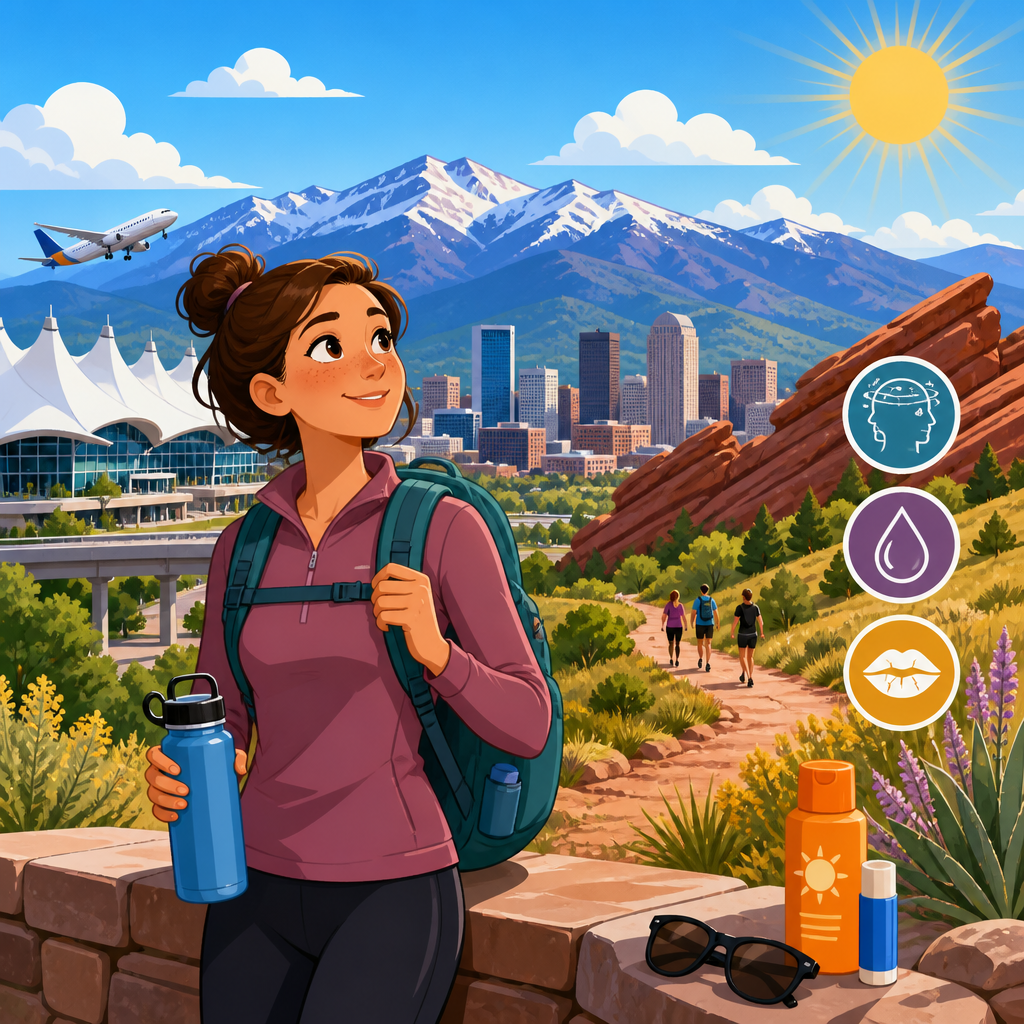
Visitors also underestimate the way sun and dryness compound altitude. Ultraviolet exposure increases with elevation, and mountain air can feel cool even when the sun is intense. It is easy to become dehydrated without realizing it. Chapped lips, nasal dryness, and fatigue are common. Drinking water consistently, using sunscreen, and adding electrolytes during active days make a measurable difference.
How to Acclimate in Jackson Hole
The best acclimatization strategy is simple: ascend gradually when possible, keep the first day light, hydrate steadily, and sleep well. If you can spend your first afternoon doing easy valley activities instead of a hard hike or long ski day, you give your body time to increase breathing rate and begin adjusting fluid balance. That small buffer pays off.
For most first-time visitors, I recommend a day-one plan built around arrival, a gentle walk in Jackson, a relaxed dinner, and an early night. Save the tram, steep trail, or full ski effort for day two. If you are staying several nights, consider organizing the itinerary by altitude exposure: town first, scenic drives next, higher lifts or hikes after that. This is especially helpful for families and travelers arriving from near sea level.
Hydration deserves precision. You do not need to force excessive amounts of water, but you should drink regularly enough that urine stays pale yellow. Add electrolytes if you are sweating heavily, spending a full day skiing, or hiking in summer heat. Alcohol is the classic first-night mistake. One or two drinks may feel stronger at altitude, and alcohol can worsen dehydration and sleep disruption. The goal is not avoidance forever; it is moderation until you know how you feel.
Food matters too. Many visitors eat lightly while traveling, then head into activity underfueled. At altitude, that often leads to fatigue and headache that feel mysterious but are partly low energy intake. Eat balanced meals, include carbohydrates for active days, and carry snacks on hikes or ski days. Simple choices such as oatmeal, fruit, trail mix, sandwiches, and soup work well in mountain conditions.
Altitude Tips for Skiing, Hiking, and Sightseeing
Jackson Hole visitors rarely come only to sit at valley level. The real challenge begins when recreation pushes you upward. In winter, Jackson Hole Mountain Resort allows rapid ascent from base area to high alpine terrain. The tram reaches roughly 10,450 feet, and visitors can feel the change immediately. If it is your first day, warm up on lower terrain before spending long periods at the top. Take breaks, layer for wind, and remember that altitude plus cold can mask dehydration.
In summer, Grand Teton National Park presents a different pattern. Scenic pullouts may feel effortless, but trailheads already sit high, and hikes gain more elevation quickly. Jenny Lake area trails, Cascade Canyon access, and routes around Taggart and Bradley Lakes all demand more energy than comparable mileage at low elevation. Start early, carry more water than you think you need, and pace climbs conservatively. If you can talk in full sentences while hiking, your pace is usually appropriate.
Sightseers should not dismiss altitude simply because they are not exercising hard. Aerial tram rides, gondolas, wildlife drives, and photography outings can still involve standing in the sun, walking uphill at overlooks, and spending long periods in dry air. Visitors sometimes get mild symptoms because they skip meals during a packed day of scenic stops. Build in food, water, and rest rather than treating sightseeing as effort-free.
One rule works across activities: if symptoms are mild, stop and rest before pushing on. If they improve with water, food, and a slower pace, that is reassuring. If they worsen as you gain elevation, descend and reassess. Mountains reward patience more than pride.
When Altitude Becomes a Medical Concern
Most visitors experience, at worst, mild acute mountain sickness. Typical symptoms include headache, nausea, dizziness, unusual fatigue, and poor sleep after ascent. The standard response is to stop ascending, rest, hydrate, avoid alcohol, and use simple pain relief if appropriate. Many cases improve within twelve to twenty-four hours. The problem starts when people ignore escalating symptoms and continue climbing or skiing hard.
Seek urgent medical attention if a traveler has severe shortness of breath at rest, confusion, trouble walking straight, persistent vomiting, blue lips, chest tightness, or a cough that is worsening, especially if it produces frothy sputum. Those signs can indicate serious high-altitude complications that require descent and medical care. They are uncommon at routine Jackson valley elevations, but they can occur, particularly after rapid ascent to higher terrain.
It is also important to separate altitude symptoms from other issues. Carbon monoxide exposure, viral illness, dehydration, low blood sugar, and migraine can look similar. If symptoms seem disproportionate to activity or do not improve with rest, get evaluated. St. John’s Health in Jackson provides regional care, and ski patrol or resort guest services can help direct urgent concerns on mountain days.
Planning Your Jackson Hole Trip Around Elevation
A smart itinerary turns altitude from a problem into a manageable variable. If you are building a Jackson Hole trip planner, group activities by exertion and sleeping elevation. Spend the first night in Jackson or Teton Village, not in a rush to conquer every overlook. Use your first morning for coffee, wildlife viewing in the valley, or a scenic float trip on the Snake River. Progress to bigger hikes, long bike rides, or full ski days after you have had time to adjust.
Season also changes the equation. In winter, cold air, layered clothing, and altitude can leave travelers unaware of fluid loss. In summer, sun exposure and dry heat increase dehydration risk. Shoulder seasons can produce the widest temperature swings, which may affect sleep and recovery. Pack for the environment you are actually entering: refillable water bottle, lip balm, sunscreen, layers, snacks, and any routine medications kept accessible rather than packed away.
As a hub for US city guides within Travel and Destinations, Jackson Hole stands out because it behaves less like a conventional city break and more like a mountain base camp with urban comforts. That is the key planning mindset. Use town amenities strategically, recover well overnight, and treat every higher-elevation activity as something to earn through pacing. Do that, and your first visit is far more likely to feel energizing than exhausting.
Jackson Hole altitude is not a reason to worry, but it is absolutely a reason to prepare. The valley floor around 6,200 to 6,500 feet is high enough to affect sleep, hydration, and exertion, and many signature experiences take you well above that. For first-time visitors, the biggest wins are straightforward: know the elevation numbers, expect a short adjustment period, go easier on day one, drink water consistently, eat enough, and avoid stacking hard activity with alcohol and travel fatigue.
If you remember only one principle, make it this: pace your first forty-eight hours according to altitude, not enthusiasm. That approach helps skiers enjoy longer days, hikers feel stronger on climbs, and families avoid the headaches and crankiness that come from preventable dehydration and overexertion. Most visitors acclimate well when they respect the environment and respond early to mild symptoms.
Jackson Hole rewards preparation with extraordinary scenery, wildlife, and mountain access. Plan with elevation in mind, build a realistic first-day schedule, and adjust as your body tells you. If you are mapping a broader Wyoming itinerary or comparing other US mountain destinations, use this guide as your starting point, then choose your lodging, activities, and daily pace with altitude built into every decision.
Frequently Asked Questions
What is the altitude of Jackson Hole, and how high are Jackson and Teton Village?
Jackson Hole is a high mountain valley in northwestern Wyoming, so the exact elevation depends on where you are within the valley. For most first-time visitors, the two numbers that matter most are the Town of Jackson at about 6,237 feet above sea level and Teton Village at roughly 6,311 feet. That means even your hotel, dinner reservation, or casual stroll through town is happening at a noticeably higher elevation than many people are used to. If you are arriving from sea level or a low-elevation city, that difference can be enough to affect how you feel during your first day or two.
It also helps to remember that “Jackson Hole” refers to the entire valley, not just the town itself. Elevation changes as you move around the area, and once you start driving mountain roads, skiing, sightseeing, or hiking, you may gain additional altitude quickly. That is why travelers often notice the effects of elevation even before attempting anything especially strenuous. In practical terms, Jackson Hole is high enough to matter, but for most healthy visitors it is very manageable with a little planning, good hydration, and a slower pace at the start of the trip.
Will I feel altitude sickness in Jackson Hole as a first-time visitor?
You might, especially if you are coming from a much lower elevation, but many first-time visitors experience only mild symptoms or none at all. At around 6,200 to 6,300 feet, Jackson Hole is high enough to cause noticeable changes in how your body responds, particularly during the first 24 to 48 hours. Common mild symptoms can include a slight headache, feeling more tired than expected, dry mouth, light dizziness, poor sleep, or getting winded more quickly on stairs or short walks. These effects are often temporary and improve as your body adjusts.
The key point is that elevation affects people differently. One traveler may feel almost normal, while another may notice fatigue after a simple walk around town. Factors like hydration, alcohol intake, sleep, recent illness, age, fitness, and how quickly you arrived can all influence how you feel. Being fit does not make someone immune to altitude effects; in fact, active travelers sometimes push too hard too soon because they underestimate the impact of thinner air.
If you do feel off, the best first response is usually simple: drink water steadily, eat regular meals, avoid overexertion, and give yourself time to acclimate. Mild symptoms often fade with rest. However, if symptoms become severe, such as intense headache, vomiting, confusion, shortness of breath at rest, or worsening symptoms that do not improve, it is important to seek medical attention promptly. For most visitors, though, Jackson Hole’s altitude is more of an adjustment issue than a major problem, and planning an easy first day can make a big difference.
How can I prepare for Jackson Hole’s elevation before and during my trip?
The best preparation starts before you arrive. In the days leading up to your trip, focus on staying well hydrated, getting enough sleep, and avoiding the common mistake of arriving already run down. If possible, do not schedule an intense travel day followed immediately by demanding activity. Long flights, dehydration from air travel, and lack of sleep can make altitude feel more noticeable once you reach Jackson Hole.
When you arrive, think “ease in” rather than “go all out.” Your first day is a good time for light walking, relaxed sightseeing, a scenic drive, or a calm evening in town rather than a hard ski day, a steep hike, or a major workout. Drink water consistently throughout the day, but do not rely only on thirst, because mountain air is often dry and you can lose fluid faster than you realize. Pair hydration with regular meals and snacks, since eating helps support energy levels and adjustment. Many visitors also find it helpful to limit alcohol for the first night or two because alcohol can worsen dehydration, disrupt sleep, and make altitude symptoms feel stronger.
It is also smart to pack for the conditions that come with elevation. Lip balm, moisturizer, and sunscreen are especially useful because high-altitude sun and dry air can be surprisingly intense in both summer and winter. If you take any medications or have a history of altitude issues, talk to your doctor before the trip. Overall, preparing for Jackson Hole altitude is less about doing anything extreme and more about respecting the environment: hydrate, rest, pace yourself, and give your body time to adjust.
Does Jackson Hole altitude affect skiing, hiking, and exercise?
Yes, absolutely. Even though Jackson and Teton Village are already above 6,000 feet, many of the activities visitors come for take place even higher. That means the effort required for skiing, snowboarding, hiking, snowshoeing, biking, or even brisk walking can feel greater than expected. You may notice that your breathing rate increases sooner, your legs fatigue faster, and recovery between efforts takes longer. This is completely normal for many first-time visitors and does not necessarily mean you are out of shape.
For skiers and snowboarders, altitude often shows up as early fatigue, especially on the first day. A visitor who can comfortably ski all day at lower elevations may want more breaks in Jackson Hole. The combination of altitude, cold air, and big terrain can be demanding. Starting with a warm-up period, drinking water regularly, and taking breaks before you feel exhausted can help you enjoy the mountain more. The same goes for hikers. Trails that look moderate on paper can feel more strenuous when you are climbing at elevation, particularly if you are not acclimated yet.
A good rule of thumb is to begin at a lower intensity than you think you need. Walk a little slower, take breaks without guilt, and pay attention to how your body responds. If you feel unusually dizzy, weak, or short of breath, stop and rest. Visitors often have a much better experience when they treat day one as an adjustment day and save their biggest effort for later in the trip. In Jackson Hole, altitude does not mean you cannot be active. It simply means you should expect mountain activity to feel harder and plan accordingly.
Why does sleep, hydration, and even walking around town feel different in Jackson Hole?
At Jackson Hole’s elevation, thinner air and a dry mountain climate can subtly affect everyday comfort, even when you are doing nothing adventurous. Sleep is one of the most common surprises for first-time visitors. Some people find they fall asleep normally but wake up more often, sleep lightly, or feel less rested the first night or two. Altitude can change breathing patterns during sleep, and dry indoor air, travel fatigue, and dehydration can make that worse. Usually this improves as your body adjusts, but it is a very common part of the first-time experience.
Hydration also becomes more important than many visitors expect. Mountain air is often dry year-round, and you can lose moisture through breathing and normal activity without noticing it. Add travel, caffeine, alcohol, skiing, hiking, or sunshine, and dehydration can develop quickly. That is why visitors often report headaches, fatigue, or a general “off” feeling that turns out to be at least partly related to not drinking enough water. Consistent hydration, not just one large bottle all at once, is the better strategy.
Even a simple walk around Jackson can feel slightly more strenuous if you have just arrived from low elevation. Climbing stairs, carrying luggage, or walking a few blocks after dinner may leave you more winded than expected. For most people, that feeling is mild and temporary, but it is a useful reminder that altitude is affecting your body from the moment you arrive. The good news is that these everyday effects usually improve quickly with rest, fluids, food, and a little patience, allowing most visitors to settle in and enjoy Jackson Hole comfortably within a day or two.