Aconcagua Base Areas altitude guide for first-time visitors starts with one fact every trekker should understand: elevation changes everything. In Mendoza Province, Argentina, the landscapes around Aconcagua rise quickly from dry valleys to high mountain basins where thinner air, stronger sun, colder nights, and slower recovery affect even fit travelers. For first-time visitors planning a trek in the base areas, altitude is not just a number on a map. It shapes pacing, packing, route choice, hydration needs, sleep quality, and the difference between an enjoyable approach trek and a miserable one.
When people talk about Aconcagua, they often jump straight to the summit at 6,961 meters, the highest peak in the Americas. Most first-time visitors, however, experience the mountain through its base areas and access routes rather than a summit climb. The key locations include the park entrance at Horcones, Confluencia camp, Plaza de Mulas on the normal route side, and Plaza Argentina on the Polish route side. Each area sits at a distinct elevation, and each introduces different physical demands. Understanding these altitude bands is the foundation of smart trek preparation.
Altitude refers to height above sea level. As altitude increases, atmospheric pressure drops, which means less oxygen is available with each breath. Your body can adapt, but only gradually through acclimatization. Acclimatization is the process by which breathing rate, fluid balance, and red blood cell production adjust to reduced oxygen. That process does not follow your itinerary. On Aconcagua approaches, I have seen strong hikers from sea level struggle at Confluencia while older, slower walkers who respected hydration and pace arrived feeling fine. Fitness helps with workload, but it does not prevent altitude illness.
For first-time visitors, the practical question is simple: what altitude will you actually sleep at, walk at, and recover at? The answer determines how many days you should plan, how much water to carry, what symptoms to monitor, and whether a route is realistic for your experience. It also helps you connect this hub article to deeper planning topics such as acclimatization schedules, packing systems, trekking permits, mule logistics, and weather strategy. If you understand the base area elevations first, every other preparation decision becomes clearer and safer.
Base area altitudes and what they mean on the ground
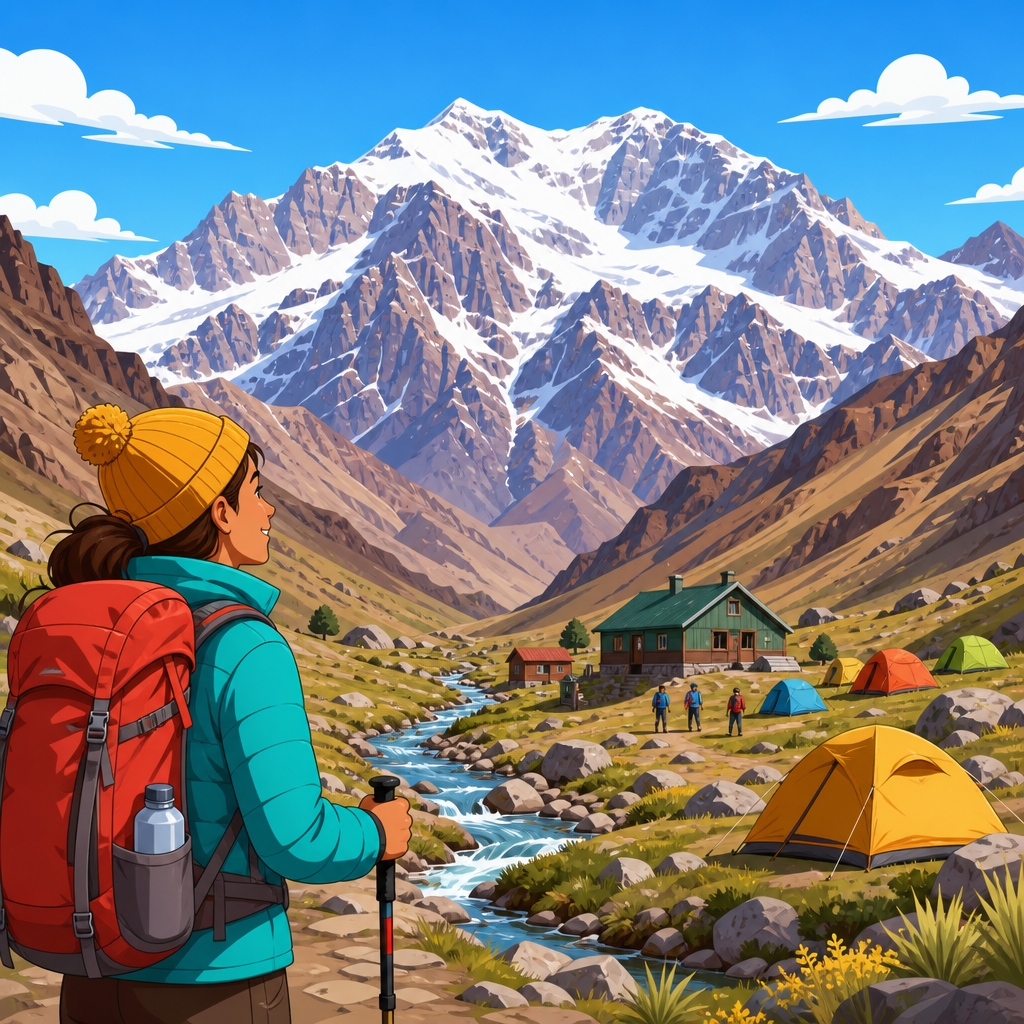
The most useful altitude guide for first-time visitors begins with the main stopping points. Horcones, the standard park entry for many trekkers, sits at roughly 2,950 meters. That is high enough for some people to notice mild breathlessness on hills, especially after arriving from low elevation. Confluencia camp is about 3,390 meters and is commonly the first overnight stop on the normal route approach. Plaza de Mulas, the main base camp on the west side, sits near 4,370 meters. On the east side, Plaza Argentina is approximately 4,200 meters. Day excursions can rise above those camps, and even non-summit trekkers may spend hours above 4,000 meters.
Those numbers matter because sleeping altitude usually drives adaptation stress more than brief daytime exposure. A day hike to 4,000 meters can feel challenging, but sleeping near that height is where headaches, poor appetite, restless sleep, and nausea become more common. In practical terms, many first-time visitors tolerate Horcones well, notice the altitude at Confluencia, and feel a major jump at Plaza de Mulas. The environment also becomes drier and more exposed as you gain elevation. Lips crack faster, sunburn happens sooner, and dehydration can build quietly in the cold wind.
| Location | Approximate altitude | What first-time visitors should expect |
|---|---|---|
| Horcones | 2,950 m | Light exertion may feel harder than normal; begin hydration and sun protection immediately |
| Confluencia | 3,390 m | First common sleeping altitude where mild headache or poor sleep can appear |
| Plaza Francia viewpoint area | Around 4,000 m | Noticeably thinner air on a day walk; pacing becomes critical on climbs |
| Plaza de Mulas | 4,370 m | Strong altitude effects are common; rest, fluids, and slow movement are essential |
| Plaza Argentina | 4,200 m | High camp conditions with dry air, cold nights, and slower recovery between efforts |
These figures vary slightly by source and GPS device, but the planning implications stay the same. The jump from city travel to high desert trekking is significant. Mendoza city itself is only around 750 meters, so many visitors arrive with no useful acclimatization. If your plan is a short base area trek, you should treat the itinerary conservatively. Extra time is not wasted time on Aconcagua. It is your margin for weather, fatigue, and adaptation.
How altitude affects your body during the Aconcagua approach
At Aconcagua base area elevations, the most common issue is acute mountain sickness, often abbreviated as AMS. Typical symptoms include headache, unusual fatigue, loss of appetite, dizziness, nausea, and poor sleep. Mild AMS can improve with rest, hydration, food, and avoiding further ascent. Severe symptoms, especially confusion, loss of coordination, severe breathlessness at rest, or worsening cough, are warning signs that require descent and medical evaluation. Rangers and expedition medical teams in the park take these signs seriously because high-altitude illness can escalate quickly.
Many first-time visitors expect altitude problems to feel dramatic from the start. In reality, they often begin subtly. A person may stop eating normally, blame a headache on sun exposure, or assume they are just tired from travel. I have found that the best check is behavior, not bravado: if you no longer want to drink, eat, or walk at a steady easy pace, altitude may be affecting you more than you think. Tracking symptoms honestly is part of trek preparation, not a sign of weakness.
Breathing changes are normal. You will breathe faster, especially on inclines and at night. Sleep can feel lighter because periodic breathing, a common high-altitude pattern, wakes some people repeatedly. Digestion may slow, and dehydration becomes more likely because dry air increases fluid loss with every breath. Add intense ultraviolet exposure, wind, and dust, and small preparation errors become magnified. That is why altitude strategy is inseparable from clothing systems, water treatment, nutrition planning, and rest-day design.
Smart acclimatization for first-time visitors
The safest way to prepare for Aconcagua base areas is to combine gradual ascent with conservative daily effort. If your itinerary allows, spend a night or two in Mendoza or nearby higher locations before entering the park, then move steadily rather than aggressively. A common first-timer mistake is trying to “bank fitness” by walking too fast on day one. That rarely helps. What works is an easy conversational pace, regular sipping of water, frequent snacks, and a willingness to stop before symptoms worsen.
A practical rule on these approaches is to climb slowly, sleep as low as your route reasonably allows, and use acclimatization hikes if you have enough days. For example, trekkers based at Confluencia often take a day hike toward Plaza Francia before returning to sleep lower. That pattern exposes the body to higher altitude without forcing a high sleeping elevation immediately. On longer base camp itineraries, an extra rest day at Plaza de Mulas is often more valuable than people expect. The body may need time before appetite and energy normalize.
Medication can support acclimatization in some cases, but it should not replace good pacing. Acetazolamide is widely used for prevention and early treatment of altitude symptoms, and travelers should discuss it with a qualified clinician before the trip, especially if they have kidney issues, medication allergies, or other medical conditions. Guides may carry pulse oximeters, but oxygen saturation numbers alone do not determine whether you are acclimatizing well. Symptoms and function matter more than a single device reading.
Trek preparation essentials linked to altitude
For this subtopic hub, altitude is the thread that ties every preparation choice together. Start with hydration. Most first-time visitors need more fluids than they expect because Aconcagua’s air is exceptionally dry. Clear or pale urine is a useful guide, though overdrinking plain water without electrolytes is also unwise. Carry a bottle or insulated reservoir you can access easily, and treat all field water appropriately using filters, purification drops, or both, depending on source conditions.
Next is layering. Even on sunny approach days, temperatures can swing sharply between midday heat and evening cold. A proven system includes a sun shirt or base layer, insulating mid-layer, windproof shell, warm hat, gloves, and a light down or synthetic insulated jacket for camp. Footwear should support long, dusty miles without causing blisters; broken-in midweight boots or supportive trail shoes can both work depending on route, load, and weather. What matters most is fit, traction, and moisture management.
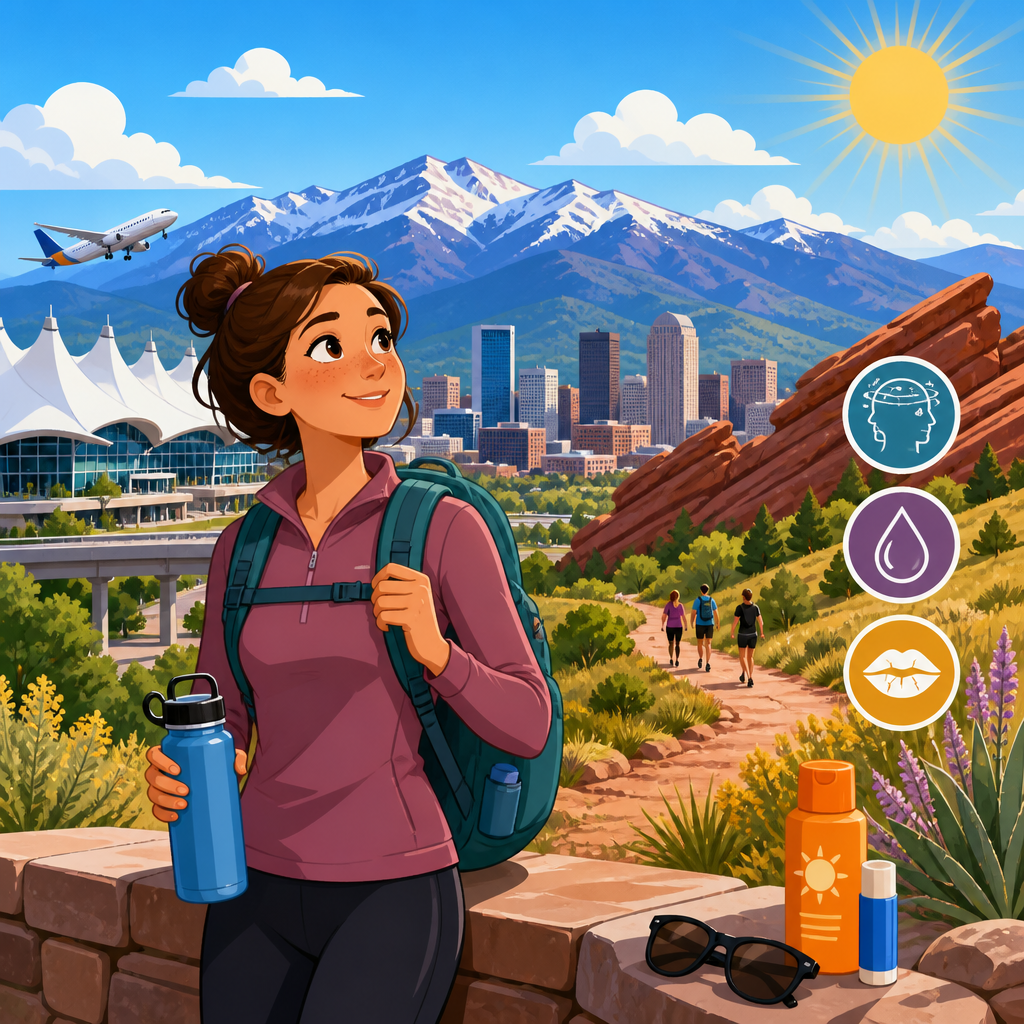
Sun protection at altitude is nonnegotiable. Use glacier-style sunglasses or high-quality wraparound lenses, broad-spectrum sunscreen, SPF lip balm, and a brimmed hat. The UV load rises with altitude and reflects strongly from pale rock and occasional snow patches. Nutrition also changes. Many hikers lose appetite above 3,500 meters, so bring foods you know you will actually eat: simple carbohydrates, salty snacks, easy soups, and familiar energy bars usually work better than heavy meals. Small, frequent intake beats forcing large portions.
Logistics deserve equal attention. Aconcagua Provincial Park requires permits, and the permit type depends on whether you are trekking or mountaineering and which area you will access. Mule services can carry heavier expedition gear to major camps, but day trekkers still need efficient personal packing. Keep your daypack light but complete: water, layers, gloves, hat, sunscreen, headlamp, blister care, basic first aid, snacks, and personal documents. Lightening your pack too aggressively at altitude often backfires when weather shifts or your pace slows.
Choosing the right base area route for your experience
For many first-time visitors, the normal route side offers the most straightforward introduction. The walk from Horcones to Confluencia is manageable for reasonably fit trekkers, and the classic day trip toward Plaza Francia gives dramatic views of the south face without requiring technical climbing. This option works well for travelers who want to experience high altitude, camp in the park, and test their response before considering bigger Andean objectives later. It also provides a clear progression in sleeping elevation.
Reaching Plaza de Mulas is a bigger undertaking. The distance, altitude gain, and long exposed approach make it suitable for trekkers who have trained for consecutive days on foot and understand that 4,370 meters is a serious sleeping elevation. Plenty of non-climbers visit base camp successfully, but they do best when they treat it as a high-altitude expedition-style trek rather than a casual hike. The route is non-technical, yet the environment is demanding.
Plaza Argentina is typically less common for first-time base area visitors, partly because access logistics are more involved and because it is associated with the Polish side of the mountain. It can be an excellent choice with guide support and adequate preparation, but it should not be selected simply because the altitude appears slightly lower than Plaza de Mulas. Route complexity, remoteness, and daily effort matter as much as camp elevation. Choose based on the full travel system, not one number.
Common mistakes and the preparation habits that prevent them
The biggest mistake I see is underestimating the cumulative effect of altitude, wind, sun, and dryness. Visitors arrive with strong legs but poor systems: no electrolyte plan, inadequate sunglasses, boots not yet tested, and an itinerary that leaves no room for slower acclimatization. Another common error is comparing yourself with someone else in camp. Altitude response is highly individual. A younger, fitter person may acclimatize worse than an older trekker who sleeps, drinks, and eats consistently.
A better approach is to prepare by category. Train for steady aerobic output with loaded hikes. Test all clothing and footwear before travel. Learn basic altitude symptoms and agree with your companions on descent thresholds before you enter the park. Build one extra day into the itinerary if your schedule allows. Confirm permit rules, transport timing, camp services, and seasonal weather windows. In peak trekking months, conditions can still change abruptly, and wind can turn an ordinary walking day into a draining one.
If this is your first visit, use the base areas to learn the mountain rather than to rush through it. Altitude rewards patience. The visitors who enjoy Aconcagua most are usually the ones who move a little slower than they think necessary, notice symptoms early, and treat preparation as part of the adventure. Review your route, set a conservative pace, and plan your trek with altitude at the center of every decision.
Frequently Asked Questions
What altitudes should first-time visitors expect in Aconcagua’s base areas?
First-time visitors should expect a meaningful jump in elevation long before they ever approach the summit region. The main trekking access points and base-area routes around Aconcagua typically begin at already elevated trailheads and then continue into high mountain terrain where the air is noticeably thinner than at sea level. In practical terms, many visitors move from Mendoza’s lower elevations into trekking zones that rise to roughly 2,800 to 4,300 meters, depending on the route and how far into the park they travel. Popular base-area destinations such as Confluencia and Plaza de Mulas sit high enough that many otherwise healthy travelers notice shortness of breath on hills, a faster heart rate, reduced appetite, disturbed sleep, and slower overall walking speed.
That matters because these elevations are high enough to affect decision-making, energy use, hydration needs, and comfort. A distance that looks modest on paper can feel much longer when climbing gradually at altitude under strong sun and dry air. Even visitors who exercise regularly at home are often surprised that fitness does not fully protect them from the effects of elevation. The smartest expectation is not to compare these treks to low-altitude hiking, but to assume that every part of the day—walking, resting, eating, and sleeping—may feel different. Understanding the altitude range in advance helps first-time visitors choose realistic itineraries, build in extra time, and avoid pushing too hard too soon.
How does altitude affect the body in the Aconcagua base areas?
Altitude changes how your body takes in and uses oxygen, and that is the central reason the base areas around Aconcagua feel more demanding than lower-elevation hikes. As elevation increases, air pressure drops, which means each breath delivers less oxygen than your body is used to. Your system compensates by breathing faster and increasing heart rate, especially during exertion. For first-time visitors, this can translate into feeling winded on gentle climbs, needing more frequent breaks, recovering more slowly after effort, and sleeping less deeply at night.
Common mild altitude-related symptoms include headache, fatigue, poor sleep, loss of appetite, mild nausea, and a general sense that your normal pace is suddenly too fast. Dry mountain air can also make dehydration happen more quickly, which may intensify headache and tiredness. In Aconcagua’s base areas, stronger ultraviolet exposure, wind, and sharp temperature swings can make the overall physical stress feel greater than altitude alone would suggest. That is why experienced trekkers treat elevation as part of a broader high-mountain environment, not as an isolated number.
Most people adapt better if they ascend gradually, drink fluids consistently, eat even when appetite is lower, and avoid turning the first day into a fitness test. It is also important to know that symptoms should never be ignored simply because they seem common. Mild discomfort may improve with rest, but worsening headache, vomiting, confusion, poor coordination, or unusual breathlessness are signs to stop ascending and seek help. In short, altitude in the Aconcagua base areas affects pace, comfort, and safety from the very beginning, so a conservative approach is the right one for first-time visitors.
What is the best way to acclimatize before trekking in Aconcagua’s base areas?
The best acclimatization strategy is gradual exposure, not toughness. If you are visiting Aconcagua for the first time, give your body time to adjust before asking it to perform in the higher base areas. A very effective approach is to spend time in Mendoza and then, if possible, include one or more nights at intermediate elevation before beginning a longer trek. Even a small amount of staged ascent can make a noticeable difference in how you feel once you are walking higher. The goal is to avoid going from travel fatigue and low elevation straight into a demanding high-altitude itinerary.
Once the trek begins, pace is everything. Walk slower than you think you need to, especially on the first day. Keep your breathing controlled, take short rest breaks before you feel exhausted, and avoid racing other trekkers or trying to prove your fitness. Eat regularly, because low appetite is common at altitude and under-fueling makes adaptation harder. Drink water throughout the day, but pair that with electrolytes and meals so hydration stays balanced. Good sleep also helps, although many first-time visitors find that sleep is lighter or more interrupted at higher camps.
Some travelers ask about medication for altitude support. That is a conversation best had with a qualified medical professional before the trip, especially if you have a history of altitude problems or underlying health conditions. Guides may offer practical advice, but preventive medication decisions should come from your doctor. The key point is that acclimatization is not something you can force in a single afternoon. Time, gradual ascent, and restraint are what usually help the most.
What should first-time visitors pack differently because of the altitude and high mountain conditions?
Altitude changes packing priorities because the environment around Aconcagua can be dry, bright, windy, and cold in quick succession. First-time visitors should think in systems rather than single items. Layered clothing is essential: a moisture-wicking base layer, an insulating mid-layer, and a wind- and weather-resistant outer shell give you flexibility as temperatures shift through the day. Even if the lower valley feels warm, higher basins can bring cold wind and chilly evenings that catch underprepared trekkers off guard. Gloves, a warm hat, and spare socks are often more useful than beginners expect.
Sun protection becomes far more important at altitude. Strong ultraviolet exposure can lead to fast sunburn, eye strain, and overall fatigue. Pack high-SPF sunscreen, lip balm with sun protection, sunglasses with solid UV coverage, and a brimmed hat or cap. Hydration gear is equally important. A dependable water bottle or hydration bladder helps you drink regularly, and many trekkers also bring electrolyte tablets or powders because dry air and exertion can increase fluid loss. Since appetite often dips higher up, easy-to-eat snacks such as nuts, bars, dried fruit, or simple carbohydrate foods can help maintain energy without requiring a large meal.
Footwear should be broken in, supportive, and appropriate for rocky terrain. Trekking poles are worth serious consideration for first-time visitors because they reduce strain on climbs and descents, improve balance, and help keep effort more even. Finally, pack with the assumption that recovery is slower at altitude. That means carrying enough insulation for rest stops, enough water capacity for dry conditions, and enough practical comfort items to keep small problems from becoming trip-limiting issues. At Aconcagua, smart packing is not about luxury; it is about making your body’s job easier in a thinner-air environment.
How can first-time visitors tell the difference between normal altitude discomfort and a problem that requires stopping?
It is normal in Aconcagua’s base areas to feel that walking is harder than expected, that your pace is slower, and that you may have a mild headache or lighter sleep as you adjust. Many first-time visitors also notice reduced appetite, quicker breathing on climbs, and general fatigue by the end of the day. These can be part of ordinary acclimatization, especially if symptoms are mild, stable, and improve with rest, food, hydration, or a slower pace.
The situation becomes more serious when symptoms intensify, do not improve, or begin to interfere with basic function. Warning signs include a severe or worsening headache, repeated vomiting, unusual dizziness, marked weakness, confusion, difficulty walking in a straight line, chest tightness, or breathlessness that seems excessive for the level of effort. A persistent cough, crackling breathing, or shortness of breath at rest should also be taken seriously. In those cases, the correct response is not to “push through.” The safest next step is to stop ascending, rest, inform your guide or companions immediately, and seek professional evaluation or descend if advised.
For first-time visitors, the most important rule is simple: altitude problems are easier to manage early than late. A conservative decision made at the first signs of trouble is almost always better than waiting to see if things somehow improve while continuing upward. If you listen to your body, communicate honestly, and respect how quickly mountain conditions can amplify small symptoms, you greatly improve your chances of having a safe and enjoyable experience in Aconcagua’s base areas.