Preparing a vacation rental for guests who are new to altitude starts with understanding what altitude changes do to the body, the home, and everyday routines. In mountain markets, I have seen well-designed rentals earn better reviews simply because the host anticipated dry air, stronger sun, faster dehydration, and the slower pace many guests need during their first forty-eight hours. Altitude generally refers to elevation above sea level, and noticeable effects often begin around 5,000 feet, with stronger impacts above 8,000 feet. Newcomers may experience headache, fatigue, shortness of breath with exertion, poor sleep, and mild nausea even when they are otherwise healthy. Most cases are manageable with hydration, rest, lighter activity, and clear guidance, but hosts should prepare the property as carefully as they prepare a cleaning checklist. This matters because guest comfort affects safety, reviews, repeat bookings, and liability. A mountain rental is not just a scenic place to sleep; it is part lodging, part orientation center for people adapting to a different environment. The most successful hosts treat altitude readiness as a core operational standard, not an optional amenity. That means adjusting house systems, stocking practical supplies, writing better guest instructions, and designing a first-day experience that reduces avoidable stress while helping guests enjoy the location sooner.
Understand what first-time altitude guests need most
Guests new to altitude usually need three things immediately: hydration support, easier physical pacing, and confidence that what they are feeling is normal. Dry mountain air increases insensible fluid loss through breathing and skin, so a family arriving from a humid coastal city can become dehydrated before they realize it. At the same time, stairs, luggage hauling, and excited same-day activities can push them into overexertion. I advise hosts to assume that guests will arrive tired, mildly dehydrated, and eager to do too much. The rental should counter that pattern. Put the parking instructions, entry steps, and nearest path from car to door in plain language before arrival. If the property has multiple flights of stairs, say so clearly in the listing and welcome guide. If there is a steep driveway or walk, disclose it with photos. This is not just transparency; it lets guests self-regulate their arrival plan.
A strong arrival setup includes several liters of drinking water in the refrigerator, reusable water bottles, herbal tea, electrolyte packets, and a brief note recommending a calm first evening. I have found that guests respond well to direct phrasing such as, “Take it easy tonight, drink water steadily, avoid heavy alcohol, and save strenuous hikes for day two.” Many hosts worry this sounds medical, but in practice it reads as caring and competent. Pair that note with practical explanations: water boils at a lower temperature, skin dries faster, and sleep may feel lighter on the first night. If your home uses radiant heat or a wood stove, explain how that can further reduce humidity indoors. These details answer the exact questions guests ask after check-in, which reduces message volume and builds trust quickly.
Set up the home for hydration, air quality, and sleep
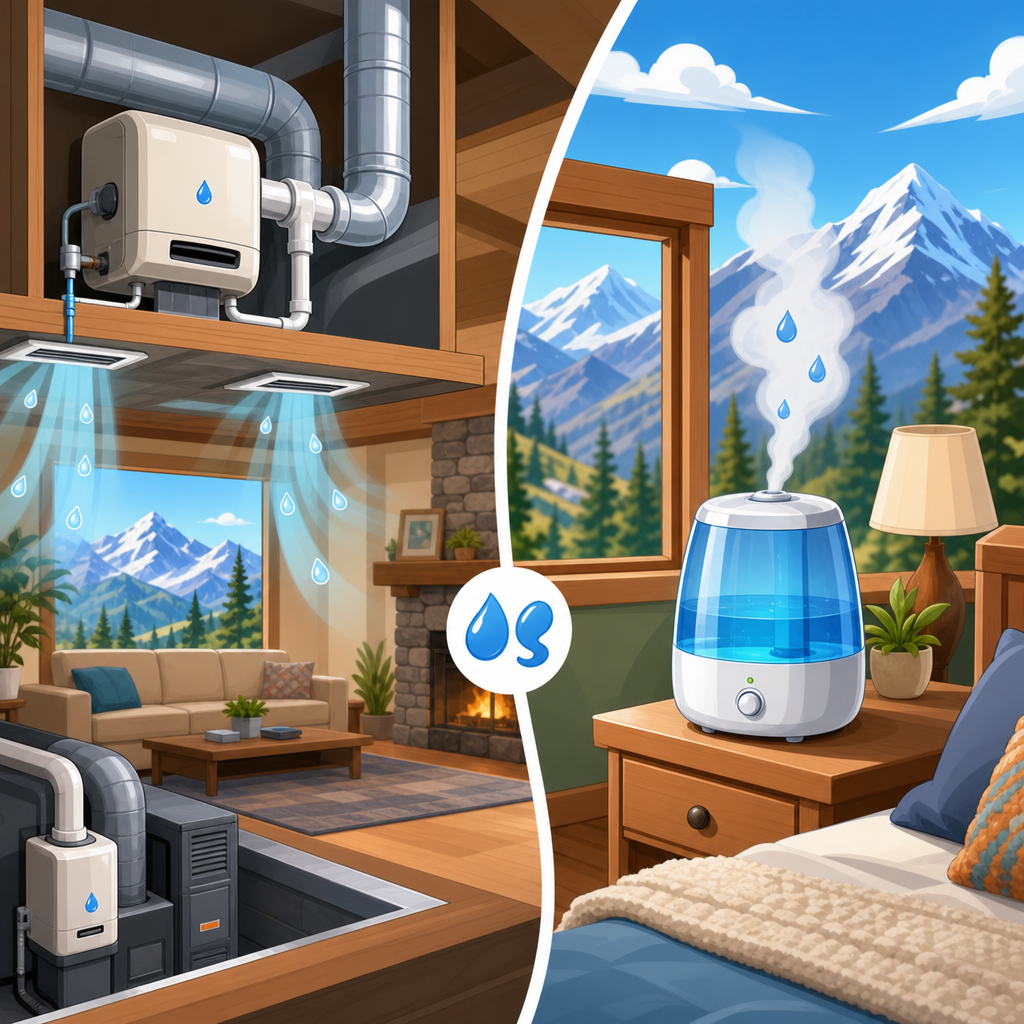
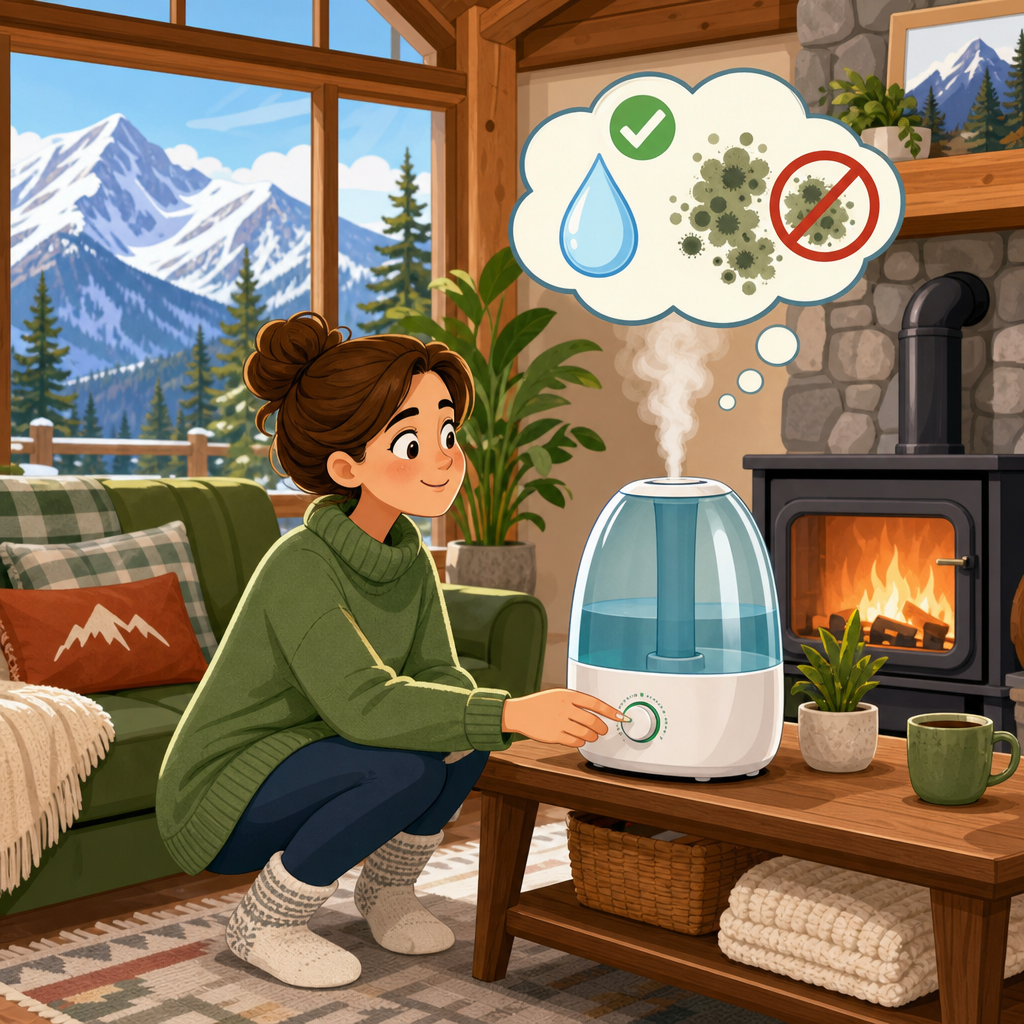
Altitude comfort starts with the indoor environment. Relative humidity in mountain homes often drops well below what many guests are used to, especially in winter or in arid regions. When indoor air gets too dry, people report scratchy throats, nosebleeds, headaches, and poor sleep. A host cannot change the outdoor climate, but the rental can absolutely soften the indoor experience. In bedrooms, provide at least one cool-mist humidifier for every occupied sleeping area or for each floor, depending on layout. Choose models with simple controls, quiet operation, and clear cleaning procedures, such as units from Levoit or Honeywell. Keep spare filters if required, and include written instructions that specify where distilled or tap water is appropriate according to the manufacturer. A dirty humidifier defeats the purpose, so add the tank and base to your turnover checklist.
Temperature control matters too. High-altitude guests often feel warm in the sun and chilled after sunset, especially in shoulder seasons. Program thermostats for stable nighttime temperatures and avoid systems that swing dramatically. If the property has ceiling fans, label the controls. If you rely on a wood stove, pellet stove, or mini-split, write step-by-step operating instructions with photos. I also recommend blackout curtains, extra blankets, and a white-noise machine in each bedroom because first-night sleep disruption is common at elevation. Mattresses and pillows should support side and back sleepers well, since guests may prop themselves up slightly if they feel short of breath. None of this is expensive compared with the value of a five-star review that says, “We adjusted to the altitude comfortably because the host had thought of everything.”
Stock supplies that solve common altitude problems
The smartest mountain rentals stock low-cost items that prevent high-friction guest problems. Build an “altitude kit” and place it where guests can find it without searching. Include electrolyte powders, lip balm, unscented lotion, saline nasal spray, basic pain relievers where legally appropriate, sunscreen of at least SPF 30, aloe gel, and a small digital thermometer. Add a printed card that explains what each item is for in plain language. Guests appreciate not having to drive to a store after a long travel day, especially if the nearest pharmacy closes early or is twenty miles away. If your market caters to skiers, add hand warmers and boot dryers. If it serves summer hikers, add insect repellent and blister pads. Tailor the kit to local conditions rather than buying a generic basket online.
Kitchen supplies should support lighter first-day meals and easy hydration. In practice, that means a clean kettle, a coffee maker with decaf options, a blender for smoothies, extra ice trays, and a clear water-filtration setup if local water quality or taste prompts questions. If the tap water is excellent, say so. If the home is on a well, explain testing and filtration honestly. I have also seen better outcomes when hosts provide simple pantry basics like oatmeal, crackers, soup, and ginger tea. New arrivals may not want a restaurant meal or a heavy dinner after travel. Small conveniences reduce exertion and help guests settle in. Even a bedside carafe and glass can make a difference for a guest who wakes up thirsty at 2 a.m. in an unfamiliar, very dry room.
Create clear safety messaging without sounding alarming
Hosts should inform guests about altitude illness in a calm, non-dramatic way. Most visitors will only experience mild symptoms, but everyone should know the warning signs that require action. Your guidebook should explain that mild altitude symptoms can include headache, fatigue, sleep disturbance, lightheadedness, and shortness of breath during exertion. It should also state clearly that worsening symptoms, vomiting, confusion, trouble walking straight, chest pain, or severe breathlessness need prompt medical evaluation. In the United States, align your wording with common guidance from the Centers for Disease Control and Prevention, wilderness medicine sources, and local health systems. Avoid giving individualized medical advice. Instead, tell guests what to do: stop exertion, hydrate, descend if advised by a clinician, and seek urgent care or emergency help when red-flag symptoms appear.
Post emergency information in more than one place. I recommend a laminated card on the refrigerator and a duplicate in the digital guidebook. Include the property address exactly as emergency responders need it, GPS coordinates if the area is hard to find, nearest urgent care, nearest emergency department, seasonal road closure information, and whether cell service is unreliable. If service is weak, provide Wi-Fi calling instructions and identify the best room or outdoor spot for a signal. For remote properties, list the route to the nearest open gas station and pharmacy. These are ordinary mountain-hosting practices, yet many rentals still omit them. Guests feel safer when the information is concise, visible, and specific to your location, not copied from a generic internet article.
Design arrival, layout, and routines for easier acclimatization
The physical setup of the rental should reduce exertion on day one. If you can, stage luggage carts, boot trays, and bench seating near the entrance. Provide bright exterior lighting for late arrivals, especially in icy months when footing is more difficult. Inside, reduce clutter and make the path from entry to bedrooms intuitive. People who are tired or mildly headachy do not want a puzzle. Label light switches, thermostat zones, and bathroom exhaust fans. If the home has several levels, consider placing the primary guest bedroom, water station, and welcome materials on the easiest-access floor. Families with older relatives or small children notice these decisions immediately.
Bathroom routines deserve special attention because altitude and dry heat make hot showers feel both appealing and dehydrating. Install pressure-balanced valves, provide plush towels, and stock fragrance-free toiletries that do not irritate dry skin. If hot water recovery is limited, state that clearly and suggest staggered showers. Laundry areas should be easy to use because active guests may need to wash layers more frequently. For everyday living beyond the first night, the house should make mountain routines simple: hooks for jackets, mats for snow or mud, a place to charge phones and headlamps, and a durable dining area where guests can gather, hydrate, and plan lower-effort activities for their first day. Good hosting at altitude is operational empathy translated into layout.
Write a mountain-specific house guide that answers real questions
A general welcome binder is not enough for a high-elevation rental. Guests need a mountain-specific guide that acts like a local orientation manual. Organize it around the questions people actually ask: Why am I more tired here? Is the water safe to drink? How should we cook at this elevation? Why did my skin dry out overnight? What should we do on our first day? In my experience, direct answers cut down on repetitive messages more effectively than a long list of house rules. Include a short section on high-altitude cooking if the property attracts longer stays. At higher elevations, baked goods rise faster and dry out more easily, water boils at a lower temperature, and recipes may need longer cooking times. Even a sentence or two on pasta, rice, and baking helps guests feel oriented.
Your guide should also connect this hub topic of moving and everyday living to related property systems. Explain snow removal timing, backup power expectations if the area experiences outages, how to ventilate after cooking, and where to store groceries if wildlife is active nearby. Internal navigation matters too. Point guests to your other resources on driving mountain roads, managing water and septic systems, generator etiquette, or preparing for winter weather if those topics are available in your content library. The goal is to make this page a practical hub that supports the full experience of staying, moving in and out, and living comfortably in a mountain environment rather than treating altitude as an isolated issue.
Match amenities and communication to season, elevation, and guest type
Not every altitude rental needs the same setup. A condo at 6,200 feet near a walkable town has different demands than an off-grid cabin at 9,500 feet with a steep access road. Tailor your preparation to the property and the audience. Families with young children benefit from humidifiers, step stools, night-lights, and simple food options. Older travelers often appreciate handrails, shower grab bars, fewer loose rugs, and a straightforward route from parking to sleeping areas. Remote-work guests care about reliable internet, ergonomic seating, and nearby low-exertion activities for acclimatization breaks. Adventure travelers need secure gear storage, drying areas, and accurate trail or weather guidance that encourages conservative first-day plans.
| Guest scenario | Most useful prep | Why it matters |
|---|---|---|
| Family arriving after a long drive | Water, easy dinner options, humidifier, simple check-in | Reduces fatigue and dehydration on night one |
| Ski group at 8,500 feet | Boot dryers, extra hydration supplies, clear hot-water guidance | Combines exertion, cold air, and dry indoor heat |
| Summer hikers | Sunscreen, electrolytes, trail cautions, first-day low-effort itinerary | Sun exposure and overexertion are common problems |
| Older couple | Handrails, one-level sleeping, bright lighting, local urgent care info | Comfort and response planning matter more than novelty |
Communication timing is just as important as amenities. Send a pre-arrival message three to five days before check-in with packing suggestions, hydration reminders, and a note about taking it easy on the first evening. On the day of arrival, send concise access instructions and weather-specific advice. After the first night, a short check-in message asking how they are feeling can surface issues early. This is especially valuable for hosts managing high-altitude rentals remotely, because operational feedback often appears first as a comfort complaint, not as a systems problem.
Use reviews, maintenance data, and local partnerships to keep improving
The best altitude-prepared rentals get better over time because hosts measure what guests actually struggle with. Review your messages and reviews for patterns: dry air complaints, confusion about heat controls, concerns about hot water, difficulty finding urgent care, or comments about poor sleep. Convert those recurring issues into physical upgrades or clearer instructions. If several guests mention nosebleeds in winter, add another humidifier and humidity monitor. If many ask whether they can drink the tap water, improve the water information card. If check-ins spike during storms, partner with a local plow operator and update arrival messaging sooner. Mountain hosting rewards systems thinking.
Local partnerships are especially useful. Build relationships with a nearby pharmacy, grocery store, urgent care clinic, HVAC technician, plumber, and snow-removal contractor. Keep their current numbers in your operations file. If your home has specialized systems such as a cistern, septic tank, solar array, or backup battery, make sure guests receive clear do-and-don’t guidance written in everyday language. These home systems shape everyday living more than décor ever will. When you prepare a vacation rental for guests who are new to altitude, you are really preparing an entire living environment for a different climate and pace. Start with hydration, sleep, access, and safety; then refine the details through real guest feedback. If you manage a mountain property, audit your home this week from the viewpoint of a sea-level traveler and upgrade the first-night experience first.
Frequently Asked Questions
What should a vacation rental provide for guests who are not used to high altitude?
A vacation rental at elevation should be stocked and set up with the first two days in mind, because that is when most guests notice the biggest adjustment. New arrivals often deal with dry air, mild shortness of breath, headaches, fatigue, poor sleep, and faster dehydration, especially when the property sits above about 5,000 feet. The most helpful preparation is practical rather than fancy: provide clear hydration guidance, easy access to drinking water, extra glassware or reusable water bottles, lip balm, lotion, tissues, and saline nasal spray. A humidifier can be a strong value-add in very dry mountain climates, and many hosts also leave lightweight extra blankets because body temperature can feel less predictable at altitude, especially at night.
Inside the home, simple information matters. A short welcome note can explain that guests may want to take it easy for the first twenty-four to forty-eight hours, drink more water than usual, limit alcohol the first night, and plan lighter activity immediately after arrival. This kind of guidance feels thoughtful rather than alarming when written in a calm, friendly tone. It also helps to make the rental easy to use without effort: straightforward thermostat instructions, labeled light switches, clear directions for hot tubs or fireplaces, and minimal physical strain required to settle in. If your home has multiple stair levels, a steep driveway, or a ski-in mountain access path, mention that ahead of time so guests can arrive with realistic expectations.
Food and beverage readiness is another smart way to support altitude newcomers. Even a modest starter setup can improve the guest experience: herbal tea, electrolyte packets, decaf options, simple snacks, and easy breakfast items if your hosting style allows it. Properties that anticipate altitude needs tend to earn better reviews because guests feel cared for before they even need to ask for help. The overall goal is to reduce friction, encourage hydration and rest, and help visitors adjust comfortably without making the stay feel clinical or overcomplicated.
How can hosts help guests avoid altitude sickness during their stay?
Hosts should be careful not to present themselves as medical professionals, but they can absolutely reduce the risk of altitude-related discomfort by giving smart, general guidance. The most useful advice is also the simplest: encourage guests to hydrate consistently, avoid overexertion right after arrival, eat regular meals, and go easy on alcohol during the first day or two. Many people arrive excited to hike, ski, bike, or celebrate immediately, and that combination of travel fatigue, dehydration, and thin air can make symptoms worse. A concise house guide or pre-arrival message can remind guests that slowing down at first is normal and often helpful.
It also helps to set the home up in a way that supports those recommendations. Keep plenty of potable water available or clearly explain the tap water situation if local water is excellent. If the home has a coffee station, include non-caffeinated options too, since some guests may benefit from balancing their usual routine with extra fluids. If your market is especially dry, add humidifiers in bedrooms or at least mention where guests can find them. Good indoor air comfort, easy temperature control, and quiet sleeping conditions all matter because rest becomes more important when the body is adjusting to elevation.
Most importantly, hosts should know the difference between general comfort advice and emergency warning signs. Your guest materials can briefly state that mild fatigue, thirst, headaches, and poor sleep can happen at altitude, but worsening symptoms, severe breathing trouble, confusion, chest pain, or persistent vomiting require prompt medical attention. Include local urgent care, hospital, and emergency information in an easy-to-find place. That approach is responsible, guest-centered, and reassuring. It tells guests that you understand the environment while also respecting the limits of your role as a host.
Why do guests often feel more dehydrated and tired at altitude, and how should a rental address that?
At higher elevation, the air is typically drier, breathing can become faster, and moisture is lost more easily through respiration and normal daily activity. On top of that, many travelers arrive already somewhat dehydrated from flights, long drives, caffeine, or alcohol. The result is that guests may feel thirsty, develop dry skin or lips, wake up with headaches, or notice lower energy than expected. Fatigue is also common because the body is working harder to adapt to reduced oxygen availability, particularly during sleep and physical activity. Even healthy guests who are excited about their trip can be surprised by how different they feel in the first day or two.
A well-prepped rental addresses this by making hydration and comfort effortless. That means obvious access to clean drinking water, plenty of cups, and ideally a few small touches such as electrolyte mixes, tea, or a note encouraging guests to drink water before and after outdoor activities. Bathrooms should be stocked generously with moisturizer, hand soap that is not overly harsh, and good-quality toilet paper and tissues, because mountain dryness can make everyday basics feel more important. In bedrooms, humidifiers can be especially appreciated during winter or in arid climates, and they can make overnight adjustment noticeably easier for some guests.
Fatigue is not only about water, so the broader setup of the home matters too. Make check-in smooth, lighting warm and intuitive, beds comfortable, and after-dark arrival instructions especially clear. Guests who are new to altitude may not have the energy to troubleshoot an entry lock, carry heavy items up several staircases without warning, or decode appliance instructions. The better your rental supports a calm arrival and restful first night, the more likely guests are to settle in well and enjoy the rest of their stay. In mountain hospitality, reducing physical and mental effort is often one of the most effective forms of guest care.
Should a host mention sun exposure and outdoor safety to guests who are new to altitude?
Yes, absolutely. Stronger sun exposure is one of the most overlooked altitude-related issues, and many guests do not realize how quickly they can burn at elevation, even in cool temperatures or cloudy conditions. The thinner atmosphere at higher elevations allows more ultraviolet radiation to reach the skin, so visitors can spend what feels like a mild, pleasant afternoon outside and come back with significant sunburn, dehydration, or headaches. This is especially common in snow destinations, where sunlight reflects off bright surfaces and increases exposure even more.
Hosts do not need to overdo it, but they should include a friendly outdoor reminder in their welcome materials. Let guests know that sunscreen, sunglasses, hats, and regular water breaks are important, particularly if they plan to hike, ski, snowshoe, bike, or spend time on a deck or balcony. If your property caters to outdoor travelers, keeping a small backup supply of sunscreen or after-sun lotion can be a thoughtful touch, though it should never replace guests bringing their own. The key is to normalize the advice. Guests appreciate it when the information is presented as local know-how rather than a lecture.
Outdoor safety guidance can also cover pacing. People new to altitude often underestimate how much harder routine activity can feel, especially on the first day. If your rental is near trails, ski lifts, or scenic climbs, suggest that guests start with easier outings and build from there. If weather shifts quickly in your area, include reminders about layers, hydration, and afternoon storms where relevant. These details help guests enjoy the destination safely and comfortably, and they position you as a knowledgeable, attentive host who understands the realities of mountain travel.
What information should be included in a welcome guide for guests adjusting to altitude?
A strong welcome guide for an altitude property should combine house instructions with concise, confidence-building local advice. Start with the essentials guests need right away: how to access drinking water, where to find extra blankets, how to use the thermostat, whether there is a humidifier, and what to expect from the home’s heating, fireplace, or hot water systems. Then add a short altitude section written in a reassuring tone. Explain that some guests notice dryness, thirst, headaches, light sleep, or lower energy during the first twenty-four to forty-eight hours, especially above 5,000 feet. Encourage hydration, regular meals, slower pacing, and moderation with alcohol on arrival day.
The guide should also include practical local context. If the nearest grocery store closes early, tell them where they can buy water, simple groceries, and pharmacy items. If your area has urgent care, a hospital, or a 24-hour pharmacy within reasonable distance, list those clearly along with emergency numbers. For many guests, peace of mind matters as much as the actual information. They want to know that the host has thought ahead. If your property has features that can feel more demanding at altitude, such as multiple flights of stairs, steep access roads, or a high-elevation trail directly outside, mention that clearly and without apology.
Finally, keep the guide useful rather than overwhelming. Bulletproof hospitality at altitude is about clarity, not volume. Organize the guide so guests can skim it after a long travel day and still find what they need. A good structure might include: arrival essentials, altitude adjustment tips, home comfort features, local services, and emergency contacts. When done well, a welcome guide reduces confusion, prevents avoidable problems, and makes guests feel like they are in capable hands from the moment they check in.