Vail’s altitude is the first challenge most visitors feel, and the best trip plans start by respecting it before the lifts, trails, restaurants, and village events ever enter the picture. When people ask how to acclimatize before visiting Vail, they usually mean one practical thing: how to help the body adjust to thinner air so a mountain vacation feels enjoyable instead of exhausting. Vail sits at roughly 8,150 feet above sea level, and many ski areas nearby rise well above 10,000 feet. At that elevation, air pressure drops, which means each breath delivers less oxygen than it does at sea level. The result can be headaches, poor sleep, dehydration, shortness of breath, fatigue, nausea, and reduced exercise capacity, especially during the first one to three days.
Acclimatization is the body’s process of adapting to altitude through changes in breathing, fluid balance, and oxygen delivery. It is not a travel hack or wellness trend. It is a measurable physiological adjustment that takes time. I have seen travelers do everything right with flights, lodging, and gear, then lose their first day in Vail because they celebrated too hard, skipped water, or tried to ski like they were still at home. The good news is that most altitude problems are preventable with a few disciplined choices made before departure and during the first 48 hours.
This guide is designed as a ski town guide hub for Vail and similar Rocky Mountain destinations. The same principles apply whether your wider itinerary includes Beaver Creek, Breckenridge, Aspen, Park City, Telluride, Jackson Hole, or Lake Tahoe, but Vail makes an ideal case study because it combines village convenience with genuine high-altitude exposure. If you understand how to acclimatize before visiting Vail, you will also be better prepared for the broader category of ski town travel: winter sports, shoulder-season hiking, summer festivals, and active mountain weekends. The goal is simple: arrive with a plan, protect your energy, and give yourself the best chance to enjoy the town from day one.
Why Vail altitude affects visitors so quickly
Altitude sickness is common in mountain destinations because travelers ascend faster than the body can adapt. Many visitors sleep near sea level the night before, board a plane, drive from Denver, and within hours find themselves eating dinner above 8,000 feet. Denver is about 5,280 feet, so even the airport-to-resort transfer adds a substantial elevation jump. In practical terms, that means your respiratory system has almost no transition time. The body responds by increasing breathing rate and shifting fluid balance, but those adjustments can leave you dry, tired, and lightheaded before you ever clip into skis.
Symptoms vary by age, fitness, hydration status, and individual susceptibility. Fitness does not protect against altitude illness as much as people think. Strong athletes often get into trouble because they push harder on arrival. In Vail, that may look like taking an early flight, checking in, walking the village, ordering drinks, and skiing bell to bell the next day. The problem is not the itinerary itself. The problem is stacking exertion, altitude, sun exposure, and dehydration all at once. The mountain environment amplifies each variable.
Weather also matters. Cold air is dry, indoor heat dries nasal passages, and high-elevation sun increases fluid loss. Visitors often underestimate how much water they need because winter conditions do not trigger thirst the way summer heat does. Add alcohol, poor sleep, and travel fatigue, and the classic first-night Vail headache starts to make sense. Understanding these causes matters because acclimatization is not mysterious. It is mostly about controlling pace, hydration, sleep, and ascent profile.
What to do before you leave home
The best way to acclimatize before visiting Vail begins several days before travel. Start by increasing fluid intake modestly, not excessively. Pale yellow urine is a better target than forcing gallons of water. Extreme overhydration is unnecessary and can create its own problems. Focus instead on consistency. In the two to three days before departure, prioritize normal meals with adequate carbohydrates, moderate sodium, and enough protein to support recovery. Carbohydrates are especially useful because they are oxygen-efficient fuel, which can make the first day at altitude feel a little easier during walking or skiing.
Sleep banking is real and useful. If you arrive sleep deprived, altitude usually feels worse. Try to get full nights of sleep for at least two nights before the trip. If you are prone to migraines, ask your clinician about your plan well in advance. If you have asthma, chronic obstructive pulmonary disease, sleep apnea, heart disease, or a history of altitude illness, get individualized advice before traveling. Prescription options such as acetazolamide can help some travelers when used correctly, but medication is not a substitute for sensible pacing, and it is not right for everyone.
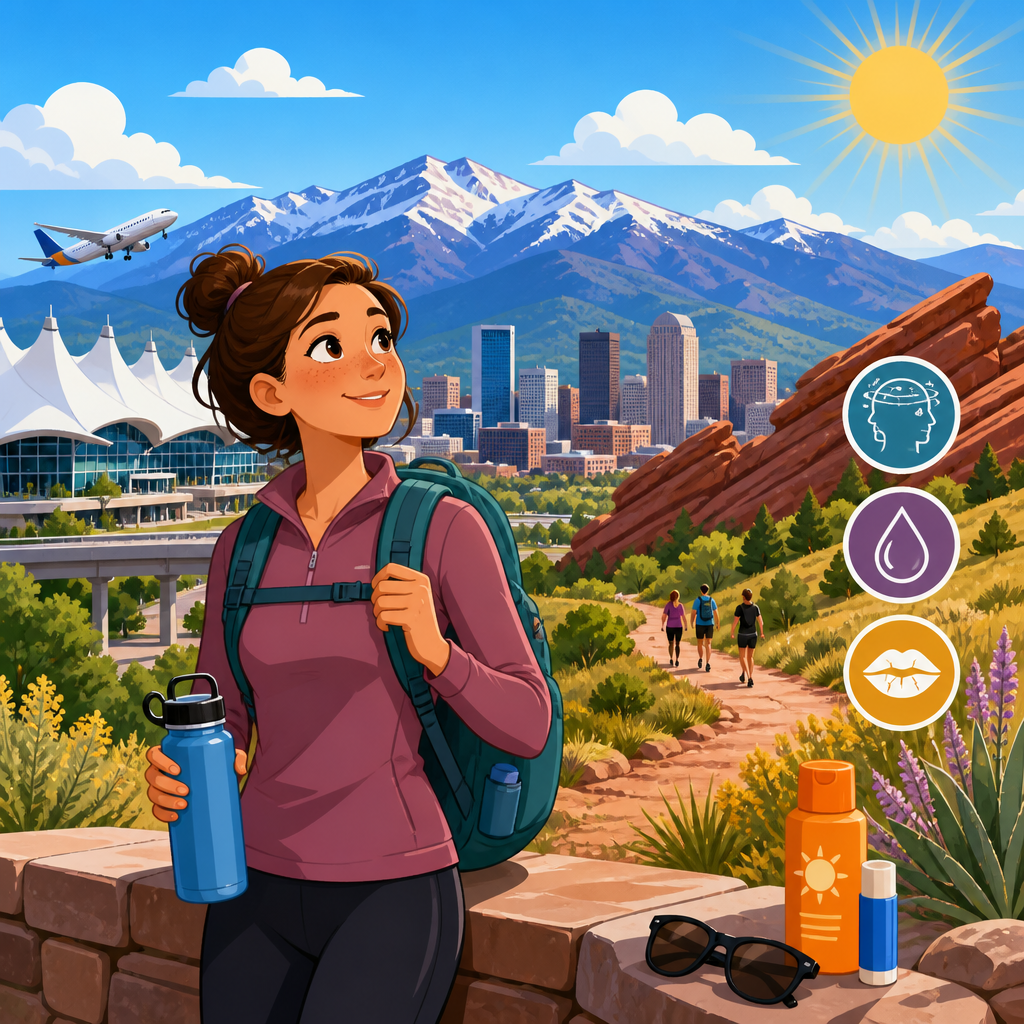
Travel logistics matter more than most people realize. If your schedule allows, consider breaking up the ascent with a night in Denver or another lower-elevation stop before sleeping in Vail. That is not mandatory, but it can help sensitive travelers. Pack a reusable water bottle, lip balm, saline nasal spray, sunscreen rated SPF 30 or higher, and simple snacks. These items are not accessories in ski towns; they are part of altitude management. I also recommend building a lighter first day into your itinerary. If you frame arrival day as an acclimatization day rather than a lost day, you make better choices.
The first 48 hours in Vail: the rules that matter most
The most important acclimatization window is the first two days. On arrival, drink water steadily, eat a balanced meal, and keep physical exertion low to moderate. A relaxed village walk is fine. Carrying heavy bags up stairs, racing to après, and squeezing in a hard workout are not ideal. If you plan to ski the next day, start with shorter sessions and easier terrain. Let breathing rate, legs, and energy level guide your pace. Most people can enjoy the mountain on day one, but they should not try to prove anything.
Alcohol deserves direct treatment because it is one of the fastest ways to feel worse in Vail. It contributes to dehydration, fragments sleep, and can blur the line between mild altitude symptoms and intoxication. You do not need to avoid it for the whole trip, but keeping the first night light is one of the highest-return decisions you can make. The same caution applies to cannabis and sedating sleep aids. If sleep is difficult, focus first on hydration, a light dinner, and a cool, dark room.
Use this simple framework during the first 48 hours in Vail.
| Action | Why it helps | Practical example in Vail |
|---|---|---|
| Hydrate steadily | Supports breathing-related fluid loss and reduces headache risk | Drink water at the airport, during the drive, with dinner, and before bed |
| Limit alcohol | Protects sleep and reduces dehydration | Choose one drink at dinner instead of a long après session on arrival day |
| Eat carbohydrates | Provides accessible energy at altitude | Order a grain bowl, pasta, rice dish, or oatmeal rather than skipping meals |
| Sleep early | Supports adaptation and recovery from travel fatigue | Plan a quiet first night instead of late nightlife in the village |
| Start activity gently | Reduces overload while the body is adjusting | Begin with green or blue runs, frequent breaks, and a shorter ski day |
| Watch symptoms | Catches trouble before it escalates | Pause if headache, nausea, or unusual breathlessness worsens with rest |
If you wake during the night feeling dry, that is common. A few sips of water and humidified room air can help, although many hotel rooms will not have a humidifier. Nasal dryness and mild insomnia often improve after the first night or two. What should not be ignored is worsening headache, repeated vomiting, severe fatigue, confusion, or shortness of breath at rest. Those are signs to stop exertion and seek medical advice promptly.
How to ski, eat, and recover without sabotaging acclimatization
Once you are in Vail, acclimatization depends on small choices repeated well. On ski days, eat breakfast. That sounds basic, but it matters. Fasted skiing at altitude is a reliable way to feel weak by midmorning. Oatmeal, eggs, yogurt, fruit, or toast are all sensible starts. On-mountain lunches should be functional, not just indulgent. A burger and fries are fine if that sits well for you, but what helps most is a meal that includes fluids, carbohydrates, and enough salt to replace what you are losing through breathing and sweating inside layers.
Recovery starts before the lifts close. Take breaks indoors, loosen boots, and check in with your energy and headache level. Many visitors mistake altitude fatigue for normal ski fatigue and keep pushing. In my experience, the body usually gives a clear warning first: appetite drops, concentration slips, and the easy run suddenly feels harder than it should. That is the time to stop, hydrate, and head down. There is no prize for wringing every minute out of a day when the next day can be better.
Sun exposure is another underappreciated factor. UV intensity rises with elevation, and snow reflects sunlight back at the face. Dehydration and sunburn together can mimic or intensify altitude symptoms. Apply sunscreen in the morning, reapply at lunch, and use lip protection. For sleep, avoid huge dinners and heavy drinking late. A short walk after dinner can help circulation, but keep it easy. If you are staying several days, most people notice a significant improvement by day three, provided they have not spent days one and two digging an unnecessary recovery hole.
When symptoms are normal, and when they are not
Mild altitude symptoms are common and often manageable. A slight headache, lower exercise tolerance, dry mouth, or light sleep on the first night does not automatically mean something is wrong. The standard response is rest, hydration, food, and slower pacing. However, worsening symptoms despite rest should always be taken seriously. Acute mountain sickness can progress, and while severe cases are less common in a resort setting than on remote climbs, they still require respect.
Red flags include persistent vomiting, severe headache not relieved by rest or fluids, trouble walking straight, confusion, chest tightness, and shortness of breath while resting in your room. If symptoms become severe, descend if possible and seek urgent medical care. Vail has medical resources, and mountain communities are used to evaluating altitude-related complaints. It is better to ask early than to normalize symptoms that are getting worse. Families should watch children closely because younger travelers may describe symptoms vaguely as being tired or not feeling good.
Travelers with underlying conditions need extra planning, not panic. People with controlled asthma often do well if they bring their inhalers and avoid forgetting routine medication. Those with sleep apnea should use prescribed equipment consistently because poor overnight oxygenation and altitude are a bad combination. Older adults can acclimatize successfully, but they benefit from conservative pacing and regular meals. The key principle across every group is the same: altitude rewards patience and punishes overconfidence.
Why this Vail guide works as a hub for ski town travel
Vail is one destination, but the acclimatization strategy in this guide supports the broader ski town guide category under travel and destinations. Most mountain resort trips combine the same pressure points: rapid elevation gain, dry air, sun exposure, celebratory drinking, physically demanding days, and travelers who want to maximize limited vacation time. That pattern appears in Colorado, Utah, Wyoming, Montana, California, British Columbia, and the Alps. Learning how to acclimatize before visiting Vail gives you a template for nearly any ski town itinerary.
As you build a wider mountain travel plan, use this hub as the starting point for related decisions: where to stay for easier first-day logistics, how to schedule arrival and departure around ski days, what to pack for altitude and winter dryness, how family itineraries differ from expert-ski weekends, and when summer hiking requires the same caution as winter sports. In other words, acclimatization is not a narrow medical footnote. It is one of the central planning variables in ski town travel, right alongside lodging, transportation, terrain, and budget.
The biggest benefit is simple. When you arrive prepared, Vail feels like a mountain vacation instead of a physiological test. Drink steadily, sleep well, ease into activity, eat real meals, and respect symptoms if they appear. Those steps are not glamorous, but they work. Use this guide as your foundation before any high-altitude trip, then build the fun parts around it. If Vail is on your calendar, make your first decision the smartest one: plan to acclimatize before you ever click into your skis.
Frequently Asked Questions
How long does it usually take to acclimatize before visiting Vail?
For most travelers, the first 24 to 72 hours are the most important. Vail sits at about 8,150 feet, which is high enough that many people notice the change in breathing, energy, sleep, and hydration almost immediately, especially if they arrive from sea level. Full acclimatization can take longer than a weekend, but the body often makes its most noticeable adjustments during the first couple of days. That is why smart trip planning starts before skiing, hiking, dining, or late-night village activities. If possible, give yourself at least one easy day after arrival before doing anything strenuous. Even better, sleep one night at a lower elevation in Colorado before heading up to Vail, or plan a lighter first day with gentle walking, plenty of water, and extra rest.
It also helps to understand what acclimatization feels like in real life. You may get winded faster on stairs, feel unusually tired in the afternoon, wake up during the night, or notice a mild headache. Those symptoms do not always mean something is seriously wrong, but they are clear signs to slow down and let your body catch up. Visitors who try to push through altitude on day one often turn a fun mountain trip into a draining experience. A more effective approach is to build in recovery time, eat consistently, avoid overexertion, and accept that your normal energy level at home may not match how you feel in Vail right away.
What should I do before I arrive in Vail to make altitude adjustment easier?
The best preparation starts a few days before your trip. Begin increasing your fluid intake before you travel, because many visitors arrive already mildly dehydrated from flights, long drives, caffeine, or alcohol. Being well hydrated does not eliminate altitude effects, but it gives your body a better starting point. Focus on regular water intake, balanced meals, and good sleep in the days leading up to departure. If you are run down, sleep deprived, or recovering from illness, altitude tends to feel harder. That makes pre-trip recovery more important than many people realize.
Exercise can help too, but not in the way some travelers expect. You do not need extreme training right before your trip. Instead, being generally well rested and in decent cardiovascular condition can make the transition feel smoother. If you have a history of altitude sickness, heart or lung conditions, or concerns about medications, it is wise to talk to your doctor before traveling. Some people ask about prescription options such as acetazolamide, which may be appropriate in certain cases, but that decision should come from a medical professional familiar with your health history. It is also helpful to pack strategically: bring a reusable water bottle, lip balm, moisturizer, sunscreen, and any medications you might need, since the mountain climate is dry as well as high.
What are the best things to do on my first day in Vail to avoid altitude sickness?
Your first day should be intentionally easy. The goal is not to do nothing, but to avoid making altitude adjustment harder than it needs to be. After you arrive, drink water steadily, eat a real meal, and keep physical effort moderate. Light walking around Vail Village or Lionshead can be a great way to settle in without overloading your system. What you want to avoid is the classic mistake of landing in Colorado, driving straight up, dropping your bags, and immediately heading for a demanding ski day, a hard run, or a long hike above 10,000 feet. Your body needs time to respond to the lower oxygen levels, and that process cannot be rushed.
It is also a good idea to limit alcohol on day one and be cautious with heavy meals late at night. Alcohol can worsen dehydration, disrupt sleep, and make altitude symptoms feel stronger. Rest matters too, but try to balance it with gentle movement so you do not feel sluggish. If you are traveling with family or a group, set expectations early: the first day is for easing in, not proving endurance. Many visitors enjoy their trip much more when they treat arrival day as part of the acclimatization process rather than the start of full-speed vacation mode.
How can I tell the difference between normal altitude adjustment and altitude sickness in Vail?
Mild altitude adjustment often feels like shortness of breath during exertion, a temporary dip in stamina, dry mouth, light fatigue, or slightly restless sleep. Those symptoms are common at Vail’s elevation and often improve with hydration, food, rest, and a slower pace. A mild headache can also happen, especially on the first day. What matters is whether symptoms stay manageable and start improving as you take care of yourself. If they do, your body is likely going through the expected adjustment process.
Altitude sickness becomes more concerning when symptoms are stronger, persistent, or worsening. Warning signs can include a significant headache that does not improve, nausea, vomiting, dizziness, unusual weakness, trouble walking normally, confusion, or shortness of breath even at rest. Those symptoms should not be brushed off as something everyone gets in the mountains. If symptoms become severe or keep getting worse, the safest response is to stop activity, rest, seek medical advice, and consider descending to a lower elevation. Vail has medical resources, and it is always better to act early than to hope serious symptoms pass on their own. When in doubt, treat worsening altitude symptoms with caution.
What should I eat and drink to acclimatize better before and during a trip to Vail?
Hydration is the first priority, but the key is consistency rather than overdoing it all at once. Drink water regularly before arrival and throughout your stay, and pay attention to thirst, urine color, and how dry you feel. The air in the mountains is often much drier than visitors expect, so fluid loss can happen faster through breathing and normal activity. Electrolyte drinks can be useful, especially after travel or exercise, but plain water and regular meals are still the foundation. It is also smart to moderate caffeine and alcohol at first, since both can complicate hydration and sleep if you rely on them too heavily.
For food, aim for balanced meals that are easy to digest and provide steady energy. Many people do well with regular carbohydrates, lean proteins, fruits, soups, and snacks spaced through the day rather than one oversized meal after hours of travel. Eating enough matters because low appetite can sneak up on people at altitude, and under-fueling often makes fatigue feel worse. Warm drinks, broth-based meals, and water-rich foods can be especially helpful in dry conditions. The simplest strategy is also one of the best: arrive hydrated, keep drinking fluids, do not skip meals, avoid excess alcohol early, and give your body the fuel it needs to adapt to Vail’s thinner air.