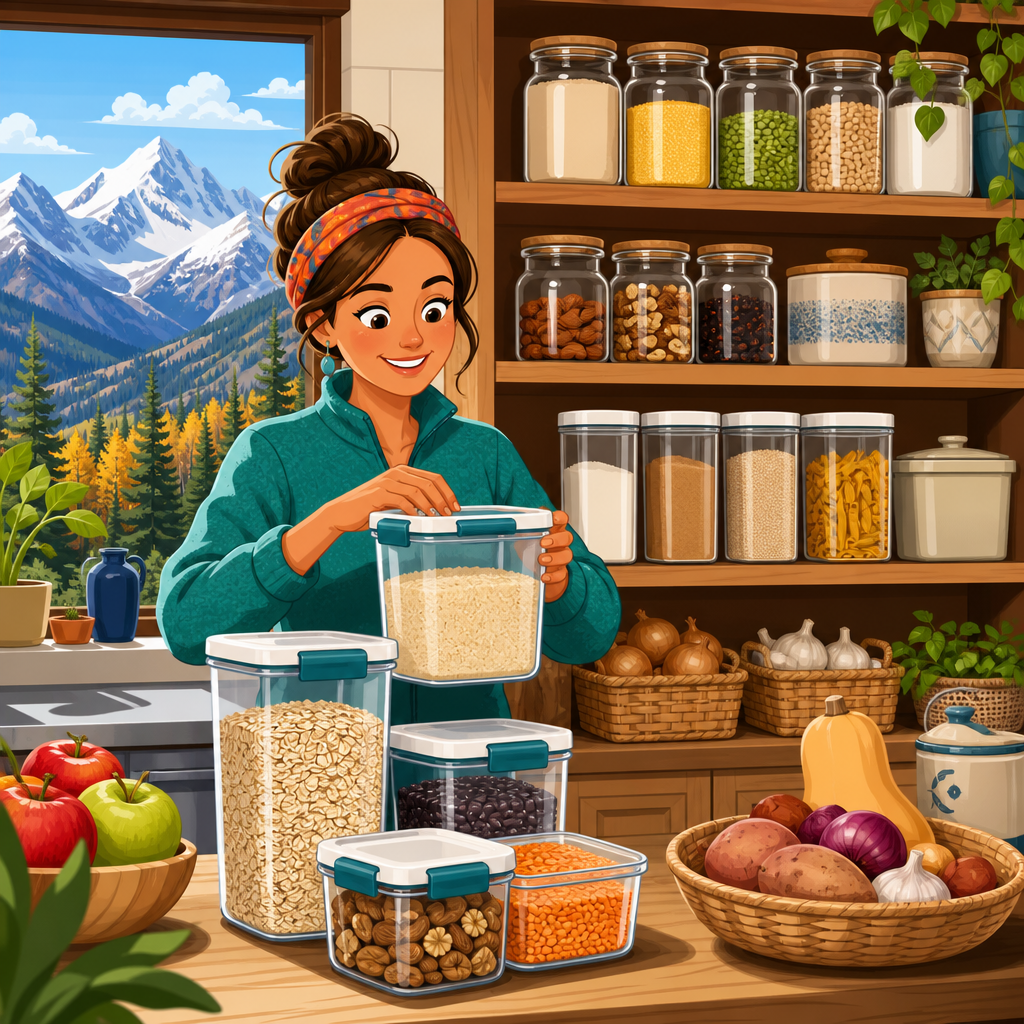
Best food storage tweaks for dry, high-elevation kitchens start with one reality: altitude changes how food behaves in your home. In mountain towns and arid inland climates, indoor air usually holds less moisture, water boils at lower temperatures, pressure shifts affect packaging, and strong sun can warm pantries faster than many people realize. Those conditions matter for flavor, texture, shelf life, food safety, and household comfort. A bag of flour can dry out and pick up odors, herbs lose volatile oils quickly, bread stales faster, and opened snacks that stay crisp at sea level may turn leathery or oddly brittle in a very dry kitchen.
When I have organized kitchens in high-country homes, the same pattern appears again and again: people buy good ingredients, then lose quality because storage habits were built for a milder climate. Food storage tweaks are small adjustments to containers, placement, humidity control, rotation, and temperature management that protect ingredients from dryness, oxygen, light, pests, and contamination. High elevation generally refers to locations above roughly 3,000 feet, though the practical effects become much more noticeable as you climb. Dry kitchens are spaces where relative humidity stays low for long stretches, often because of arid weather, winter heating, or constant air conditioning.
This matters because everyday comfort starts in the kitchen. Better storage reduces waste, preserves nutrition and taste, lowers grocery costs, and makes cooking more predictable. It also supports the wider goals of home comfort: fewer pantry pests, less freezer burn, less frustration with stale staples, and safer leftovers. If you want a single hub for everyday health and comfort at home, this topic sits at the center. The same principles that protect rice, nuts, spices, produce, and leftovers also support cleaner indoor air, easier meal prep, and a more resilient household routine.
How dry air and altitude change food storage
Dry, high-elevation kitchens challenge food in four main ways. First, low humidity speeds moisture loss. Bread, tortillas, cooked grains, cheese surfaces, cut fruit, and baked goods dry out faster once exposed to air. Second, oxygen exposure becomes more damaging when food is already dehydrating, because fats oxidize and aromas dissipate. Third, strong daily temperature swings are common in mountain regions, especially in kitchens near exterior walls or sunlit windows. Fourth, lower boiling points can change how quickly foods cool, reheat, or condense moisture inside containers.
These effects are easy to see in common ingredients. Brown sugar hardens because it loses moisture. Whole-grain flour turns flat or bitter if warm storage accelerates oil oxidation. Coffee beans stored near heat lose aroma rapidly. Crackers may stay crisp but taste stale because flavor compounds evaporate, not just because moisture changes. Potatoes stored too dry can shrivel. Onions stored with poor airflow can spoil from internal moisture imbalance rather than obvious surface wetness. Once you understand that dryness, oxygen, light, and heat work together, better storage decisions become straightforward.
The practical goal is stable conditions. Most shelf-stable foods last longest in cool, dark, dry spaces, but “dry” does not mean desiccated air around opened food. It means preventing dampness in the room while keeping food protected inside appropriate barriers. For everyday health and comfort, the best setup is a pantry that stays between about 50 and 70 degrees Fahrenheit, away from ovens and dishwashers, with airtight containers for foods that degrade after opening and breathable storage for produce that needs airflow.
Best containers and placement for pantry staples
The fastest upgrade for a dry, high-elevation kitchen is replacing flimsy original packaging after opening. Paper flour bags, cereal liners folded with clips, and spice jars kept beside the stove all leak quality. Use airtight containers made from glass, stainless steel, or high-barrier BPA-free plastic with gasket lids. For flour, sugar, rice, oats, pasta, dry beans, cereal, baking mixes, and pet food, the container should close tightly enough that you do not smell the contents after sealing. That simple test catches many weak lids.
Container size matters. Choose a vessel that leaves minimal headspace after refilling, because extra air speeds oxidation and staling. Wide-mouth jars work for frequently used grains and baking staples. Opaque canisters are better for light-sensitive items such as coffee, tea, and some spices. Vacuum-sealed canisters can help coffee and nuts, but they are not necessary for every pantry item. In my experience, a standard gasket container stored in a cool cabinet beats an expensive vacuum system placed above a warm refrigerator.
Placement matters just as much as packaging. Do not store oils, spices, or grains above the oven, beside the toaster, or in direct sun. Heat and light destroy quality faster than most households expect. The U.S. Department of Agriculture emphasizes cool, clean, dry storage, and food manufacturers routinely note that spices and oils keep best away from heat and light. If cabinet space is limited, prioritize the coolest zone for high-value, high-risk items: whole grains, nuts, seeds, coffee, tea, chocolate, dried fruit, and cooking oils. These foods lose flavor first and cost the most to replace.
| Food | Best storage tweak | Why it works in dry, high-elevation kitchens |
|---|---|---|
| Flour and whole grains | Airtight container in a cool cabinet or freezer backup | Reduces oxidation, odor pickup, and insect exposure |
| Brown sugar | Small airtight container with tight headspace | Slows moisture loss and hardening |
| Nuts and seeds | Refrigerate or freeze in sealed jars | Protects delicate oils from rancidity |
| Spices | Store away from stove in small opaque jars | Preserves volatile aroma compounds |
| Bread | Freeze extra loaves, keep current loaf sealed at room temperature | Prevents rapid staling and texture loss |
| Potatoes and onions | Separate bins with airflow in a dark cool area | Prevents sprouting, softening, and cross-spoilage |
| Leftovers | Shallow airtight containers cooled promptly | Improves food safety and limits drying |
Protecting bread, baking ingredients, spices, oils, and snacks
Dry climates are especially hard on bakery items and flavor-driven ingredients. Bread staling is not only moisture loss; it is also starch retrogradation, which makes crumb firm over time. However, low indoor humidity can worsen texture quickly after opening. Keep bread tightly sealed and freeze what you will not eat within two to three days. Slice before freezing so you can remove only what you need. For tortillas, bagels, and sandwich rolls, press out extra air before resealing.
Baking ingredients need category-specific storage. White flour is more stable than whole-wheat flour because bran and germ oils have been removed, but both benefit from airtight storage. Whole-wheat flour, almond flour, flax meal, and cornmeal should be refrigerated or frozen if used slowly. Brown sugar belongs in a truly airtight container, not a loose ceramic crock. Powdered sugar clumps less when kept dry, while baking powder and baking soda should stay sealed and replaced on schedule because potency drops over time. Labeling open dates is one of the simplest quality-control habits a home cook can adopt.
Spices and oils deserve extra attention because they create most of a dish’s aroma. Ground spices fade faster than whole spices. Buy smaller amounts if you cook infrequently, and store them far from burners and steam. Extra-virgin olive oil, avocado oil, sesame oil, and nut oils should stay in dark bottles or opaque containers in a cool cabinet. Rancid oil often smells like crayons, putty, or old nuts. If your kitchen routinely reaches high temperatures in summer afternoons, move premium oils to a cooler pantry zone and buy smaller bottles more often.
Snacks need a mix of crunch protection and oxygen control. Chips, crackers, pretzels, granola, dried fruit, and jerky all deteriorate after opening, but not in the same way. Crisp foods need vapor barriers and tight seals. Fat-containing snacks like granola and trail mix also need cool storage to prevent oxidation. Dried fruit can become tough in very dry air, so reseal it quickly or transfer it to a small airtight box.
Fresh produce, refrigerated food, and leftovers
Produce storage in dry, high-elevation homes works best when you separate foods by their moisture and gas needs. Potatoes, onions, garlic, and winter squash like dark, cool storage, but potatoes and onions should not share the same bin because gases and moisture can speed spoilage. Leafy greens, herbs, carrots, celery, and berries need refrigerator humidity support. A crisper drawer set correctly helps, but many homes never adjust the settings. High humidity is generally better for leafy vegetables; lower humidity suits fruit that gives off more ethylene, such as apples and pears.
For herbs, I have seen the biggest improvement from treating tender bunches like flowers. Trim stems, place them in a jar with a little water, cover loosely with a bag, and refrigerate unless the herb is basil, which is usually happier at cool room temperature away from sun. Mushrooms need breathability, not airtight plastic, so a paper bag in the refrigerator often outperforms the original wrapped tray. Tomatoes lose flavor when over-refrigerated; keep whole ripe tomatoes at room temperature and refrigerate only when they are at risk of spoiling.
Refrigerators in dry climates can dehydrate food quickly, especially with strong fans. Use shallow airtight containers for leftovers, and cool foods promptly according to food-safety guidance rather than leaving them on the counter for hours. The U.S. Food and Drug Administration’s two-hour rule remains a useful standard, shortened to one hour when ambient temperatures are very high. For soups, stews, grains, and roasted vegetables, shallow containers speed cooling and reduce condensation cycles that later make textures soggy. Label leftovers with the date, place newer items behind older ones, and create one clearly visible “eat first” shelf.
Cheese storage is nuanced. Hard cheeses prefer breathable wrapping such as cheese paper or parchment plus a loose outer layer, while fresh cheeses need sealed containers. Lunch meats and cooked proteins should be kept in the coldest safe zone of the refrigerator, not the door. Eggs stay more stable in their original carton because it reduces odor transfer and moisture loss.
Freezer strategy, inventory control, and everyday comfort routines
In dry, high-elevation kitchens, the freezer is not just for long-term storage; it is a quality-preservation tool. Freezing pauses staling, slows oxidation dramatically, and gives you a buffer against rapid pantry deterioration. Bread, tortillas, nuts, seeds, whole-grain flours, shredded cheese, cooked beans, broth, tomato paste portions, leftover rice, and batch-cooked soups all freeze well when wrapped tightly. The enemy is freezer burn, which is surface dehydration caused by air exposure. Prevent it with heavy freezer bags, airtight containers, or double wrapping for longer storage.
Portioning is the mistake most homes make. Large containers encourage repeated thawing and refreezing or leaving food open while you chip away at it. Freeze in meal-size portions, flatten bags for quick thawing, and remove as much air as practical. A simple marker and date label system prevents mystery packages and supports first-in, first-out rotation. If you buy bulk at warehouse stores, split items immediately after shopping instead of storing giant half-open bags in a hot garage or sunny pantry corner.
Inventory control is where food storage connects directly to everyday health and comfort. A calm kitchen is easier to keep clean, and cleanliness deters pests. Crumbs in dry climates may seem harmless, but pantry moths and rodents need very little to establish themselves. Wipe shelves regularly, inspect corners for spilled grains, and quarantine new bulk goods if your area has recurring pantry pest issues. Some households freeze flour or grains for several days after purchase as a precaution. That is reasonable when infestation risk is high, though it should be paired with moisture-proof packaging during thawing to avoid condensation.
Finally, build a weekly comfort routine. Check fruit, rotate leftovers, refill staple containers, wipe jar rims, and verify refrigerator temperatures with an appliance thermometer. Most refrigerators should hold around 40 degrees Fahrenheit or below, and freezers should stay at 0 degrees Fahrenheit. Those numbers are not cosmetic; they directly affect microbial safety and shelf life. Small habits like these keep food tasting better, cut waste, and make the entire home feel more organized and easier to live in.
The best food storage tweaks for dry, high-elevation kitchens are practical, affordable, and immediately effective. Start by controlling the four biggest threats: moisture loss, oxygen, heat, and light. Move vulnerable foods away from warm appliances and sunny counters. Transfer opened staples into airtight containers sized to reduce headspace. Refrigerate or freeze high-oil foods such as nuts, seeds, whole-grain flours, and premium oils when your kitchen runs warm. Use breathable storage for the produce that needs airflow and humidity support for the vegetables that wilt fast. Cool leftovers promptly in shallow sealed containers and label them clearly.
As a hub for everyday health and comfort, this topic matters because food storage influences more than shelf life. It affects taste, nutrition, budgeting, kitchen cleanliness, meal planning, and the stress level of daily home life. A well-organized pantry and refrigerator reduce waste, help you cook more confidently, and support a safer household routine. The changes do not require a renovation. Most homes improve dramatically with better placement, a few dependable containers, a thermometer, and a consistent rotation habit.
If you live in a dry, high-elevation area, pick three upgrades this week: seal your opened staples properly, relocate oils and spices to the coolest cabinet, and create an eat-first zone for leftovers and produce. Those small steps deliver the biggest return, and they make every other home-comfort improvement easier to maintain.
Frequently Asked Questions
Why does food storage need to change in a dry, high-elevation kitchen?
Dry, high-elevation homes create a very different storage environment than sea-level or humid climates. The air typically contains less moisture, which means ingredients can lose water faster, dry out more quickly, and become stale sooner if containers are not well sealed. Elevation also changes how food behaves during cooking and cooling because water boils at lower temperatures, which can affect how much moisture remains in leftovers before they go into storage. On top of that, pressure differences can cause packaging to puff, loosen, or become more vulnerable to tiny leaks, especially with foods that were packed elsewhere and transported into mountain regions.
Sun exposure and indoor heat swings also matter more than many people expect. A bright pantry wall or cabinet near a window can warm up throughout the day, even if the room feels cool overall. That extra warmth speeds up flavor loss in oils, spices, nuts, whole grains, and dried herbs. In practical terms, the best storage tweaks usually focus on limiting air, light, heat, and odor transfer. Airtight containers, darker storage zones, smaller working jars for frequently used ingredients, and careful pantry placement can all make a noticeable difference. In dry, high-altitude kitchens, good storage is less about fancy gadgets and more about controlling the environment around the food as consistently as possible.
What pantry staples are most vulnerable in arid, high-altitude conditions?
Some of the first foods to suffer are flour, sugar, rice, oats, beans, pasta, spices, herbs, coffee, tea, nuts, seeds, and baking ingredients. Flour can dry out, absorb household odors, and develop off flavors if it sits in thin paper packaging. Brown sugar hardens quickly in dry air because it loses moisture fast. Dried herbs and ground spices may still look fine on the shelf, but they often lose aroma and potency faster when exposed to warm, bright, low-humidity conditions. Coffee and tea are also highly sensitive to oxygen and odor absorption, so they can taste flat or stale long before their printed date if left in their original bags or boxes.
Fats are another major concern. Nuts, seeds, whole-grain flours, and cooking oils can go rancid faster when exposed to heat, light, and air. High elevation does not automatically spoil these foods, but it can amplify the effects of poor storage habits. Even snack foods like crackers, cereal, and chips can lose their ideal texture quickly if packaging is repeatedly opened and not tightly resealed. If you want to prioritize, start by upgrading storage for high-value, high-flavor, and high-fat items first. Transfer them to airtight containers, keep them in the coolest dark area available, and avoid storing large quantities near ovens, dishwashers, sunny counters, or garage shelves that experience temperature swings.
What are the best containers and pantry setup tweaks for keeping food fresh longer?
The most effective setup starts with truly airtight containers. Glass jars with gasket lids, durable BPA-free food storage containers with strong seals, and opaque bins for bulk ingredients all work well when chosen to match the food. Clear containers are convenient, but if your pantry gets light exposure, place them inside cabinets or closed shelving rather than on open, sunlit racks. For ingredients you use often, it helps to keep a smaller everyday container in easy reach and store the larger refill supply elsewhere. That reduces repeated air exposure to the full amount every time you cook or bake.
Organization matters almost as much as the container itself. Group ingredients by sensitivity: baking supplies together, oils in a cool dark spot, spices away from heat, and bulk grains in sealed bins. Label each container with the product name and the date you opened or transferred it. This makes rotation easier and helps you catch flavor decline before it becomes waste. If your kitchen is especially dry, you can also use simple targeted fixes, such as a brown sugar keeper, moisture-control packs where appropriate, or vacuum-sealed bags for long-term pantry storage. The goal is not to add humidity directly to the pantry, but to reduce unnecessary exposure to dry air, heat, and oxygen. A well-arranged pantry in a mountain or desert climate should feel stable, shaded, and tightly sealed.
How should I store leftovers, baked goods, and produce in a high-elevation home?
Leftovers should be cooled safely and stored promptly in shallow, well-sealed containers. Because boiling and cooking behavior change at altitude, foods may retain different moisture levels than you expect, so texture can shift after refrigeration. Soups, grains, casseroles, and roasted foods often hold up better when cooled quickly and sealed before they have much time to dry on the surface. In very dry homes, the refrigerator can be even more dehydrating than usual, so airtight lids or wraps are especially important. If you regularly store meal-prep items, choose containers with minimal headspace to reduce air contact and preserve texture.
Baked goods often benefit from a different approach depending on the item. Crusty breads may lose their ideal exterior if oversealed too soon, while cakes, muffins, cookies, and quick breads usually need tight wrapping to keep from drying out. For produce, the main rule is to separate items by their actual storage needs rather than assuming everything belongs on the counter. Potatoes, onions, garlic, and winter squash generally prefer cool, dark, well-ventilated spaces, but not direct sun or excessive warmth. Leafy greens and moisture-loving produce belong in the refrigerator with the right humidity support. Fruit bowls placed near sunny windows can speed overripening and shriveling in dry climates, so a shaded counter or cool pantry shelf is often better. In high-elevation homes, paying attention to moisture loss is the key to better texture and less waste.
Are there any food safety concerns that are more important at high elevation and in very dry climates?
Yes. While dryness can make some people assume spoilage is less of a concern, food safety rules still apply fully, and in some cases they require extra attention. Lower boiling temperatures at higher elevations mean foods may need adjustments during cooking to reach the same level of doneness or microbial reduction you would expect at lower altitude. That matters for soups, stocks, beans, and other foods that people often cool and store for later use. If food is undercooked, then slowly cooled, and then held too long, the safety risk increases regardless of how dry the air is in your home.
Packaging and storage conditions also deserve attention. Swollen packages are not automatically dangerous in mountain areas because pressure changes can cause normal expansion, but you should still inspect for leaks, broken seals, unusual odors, or visible spoilage. Dry air may preserve crispness in some foods, but it does not reliably prevent rancidity, oxidation, or bacterial growth in perishable items. Keep refrigerators at or below 40°F and freezers at 0°F, use leftovers within recommended time frames, and avoid leaving perishable foods on counters near sunny windows or warm appliances. For anyone doing canning, pressure canning guidance for altitude is especially important and should never be guessed at. In short, high elevation changes storage behavior, but it does not relax food safety standards. If anything, it makes precision more important.