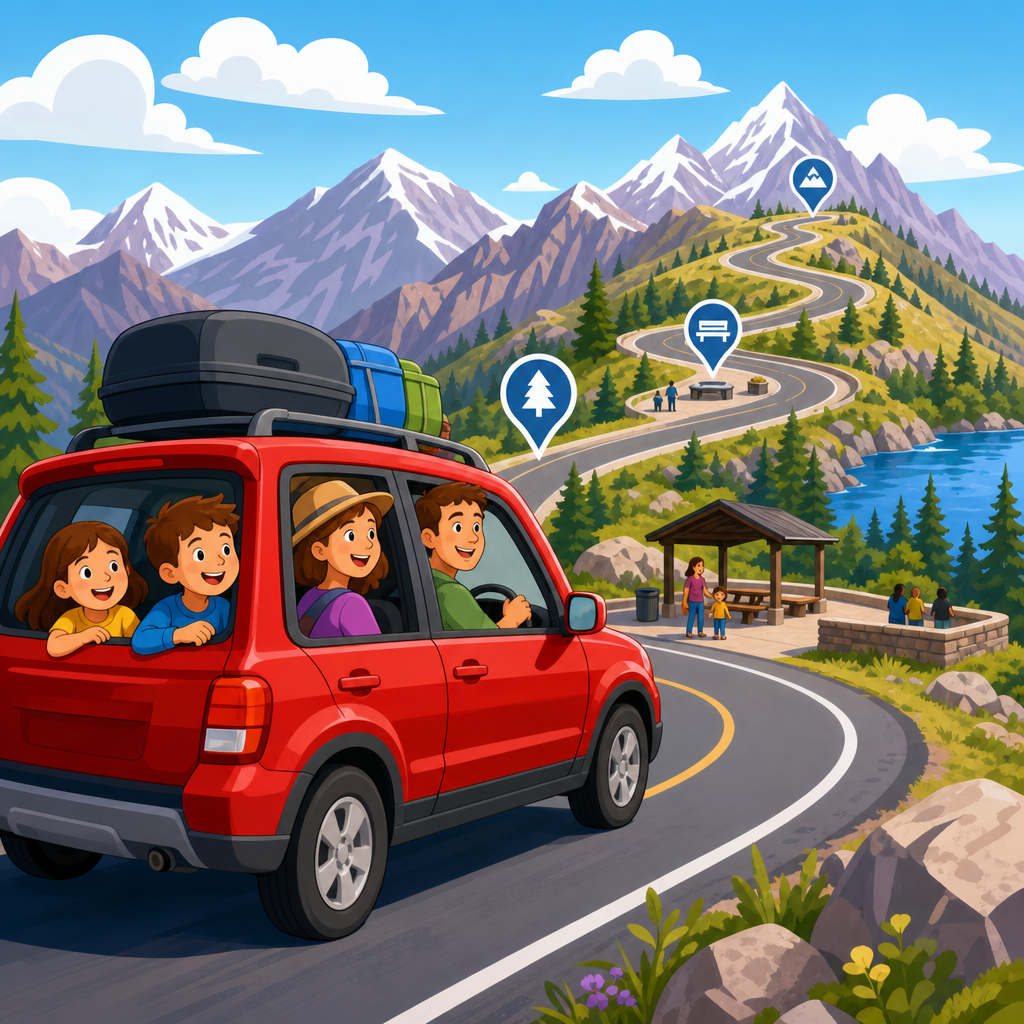
Traveling with grandparents and kids to altitude requires slower pacing, smarter logistics, and a clear plan for sleep, hydration, meals, activity, and backup care. In family travel, altitude usually means destinations above 5,000 feet, where thinner air can affect energy, breathing, appetite, and sleep. Pacing the trip means designing each day so children, older adults, and pregnant travelers if present can acclimatize without turning the vacation into a medical gamble. I have planned multigenerational mountain trips for families heading to Denver, Santa Fe, Park City, Cusco, and ski villages in the Alps, and the pattern is always the same: the families who do well treat the first forty-eight hours as an adjustment window, not as prime sightseeing time.
This matters because grandparents and kids often respond to altitude differently, yet both groups have less physiologic margin than healthy adults in midlife. Children may not describe symptoms clearly. Grandparents may attribute fatigue or shortness of breath to age, fitness, or jet lag when altitude is the real driver. Add nap schedules, medication timing, car transfers, and unpredictable weather, and a normal vacation plan can become too aggressive. A well-paced itinerary reduces acute mountain sickness risk, protects sleep, lowers conflict, and gives everyone a better chance of enjoying the destination.
As a hub for family logistics and planning, this guide covers the practical decisions that shape a successful altitude trip: where to sleep the first night, how to sequence travel days, what to pack, when to rest, how to spot warning signs, and how to build plans that work for toddlers, school-age kids, teens, grandparents, and mixed-ability groups. It also explains the tradeoffs between flying directly high versus sleeping lower first, why hydration helps but does not prevent altitude illness, and when to seek medical advice before departure. The goal is not to make mountain travel feel intimidating. It is to make your planning realistic, specific, and calm.
Start with altitude, arrival time, and the first-night sleeping plan
The single most useful pacing decision is choosing where the family sleeps on night one. If you can, avoid landing at sea level in the morning and sleeping that same night far above 8,000 feet. A gentler pattern is to arrive, limit exertion, and sleep at the lowest practical elevation near your destination. For example, a family heading to Rocky Mountain ski areas may do better sleeping in Denver or Boulder first rather than going straight to a high resort village. The same principle applies internationally: in Peru, many families adjust better by starting in the Sacred Valley, which is lower than Cusco, before moving higher.
Arrival time matters almost as much as sleeping altitude. Late-night arrivals compress dinner, hydration, medication schedules, and bedtime, increasing stress before anyone has acclimatized. Midday arrivals work best because you can have a quiet afternoon, an early meal, and a normal sleep routine. If the only available flight lands late, protect the next morning by leaving it unscheduled. Families often underestimate how rough the combination of airport fatigue, car transfer, and altitude can feel for both a seven-year-old and a seventy-year-old.
When I map a trip, I look at three numbers first: airport elevation, lodging elevation, and highest planned daytime elevation. Those figures tell you whether your first days are sensible. Sleeping at 5,000 to 7,000 feet is very different from sleeping at 9,000 feet, especially for people with respiratory or cardiac conditions. A cable car, scenic train, or mountain drive can also push daytime altitude much higher than your hotel. Build the itinerary around sleep altitude first, then around activities.
Know who needs a pre-trip medical review and why
Most healthy families can visit moderate altitude safely, but pre-trip medical review is wise when the group includes older adults with heart or lung disease, anyone using supplemental oxygen, children with significant asthma, pregnant travelers, people with sleep apnea, or anyone with prior altitude illness. This does not mean the trip is unsafe. It means your plan should be individualized. A clinician can review medications, oxygen needs, CPAP use, hydration limits for people with heart failure or kidney disease, and whether ascent rate should be slowed.
For grandparents, the important question is not age alone. It is functional reserve. Can they walk stairs at home without chest pain? Is their blood pressure controlled? Have they had a recent COPD flare, pneumonia, or heart failure admission? For kids, ask whether they can communicate headache, nausea, dizziness, or unusual fatigue. Very young children cannot reliably describe symptoms, so adults must watch behavior closely. If a child becomes clingy, stops eating, vomits, or seems unusually quiet after ascent, think altitude until proven otherwise.
Medication planning deserves special care. Diuretics can complicate hydration. Sedatives may worsen breathing during sleep. Acetazolamide is sometimes prescribed for prevention or treatment, but dosing and appropriateness depend on age, kidney function, sulfa allergy history, and medical context. Families should never start prescription altitude medication casually from internet advice. A travel medicine clinic, pediatrician, obstetric clinician, or primary care physician can help you decide what is reasonable for your group and destination.
Build the itinerary around acclimatization, not ambition
The first two days should be deliberately light. That means no hard hikes, no long stair climbs with luggage, no packed museum schedule, and no late dinners. The standard pacing rule I use is simple: arrive, hydrate normally, eat familiar food, walk lightly, and go to bed early. On day two, keep exertion moderate and avoid gaining much more sleeping altitude. Families often treat day one as wasted time if they do too little. In reality, protecting day one usually saves the rest of the trip.
Real-world examples show why. In Colorado, I have seen families land in Denver, drive to a high resort, rent equipment, ski half a day, eat a heavy dinner, and then spend the night dealing with headaches, vomiting, and sleepless children. By contrast, families who overnight lower, pick up groceries, take a short walk, and start skiing on day two usually do far better. In the Andes, pacing is even more important because historical sites and viewpoints may involve steep climbs on arrival. The best trips front-load rest and save major excursions for later.
If your destination combines altitude with a demanding agenda, rank activities in advance. Decide what is essential, what is optional, and what can move. This matters for family harmony. Grandparents may need a recovery afternoon while kids want the pool. Teenagers may tolerate altitude physically but become irritable if sleep suffers. A flexible itinerary prevents one rough night from derailing the entire vacation.
Daily pacing rules that work for mixed-age families
Good altitude pacing is operational, not abstract. Families need concrete rules that reduce decision fatigue. The most effective plans use consistent wake times, early dinners, light mornings after ascent, and built-in quiet blocks before anyone feels depleted. The table below summarizes the framework I recommend most often for the first seventy-two hours at altitude.
| Time period | What to do | Why it helps |
|---|---|---|
| Arrival day | Keep activity light, drink to thirst, eat a simple meal, avoid alcohol, sleep at the lowest practical elevation | Reduces physiologic stress while the body begins adjusting to thinner air |
| First morning | Slow breakfast, symptom check, short walk, no hard exercise | Headache, poor sleep, and appetite changes often show up after the first night |
| First afternoon | Quiet indoor time, naps for children, limit sun exposure, maintain normal snacks | Fatigue and dehydration worsen quickly in dry mountain air |
| Second day | Moderate activity only, avoid large gains in sleeping altitude, finish exertion early | Many mild symptoms improve with rest; overexertion can push them into illness |
| Third day onward | Increase activity gradually if everyone is eating, sleeping, and symptom-free | Most healthy travelers adapt enough to enjoy fuller days after a careful start |
Notice what is not on that list: forced hydration, intense workouts, or “pushing through.” Overdrinking water does not prevent altitude sickness and can create other problems. What helps is steady routine. Offer fluids often, but pair them with meals and salty snacks. Keep caffeine habits close to normal rather than swinging from none to too much. If anyone has symptoms, scale back first and reassess later.
Sleep, food, hydration, and transportation details make or break the trip
Families usually focus on destination altitude and forget the small logistics that magnify altitude stress. Sleep is the first. Poor sleep is common after ascent because breathing patterns can change and air is dry. Protect bedtime ruthlessly. Bring a humidifier if lodging allows, or at least saline spray and lip balm. Pack the exact sleep items children use at home: sound machine, favorite blanket, familiar cup. Grandparents may benefit from an extra recovery night built into the schedule even if they appear energetic on arrival.
Food matters because appetite often drops at altitude. Early in the trip, avoid making every meal a splurge. Offer familiar carbohydrates, fruit, soups, and simple proteins. Children who refuse food become tired fast, and older adults may dehydrate if they also lose appetite. I usually advise families to grocery shop immediately after arrival so breakfast and snack decisions are easy. Shelf-stable options such as crackers, pretzels, applesauce, oatmeal cups, and electrolyte packets solve many first-night problems.
Transportation is another hidden stressor. Long drives after flights are hard on everyone, especially on winding roads that can worsen nausea. If the transfer to a mountain resort exceeds two to three hours, consider splitting it. Plan bathroom stops, motion sickness supplies, and a no-hurry pickup. Never stack a late flight, a rental car line, a snowy mountain drive, and a high-altitude check-in if you can avoid it. That sequence creates fatigue before acclimatization even begins.
How to recognize altitude illness early and respond correctly
Mild altitude illness usually begins with headache, nausea, dizziness, unusual fatigue, poor appetite, or disrupted sleep after going higher. In children, you may see fussiness, less play, reduced eating, or vomiting. In grandparents, warning signs include breathlessness out of proportion to activity, persistent headache, confusion, or difficulty recovering after simple exertion. The right first response is to stop ascending, rest, hydrate normally, and monitor. If symptoms are mild and improve, continue with a lighter day.
Red flags require urgent evaluation. These include shortness of breath at rest, blue lips, chest pain, severe lethargy, inability to walk straight, new confusion, repeated vomiting, or symptoms that keep worsening. Serious altitude complications are uncommon but real, and descent is the key treatment when significant illness is suspected. Families should know the nearest urgent care or emergency department before they need it, especially in resort areas where weather can slow travel.
The practical rule is simple: if someone is getting sicker at altitude, do not keep them there just because reservations are expensive or the group wants to continue. I have seen trips recover beautifully after one person sleeps lower for a night with another adult, then returns once stable. Pride is a poor travel strategy. Flexibility is safer and usually cheaper than a crisis.
Make the trip enjoyable by assigning roles and backup plans
Multigenerational travel works best when responsibility is explicit. One adult tracks medications and symptom checks. Another handles snacks, water, and timing. Another manages route changes and lodging communication. This sounds formal, but it reduces the common family failure point where everyone assumes someone else is watching the details. Shared calendars, offline maps, and a printed one-page plan are especially helpful when cell service is weak.
Build backup plans before departure. Identify one low-effort activity near the hotel, one indoor option, and one split-group option for each day. That way, if grandparents need a rest day or a child develops a headache, the trip continues without resentment. Good hubs in family logistics and planning always come down to the same principle: protect the group’s energy, and the destination becomes more accessible. Start lower if possible, keep the first days light, watch symptoms early, and let the itinerary expand only after everyone is sleeping and eating well. If you are planning a mountain trip with grandparents and kids, review your first forty-eight hours today and simplify them before you book.
Frequently Asked Questions
How should we pace the first few days when traveling with grandparents and kids to altitude?
The first 24 to 72 hours matter most. If your destination is above 5,000 feet, plan the opening days around arrival, rest, hydration, simple meals, and light movement rather than ambitious sightseeing. A smart approach is to make travel day as easy as possible, keep the first afternoon low-key, and avoid stacking late arrivals, heavy meals, long walks, and poor sleep into the same window. For multigenerational families, this is especially important because children may get overtired quickly, while grandparents may notice fatigue, shortness of breath with exertion, headaches, or disrupted sleep sooner than expected.
A good pacing strategy is to schedule only one major activity per day at first, with downtime built in before and after. Choose easy walks instead of strenuous hikes, avoid steep climbs right away, and keep driving times short if possible. If you can sleep at a lower elevation than where you spend the day, that often helps. It is also wise to save your highest-elevation outings for later in the trip after everyone has had time to adjust. Think of the first days as an acclimatization phase, not wasted vacation time. Families who respect that adjustment period usually end up with more energy, better moods, and fewer disrupted plans later.
What symptoms of altitude issues should we watch for in kids, grandparents, and pregnant travelers?
Mild altitude-related symptoms can include headache, unusual tiredness, poor sleep, decreased appetite, mild nausea, irritability, dizziness, and getting winded more easily than normal. In children, these signs may show up as fussiness, reduced interest in eating, clinginess, low energy, or complaints that are hard to describe clearly. Grandparents may be more likely to mention headache, fatigue, lightheadedness, poor sleep, or breathlessness during routine activity. Pregnant travelers, if present, should be especially cautious and should follow their clinician’s advice before the trip, particularly if there are any pregnancy complications or concerns about exertion, dehydration, or access to care.
What matters most is whether symptoms improve with rest, fluids, lighter activity, and time. A mild headache after arrival may not be alarming, but worsening symptoms should not be brushed off as “just altitude.” Red flags include severe headache, repeated vomiting, confusion, trouble walking straight, unusual drowsiness, chest pain, significant shortness of breath at rest, blue lips, or symptoms that are steadily getting worse instead of better. In those cases, the safest move is to stop exertion, seek medical evaluation, and descend if advised. For multigenerational travel, it helps to discuss symptoms openly each morning and evening so adults do not minimize what they are feeling and children’s behavior changes are noticed early.
What are the best hydration, meal, and sleep strategies for a family trip at altitude?
At altitude, families often do better when they treat hydration, meals, and sleep as part of the itinerary, not afterthoughts. The air is typically drier, breathing can be faster, and travelers may not feel as thirsty as they actually are. Encourage everyone to drink regularly throughout the day rather than waiting until they feel dehydrated. Water is the foundation, and it helps to pair fluids with regular meals and snacks so children and older adults do not accidentally fall behind. Limit alcohol early in the trip, and be cautious with too much caffeine if it worsens sleep or contributes to dehydration for anyone in your group.
Meals should be simple, familiar, and steady. Large, heavy meals can feel uncomfortable when appetite is reduced, so smaller meals and snacks often work better, especially on arrival day and the first morning or two. Carry easy options like fruit, crackers, sandwiches, yogurt, or other foods your family already tolerates well. For sleep, expect the first night or two to feel different. Some people sleep lightly or wake more often at altitude. Keeping bedtime routines consistent, avoiding overexertion late in the day, eating early enough to digest comfortably, and giving everyone time to wind down can make a big difference. If one family member sleeps poorly, that does not automatically mean something is wrong, but poor sleep combined with worsening daytime symptoms deserves attention.
How do we plan activities so the trip stays enjoyable without overdoing it?
The best multigenerational altitude itineraries are intentionally conservative at the start and flexible throughout. Plan around the slowest-adjusting traveler, not the most enthusiastic one. That usually means shorter activity blocks, more breaks, easy access to bathrooms and shade, and a clear option to stop early without derailing the day for everyone else. Instead of trying to “fit in” long hikes, crowded schedules, and late dinners right after arrival, choose activities with built-in escape routes such as scenic drives, picnic stops, short walks, playground time, museums, gondola rides, or scenic viewpoints where people can sit and enjoy the setting without constant exertion.
It also helps to separate “must-do” activities from “nice-to-do” ones. Put the highest-effort outings later in the trip, and avoid booking nonrefundable strenuous excursions for day one or two. Midday rest is not a sign the trip is failing; it is often what allows the evening to go well. For children, downtime prevents meltdowns. For grandparents, it can reduce cumulative fatigue that would otherwise show up on day three or four. Build your itinerary so one adult can stay back with a tired child or older relative while the rest of the group does something nearby. That kind of logistical flexibility is often what keeps a family altitude trip pleasant and safe.
What backup care plan should we have before taking grandparents and kids to a higher-elevation destination?
Before departure, make a simple but specific backup plan. Know the exact elevation of where you are sleeping, identify the nearest urgent care and hospital, and understand whether there is reliable cell service in the places you plan to visit. If anyone in your group has heart disease, lung disease, sleep apnea, mobility issues, recent illness, or pregnancy-related concerns, check in with the appropriate clinician before the trip to discuss whether the destination and activity level are appropriate. Make sure routine medications are packed in carry-on bags, and bring extras in case weather or transportation delays extend the trip. This is especially important for inhalers, blood pressure medications, and any time-sensitive prescriptions.
It is also smart to decide in advance how your family will respond if someone develops symptoms. Who stays with the child who needs rest? Who can drive if a grandparent should not? What is your threshold for canceling the day’s plans? Families handle altitude better when they remove the guesswork ahead of time. A calm, prepared response can prevent a mild issue from becoming a stressful one. In practical terms, your backup care plan should include rest-first options, access to fluids and easy food, a lower-elevation alternative if someone is struggling, and a willingness to change the schedule quickly. The goal is not to expect trouble, but to make sure the vacation never turns into a medical gamble because the group felt locked into plans that no longer made sense.