Planning a 14er climb without a week-long acclimatization plan is one of the most common mistakes I see among otherwise fit hikers. A 14er is a mountain rising above 14,000 feet, and acclimatization is the set of physiological changes that helps your body function in lower oxygen pressure. At 14,000 feet, barometric pressure is substantially lower than at sea level, so every breath delivers less oxygen to the bloodstream. That matters because altitude illness can affect strong runners, experienced backpackers, and first-time visitors alike. A smart acclimatization plan reduces risk, improves sleep, preserves judgment, and makes summit day more enjoyable. For a 14er trip, the goal is not to eliminate all discomfort; it is to progressively expose your body to altitude while controlling training load, hydration, sleep disruption, and ascent rate. The best plans are practical, not heroic. They build from moderate sleeping elevations, use staged hiking days, include recovery, and leave room to adjust if symptoms appear. This guide explains how to build that plan over seven days so you can arrive at summit morning with better odds of feeling steady, strong, and clear-headed.
What acclimatization actually does during a seven-day buildup
Acclimatization begins within hours of arriving at altitude, but meaningful adaptation takes days. The first response is an increase in breathing rate, which raises blood oxygen slightly. Over the next several days, your kidneys compensate for respiratory alkalosis by excreting bicarbonate, allowing ventilation to stay elevated without as much discomfort. Heart rate rises early, sleep often becomes lighter, and exercise feels harder at paces that would feel easy at lower elevations. After several days, many people notice improved morning energy, less breathlessness on moderate slopes, and fewer nighttime awakenings. Red blood cell production also increases, but that process contributes more over weeks than over a single week. In practical terms, a seven-day acclimatization plan for a 14er is about gaining the most useful short-term adaptations while avoiding the mistake of sleeping too high too soon. I have seen hikers feel excellent at 8,000 feet, push to 11,500 feet the next night, and wake with headaches, nausea, and poor appetite. The body usually adapts best to gradual increases in sleeping altitude and moderate daytime exposures that are higher than where you sleep.
For most healthy adults, the useful rule is simple: climb high during the day, sleep lower at night, and add altitude progressively. The Wilderness Medical Society has long supported gradual ascent as the primary preventive strategy for acute mountain sickness, high-altitude cerebral edema, and high-altitude pulmonary edema. Those severe conditions are uncommon on standard 14er itineraries, but they are serious and demand respect. Mild acute mountain sickness is far more common. Symptoms typically include headache, nausea, loss of appetite, unusual fatigue, dizziness, and poor sleep. If symptoms worsen with continued ascent, the plan is wrong, no matter how motivated the group feels. A good acclimatization schedule builds in decision points, not just mileage.
Core principles for designing a safe 14er acclimatization plan
Every solid plan starts with sleeping elevation, not summit elevation. Where you sleep determines how much continuous hypoxic stress your body receives, and that is usually more important than one brief daytime push. If you live near sea level, a good first night is often around 5,000 to 8,000 feet, depending on how you typically respond. The next key principle is progressive loading. Instead of jumping from low elevation to a trailhead above 11,000 feet, spend several nights at intermediate elevations and use short hikes to touch higher terrain. The third principle is to separate acclimatization from fitness training. During this week, the mission is adaptation, not proving conditioning. Keep intensity conversational. Hard interval workouts at altitude often create extra fatigue without improving acclimatization.
Hydration matters, but the advice is often overstated. You do not prevent altitude illness by forcing gallons of water. Overdrinking can dilute sodium and make you feel worse. The practical target is pale yellow urine, steady intake through the day, and extra fluids when the air is dry, windy, or cold. Carbohydrate intake can help because the body gets slightly more energy per unit of oxygen from carbohydrates than from fat. That is one reason soups, fruit, rice, oatmeal, potatoes, tortillas, and simple trail snacks often feel easier to tolerate at elevation than heavy, greasy meals. Alcohol is a common saboteur in the first few days because it worsens sleep quality, dehydrates some people, and can blur early symptoms. I advise clients to minimize or avoid alcohol until after the summit. Medication is a separate decision. Acetazolamide can accelerate acclimatization for some travelers, especially those with prior altitude illness or fast itineraries, but it should be discussed with a clinician because contraindications and side effects exist.
A practical seven-day acclimatization schedule you can customize
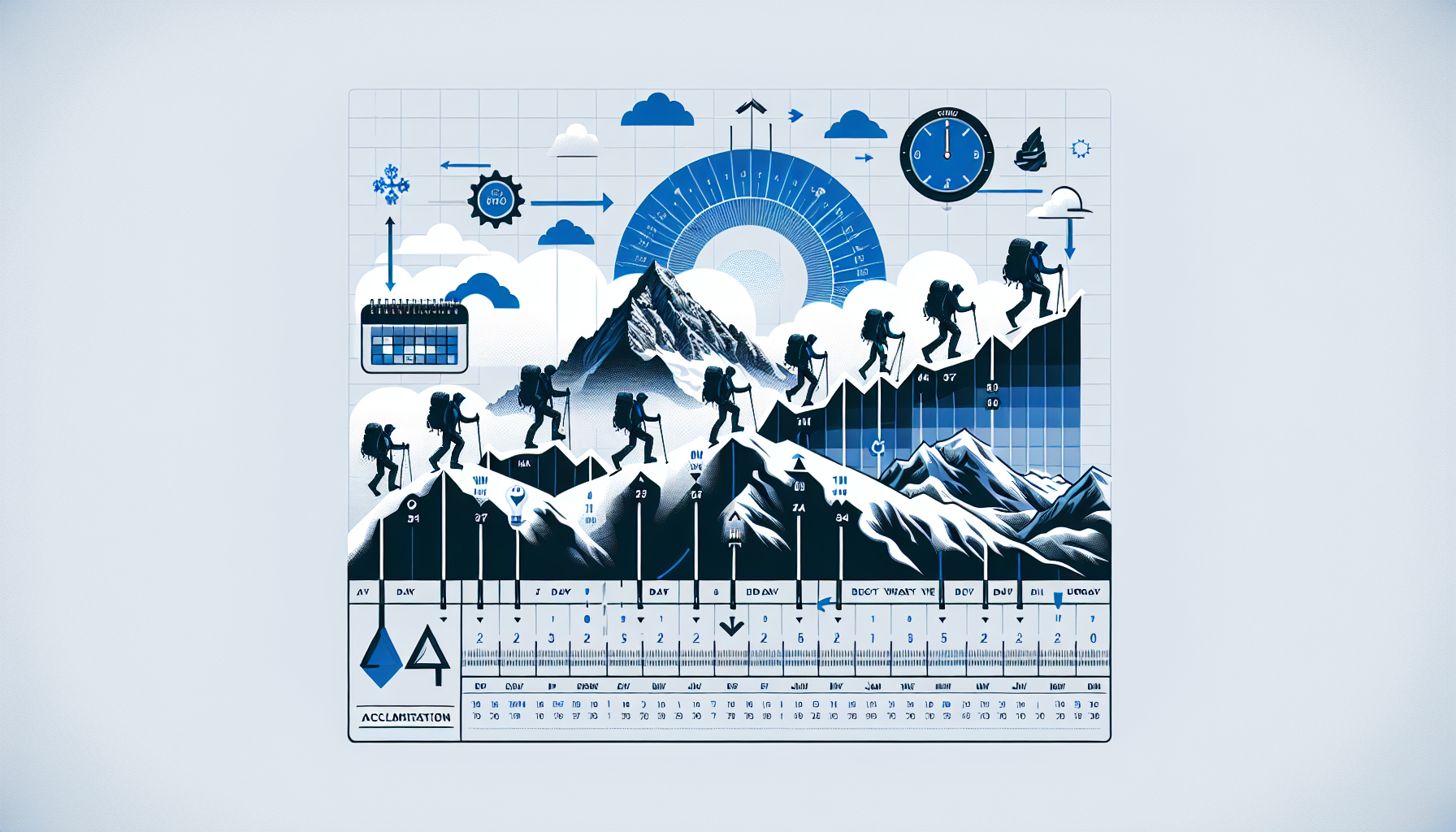
The best week-long acclimatization plan for a 14er depends on where you start, but the structure below works well for many visitors arriving from low elevation. Use it as a framework, then adjust for weather, driving logistics, age, medical history, and the specific mountain. The key pattern is gradual gain in sleeping altitude, modest daily hikes, and one lighter day before the summit attempt.
| Day | Sleep elevation target | Day activity | Purpose |
|---|---|---|---|
| 1 | 5,000 to 7,000 ft | Easy walk, 30 to 60 minutes | Initial exposure with minimal fatigue |
| 2 | 6,500 to 8,500 ft | Short hike to 8,500 to 9,500 ft | Increase ventilation and assess symptoms |
| 3 | 7,500 to 9,500 ft | Moderate hike touching 10,000 to 11,000 ft | Higher daytime exposure, lower sleep |
| 4 | 8,000 to 10,000 ft | Recovery hike or rest day | Absorb adaptation and protect sleep |
| 5 | 9,000 to 10,500 ft | Hike to 11,500 to 12,500 ft | Near-trailhead exposure without overreaching |
| 6 | 10,000 to 11,000 ft | Very easy walk, gear prep, early bedtime | Taper fatigue before summit day |
| 7 | Varies | Summit attempt on the 14er | Climb with the best available short-term adaptation |
Here is how that looks in real life. A sea-level traveler flying into Denver might sleep the first night around 5,280 feet, the second near Idaho Springs or Estes Park, the third in Summit County, the fourth at a similar elevation with an easy recovery day, the fifth after a hike reaching above treeline, and the sixth closer to the trailhead but not necessarily at the highest possible camp. A traveler from 5,000 feet has more flexibility and may compress the first two days slightly, but even then, conservative progression still pays off. I have repeatedly seen better summit success when hikers resist the temptation to drive straight to a high trailhead and sleep there on night one. Sleeping lower for the first nights often improves appetite, reduces headache frequency, and produces a steadier energy curve on summit day.
How to tailor the plan for starting elevation, age, and route difficulty
No single acclimatization plan fits every climber. Starting elevation is the first variable. If you live above 4,000 feet and routinely sleep there, your plan can usually move upward faster than that of a sea-level resident. If you have a prior history of acute mountain sickness, assume you are more susceptible and add margin. Age by itself is not a reliable shield or risk factor, but older hikers sometimes recover more slowly from sleep loss, long drives, and dehydration, so pacing and recovery become more important. Children can acclimatize well, but they may describe symptoms less clearly, which means adults need to monitor behavior, appetite, and energy closely.
Route difficulty also changes the plan. A straightforward Class 1 or Class 2 14er usually allows a slower pace and easier turnaround decisions than a technical route where weather windows, rope systems, or exposure compress the margin for error. If your target mountain requires a pre-dawn start from a trailhead above 10,000 feet, prioritize at least one prior night near that range before summit day. If the climb includes significant camping weight, add one more lower-intensity day because backpacking under load at altitude is much more stressful than a day hike at the same elevation. Athletes often underestimate this difference. Fitness helps movement economy, but it does not make the oxygen problem disappear. A marathoner who lives at sea level can still struggle badly at 12,000 feet.
Monitoring symptoms and knowing when to hold, descend, or seek help
The simplest screening question is this: do symptoms improve, stay the same, or worsen as altitude increases? Mild headache alone can happen during normal adjustment, especially with poor sleep or dehydration, but headache plus nausea, unusual fatigue, dizziness, or loss of appetite should slow the plan immediately. Do not ascend farther with moderate symptoms. Hold the same sleeping elevation, rest, hydrate normally, eat if possible, and reassess. If symptoms improve, you can continue cautiously the next day. If they persist or worsen, descend. That rule is nonnegotiable. Confusion, poor coordination, shortness of breath at rest, persistent cough, or chest tightness suggest a more dangerous problem and require immediate descent and medical evaluation.
Use a written symptom log each morning and evening. I recommend rating headache, nausea, appetite, sleep quality, dizziness, and exertion tolerance on a simple scale from zero to three. Patterns matter more than one isolated complaint. Pulse oximeters can be useful for trend awareness, but they should never override how the person looks and feels. Readings vary with cold fingers, device quality, and individual baseline differences. I have seen hikers with low-looking numbers who felt fine and performed well, and others with acceptable numbers who were clearly deteriorating. Clinical judgment wins. The question is function: can the person eat, walk steadily, think clearly, and recover with rest? If not, the mountain can wait.
Common mistakes that ruin acclimatization before summit day
The biggest mistake is stacking too many stressors at once. Travelers fly in, sleep poorly, drink alcohol, eat lightly, drive for hours, and then try a hard hike at 11,000 feet the next morning. When symptoms hit, they blame altitude alone, even though fatigue, underfueling, and dehydration were amplifying the load. Another frequent error is turning every acclimatization hike into a fitness test. During this week, your body needs repeated manageable exposures, not maximal efforts. Fast uphill pushes, especially above treeline, can leave lingering fatigue that feels exactly like poor acclimatization.
Trailhead sleeping can also backfire. Many Colorado 14er climbers love the convenience of sleeping at a high trailhead, but some visitors do better sleeping a little lower and waking earlier to drive. The lost sleep from a rough night at 11,000 feet may cost more than the shorter morning commute saves. Poor nutrition is another preventable problem. At altitude, appetite often drops, so rely on familiar foods that are easy to digest and simple to carry. Finally, do not ignore weather in the plan. Strong wind, cold rain, and thunderstorms increase physical strain and can force rushed decisions. A good acclimatization week preserves flexibility so you can shift the summit attempt to the best weather day instead of charging upward because the itinerary says so.
Putting the week together for a safer, stronger summit attempt
A week-long acclimatization plan for a 14er works because it respects how the body adapts to lower oxygen pressure: gradually, unevenly, and with clear limits. Start with manageable sleeping elevations, use short daily exposures to higher terrain, keep effort controlled, and treat symptoms as data rather than inconvenience. Sleep quality, appetite, hydration, and pacing are not side details; they are the system that supports acclimatization. The hikers I see succeed most consistently are not always the fittest. They are the ones who arrive with a staged plan, monitor how they feel, and change course early when needed.
Build your seven-day schedule around sleeping altitude first, then choose hikes that increase exposure without wrecking recovery. Keep one lighter day before the summit, reduce alcohol, eat enough carbohydrates, and know your descent triggers before you leave home. If you have a history of altitude illness, a medical condition, or an unusually fast itinerary, talk with a qualified clinician about prevention strategies before the trip. Use this page as your hub for acclimatization planning, then map your route, trailhead logistics, weather window, and emergency decision points. Done well, acclimatization does not just lower risk. It gives you the best chance to enjoy the mountain for the right reasons. Start planning your week now, and make summit day the final step of a smart progression rather than a gamble.
Frequently Asked Questions
What is a week-long acclimatization plan for a 14er, and why does it matter so much?
A week-long acclimatization plan is a deliberate 5- to 7-day schedule that gradually exposes your body to higher elevations before you attempt a 14er. The goal is to give your body time to adapt to lower oxygen pressure instead of going straight from low elevation to 14,000 feet and hoping fitness alone will carry you through. That approach often backfires. At high altitude, every breath contains less usable oxygen than it does at sea level, so your body has to compensate by breathing faster, adjusting fluid balance, and over time improving oxygen delivery to tissues. Those changes do not happen instantly.
This matters because altitude illness is not just a problem for beginners or people who are “out of shape.” Very fit hikers, runners, and endurance athletes can still develop symptoms if they ascend too quickly. A proper acclimatization plan lowers the risk of acute mountain sickness, helps you sleep better at elevation, improves energy and decision-making, and increases the odds that summit day feels challenging but manageable instead of miserable. In practical terms, a good plan gradually increases your sleeping elevation, includes short hikes or active recovery days, prioritizes hydration and nutrition, and avoids stacking too much intensity too early. For a 14er trip, the difference between arriving the night before and spending a week acclimatizing can be the difference between a strong summit push and turning around with a pounding headache, nausea, or unusual fatigue.
How should I structure a 7-day acclimatization schedule before climbing a 14er?
A solid 7-day plan usually follows the principle of gradual exposure: start at a moderate elevation, spend a few nights there, add easy movement, then progress to higher daytime hikes before your summit attempt. One practical structure looks like this: on days 1 and 2, arrive at a moderate elevation and keep activity easy, such as short walks or light hikes. On days 3 and 4, do longer hikes at higher elevations during the day but return to sleep lower if possible. On day 5, increase time spent above tree line or above 10,000 to 12,000 feet, but still keep the effort controlled. On day 6, use a lighter day with a short shakeout hike, mobility work, and early rest. Day 7 becomes your 14er summit day.
The key idea is often described as “climb high, sleep low,” meaning you can expose your body to higher elevations during the day but recover at a slightly lower sleeping altitude when feasible. That said, many hikers cannot follow this perfectly, so the next best option is simply avoiding large, sudden jumps in sleeping elevation. If you normally live near sea level, going directly to sleep at a very high trailhead can be rough. You will usually do better spending the first nights lower, then moving up as tolerated.
Within that week, intensity control is critical. This is not the time to prove your fitness with all-out trail runs, brutal interval sessions, or back-to-back maximal efforts. Keep your hikes conversational, focus on time on feet, and use the week to adapt rather than to train hard. Build in flexibility, too. If you develop a headache, poor sleep, unusual breathlessness at rest, nausea, or a significant drop in appetite, do not force the original itinerary. Slow down, rest, hydrate, and consider staying at the same elevation longer before progressing.
What are the signs that I am acclimatizing well versus developing altitude sickness?
Good acclimatization usually feels like gradual improvement over several days. You may notice your breathing is a little faster than usual at first, your sleep may be lighter the first night or two, and uphill efforts may feel harder than expected, but your body should start settling in. A mild headache that resolves with rest, fluids, food, and a slower pace can happen early on, but the broader trend should be positive. You should be able to eat normally, recover between hikes, and function without worsening symptoms.
Altitude sickness, by contrast, tends to show up as symptoms that persist, intensify, or combine in concerning ways. Common early signs of acute mountain sickness include a headache that does not improve, nausea, loss of appetite, dizziness, unusual fatigue, and poor sleep. If these symptoms get worse as you continue ascending, that is a red flag. More serious warning signs include shortness of breath at rest, trouble walking in a straight line, confusion, chest tightness, a wet cough, or a sense that your condition is deteriorating quickly. Those symptoms can point to more dangerous altitude complications and should never be brushed off as normal discomfort.
A useful rule is that mild symptoms at a new elevation mean you should hold your current level, rest, and monitor closely. Worsening symptoms mean you should not go higher. Severe symptoms mean descend and seek medical help. Summit goals are never worth gambling with brain or lung complications. A week-long acclimatization plan helps because it gives you time to notice patterns, make smart adjustments, and distinguish normal adaptation from a body that is clearly not tolerating the altitude well.
What should I eat, drink, and avoid during acclimatization for a 14er trip?
During acclimatization, focus on steady hydration, regular meals, and foods that are easy to digest and easy to eat even if your appetite dips slightly at altitude. Many hikers do well with a carbohydrate-forward approach because carbs are efficient fuel at higher elevation and support sustained energy during long hiking days. That does not mean living on candy, but it does mean making sure you are getting enough from foods like oats, rice, potatoes, fruit, tortillas, granola, pasta, and trail snacks you will actually want to eat. Pair that with adequate protein for recovery and enough sodium and electrolytes, especially if you are sweating, hiking in sun, or drinking more than usual.
Hydration matters, but more is not always better. The goal is consistent fluid intake, not forcing excessive amounts of water. High altitude and dry mountain air can increase fluid loss, and many hikers breathe more rapidly and dehydrate without realizing it. Drink regularly, monitor urine color as a rough guide, and include electrolytes if you are active for hours each day. Dehydration can worsen headaches and fatigue, but overhydration can also create problems, so aim for balance instead of extremes.
What you avoid is just as important. Alcohol is one of the biggest mistakes during acclimatization because it can disrupt sleep, contribute to dehydration, and make early altitude symptoms harder to interpret. Sedatives can also interfere with breathing and sleep quality at elevation. Heavy, greasy meals right before bed may worsen sleep and gastrointestinal discomfort. It is also wise to limit very hard efforts in the first few days, because digging a deep recovery hole while your body is trying to adapt can make the whole week feel harder. If you use caffeine normally, moderate intake is usually fine, but do not rely on stimulants to mask fatigue or symptoms that should be taken seriously.
Can I build an effective acclimatization plan if I only have limited time, and what are the biggest mistakes to avoid?
Yes, even if you cannot spare a full week, you can still improve your odds by using the time you do have strategically. If you only have 2 to 4 days, prioritize sleeping at a moderate elevation first, doing an easy hike the next day, and only then moving higher. If possible, avoid driving up from low elevation and sleeping at the highest trailhead immediately before summit day. One extra night at a lower mountain town or campground can make a meaningful difference. If you have access to several days, use them to increase exposure gradually rather than cramming in the hardest possible hikes back-to-back.
The biggest mistake is assuming general fitness replaces acclimatization. It does not. Strong legs and a big aerobic engine help with the workload, but they do not stop the physiological effects of reduced oxygen pressure. Another common mistake is ascending sleeping elevation too aggressively, especially for hikers coming from low altitude. Poor sleep, headache, nausea, and lack of appetite are often the predictable result. People also underestimate how much recovery matters during the week. If every day becomes a maximal effort, your body gets less opportunity to adapt.
Other avoidable mistakes include drinking alcohol during the adjustment period, ignoring mild symptoms and continuing upward, underfueling because appetite drops, and failing to plan weather-safe backup options for acclimatization hikes. The best short-version acclimatization plan is not perfect, but it is still intentional: gain altitude step by step, keep effort moderate, sleep as low as practical, eat and drink consistently, and listen to symptoms honestly. If your body is not responding well, changing the objective is smart mountain judgment, not failure.