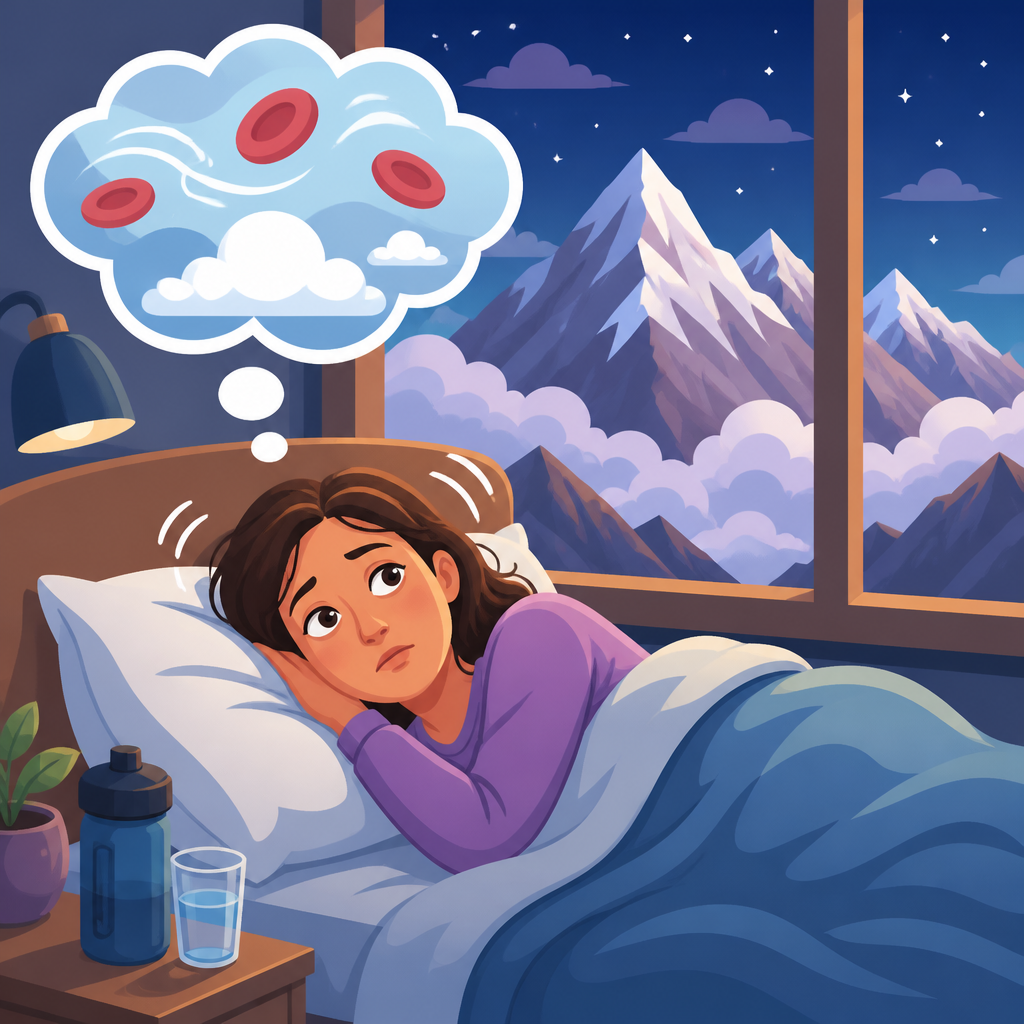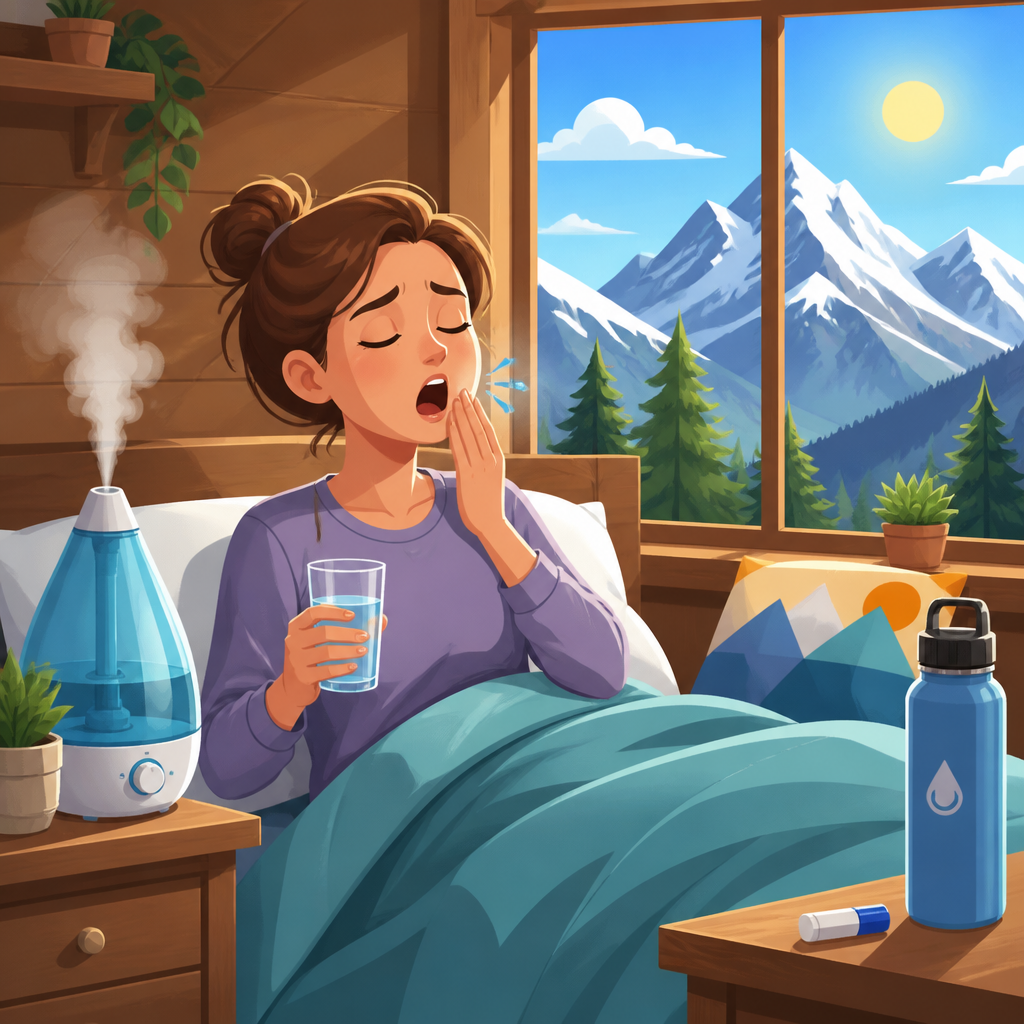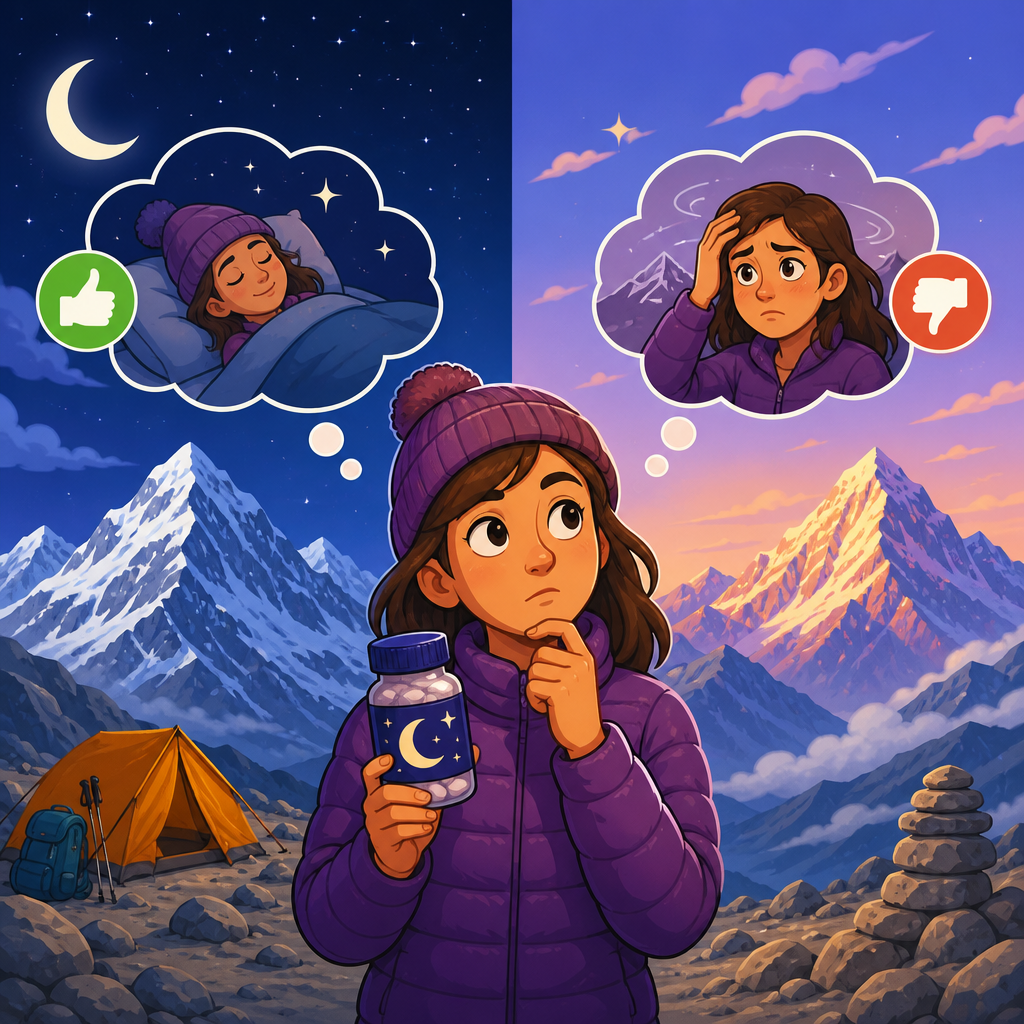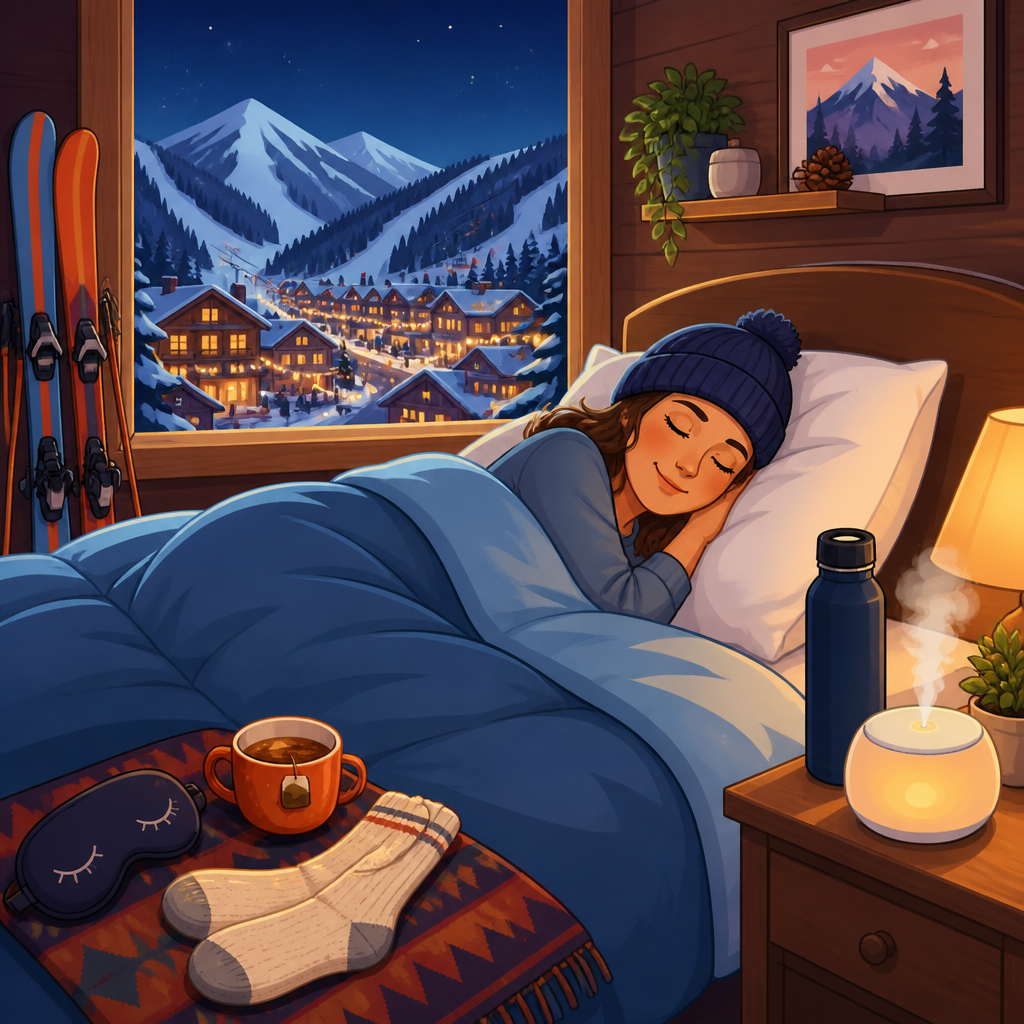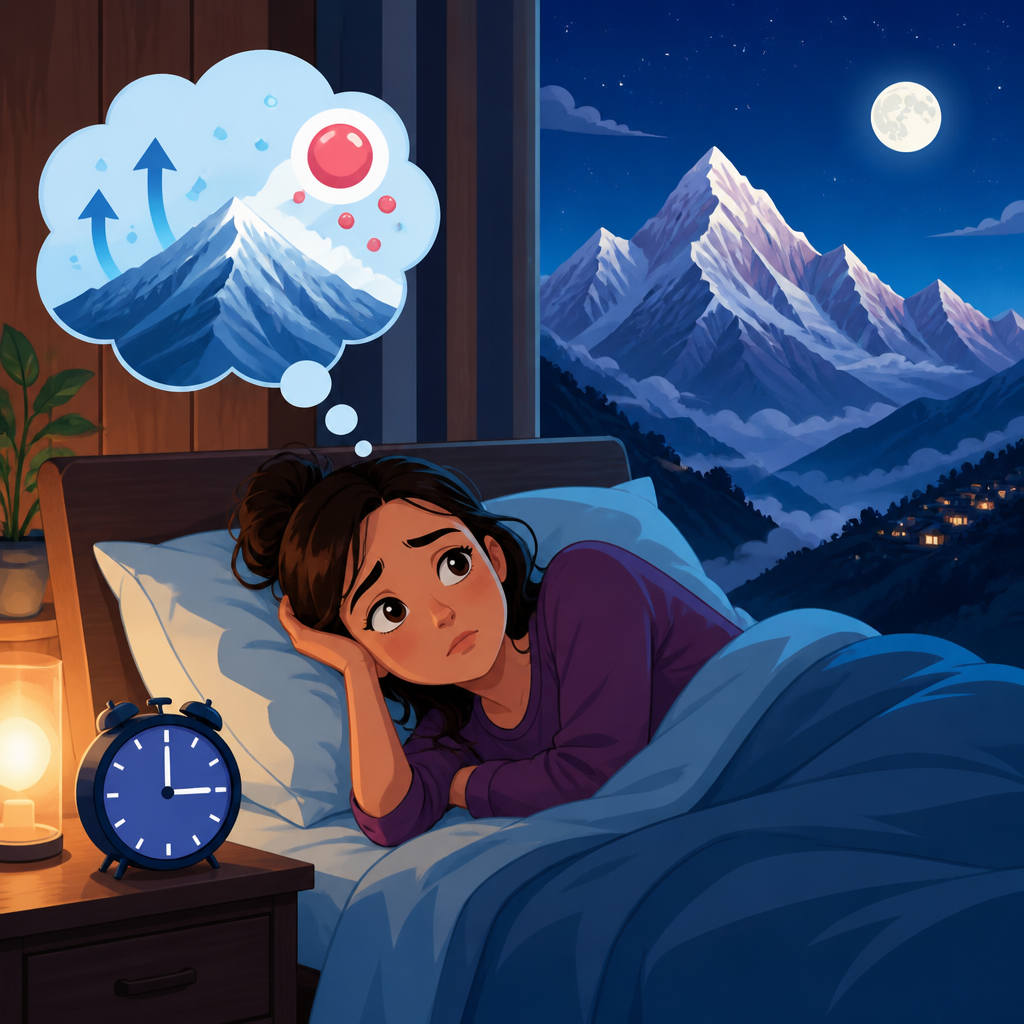
Waking at 3 a.m. in the mountains is common, and in most cases it reflects how altitude changes breathing, hydration, temperature control, and sleep architecture rather than a mysterious failure to rest. High altitude generally means elevations above 5,000 feet, with more noticeable sleep disruption often beginning around 7,000 to 8,000 feet because lower barometric pressure reduces the amount of oxygen available with each breath. Sleep and recovery refer to the nightly biological processes that restore energy, regulate hormones, repair tissue, consolidate memory, and support performance the next day. When those systems are stressed by thinner air, even fit travelers can feel wired, thirsty, restless, and awake in the middle of the night.
I have seen this pattern repeatedly in mountain trips and recovery planning: people fall asleep tired, then wake after a few hours with a racing heart, dry mouth, and a sense that their body forgot how to settle. They often assume anxiety, a bad mattress, or late caffeine is solely to blame. Those factors matter, but altitude adds a distinct physiology. Reduced oxygen can trigger periodic breathing, a stop-start pattern in which breaths deepen, slow, or briefly pause, causing micro-arousals that fragment sleep. At the same time, cold dry air increases respiratory water loss, altitude can suppress appetite and change fuel use, and unfamiliar routines may push the nervous system toward alertness instead of recovery.
This matters because poor sleep at altitude does more than make you groggy. It impairs reaction time, mood, balance, judgment, and endurance, all of which are important if you are skiing, hiking, climbing, or simply trying to function on a work trip in a mountain town. Repeated sleep disruption also affects recovery from training by reducing growth hormone pulses, increasing perceived exertion, and making hydration and blood glucose control harder the next day. Understanding why you wake up at 3 a.m. at high altitude helps you separate normal acclimatization from warning signs of altitude illness, build a better evening routine, and recover faster during the entire trip.
What altitude does to sleep in the first place
The core mechanism is straightforward: higher elevation lowers inspired oxygen pressure, and your body responds by breathing faster and deeper to keep blood oxygen within an acceptable range. That extra breathing helps during the day, but during sleep it can become unstable. Carbon dioxide levels fall as you hyperventilate, and when carbon dioxide drops below the threshold that stimulates breathing, respiration briefly slows or pauses. Then oxygen falls, the brain senses it, and breathing surges again. This waxing and waning pattern is called periodic breathing, and it is one of the most common reasons people wake suddenly after a few hours at altitude.
Sleep architecture also changes. Deep slow-wave sleep and REM sleep can be reduced, especially during the first nights after ascent. You may spend more time in lighter sleep stages where noise, temperature changes, dry air, or a full bladder wake you more easily. The classic “3 a.m.” wake-up often happens because the first part of the night was dominated by sleep pressure, but later cycles become lighter and more vulnerable to altitude-related breathing instability. If you are already prone to insomnia or snoring, altitude can amplify both. Alcohol, sedatives, and untreated sleep apnea make the pattern worse because they further depress normal respiratory control.
Why 3 a.m. is such a common wake-up time
Three a.m. is not magical, but it is a predictable point in the night when several forces converge. By then, adenosine-driven sleep pressure has eased, core body temperature is near its low point, cortisol is beginning its early morning rise, and sleep cycles naturally contain more REM and lighter stages. At altitude, this is exactly when periodic breathing becomes more noticeable. You may wake with palpitations, a gasp, vivid dreams, or the sensation that your mind switched on instantly. In practical terms, your body is trying to manage oxygen and carbon dioxide while your sleep is already becoming more fragile.
Hydration status contributes too. Mountain air is typically cold and dry, and every exhalation carries off moisture. Add exercise, travel, and cabin heat, and many people become mildly dehydrated without realizing it. Altitude also causes altitude diuresis, a physiologic increase in urine production related to acclimatization. The result is a classic pattern: dry mouth, a bathroom trip around the middle of the night, and difficulty falling back asleep. If dinner was light because altitude blunted appetite, low glycogen availability can also nudge stress hormones higher overnight, creating that familiar alert-but-tired state.
The biggest triggers that make altitude insomnia worse
Not every middle-of-the-night wake-up is caused by altitude alone. In real-world travel, several controllable factors stack on top of reduced oxygen. The first is ascent rate. Flying from sea level to 9,000 feet and skiing hard the same afternoon produces far more sleep disruption than gradual gain over several days. The second is exertion timing. Hard late-day training raises core temperature, sympathetic arousal, and ventilatory demand, making periodic breathing more obvious after bedtime. The third is alcohol. Many people use it to unwind, but alcohol fragments the second half of sleep and worsens oxygen desaturation.
Caffeine timing matters as well. At altitude, a cup of coffee at 4 p.m. can linger long enough to reduce sleep depth, particularly in slower metabolizers. Heavy meals right before bed can increase heart rate and reflux, while under-eating can leave you hungry and physiologically stressed. Nasal congestion is another underestimated trigger because it increases breathing resistance and mouth breathing, which worsens dryness and snoring. Finally, room conditions matter more than most travelers expect. Overheated bedrooms, low humidity, and poor bedding can turn a manageable altitude response into a reliably broken night.
| Trigger | How it disrupts sleep at altitude | Practical fix |
|---|---|---|
| Rapid ascent | Less time to acclimatize, more periodic breathing and awakenings | Stage nights lower when possible; keep first day easy |
| Alcohol | Worsens desaturation and fragments second-half sleep | Limit or skip on first nights |
| Late hard exercise | Raises arousal and ventilatory instability near bedtime | Finish intense sessions at least 3 to 4 hours before sleep |
| Dehydration | Dry mouth, elevated heart rate, nocturnal waking | Hydrate steadily through the day with electrolytes as needed |
| Nasal congestion | Promotes mouth breathing, snoring, and dryness | Use saline spray, shower steam, or clinician-approved therapy |
How to sleep better at high altitude and recover faster
The best strategy is to support acclimatization while protecting the basics of sleep and recovery. Start with ascent planning when you can: sleeping one or two nights at an intermediate elevation before going higher helps many people. Keep the first 24 to 48 hours conservative with exercise intensity, alcohol, and sleep debt. During the day, drink regularly rather than trying to catch up at night, and include sodium if you are sweating heavily. Eat a balanced dinner with carbohydrates and protein; carbohydrates are oxygen-efficient fuel and can make overnight energy availability more stable. A simple example is rice or potatoes with lean protein and vegetables, plus fruit or yogurt later if appetite allows.
Your room setup should reduce respiratory irritation and thermal stress. Aim for a cool sleeping environment, use a humidifier if available, and treat nasal dryness early with saline spray or gel. If you know you snore or have allergies, bring the same supports you use at home. Keep caffeine earlier in the day and avoid using alcohol as a sleep aid. If you wake at 3 a.m., do not panic and do not start scrolling. Sit up, take slow controlled breaths, sip water if you are thirsty, and give yourself 10 to 15 minutes to resettle. In my experience, people do better when they expect a lighter first or second night and focus on recovery inputs rather than chasing perfect sleep.
When waking at night is normal and when it signals a problem
Some disruption is normal during the first nights at elevation, especially above 8,000 feet. Brief awakenings, vivid dreams, dry mouth, and a sense of shallow sleep often improve as ventilation adapts over several days. However, there are clear red flags. Persistent severe headache, nausea, vomiting, marked dizziness, unusual fatigue at rest, and worsening shortness of breath can indicate acute mountain sickness rather than simple sleep disruption. If symptoms progress to confusion, inability to walk straight, chest tightness, or breathlessness while lying down, urgent descent and medical evaluation are necessary because high-altitude cerebral edema or high-altitude pulmonary edema are emergencies.
It is also important to think about underlying sleep disorders. Altitude can unmask obstructive sleep apnea by making oxygen dips and arousals more severe. If you snore loudly, stop breathing during sleep, wake choking, or remain exhausted despite several nights of acclimatization, consider assessment after the trip. Travelers with heart or lung disease should discuss high-altitude plans with a clinician beforehand, and anyone using sedative medications should be cautious because respiratory suppression at altitude is not trivial. Normal adaptation should gradually trend better. If sleep and symptoms keep worsening, that is a sign to change the plan, not push through.
Building a complete sleep and recovery system for mountain travel
This hub topic is bigger than one 3 a.m. wake-up. Good mountain recovery combines sleep timing, hydration, fueling, breathing comfort, training load, and morning light exposure. A practical system looks like this: maintain a stable bedtime, get outdoor light soon after waking to anchor circadian rhythm, eat breakfast even if appetite is reduced, pace caffeine, and match activity to acclimatization status. For athletes, recovery also means adjusting intensity zones upward in perceived effort, because the same pace costs more at altitude. Wearables such as pulse oximeters, Garmin, Whoop, Oura, or Apple Watch can show useful trends, but they should guide decisions, not create anxiety if one metric looks imperfect.
Over time, the most reliable improvement comes from stacking small wins. Arrive less sleep-deprived, ascend gradually when possible, avoid drinking heavily, protect nasal breathing, and respect the first two nights as an adaptation window. If you need individualized help, build out the rest of your sleep and recovery plan with related guidance on hydration strategy, altitude nutrition, evening routines, and training adjustment. The main benefit is simple: when you understand why you wake up at 3 a.m. at high altitude, you can respond calmly, recover more effectively, and get more from every day in the mountains. Use this page as your starting point, then refine the habits that make altitude feel manageable instead of punishing.
Frequently Asked Questions
Why do I keep waking up around 3 a.m. when I sleep at high altitude?
Waking in the middle of the night at high altitude is very common, and it usually has more to do with physiology than with stress, bad habits, or “failing” to sleep well. Once you sleep at elevations above roughly 5,000 feet—and especially around 7,000 to 8,000 feet and higher—the lower barometric pressure means each breath delivers less oxygen than it does at sea level. Your body responds by changing how you breathe, how deeply you sleep, and how efficiently you recover overnight. That can make sleep feel lighter and more fragmented, with awakenings that often happen in the early morning hours.
One major reason is that altitude can destabilize breathing during sleep. As oxygen levels dip, your brain increases breathing to compensate. That can sometimes overshoot, leading to periods of deeper or faster breathing followed by brief pauses or reductions in breathing effort. This pattern, often called periodic breathing, is especially noticeable at night when the body’s normal sleep controls are already reducing breathing drive. These subtle shifts can trigger micro-awakenings or full awakenings, even if you do not remember every episode.
Another factor is that sleep architecture changes at altitude. Many people spend less time in deeper, more restorative sleep and experience more transitions between sleep stages. Because lighter sleep makes you easier to wake, even small triggers—dry air, thirst, a cooler sleeping environment, a racing heart, or a need to urinate—can bring you fully awake at 3 a.m. The timing is not magical; it is often simply when several altitude-related stressors converge after a few hours of sleep. In most cases, this pattern improves as your body acclimatizes over several nights.
Is waking at 3 a.m. at altitude a sign of altitude sickness?
Not necessarily. Broken sleep by itself is one of the most common and expected effects of sleeping at elevation, particularly during the first one to three nights. Many healthy people notice more frequent awakenings, vivid dreams, shallow sleep, dry mouth, and a sense that they never fully settled into the night. On its own, that does not automatically mean you have acute mountain sickness.
What matters is the bigger picture. If your nighttime waking is accompanied by a persistent headache, nausea, unusual fatigue, poor appetite, dizziness, or a general feeling that you are getting worse rather than slowly adapting, then altitude illness becomes a more important concern. Acute mountain sickness often includes sleep disturbance, but it usually does not stop there. More serious warning signs include shortness of breath at rest, confusion, difficulty walking normally, chest tightness, or a cough that worsens—those symptoms require prompt attention and often descent.
A practical way to think about it is this: waking at 3 a.m. and feeling annoyed but otherwise okay is usually part of normal adjustment; waking repeatedly and feeling truly ill the next day deserves more caution. If symptoms are escalating, if you recently ascended quickly, or if you are sleeping at a much higher elevation than usual, treat the situation conservatively. Rest, avoid further ascent until you improve, consider medical guidance if needed, and prioritize safety over pushing through.
How do breathing changes at high altitude interfere with sleep and recovery?
Breathing changes are central to why altitude disrupts sleep. At higher elevations, the air still contains about the same percentage of oxygen, but the lower pressure means less oxygen is available with each breath. Your body responds by breathing faster and deeper to bring in more oxygen. That adaptation is helpful during the day, but at night it can make sleep less stable.
During sleep, especially in lighter stages, the brain’s control of breathing is more sensitive to changes in oxygen and carbon dioxide. At altitude, you may hyperventilate slightly, which lowers carbon dioxide levels. If carbon dioxide drops too far, the brain may temporarily reduce the signal to breathe, causing a brief pause or slowdown in breathing. Oxygen then falls again, which triggers another burst of breathing. This cycle can repeat throughout the night. Even if these events are short, they can repeatedly nudge the brain out of deeper sleep and into lighter sleep or waking.
The result is that recovery can feel incomplete. Sleep and recovery depend on stable breathing, sufficient oxygenation, and enough uninterrupted time in deeper sleep stages. When breathing is irregular, the body spends more energy maintaining oxygen balance and less time fully settling into restorative overnight processes. This can leave you feeling mentally foggy, physically under-recovered, and surprisingly tired even after spending plenty of hours in bed. It is one reason athletes, hikers, skiers, and travelers often underestimate how much altitude alone can affect next-day energy, mood, and performance.
Do dehydration, dry air, and temperature changes make 3 a.m. wake-ups worse in the mountains?
Yes, absolutely. Altitude-related sleep disruption is not only about oxygen. Mountain environments often combine several smaller stressors that become very noticeable overnight. The air is usually drier, and higher breathing rates increase water loss through respiration. At the same time, altitude can cause a mild diuretic effect, meaning you may urinate more often as your body adjusts. Together, those shifts make dehydration and nighttime thirst more likely, which can wake you up or make it hard to fall back asleep.
Temperature regulation also plays a big role. Overnight mountain temperatures can drop sharply, and even a small mismatch between your body, your sleep clothing, and your sleeping setup can disturb sleep. If you get too cold, your body becomes more alert and may pull you out of deeper sleep. If you bundle up too much and overheat early in the night, sweating and later cooling can create another cycle of disturbance. Because altitude already makes sleep lighter, these environmental triggers matter more than they might at home.
Dry nasal passages, mouth breathing, congestion, and throat irritation can further aggravate awakenings. Many people also drink alcohol or extra caffeine on trips, which can worsen sleep quality, dehydration, and nighttime urination. In other words, the classic 3 a.m. wake-up at altitude is often the result of multiple overlapping factors: lower oxygen availability, unstable breathing, dry air, fluid shifts, and imperfect temperature control. Addressing each one modestly can make a meaningful difference.
What can I do to sleep better and stop waking up at 3 a.m. at high altitude?
The most effective strategy is gradual acclimatization. If possible, gain sleeping elevation slowly rather than going from low altitude to a very high sleeping elevation in one day. Even one or two nights at a moderate elevation before going higher can help your body adapt. If you are already at altitude, focus on reducing additional strain: stay well hydrated, eat regularly, avoid excessive alcohol, and be cautious with late-day caffeine if you are sensitive to it. These basics sound simple, but they matter because altitude already places extra demands on breathing and recovery.
Your sleep setup matters too. Keep your sleeping environment warm but not stuffy, and layer clothing or bedding so you can adjust easily through the night. Humidifying the air is not always practical in the mountains, but using saline nasal spray, staying hydrated, and avoiding overly dry indoor heating can help reduce airway irritation. If you tend to wake thirsty, drink enough during the day and evening without overdoing fluids right before bed. A light snack before sleep can also help some people, especially if they tend to wake feeling restless or chilled.
For some travelers, medication may be appropriate, but that should be guided by a clinician. Acetazolamide is sometimes used to help with acclimatization and can improve altitude-related breathing instability during sleep. It is not for everyone, and side effects and individual health factors need to be considered. Sleeping pills are more complicated because some can further affect breathing or mask symptoms of altitude illness. If your sleep remains very poor, your symptoms worsen, or you are planning a high-altitude trip with a history of trouble sleeping, it is wise to discuss prevention strategies with a medical professional before you go. In many cases, the good news is that your sleep improves noticeably after a few nights as your body adjusts.