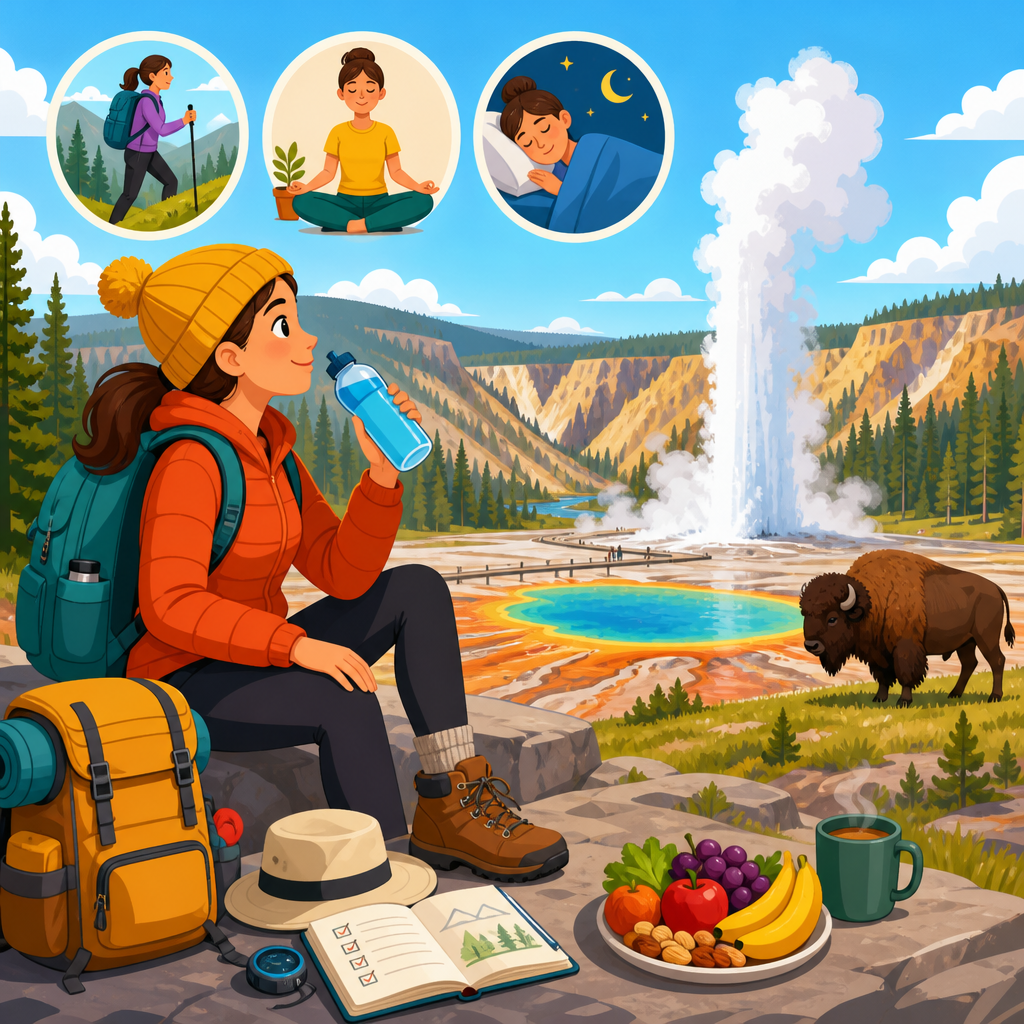
Yellowstone rewards preparation more than almost any other park in the United States, and acclimatizing before your trip is one of the smartest steps you can take. Many visitors think only of geysers, bison, waterfalls, and long scenic drives, but Yellowstone’s elevation, dry air, wide distances, and rapidly changing weather can affect energy, sleep, hydration, and safety from the first day. Acclimatization means giving your body time to adjust to lower oxygen pressure at higher elevations, drier conditions, stronger sun exposure, and more physical exertion than daily life usually demands. In practical terms, it means arriving with a plan for altitude, pacing, fluids, food, sleep, and activity so you can enjoy the park instead of spending your first days tired, headachy, or short of breath.
Most of Yellowstone sits between about 6,000 and 8,000 feet above sea level, with many popular developed areas around 7,000 feet. That is high enough for sea-level visitors to notice real effects, especially if they fly in, drive straight to a trailhead, and start hiking hard on the same day. I have planned Yellowstone trips for travelers arriving from humid low elevations, and the pattern is consistent: the people who feel best are the ones who treat the first forty-eight hours as an adjustment period. They drink more water than usual, avoid overexertion, limit alcohol, eat regularly, and build a gradual itinerary instead of trying to see Old Faithful, Grand Prismatic, Yellowstone Canyon, and a summit hike all at once.
This matters because Yellowstone is not a quick-stop destination. It is a vast high-country ecosystem larger than Rhode Island and Delaware combined, with roads that look short on a map but take time because of wildlife, construction, and heavy summer traffic. If your body is struggling to adapt, long drives, boardwalk walks, and short climbs can feel harder than expected. Good acclimatization improves comfort, lowers the risk of altitude-related symptoms, reduces fatigue, and helps you make better decisions in a place where weather can shift fast and help may be far away. It also sets up every other part of a strong national park strategy, from hiking safely to photographing wildlife at dawn.
Understand Yellowstone’s elevation, climate, and physical demands
The first step is understanding what your body is adjusting to. At Yellowstone elevations, the main challenge is reduced oxygen availability compared with sea level. You are not suddenly on an extreme mountaineering expedition, but you are high enough that faster breathing, elevated heart rate during exertion, mild headaches, and disrupted sleep are common in the first day or two. Add the region’s dry air, cool nights, intense midday sun, and frequent wind, and the park can tax visitors more than expected.
Yellowstone’s major gateways and villages vary in elevation, but nearly every common base is high by everyday travel standards. West Yellowstone, Gardiner, Canyon Village, Old Faithful, Mammoth, and Lake all require some adjustment if you are coming from lower elevations. Even casual activities add up. Walking boardwalk loops at geyser basins, climbing overlooks at the Grand Canyon of the Yellowstone, and loading gear in and out of the car over several long days create a steady cumulative strain. If you are also dealing with jet lag, children, or poor sleep before departure, the impact feels stronger.
Temperature swings are another part of acclimatization. Summer mornings can be cold enough for a fleece and afternoons warm enough for short sleeves. Shoulder-season trips bring frost, snow, and icy boardwalks. Because your body uses fluid faster in dry, cool conditions, thirst is not a reliable guide. Many visitors become mildly dehydrated without noticing, then mistake the resulting headache or fatigue for ordinary travel stress. In my experience, the travelers who prepare for Yellowstone like a high-elevation outdoor trip rather than a standard road vacation adapt faster and enjoy more of each day.
Start acclimatizing before you enter the park
The best Yellowstone acclimatization begins before your first geothermal stop. If your schedule allows, sleep one night at a moderate elevation on the way in rather than rushing from sea level to a full sightseeing day. Cities and gateway towns in the Rocky Mountain region can serve as transition points, and even a single easier day helps many people. If you cannot break up the journey, reduce your activity expectations on arrival. Make day one a scenic orientation day with short walks instead of a big hike or a packed driving circuit.
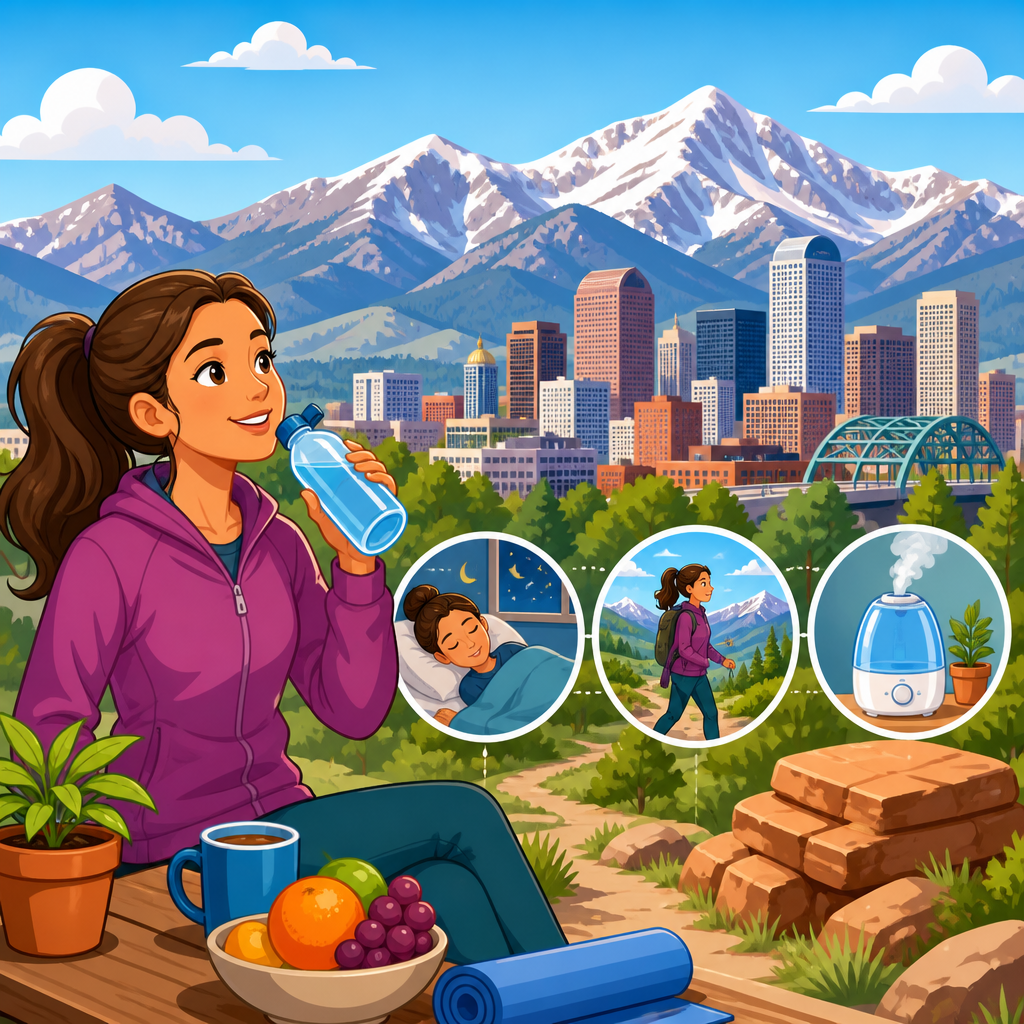
Hydration should start twenty-four to forty-eight hours before arrival. This does not mean excessive water loading. It means drinking steadily, limiting heavy alcohol use, and avoiding the common mistake of beginning a vacation already dehydrated from flights, caffeine, heat, or long highway miles. Pair fluids with electrolytes and regular meals, especially if you tend to lose sodium during exercise. I usually advise travelers to think in terms of consistency: water through the day, not huge amounts all at once.
Sleep matters more than most people expect. Altitude can disrupt sleep quality temporarily, and fatigue makes every symptom feel worse. Go into the trip well rested if possible. If you use caffeine strategically, do so early in the day rather than relying on it to overcome altitude-related sluggishness. Travelers with heart disease, lung disease, sleep apnea, anemia, or a history of altitude illness should speak with a clinician before the trip. Yellowstone is accessible to many people, but preexisting conditions change how conservative your plan should be.
Use a smart first-two-days itinerary
Your first forty-eight hours should be organized around gradual effort. The simplest rule is this: on day one, prioritize iconic sights that require limited exertion; on day two, add moderate walking; save your biggest hike for day three or later. This approach works because acclimatization is a process, not a switch. You may feel mostly normal while sitting in the car and then suddenly winded on a staircase or incline.
| Timeframe | Recommended activities | What to avoid |
|---|---|---|
| Arrival day | Scenic drives, visitor centers, short boardwalk loops, early dinner, extra fluids | Strenuous hikes, running, heavy alcohol, skipping meals |
| Day 2 | Moderate overlooks, longer basin walks, light wildlife watching at dawn or dusk | All-day peak efforts, back-to-back long trails, sleep deprivation |
| Day 3 and after | Longer hikes, higher viewpoints, full-day sightseeing circuits if you feel strong | Pushing through significant headache, nausea, dizziness, or unusual breathlessness |
Real-world examples make this easier to picture. A good arrival day might include the Madison area, a short stop at Fountain Paint Pot or the Upper Geyser Basin near Old Faithful, then an early night. A reasonable day two could add Artist Point, Brink of the Lower Falls, and selected Hayden Valley pullouts. A stronger day three might be the Mount Washburn trail, Avalanche Peak, or a longer Lamar Valley dawn-and-hike combination. Visitors who follow this progression usually enjoy more and recover faster each evening.
Hydrate, fuel, and dress for altitude and dry air
Food, fluids, and clothing are the practical core of Yellowstone acclimatization. At altitude, appetite sometimes drops while energy demands rise. Do not skip breakfast before a long drive or a morning wildlife session. Eat balanced meals with carbohydrates for immediate energy, protein for sustained satiety, and enough sodium to support hydration. Easy options include oatmeal, eggs, yogurt, fruit, nut butter, trail mix, sandwiches, and electrolyte drinks. If you are hiking, carry more snacks than you think you need because distances in Yellowstone often expand once you add stops, wildlife delays, or route changes.
Hydration is not just about water. When travelers drink plain water all day but eat lightly, they can still feel weak. A better approach is steady fluid intake plus regular food. Urine that remains very dark, a dry mouth, unusual fatigue, and headache are useful field signs that your fluid strategy needs work. Alcohol deserves special caution. A celebratory drink is not forbidden, but alcohol worsens dehydration and can intensify poor sleep during the adjustment period. Save heavier drinking for after your trip, not your first nights in the park.
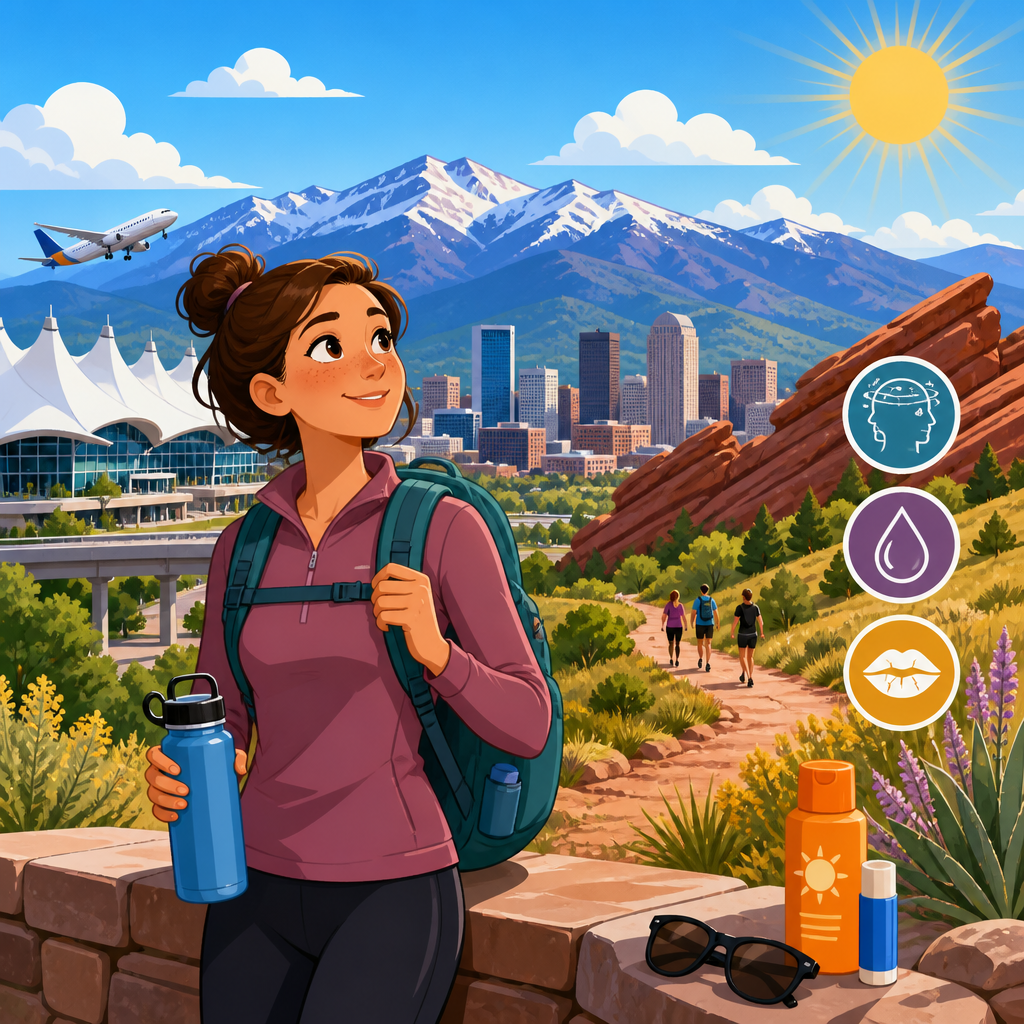
Clothing affects acclimatization because thermal stress drains energy. Use layers: a moisture-wicking base, an insulating midlayer such as fleece or light puffy, and a wind- or rain-resistant shell. Sun protection is equally important. UV exposure increases with elevation, and Yellowstone’s open meadows, lake shores, and geothermal basins provide little shade. Wear sunscreen, sunglasses, and a brimmed hat. Chapped lips, dry nasal passages, and sun fatigue are common preventable problems that can make visitors feel far worse than the mileage would suggest.
Recognize normal adjustment versus altitude illness
Most Yellowstone visitors experience only mild adjustment symptoms if any: slightly faster breathing on hills, an elevated pulse during exertion, light sleep disruption, or a minor headache that improves with water, food, rest, and slower pacing. Those symptoms are common and usually manageable. The problem begins when travelers dismiss more serious warning signs and keep pushing because they do not want to change plans.
Altitude illness exists on a spectrum. Early acute mountain sickness often includes persistent headache, nausea, dizziness, unusual fatigue, loss of appetite, and poor sleep after ascent. In a park setting, these signs can blend with dehydration or motion sickness, so context matters. If symptoms improve with rest and hydration, that is reassuring. If they worsen, especially with vomiting, severe weakness, confusion, trouble walking straight, or breathlessness at rest, treat the situation as urgent. The correct response is to stop exerting, descend if practical, seek medical evaluation, and use emergency services if severe symptoms appear.
Older adults, children, and very fit athletes all need the same rule: fitness does not prevent altitude illness. In fact, highly active travelers sometimes get into trouble because they feel strong enough to push through early symptoms. I have seen runners arrive from low elevation, assume a short steep hike will be easy, and end the day with pounding headaches and nausea. Yellowstone is forgiving when you respect it and frustrating when you try to overpower it.
Adjust plans for hiking, wildlife watching, and family travel
Different Yellowstone activities create different acclimatization challenges. Hikers should keep the first serious trail shorter than they would choose at home and monitor pace on climbs. Build in more water, more snack breaks, and more time. Wildlife watchers often wake before dawn and spend long hours in cool air at pullouts, which can lead to underhydration because they are not sweating much. Keep a bottle handy in the vehicle and snack regularly between sightings.
Families need an even more deliberate approach. Children may not describe symptoms clearly; they become irritable, unusually tired, or unwilling to walk. Keep the first day simple, avoid overscheduling, and maintain frequent food and restroom breaks. For older travelers, the biggest issues are often fatigue from long drives and interrupted sleep. Splitting driving duties, staying near the areas you most want to see, and planning one midday rest period can make a major difference.
If Yellowstone is one stop on a broader national park road trip, use the same acclimatization principles across the region. Grand Teton, Beartooth Highway, and many Rocky Mountain gateways involve comparable elevations and weather volatility. A hub strategy works well: choose one or two in-park or gateway bases, organize nearby sights into geographic clusters, and reserve ambitious outings for later in the stay. That structure reduces unnecessary driving and helps your body settle into the rhythm of the place.
Build a Yellowstone-ready routine that supports the whole trip
The best acclimatization plan is a repeatable daily routine. Start mornings with water and breakfast before coffee becomes your only fuel. Review the forecast and pack layers even if the sky looks calm. Keep snacks, electrolytes, sun protection, and rain gear accessible rather than buried in luggage. Aim for one demanding activity per day, not three. Eat dinner early enough to sleep well, and do not underestimate the recovery value of a quiet evening after sunset wildlife viewing.
This routine pays off across every Yellowstone experience. You will think more clearly around thermal features, where boardwalk safety rules matter. You will enjoy longer viewpoints without feeling rushed or depleted. You will have more patience during bison traffic jams and road construction, both normal parts of visiting the park. Most importantly, you will preserve energy for the moments that make Yellowstone unforgettable: steam rising at dawn, wolves or bears spotted through a scope, thunderheads over Hayden Valley, or the sound of the Lower Falls echoing through the canyon.
Acclimatizing before visiting Yellowstone is not complicated, but it is essential. Understand the park’s elevation and dry climate, begin hydrating before arrival, keep your first two days intentionally light, eat and sleep well, layer for weather, and watch for symptoms that go beyond normal adjustment. Those steps help you avoid headaches, fatigue, and poor decisions while making every part of the trip more enjoyable. Yellowstone is a national park guide destination that rewards steady pacing and informed planning. Use this page as your hub, build an itinerary that respects the environment, and give yourself the simple advantage of arriving ready for the altitude.
Frequently Asked Questions
Why is acclimatization important before visiting Yellowstone?
Acclimatization matters because Yellowstone sits at a relatively high elevation compared with what many visitors are used to, and that change can affect your body faster than expected. Much of the park ranges between about 6,000 and 8,000 feet above sea level, which means lower oxygen pressure, drier air, and a greater chance of feeling fatigued, short of breath, dehydrated, or headachy during your first day or two. Even travelers who are in good shape can notice the difference, especially if they arrive from low elevations and jump straight into hiking, sightseeing, or long, active days. Yellowstone also adds other stressors on top of elevation, including cool mornings, warm afternoons, strong sun, long driving distances, and rapidly changing weather. Proper acclimatization helps your body adjust gradually, supports better sleep and energy, reduces the odds of mild altitude-related symptoms, and makes your trip safer and more enjoyable overall.
How many days should I give myself to acclimatize before exploring Yellowstone fully?
A good rule of thumb is to allow at least one to three days for a more gradual adjustment, especially if you normally live near sea level. If possible, spend a night or two at a moderate elevation before tackling longer hikes or especially active itineraries in Yellowstone. During your first full day in or near the park, keep your plans lighter than usual. Focus on scenic drives, boardwalk areas, short walks, and regular breaks rather than trying to fit in a sunrise wildlife tour, a major hike, and several thermal areas all at once. Some people feel nearly normal within 24 hours, while others need a bit longer for sleep, breathing, and energy levels to stabilize. Age, fitness, hydration, alcohol intake, sleep quality, and how quickly you ascend all play a role. If your schedule is tight, even arriving a day early and treating that first day as an adjustment day can make a noticeable difference in how you feel for the rest of the trip.
What are the best ways to acclimatize before and during a Yellowstone trip?
The most effective strategy is to increase activity gradually while staying well hydrated and well rested. Before your trip, start paying attention to sleep, hydration, and overall physical readiness rather than assuming fitness alone will carry you through. Once you arrive, drink water consistently throughout the day, but do not force extreme amounts; the goal is steady hydration, especially in Yellowstone’s dry air. Eat regular meals and snacks, since altitude and long sightseeing days can drain energy quickly. Limit alcohol during your first day or two because it can worsen dehydration, disrupt sleep, and make altitude-related symptoms feel more intense. If you usually consume caffeine, keep it moderate and balanced with water. Plan gentler activities first, such as short walks to overlooks, geyser basins, or visitor centers, and save longer hikes for later in the trip. Dressing in layers also helps your body adapt because Yellowstone weather can shift quickly from chilly mornings to warm, sunny afternoons and back again. Just as important, listen to your body. If you feel unusually winded, tired, dizzy, or headachy, slow down, rest, hydrate, and avoid pushing through symptoms simply to stay on schedule.
What symptoms of altitude adjustment should I watch for in Yellowstone?
Mild altitude adjustment symptoms can include headache, unusual fatigue, poor sleep, light dizziness, reduced appetite, mild nausea, and feeling more short of breath than expected during easy activity. In many cases, these symptoms improve with rest, fluids, lighter exertion, and time. What catches many Yellowstone visitors off guard is that these signs can seem subtle at first and may be mistaken for jet lag, travel stress, or dehydration alone. Because the park involves so much walking, standing, and driving between stops, small symptoms can build over the course of a day. More serious warning signs deserve prompt attention, including severe headache, vomiting, confusion, trouble walking normally, chest tightness, or shortness of breath that feels extreme or does not improve with rest. Those symptoms should not be ignored. If someone is getting worse instead of better, stop strenuous activity and seek medical evaluation right away. For most visitors, symptoms stay mild and manageable, but recognizing them early is one of the smartest parts of acclimatizing responsibly.
Can children, older adults, or people with medical conditions acclimatize safely for Yellowstone?
Yes, many children, older adults, and travelers with medical conditions visit Yellowstone safely, but they often benefit the most from thoughtful acclimatization. The key is slower pacing, close attention to hydration and rest, and realistic daily plans. Children may not always recognize or explain early symptoms clearly, so adults should watch for unusual crankiness, tiredness, poor appetite, headache complaints, or reluctance to walk. Older adults may need more recovery time between activities, especially if they are adjusting from a much lower elevation. Travelers with asthma, heart conditions, sleep-related breathing issues, or other chronic health concerns should consider checking with a healthcare professional before the trip, particularly if they plan strenuous hiking or have had altitude-related problems before. It is also wise to bring all regular medications, keep them accessible during long drives, and build flexibility into the itinerary. In Yellowstone, there can be long distances between services, and changing weather can affect comfort and stamina quickly. With some extra planning and a willingness to slow down when needed, most travelers in these groups can acclimatize well and enjoy the park comfortably and safely.