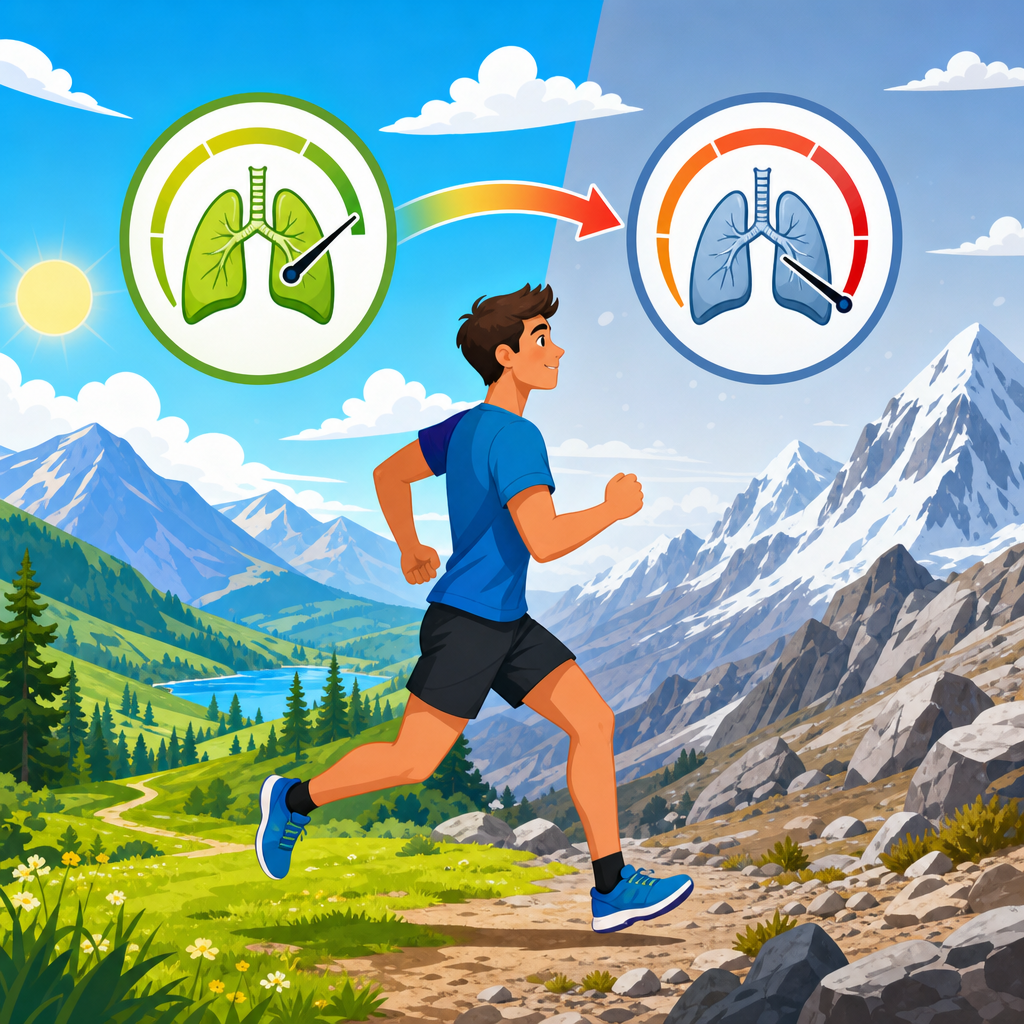
VO2 max drops at altitude because thinner air reduces the amount of oxygen your body can take in, transport, and use during hard exercise. In practical terms, most people see VO2 max fall by about 5 to 7 percent for every 1,000 meters, or roughly 3,300 feet, above about 1,500 meters, though the exact decline depends on acclimatization, genetics, iron status, training background, and the altitude itself. For hikers, runners, mountaineers, and endurance athletes, that decline matters because VO2 max is a core marker of aerobic capacity: the highest rate at which your body can consume oxygen during maximal effort. In training physiology, it sits at the center of performance along with lactate threshold, exercise economy, recovery kinetics, mitochondrial adaptation, and the cardiorespiratory responses that determine whether a climb feels steady or crushing. I have seen this play out repeatedly with athletes preparing for mountain races and trekking trips. A sea-level runner who handles tempo intervals comfortably can suddenly struggle to hold conversational pace on a high trail, not because fitness vanished, but because the oxygen supply chain is under immediate stress. Understanding how much VO2 max drops at altitude is therefore the starting point for smarter pacing, better training blocks, safer expedition planning, and more realistic expectations across the broader field of training physiology.
Altitude physiology is often oversimplified. People hear “less oxygen” and assume the air changes composition. It does not. Oxygen remains about 20.9 percent of air at sea level and on a summit. What changes is barometric pressure, which lowers the partial pressure of inspired oxygen. That means less oxygen moves from the lungs into the blood with each breath. Arterial oxygen saturation falls, maximal cardiac output can be limited, and working muscles receive less oxygen during intense efforts. The result is lower maximal aerobic power, higher perceived exertion at any given pace, and a sharper penalty as intensity rises. This article serves as a hub for training physiology within fitness, hiking, and performance, so it also connects the VO2 max question to the bigger picture: how energy systems interact, how acclimatization works, what metrics matter in the field, and how to train when the environment changes faster than your body can adapt.
How much VO2 max typically drops at altitude
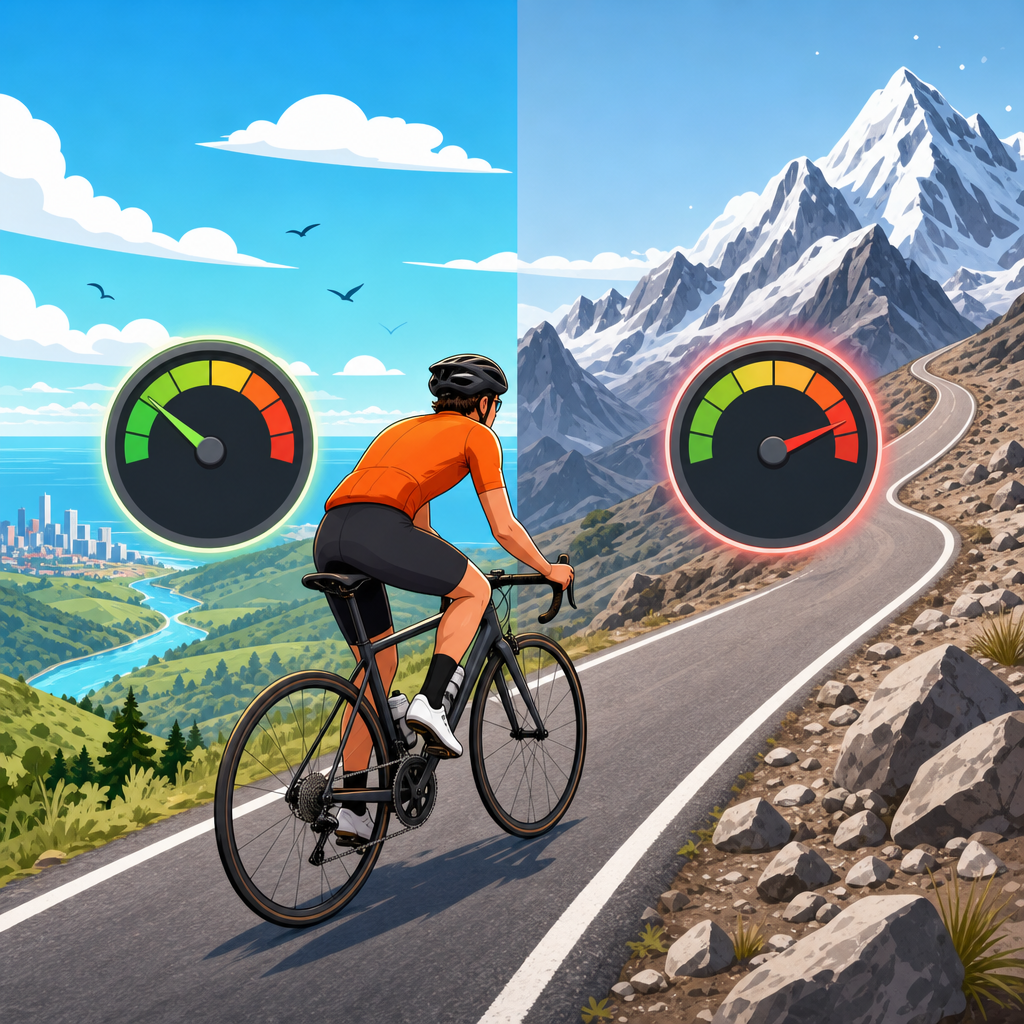
The short answer is that VO2 max usually begins to decline noticeably above about 1,500 meters, or 5,000 feet, and the drop becomes larger with each additional gain in elevation. A widely used rule of thumb from exercise physiology is a decline of around 5 to 7 percent per 1,000 meters for unacclimatized people once you are above that threshold. The reduction is often smaller at moderate altitude and steeper at very high altitude. For example, an athlete with a sea-level VO2 max of 60 mL/kg/min might function near 56 to 57 at 2,000 meters, around 52 to 54 at 3,000 meters, and significantly lower above 4,000 meters. Elite endurance athletes often lose even more absolute performance because they are trying to work near the ceiling of oxygen delivery, where every decrement hurts.
Real-world performance reflects this decline clearly. Research and coaching data from mountain running, cycling, and cross-country skiing consistently show slower race times and lower sustainable power outputs at altitude. The American College of Sports Medicine and classic work by Peter Wagner, John West, and Bengt Saltin help explain why: oxygen transport is a linked chain involving ventilation, pulmonary diffusion, hemoglobin binding, cardiac output, muscle blood flow, and mitochondrial use. Altitude weakens several links at once. That is why a sea-level threshold pace does not simply feel harder at 2,500 meters; it becomes physiologically unavailable until acclimatization improves oxygen delivery. In hiking terms, the same person can still move all day at low intensity, but steep grades, heavy packs, and surges become disproportionately expensive.
| Altitude | Typical VO2 max change | Common field effect |
|---|---|---|
| 1,500 m / 5,000 ft | Minimal to about 3% | Hard intervals feel less sharp; easy hiking usually manageable |
| 2,000 m / 6,560 ft | About 5 to 10% | Tempo pace slows; climbs raise breathing rate quickly |
| 3,000 m / 9,840 ft | About 10 to 18% | Threshold work is limited; loaded hiking pace must drop |
| 4,000 m / 13,120 ft | About 20 to 30% | Sustained hard efforts are difficult; recovery is much slower |
| 5,000 m / 16,400 ft | Often 30% or more | Even moderate work feels severe; expedition pacing dominates |
Why altitude lowers aerobic performance so quickly
The key mechanism is reduced partial pressure of oxygen, which lowers alveolar oxygen pressure and shrinks the gradient driving oxygen into the bloodstream. At sea level, your lungs usually load hemoglobin efficiently, even during hard work. At altitude, arterial oxygen saturation drops, especially during sleep and intense exercise. Hyperventilation helps by bringing in more air, but it also alters carbon dioxide balance and can make breathing feel strained. For many athletes I have coached, the first sign is not muscle fatigue but a sense that they cannot “catch” enough air during efforts they would normally control.
Downstream effects matter just as much. Maximal heart rate may decline slightly at high altitude, stroke volume can be reduced by lower plasma volume, and total oxygen delivery to muscle falls. Peripheral factors change too. Muscle oxygen diffusion becomes more difficult, and the body leans more heavily on carbohydrate because it yields more energy per liter of oxygen than fat. That sounds helpful, but it also means glycogen drains faster during hard efforts. This is why athletes often report a double hit at altitude: they cannot push the same top-end intensity, and they run out of fuel sooner if pacing is aggressive. Training physiology is never one metric in isolation. VO2 max, substrate use, ventilatory response, hydration, and recovery all interact, especially in the mountains.
What changes with acclimatization and what does not
Acclimatization improves function, but it does not erase the altitude penalty. Within hours to days, ventilation increases, plasma volume shifts, and the kidneys begin regulating acid-base balance to support sustained hyperventilation. Over one to three weeks, many people see improved oxygen saturation at rest and during exercise, lower perceived exertion for submaximal work, and better sleep, though sleep quality can remain inconsistent. Over longer periods, erythropoietin stimulates red blood cell production, increasing hemoglobin mass if iron availability is sufficient. This can improve oxygen-carrying capacity and partially restore endurance performance.
Even after successful acclimatization, however, VO2 max remains below sea-level values at a given altitude. That point is essential. I often have to reset expectations for strong athletes who think a week in the mountains should make them feel normal at 3,500 meters. It usually makes them safer and more capable, not equal to sea level. Acclimatization also varies widely. Some people maintain oxygen saturation surprisingly well; others desaturate heavily during exercise despite excellent training. Iron deficiency, recent illness, energy deficit, poor sleep, and dehydration can all worsen the adaptation process. For hub-level training physiology, the takeaway is simple: altitude adaptation is real, useful, and limited.
How VO2 max interacts with threshold, economy, and hiking performance
VO2 max is only one determinant of performance, so the practical effect of altitude depends on what you are doing. In steep hiking, uphill backpacking, and long mountaineering days, fractional utilization and movement economy often matter more than pure VO2 max. A hiker with modest lab values but excellent uphill technique, durable calves, efficient pole use, and disciplined fueling may outperform a fitter sea-level athlete who surges, overstrides, and blows through glycogen. In endurance racing, lactate threshold and economy can partly protect performance at moderate altitude because they determine how fast you can go below your shrinking aerobic ceiling.
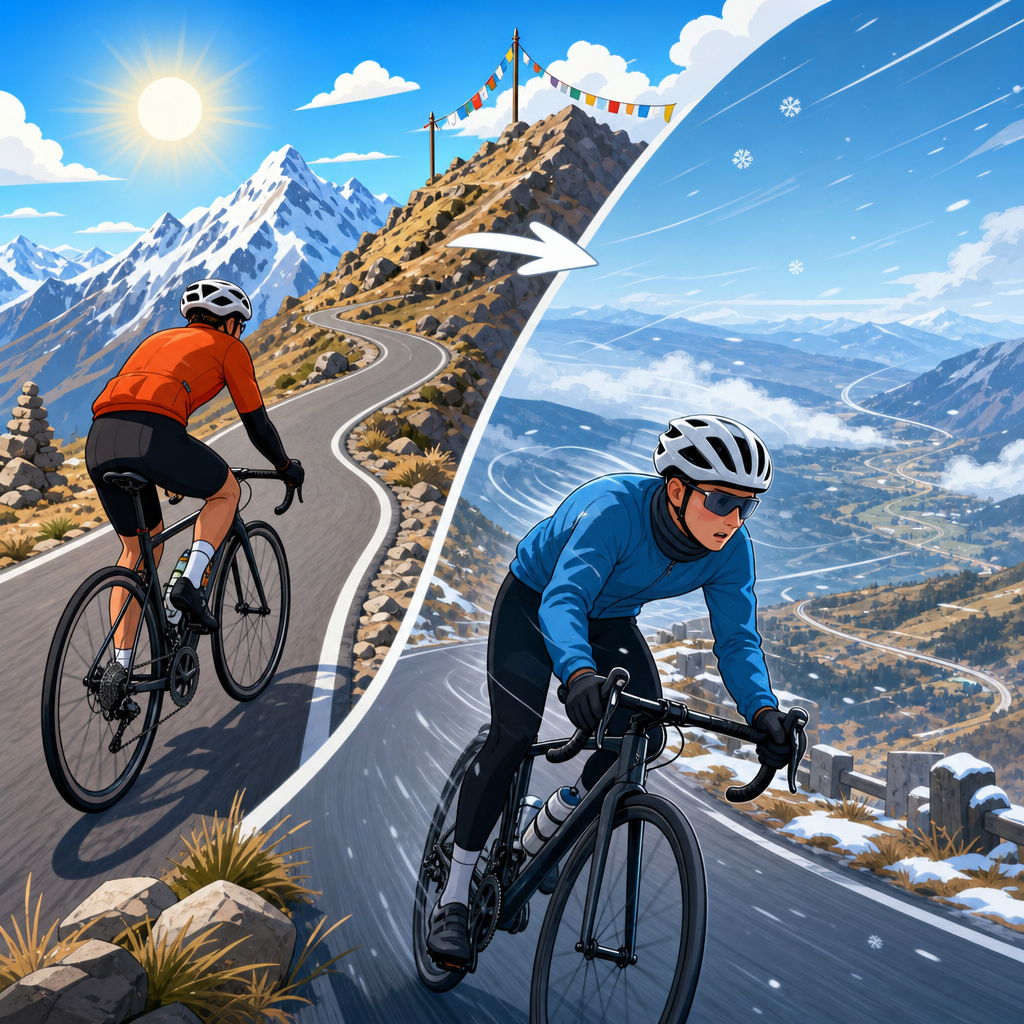
That said, altitude still compresses all intensities upward in effort. Easy pace gets slower. Steady pace approaches threshold sooner. Threshold becomes less sustainable. VO2 max intervals become much slower or shorter. This is why training zones set at sea level can mislead athletes in the mountains. Heart rate may lag, drift, or cap out differently; pace is distorted by gradient and terrain; and power on climbs can still fall because oxygen delivery limits muscle output. The best field approach is to combine rate of perceived exertion, breathing pattern, altitude-adjusted pace or power expectations, and recovery markers such as morning heart rate, sleep quality, and appetite. In hiking and performance planning, physiology has to be translated into decisions you can use on a trail.
How to train for altitude when you live at sea level
The ideal preparation depends on whether your goal is a race, a trek, or a summit expedition. If you live at sea level, the most reliable strategy is still to build aerobic capacity before travel, arrive with a strong base, and respect conservative pacing on arrival. High-volume low-intensity training, uphill strength endurance, muscular durability for descents, and fueling practice all transfer well. If your event includes long climbs under load, stair work, treadmill hiking, and weighted uphill intervals can be highly specific. For runners and cyclists, threshold development and economy work remain valuable because a bigger sea-level engine gives you more room after the altitude deduction.
Simulated altitude tools can help, but their benefits are often overstated. Intermittent hypoxic exposure, altitude tents, and hypoxic training rooms may improve acclimation readiness or support hemoglobin mass in some settings, yet results are inconsistent without adequate exposure time, iron sufficiency, and close monitoring. The classic “live high, train low” model can work for select endurance athletes, but it is logistically demanding and most useful when executed for several weeks with controlled intensity. For recreational hikers, a simpler strategy usually wins: arrive early if possible, sleep one or two nights at intermediate elevation, hydrate normally rather than excessively, eat enough carbohydrate, avoid alcohol excess, and keep the first two days deliberately easy. The mountain does not care how fit you were on the flat if you ignore the adaptation timeline.
Common mistakes, health risks, and smart pacing rules
The biggest mistake is treating altitude like a motivation problem instead of a physiology problem. Athletes push sea-level splits, feel terrible, and assume they need more grit. Usually they need slower pacing. Another common error is relying on one metric. Pulse oximeters are useful for trends, but single readings vary with temperature, motion, and device quality. Heart rate helps, but altitude, dehydration, caffeine, and fatigue all affect it. Performance decisions should come from a pattern, not one number. I also see people underfuel because appetite drops at altitude. That is risky, since carbohydrate availability becomes more important when oxygen is limited.
Health risk deserves plain language. Acute mountain sickness can begin with headache, nausea, fatigue, dizziness, and poor sleep. More serious conditions include high-altitude cerebral edema and high-altitude pulmonary edema, both medical emergencies requiring descent. No performance goal outweighs those red flags. Smart pacing rules are straightforward: start easier than you think you need to, keep speech comfortable on day one, limit surges on steep sections, extend recovery after hard efforts, and judge success by consistency rather than speed. In training physiology terms, altitude punishes intensity errors quickly and rewards restraint almost immediately. If you pace well, fuel adequately, and acclimatize with patience, the drop in VO2 max becomes manageable instead of demoralizing.
VO2 max drops at altitude mainly because lower barometric pressure reduces oxygen availability, and the typical decline is about 5 to 7 percent per 1,000 meters above roughly 1,500 meters, with larger losses at higher elevations and during intense exercise. That single fact explains why running pace slows, hiking with a pack feels harder, interval power falls, and recovery stretches out in the mountains. It also clarifies why training physiology matters for anyone in fitness, hiking, and performance. VO2 max is the headline metric, but the full story includes ventilation, hemoglobin mass, lactate threshold, movement economy, substrate use, sleep, hydration, and acclimatization. Together, those factors determine whether altitude becomes a manageable constraint or a trip-ruining surprise.
The practical takeaway is encouraging. You cannot eliminate the altitude penalty, but you can prepare for it intelligently. Build a strong aerobic base at home. Train specifically for the terrain and load you will face. Arrive with realistic expectations, pace conservatively, fuel well, and give your body time to adapt. If you are planning hikes, mountain races, or expeditions, use this training physiology hub as your foundation, then explore deeper topics such as acclimatization timelines, threshold training, uphill economy, strength for descents, and recovery at altitude. The more precisely you understand your body’s response, the better you will perform when the trail climbs and the air gets thin.
Frequently Asked Questions
How much does VO2 max typically drop at altitude?
For most people, VO2 max begins to decline noticeably once they get above about 1,500 meters, or roughly 5,000 feet. A widely used rule of thumb is that VO2 max falls by about 5 to 7 percent for every additional 1,000 meters, or about 3,300 feet, of elevation gain above that point. That means someone who performs very well at sea level may feel a measurable drop in aerobic capacity during hard efforts at moderate to high altitude. The exact number is not identical for everyone, though. Some athletes lose less, while others lose more, depending on how their body responds to lower oxygen pressure. In practical terms, the higher you go, the harder it becomes to sustain the same pace, power, or climbing speed you could manage closer to sea level.
Why does VO2 max decrease when you go to higher elevations?
VO2 max drops at altitude because the air becomes thinner, which means the partial pressure of oxygen is lower. Even though the percentage of oxygen in the air stays about the same, each breath delivers fewer oxygen molecules to the lungs. That makes it harder for the body to load oxygen into the blood, transport it efficiently, and deliver enough of it to working muscles during intense exercise. Since VO2 max reflects the maximum amount of oxygen your body can take in and use, any reduction in oxygen availability lowers that ceiling. This is especially noticeable during sustained uphill movement, racing, hard hiking, and endurance work, where the demand for oxygen is high. In short, altitude reduces oxygen supply at the exact time your muscles need more of it.
Does everyone lose the same amount of VO2 max at altitude?
No, the drop is highly individual. While the 5 to 7 percent per 1,000 meters guideline is useful, real-world responses vary based on several factors. Genetics play a major role, which is why some people tolerate altitude surprisingly well while others struggle even at moderate elevations. Acclimatization also matters a lot. Spending time at altitude can improve breathing response, blood volume regulation, and longer-term oxygen-carrying adaptations, which may reduce the performance hit somewhat. Iron status is another important factor because iron supports red blood cell production and oxygen transport. Training background, recent fitness, hydration, illness, sleep quality, and the actual elevation reached all influence how much VO2 max falls. So while the overall trend is predictable, the exact decline is personal and can vary from trip to trip.
Can acclimatization prevent the drop in VO2 max at altitude?
Acclimatization can help, but it does not fully eliminate the reduction. Over several days to weeks at altitude, the body makes adjustments such as increasing ventilation, shifting fluid balance, and eventually supporting greater red blood cell production if the exposure is long enough. These changes can improve comfort, reduce symptoms of altitude stress, and help restore some exercise capacity. However, even after acclimatizing, most people still have a lower VO2 max at altitude than they do at sea level. In other words, acclimatization improves function in a low-oxygen environment, but it does not magically recreate sea-level oxygen availability. For endurance athletes, hikers, and mountaineers, that means effort pacing still needs to change. You may feel better after a few days, but top-end aerobic performance usually remains compromised until you return to lower elevation.
What does a lower VO2 max at altitude mean for hikers, runners, and endurance athletes?
A lower VO2 max at altitude means that familiar efforts feel harder and sustainable performance drops sooner. Hikers may need to slow down on climbs, take more frequent breaks, and be more conservative with daily elevation gain. Runners often notice that paces that feel comfortable at sea level become much more taxing, especially during tempo runs, intervals, or long uphill sections. Mountaineers and endurance athletes may see reduced power output, slower recovery between hard efforts, and a greater need to manage nutrition, hydration, and pacing carefully. This matters not just for performance but also for safety, because overestimating your sea-level fitness at altitude can lead to exhaustion, poor decision-making, and increased stress on the body. The smart approach is to expect reduced aerobic capacity, adjust goals accordingly, and give your body time to adapt whenever possible.