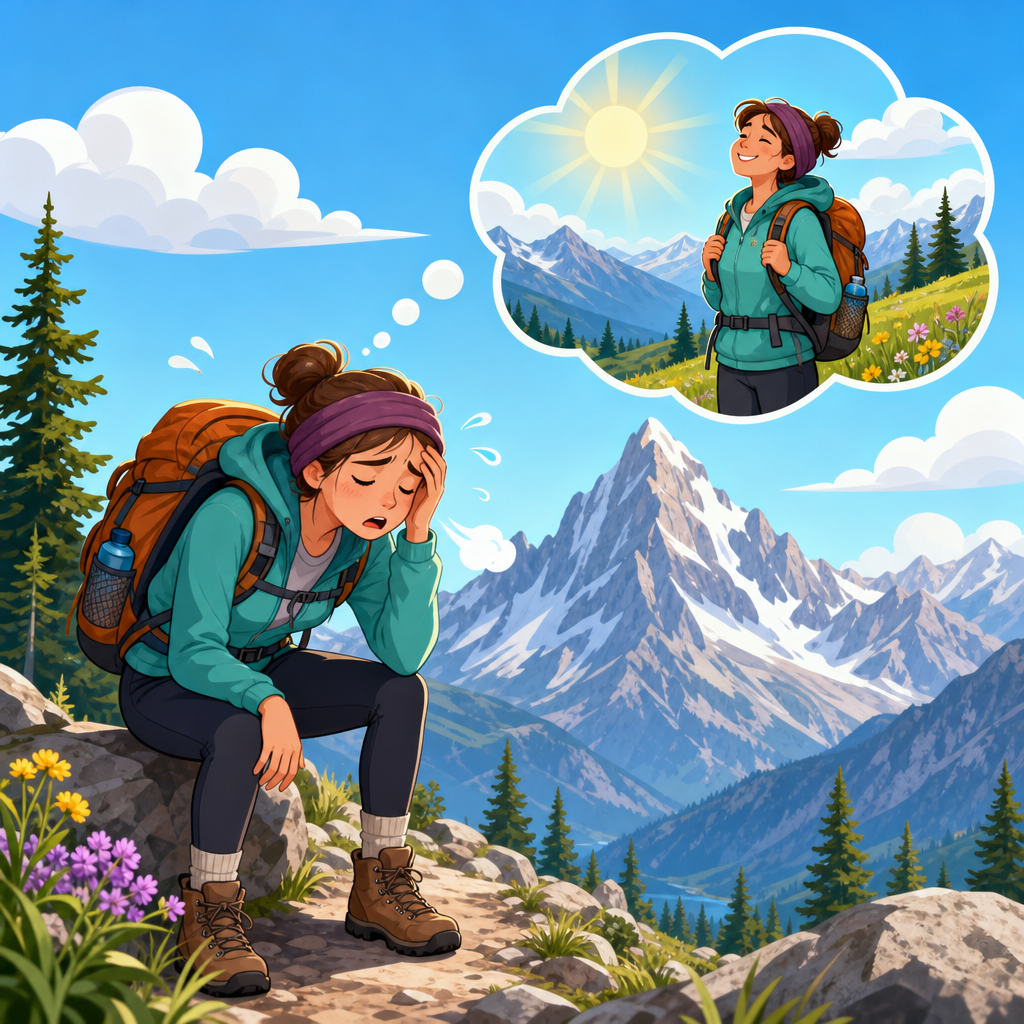
Why mountain air can make you feel tired even when your weather app says perfect is a question many people ask after arriving at a ski town, mountain cabin, or high desert city and feeling strangely heavy, sleepy, or foggy. The short answer is that “perfect” weather on an app usually describes temperature, sunshine, precipitation, and wind at ground level, while your body is reacting to a broader comfort picture: lower oxygen pressure, drier air, stronger sun, dehydration risk, sleep disruption, indoor heating, allergens, and changes in routine. In comfort troubleshooting, that difference matters. A place can look ideal on a forecast and still challenge your lungs, skin, eyes, hydration, and sleep. I have seen this repeatedly when helping people adjust bedrooms and living spaces in mountain climates: they blame the mattress, stress, or age, when the bigger issue is the environment. This hub article explains why fatigue happens, how to separate altitude effects from home comfort problems, and which fixes work fastest.
In practical terms, mountain air usually means air at higher elevation with lower barometric pressure and lower absolute humidity. Your weather app may report 68°F, blue skies, and light wind, yet say nothing about reduced oxygen availability inside each breath, overnight drops in indoor relative humidity, or how much fluid you lose through breathing. Comfort troubleshooting means identifying which environmental stressors are making you feel tired, dry, headachy, itchy, or unrested, then matching them with targeted solutions. If you understand the mechanisms, you can solve problems faster, avoid unnecessary purchases, and know when a symptom belongs to normal adaptation versus a medical issue.
Why “perfect weather” can still feel exhausting
The main reason mountain air can make you feel tired is altitude. As elevation rises, barometric pressure falls, so each breath delivers fewer oxygen molecules even though the air still contains about 21 percent oxygen. That reduction is enough to raise breathing rate, increase heart rate, and reduce exercise tolerance. Even mild altitude, around 5,000 to 8,000 feet, can leave sea-level visitors unusually sleepy, short of breath on stairs, and mentally dull for a day or two. Weather apps rarely foreground this. They are built to predict outdoor conditions, not your personal physiologic load.
Dryness compounds the problem. Mountain climates often have low absolute humidity, and indoor heating drives relative humidity lower still. Dry air increases moisture loss through the skin, eyes, nose, and lungs. Many people do not notice they are dehydrating until they get a headache, heavy limbs, or a “hungover” feeling. I often tell clients that if their lips feel dry, their bedroom humidity is probably already too low for sustained comfort. A healthy indoor target is commonly around 30 to 50 percent relative humidity, but cold climates require staying low enough to avoid window condensation and mold.
Sleep quality also changes at elevation. Periodic breathing becomes more common, especially in the first nights after ascent. People drift off, breathe shallowly, then briefly wake as carbon dioxide and oxygen levels shift. They may not remember these awakenings, but they feel them as unrefreshing sleep, irritability, and daytime fatigue. Add alcohol, a stuffy room, nasal dryness, or overheating under heavy bedding, and the next morning feels much worse than the pleasant weather suggests.
How altitude, dryness, and sun work together indoors and outdoors
Altitude fatigue rarely comes from one cause alone. In mountain homes, I usually see three interacting stressors: lower oxygen pressure, low humidity, and increased solar exposure. Higher elevation means thinner atmosphere filtering less ultraviolet radiation, so sun exposure is more intense. Even on cool days, people get more UV stress and often lose more water than expected because evaporation is faster. They return indoors depleted, then spend the evening in heated air that dries them further. The result is tiredness that feels mysterious because the day itself seemed mild.
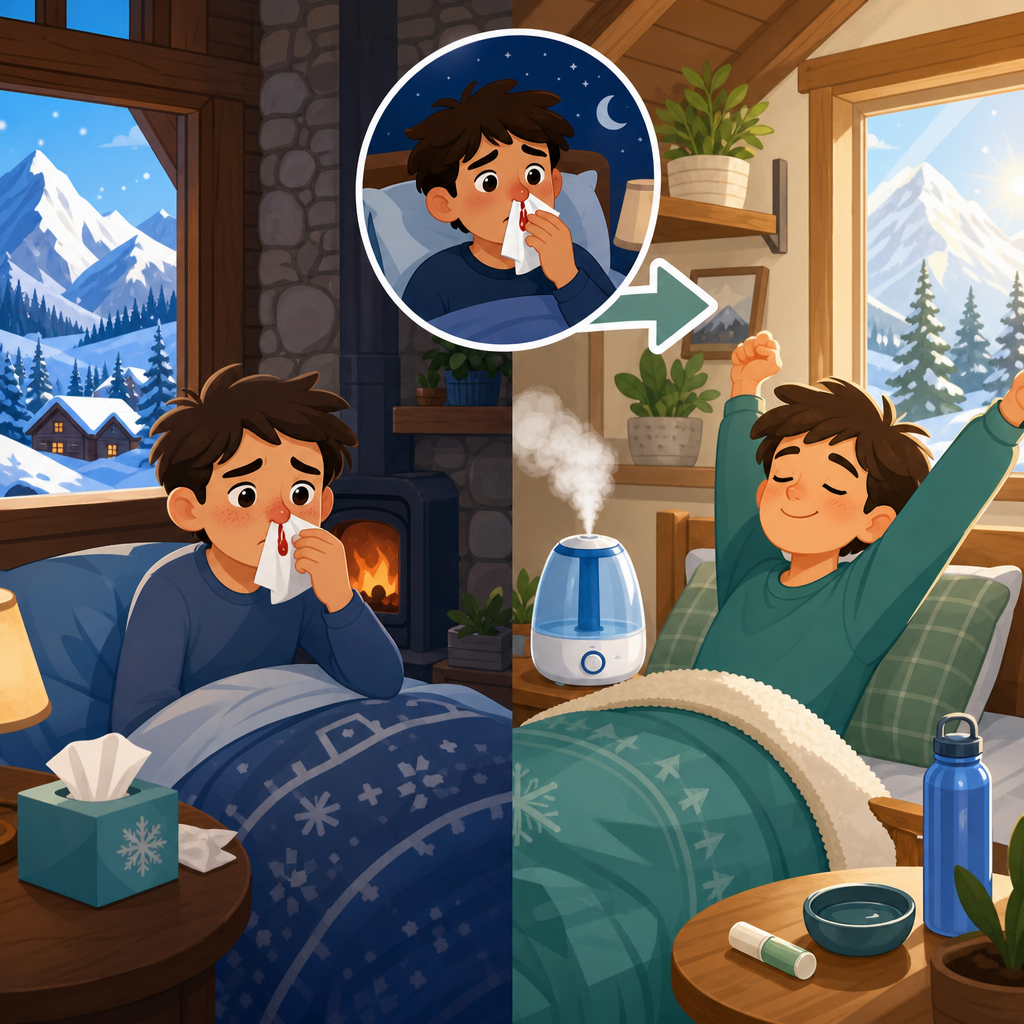
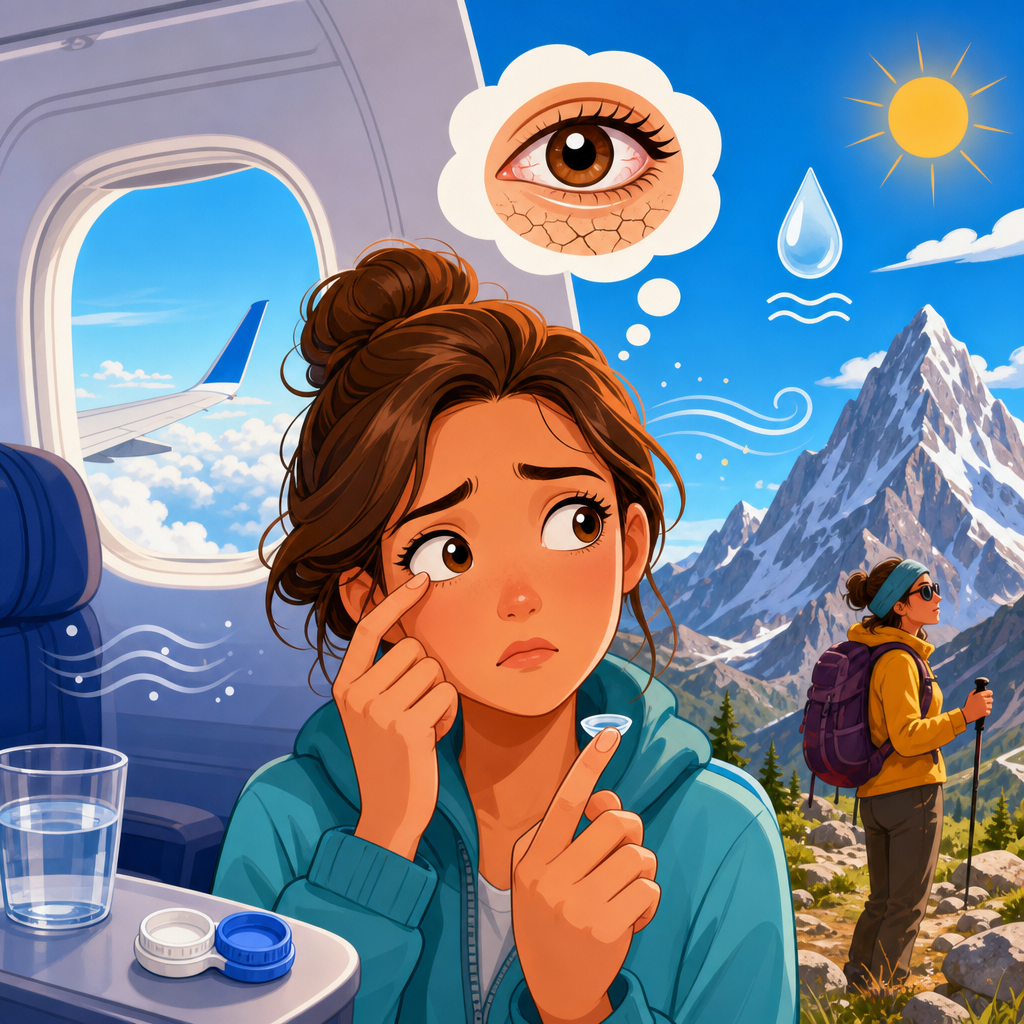
Indoor conditions can either cushion this effect or amplify it. Forced-air heating systems, wood stoves, and electric resistance heaters all lower indoor humidity unless balanced by ventilation strategy or humidification. Bedrooms with closed doors, warm supply vents, and no humidity monitoring often fall below 25 percent relative humidity at night. At that level, nasal passages dry, snoring worsens, and sleep feels lighter. Contact lens wearers often notice gritty eyes before they notice hydration loss. Children may wake coughing. Adults describe “mountain fatigue” when the bedroom setup is doing much of the damage.
Here is a practical comparison of common comfort drivers in mountain environments and what they usually cause:
| Comfort factor | What changes in the mountains | Typical symptoms | Most useful fix |
|---|---|---|---|
| Altitude | Lower barometric pressure reduces oxygen delivery | Fatigue, shortness of breath, headache, poor exercise tolerance | Gradual ascent, lighter activity, extra fluids, time to acclimate |
| Indoor humidity | Heating drives RH down, especially in bedrooms | Dry nose, sore throat, itchy skin, restless sleep | Measure RH, add controlled humidification, reduce overheating |
| Sun exposure | Higher UV intensity at elevation | Dehydration, eye strain, sunburn, fatigue | Sunscreen, sunglasses, shade, hydration planning |
| Sleep disruption | More awakenings and periodic breathing after ascent | Morning grogginess, brain fog, low stamina | Early bedtime, limit alcohol, cool dark room, acclimation time |
| Air quality | Wildfire smoke, dust, pollen, stove emissions can concentrate indoors | Chest irritation, headaches, eye burn, fatigue | HEPA filtration, sealed windows during smoke, source control |
Common comfort troubleshooting mistakes people make
The first mistake is trusting the weather summary instead of measuring the indoor environment. A hygrometer costs little and answers a question your app does not: how dry is the room where you sleep? In mountain homes, I have measured bedrooms at 18 to 22 percent relative humidity while occupants insisted the house “felt fine” except for exhaustion. Once humidity was brought into a safer comfort range and overheating reduced, sleep improved within days.
The second mistake is overexertion on day one. Visitors fly into Denver, drive higher, unpack, drink coffee, maybe drink alcohol, then hike or ski immediately. That stack of stressors can trigger fatigue, headache, and poor sleep even in healthy adults. The body needs time to increase ventilation and begin acclimatization. Sports medicine and wilderness medicine guidance consistently favors a conservative first 24 hours at elevation, especially above roughly 8,000 feet.
The third mistake is ignoring indoor pollutants. “Fresh mountain air” is not always clean air. Wildfire smoke can raise indoor PM2.5 dramatically if homes are leaky. Older cabins may have wood smoke backdrafting, dust from unsealed crawlspaces, or high pollen load from open windows. Carbon monoxide is a separate safety issue around furnaces, boilers, and fireplaces, and fatigue is one possible symptom. Every mountain home should have working carbon monoxide alarms, and combustion appliances should be inspected on schedule.
How to fix mountain-fatigue problems room by room
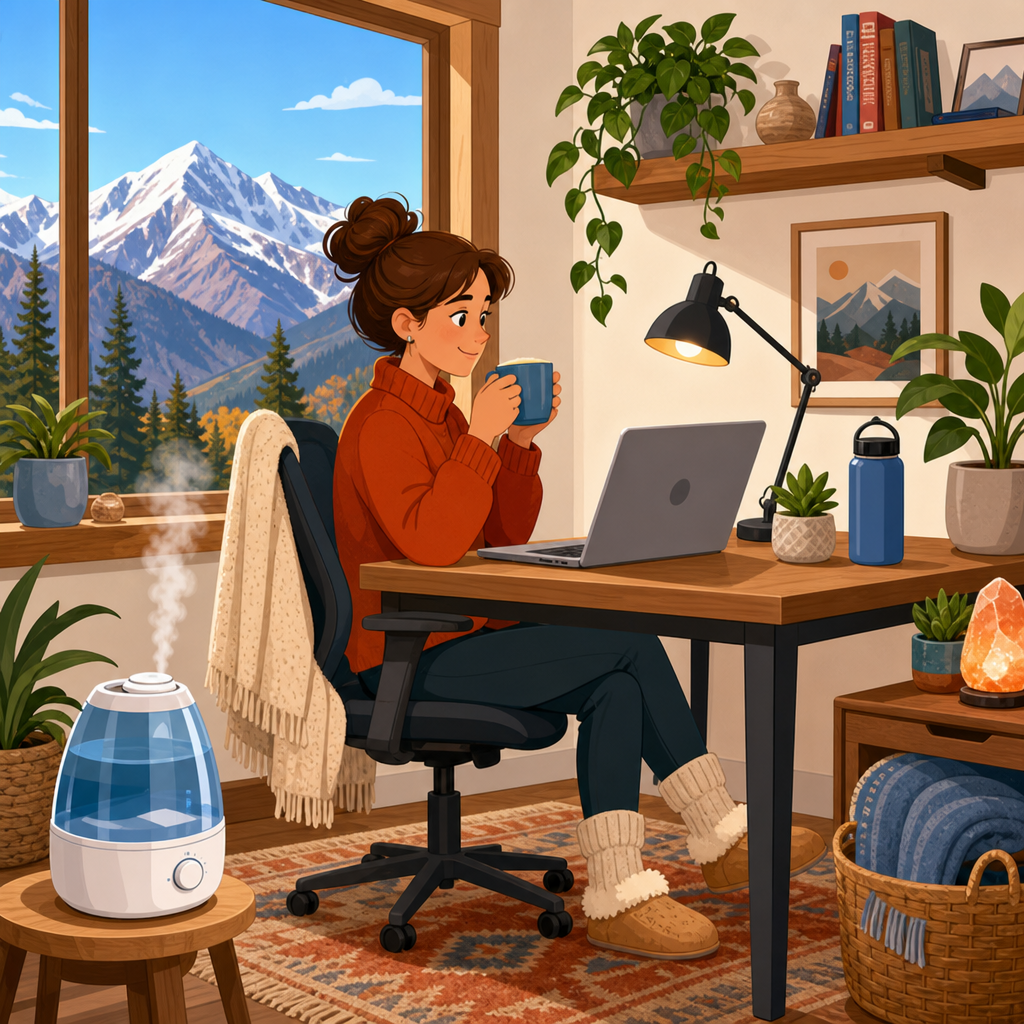
Start with the bedroom because it delivers the biggest comfort payoff. Keep the room cool, dark, and quiet, ideally around 60 to 67°F for sleep. Measure humidity for several nights. If RH is consistently under 30 percent and windows are not condensing, consider controlled humidification. Portable evaporative humidifiers are useful in single rooms, while whole-home systems are better for stable occupancy. Distilled-water ultrasonic units reduce mineral dust but still require diligent cleaning. Dirty humidifiers can aerosolize microbes, so maintenance is not optional.
Next, address airflow and filtration. If outdoor air is smoky or dusty, keep windows closed and run a HEPA air purifier sized for the room’s square footage. Use the clean air delivery rate, not marketing language, to compare units. In central systems, a well-fitted MERV 13 filter can reduce fine particles if the blower and ductwork can handle the pressure drop. If you use a wood stove, check draft, door gaskets, and ash handling habits. Small leakage events can create low-level irritation that feels like fatigue or “bad mountain air.”
Bathrooms and skin-care routines matter more at altitude than many people expect. Shorter showers, warm rather than hot water, and fragrance-free moisturizers help preserve the skin barrier. The same goes for eye comfort: lubricating drops and wraparound sunglasses outdoors can reduce the dry, strained feeling that often accompanies mountain fatigue. Comfort troubleshooting is not just about HVAC. It includes all the daily habits that affect how quickly your body loses water and how well you recover overnight.
When symptoms are normal adaptation and when they are not
Some tiredness is expected when you go higher quickly. Mild symptoms often improve after one to three days at moderate elevation, provided you hydrate, eat normally, sleep enough, and avoid very hard exertion. Shortness of breath on steep climbs, a mild headache, and earlier bedtime are common. What should not be dismissed are severe headache, repeated vomiting, confusion, trouble walking straight, worsening breathlessness at rest, or persistent chest symptoms. Those can signal altitude illness or another medical problem and require prompt evaluation.
It is also worth separating environmental fatigue from chronic sleep or health issues that become more obvious in the mountains. Obstructive sleep apnea, anemia, asthma, heart disease, thyroid problems, and viral illness can all present as unusual tiredness. At altitude, these conditions may feel worse because the body has less reserve. I have seen people blame dry air for weeks when a poorly adjusted CPAP, untreated allergies, or a furnace issue was the real culprit. If home fixes do not help, testing is the efficient next step.
For families, pay special attention to infants, older adults, and anyone with lung or cardiovascular disease. They may dehydrate faster or tolerate altitude changes less well. Pets can also show stress through lethargy and faster breathing. Keep routines simple at first: regular meals, extra water access, lighter activity, and close monitoring during the first nights. Simple observation prevents many unnecessary comfort failures from becoming bigger problems.
Building a mountain-home comfort plan that actually works
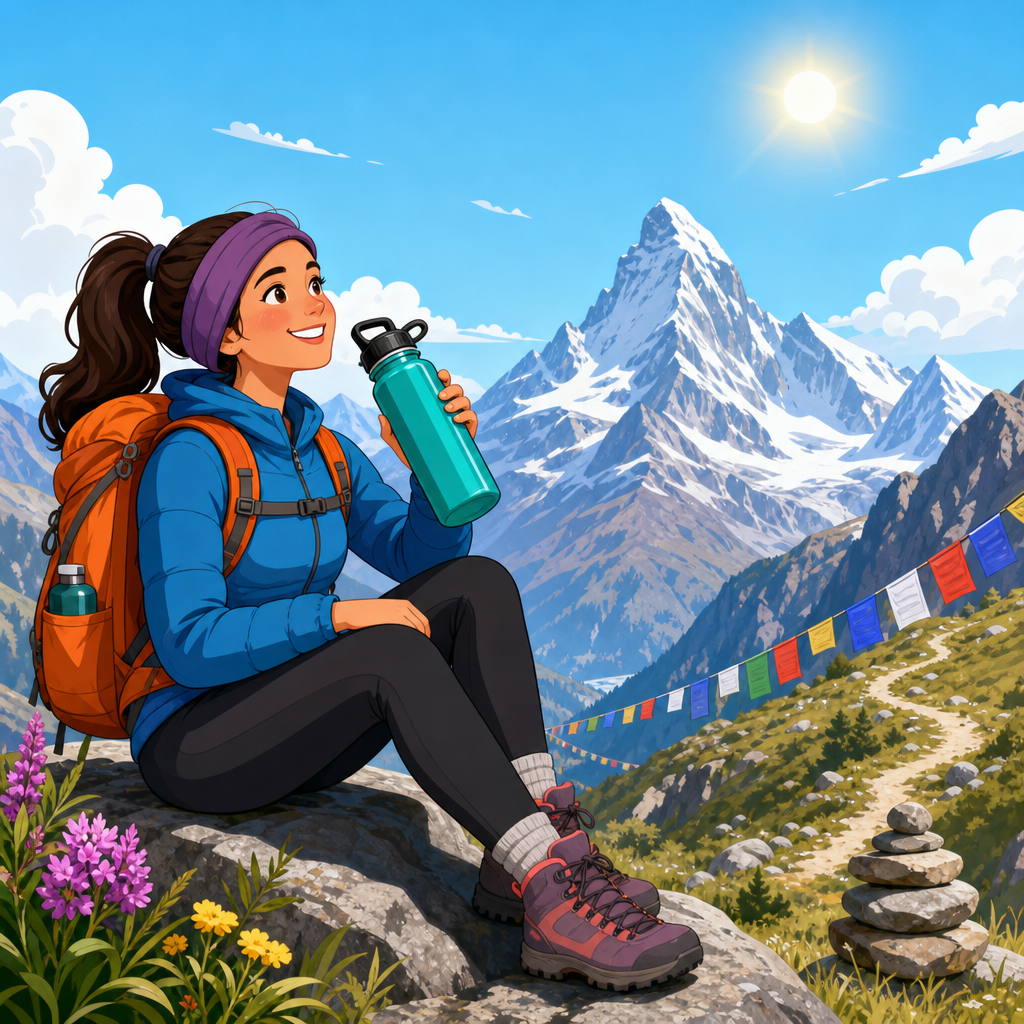
The most effective approach is to treat mountain comfort as a system, not a single gadget purchase. Measure bedroom humidity and temperature, verify carbon monoxide alarms, inspect heating equipment, and use particle filtration during smoke or dust events. Plan hydration intentionally rather than waiting for thirst, because thirst lags need in dry climates. Limit alcohol the first nights at elevation, wear UV protection even on cool days, and schedule demanding activity after you have adapted. These steps work because they reduce the cumulative load on sleep, breathing, and recovery.
As a hub for comfort troubleshooting, this topic connects directly to dry skin, irritated eyes, static shocks, poor sleep, winter heating discomfort, wildfire smoke control, humidifier safety, and room-by-room air quality checks. The same logic applies across all of them: measure the environment, identify the stressor, make one or two targeted changes, and reassess. People often feel dramatically better when they stop chasing the vague idea of “fresh air” and start managing the actual variables that shape comfort in mountain homes.
Mountain air can make you feel tired even when your weather app says perfect because comfort is not the same thing as forecast quality. Temperature and sunshine may be ideal while your body is working harder to get oxygen, losing more moisture, sleeping less deeply, and reacting to indoor heat or pollutants. Once you know that, the problem becomes solvable. You can acclimate more intelligently, tune your bedroom, control dryness, protect your eyes and skin, and clean the air you actually breathe indoors.
The key takeaways are straightforward. Altitude lowers oxygen pressure. Dry air accelerates dehydration and irritates airways, skin, and eyes. Sleep is often lighter during the first nights in the mountains. Indoor conditions, especially low humidity, overheating, smoke, dust, and poor filtration, can multiply the fatigue. Good comfort troubleshooting starts with measurement: check humidity, temperature, and air quality; inspect heating and combustion equipment; and pay attention to symptoms that persist or worsen. Small fixes, applied in the right order, usually outperform expensive guesswork.
If you want your home or travel stay to feel truly comfortable, use this page as your starting point for every mountain-related comfort problem. Review your bedroom setup tonight, check your humidity level, confirm your alarms and filters, and adjust tomorrow’s activity and hydration before symptoms build. That simple routine will do more for energy, sleep, skin, eyes, and overall comfort than any weather app summary ever can.
Frequently Asked Questions
Why do I feel tired in the mountains even when the weather app says it is perfect outside?
Because your weather app and your body are measuring two very different things. Most apps describe surface conditions such as temperature, sunshine, rain chances, and wind speed. Those factors can look ideal while your body is still working much harder behind the scenes. At higher elevations, the air contains the same percentage of oxygen as at sea level, but the air pressure is lower, which means each breath delivers less oxygen to your bloodstream. Your body responds by breathing faster, increasing heart rate, and shifting fluid balance, all of which can leave you feeling heavy, sleepy, or mentally foggy.
On top of that, mountain environments often bring very dry air, stronger sun exposure, and a higher risk of mild dehydration. Even if you are not sweating much, you lose moisture through breathing more quickly and through the dry atmosphere. That can contribute to fatigue, headaches, and a general drained feeling. For many people, the first day or two in a ski town, mountain cabin, or high desert city feels surprisingly tiring not because the weather is bad, but because the body is adapting to altitude and dryness that the app does not summarize in a simple “perfect” label.
Is the problem actually altitude, and how high does it take to notice the effects?
Yes, altitude is usually the main reason. Many people begin to notice changes somewhere around 5,000 to 8,000 feet, though sensitivity varies widely. Some people feel almost nothing, while others notice shortness of breath, lower stamina, poor sleep, headaches, or unusual tiredness even at moderate elevation. If you normally live near sea level, your body has not yet made the adjustments needed to function as efficiently with lower oxygen pressure. That mismatch is often what creates the “why am I so exhausted?” feeling in otherwise beautiful weather.
The effects can show up in subtle ways before they become dramatic. You may get winded on stairs, feel sleepy in the afternoon, or find that a casual walk feels more demanding than expected. At higher elevations, symptoms may be stronger, especially if you arrive quickly, exercise hard, drink alcohol, or do not hydrate well. So while altitude is not the only factor, it is often the foundation of the problem. A weather app may say sunny and 68 degrees, but it does not tell you that your lungs and circulation are doing extra work all day.
Can dry mountain air and stronger sun really make fatigue worse?
Absolutely. Dry air is one of the most overlooked reasons people feel worn out in mountain climates. In many high-elevation or high-desert places, the humidity is far lower than what visitors are used to. That means you lose water more quickly through your breath and skin, often without noticing. You may not feel sweaty, so you assume you are fine, but mild dehydration can show up as sluggishness, headache, dizziness, irritability, or brain fog. When this happens alongside altitude, the tired feeling can become much more noticeable.
Stronger sun adds another layer. At higher elevations, the atmosphere filters less ultraviolet radiation, so sun exposure can be more intense even on cool, pleasant days. You may become overheated or mildly sun-stressed without realizing it, especially during skiing, hiking, or sitting outside for long periods. That extra environmental stress can leave you feeling depleted later in the day. In other words, mountain weather can look gentle on a forecast while still placing meaningful demands on hydration, recovery, and energy levels.
Why do I sometimes sleep poorly at altitude and wake up more tired than usual?
Sleep disruption is very common at elevation, especially in the first few nights. One reason is that your breathing can become less stable when oxygen pressure is lower. Some people experience lighter sleep, more nighttime wake-ups, vivid dreams, or periods of restless breathing. Even if you stay in bed long enough, the quality of sleep may be worse than normal, so you wake up feeling unrefreshed. This can create a frustrating cycle where the mountain scenery is amazing, the weather is calm and sunny, yet your energy keeps dropping.
Other factors can make this worse. Dry air may lead to a dry nose, mouth breathing, or throat irritation. Alcohol, which many people enjoy on vacation, can further worsen dehydration and sleep quality. Increased activity from skiing, hiking, or travel fatigue can also stack on top of altitude-related sleep changes. The result is that your body spends the night trying to adapt instead of fully recovering. For many visitors, this improves after a couple of days, but until then, poor sleep is a major reason “perfect” mountain weather can still leave you exhausted.
What can I do to feel better and avoid that tired, foggy mountain feeling?
The most effective approach is to give your body time and support while it adjusts. Hydrate early and consistently, not just once you feel thirsty. Eat regular meals, and include carbohydrates, since your body often handles altitude better with adequate fuel. Take it easy the first day if possible, even if the weather is beautiful and you are tempted to jump straight into strenuous activity. Avoid overexertion, especially if you have just arrived from a much lower elevation. Many people also benefit from limiting alcohol during the first day or two because it can worsen dehydration, sleep problems, and fatigue.
It also helps to protect yourself from the environmental side of mountain exposure. Use sunscreen, wear sunglasses, and consider a humidifier at night if the air is very dry. Prioritize sleep and expect that your pace may be slower than normal at first. If you are traveling to a very high elevation or you know you are sensitive to altitude, talk with a healthcare professional before your trip about preventive strategies. And if symptoms become severe, such as intense headache, vomiting, confusion, chest symptoms, or significant shortness of breath at rest, seek medical attention promptly. Mild tiredness is common, but serious altitude illness should never be ignored.