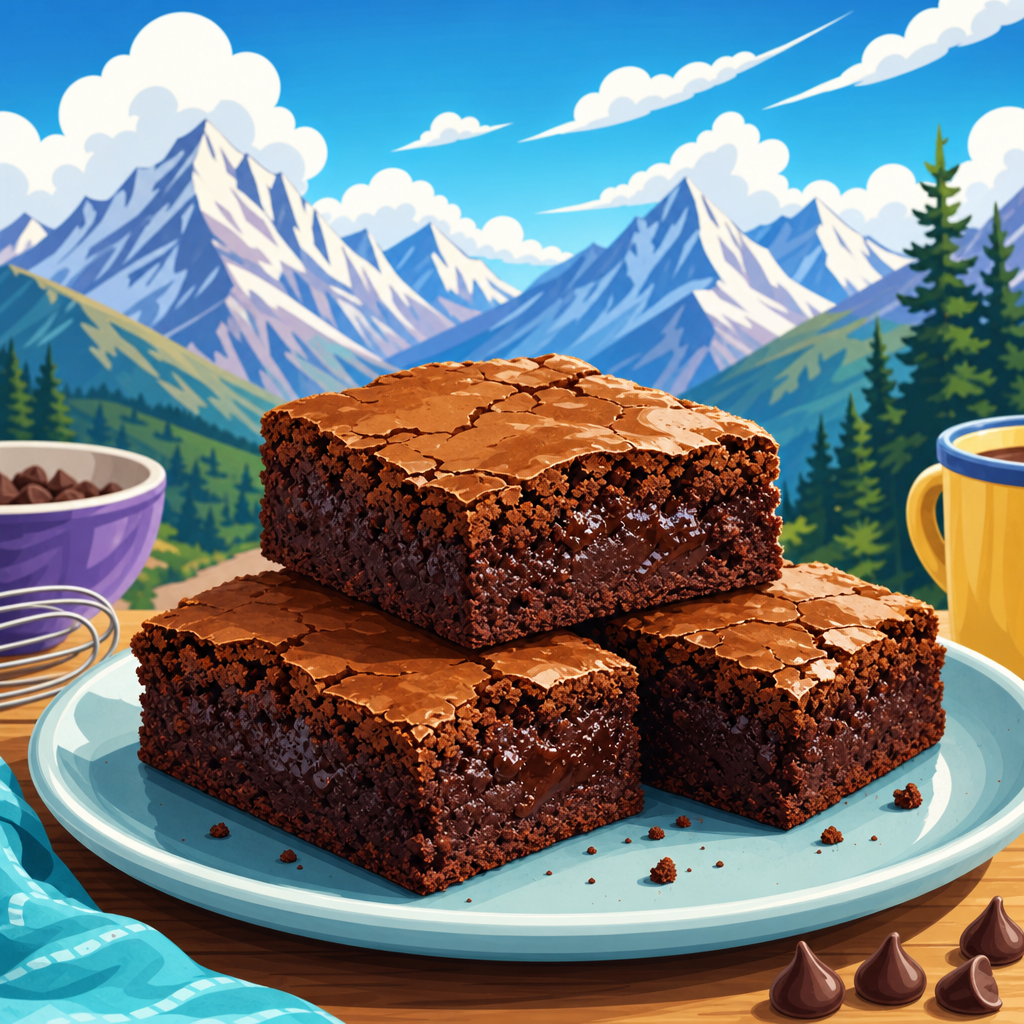
Brownies at altitude are notoriously tricky because reduced air pressure changes how quickly batter rises, how fast moisture evaporates, and how sugar, fat, eggs, and flour set in the pan. In practical terms, that means the same formula that delivers chewy edges and a dense, fudgy center at sea level can turn cakey, sunken, greasy, or dry above 3,000 feet. I have baked brownies repeatedly in mountain kitchens from roughly 5,000 to 8,500 feet, and the pattern is consistent: success comes from controlling moisture loss, moderating leavening, and baking just until the crumb is set. This guide covers brownies at altitude in depth while also serving as the main hub for altitude cookies and bars, so you can understand the core adjustments, troubleshoot common failures, and know which related recipes and techniques to explore next.
Why altitude changes brownies, cookies, and bars
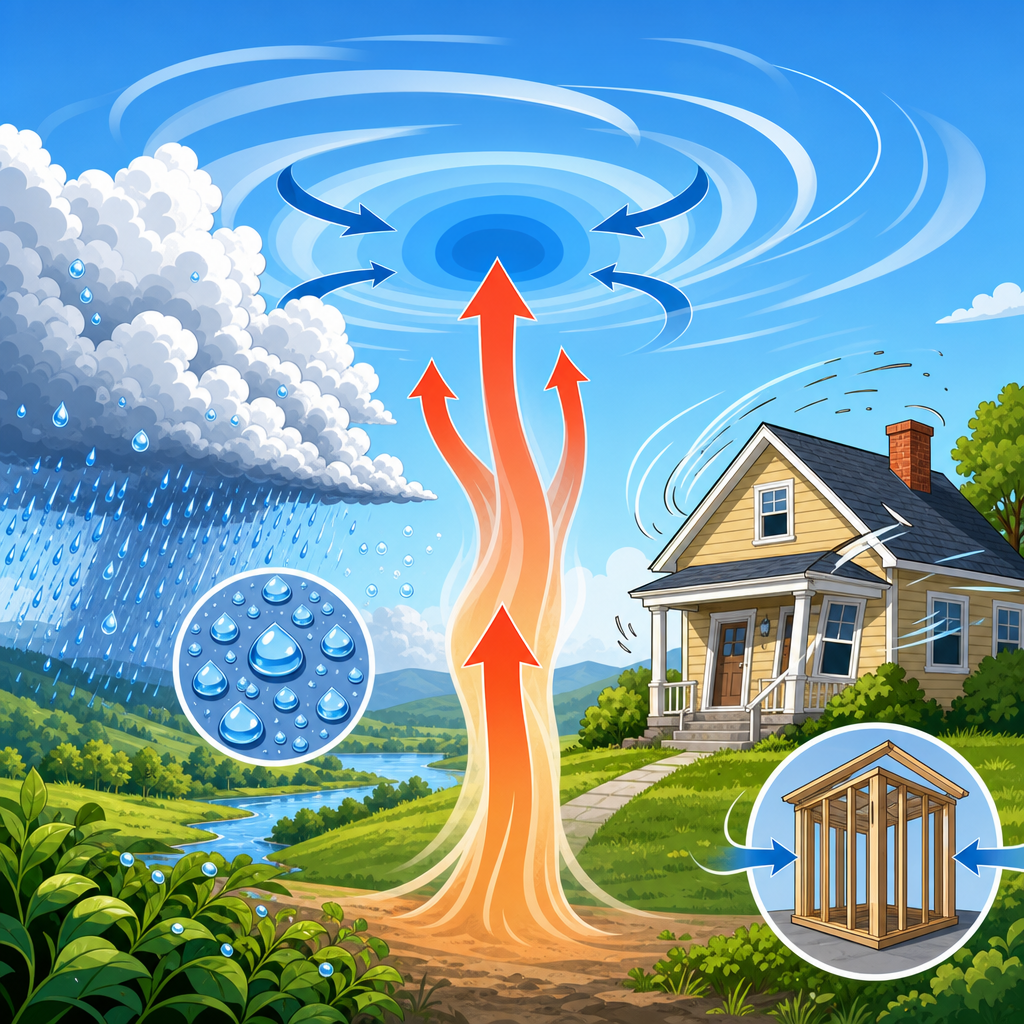
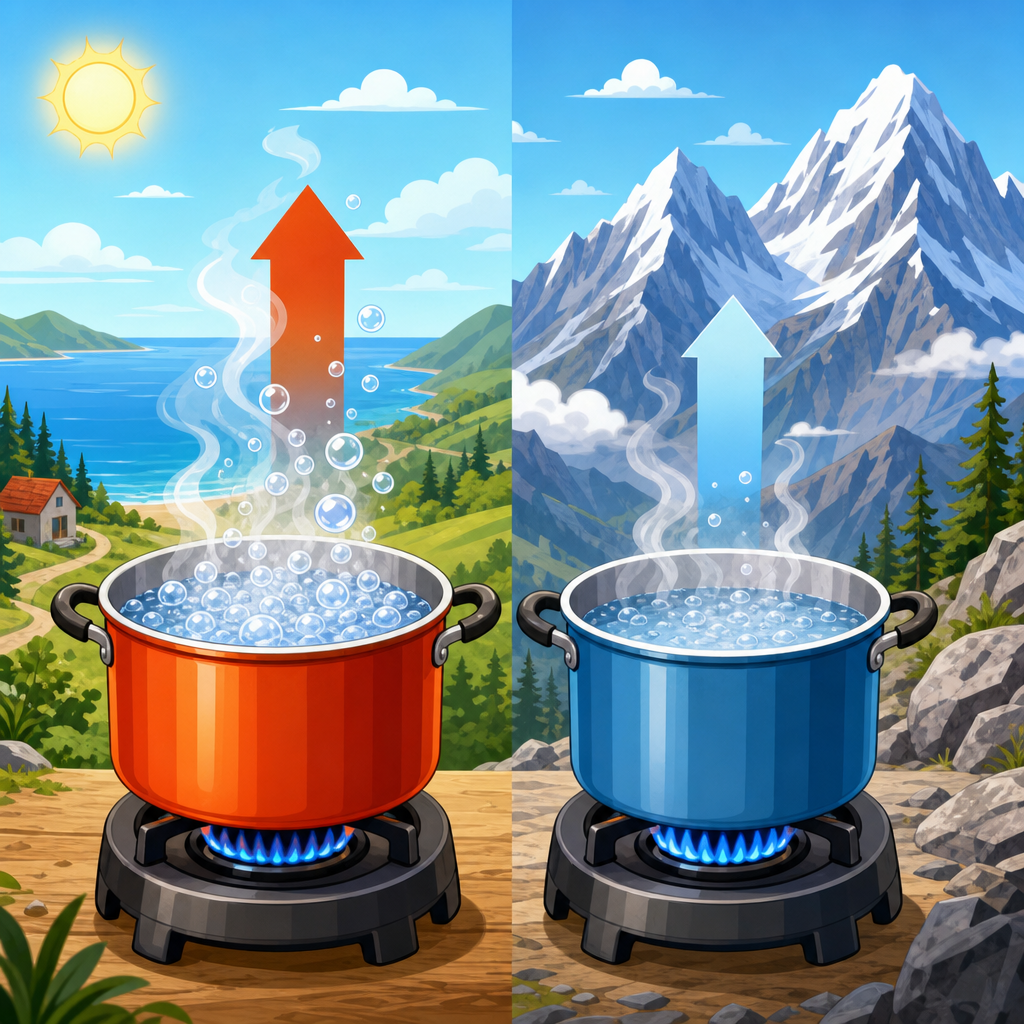
At altitude, atmospheric pressure drops as elevation increases. Lower pressure allows water to boil at a lower temperature, so liquids evaporate sooner and more aggressively in the oven. Gas bubbles also expand more easily, which affects batters containing air from beaten eggs, chemical leaveners, or creamed butter and sugar. For brownies, that creates a difficult balance. You want enough structure for clean slices and chewy corners, but not so much expansion that the center rises fast and collapses. You also want enough moisture to protect the middle from drying out before the edges finish.
These same principles shape the broader cookies and bars category. Drop cookies may spread too fast or puff and then fall. Blondies can bake up with tough edges and an underdone center. Lemon bars may weep because the custard filling sets unevenly. Shortbread can become brittle because dough loses moisture before starches fully hydrate. In every case, altitude baking is less about one magic rule and more about managing evaporation, structure, and timing.
Most bakers start noticing clear differences around 3,000 feet. At 5,000 feet, modest formula changes are usually necessary. Above 7,000 feet, nearly every brownie recipe benefits from adjustment. Standard guidance from university extension baking resources often includes increasing oven temperature slightly, reducing sugar or leavening, and adding liquid. That advice is directionally correct, but brownies deserve more nuance because the desired texture is not uniform. A crackly-top cocoa brownie, a dense dark-chocolate brownie, and a brownie with mix-ins each respond differently.
As the cookies and bars hub for altitude baking, this page focuses on the mechanisms that matter most across recipes: pan geometry, sugar concentration, egg protein, flour quantity, fat choice, and bake endpoint. Once you understand those, you can adapt nearly any bar cookie with confidence.
The core formula for chewy edges and a moist center
If your goal is chewy edges without a dry center, the first priority is to preserve moisture in the middle while giving the perimeter enough direct heat to caramelize and set. Brownies are usually baked in metal pans, and pan choice matters. Light-colored aluminum promotes even heating and minimizes overbrowning. Glass and dark nonstick pans absorb and retain more heat, often overbaking edges before the center is done, especially at altitude where moisture loss is already accelerated.
The ideal altitude brownie formula usually includes a slightly higher proportion of egg, a controlled amount of flour, and either melted chocolate or cocoa plus enough fat to limit starch toughness. Eggs are particularly important because their proteins provide structure that supports the center without relying on excess flour. Too much flour creates a dry, cakier crumb; too little leaves a greasy, fragile center. In my testing, the most reliable move for a sea-level recipe at 5,000 to 7,000 feet is adding one extra yolk or one to two tablespoons of liquid, then reducing baking powder if present.
Sugar deserves special attention. Brownies need sugar for gloss, chew, and the classic shiny crust, but high sugar formulas can intensify moisture loss at altitude because dissolved sugar delays setting while the batter continues to dry. That is why some mountain bakers reduce sugar by one to three tablespoons per cup. The reduction should be modest. Cut too much, and you lose the crackly top and supple texture that distinguish brownies from chocolate cake.
Fat type also matters. Butter contributes water and milk solids that deepen flavor and support a wrinkled top when used with properly dissolved sugar. Oil keeps crumb soft longer because it stays liquid at room temperature. For altitude brownies, combinations often work best: butter for flavor and edge chew, oil for center softness. If a recipe already has abundant butter and chocolate, I usually change moisture and bake time before replacing fat.
How to adjust brownie recipes by elevation
The simplest workable framework is to adjust more aggressively as elevation rises. Between 3,000 and 5,000 feet, many brownie recipes need only a 15 to 25 degree Fahrenheit oven increase or a slight liquid boost. Between 5,000 and 7,000 feet, reduced leavening, a little more egg or liquid, and careful pan sizing become more important. Above 7,000 feet, underbaking by instinct often backfires because the center may appear glossy from melted sugar and fat rather than true underdoneness; you need a precise doneness test.
For brownies specifically, start with these practical changes: increase oven temperature by 15 to 25 degrees Fahrenheit, reduce baking powder by 25 to 50 percent if the recipe contains it, and add one to two tablespoons of liquid per pan or one extra yolk for a standard 8-inch or 9-inch batch. If the formula is very sweet, reduce sugar by one to three tablespoons per cup. If the batter is thin, add one to two tablespoons of flour. Make only one or two changes at a time if you are dialing in a favorite recipe, because altitude interacts with pan material, oven calibration, and ingredient brand.
Brownies without chemical leavening are often easier to adapt than brownie recipes that use baking powder. Fudgy formulas rely mostly on eggs and steam for lift, which keeps expansion under control. Cakey brownies can still work at altitude, but they are more prone to doming, tunneling, and collapse because they depend on a stronger rise. If your family favorite contains both baking powder and vigorous egg whipping, expect to scale back one or both.
| Elevation | Oven change | Liquid or egg change | Leavening change | Sugar/flour guidance |
|---|---|---|---|---|
| 3,000 to 5,000 ft | Increase 15°F | Add 1 tbsp liquid | Reduce baking powder 25% | Usually no flour change; trim sugar slightly only if edges dry fast |
| 5,000 to 7,000 ft | Increase 20°F | Add 1 extra yolk or 2 tbsp liquid | Reduce baking powder 25% to 50% | Reduce sugar 1 to 2 tbsp per cup if formula is very sweet |
| 7,000+ ft | Increase 25°F | Add 2 tbsp liquid and consider extra yolk | Reduce baking powder up to 50% | Add 1 to 2 tbsp flour if batter seems loose |
Ingredient decisions that matter most
Cocoa brownies and melted-chocolate brownies behave differently at altitude. Cocoa absorbs moisture and can make the crumb seem drier if the formula is not balanced with enough sugar and fat. Melted chocolate contributes cocoa butter and solids, usually producing a denser center. If you want the safest route to moist brownies in a dry mountain climate, a melted-chocolate base or a hybrid cocoa-and-chocolate formula is generally more forgiving than all-cocoa formulas.
Flour choice is another overlooked variable. All-purpose flour with moderate protein, around 10 to 11.5 percent, is the standard sweet spot. Higher-protein flour can make brownies tough because gluten strengthens as moisture falls. Weighing flour is strongly recommended; a packed cup can add enough extra flour to turn a good high-altitude brownie into a dry one. A digital scale from brands like Escali or OXO improves consistency more than most specialty ingredients.
Egg handling affects texture too. Beating whole eggs and sugar until thick can create a beautiful crust, but overaeration at altitude can exaggerate rise and collapse. Mix until cohesive and slightly lightened rather than ribboning for several minutes unless the recipe specifically relies on that method. Extra yolk is often superior to extra white because yolk adds emulsifiers and fat, boosting chew without making the brownie rubbery.
Mix-ins need restraint. Nuts, chocolate chunks, toffee bits, and dried fruit all disrupt heat flow through the batter. An overloaded pan can leave the center underbaked while the borders dry. For an 8-inch square pan, about 3/4 to 1 cup total mix-ins is usually enough. More than that often pushes bake time too far at altitude.
Technique: mixing, pans, and bake endpoint
Good altitude brownie technique starts before the oven. Preheat thoroughly, use an oven thermometer, and line the pan with parchment so you can remove brownies as soon as they are set. Many home ovens run 15 to 25 degrees off, which is a major problem when your adaptation already depends on a deliberate temperature increase. ThermoWorks and Taylor make dependable oven thermometers that expose this quickly.
Pan depth changes outcomes. A thicker layer of batter protects the center; a thin layer dries out. If a recipe is written for a 9-by-13-inch pan and you halve it into a large square pan without adjusting timing, you may get dry edges and no fudgy center at all. For chewy edges and a moist middle, an 8-inch square pan is ideal for many home batches because the center stays insulated while the sides still develop concentration and chew.
Do not judge doneness by a completely clean toothpick. For fudgy brownies, that signal often means overbaked, especially at altitude. Instead, look for three signs: the edges are visibly set and slightly pulled from the pan, the top is dry and glossy rather than wet, and a tester inserted near the center comes out with moist crumbs, not raw batter. Instant-read thermometers can help: many brownies are done around 180 to 195 degrees Fahrenheit in the center depending on formula. Lower than that can be loose; much above that often trends dry.
Cooling is part of baking. Residual heat continues setting the center after the pan leaves the oven. If you cut too early, the crumb seems underdone even when the bake was correct. Cool in the pan for at least 30 minutes, then lift out with parchment and finish cooling on a rack. For the cleanest slices, chill briefly before cutting with a warm knife.
Troubleshooting common altitude brownie failures
If brownies sink in the middle, the most likely causes are too much leavening, too much trapped air from mixing, or underbaking masked by a dark top. Reduce baking powder, mix less aggressively, and verify doneness in the center. If the edges are hard while the middle is acceptable, the pan is probably too dark, too large, or in the oven too long. Switch to light aluminum and shorten the bake by checking earlier.
If the whole pan is dry, look first at flour measurement and bake temperature. Scooped flour can overshoot by 15 percent or more. An oven running hot compounds the problem. If brownies are greasy or separate into an oily layer, the sugar may not have dissolved enough, the batter may be underemulsified, or the formula may need slightly more flour or egg at altitude. Melting butter fully and whisking it with sugar before adding eggs often improves texture.
Lack of a shiny crust usually comes from method rather than altitude alone. Dissolving sugar into warm butter, or beating eggs and sugar enough to form a thin meringue-like top layer, helps create the characteristic surface. Chocolate brand also matters because cocoa butter percentage and particle size affect emulsion and gloss. Ghirardelli, Guittard, and Callebaut generally perform predictably in brownies.
When the center stays raw long after the edges are done, the recipe may simply be too wet for your pan and elevation. Increase oven temperature slightly, reduce sugar modestly, or add a tablespoon or two of flour. Covering with foil late in baking can protect the top, but it is a rescue tactic, not the ideal fix.
The wider cookies and bars hub: what to bake next at altitude
Brownies are only one part of successful altitude baking for cookies and bars. The same principles guide blondies, cookie bars, shortbread bars, fruit bars, crumb bars, and custard-based squares. Blondies usually need the same moisture protection as brownies, but because they lack cocoa solids, sweetness and butter flavor are more exposed. Slight sugar reductions are especially noticeable, so compensate carefully with vanilla, brown sugar, or toasted butter notes.
For bar cookies with fruit fillings, such as raspberry crumble bars, altitude often affects the topping and filling differently. The crust can overbrown while the fruit remains loose because boiling point is lower and moisture escapes unevenly. Pre-cooking the filling with starch, then baking the assembled bars until the crumb topping is set, gives better structure. Lemon bars benefit from a fully baked short crust and a filling mixed gently to avoid foam, which can create a fragile, cracked top.
Drop cookies introduce a different challenge: spread control. At altitude, cookies can spread fast if butter melts before the dough sets, or they can puff and then fall if too much air or leavening is present. Chilling dough, reducing baking soda slightly when a recipe is heavily leavened, and increasing flour by a spoonful or two are common fixes. For thick bakery-style cookies, strong gluten control and cold dough matter more than simply adding flour.
If you are building your altitude cookies and bars repertoire, prioritize a few anchor recipes: a fudgy brownie, a classic blondie, a chocolate chip cookie, a shortbread bar, and a fruit crumble bar. Mastering those gives you a working understanding of evaporation, sugar behavior, and pan heat across the entire category. From there, adaptation becomes systematic rather than frustrating guesswork.
Brownies at altitude stop being unpredictable once you treat them as a moisture-and-structure problem instead of a mystery. Lower air pressure speeds evaporation, encourages early expansion, and raises the risk of overbaked edges and a dry center, but those effects are manageable. Use a light metal pan, increase oven temperature modestly, reduce leavening when present, and protect the center with a little more yolk or liquid rather than excess flour. Measure flour by weight, avoid overaerating the batter, and pull the pan when the middle shows moist crumbs, not a clean tester. Those steps consistently produce chewy edges and a dense, soft interior.
As the hub for altitude cookies and bars, this guide also gives you the framework to improve blondies, cookie bars, shortbread, fruit bars, and other pan-baked sweets. The central lesson is simple: every successful mountain bake balances heat, moisture retention, and structure. Once you learn how your elevation, oven, and pans behave, favorite sea-level recipes become adaptable instead of off-limits. Start with one brownie recipe, change only a few variables at a time, keep notes, and build your own reliable altitude playbook. Your next batch can have the crisp edges you want without sacrificing the center.
Frequently Asked Questions
Why do brownies behave so differently at altitude?
Brownies change dramatically at altitude because lower air pressure affects nearly every stage of baking. Batter rises faster, moisture evaporates more quickly, and the structure of the brownies sets differently than it does at sea level. That is why a recipe that produces chewy edges and a rich, fudgy center in a coastal kitchen can turn dry, sunken, oily, or unexpectedly cakey in a mountain kitchen. Above about 3,000 feet, the balance between sugar, fat, eggs, flour, and liquid becomes much more sensitive, and even small imbalances show up in the final texture.
In practical terms, altitude tends to amplify weaknesses in a brownie formula. Too much leavening can make brownies puff quickly and then collapse. Too little moisture can leave the center dry before the edges develop that signature chew. A pan that is too large or an oven that runs too hot can make matters worse by pushing evaporation even faster. The goal is not to completely reinvent brownies for altitude, but to control rise, preserve moisture, and help the center set before the edges overbake. That usually means using slightly more liquid, being careful with flour, reducing leavening if the recipe includes it, and baking with close attention rather than relying only on sea-level times.
What is the best way to keep brownie edges chewy without drying out the center at high altitude?
The best strategy is to manage both structure and moisture at the same time. Chewy edges come from concentrated sugars, proper pan contact, and enough baking time for the perimeter to set. A soft, dense center depends on retaining moisture and preventing overbaking. At altitude, that balance gets harder because the outer portions lose moisture quickly while the center can either stay underdone or suddenly go dry. To correct for that, many bakers do well with a modest increase in liquid, a slight reduction in flour, or both, depending on the original formula. The idea is to support a fudgy middle without making the brownies loose or greasy.
Technique matters just as much as ingredients. Use the pan size called for so the batter depth stays correct. Line the pan for easy removal, but still allow enough direct heat transfer for the sides to develop good chew. Bake just until the edges are set and the center shows moist crumbs rather than wet batter. A toothpick should not come out clean if you want a fudgy result. Let the brownies cool fully in the pan before cutting, because carryover heat finishes the center and the texture becomes denser as they rest. In mountain kitchens especially, brownies often look slightly underdone when they are actually at the ideal stopping point.
Should I change the ingredients in a brownie recipe for baking between 5,000 and 8,500 feet?
Usually, yes, but the adjustments should be controlled rather than dramatic. Brownie recipes are more forgiving than delicate cakes, but altitude still changes how ingredients behave. If the recipe contains baking powder or baking soda, it often helps to reduce it slightly so the batter does not rise too fast and then fall. If your brownies tend to come out dry, adding a small amount of extra liquid can make a major difference. This might come from water, coffee, or another liquid already present in the recipe. If they become too cakey, a slight reduction in flour may help preserve a denser crumb.
It is also important to think about sugar and eggs. Sugar attracts and holds moisture, but at altitude it can also weaken structure if the batter does not have enough support. Eggs help brownies set, contribute richness, and improve texture, so recipes that are low in egg relative to fat and sugar may struggle more in mountain baking. The best approach is to make one adjustment at a time and keep notes. If a batch sinks in the middle, reduce leavening or increase baking temperature slightly. If it dries out, increase liquid or shorten the bake. If it turns cakey, check whether you added too much flour or beat too much air into the batter. Small corrections are usually more effective than sweeping changes.
Does oven temperature need to change when baking brownies at altitude?
In many cases, yes. A slightly higher oven temperature can help brownies set their structure sooner, which is useful at altitude where batters tend to rise fast and moisture escapes quickly. Setting the structure a little earlier can reduce the risk of collapse and help the center finish before the edges become overly dry. That said, brownies are rich in sugar and fat, so raising the temperature too much can backfire by hardening the edges or overbaking the top before the middle is ready. The adjustment should be modest, not aggressive.
The more important point is that brownies should be judged by visual and tactile cues, not just by the clock. Ovens vary widely, and high-altitude ovens can expose weaknesses in timing faster than at sea level. Look for edges that appear set and slightly pulled from the pan, a top that has formed its characteristic sheen or crackle if the recipe supports one, and a center that no longer looks fluid. When tested, the middle should yield moist crumbs. If you wait for a completely clean tester, especially at 5,000 to 8,500 feet, you will often overshoot the ideal texture and lose the dense center you wanted. A good thermometer and careful observation are more reliable than baking time alone.
What are the most common mistakes that cause dry, cakey, or sunken brownies at altitude?
The most common mistake is treating a sea-level brownie recipe as if it will behave identically in a mountain kitchen. At altitude, reduced air pressure magnifies issues that might go unnoticed elsewhere. Too much flour can quickly push brownies from fudgy to cakey. Too much leavening can create rapid expansion followed by collapse, leading to a sunken center or a coarse, airy texture. Overbaking is another major problem because moisture leaves the batter faster at altitude, and the line between perfectly set and dried out can be surprisingly narrow.
Other frequent mistakes include using the wrong pan size, overmixing, and ignoring cooling time. A larger pan spreads the batter thin, which means the center dries before it can stay dense. Overmixing incorporates extra air and can make brownies lighter and more cake-like than intended. Cutting too soon after baking can make the center seem underdone, when in reality it simply has not had time to finish setting. Another overlooked issue is inaccurate measuring, especially with flour. At altitude, an extra spoonful or two can be enough to change the texture noticeably. For consistent results, measure carefully, make small altitude adjustments, watch the bake closely, and let the brownies cool completely before deciding whether the formula needs more changes.