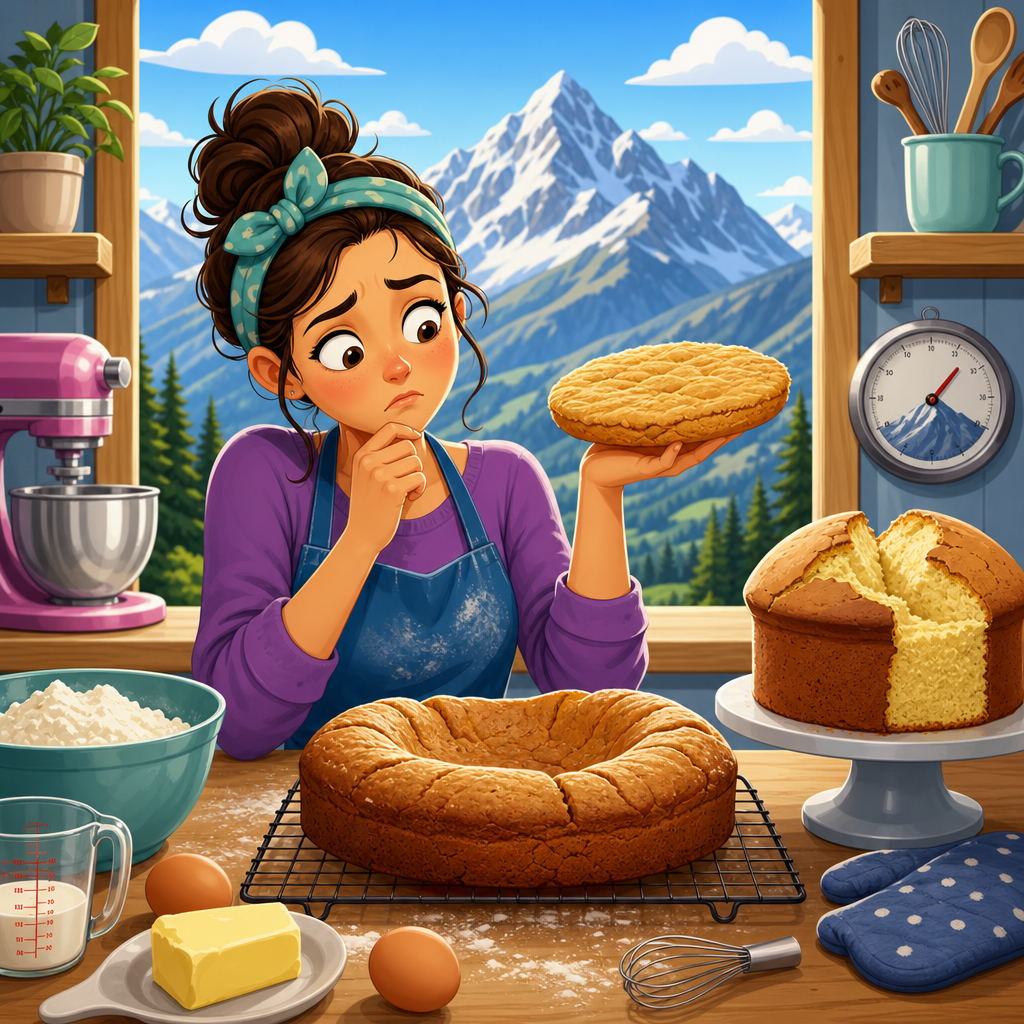
Adjusting a sea-level recipe for high altitude starts with understanding what changes above about 3,000 feet: lower air pressure, faster evaporation, quicker rise, and a shorter window between perfectly baked and collapsed. In practical terms, the same cake, cookie, muffin, or quick bread formula that works effortlessly at sea level can overexpand, dry out, or sink in Denver, Santa Fe, Flagstaff, or any mountain town. High-altitude baking is not guesswork, though. It is controlled recipe adaptation based on predictable physical changes in flour hydration, sugar concentration, leavening strength, protein setting, and oven behavior. I have tested the same batter in lowland and mountain kitchens, and the patterns are consistent. Cakes rise too fast, cookies spread differently, breads proof unpredictably, and custards lose moisture sooner. Once you know what to adjust and why, results become repeatable.
This article serves as the baking fundamentals hub for cooking and baking at altitude. A sea-level recipe is any formula developed and tested near standard atmospheric pressure, usually close to sea level. High altitude usually refers to elevations above 3,000 feet, with stronger effects as you climb past 5,000 and 7,000 feet. The core variables are leavening, liquid, flour, sugar, fat, eggs, mixing, pan size, and oven temperature. Understanding these variables matters because altitude changes chemistry and timing, not just appearance. If you adapt a recipe correctly, you preserve structure, tenderness, moisture, and flavor while preventing common failures such as tunneling, peaked centers, gummy crumbs, sunken cakes, bitter over-leavened notes, and dry textures. This guide explains the principles, gives practical starting adjustments, and creates a foundation you can use before moving into more specific articles on cakes, cookies, yeast breads, pies, and pastries.
Why baking changes at altitude
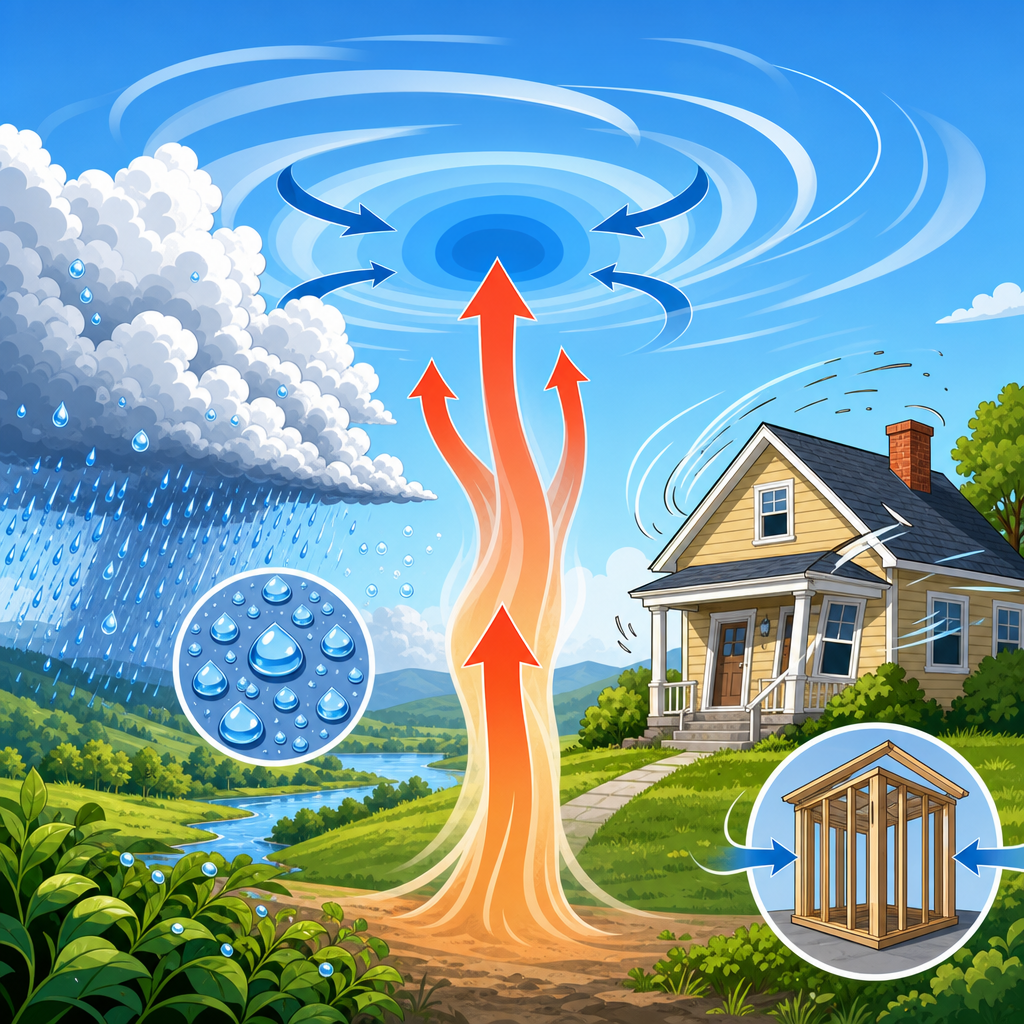
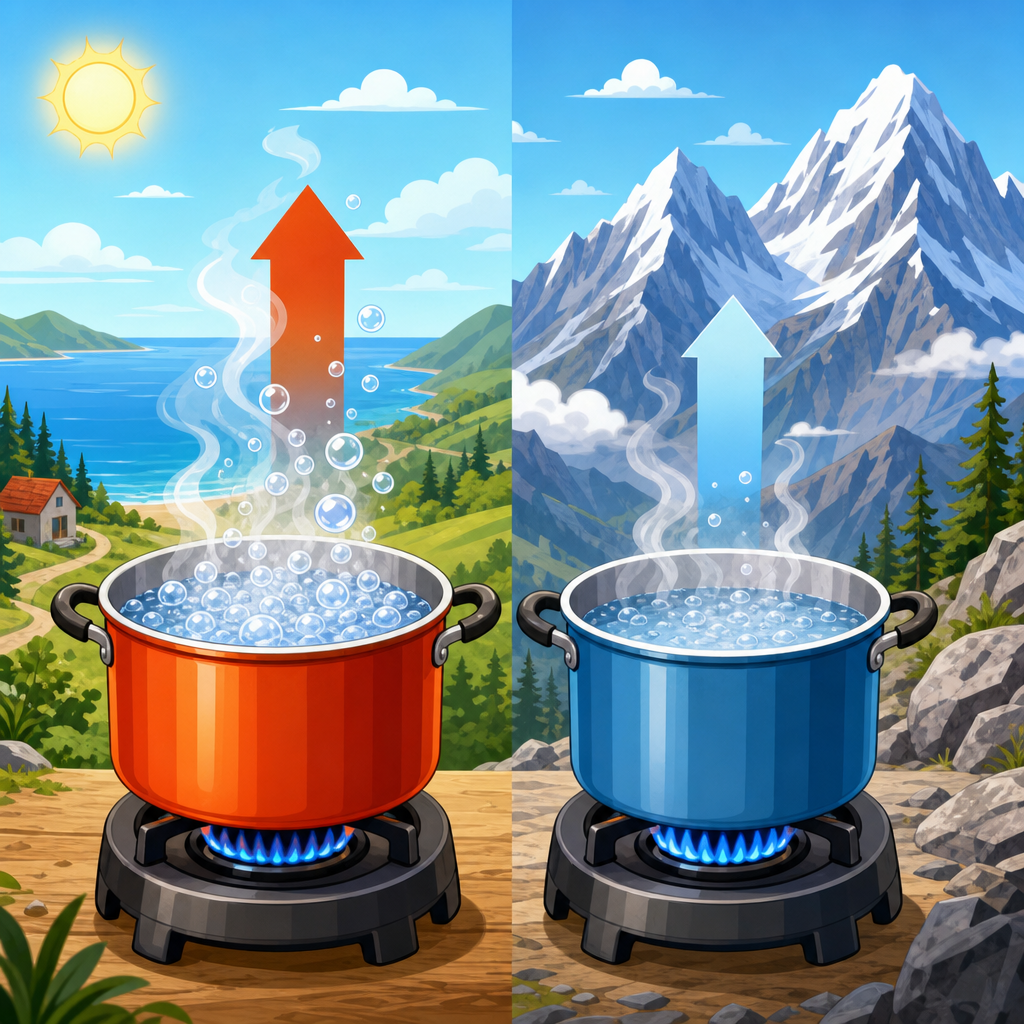
The simplest explanation is pressure. At higher elevations, atmospheric pressure is lower, so gases in batter and dough expand more readily. That means air bubbles whipped into egg foam, steam generated from liquid, and carbon dioxide released by baking powder, baking soda, or yeast all push harder against structure. Batters often rise faster before starches gelatinize and proteins coagulate strongly enough to hold them. The result is familiar: a cake climbs beautifully, then falls as the weakened framework collapses. At the same time, water boils at a lower temperature, so moisture evaporates faster and sugar becomes more concentrated earlier in baking. This can destabilize foams, weaken cell walls, and toughen or dry the final product if not compensated for.
Different baked goods react differently because each depends on structure in a different way. Butter cakes rely on creamed fat and sugar plus chemical leavening. Sponge cakes depend on egg foam. Muffins and quick breads need a balance between expansion and batter viscosity. Cookies are lower-moisture systems where sugar, fat, and flour ratios dominate spread and texture. Yeast doughs ferment more rapidly and can overproof easily because gas expansion accelerates. Custards and cheesecakes lose moisture more quickly and may crack. In every case, altitude amplifies weakness in formulation. A recipe with excessive sugar, low protein, aggressive leavening, or too much air from overmixing may still pass at sea level but fail in a mountain kitchen. That is why disciplined adjustments work better than random extra flour.
The core adjustments to make first
When adapting a sea-level recipe for high altitude, start with four moves: slightly increase oven temperature, slightly reduce leavening, add a little more liquid, and sometimes reduce sugar. These are the standard first-line corrections because they address the most common altitude effects. A higher oven temperature helps set structure sooner, before overexpansion leads to collapse. Less leavening slows the rise and reduces coarse, fragile air cells. More liquid offsets faster evaporation. Less sugar strengthens structure because sugar delays starch gelatinization and protein setting while also increasing tenderness and spread. In mountain baking, too much sugar is often the hidden cause of weak cakes and flat cookies.
My working method is to adjust in small increments, then keep written notes. For cakes and muffins at 3,000 to 5,000 feet, I often raise the oven temperature by 15 to 25 degrees Fahrenheit, reduce baking powder or soda by about 1/8 teaspoon per teaspoon, add 1 to 2 tablespoons liquid per cup, and reduce sugar by 1 to 2 tablespoons per cup if the formula is already sweet. Above 5,000 feet, the changes usually need to be more assertive. For delicate foam cakes, I may also add an extra egg white or slightly more flour for support. For cookies, I usually start with a small flour increase or sugar reduction before touching oven temperature too much, because spread, not collapse, is usually the issue.
| Variable | 3,000 to 5,000 feet | 5,000 to 7,500 feet | Common reason |
|---|---|---|---|
| Oven temperature | Increase 15 to 25 degrees F | Increase 20 to 25 degrees F | Sets structure faster |
| Baking powder or soda | Reduce about 1/8 tsp per tsp | Reduce 1/8 to 1/4 tsp per tsp | Prevents overexpansion |
| Liquid | Add 1 to 2 tbsp per cup | Add 2 to 4 tbsp per cup | Offsets evaporation |
| Sugar | Reduce 0 to 1 tbsp per cup | Reduce 1 to 2 tbsp per cup | Improves structure |
| Flour | Add 0 to 1 tbsp per cup if needed | Add 1 to 2 tbsp per cup if needed | Builds support |
These are starting points, not rigid rules. The exact adjustment depends on the type of flour, the amount of eggs, whether the batter is whipped or creamed, pan depth, and your actual elevation. A banana bread with oil, ripe fruit, and brown sugar behaves differently from a genoise or a crusty boule. The most reliable approach is to identify the recipe category first, then choose the smallest effective change. If you make several changes at once, document them so you can isolate what improved the result. In a professional test kitchen, altitude adaptation is iterative. At home, it should be too.
How altitude affects ingredients and structure
Flour is the skeleton. At altitude, that skeleton has to set sooner and hold more aggressive expansion. Higher-protein flour can help in some formulas, but simply switching all-purpose to bread flour is not a universal fix because too much protein can toughen cakes and muffins. A measured flour increase is safer. Eggs are structural insurance because their proteins coagulate and reinforce the crumb; they also add emulsifiers and moisture. In sponge cakes and angel food cakes, egg management is crucial, since overbeaten whites create large unstable bubbles that burst under high-altitude conditions. Sugar does more than sweeten. It competes for water, delays setting, tenderizes, and affects browning. That is why excess sugar often turns a mountain cake into a fallen one.
Fat coats flour and limits gluten formation, which is useful for tenderness but risky when the batter already lacks support. Liquid controls hydration, steam production, and starch swelling. Because evaporation is faster at altitude, batters can become effectively thicker on the way to doneness, then paradoxically end up drier after baking. Leaveners need special attention. Baking powder contains both acid and base and can release gas in the bowl and in the oven, depending on whether it is single or double acting. Baking soda depends on available acid. If you cut soda too far in a buttermilk or cocoa-based formula, you may alter browning and flavor as well as rise. Yeast responds both to fermentation conditions and gas expansion, so proofing times usually shorten even if ingredient amounts stay the same.
Salt, vanilla, spices, cocoa, and add-ins usually do not need altitude-specific changes, but they influence perceived balance when sugar and moisture shift. Chocolate chips can make a cookie seem thicker because they interrupt spread; nuts can absorb a little surface moisture; oats and whole grain flours pull in more water and often need extra hydration at altitude. Pan material matters too. Dark metal accelerates browning, glass heats more slowly but retains heat, and shiny aluminum gives the most predictable results. Deep pans are riskier because the center sets later while the outer structure expands early. If a sea-level cake recipe uses a tall narrow pan, switching to shallower layers often improves high-altitude performance immediately.
Recipe-specific guidance for cakes, cookies, muffins, and breads
Cakes are the category where altitude problems show up most dramatically. For butter cakes, I usually reduce chemical leavening first, then slightly increase liquid and oven temperature. If the cake still peaks sharply or collapses, I reduce sugar modestly or add a tablespoon or two of flour per cup. Mixing also matters. Overcreaming butter and sugar traps excessive air, which seems helpful but often creates a crumb too inflated to hold itself. For foam cakes such as chiffon, sponge, or angel food, stable egg foam is everything. Beat to medium peaks rather than dry peaks, fold gently, and bake promptly. At altitude, a slightly lower sugar level and an extra white can improve resilience.
Cookies behave differently because collapse is less of a concern than spread, dryness, or puff-then-fall texture. In many mountain kitchens, sea-level cookies spread too much because sugar liquefies before structure catches up, or they spread too little because flour was scooped too heavily and moisture evaporated fast. Start by weighing flour and using the original mixing method exactly. Then adjust one variable: add 1 to 2 tablespoons flour per batch, reduce sugar slightly, or chill the dough longer. Cookies with melted butter often need more control than creamed-butter cookies. Brownies usually benefit from a tiny reduction in leavening and careful baking time, since overbaked edges happen quickly at altitude while the center still appears underdone.
Muffins, quick breads, and scones need a restrained rise and enough moisture to stay tender. Excess leavening causes dramatic domes, tunnels, and crumbly interiors. Reduce baking powder slightly, avoid overmixing, and consider adding a little more milk, sour cream, or buttermilk. Fruit-based quick breads are deceptive because mashed banana, pumpkin, or zucchini contribute water, sugar, and pectin. Those batters may need less extra liquid than a plain muffin batter. Yeast breads present a different challenge. Fermentation moves faster, but flour hydration and dough temperature still govern the process. Watch the dough, not the clock. A standard first rise may finish 15 to 30 percent sooner. Overproofed dough bakes into pale, weak loaves with poor oven spring, so shorter rises and slightly more flour can be helpful.
Testing, troubleshooting, and building a reliable altitude process
The best way to adjust a sea-level recipe for high altitude is to treat every bake as a controlled test. Record elevation, humidity if known, ingredient weights, pan size, oven temperature, bake time, and the exact changes you made. Weigh flour, sugar, liquids, and even large eggs when precision matters. Use an oven thermometer because many altitude problems blamed on pressure are actually temperature errors. I regularly see home ovens run 20 degrees off, which compounds every structural issue. If a cake rises and sinks, reduce leavening or sugar and raise oven temperature slightly. If it is dry, add liquid, shorten bake time, or use a shallower pan. If cookies spread too much, chill dough, increase flour modestly, or reduce sugar.
Some signs point clearly to specific causes. A coarse crumb with long tunnels usually means too much leavening or overmixing. A gummy streak near the center can mean underbaking, excess sugar, or a batter too wet for the pan depth. A tough muffin often indicates too much flour or overdevelopment of gluten. Bitter or soapy flavors reveal excessive baking soda. Dense yeast bread can come from overproofing as easily as underproofing, because overstretched gluten loses gas retention. Trusted references such as the USDA, university extension baking guides, and manufacturers like King Arthur Baking have long documented these patterns, and they match what bakers see in real kitchens. Consistency comes from understanding signals, not memorizing a single formula correction.
This hub gives you the baking fundamentals needed to adapt nearly any sea-level formula at altitude: understand lower pressure, expect faster evaporation, set structure earlier, tame leavening, and make measured changes based on the product you are baking. The main benefit is control. Instead of hoping a favorite family recipe survives in a mountain kitchen, you can diagnose why it fails and correct it with purpose. Start small, keep notes, and compare results side by side. Then use this foundation as your guide to the more specific articles in the Cooking & Baking at Altitude collection, where each major category goes deeper into exact methods. Choose one recipe this week, adjust it deliberately, and build your own high-altitude playbook.
Frequently Asked Questions
What changes in baking once you are above about 3,000 feet?
Above roughly 3,000 feet, the air pressure is lower, and that changes how batters and doughs behave in the oven. Gases expand more easily, so cakes, muffins, and quick breads rise faster and often higher than they do at sea level. That sounds helpful, but it usually creates instability. A batter can overexpand before its structure sets, then collapse in the center or sink as it cools. At the same time, moisture evaporates more quickly at higher elevations, which means baked goods can dry out faster and liquids can disappear from a recipe sooner than expected. Sugar also becomes more concentrated as moisture evaporates, which can weaken structure further. The result is a much smaller margin for error between perfectly baked and overrisen, dry, or fallen. That is why a sea-level recipe that works effortlessly in a coastal kitchen may need thoughtful adjustments in places like Denver, Santa Fe, or Flagstaff. High-altitude baking is really about managing rise, moisture, and structure so the recipe stays balanced under different atmospheric conditions.
How do you adjust a sea-level recipe for high altitude?
The best approach is to make controlled, incremental changes rather than rewriting the entire formula at once. In general, high-altitude adjustments focus on reducing overexpansion and preserving moisture. Start by slightly reducing the leavening, especially baking powder and sometimes baking soda, because too much lift too quickly can cause collapse. You may also need to decrease sugar a little, since excess sugar can weaken the structure of cakes and quick breads and make them more prone to sinking. Increase liquid modestly to offset faster evaporation, and in some cases add an extra egg white or use a slightly higher proportion of flour to strengthen the batter. Many bakers also raise the oven temperature slightly so the structure sets earlier, before the batter expands too far. The exact change depends on both the recipe and the elevation. A butter cake may need different adjustments than cookies or muffins, and a kitchen at 3,500 feet behaves differently from one at 7,000 feet. The most reliable method is to keep notes, change one or two variables at a time, and observe whether the product rises evenly, holds its shape, and stays moist after baking.
Do cakes, cookies, muffins, and quick breads all need the same high-altitude adjustments?
No. Different baked goods respond differently to altitude because they rely on structure, moisture, and leavening in different ways. Cakes are often the most sensitive because they depend on a delicate balance between lift and support. At high altitude, they commonly need less leavening, slightly less sugar, a bit more liquid, and sometimes a small temperature increase to help the crumb set before the cake overexpands. Muffins and quick breads can face similar issues, especially tunneling, peaked tops, coarse texture, or a sunken center. They usually benefit from moderate reductions in leavening and small increases in liquid. Cookies are different because spread is often the main issue. At altitude, cookies may spread too much, dry out too quickly, or become overly crisp. In those cases, bakers may increase flour slightly, chill the dough, reduce sugar a little, or adjust baking time and temperature. In short, there is no universal formula that fixes every sea-level recipe. The type of baked good matters, and the right adjustment depends on whether you are trying to control rise, maintain softness, prevent spreading, or strengthen structure.
How can you tell which part of the recipe needs to be changed?
The finished result usually tells you a great deal. If a cake rises dramatically and then falls, the batter likely expanded too fast and did not have enough structure to hold itself up, which points to excess leavening, too much sugar, too low an oven temperature, or not enough flour or egg support. If the texture is dry or crumbly, moisture loss is probably the problem, and the recipe may need more liquid, a shorter baking time, or a slightly lower total bake loss through pan size or oven adjustment. If muffins or quick breads have large tunnels and coarse texture, that often signals too much leavening or overmixing, both of which become more noticeable at higher elevations. If cookies spread too thin, the dough may need more flour, less sugar, cooler dough, or a shorter bake. If the product is dense instead of light, it can mean the adjustments went too far and too much leavening was removed, or the batter became too heavy from excessive flour. Reading the signs matters because high-altitude baking is not random. Each flaw usually connects to a specific imbalance in moisture, lift, sugar, structure, or temperature, and understanding that relationship makes future corrections much more accurate.
What is the most reliable way to adapt a recipe successfully without wasting multiple batches?
The smartest method is to treat recipe adjustment like a small test kitchen project. Begin with a trusted sea-level recipe and record your exact elevation, ingredients, pan size, oven setting, and bake time. Make a first round of modest changes based on the type of baked good and how high you are above sea level. For example, reduce leavening slightly, add a small amount of extra liquid, and consider increasing the oven temperature a little if the product tends to collapse before setting. Then evaluate the result carefully: look at height, shape, crumb, moisture, browning, and how well the structure holds after cooling. Avoid changing too many things at once, because that makes it hard to identify what actually helped. If the item still overexpands, reduce leavening a bit more or slightly strengthen the batter. If it is dry, increase liquid or shorten the bake. If it browns too quickly, the oven may be running hot or the pan may be too dark. Keeping detailed notes is what turns a frustrating process into a repeatable one. Once you find the right balance for your elevation and your oven, you can apply those patterns to similar recipes with far more confidence.