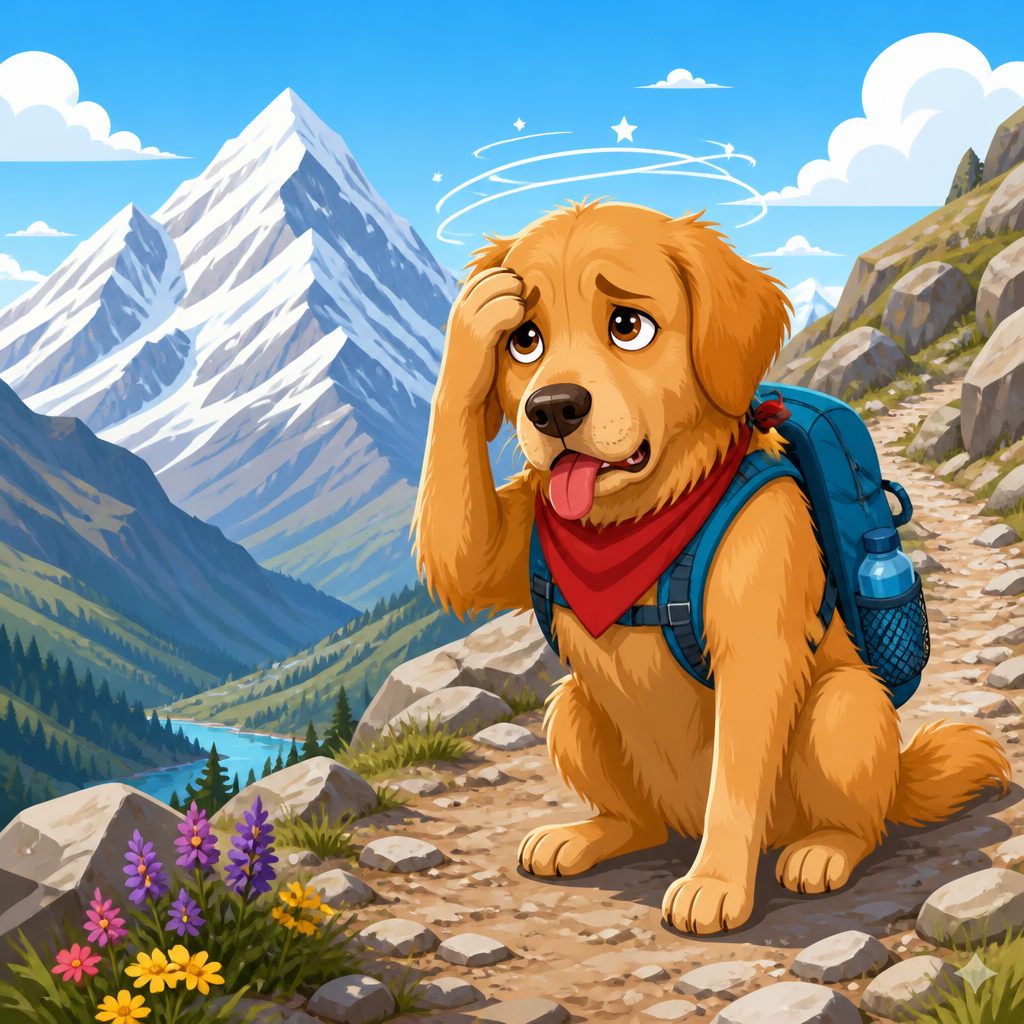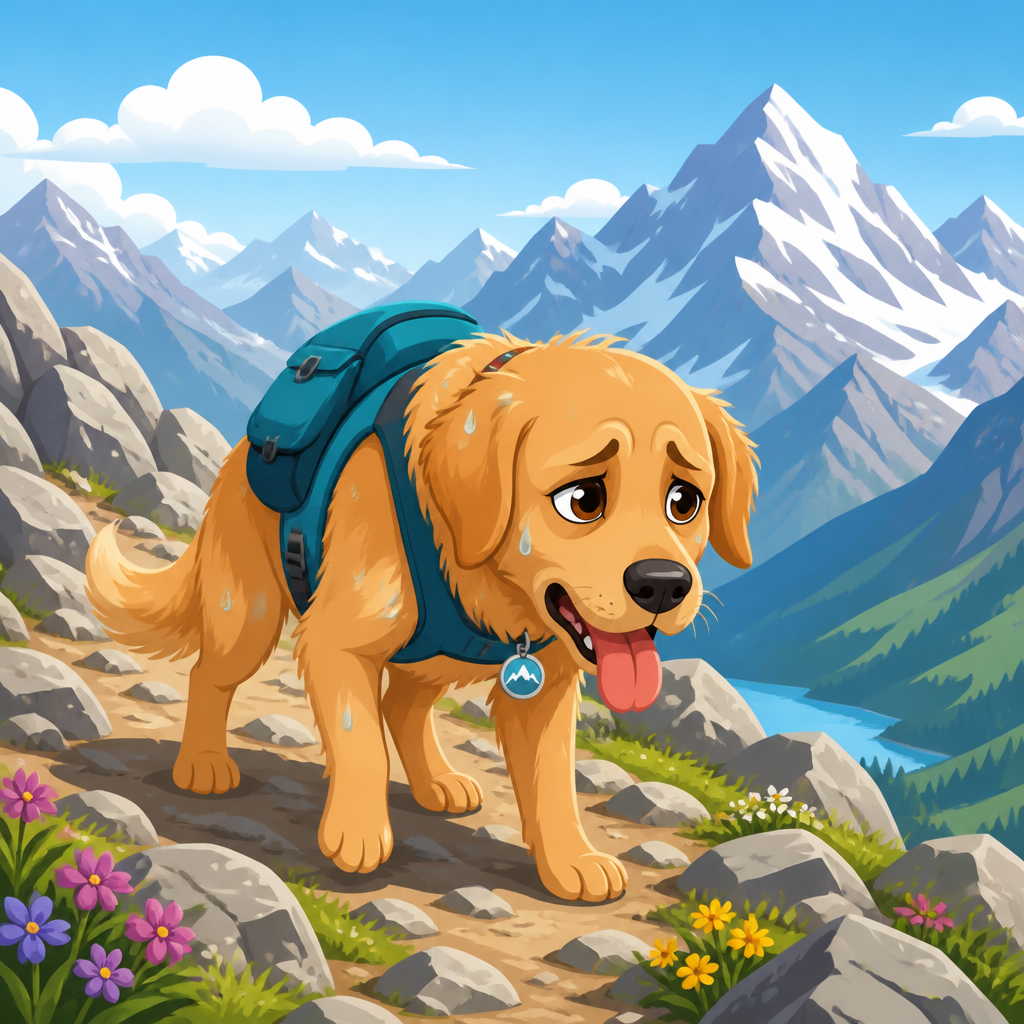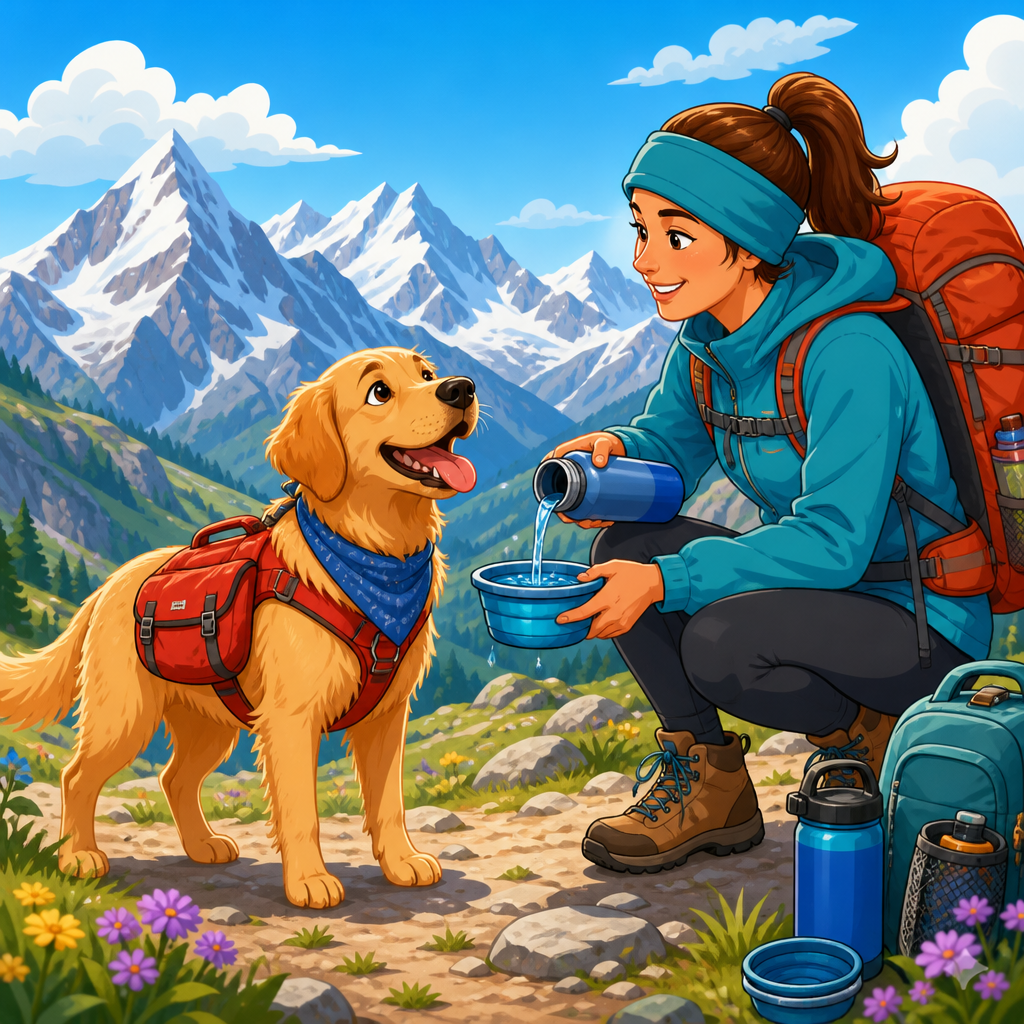
Mountain travel can be exhilarating for people and risky for animals because stronger ultraviolet radiation, reflective snow, thinner air, cold wind, and dry conditions combine to stress eyes, skin, paws, and hydration. In practical terms, protecting pets from stronger UV and snow glare at altitude means planning before the trip, recognizing which animals are most vulnerable, using proven gear correctly, and adjusting activity to the environment rather than expecting a dog or cat to “push through.” I have worked with high-elevation hiking families, ski-town pet owners, and veterinary guidance on alpine trips, and the same pattern appears repeatedly: most preventable problems start with underestimating light exposure and overestimating a pet’s natural resilience.
UV radiation increases with elevation, and snow can reflect a large share of incoming light back toward the eyes and face, intensifying glare from multiple angles. At the same time, cold can mask dehydration, and altitude can reduce exercise tolerance even in fit animals. This matters across the full scope of pet health and planning because the issue is not just eye safety on one hike. It includes acclimatization, route choice, timing, skin protection, paw care, hydration, first aid, lodging setup, emergency readiness, and post-trip monitoring. Dogs are the most common alpine companions, but cats on leashed outings, horses in snowy terrain, and small mammals transported to mountain cabins can also be affected. A good protection plan is specific, realistic, and built around veterinary common sense.
As a hub topic, pet health and planning at altitude connects several recurring questions owners ask: Can dogs get snow blindness? Do pets need sunscreen? How long should acclimatization take? Which breeds struggle more with intense sun, glare, or reduced oxygen? What should be packed, and what signs mean the trip should stop immediately? The short answer is yes, some pets can suffer photokeratitis and retinal irritation from glare; yes, some need pet-safe sunscreen; acclimatization should be gradual; brachycephalic breeds, seniors, puppies, dark-coated heat-sensitive dogs, and animals with eye disease need extra caution; and any sign of disorientation, collapse, persistent squinting, vomiting, severe paw pain, or breathing distress is reason to end exposure and seek veterinary care. The rest of this article explains exactly how to plan safely.
Why altitude, UV, and snow glare are harder on pets
At higher elevations, the atmosphere filters less ultraviolet radiation, so UV intensity rises measurably as you climb. Add snow, which reflects a significant portion of visible and ultraviolet light, and a pet’s eyes may receive direct light from above plus reflected light from below. That is why bright winter days can be harsher than cloudy summer hikes. Dogs that stare into open snowfields, ride on exposed chairlift-adjacent paths, or spend hours beside reflective drifts may develop squinting, redness, excessive tearing, pawing at the eyes, and light sensitivity consistent with surface eye irritation. Pale noses, thin-coated areas, and scars can also burn.
Altitude compounds these risks because exertion costs more. Even healthy pets may tire earlier, breathe harder, and drink less than needed because cold suppresses thirst. In practice, I see owners focus on temperature and miss total exposure load: high sun, glare, wind, and time outside. A husky mix romping for three hours above tree line may still get dehydrated and snow-blind symptoms despite seeming built for winter. Conversely, a short-coated white dog can burn after a shorter outing on a bluebird day. The environment, not breed reputation alone, determines risk.
There are also indirect hazards linked to planning failures. Overexposed eyes make pets hesitant on uneven terrain, increasing slips and falls. Dry cold air can worsen airway irritation in brachycephalic dogs. Snow crust can abrade paw pads, while deicing salts around mountain towns can cause painful cracking and gastrointestinal upset if licked. Good altitude protection therefore starts with a whole-animal view: eye health, skin health, respiratory capacity, paw integrity, hydration, energy expenditure, and recovery time all interact.
Which pets need the most protection
Any pet can be affected, but some groups consistently need stricter limits. Dogs with light-colored noses, sparse facial hair, white or thin coats, or recent grooming around the muzzle are more prone to sun damage. Breeds with prominent eyes, such as pugs, Boston terriers, and Shih Tzus, can be more susceptible to ocular irritation because their eyes are less sheltered. Senior pets may have reduced tear production, slower thermoregulation, arthritis that makes slipping more dangerous, and less reserve for altitude exertion. Puppies are impulsive, dehydrate quickly, and often ignore fatigue until they abruptly crash.
Working and sporting dogs deserve special mention because owners often assume stamina equals immunity. It does not. A fit border collie may happily chase a ball on a glacier edge until pads are worn raw and eyes are overstressed. Dark-coated dogs absorb radiant heat on sunny snow, which can create a misleading combination of overheating body core and freezing paws. Cats taken to mountain cabins face different issues: dry indoor air, bright window exposure, and stress-related appetite changes. Rabbits, guinea pigs, and birds should not be treated as trail companions in these conditions; transport stress, temperature swings, and respiratory sensitivity make altitude environments much riskier for them.
Preexisting medical conditions matter as much as species or breed. Pets with chronic dry eye, pannus, cataracts, retinal disease, epilepsy, heart disease, laryngeal paralysis, collapsing trachea, asthma, or prior altitude intolerance need a veterinarian’s input before any high-elevation travel. Flat-faced dogs can struggle with ventilation. Dogs with orthopedic disease may slip more on packed snow and compensate until injury appears later. If a pet already has a condition that worsens with exertion, bright light, or cold, altitude multiplies the management burden.
How to prepare before a mountain trip
The safest trips begin days or weeks before departure. Schedule a veterinary check if your pet is older, has any eye, skin, cardiac, or respiratory history, or has not exercised recently. Confirm vaccines, parasite prevention, and microchip details, because mountain travel often overlaps with wildlife exposure and unfamiliar clinics. Ask specifically whether your pet can tolerate the planned elevation, distance, overnight temperature, and snow conditions. This conversation should include current medications; some drugs affect hydration, thermoregulation, or exercise tolerance.
Conditioning is equally important. Start with longer walks on varied terrain, then add cold-weather sessions and rest breaks that mimic the trip. Do not make a sea-level couch dog climb thousands of feet in one weekend. Build paw resilience gradually, and test every piece of gear before departure. Dog goggles should fit without rubbing the cornea or slipping into the visual field, and boots should stay on without twisting. A mountain trip is not the place to discover that your pet freezes when goggles touch its face.
| Planning task | Why it matters | Best practice |
|---|---|---|
| Veterinary review | Identifies hidden limits such as eye disease or poor altitude tolerance | Book before travel for seniors, brachycephalic breeds, and pets with chronic conditions |
| Acclimatization | Reduces stress from sudden elevation gain and exertion | Spend one to two easier days at a moderate elevation before intense activity |
| Eye protection fitting | Prevents glare injury only if tolerated and correctly sized | Use canine UV-blocking goggles and train indoors first |
| Paw protection | Snow, ice, and salt damage pads quickly | Condition pads, carry fitted boots, and use paw balm after cleaning |
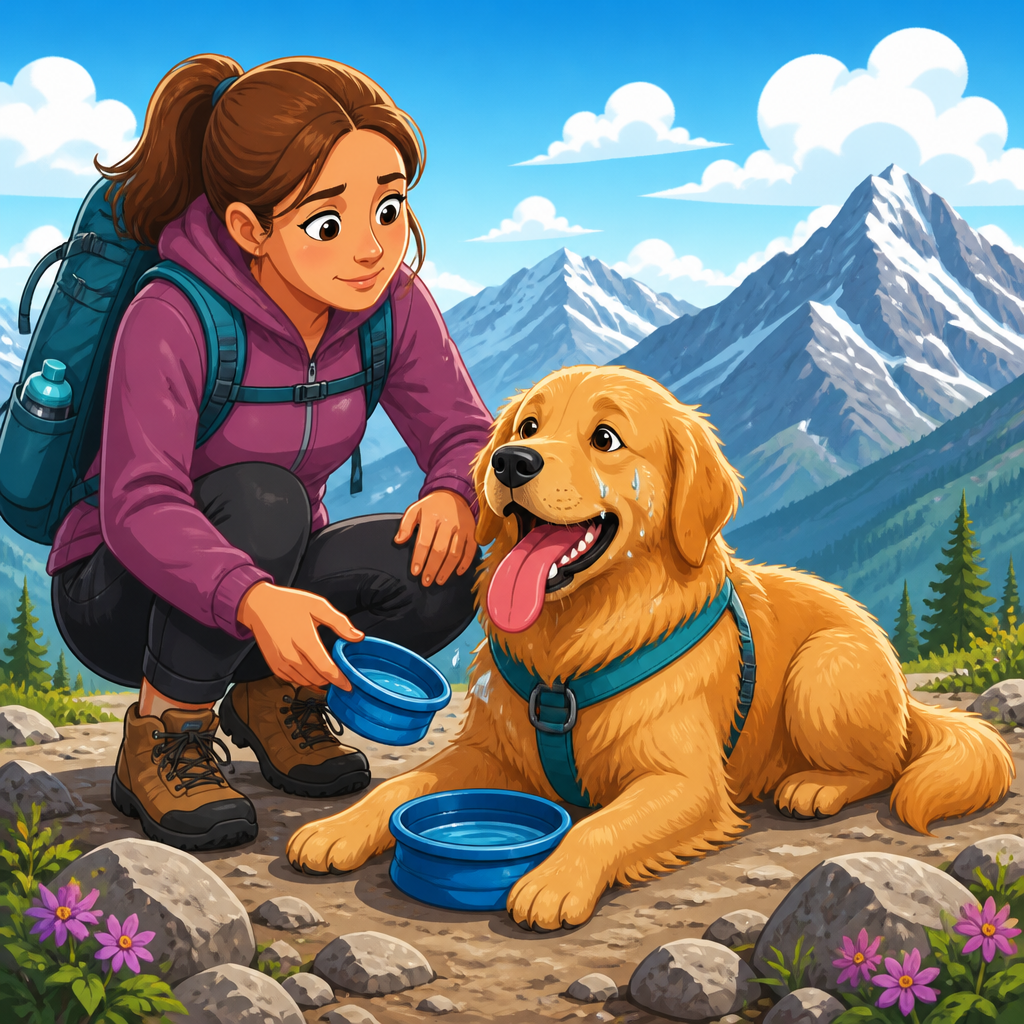
| Hydration plan | Cold lowers thirst despite fluid loss | Offer water frequently and pack insulated bowls or bottles |
| Route timing | Midday sun and exposed ridgelines increase UV load | Choose morning or late afternoon outings with bail-out options |
Packing should be deliberate. Core items include a leash, harness, identification, collapsible bowl, measured food, insulated water, emergency blanket, pet first-aid kit, booties, paw balm, towel, and waste bags. For UV and glare, pack well-fitted canine goggles from a reputable maker and pet-safe sunscreen for vulnerable skin areas such as the nose bridge, ear tips, belly, and sparse-coated patches. Human zinc products are not automatically safe because pets lick; choose formulas labeled for animals and ask your veterinarian when in doubt. Also bring a sleeping pad or blanket to separate your pet from cold ground, because recovery matters as much as trail performance.
Protecting eyes, skin, and paws during exposure
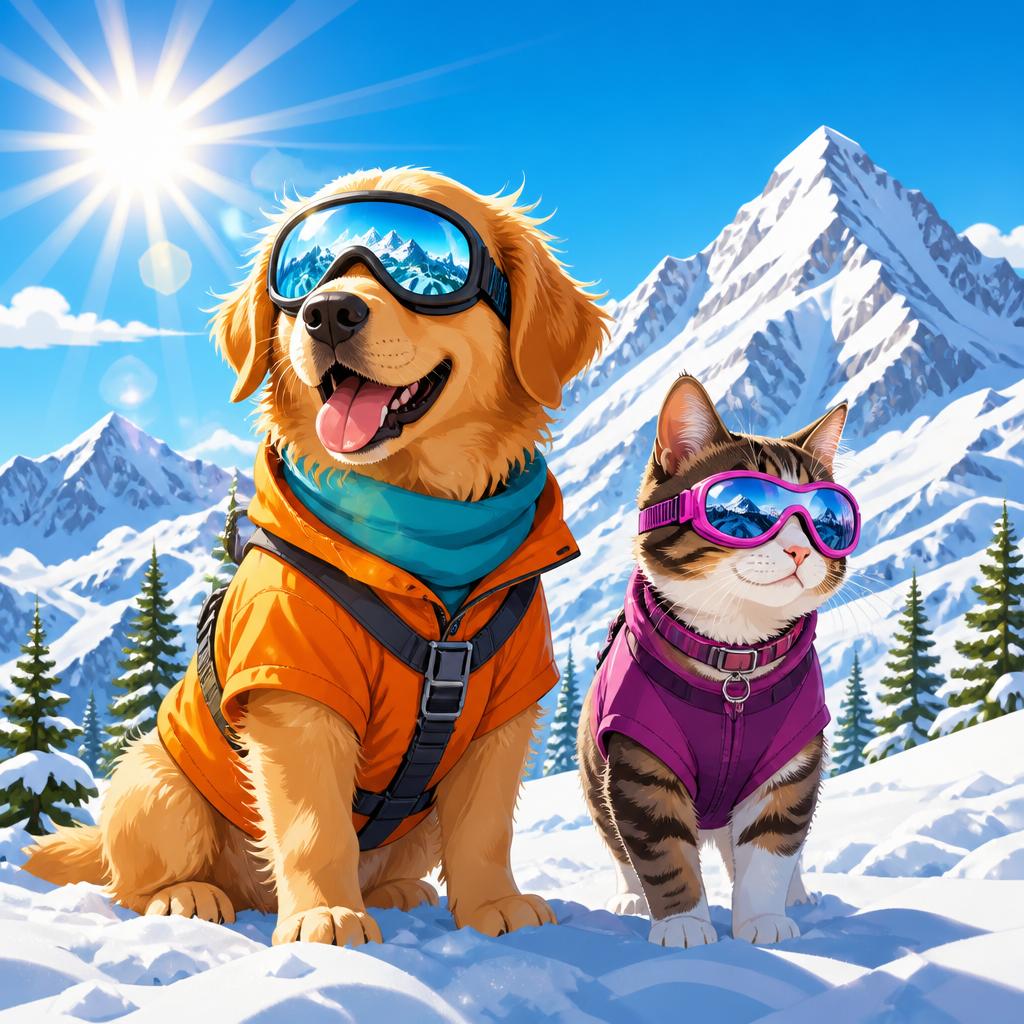
Eye protection is the most overlooked defense against stronger UV and snow glare at altitude. A dog that tolerates UV-blocking goggles gains meaningful shielding from direct and reflected light, wind, and blowing ice crystals. Introduce them gradually with treats and short indoor sessions, then use them on brief walks before the trip. If goggles are refused, your next best control is exposure management: shorten time on open snow, seek tree cover, avoid noon to early afternoon when glare peaks, and watch for squinting or rubbing. Do not force prolonged exposure on a pet already showing discomfort.
Skin protection matters most for lightly pigmented and thin-coated areas. Apply pet-safe sunscreen 15 to 30 minutes before exposure and reapply according to the label, especially after rubbing, eating snow, or moisture contact. Common burn sites include the nose, eyelids, ear edges, groin, and any shaved surgical area. I advise owners to think of sunburn risk in layers: reflected light reaches under the chin and belly, while high-altitude sun affects tops of ears and muzzle. Shade breaks are not optional on brilliant snow days.
Paw protection is partly about cold and partly about abrasion. Ice crust, packed granular snow, hidden rock, and road salt can split pads quickly. Properly fitted boots reduce injury and can transform a pet’s comfort, but they need practice beforehand. After each outing, rinse paws with lukewarm water, dry thoroughly, check between toes for ice balls, and apply balm if pads are dry. Trim excess fur around the pads if your veterinarian or groomer recommends it, because packed snow between long hairs can alter gait and increase slips. Never ignore repeated lifting of one paw; that is often the first clear sign of pain.
Activity management, acclimatization, and emergency response
The best mountain safety decisions are boring ones: go slower, start lower, stop earlier, and turn back before a pet is exhausted. Acclimatization is not just a human concern. If possible, let your pet spend a night or two at a moderate elevation before sleeping much higher or attempting long snow travel. On the trail, use frequent micro-breaks, offer water often, and feed small portions if the outing is long enough to require energy replacement. Watch breathing rate, coordination, enthusiasm, and recovery during stops. A dog that lags, lies down unusually, stares blankly, or stops responding to familiar cues is not being stubborn.
Know the warning signs that justify immediate action. Possible eye overexposure includes intense squinting, reddened eyes, tearing, keeping eyes closed, face rubbing, and reluctance to move in bright areas. Possible altitude or exertion problems include persistent panting at rest, collapse, staggering, vomiting, pale gums, confusion, or blue-tinged tongue. Cold-related risks include shivering that does not stop, weakness, and painful stiff movement. Move the pet to shade or shelter, warm gradually if needed, offer water if fully alert, prevent further snow exposure, and contact a veterinarian promptly. Eye injuries should be taken seriously; do not apply human eye drops unless specifically instructed by a veterinarian.
After the trip, continue monitoring for delayed problems. Sunburn may redden later, pads can crack overnight, and mild eye irritation may worsen once a pet is indoors and rubbing. Check appetite, urination, stool, gait, and behavior for twenty-four to forty-eight hours. A successful mountain outing is one your pet recovers from easily and wants to repeat. Build future plans from actual tolerance, not wishful thinking. If you want safer alpine adventures, review your gear, talk with your veterinarian, and make each trip shorter and smarter than your pet seems to demand.
Frequently Asked Questions
Why are pets at greater risk from UV exposure and snow glare at high altitude?
Pets face a different environment in the mountains than they do at lower elevations. As altitude increases, ultraviolet radiation becomes stronger, and when snow is present, it reflects a large amount of that light back upward. That means your dog or cat can be exposed from above and below at the same time. The result is a much higher risk of eye irritation, light sensitivity, and in severe cases damage similar to snow blindness. Bright, reflective conditions can be especially hard on pets with light-colored eyes, thin fur around the face, sparse pigmentation on the nose or eyelids, or preexisting eye disease.
Altitude also adds stress in other ways. The air is drier, wind is often harsher, and the cold can mask dehydration because pets may not seem obviously hot or thirsty. Snow and ice can abrade paw pads, while intense sun can affect exposed skin on noses, ear tips, and thin-coated areas. Brachycephalic breeds, seniors, very young animals, pets with heart or lung issues, and animals not used to mountain activity may tire more quickly because thinner air reduces oxygen availability. In short, the combination of stronger UV, reflected glare, cold wind, and dry air makes mountain conditions uniquely demanding, so protection needs to be more deliberate than it would be on an ordinary walk.
Which pets are most vulnerable to altitude sun, glare, and cold-weather surface damage?
Some pets are much more vulnerable than others, and it is important to recognize that risk before you travel. Dogs and cats with pale skin, pink noses, light eyelids, short or thin coats, or naturally sparse hair around the face and ears are more likely to develop sun-related skin irritation. Pets with existing eye problems, including dry eye, corneal disease, cataracts, chronic irritation, or a history of eye surgery, may be more sensitive to UV and glare. Flat-faced breeds can also struggle because breathing at altitude is already more demanding, and they may overexert themselves before owners realize they are in trouble.
Age and health status matter too. Puppies, kittens, seniors, and pets with heart, lung, or metabolic conditions generally have less reserve for cold, exertion, and dehydration. Small pets may lose body heat faster, while large active dogs may keep going long after their paws, eyes, or hydration status say they should stop. Pets that live at sea level and travel suddenly to high elevations often need more adjustment time than animals already conditioned for mountain environments. Cats are usually less likely to join extended snow travel, but if they do accompany you outdoors or travel in carriers, they still need protection from reflected light, dry air, and cold wind. The safest approach is to assume your pet may be less resilient than you expect and plan based on the most conservative estimate of their tolerance.
What gear actually helps protect pets from stronger UV and snow glare at altitude?
The most useful gear is practical, well-fitted, and introduced before the trip. For eye protection, some dogs benefit from properly fitted UV-blocking goggles designed for pets. These can help reduce glare, wind exposure, and blowing snow, but only if the dog is comfortable wearing them and the fit is secure without rubbing. You should never force unfamiliar eye gear on a pet for the first time on the trail. Practice at home in short sessions and make sure your pet can still move confidently and see well while wearing it.
Paw protection is equally important. Boots can shield pads from abrasive snow, crusted ice, de-icing chemicals, and extreme cold, but fit matters. Poorly fitted boots can cause rubbing, alter gait, or fall off. If your pet will not tolerate boots, paw wax or balm may offer some barrier support, although it is not a complete substitute in severe conditions. For skin protection, pet-safe sunscreen can be useful on vulnerable exposed areas such as the nose bridge, ear tips, and sparsely haired skin, but only products specifically labeled safe for pets should be used, since many human sunscreens contain ingredients that are unsafe if licked. Other helpful gear includes an insulated jacket for small, lean, short-coated, or medically vulnerable pets; a collapsible water bowl; extra water; and a shade option for breaks. The goal is not to overpack, but to bring gear that directly reduces the main altitude hazards: UV, glare, cold, wind, dryness, and paw trauma.
How can I tell if my pet is being affected by snow glare, UV, altitude, or dehydration during a mountain trip?
Watch for subtle early signs, because pets often keep moving even when they are uncomfortable. Eye-related warning signs include squinting, excessive blinking, pawing at the face, red eyes, tearing, reluctance to look into bright areas, or keeping the eyes partially closed. A pet that suddenly seems hesitant on reflective snowfields or avoids open bright terrain may be dealing with glare-related discomfort. If the eyes look cloudy, extremely red, painfully shut, or your pet seems disoriented or panicked in bright light, stop activity and seek veterinary care as soon as possible.
Altitude and dehydration problems can be less obvious at first. Slowing down, unusual panting, repeated stopping, weakness, wobbliness, drooling, refusal to continue, or disinterest in food or water can all signal trouble. Dry gums, tacky saliva, sunken-looking eyes, and reduced urination may suggest dehydration. For paws and skin, check often for limping, lifting feet, licking paws excessively, cracked pads, ice buildup between toes, or redness on exposed skin. Behavior changes matter too: a normally enthusiastic dog that becomes quiet, clingy, or irritable may be telling you the environment is too much. In the mountains, small signs are worth taking seriously. Turning around early is far safer than waiting for a clear emergency.
What is the best way to prepare and adjust activity so pets stay safe at altitude?
The best protection starts before you leave home. Choose routes and conditions that match your pet’s fitness, health, coat type, and experience rather than your own ambitions. If possible, allow time to acclimate gradually instead of arriving and immediately attempting a long, exposed outing. Check the weather, wind, cloud cover, snow conditions, and UV index. Bright overcast days can still produce significant glare, and cold temperatures do not cancel out UV risk. Bring more water than you think you will need, offer it frequently, and schedule regular breaks out of direct glare and wind.
On the trail, shorten distances, lower intensity, and build in frequent physical checks. Examine paws, monitor breathing, and watch how your pet is carrying itself. Midday may bring the strongest UV exposure, so early or later outings can sometimes be safer depending on temperature and terrain. Use protective gear proactively rather than waiting for a problem to appear. Do not assume a motivated dog can judge its own limit; many will keep following you despite pain, exhaustion, or eye strain. After the outing, recheck the eyes, skin, nose, and paw pads, and continue encouraging hydration indoors. If your pet has any history of respiratory disease, eye problems, heat intolerance, cold intolerance, or poor exercise tolerance, it is wise to talk with your veterinarian before mountain travel. A little planning goes a long way, and in alpine conditions, cautious pacing is one of the most effective protective tools you have.