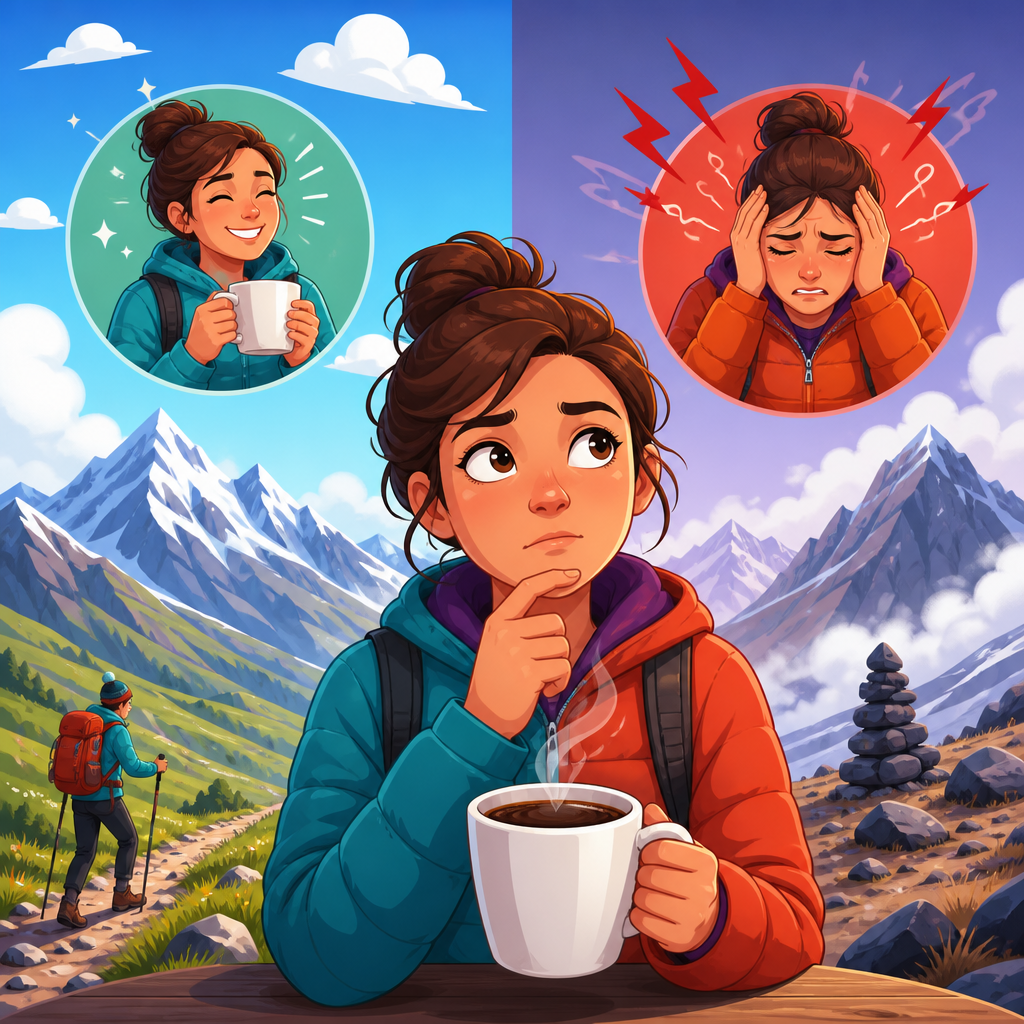
Caffeine at altitude can ease a headache in some situations, worsen it in others, and the difference usually comes down to timing, dose, hydration status, sleep loss, and whether the pain is from caffeine withdrawal, ordinary tension, dehydration, or acute mountain sickness. In mountain clinics, guiding trekkers, and reviewing expedition logs, I have seen all four causes mistaken for one another. That confusion matters because the right response to each is different. A small coffee may help a withdrawal headache within an hour, while the same drink can be useless or aggravating if the real problem is poor acclimatization, vomiting, or severe sleep disruption. For anyone hiking, skiing, climbing, or traveling quickly to elevation, understanding caffeine at altitude is part of practical self-care.
Caffeine is a central nervous system stimulant found in coffee, tea, chocolate, energy drinks, gels, chewing gum, and many pre-workout products. At sea level, it is commonly used to improve alertness, reduce perceived fatigue, and, in some pain medicines, enhance analgesic effect. At altitude, the context changes. Lower oxygen pressure alters sleep quality, breathing patterns, fluid balance, appetite, and exercise tolerance. Common altitude headaches appear above roughly 2,500 meters, often with poor sleep, nausea, lightheadedness, or unusual fatigue. Acute mountain sickness, or AMS, is the broader syndrome that includes headache plus other symptoms after ascent. Caffeine enters that picture because it affects blood vessels, adenosine signaling, urine output, sleep architecture, and withdrawal risk.
This hub article explains how caffeine interacts with headaches at altitude and places it within the wider category of substances and supplements used by travelers in the mountains. It answers the practical questions people actually ask: should you keep drinking coffee on a trek, can caffeine prevent altitude headache, is it dehydrating, how much is too much, and when should a headache be treated as a warning sign instead of a nuisance. It also points readers toward related topics in sleep, hydration, and nutrition, because no supplement works in isolation. Food timing, fluid intake, ascent rate, alcohol, nicotine, sleep aids, and acetazolamide all influence whether caffeine becomes a useful tool or a liability.
What caffeine actually does to headaches at altitude
Caffeine can relieve headache through several mechanisms. It blocks adenosine receptors, promotes alertness, and can cause cerebral vasoconstriction, which is one reason it is included in some over-the-counter headache medications. If a traveler regularly consumes caffeine and then abruptly stops during travel days, a withdrawal headache can begin within twelve to twenty-four hours and feel very similar to an altitude headache. In that case, restoring a familiar dose often works quickly. I have seen climbers blame a “bad first night at 3,000 meters” when they had simply skipped their normal morning coffee during a pre-dawn transfer. Once they drank tea or coffee and ate breakfast, the headache resolved without other AMS features progressing.
But caffeine is not a treatment for the underlying problem of poor acclimatization. The hallmark altitude headache is driven by the body’s response to hypobaric hypoxia, not by a caffeine deficit. If someone has headache plus nausea, reduced appetite, unusual lassitude, dizziness, or worsening sleep after a rapid ascent, the safer assumption is AMS until proven otherwise. In those cases, caffeine may make the person feel a bit more functional while masking fatigue, which can encourage them to keep ascending when rest or descent would be wiser. That is the practical danger. The symptom burden may look better for an hour while the physiology does not.
There is also a dose effect. Moderate intake, such as one to three cups of coffee spread through the day, is very different from a large energy drink, multiple caffeine gels, or a strong pre-workout taken before a hard climb. Higher doses raise heart rate, worsen jitters, increase anxiety, and commonly fragment already fragile sleep at altitude. Since poor sleep itself amplifies headache perception and recovery time, a stimulant late in the day can create the next morning’s problem. For that reason, caffeine at altitude is best viewed as a familiar routine to manage carefully, not a rescue remedy or performance shortcut.
When caffeine helps, when it hurts, and how to tell the difference
The shortest useful answer is this: caffeine is most likely to help if the headache follows missed habitual intake, poor sleep, or mild tension; it is most likely to hurt if it reduces fluid intake, displaces food, worsens anxiety, or delays sleep during acclimatization. Distinguishing these scenarios depends on patterns. A withdrawal headache is often diffuse, accompanied by sleepiness or irritability, and improves after the person consumes their usual amount. A tension-type headache may improve with caffeine because alertness rises and neck muscle discomfort eases after movement, warmth, fluids, and food. By contrast, an altitude headache usually appears after ascent, often throbs, is worse with exertion or bending, and comes with at least one additional symptom of AMS.
Hydration status adds another layer. Many people still believe caffeine is strongly dehydrating at any dose. In reality, regular users develop tolerance to its mild diuretic effect, and moderate intake in beverages contributes to daily fluid intake. The problem at altitude is behavioral more than pharmacologic. People replace water with coffee, suppress appetite with caffeine, skip lunch on the trail, then climb in dry air while breathing faster. That combination can absolutely worsen headache, but not because a single mug of coffee “caused dehydration.” It happened because the overall plan for fluids, electrolytes, and calories broke down.
Energy products deserve special caution. Caffeine combined with guarana, synephrine, yohimbine, or very high sugar loads can produce palpitations and nausea that overlap with altitude symptoms. I have had trekkers insist an energy shot “always works for me at home,” then struggle with shakiness and reflux above 3,500 meters. A basic rule helps: products designed to override fatigue are poor substitutes for acclimatization. If the body is signaling stress from altitude, sleep debt, or under-fueling, piling on stimulants usually clouds judgment more than it solves the problem.
| Situation | Likely effect of caffeine | Best response |
|---|---|---|
| Skipped usual morning coffee after travel | Often improves headache within 30 to 60 minutes | Take normal moderate dose, eat, hydrate, monitor symptoms |
| Headache after rapid ascent with nausea and fatigue | May mask symptoms without fixing cause | Stop ascending, rest, assess for AMS, consider descent if worse |
| Late-day caffeine after poor sleep at altitude | Can worsen next-night sleep and next-day headache | Use only early, reduce dose, prioritize sleep support |
| Long hike with little food and dry conditions | May increase jitters and suppress appetite | Eat carbohydrates, drink fluids, add electrolytes as needed |
How caffeine fits into the wider substances and supplements picture
As the hub for substances and supplements under sleep, hydration, and nutrition, this page should put caffeine in context with the other products travelers use at altitude. The first and most evidence-based point is that no common supplement replaces gradual ascent. Acclimatization is the intervention with the strongest effect. Among medications, acetazolamide has established value for prevention and treatment support of AMS because it stimulates ventilation and improves acclimatization. It is not a stimulant, and it should not be confused with caffeine. Ibuprofen has shown benefit in some studies for AMS prevention and symptom reduction, but it is still not a substitute for ascent discipline. Dexamethasone can be life-saving in specific high-altitude illness scenarios, yet it is a prescription medication with clear indications, not a general travel hack.
Within everyday substances, alcohol is usually more problematic than caffeine because it worsens sleep quality, judgment, and dehydration risk while blunting the ability to recognize worsening symptoms. Nicotine can impair sleep and cardiovascular responses and is best minimized. Herbal products marketed for “oxygen support” or “altitude detox” rarely have convincing evidence. Iron only helps when deficiency is present and should not be started casually before travel. Beetroot juice and nitrates may alter exercise efficiency in some settings, but real-world effects at altitude are inconsistent. Creatine helps repeated high-intensity efforts and hydration inside muscle cells for some athletes, yet it is not a headache intervention. Melatonin may help sleep timing and subjective sleep quality for some travelers, which indirectly can reduce headache burden the next day.
Where caffeine stands out is familiarity. Many adults know exactly how they respond to one cup of coffee, one black tea, or a caffeinated gel during exercise. Familiar substances are easier to titrate and safer than experimenting with an untested supplement on day one of a trip. My standard recommendation is to keep caffeine routine steady rather than dramatically increasing or eliminating it. If you normally consume 100 to 200 milligrams each morning, continue that pattern. If you rarely use caffeine, altitude is not the place to discover your tolerance with a double espresso or concentrated energy product.
Practical guidelines for safe caffeine use on mountain trips
A conservative caffeine strategy at altitude starts before departure. Know your daily baseline in milligrams. Brewed coffee varies widely, from around 80 milligrams to well above 150 per cup depending on size and method. Black tea often provides 30 to 60 milligrams, cola less, while many energy drinks range from 80 to 300 milligrams per container. Gels, chews, and gum can deliver rapid doses that are easy to underestimate. Once you know your baseline, avoid abrupt withdrawal during transit days. Pack a familiar option if you are heading somewhere remote where coffee quality, meal timing, or transportation schedules are unpredictable.
Use caffeine early, not late. At altitude, sleep is commonly lighter, with more awakenings and periodic breathing. Even sea-level caffeine habits can become more disruptive above 2,500 to 3,000 meters. I advise most travelers to keep caffeine to the morning and early afternoon, then stop at least eight hours before planned sleep, sometimes longer for slow metabolizers. Pair caffeine with calories and water. A simple breakfast of oats, yogurt, bread, or fruit alongside coffee creates a very different physiologic response from coffee on an empty stomach before a steep climb. During long efforts, alternate caffeinated products with water and carbohydrate sources rather than stacking them.
Most healthy adults tolerate up to 400 milligrams of caffeine per day, a threshold frequently cited by regulatory and medical bodies, but altitude may lower the dose at which side effects become noticeable. Pregnant travelers are generally advised to stay below 200 milligrams daily. Anyone with arrhythmias, panic disorder, poorly controlled reflux, migraine sensitivity, or sleep disorders should be more cautious. Adolescents, smaller-bodied travelers, and those taking stimulant medications need individualized limits. If caffeine repeatedly causes tremor, diarrhea, palpitations, or insomnia at altitude, the answer is not to push through. Reduce the dose, tighten meal timing, and solve the bigger issues of pacing and recovery.
Red flags: when a headache is not a caffeine problem
The most important clinical skill on any high trip is recognizing when a headache needs more than coffee, water, and patience. A headache that steadily worsens after ascent, especially with nausea, vomiting, loss of appetite, dizziness, marked fatigue, or poor coordination, should raise concern for AMS. If symptoms progress to shortness of breath at rest, confusion, inability to walk a straight line, or altered mental status, think beyond simple headache immediately. Those are warning signs for serious high-altitude illness that require descent and medical care. No stimulant, pain reliever, or supplement should delay that response.
Other non-caffeine causes matter too. Severe dehydration, gastrointestinal illness, migraine, sinus pressure from dry cold air, carbon monoxide exposure from stoves or heaters, and overexertion can all produce significant headache in mountain settings. Carbon monoxide is especially easy to miss in huts, vans, tents with poor ventilation, or storm-bound camps. If more than one person has headache, nausea, and unusual fatigue, environmental exposure belongs high on the list. I have also seen trekkers attribute persistent headache to altitude when they were simply under-fueled for two straight days. Once they increased carbohydrate intake and reduced pace, symptoms improved.
The key takeaway is that caffeine should never be used to prove you are okay to continue upward. A temporary improvement in alertness is not the same as resolution of the underlying cause. If headache responds partially but returns with exertion, or if other AMS symptoms remain, stop and reassess. Use a symptom score if your team has one, communicate clearly, and make decisions based on trend, not optimism.
Caffeine at altitude is neither friend nor enemy by default. It is a familiar stimulant that can help specific headaches, particularly withdrawal-related or mild fatigue-associated pain, but it can also worsen sleep, appetite, anxiety, and decision-making when used carelessly. The most reliable approach is moderate, consistent intake matched to your normal routine, combined with early dosing, steady hydration, adequate carbohydrates, and realistic ascent planning. If you already tolerate caffeine well, there is usually no reason to stop it completely in the mountains. If you are tempted to use more than usual to fight altitude fatigue, that is often a sign to rest rather than push.
As the central guide to substances and supplements within sleep, hydration, and nutrition, this page should anchor your decisions around one principle: support acclimatization instead of trying to out-stimulate physiology. Coffee, tea, and caffeinated sports products can fit into a sound mountain plan, but they do not replace sleep, food, fluids, or descent when symptoms escalate. Learn your baseline, recognize the pattern of withdrawal versus AMS, and treat red flags seriously. Then use related resources on hydration strategies, altitude sleep, alcohol, electrolytes, acetazolamide, and fueling to build a complete system for safer travel at elevation. Plan your routine before your next trip, and caffeine is far more likely to help than hurt.
Frequently Asked Questions
Can caffeine help an altitude headache, or does it usually make it worse?
Caffeine can do either, which is why altitude headaches are so often mismanaged. In the right situation, a small to moderate amount of caffeine may reduce a headache by constricting blood vessels, improving alertness, and relieving caffeine withdrawal if that is the true cause. For someone who normally drinks coffee every morning and suddenly stops while traveling to the mountains, a familiar dose may quickly improve a dull, nagging headache. It can also help with an ordinary tension-type headache made worse by poor sleep or a long travel day.
But caffeine can also worsen the situation. At altitude, sleep disruption, dehydration, irregular meals, heavy exertion, and rapid ascent are common. If a person is already dried out, jittery, underfed, or struggling to sleep, more caffeine may intensify headache, increase nausea, and make rest harder. Most importantly, caffeine does not treat acute mountain sickness. If the headache is due to altitude illness, relying on coffee instead of slowing ascent, resting, hydrating sensibly, or descending can delay appropriate action. The key is not whether caffeine is “good” or “bad” at altitude in general, but what kind of headache is actually happening and what else is going on at the same time.
How can I tell whether my headache at altitude is from caffeine withdrawal, dehydration, tension, or acute mountain sickness?
This is the central question, because these problems overlap and are easy to confuse. Caffeine withdrawal often causes a diffuse, heavy, persistent headache that appears after a person who regularly uses caffeine suddenly cuts back or stops. It often comes with fatigue, irritability, and a strong sense of feeling “off,” and it may improve noticeably within an hour or two of taking the usual amount of caffeine.
Dehydration-related headache is more likely when fluid intake has been poor, the air is very dry, exertion has been high, urine is dark, and thirst is obvious. It may come with lightheadedness, dry mouth, and general sluggishness. Tension-type headache often feels like pressure or tightness, especially after travel, stress, poor posture, heavy packs, or broken sleep. It may respond better to food, rest, stretching, or sleep than to altitude-specific measures.
Acute mountain sickness deserves the most caution. A headache from AMS typically occurs after ascent to a higher sleeping altitude and often comes with one or more of the following: nausea, loss of appetite, dizziness, unusual fatigue, poor sleep, and a sense that exertion feels disproportionately hard. The combination matters more than the headache alone. If a headache appears after gaining elevation and is paired with those symptoms, it should be treated as possible altitude illness until proven otherwise. Caffeine may briefly change how the headache feels, but it does not resolve the underlying altitude stress. When symptoms are getting worse, interfering with walking, or accompanied by breathlessness at rest, confusion, or poor coordination, the response should shift away from self-experimenting with caffeine and toward rest, no further ascent, and urgent descent or medical help if severe signs appear.
Is coffee safe to drink at altitude, or will it dehydrate me and trigger headaches?
For most people, moderate coffee intake is safe at altitude and is not the dramatic dehydrating force it is often claimed to be. Regular caffeine users develop tolerance to its mild diuretic effect, and a cup of coffee still contributes fluid overall. That said, “safe” depends on the context. If coffee replaces water, suppresses appetite, worsens nausea, or leads to repeated bathroom trips in someone who is already not drinking enough, it can indirectly contribute to the conditions that make headaches more likely.
The bigger issue is pattern and dose. A modest, familiar amount of caffeine is usually better tolerated than several strong coffees, highly caffeinated energy products, or a late-afternoon intake that ruins sleep. At altitude, sleep is already fragile, and poor sleep can amplify headache the next day. So the practical advice is to treat caffeine as one variable among many: drink it in an amount your body already knows, pair it with food and fluids, and avoid using it to push through obvious symptoms of altitude illness or exhaustion. If coffee makes you shaky, nauseated, anxious, or unable to sleep, it is probably not helping your overall altitude adaptation.
How much caffeine is reasonable at altitude if I want to avoid making a headache worse?
A conservative approach works best. For most adults who already use caffeine, a small to moderate amount similar to their normal routine is more sensible than either abrupt abstinence or a large increase. In practical terms, that often means one small coffee, tea, or another familiar source rather than multiple large servings or concentrated energy products. The goal is to avoid two common mistakes: triggering withdrawal by suddenly stopping, and overstimulating yourself by taking far more than usual because you feel tired or headachy.
Timing matters too. Earlier in the day is generally safer, especially at altitude where sleep is commonly disrupted. Taking caffeine late in the afternoon or evening may create a cycle in which poor sleep worsens the next day’s headache, leading to more caffeine, then even worse sleep. It is also wise to be more cautious if you are eating poorly, feeling nauseated, anxious, or noticeably dehydrated. In those situations, even a normal dose may feel stronger and less pleasant. If a small amount helps and symptoms otherwise settle, that supports a benign explanation such as withdrawal or fatigue. If a headache persists despite rest, food, hydration, and a reasonable caffeine intake, especially after recent ascent, that is a sign to think beyond caffeine and consider altitude illness.
When should I stop trying caffeine for a headache at altitude and treat it as a medical issue instead?
You should stop using caffeine as a self-fix when the bigger picture suggests the headache is not just from withdrawal or an ordinary bad night’s sleep. A headache that begins after gaining elevation and is accompanied by nausea, loss of appetite, dizziness, unusual tiredness, or poor sleep should raise concern for acute mountain sickness. If the headache is getting worse, not improving with rest, food, and fluids, or keeps returning as you continue ascending, caffeine is not the answer.
There are also clear red flags. If you have trouble walking straight, feel confused, become unusually drowsy, develop severe shortness of breath, hear a wet or crackling sound in the chest, or cannot keep fluids down, that is no longer a “should I have coffee?” situation. Those symptoms can indicate serious altitude illness and require immediate action, especially descent and medical assessment. Even short of those extremes, if caffeine makes you more nauseated, anxious, or unable to sleep, it is undermining recovery rather than helping. The safest mindset is to use caffeine as a minor tool for familiar withdrawal or mild fatigue-related headache, not as a way to explain away symptoms that may signal a real altitude problem.