Skip to content

  • Home
  • Altitude Illness & Acclimatization
    • Acclimatization Plans
    • Altitude Medications & Oxygen
    • AMS Basics & Risk Factors
    • AMS Management & Recovery
    • AMS Symptoms & Diagnosis
    • Descent, Treatment & Emergency Response
    • HACE
    • HAPE
    • Monitoring & Decision Tools
    • Pre-Acclimation & Training
  • Cooking & Baking at Altitude
    • Baking Fundamentals
    • Baking Troubleshooting & Workflow
    • Cakes & Cupcakes
    • Candy, Preserves & Canning
    • Cookies & Bars
    • Cooking Methods
  • Daily Life, Skin, Eyes & Home Comfort
    • Comfort Troubleshooting
    • ENT & Sensory Issues
    • Everyday Health & Comfort
    • Eye Care & Vision
    • Indoor Air & Humidity
    • Lifestyle Adjustments
  • Fitness, Hiking & Performance
    • Cycling
    • Hiking Strategy
  • Family, Pregnancy & Kids
    • Family Logistics & Planning
    • Infants & Postpartum
    • Kids & Family Travel
  • Gear, Monitoring & Safety
    • Clothing, Sleep & Shelter
    • Monitoring & Oxygen
  • Travel & Destinations
    • National Park Gateways
    • National Park Guides
    • Ski Town Guides
    • Trek Preparation
    • Trip Planning & Logistics
    • US City Guides
    • US Lake & Mountain Guides
  • Sleep, Hydration & Nutrition
    • Nutrition & Fueling
    • Practical Meal Planning
    • Recovery & Return to Sea Level
    • Sleep & Recovery
    • Substances & Supplements
  • Respiratory, Cardio & Chronic Conditions
    • Other Chronic Conditions
    • Pre-Trip Medical Planning
    • Pregnancy
    • Sleep Apnea & Breathing Disorders
    • Travel with Medical Conditions
  • Toggle search form

How to drive steep passes safely after a rapid elevation gain

Posted on By

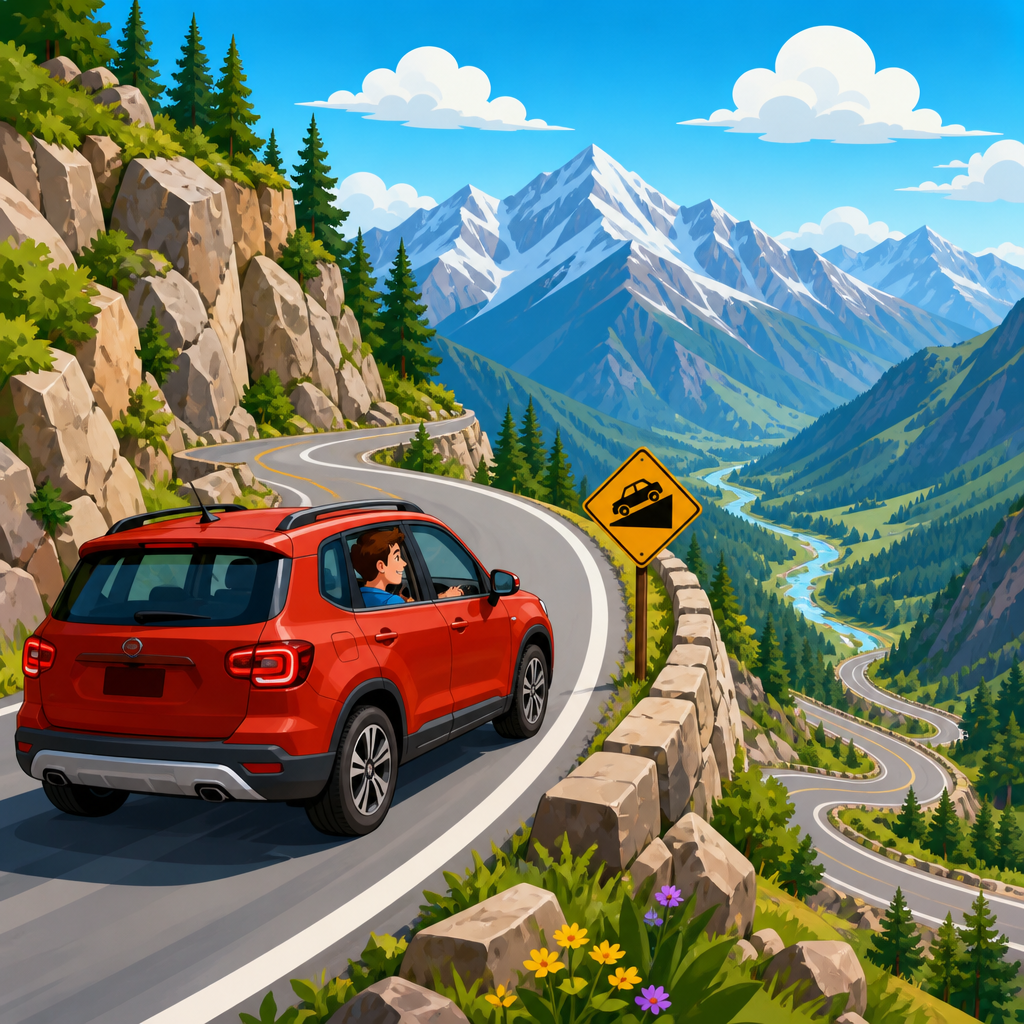
Driving steep passes safely after a rapid elevation gain requires more than caution; it requires understanding how altitude changes vehicle behavior, driver performance, and road risk all at once. In mountain travel, a steep pass is a sustained climb or descent with significant grade, sharp curves, and limited recovery space, while rapid elevation gain means moving from lower altitude to much higher terrain in a short distance. That combination matters because engines produce less power, brakes heat faster, weather shifts quickly, and drivers often underestimate fatigue, dehydration, and delayed reaction time. I have driven loaded trucks, crossovers, and camper vans through western passes where conditions changed from dry pavement to sleet within an hour, and the same pattern repeats: most close calls begin before the summit, when small oversights compound. This article is the hub for Vehicles & Mountain Driving, covering preparation, climbing technique, descending control, weather judgment, and emergency planning so every connected topic starts from sound fundamentals.

Why rapid elevation gain changes the driving equation

Rapid elevation gain affects the vehicle, the road, and the driver simultaneously. At altitude, air density drops, which reduces power in naturally aspirated gasoline engines and changes turbocharger behavior under sustained load. Diesel engines generally retain torque better, but cooling systems still work harder on long grades. Automatic transmissions may hunt between gears if the driver leaves the vehicle in a high economy mode, and that constant shifting adds heat. Braking distances also increase if speed rises unchecked on descent, because kinetic energy turns into heat at the brakes. The road adds another layer: mountain passes often combine six to eight percent grades with decreasing-radius turns, rockfall zones, runoff crossing the pavement, and narrow shoulders. Then the driver faces lower oxygen, glare, motion fatigue, and cognitive overload from scanning mirrors, grade signs, and oncoming traffic. The safest approach is to treat a rapid climb into a pass as a systems problem, not just a steering problem.

Many drivers ask a simple question: why does a vehicle that feels normal in town suddenly struggle in the mountains? The answer is load management. Every added demand compounds the others. A roof box increases aerodynamic drag, passengers and camping gear raise gross vehicle weight, and a steep grade demands continuous power. According to common engineering guidance, power loss in a naturally aspirated engine can approach about three percent per one thousand feet of elevation, which becomes noticeable on high western passes. Tires and brakes are affected indirectly as well. More load means more heat in sidewalls and rotors, especially when speed creeps up. Mountain roads also punish poor sightlines. A curve posted at 25 mph after a straight segment can surprise drivers who are focused only on the grade. Safe pass driving starts with accepting that the mountain is exposing every weakness in preparation, not creating those weaknesses from nowhere.

Prepare the vehicle before the climb

The best time to prevent trouble on a steep pass is before you leave the valley floor. Start with tires: inspect tread depth, sidewall condition, age, and pressure when cold. Use the vehicle placard or the manufacturer load guidance, not a random number from the tire sidewall. Underinflated tires build heat fast on long grades, while overinflated tires can reduce grip on broken pavement. Next, check brakes honestly. If the pedal pulses, rotors are scored, fluid is old, or pads are near minimum thickness, postpone the trip. Brake fluid absorbs moisture over time; under heavy use, contaminated fluid can boil and produce fade. Inspect coolant level, hoses, radiator cleanliness, and fan operation, because mountain climbs are cooling-system tests. Transmission fluid condition matters too, especially for towing or carrying a heavy camper. If your vehicle has a tow/haul mode, understand what it changes before you need it.

Fuel planning is equally important. Remote mountain corridors may have long stretches without reliable stations, and fuel economy usually drops sharply on steep grades, into headwinds, and at higher loads. I prefer reaching the base of a major pass with more fuel than the route calculator says I need, because reroutes, road work, and weather delays are common. Visibility equipment also deserves attention: wiper blades, washer fluid rated for low temperatures, defroster performance, and all exterior lights. Pack mountain-specific supplies rather than generic emergency kits. Include drinking water, high-energy snacks, traction aids, a flashlight, extra layers, gloves, a compact shovel in shoulder seasons, and a tire inflator. Phone service can disappear just when you need road status or weather updates, so download offline maps. If you tow, verify brake controller function, trailer tire pressures, breakaway cable condition, and tongue weight. Pass driving magnifies every setup error, especially with trailers and rooftop-loaded SUVs.

Use the right climbing technique on steep grades

Safe climbing is about controlled momentum, temperature management, and lane discipline. Build only reasonable speed before the grade; entering too fast forces unnecessary braking for the first curve, while entering too slowly may leave you stranded in the wrong gear. In automatics, lock out overdrive or select a lower range early if the transmission begins to hunt. In manuals, shift before the engine labors, not after. Keep the engine in its effective torque band, because lugging increases heat and reduces responsiveness. Watch gauges if your vehicle provides them. Coolant temperature, transmission temperature, and oil temperature tell you more than the seat of your pants. If temperatures rise steadily, reduce speed, turn off unnecessary loads, and use pullouts before the problem becomes urgent. Stay in your lane through blind curves and do not crowd the centerline to “open up” a turn; mountain roads often hide wide oncoming pickups, motorcycles, cyclists, or buses.

Climbing also demands patience with slower traffic and respect for turnout etiquette. Heavy trucks may ascend well below the posted speed, and impatient passing on short mountain straights causes severe crashes every year. Pass only in legal zones with long sight distance and enough power reserve to complete the move without straining the vehicle. If you are the slower driver and a line forms behind you, use designated pullouts. In my experience, using one early lowers stress and prevents risky passes later. Wind exposure increases near ridges and cuts, so maintain a firm but relaxed grip and anticipate crosswinds exiting tree cover. If your vehicle is turbocharged, remember that available power can still feel strong, which sometimes tempts drivers to overdrive their brakes and tires later on the descent. A clean uphill run is not proof the pass is easy. The summit is only the midpoint; the real discipline often begins after cresting.

Control the descent without overheating the brakes

The safest rule for descending a steep pass is simple: go down in the same gear you would need to climb up. That principle is not exact for every vehicle, but it is an excellent starting point because it prioritizes engine braking. Select a lower gear before the slope steepens, not after speed has already built. In vehicles with manual mode, choose a gear that holds speed with minimal brake application. In manuals, use lower gears confidently and avoid coasting in neutral, which removes engine braking and reduces control. Brake technique matters. Apply firm, deliberate pressure to reduce speed to a safe window, then release so the brakes can cool slightly; do not ride the pedal lightly for miles. If you smell brakes, feel a soft pedal, or notice reduced stopping response, pull off at the next safe turnout and let the system cool. Continued descent on fading brakes is how routine mountain drives become runaway emergencies.

Modern vehicles offer valuable downhill aids, but drivers need to know what each system does. Hill descent control is designed mainly for very low-speed loose-surface descents, not high-speed paved passes. Tow/haul modes on many trucks and SUVs increase grade-sensing downshifts and hold lower gears longer. Adaptive cruise control is useful on some rolling highways, but I do not recommend relying on it in steep mountain descents with traffic compression and tight curves; human judgment is better at anticipating turn radius and surface changes. The table below summarizes practical control choices.

Situation Best vehicle setting Driver action Main risk avoided
Long paved 6–8% descent Lower gear or manual mode Use engine braking, brake firmly then release Brake fade
Towing a trailer downhill Tow/haul mode plus lower gear Reduce speed before curves and keep larger following distance Trailer push and overheated transmission
Loose gravel or rough fire road 4WD low if appropriate Descend slowly, avoid sudden steering or braking Loss of traction
Snow or slush on a pass Gentle low gear, traction systems on Slow early, smooth inputs, increase space dramatically Skids on curves

Adjust for weather, surface, and altitude effects on the driver

Mountain weather can change faster than most route apps suggest. A pass that is merely wet at 5,000 feet may be sleeting at 8,000 and snow-packed above 10,000. Temperature generally drops with elevation, and shaded corners can hold ice long after open pavement dries. Wind funnels through saddles and canyon exits, pushing high-profile vehicles sideways. Fog and wildfire smoke cut sight distance and make depth perception harder on switchbacks. The response is not complicated, but it must be deliberate: slow earlier than feels necessary, increase following distance, and scan for clues such as spray patterns from vehicles ahead, dark glossy pavement, and snowmelt crossing the lane. If chain controls or traction requirements are posted, comply fully. All-season tires are not the same as severe-snow-rated tires marked with the three-peak mountain snowflake symbol, and the difference becomes obvious on cold, packed surfaces. Good judgment means turning around when conditions exceed the vehicle, tires, or driver.

Altitude affects drivers too, especially after a rapid gain from low elevation. Even healthy people can experience headache, lightheadedness, reduced concentration, and quicker fatigue. Dehydration is common because mountain air is dry and drivers often drink less to avoid stops. I have found that a short summit stop, water, and a quick walk improve alertness far more than trying to “push through” the descent. Sun exposure is another underestimated factor. Glare near ridgelines can hide washed-out lane markings, cyclists, or animals at dawn and late afternoon. Wear sunglasses that preserve contrast, and keep the inside of the windshield clean; haze on glass amplifies glare significantly. If passengers show signs of motion sickness or altitude discomfort, address it before the descent. A distracted driver managing sick passengers on hairpins is at a real safety disadvantage. The mountain does not care whether the distraction came from weather, altitude, navigation, or conversation.

Plan for emergencies, breakdowns, and mountain-specific hazards

Even well-prepared drivers need a plan for what happens when something goes wrong. Overheated brakes, coolant loss, punctures, rockfall, wildlife, and sudden closures are normal mountain hazards, not rare anomalies. If your engine temperature climbs into the danger zone, turn off air conditioning, run the heater if necessary, reduce load, and pull over safely as soon as possible. Never remove a hot radiator cap. For brake fade, stop in a turnout and wait; pouring water on hot components can damage them. If a deer or elk appears, brake in a straight line and avoid swerving into the opposing lane or off a narrow shoulder. In rockfall areas, do not stop beneath unstable slopes unless a collision leaves no safer option. Night driving adds risk because animals move more, depth cues weaken, and tired drivers misread curve severity. Check state DOT pass reports before departure and again near the climb, because closures from crashes, snow, or wildfire can develop quickly.

Communication and route planning matter as much as mechanical readiness. Tell someone your route, expected arrival time, and alternates if a pass closes. Carry a charged phone, but assume dead zones; a paper map is still useful when rerouting around a closure. If you break down in a dangerous location, prioritize visibility: hazard flashers on, reflective triangle if safe to place, occupants away from traffic where terrain allows. For off-grid travelers, remember that mountain nights can turn cold even in summer, so spare insulation and water are safety gear, not convenience items. Finally, know when not to attempt a pass. If your brakes are marginal, tires are worn, trailer sway is unresolved, or weather advisories are escalating, waiting is the expert move. Safe mountain driving is not about proving confidence. It is about stacking conditions in your favor, making early corrections, and respecting that steep passes punish delay, denial, and improvisation.

Driving steep passes safely after a rapid elevation gain comes down to preparation, restraint, and disciplined technique. Prepare the vehicle before the climb with sound tires, healthy brakes, good fluids, and realistic fuel reserves. Climb with the right gear, steady momentum, and patience around slower traffic. Descend with engine braking as the primary control, using firm brake applications instead of riding the pedal. Adapt early to mountain weather, changing surfaces, glare, wind, and the effects of altitude on concentration and fatigue. Keep emergency supplies, route backups, and a clear threshold for turning around. These practices are not complicated, but they are decisive, and they consistently separate routine pass crossings from preventable incidents.

As the central guide in Vehicles & Mountain Driving, this article gives you the operating principles that support every more specific topic, from towing through passes to winter traction and brake management. The main benefit is confidence built on method, not optimism. When you understand how elevation, grade, load, weather, and driver condition interact, you make calmer decisions and your vehicle stays within its limits. Before your next mountain trip, inspect the vehicle, review the route, check pass conditions, and choose your descent strategy before you crest the summit. That one habit will improve safety more than any last-minute reaction on the mountain road.

Frequently Asked Questions

What makes steep mountain passes more dangerous after a rapid elevation gain?

Steep passes become more demanding after a rapid elevation gain because several risk factors increase at the same time. As altitude rises quickly, air density drops, which can reduce engine power, affect turbo and naturally aspirated vehicles differently, and change how your vehicle responds under load. That matters on sustained climbs where you may need more throttle just to maintain speed, and on descents where lower gears and engine braking become especially important. At the same time, the road itself typically becomes less forgiving. Steep passes often combine long grades, sharp turns, narrower lanes, changing weather, rockfall areas, and limited shoulder space. If something goes wrong, there may be very little room or time to recover.

Driver performance can also change with altitude, especially if the gain happens quickly. Some people experience fatigue, mild headache, slower reaction time, or reduced concentration at higher elevations, particularly if they are already tired, dehydrated, or stressed. Add in heavy traffic, unfamiliar roads, or reduced visibility from fog, rain, or snow, and the overall risk rises quickly. That is why safe mountain driving is not just about “being careful.” It is about recognizing that the vehicle, the driver, and the roadway are all operating under greater strain than they would at lower elevations.

How should I prepare my vehicle before driving a steep pass at higher altitude?

Before driving a steep pass, focus on the systems most likely to be stressed by long climbs and descents: brakes, tires, cooling, powertrain, and visibility. Start with the brakes. Make sure brake pads and rotors are in good condition and that brake fluid is at the proper level and not overdue for replacement. Old brake fluid can absorb moisture over time, which lowers its boiling point and increases the risk of brake fade on long descents. Tires should have adequate tread, correct pressure when cold, and no visible damage. Underinflated or worn tires are a serious liability on mountain roads because they reduce grip and increase heat buildup.

Next, check engine oil, coolant, belts, hoses, and battery condition. Rapid elevation gain and sustained climbing can place extra thermal load on the engine and transmission, especially in hot weather or when the vehicle is heavily loaded. If you drive an automatic, your transmission condition matters too, because repeated climbing and descending can generate heat. Make sure your windshield is clean, your washer fluid is topped off, and your lights work properly, since weather and visibility can change fast in the mountains. If your route includes very high elevations or remote terrain, it is also wise to fuel up early, carry water, layers, a phone charger, and basic emergency supplies. Preparation reduces the chance that a manageable drive turns into a preventable problem.

What is the safest way to climb and descend a steep pass without overworking the vehicle?

The safest approach is to drive smoothly, stay well within your vehicle’s limits, and manage speed before the road forces you to. On climbs, avoid aggressive acceleration. Use a steady throttle, leave extra following distance, and expect reduced engine performance at higher altitude. If your vehicle starts hunting between gears, manually selecting a lower gear can help maintain more consistent power and reduce unnecessary transmission strain. Keep an eye on engine temperature and be realistic about speed. In the mountains, maintaining control is more important than maintaining pace.

On descents, the key rule is simple: do not rely on your brakes alone. Shift into a lower gear before the slope steepens so the engine helps hold your speed. This is one of the most important mountain-driving habits because continuous braking can overheat the brakes, leading to fade and a dramatic loss of stopping power. Use firm, controlled brake applications as needed to trim speed, then release to let the brakes cool briefly, rather than dragging them constantly. Enter curves slower than you think you need to, because downhill speed builds quickly and traction can change from one shaded corner to the next. If your vehicle has hill descent control or manual gear selection, use those features appropriately, but do not assume technology replaces judgment. Smooth inputs, lower speeds, and proactive gear management are what protect both the vehicle and the driver.

How can I tell if altitude or the steep grade is affecting my driving ability or my vehicle’s performance?

For the driver, warning signs can be subtle at first. You may notice unusual fatigue, lightheadedness, a mild headache, slower decision-making, irritability, or trouble concentrating. These symptoms are more likely if you gained elevation quickly, are dehydrated, skipped food, or started the drive already tired. In a mountain environment, even mild impairment matters because the margin for error is smaller. If you catch yourself braking late, missing signs, feeling unusually tense, or struggling to stay mentally ahead of the road, that is a signal to slow down and, if possible, stop in a safe area to rest and reset.

For the vehicle, altitude and grade often show up as reduced power on climbs, more frequent downshifts, higher engine or transmission temperatures, and a stronger need for lower gears. On descents, the most serious warning sign is brake fade: the brakes may feel soft, require more pedal pressure, or become less effective after repeated use. You might also notice a hot or acrid smell near the wheels, which can indicate overheated brakes. If the engine temperature climbs, if warning lights appear, or if braking performance changes, do not push on as if nothing is happening. Pull over only where it is clearly safe and legal to do so, let the vehicle cool if needed, and reassess. Recognizing problems early is one of the best ways to avoid emergencies on a pass.

What should I do if weather, traffic, or road conditions suddenly get worse on a steep pass?

If conditions deteriorate, your first priority is to create more time and space. Slow down smoothly, increase following distance, and avoid abrupt steering, braking, or acceleration. Mountain roads can change character very quickly due to fog, blowing snow, ice in shaded areas, heavy rain, falling rocks, or stop-and-go traffic on steep grades. When visibility drops, use headlights as appropriate and keep your full attention on lane position and road surface changes. If traffic compresses on an uphill section, leave enough room so you do not have to stop too close to the vehicle ahead, especially if restarting on a grade could be difficult.

If the road becomes slick or visibility becomes poor enough that you cannot confidently see far enough ahead to stop within the distance visible, reduce speed further and consider whether continuing is still the safest choice. Use turnouts, chain-up areas, or designated pull-offs only when necessary and only when they are safe to enter. Do not stop in a travel lane or around blind curves. If conditions exceed your comfort level or your vehicle’s capability, waiting them out can be the smartest decision. In mountain driving, good judgment often means knowing when not to press on. A safe arrival matters far more than staying on schedule.

Home Systems, Vehicles & Off-Grid Living, Vehicles & Mountain Driving

Post navigation

Previous Post: Can altitude affect diesel engines differently than gas engines?
Next Post: Best tire strategy for mountain towns with shoulder-season storms

Related Posts

Whole-house humidifier vs portable humidifiers for altitude homes Home Systems, Vehicles & Off-Grid Living
How to set indoor humidity in a mountain home without causing mold Home Systems, Vehicles & Off-Grid Living
How to prevent frozen pipes in mountain winters Home Systems, Vehicles & Off-Grid Living
Do gas ranges cook differently at high elevation? Home Systems, Vehicles & Off-Grid Living
Propane appliances at altitude: why the flame looks different Home Systems, Vehicles & Off-Grid Living
Hot water heater performance at altitude: what homeowners should check Home Systems, Vehicles & Off-Grid Living

Pages

  • Privacy Policy
  • Welcome to HighAltitudeLife.com — Your Complete Guide to Living, Traveling, and Thriving at Elevation

Posts by category

  • Category: Altitude Illness & Acclimatization
    • Can you lose acclimatization after a few days back at sea level?
    • Does sleeping in a lower town really make a difference?
    • Can heat training replace altitude acclimatization?
    • Can sauna training help you prepare for altitude?
    • Do hypoxic tents work for high-altitude travel?
    • Can a weekend trip help you pre-acclimate for a bigger mountain trip?
    • Do altitude masks help with acclimatization?
    • Should you use HRV to monitor altitude adaptation?
    • How to track acclimatization with resting heart rate
    • Low SpO2 at altitude without symptoms: should you worry?
    • What is a normal oxygen saturation at 8,000 feet?
    • How to use a pulse oximeter at altitude without overreacting
    • How fast high-altitude pulmonary edema can progress after a rapid ascent
    • Why HAPE can happen even without classic altitude sickness first
    • What pink frothy sputum at altitude means and why it is an emergency
    • When chest tightness at altitude means you need to descend now
    • HAPE vs bronchitis: how to spot a dangerous cough at altitude
    • Early signs of HAPE every traveler should know
    • How quickly HACE can become life-threatening if you keep ascending
    • What to do if someone becomes disoriented at high altitude
    • HACE vs severe AMS: when symptoms cross into emergency territory
    • Why stumbling and confusion at altitude should never be ignored
    • Early signs of HACE that people mistake for simple exhaustion
    • Why descent is still the most important treatment for severe altitude illness
    • What to do if someone collapses at altitude
    • What to do if AMS hits on night one in a ski town
    • When to descend immediately because altitude symptoms are getting worse
    • When to go to urgent care for altitude symptoms
    • Why altitude symptoms often peak on the first night
    • Why you feel hungover at altitude even when you did not drink
    • Shortness of breath at altitude: what is normal and what is not
    • Why your hands and face can feel puffy after gaining elevation
    • Why your resting heart rate jumps after a rapid ascent
    • Altitude fatigue vs normal travel fatigue: how to tell the difference
    • Why dizziness at altitude feels worse when you stand up quickly
    • Loss of appetite at high altitude: when to push calories and when to rest
    • What causes nausea at altitude and what actually helps?
    • Acute mountain sickness symptoms timeline: what can start within 6 to 12 hours
    • Can poor sleep be your first sign that altitude is not going well?
    • Do anti-nausea meds help with altitude sickness?
    • How long should you wait before trying to go higher again after AMS?
    • Why appetite loss at altitude can quietly make symptoms worse
    • Can dehydration alone cause an altitude-like headache?
    • What not to do when you get altitude sick in a resort town
    • How to use rest days correctly while acclimatizing
    • Why mild altitude symptoms should change your next day’s plan
    • Can you get altitude sickness after moving higher within the same mountain region?
    • Why altitude illness symptoms can look like a hangover
    • Why some people get altitude sickness below the usual risk threshold
    • Do older adults acclimate more slowly at high altitude?
    • Do children get altitude sickness differently than adults?
    • What travelers usually miss about the altitude where they sleep
    • How altitude sickness feels different when you fly in vs drive up
    • Can you still get altitude sickness if you were fine last time?
    • What happens if you ignore mild altitude sickness symptoms?
    • How to know whether a mountain headache is just a headache or AMS
    • Why physical fitness does not protect you from altitude sickness
    • First-night altitude sickness: what to do before symptoms spiral
    • Why altitude sickness often feels worse after dinner
    • What does mild altitude sickness feel like at night?
    • How quickly can altitude sickness start after you arrive?
    • Can you get altitude sickness at 6,000 feet?
    • Altitude sickness vs dehydration: how to tell the difference on day one
    • When oxygen helps at altitude and when it is not enough
    • Can ibuprofen help with altitude headache?
    • What medications can make altitude sleep worse?
    • How long does acetazolamide take to start working?
    • Acetazolamide vs dexamethasone for altitude illness prevention
    • Acetazolamide side effects: what is normal and what is not
    • When should you take acetazolamide for high altitude travel?
    • Category: Acclimatization Plans
      • How to build a week-long acclimatization plan for a 14er trip
      • Driving to altitude vs flying to altitude: which is easier on your body?
      • How to acclimatize after flying straight from sea level to the mountains
      • How to acclimatize for a mountain wedding or family reunion
      • Why symptoms often improve during the day and worsen overnight
      • How many buffer nights do you need before going higher?
      • What climb high, sleep low actually means for normal travelers
      • Why sleeping altitude matters more than daytime altitude
      • How staged ascent lowers your risk of getting sick
      • Should you rest or exercise on your first day at altitude?
      • What a good first 48 hours at altitude actually looks like
      • How long does acclimatization take for a ski vacation?
      • How long does it take to acclimatize after moving to 6,500 feet?
      • How to acclimatize when you only have one extra day
      • Acclimatization plan for 8,000 to 10,000 feet
    • Category: Altitude Medications & Oxygen
    • Category: AMS Basics & Risk Factors
    • Category: AMS Management & Recovery
    • Category: AMS Symptoms & Diagnosis
    • Category: Descent, Treatment & Emergency Response
    • Category: HACE
    • Category: HAPE
    • Category: Monitoring & Decision Tools
    • Category: Pre-Acclimation & Training
  • Category: Cooking & Baking at Altitude
    • Can you cold ferment bread dough at altitude?
    • Biscuits at altitude: how to keep them flaky and tall
    • Best high altitude strategy for enriched doughs
    • How altitude changes sourdough discard recipes
    • Why your crust hardens too fast at altitude
    • Should you use bread flour or all-purpose flour at altitude?
    • How to proof dough in a cold mountain kitchen
    • Challah at altitude: how to keep braids tall and even
    • Focaccia at altitude without giant air tunnels
    • High altitude bagels: better chew without overproofing
    • Bread machine baking at altitude: how to stop overflow and collapse
    • High altitude cinnamon rolls that stay soft
    • How to fix dry dinner rolls at altitude
    • Pizza dough at altitude: timing bulk fermentation correctly
    • Whole wheat bread at altitude without a dense crumb
    • Why bread loaves collapse after rising beautifully at altitude
    • High altitude sourdough hydration: how to adjust for dry flour
    • How to make soft sandwich bread at altitude
    • Sourdough at altitude: how to manage a hyperactive starter
    • High altitude bread baking: how to slow overproofing
    • Why yeast dough rises too fast at altitude
    • Best oven rack position for muffins and quick breads at altitude
    • What high altitude does to buttermilk baking
    • Pumpkin bread at altitude without collapse
    • Cinnamon streusel muffins at altitude that actually hold together
    • Zucchini bread at altitude without a wet middle
    • Crepes at altitude: do you need to change anything?
    • Scones at altitude: why they spread and how to fix them
    • Waffles at altitude: crisp outside, fully cooked inside
    • Pancakes at altitude: why they turn gummy in the middle
    • Cornbread at altitude: moist texture without crumbling
    • Blueberry muffins at altitude without gummy centers
    • Quick breads at altitude: why they over-rise and collapse
    • Banana bread at altitude: how to stop the center from sinking
    • Muffins at altitude: how to avoid mushroom tops and tunnels
    • High altitude pastry cream without a grainy texture
    • Why whipped cream behaves differently in very dry climates
    • Best thickener choices for fruit pies at altitude
    • Souffles at altitude: why timing matters even more
    • How to blind bake pie crust successfully at altitude
    • Custards at altitude: how to avoid curdling and underbaking
    • Tart shells at altitude without slumping
    • How to fix hollow macarons in dry mountain air
    • Puff pastry at altitude: what matters and what does not
    • Cream puffs and choux pastry at altitude
    • Meringue at altitude: how to stop weeping and shrinking
    • Macarons at altitude: can they actually work?
    • Pumpkin pie at altitude without cracks or weeping
    • Pie crust at altitude: how to keep it flaky
    • Fruit pies at altitude: how to avoid runny fillings
    • Coffee brewing at altitude: how to get better extraction
    • Grilling at altitude: how wind and thinner air change cooking
    • Instant Pot altitude adjustments that actually work
    • Pressure cooking at altitude for soups and stews
    • Roasting meat at altitude: why thermometers beat timing
    • Slow cooker meals at altitude: do you need to adjust time?
    • Beans at altitude: stovetop vs pressure cooker
    • Cooking rice at altitude without mush or crunch
    • Pasta at altitude: why it takes longer than you expect
    • How long to boil eggs at altitude
    • Category: Baking Fundamentals
      • How altitude affects gluten-free baking
      • Best tools for reliable high altitude baking at home
      • How to test a new recipe at altitude without wasting ingredients
      • Why eggs matter more in high altitude baking
      • How much extra liquid to add when baking at altitude
      • When to reduce baking powder and baking soda at altitude
      • When to reduce sugar in high altitude baking
      • When you should increase oven temperature at altitude
      • Why your flour behaves differently in dry mountain air
      • Why water boils at a lower temperature at altitude and why it matters
      • High altitude baking conversion chart for beginners
      • How to adjust a sea-level recipe for high altitude
      • Why low air pressure changes rise, moisture, and structure
      • High altitude baking basics: why recipes fail above 3,000 feet
      • What counts as high altitude for baking?
    • Category: Baking Troubleshooting & Workflow
      • Best freezer strategies for make-ahead baking at altitude
      • How to troubleshoot overproofed bread in a dry mountain kitchen
      • Best notebook system for testing and improving high-altitude recipes
      • Why pie fillings bubble differently at altitude
      • How to adapt family recipes without losing the original feel
      • How to adjust cheesecake water baths at altitude
      • Can you use convection mode for high-altitude baking?
      • What altitude does to brownie edges vs brownie centers
      • Why high-altitude cakes brown before the center is done
      • How to rescue a batch of flat cookies at altitude
    • Category: Cakes & Cupcakes
      • High altitude wedding cake planning for home bakers
      • How to keep sheet cakes soft at altitude
      • Bundt cakes at altitude: why they stick and how to fix it
      • Sponge cake at altitude: how to stabilize the foam
      • Cheesecake at altitude: how to avoid cracks and underbaked centers
      • Angel food cake at altitude: how to keep it from collapsing
      • High altitude red velvet cake without a dense crumb
      • How to keep layer cakes from drying out at altitude
      • Best frosting choices for dry mountain climates
      • How to adapt box cake mix for 5,000 to 8,000 feet
      • Why cupcakes dome and crack at altitude
      • High altitude vanilla cake: how to prevent tunneling and collapse
      • How to fix a gummy cake at altitude
      • Why cakes sink in the middle at high altitude
      • High altitude chocolate cake that stays moist and tall
    • Category: Candy, Preserves & Canning
      • Best thermometer use for sugar work at high altitude
      • Altitude-safe fruit preserving for mountain home cooks
      • Why home canning mistakes are riskier at altitude
      • Pressure canning at altitude: how to adjust pressure safely
      • Boiling-water canning at altitude: how to adjust processing time
      • High altitude canning basics for beginners
      • Jam and jelly at high elevation: safer set points and timing
      • Fudge at altitude without graininess
      • Caramel at altitude: why your thermometer matters more
      • Candy making at altitude: how soft-ball and hard-crack stages change
    • Category: Cookies & Bars
      • Should you chill cookie dough longer at altitude?
      • Best pan choice for cookies at high altitude
      • Peanut butter cookies at altitude: how to stop cracking
      • High altitude lemon bars without a soggy crust
      • Why blondies turn cakey at altitude
      • Snickerdoodles at altitude: why they flatten and how to fix them
      • Shortbread at altitude: how to keep it tender
      • Bar cookies at altitude: how to avoid underbaked centers
      • Brownies at altitude: chewy edges without a dry center
      • Fudgy brownies at 7,000 feet: the easiest adjustments
      • Best high altitude oatmeal cookie adjustments
      • High altitude sugar cookies that hold their shape
      • High altitude chocolate chip cookies that do not go flat
      • Why cookies spread too much at altitude
      • How to fix dry cookies at altitude
    • Category: Cooking Methods
    • Category: Pies, Pastries & Meringues
    • Category: Quick Breads & Breakfast Bakes
    • Category: Yeast Breads & Sourdough
  • Category: Daily Life, Skin, Eyes & Home Comfort
    • Best lip SPF for high elevation conditions
    • How to protect your scalp from altitude sun
    • Sunburn on cloudy mountain days: why it still happens
    • How to read the UV Index before a mountain hike
    • Best UPF clothing for high altitude summer days
    • Best sunscreen for high altitude hiking and snow reflection
    • How often should you reapply sunscreen while skiing?
    • How altitude changes eczema triggers
    • Does acne get better or worse at altitude?
    • Why UV exposure is stronger at altitude
    • How to treat a nose that feels raw in dry mountain weather
    • Best overnight routine for repairing skin after sun and wind exposure
    • Windburn vs sunburn: how to tell the difference after a mountain day
    • How to stop chapped lips from coming back in mountain air
    • Why your hands crack faster at altitude and what helps
    • Best moisturizers for mountain dryness without feeling greasy
    • How to build a high altitude skincare routine that actually works
    • How to reduce fatigue during your first month at altitude
    • Does allergy season get better or worse at higher elevation?
    • Why your skin gets drier at 7,000 feet
    • How to dress for 40-degree temperature swings in one day
    • Why coffee tastes different in the mountains
    • What shoulder season living is really like in mountain towns
    • How to dry laundry faster in cold, dry air
    • Best pet hydration routine for mountain homes
    • How to keep houseplants alive at altitude
    • Best place to put a humidifier in a mountain bedroom
    • Best houseplants for adding humidity in dry climates
    • How to reduce nosebleeds caused by dry indoor air
    • Static electricity at altitude: why it gets so bad
    • How to use a bedroom humidifier without creating mold
    • Why your sinuses hurt more in dry mountain houses
    • How to keep produce fresh longer in mountain air
    • Indoor humidity at altitude: what range feels best?
    • Humidifier vs whole-house humidifier for mountain homes
    • How to protect your eyes on windy ridge days
    • Do blue eyes burn faster in bright snow conditions?
    • Can altitude make contact lenses less comfortable?
    • What photokeratitis feels like and when to get help
    • How to prevent snow blindness on bright alpine days
    • When should you wear glacier glasses instead of regular sunglasses?
    • Best eyedrops for mountain dryness and screen time
    • Dry eyes at high altitude: what actually helps
    • What altitude does to your taste and smell
    • Why groceries dry out faster in a mountain pantry
    • Best food storage tweaks for dry, high-elevation kitchens
    • How to manage barometric pressure headaches in mountain towns
    • Why weather swings trigger headaches at altitude
    • Daily hydration habits that work when you live at altitude
    • How to create an altitude-friendly self-care routine for guests
    • Do storms feel more intense when you live high in the mountains?
    • Why you feel thirstier in cold mountain weather
    • Why your voice feels rough after a day in dry mountain weather
    • How to prevent cracked cuticles and hangnails at altitude
    • Can altitude make tinnitus feel worse?
    • How to soothe a dry sore throat caused by mountain air
    • High altitude cough: dry air vs illness vs something serious
    • Why your nose bleeds more often in winter at altitude
    • Sinus pressure after a big elevation gain: what helps safely
    • How to relieve ear pressure on mountain drives
    • Category: Comfort Troubleshooting
      • Why mountain air can make you feel tired even when your weather app says perfect
      • How to build a guest room that feels better for visitors new to altitude
      • Best ways to protect kids’ skin from mountain sun year-round
      • Do humidifiers help with snoring in dry mountain bedrooms?
      • How to keep your home office comfortable in dry mountain air
      • Best reusable water bottle habit for daily life at altitude
      • How to handle cold, sunny days that dehydrate you faster than you expect
      • Best shower and skincare routine after skiing at altitude
      • Can altitude make contact lenses dry out faster on flights and mountain days?
      • How to stop waking up with nosebleeds in winter mountain homes
    • Category: ENT & Sensory Issues
    • Category: Everyday Health & Comfort
    • Category: Eye Care & Vision
    • Category: Indoor Air & Humidity
    • Category: Lifestyle Adjustments
    • Category: Skin Care & Dryness
    • Category: Sun Protection & UV
  • Category: Family, Pregnancy & Kids
    • How to plan a lower-risk babymoon in a mountain town
    • When to call your OB before a mountain trip
    • Best hydration strategy for pregnancy in dry mountain air
    • Why remote mountain travel changes pregnancy risk planning
    • Pregnancy and brief high-altitude travel: practical planning questions
    • Can you ski early in pregnancy at altitude?
    • How to plan rest days on a high-altitude family trip
    • Can kids sleep worse than adults at altitude?
    • What to do if your child vomits after arriving at altitude
    • Traveling to altitude with a baby: what pediatricians usually discuss
    • Best snacks for children who lose appetite at altitude
    • How to keep kids hydrated on mountain vacations
    • How to pace a family ski trip so kids acclimate better
    • Best first-day plan for families arriving at altitude
    • Best packing list for infants in high-altitude climates
    • What altitude symptoms in toddlers are easy to miss
    • How to spot altitude sickness in children
    • How to recognize when a baby is not adjusting well to altitude
    • Safe sleep questions parents ask after moving to altitude
    • Newborns at altitude: what families should ask their pediatrician
    • Postpartum recovery at altitude: what can feel harder than expected
    • Breastfeeding at altitude: how dry air and hydration affect comfort
    • Category: Family Logistics & Planning
      • How to build a kid-friendly first-aid kit for mountain trips
      • Should children take acetazolamide for altitude travel?
      • How to talk to kids about altitude sickness without scaring them
      • Family road trip to altitude: where to break up the ascent
      • How to plan a multigenerational vacation at altitude without overdoing it
      • Best family-friendly mountain towns for a first altitude trip
      • How to manage screen-free downtime when bad weather keeps kids inside
      • How to plan a family reunion in the mountains for mixed ages
      • High school athletes competing at altitude: how to prepare safely
      • Traveling with grandparents and kids to altitude: how to pace the trip
    • Category: Infants & Postpartum
    • Category: Kids & Family Travel
    • Category: Pregnancy Travel
  • Category: Fitness, Hiking & Performance
    • Best recovery routine after multiple ski days at altitude
    • Can altitude make you more reckless on the mountain?
    • How to reduce quad burnout on long ski days at altitude
    • Snowshoeing at altitude: how to avoid overheating and dehydration
    • Backcountry ski touring at altitude: pacing and fueling tips
    • How to stay hydrated while skiing in cold weather
    • Best acclimatization plan for a ski weekend
    • Skiing at altitude: how to survive day one without a headache
    • How to use perceived effort instead of pace at altitude
    • Do you lose fitness or just feel slower at elevation?
    • Why interval workouts feel brutal at altitude
    • Can you train hard on day one at altitude?
    • How to pace your first run in a mountain town
    • Why workouts feel harder at 6,000 feet
    • Heart rate zones at altitude: how to adjust them
    • How much does VO2 max drop at altitude?
    • Does creatine help or hurt during altitude adaptation?
    • Can you build muscle normally while living at altitude?
    • Can altitude make you sorer for longer after leg day?
    • How to recover from strength sessions in dry mountain climates
    • Should bodybuilders adjust protein and water needs at altitude?
    • Do heavy lifts feel harder at altitude or is it just cardio strain?
    • Best gym week after moving to altitude
    • Strength training at altitude: should you cut volume or intensity first?
    • How long altitude training benefits last after you come home
    • Can altitude training help a half marathon at sea level?
    • How to avoid altitude headaches after a run
    • Best recovery plan after a hard run at altitude
    • Best acclimatization strategy for trail runners
    • How to train for your first 14er from sea level
    • How to fuel long runs in dry mountain air
    • How to know whether fatigue is from training or acclimatization
    • Running at altitude: what sea-level runners should expect
    • High altitude muscle cramps: hydration vs sodium vs pacing
    • Post-workout headaches at altitude: most common causes
    • Should you add extra recovery days during your first week at altitude?
    • Signs you are pushing too hard at altitude
    • Best active recovery ideas when you live above 7,000 feet
    • How altitude affects hiking with a pack vs running without one
    • Using a pulse oximeter to guide training at altitude
    • Can you train through mild altitude sickness?
    • How to return to sea-level pace after a high-altitude block
    • Do women respond differently to altitude training than men?
    • Can swimmers benefit from altitude exposure away from the pool?
    • Heat training vs altitude training: which is more useful?
    • Best cross-training options during your first altitude week
    • Live high, train low: what it really means for non-elite athletes
    • How to plan a training camp at altitude without burning out
    • How to build rest breaks into a family hike at altitude
    • Why appetite changes can wreck athletic performance at altitude
    • Altitude and weight loss: why the scale may drop fast at first
    • Best snacks for summit day above tree line
    • How to plan a safer turnaround time at altitude
    • Breathing techniques that actually help on steep ascents
    • How often should you stop on a high-altitude hike?
    • What to do when your hiking partner is slowing down from altitude
    • How to pace steep climbs so you do not blow up early
    • Hiking at altitude when you are not acclimated
    • Category: Cycling
      • What to eat on a high-altitude ride over three hours
      • Mountain biking at altitude: how to manage surges and recovery
      • Do descents feel colder and drier at altitude on the bike?
      • Best gearing strategy for steep high-altitude climbs
      • How altitude changes power output on the bike
      • Cycling mountain passes: how to pace long climbs at altitude
    • Category: Hiking Strategy
    • Category: Performance Strategy
    • Category: Recovery & Monitoring
    • Category: Running & Endurance
    • Category: Strength & Gym Training
    • Category: Training Physiology
    • Category: Winter Sports
  • Category: Gear, Monitoring & Safety
    • Best recovery tools for multi-day mountain trips
    • Car emergency gear for winter mountain passes
    • GPS watch features that actually matter on mountain trips
    • Best gear for kids on their first high-altitude trip
    • How to build a simple altitude emergency kit for your trunk
    • Best cabin backup lighting for storms and outages
    • Do portable air purifiers help in smoky mountain rentals?
    • How to choose a pack that carries water well in dry conditions
    • What to keep in a high-altitude travel med kit
    • Best backpacks for day hikes at altitude
    • Water filters that perform well in cold alpine conditions
    • Best cooking tools for reliable high-altitude recipe testing
    • Best face coverings for wind, cold, and sun at altitude
    • How to pack a carry-on for a fast ascent to a mountain town
    • Best travel gear for sleeping better at altitude
    • Best lip balms for mountain sun and wind
    • UPF hoodies vs sunscreen: what works best above tree line
    • Best sunscreen format for high-altitude hiking
    • Glacier glasses vs regular sunglasses for snow and alpine travel
    • Best traction devices for icy shoulder-season trails
    • Best sunglasses for high-altitude UV exposure
    • Best headlamps for cold mountain nights
    • Power banks that hold up better in winter conditions
    • Satellite messenger vs cell phone for remote altitude travel
    • Best first-aid kit additions for high-altitude hiking
    • Do trekking poles really help at altitude?
    • Hydration packs that resist frozen hoses in winter
    • Best water bottles for cold, high-altitude hikes
    • Best thermometers for high-altitude cooking and candy making
    • Do you need a humidifier for mountain hotel rooms?
    • Oxygen canisters for hikers: helpful tool or marketing gimmick?
    • How to read a pulse oximeter without panicking
    • Portable oxygen concentrators for high altitude travel: what they can and cannot do
    • Best pulse oximeters for altitude travel
    • Category: Clothing, Sleep & Shelter
      • Tent features that matter most in exposed alpine camps
      • Best sleeping pads for cold ground and thin air
      • How to pick a sleeping bag for high-altitude camping
      • Best base layers for dry, cold mountain climates
      • Best layering system for big temperature swings in the mountains
      • How to choose gloves for cold but sunny alpine days
    • Category: Monitoring & Oxygen
    • Category: Safety & Navigation
    • Category: Sun, Eye & Skin Gear
    • Category: Travel & Emergency Preparedness
  • Category: Home Systems, Vehicles & Off-Grid Living
    • Best laundry and drying setup for cold, dry climates
    • How to prep a vacation rental for guests who are new to altitude
    • How to reduce dry-air damage to guitars, books, and artwork
    • Mountain town remote work setup: what changes in winter
    • Moving checklist for relocating from sea level to a mountain town
    • How to make guests more comfortable in a mountain home
    • Best first-month home purchases after moving to altitude
    • How to manage road closures and supply runs in remote mountain living
    • Best emergency food storage plan for a high-altitude cabin
    • Apartment living at altitude: easiest ways to improve air comfort
    • Septic systems in mountain terrain: planning basics
    • Starlink and internet reliability in remote high-altitude homes
    • How to size a backup generator for a mountain property
    • Off-grid living at altitude: first questions to answer before you buy
    • Water storage and freeze protection for off-grid cabins
    • Solar panels in snowy mountain climates: what owners learn fast
    • Best tire strategy for mountain towns with shoulder-season storms
    • How to drive steep passes safely after a rapid elevation gain
    • Can altitude affect diesel engines differently than gas engines?
    • Best emergency kit for mountain pass driving
    • How to winterize your vehicle for high-altitude roads
    • Do EVs lose range faster in cold mountain conditions?
    • Fuel economy at altitude: what actually changes
    • Snow melt systems: are they worth it in mountain towns?
    • Why car engines lose power at altitude
    • Air purifier sizing for high-altitude homes during smoke season
    • How to plan backup heat for a mountain power outage
    • Wildfire smoke prep for mountain homeowners
    • Best windows for mountain sun, cold nights, and big temperature swings
    • How altitude changes paint and stain drying times
    • How to reduce static electricity in a dry mountain house
    • Roofing materials that hold up better to high UV and snow load
    • Why wood furniture cracks more in dry mountain houses
    • Best flooring choices for dry, snowy mountain climates
    • Hot water heater performance at altitude: what homeowners should check
    • Propane appliances at altitude: why the flame looks different
    • Do gas ranges cook differently at high elevation?
    • How to prevent frozen pipes in mountain winters
    • How to set indoor humidity in a mountain home without causing mold
    • Whole-house humidifier vs portable humidifiers for altitude homes
    • Category: Indoor Systems & Humidity
    • Category: Mountain Home Maintenance
    • Category: Moving & Everyday Living
    • Category: Off-Grid & Resilience
    • Category: Vehicles & Mountain Driving
  • Category: Pets & Animals
    • Category: Cats & Small Pets
      • How to move pets from sea level to a mountain town with less stress
      • How to help an indoor cat adjust to dry mountain air
      • Do rabbits and small pets need extra humidity at altitude?
      • Best litter box setup for low-humidity homes
      • Can cats struggle after moving to altitude?
    • Category: Dogs & Altitude Sickness
      • High altitude hikes with flat-faced dogs: what to know first
      • How fast should you ascend with a dog?
      • Can older dogs handle high-altitude travel?
      • What to do if your dog starts panting excessively at altitude
      • How to acclimate your dog for a mountain vacation
      • Best hydration plan for dogs on high-altitude hikes
      • Signs your dog is struggling at altitude
      • Can dogs get altitude sickness?
    • Category: Mountain Dogs & Hiking
      • Best recovery routine after a big mountain day with your dog
      • How to plan rest breaks for dogs on steep trails
      • What to pack in a dog first-aid kit for mountain trips
      • How to recognize cold stress vs altitude stress in dogs
      • Can dogs sleep worse at altitude?
      • Best food and water routine for dogs in dry mountain air
    • Category: Pet Health & Planning
      • How to build an emergency descent plan for a pet in distress at altitude
      • Can altitude worsen underlying heart or lung disease in pets?
      • Mountain cabin pet checklist for weekend trips
      • Should you ask your vet before taking a pet above 8,000 feet?
      • Can altitude affect pet appetite and water intake?
      • How to protect pets from stronger UV and snow glare at altitude
      • What altitude does to working dogs and search-and-rescue dogs
      • Best wildlife safety habits for dog owners in mountain towns
      • How horses acclimate to mountain environments
      • Livestock at altitude: how ranch routines change with thinner air
  • Category: Respiratory, Cardio & Chronic Conditions
    • What causes periodic breathing at altitude?
    • Is loud snoring worse at altitude or just more obvious?
    • Portable power options for CPAP in mountain towns and cabins
    • Do you need oxygen with CPAP at high altitude?
    • Sleep apnea at altitude: what changes during a mountain trip?
    • Why CPAP users often sleep worse at altitude
    • Category: Asthma
      • Do rescue inhalers work differently at altitude?
      • How wildfire smoke plus altitude affects people with asthma
      • Best warm-up routine for asthma before hiking at altitude
      • What to ask your doctor before taking an asthma trip to 10,000 feet
      • Can high altitude make exercise-induced asthma worse?
      • Does dry mountain air trigger asthma symptoms?
      • How to tell altitude breathlessness from an asthma flare
      • Asthma and altitude: who does better and who gets worse?
      • What to pack for asthma at high altitude
      • Does high altitude affect asthma?
    • Category: Blood Disorders & Special Conditions
      • What people with pulmonary hypertension should know before altitude travel
      • Iron deficiency and altitude: why low ferritin can make the trip harder
      • Can altitude worsen anemia symptoms?
      • Sickle cell disease and altitude: why rapid ascent can be dangerous
      • Sickle cell trait and high altitude: what the real risks are
    • Category: COPD & Chronic Lung Disease
      • How to plan a lower-sleeping-altitude itinerary with COPD
      • Altitude travel checklist for people with chronic lung disease
      • Why COPD symptoms can feel worse during the first night at altitude
      • Can people with COPD visit mountain towns safely?
      • When home oxygen users should think twice about altitude travel
      • COPD and high altitude travel: what to ask before you go
    • Category: Diabetes
      • Travel checklist for diabetes in mountain environments
      • How to manage insulin on a high-altitude hiking trip
      • Can altitude illness mimic low blood sugar?
      • Do glucometers read differently at high altitude?
      • Diabetes at altitude: how elevation can change blood sugar patterns
    • Category: Heart & Blood Pressure
      • Angina at altitude: when lower oxygen becomes a problem
      • Heart failure and mountain travel: questions to ask your cardiologist
      • Why your heart works harder during the first days at altitude
      • High altitude and heart palpitations: common causes and red flags
      • Can you travel to altitude with coronary artery disease?
      • Does high altitude raise blood pressure?
    • Category: Other Chronic Conditions
      • Can altitude make long COVID symptoms worse?
      • GERD at altitude: why reflux may feel worse on mountain trips
      • Multiple sclerosis and altitude travel: what patients should plan for
      • Chronic kidney disease and altitude travel: hydration and risk questions
      • Thyroid medication and altitude: do you need to change anything?
      • Can high altitude worsen migraines?
    • Category: Pre-Trip Medical Planning
      • Post-viral fatigue and altitude: when to postpone the trip
      • How to decide whether altitude travel is worth the risk for your condition
      • Should you avoid altitude if you recently recovered from a respiratory infection?
      • Best questions to ask your specialist before a mountain trip
      • How to build a medication backup plan for remote altitude travel
      • When a stable chronic condition becomes a higher-altitude problem
      • What doctors wish travelers knew about preexisting conditions at altitude
    • Category: Pregnancy
      • Why remote mountain travel during pregnancy needs a different risk calculation
      • How to plan a safer high-altitude babymoon
      • Pregnancy at altitude vs visiting altitude: what is different?
      • Pregnancy and high altitude: what elevations are usually considered higher risk?
      • Can you take a brief mountain trip while pregnant?
    • Category: Sleep Apnea & Breathing Disorders
  • Category: Science, Culture & High-Altitude Communities
    • Category: Science & Culture
      • How mountain communities design daily life around altitude and weather
      • What La Rinconada, El Alto, Lhasa, and Leadville teach us about high-altitude living
      • The history of high-altitude medicine in exploration and travel
      • How snow reflection amplifies UV exposure at altitude
      • What altitude does to combustion, engines, and gas appliances
      • Why food can taste blander above 7,000 feet
      • Why weather changes feel faster and harsher in mountain environments
      • Why high-altitude populations do not all adapt in the same way
      • Do people burn more calories at altitude?
      • How red blood cells change after moving to altitude
      • How Andean adaptation to altitude differs from Tibetan adaptation
      • Why Ethiopian high-altitude adaptation gets less attention than it should
      • What scientists know about Tibetan high-altitude adaptation
      • How the body acclimatizes to thinner air over days and weeks
      • Why sleep oxygen drops more than daytime oxygen at altitude
      • Why water boils at a lower temperature at altitude
      • Oxygen percentage vs oxygen pressure: the altitude concept most travelers misunderstand
      • What happens to air pressure as elevation rises?
  • Category: Sleep, Hydration & Nutrition
    • Creatine at altitude: useful tool or unnecessary risk?
    • Nicotine and altitude: why breathing and recovery get harder
    • Should you avoid sleeping pills at altitude?
    • Caffeine at altitude: does it help headaches or make them worse?
    • Can pre-workout supplements make altitude symptoms feel worse?
    • Alcohol at altitude: why two drinks can feel like four
    • Category: Hydration & Electrolytes
      • How to stay hydrated when you do not feel thirsty in the mountains
      • Best hydration routine for cold, dry mountain weather
      • What color should your urine be at altitude if you are hydrated?
      • Can overhydrating make altitude symptoms feel worse?
      • How much extra water do you really need at altitude?
      • Electrolytes at altitude: when water alone is not enough
      • Why you pee more at altitude
      • High altitude dehydration: subtle signs beyond thirst
    • Category: Nutrition & Fueling
      • Best foods for recovering after altitude sickness
      • Should you eat more iron-rich foods before an altitude trip?
      • How to meal prep for your first week living at altitude
      • Does altitude change the way food tastes?
      • Loss of appetite at high altitude: how to still hit your calories
      • Why carbs matter more during your first days at altitude
      • Best snacks for altitude travel when you feel nauseated
      • What to eat before hiking at altitude
    • Category: Practical Meal Planning
      • Best electrolyte strategy for high-altitude road trips
      • Best recovery meal after a hard day at altitude
      • How to pack altitude-friendly snacks for kids
      • What to eat on travel day before you go from sea level to the mountains
      • How to fuel a long hike when altitude kills your appetite
      • Best breakfast before skiing at altitude
    • Category: Recovery & Return to Sea Level
      • How to know whether fatigue after altitude is normal or worth checking
      • Should you train hard the day after arriving at altitude?
      • How to recover after a trip where altitude wrecked your sleep
      • How long it takes to feel normal again after returning to sea level
      • Post-altitude headache recovery: when it should be gone
      • Why you feel wiped out for days after an altitude trip
    • Category: Sleep & Recovery
      • How to sleep better in a dry hotel room at altitude
      • Why alcohol is one of the worst sleep aids at altitude
      • When altitude sleep problems mean more than simple adjustment
      • Sleep hacks that actually help on your first night in a ski town
      • Melatonin at altitude: does it help or hurt?
      • How to stop waking up with a dry mouth in mountain air
      • Best bedroom humidity for sleeping at altitude
      • Why altitude sleep feels lighter and less restorative
      • High altitude insomnia: how to sleep better your first week
      • Why you wake up at 3 a.m. at high altitude
    • Category: Substances & Supplements
  • Category: Travel & Destinations
    • Best mountain destinations for travelers who want moderate altitude, not extreme altitude
    • How to plan a mountain vacation for someone with a chronic condition
    • Conference at altitude: how to avoid feeling terrible through the first keynote
    • Wedding at altitude: how guests can prepare before they arrive
    • How to plan a mountain bachelor or bachelorette trip without wrecking everyone on day one
    • Best first-day itinerary after flying into a ski town
    • Should you land in Denver and sleep lower before going higher?
    • How to choose between lower-town lodging and slope-side lodging at altitude
    • Best order of stops on a mountain road trip to acclimate gradually
    • What to expect physically when you arrive in Aconcagua Base Areas
    • Aconcagua Base Areas altitude guide for first-time visitors
    • How to acclimatize before visiting Aconcagua Base Areas
    • What to expect physically when you arrive in Kilimanjaro
    • How to acclimatize before visiting Kilimanjaro
    • How to acclimatize before visiting Everest Base Camp
    • What to expect physically when you arrive in Everest Base Camp
    • Kilimanjaro altitude guide for first-time visitors
    • Everest Base Camp altitude guide for first-time visitors
    • What to expect physically when you arrive in Jackson Hole
    • How to acclimatize before visiting Jackson Hole
    • Jackson Hole altitude guide for first-time visitors
    • Mammoth Lakes altitude guide for first-time visitors
    • How to acclimatize before visiting Mammoth Lakes
    • What to expect physically when you arrive in Mammoth Lakes
    • What to expect physically when you arrive in Lake Tahoe
    • How to acclimatize before visiting Lake Tahoe
    • Lake Tahoe altitude guide for first-time visitors
    • What to expect physically when you arrive in Flagstaff
    • How to acclimatize before visiting Flagstaff
    • Flagstaff altitude guide for first-time visitors
    • Santa Fe altitude guide for first-time visitors
    • What to expect physically when you arrive in Santa Fe
    • How to acclimatize before visiting Santa Fe
    • What to expect physically when you arrive in Taos
    • How to acclimatize before visiting Taos
    • What to expect physically when you arrive in Leadville
    • Taos altitude guide for first-time visitors
    • How to acclimatize before visiting Leadville
    • Leadville altitude guide for first-time visitors
    • Denver altitude guide for first-time visitors
    • What to expect physically when you arrive in Denver
    • How to acclimatize before visiting Denver
    • Category: Extreme Altitude Day Trips
      • How to acclimatize before visiting Pikes Peak
      • What to expect physically when you arrive in Pikes Peak
      • Pikes Peak altitude guide for first-time visitors
    • Category: High-Altitude Communities
      • What to expect physically when you arrive in La Rinconada
      • How to acclimatize before visiting La Rinconada
      • La Rinconada altitude guide for first-time visitors
    • Category: International City Guides
      • What to expect physically when you arrive in Lhasa
      • What to expect physically when you arrive in Quito
      • Lhasa altitude guide for first-time visitors
      • How to acclimatize before visiting Lhasa
      • What to expect physically when you arrive in La Paz
      • Quito altitude guide for first-time visitors
      • How to acclimatize before visiting La Paz
      • La Paz altitude guide for first-time visitors
      • What to expect physically when you arrive in Cusco
      • How to acclimatize before visiting Cusco
      • Cusco altitude guide for first-time visitors
    • Category: International Destination Guides
      • Leh-Ladakh altitude guide for first-time visitors
      • What to expect physically when you arrive in Leh-Ladakh
      • How to acclimatize before visiting Leh-Ladakh
      • What to expect physically when you arrive in Machu Picchu
      • Machu Picchu altitude guide for first-time visitors
      • How to acclimatize before visiting Machu Picchu
    • Category: National Park Gateways
      • What to expect physically when you arrive in Estes Park
      • Estes Park altitude guide for first-time visitors
      • How to acclimatize before visiting Estes Park
    • Category: National Park Guides
      • What to expect physically when you arrive in Grand Canyon North Rim
      • How to acclimatize before visiting Grand Canyon North Rim
      • Grand Canyon North Rim altitude guide for first-time visitors
      • Yellowstone altitude guide for first-time visitors
      • What to expect physically when you arrive in Yellowstone
      • How to acclimatize before visiting Yellowstone
      • What to expect physically when you arrive in Bryce Canyon
      • How to acclimatize before visiting Bryce Canyon
      • Bryce Canyon altitude guide for first-time visitors
      • What to expect physically when you arrive in Rocky Mountain National Park
      • Rocky Mountain National Park altitude guide for first-time visitors
      • How to acclimatize before visiting Rocky Mountain National Park
    • Category: Ski Town Guides
      • What to expect physically when you arrive in Park City
      • Park City altitude guide for first-time visitors
      • How to acclimatize before visiting Park City
      • Steamboat Springs altitude guide for first-time visitors
      • What to expect physically when you arrive in Steamboat Springs
      • How to acclimatize before visiting Steamboat Springs
      • How to acclimatize before visiting Telluride
      • What to expect physically when you arrive in Telluride
      • How to acclimatize before visiting Aspen
      • What to expect physically when you arrive in Aspen
      • Telluride altitude guide for first-time visitors
      • Aspen altitude guide for first-time visitors
      • What to expect physically when you arrive in Vail
      • Vail altitude guide for first-time visitors
      • What to expect physically when you arrive in Breckenridge
      • How to acclimatize before visiting Vail
      • Breckenridge altitude guide for first-time visitors
      • How to acclimatize before visiting Breckenridge
    • Category: Trek Preparation
    • Category: Trip Planning & Logistics
    • Category: US City Guides
    • Category: US Lake & Mountain Guides

My Templates

  • Default Kit
  • Default Kit

  • Acclimatization Plans
  • Altitude Illness & Acclimatization
  • Altitude Medications & Oxygen
  • AMS Basics & Risk Factors
  • AMS Management & Recovery
  • AMS Symptoms & Diagnosis
  • Asthma
  • Baking Fundamentals
  • Baking Troubleshooting & Workflow
  • Blood Disorders & Special Conditions
  • Cakes & Cupcakes
  • Candy, Preserves & Canning
  • Cats & Small Pets
  • Clothing, Sleep & Shelter
  • Comfort Troubleshooting
  • Cookies & Bars
  • Cooking & Baking at Altitude
  • Cooking Methods
  • COPD & Chronic Lung Disease
  • Cycling
  • Daily Life, Skin, Eyes & Home Comfort
  • Descent, Treatment & Emergency Response
  • Diabetes
  • Dogs & Altitude Sickness
  • ENT & Sensory Issues
  • Everyday Health & Comfort
  • Extreme Altitude Day Trips
  • Eye Care & Vision
  • Family Logistics & Planning
  • Family, Pregnancy & Kids
  • Fitness, Hiking & Performance
  • Gear, Monitoring & Safety
  • HACE
  • HAPE
  • Heart & Blood Pressure
  • High-Altitude Communities
  • Hiking Strategy
  • Home Systems, Vehicles & Off-Grid Living
  • Hydration & Electrolytes
  • Indoor Air & Humidity
  • Indoor Systems & Humidity
  • Infants & Postpartum
  • International City Guides
  • International Destination Guides
  • Kids & Family Travel
  • Lifestyle Adjustments
  • Monitoring & Decision Tools
  • Monitoring & Oxygen
  • Mountain Dogs & Hiking
  • Mountain Home Maintenance
  • Moving & Everyday Living
  • National Park Gateways
  • National Park Guides
  • Nutrition & Fueling
  • Off-Grid & Resilience
  • Other Chronic Conditions
  • Performance Strategy
  • Pet Health & Planning
  • Pets & Animals
  • Pies, Pastries & Meringues
  • Practical Meal Planning
  • Pre-Acclimation & Training
  • Pre-Trip Medical Planning
  • Pregnancy
  • Pregnancy Travel
  • Quick Breads & Breakfast Bakes
  • Recovery & Monitoring
  • Recovery & Return to Sea Level
  • Respiratory, Cardio & Chronic Conditions
  • Running & Endurance
  • Safety & Navigation
  • Science & Culture
  • Science, Culture & High-Altitude Communities
  • Ski Town Guides
  • Skin Care & Dryness
  • Sleep & Recovery
  • Sleep Apnea & Breathing Disorders
  • Sleep, Hydration & Nutrition
  • Strength & Gym Training
  • Substances & Supplements
  • Sun Protection & UV
  • Sun, Eye & Skin Gear
  • Training Physiology
  • Travel & Destinations
  • Travel & Emergency Preparedness
  • Trek Preparation
  • Trip Planning & Logistics
  • US City Guides
  • US Lake & Mountain Guides
  • Vehicles & Mountain Driving
  • Winter Sports
  • Yeast Breads & Sourdough
  • Privacy Policy
  • Welcome to HighAltitudeLife.com — Your Complete Guide to Living, Traveling, and Thriving at Elevation

Copyright © 2026 .

Powered by PressBook Grid Blogs theme