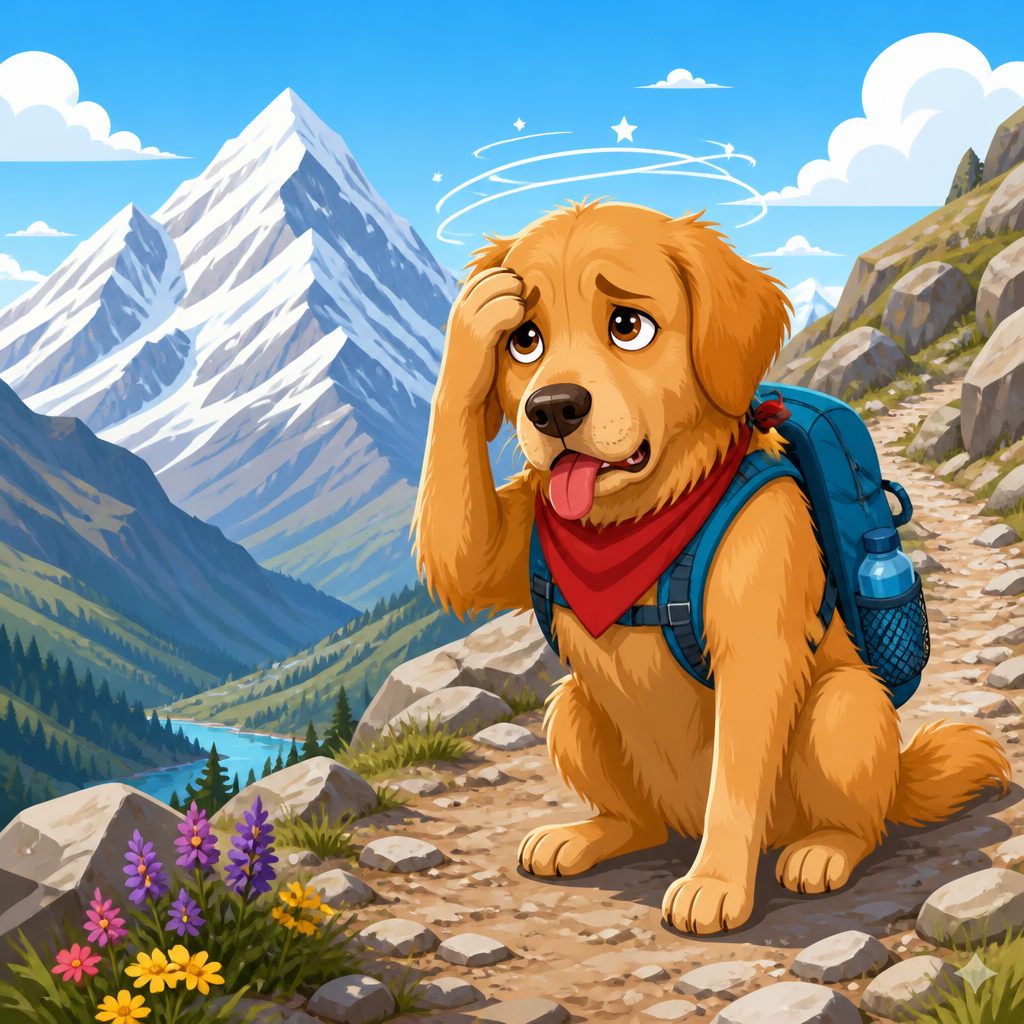
Dogs can struggle at elevation long before owners notice obvious distress, and recognizing the signs your dog is struggling at altitude can prevent a mild problem from becoming a medical emergency. Altitude, in practical terms, means environments high enough above sea level that reduced barometric pressure lowers the amount of oxygen available with each breath. For dogs, that matters because their bodies must work harder to deliver oxygen to muscles, brain tissue, and vital organs, especially during travel, hiking, hunting, skiing, or relocation to mountain towns. When people search for dogs and altitude sickness, they usually want a clear answer to three questions: what symptoms should I watch for, which dogs are at highest risk, and when should I descend or call a veterinarian. Those are the right questions.
I have worked with dogs traveling from sea level to the Rockies and have seen how quickly subtle fatigue, heavier panting, and loss of coordination can be mistaken for excitement, age, or poor conditioning. In reality, acute exposure to elevation can trigger dehydration, overexertion, sleep disruption, gastrointestinal upset, and in some cases true altitude illness. Veterinary medicine does not use one single catchall label in every case, but owners should think in terms of altitude-related stress ranging from mild adjustment difficulty to dangerous oxygen deprivation. A healthy dog may adapt after rest and hydration, while a brachycephalic breed, a senior dog, or a dog with heart or lung disease can deteriorate fast. Understanding the difference between normal adjustment and warning signs is the core of safe mountain travel with dogs.
What altitude does to a dog’s body
The simplest explanation is that higher elevation means thinner air, so every breath brings in less oxygen than it would at sea level. A dog compensates first by breathing faster and increasing heart rate. That response is normal, but it also raises fluid loss through panting and increases physical stress. Over the first hours to days, the body attempts to acclimate by adjusting circulation and, over longer periods, red blood cell production. The problem is timing. Dogs often arrive by car in a few hours from low elevation to 7,000 or 10,000 feet, but their physiology cannot adapt that fast.
Many owners expect altitude issues to look dramatic immediately. More often, the first signs are behavioral and easy to miss: unusual quietness, reluctance to climb stairs, lagging on walks, restless sleep, poor appetite, or more frequent stops to lie down. At altitude, cold dry air can also irritate airways, and exertion compounds the oxygen deficit. A dog chasing a ball at 9,000 feet is not doing the same work it does at home. In my experience, the dogs most likely to get into trouble are not always the least fit; they are often the highly driven dogs that ignore fatigue until their bodies force them to stop.
Early signs your dog is struggling at altitude
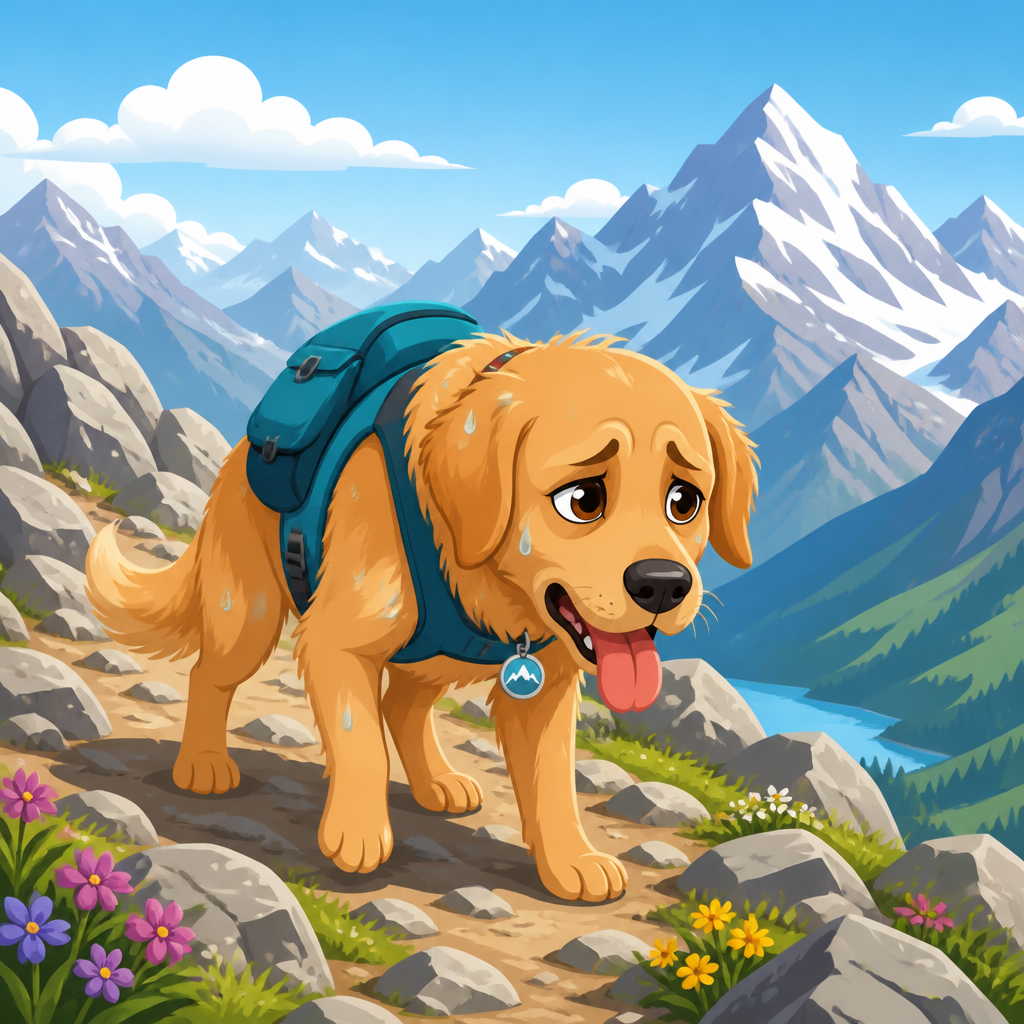
Early recognition matters because mild altitude stress can often be reversed with rest, warmth, hydration, and reduced exertion. The clearest early warning sign is panting that seems out of proportion to the activity level or persists long after exercise stops. Other common signs include sudden tiredness, slower pace, hesitation on trails, weakness, and disinterest in food or treats. Some dogs become clingy or anxious. Others seem oddly withdrawn. Either shift can signal that the dog does not feel right.
Watch gum color, breathing pattern, and recovery time. Gums should generally remain pink and moist. Pale, grayish, or bluish gums are urgent warning signs because they can indicate poor oxygenation or circulatory compromise. Breathing that is fast, shallow, strained, or noisy deserves attention, especially in flat-faced breeds. Vomiting, diarrhea, excessive drooling, stumbling, and a glassy-eyed expression also suggest that the problem is more than simple excitement. A dog that normally jumps into the car, climbs onto furniture, or powers uphill but suddenly refuses may be telling you more clearly than any gadget can.
Dogs at highest risk for altitude sickness
Any dog can struggle at elevation, but risk rises sharply in certain groups. Brachycephalic breeds such as Bulldogs, Pugs, Boston Terriers, and Shih Tzus already have compromised airflow because of narrowed nostrils, elongated soft palates, and other upper airway issues. Add lower oxygen availability and exercise, and the margin for safety narrows. Dogs with collapsing trachea, laryngeal paralysis, chronic bronchitis, pneumonia history, heart murmurs, congestive heart failure, anemia, or pulmonary hypertension face a similar disadvantage.
Age and body condition matter too. Puppies have immature endurance and temperature regulation. Senior dogs may have hidden cardiac or respiratory disease, arthritis that makes effort harder, or slower adaptation. Overweight dogs generate more heat and require more effort for movement, increasing both panting and oxygen demand. Very athletic working dogs can also be vulnerable because owners may overestimate what fitness at sea level means at altitude. Finally, dogs traveling directly from low elevation to high mountain destinations are at greater risk than dogs already acclimated over several days.
Normal adjustment versus dangerous symptoms
Not every change means true altitude sickness. A healthy dog arriving at moderate elevation may pant more during the first day, drink more water, sleep slightly worse, and tire sooner on walks. Those changes can be normal if they improve with rest and the dog remains bright, responsive, and willing to eat. Trouble begins when symptoms escalate, fail to improve, or interfere with basic function.
| Sign | Often mild adjustment | Potential emergency |
|---|---|---|
| Panting | Resolves with rest in 10 to 20 minutes | Persists at rest or becomes labored |
| Energy | Slightly slower than usual | Weak, collapses, refuses to rise |
| Appetite | Eats less for one meal | Repeated vomiting or will not drink |
| Coordination | Brief hesitation on steep terrain | Staggering, disorientation, tremors |
| Gum color | Pink and moist | Pale, gray, or blue |
If you see collapse, confusion, blue gums, severe respiratory effort, repeated vomiting, or inability to settle even after stopping activity, descend and seek veterinary help immediately. Those are not wait-and-see symptoms. In severe cases, oxygen supplementation, cooling or warming, intravenous fluids, and diagnostic imaging may be needed. Owners should also remember that heat exhaustion, toxin exposure, pain, and heart disease can mimic altitude-related distress, so dangerous signs always justify professional evaluation.
How altitude affects exercise, sleep, and hydration
Exercise is where many altitude problems start. Dogs are eager to match their people, but their willingness is not proof of safety. Reduced oxygen availability makes muscles fatigue faster, and steep terrain multiplies effort. A dog that would happily hike six miles at home may be limited to one easy mile on the first day at 8,000 feet. I advise owners to cut normal activity dramatically on arrival, then increase only if recovery is quick and symptoms remain absent.
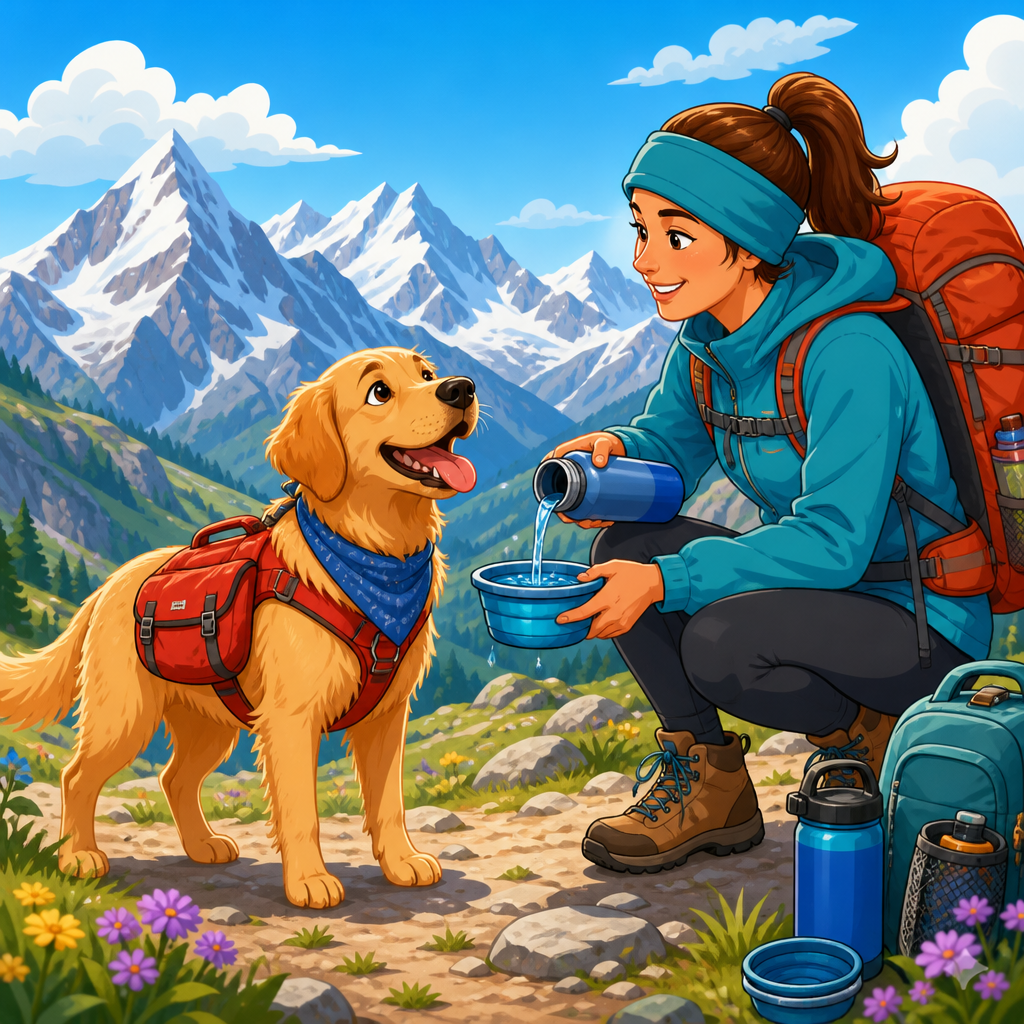
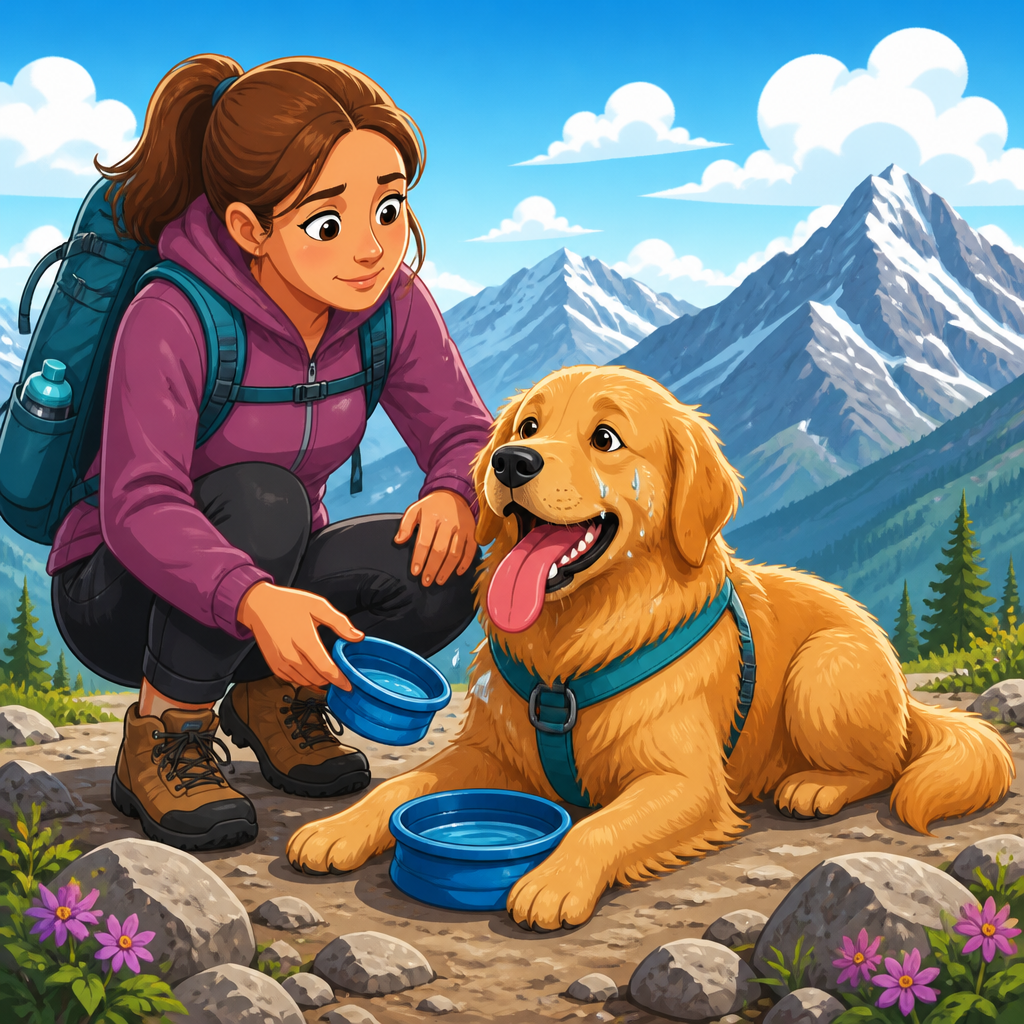
Sleep can also worsen adjustment. At elevation, some dogs become restless at night, change sleeping positions repeatedly, or wake more often. That fragmentation impairs recovery and can amplify daytime fatigue. Dry mountain air increases water loss through respiration, so hydration becomes critical. Dogs may need more frequent access to water, but owners should offer small repeated drinks rather than encouraging frantic intake after heavy exertion. Dehydration thickens secretions, reduces heat tolerance, and makes cardiovascular strain worse. Urine that turns dark yellow, tacky gums, and reduced skin elasticity are practical dehydration clues, though skin tenting is less reliable in some breeds and older dogs.
When to descend and when to call a veterinarian
The safest rule is simple: if your dog shows worsening symptoms at rest, descend. Do not wait for dramatic collapse. Descent increases oxygen availability immediately, which is the fastest field intervention available to most owners. Even a drop of a few thousand feet can help. Stop all exertion, keep the dog calm, avoid overheating, and transport rather than asking the dog to continue hiking. If weather is cold, use insulation because hypothermia can complicate exhaustion and poor perfusion.
Call a veterinarian or emergency clinic at once if breathing is labored, the dog seems mentally dull or disoriented, gums are pale or blue, vomiting is repeated, or there is collapse, coughing, or fainting. If you are in a remote area, call before you begin descent so the clinic can advise on urgency and preparation. Bring details: starting elevation, current elevation, time since arrival, exercise performed, water intake, preexisting conditions, medications, and exact symptom progression. This information helps clinicians distinguish altitude stress from heart disease, heat injury, gastric illness, or trauma.
Prevention strategies for mountain travel with dogs
Prevention works better than treatment. The best plan is staged ascent: spend a night at a moderate elevation before going higher, and keep the first twenty-four to forty-eight hours quiet. Short leash walks are safer than intense runs, fetch sessions, or off-leash sprints. Feed normal meals, provide frequent water breaks, and avoid overbundling dogs in warm gear that traps heat during movement. If your dog has known airway, heart, or lung disease, ask your veterinarian about travel safety before the trip rather than after symptoms start.
Conditioning still matters, but it must be specific and realistic. A fit dog tolerates stress better than an unfit dog, yet fitness does not replace acclimatization. For brachycephalic dogs and medically fragile dogs, some high-altitude trips are simply inappropriate. I have advised owners to board a dog at lower elevation or arrange pet care instead of forcing a mountain itinerary, and that is often the most responsible decision. Pack a canine first-aid kit, water, collapsible bowl, boot protection if terrain is abrasive, and contact information for the nearest emergency veterinary hospital. Prevention is not glamorous, but it is what keeps minor altitude stress from becoming a rescue scenario.
Common owner mistakes and practical myths
The most common mistake is assuming enthusiasm equals safety. Dogs often keep moving to stay with their people, even while physiologically overstressed. Another mistake is blaming every symptom on age or stubbornness instead of considering altitude. I have seen owners push on because their dog was “just being lazy,” when the dog was actually showing the first signs of respiratory strain. Delaying rest or descent can turn a manageable issue into a crisis.
A related myth is that only very high peaks cause trouble. In reality, susceptible dogs can struggle at moderate elevations, especially if they arrive rapidly and exercise hard. Another myth is that cold weather protects against all exertional risk. Cold may reduce heat stress, but it does not fix low oxygen. Finally, owners sometimes rely too heavily on gadgets. Pet pulse oximeters can be inconsistent, especially with motion, dark pigmentation, poor probe placement, or cold extremities. Direct observation of breathing effort, gum color, mentation, and recovery remains more reliable in the field.
The key takeaway is straightforward: signs your dog is struggling at altitude usually appear first as disproportionate panting, unusual fatigue, poor recovery, appetite changes, and reluctance to continue normal activity. More serious signs include pale or blue gums, staggering, collapse, repeated vomiting, confusion, or labored breathing at rest. Dogs at highest risk include brachycephalic breeds, seniors, overweight dogs, puppies, and any dog with heart or lung disease. Fast ascent and overexertion are the most common triggers, and early rest or descent is the most effective first response.
Mountain travel with dogs can be safe and rewarding when owners treat altitude as a real physiological challenge rather than a minor inconvenience. Start low, go slowly, watch your dog more closely than the scenery, and act early when something looks off. If your dog has a history of airway, cardiac, or respiratory problems, talk with your veterinarian before your trip and build a conservative plan. A cautious approach protects your dog, prevents emergencies, and makes every high-country outing more enjoyable for both of you.
Frequently Asked Questions
What are the earliest signs your dog is struggling at altitude?
The earliest signs are often subtle, which is why altitude-related problems can be easy to miss at first. Many dogs begin by showing a noticeable drop in stamina. A dog that is normally eager to hike, play, or keep pace may start slowing down, stopping more often, or seeming unusually reluctant to continue. You may also notice faster or more effortful breathing, excessive panting that does not match the level of exercise, or longer recovery times after even mild activity. Some dogs become restless, anxious, clingy, or unusually quiet because they are not feeling right but cannot communicate why.
Other early warning signs include weakness, mild disorientation, poor coordination, reduced appetite, and a lack of interest in food or water. In some cases, a dog may seem sleepy, dull, or less responsive than normal. These changes matter because they can appear before dramatic respiratory distress develops. At altitude, the lower oxygen availability means your dog’s body has to work harder to supply oxygen to the brain, muscles, and organs. If you notice your dog tiring faster than expected, breathing harder than usual at rest, or acting “off” in a way that does not fit their normal behavior, it is smart to stop activity, allow rest, and take the signs seriously.
How can I tell the difference between normal panting and dangerous breathing problems at high elevation?
Normal panting usually has a clear explanation, such as exercise, excitement, or warm weather, and it tends to improve once your dog rests and cools down. Dangerous breathing at altitude looks different. The panting may seem excessive for the situation, continue even after a rest period, or gradually worsen instead of improving. You may see your dog breathing with more effort, extending the neck, flaring the nostrils, or using the belly muscles to help pull in air. Some dogs will stand with a tense posture rather than lying down comfortably because breathing feels easier that way.
Pay attention to rate, effort, and recovery. A dog that remains persistently breathless at rest, struggles to settle, or cannot recover after light exertion may be dealing with more than routine panting. Additional red flags include coughing, gagging, wheezing, weakness, glassy-eyed behavior, stumbling, pale gums, bluish gums or tongue, or collapse. Those signs suggest oxygen delivery may be compromised and the situation may be turning urgent. In practical terms, if your dog’s breathing seems labored rather than simply fast, or if the breathing does not normalize with rest, cooler conditions, and hydration, it should be treated as a medical concern rather than written off as ordinary panting.
Which dogs are at the highest risk for altitude problems?
Any dog can struggle if the elevation is high enough or the ascent is too rapid, but some dogs face a much greater risk than others. Brachycephalic breeds, such as Bulldogs, Pugs, Boston Terriers, and other flat-faced dogs, are particularly vulnerable because their shortened airways already make breathing less efficient. Dogs with heart disease, lung disease, collapsing trachea, laryngeal problems, anemia, obesity, or poor physical conditioning may also have a harder time compensating for reduced oxygen. Very young puppies, senior dogs, and dogs recovering from illness or surgery deserve extra caution as well.
Fitness does not make a dog immune. Even athletic dogs can run into trouble if they go from low elevation to the mountains too quickly, especially if they combine travel stress, strenuous activity, heat, and dehydration. Excitable dogs may overexert before their owners realize anything is wrong, and high-drive working or sporting dogs can push through fatigue until symptoms become more serious. Risk also rises when owners assume their dog can handle altitude simply because the dog loves outdoor adventures. The safest approach is to consider your dog’s age, breed, airway structure, body condition, medical history, and acclimation time rather than relying on enthusiasm alone.
What should I do immediately if I think my dog is being affected by altitude?
The first step is to stop all exertion right away. Move your dog to a calm, shaded, and cool environment and encourage complete rest. Offer small amounts of water, but do not force drinking if your dog is breathing hard or seems nauseated. Keep your dog quiet, minimize excitement, and watch closely for whether breathing begins to ease with rest. If you are hiking or exercising, do not try to “push through it” or assume your dog just needs a short break before continuing. At altitude, mild symptoms can worsen quickly if activity continues.
If your dog is not improving promptly, the most important intervention is descent to a lower elevation. Reducing altitude increases oxygen availability and can make a meaningful difference. Seek veterinary care immediately if your dog has labored breathing, weakness, confusion, collapse, blue or pale gums, repeated vomiting, coughing, or any sign that symptoms are progressing rather than stabilizing. If available, carry your dog rather than making them walk. Keep them warm but not overheated during transport. In severe cases, supplemental oxygen and urgent veterinary treatment may be needed. When in doubt, err on the side of caution, because breathing-related problems at altitude can move from mild discomfort to emergency status faster than many owners expect.
How can I prevent altitude sickness or serious altitude stress in my dog?
Prevention starts with a gradual approach. If possible, give your dog time to acclimate before doing strenuous activity at higher elevations. A quiet day or two with short, easy walks is much safer than arriving in the mountains and immediately heading out on a long hike. Keep exercise lighter than usual at first, and build up only if your dog remains bright, coordinated, interested in food and water, and able to recover normally after activity. Plan frequent breaks, avoid the hottest part of the day, and pay close attention to your dog’s breathing and energy level rather than focusing only on distance or pace.
Good hydration, realistic activity plans, and honest risk assessment are also essential. Bring enough water, encourage regular drinking, and remember that altitude stress often worsens when combined with heat, dehydration, overexertion, or anxiety. Dogs with known breathing, heart, or lung issues should be evaluated by a veterinarian before mountain travel, and some dogs may simply not be good candidates for high-elevation adventures. Pack for safety with a leash, cooling options appropriate to the weather, a method to carry your dog if needed, and the contact information for the nearest emergency veterinarian. Most importantly, trust small changes in your dog’s behavior. Catching the signs your dog is struggling at altitude early is one of the best ways to prevent a manageable issue from becoming a crisis.