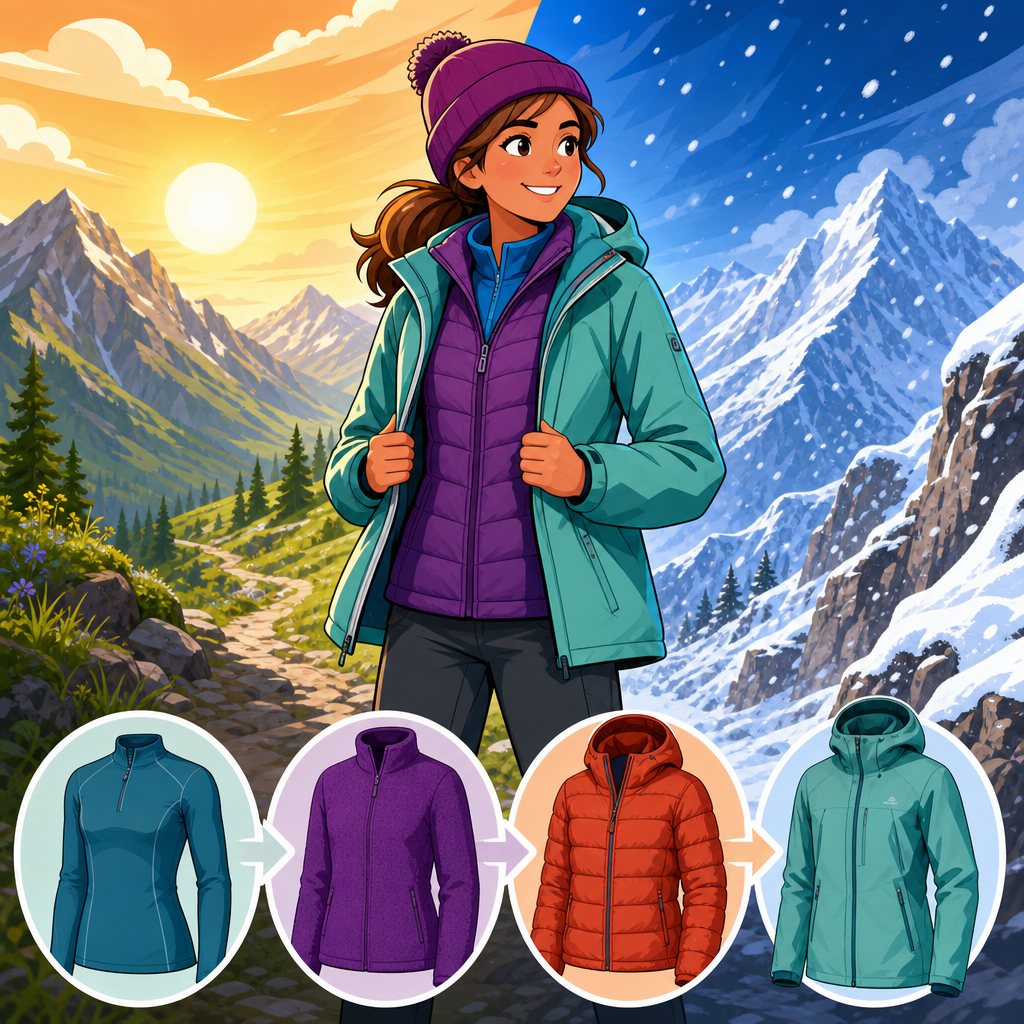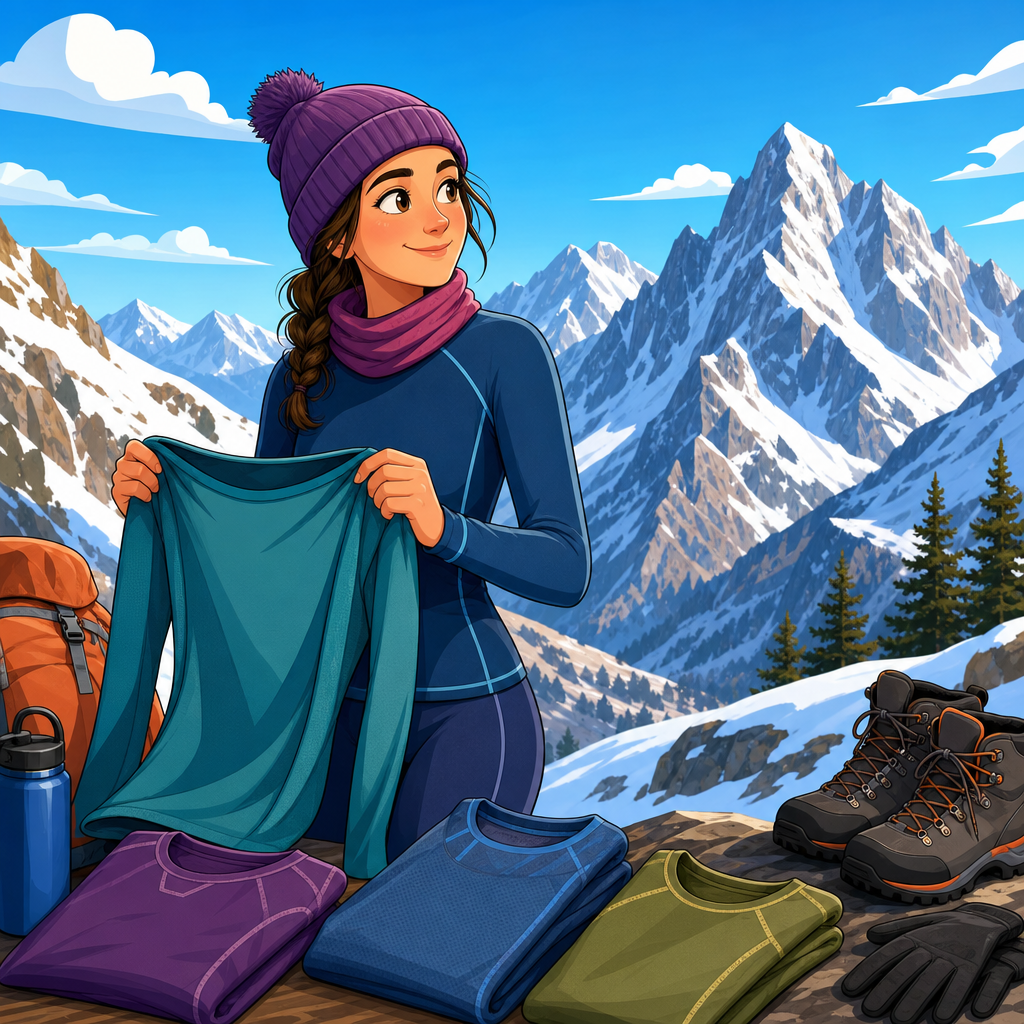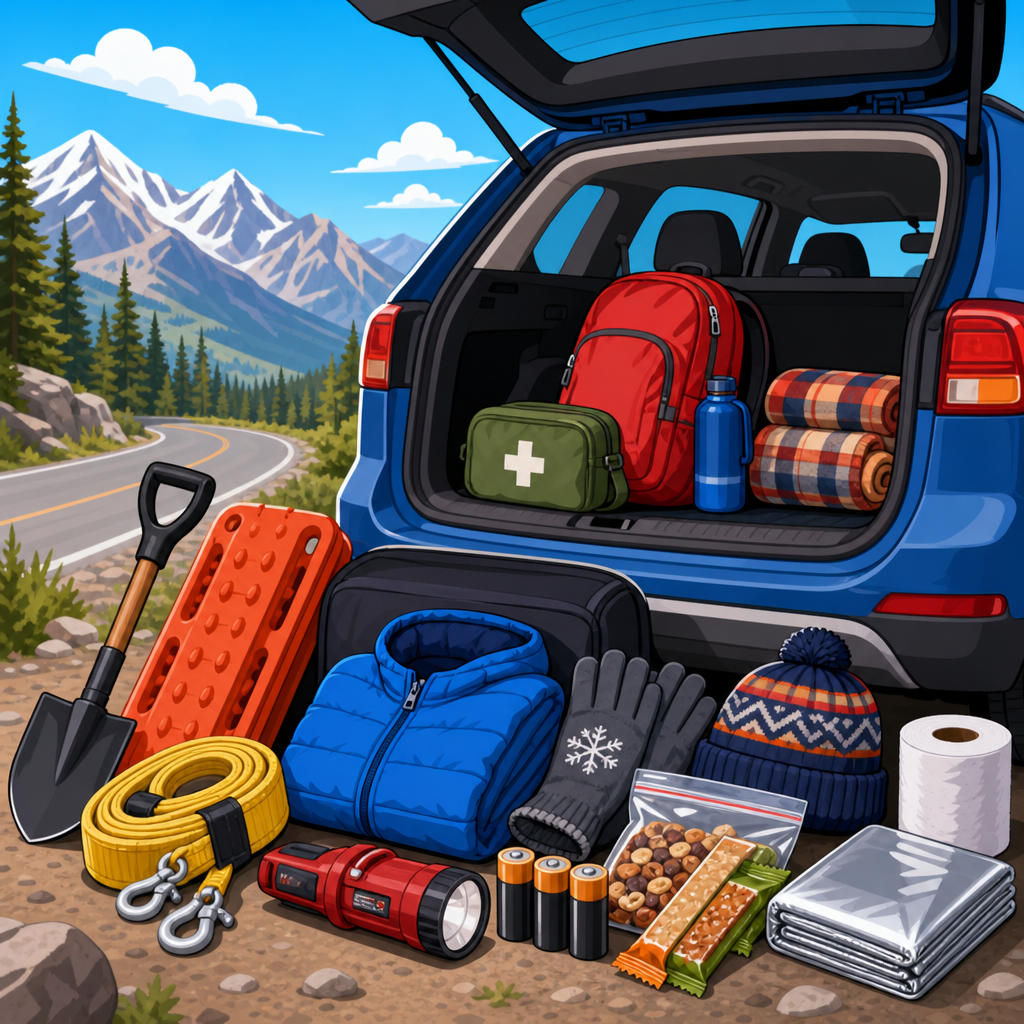
An altitude emergency kit for your trunk is a compact set of supplies that helps you handle common high-elevation problems on the road, from sudden weather shifts and tire issues to headaches, dehydration, and delayed rescue response. For drivers who travel through mountain corridors, ski towns, high desert passes, and remote scenic routes, this kit is not a luxury item. It is a practical layer of risk management that supports safe travel when oxygen is lower, temperatures swing fast, and services are farther apart than most people expect.
In plain terms, altitude changes how small car problems and small health problems behave. A dead phone battery at sea level is annoying; at 10,000 feet in winter, it can become a serious safety issue if coverage is weak and temperatures are dropping. Mild dehydration at home may only make you sluggish; during a climb from low elevation to a mountain pass, it can contribute to headache, fatigue, and poor decision-making. I have built trunk kits for long drives through Colorado, Utah, Wyoming, and the Sierra, and the pattern is consistent: the incidents that cause trouble are usually ordinary, but altitude makes them less forgiving.
That is why a simple altitude emergency kit should be designed around three realities. First, mountain travel often means delayed help. Second, cold, sun, wind, and rapid weather changes compound routine mechanical and medical issues. Third, the best kit is the one you will actually keep in your vehicle year-round, inspect regularly, and know how to use under stress. A trunk full of random camping gear is not the answer. A focused, well-organized system is.
Travel and emergency preparedness starts with understanding the main risk categories. These include vehicle breakdowns, traction loss, limited visibility, low temperatures, dehydration, sun exposure, altitude-related symptoms, and communication failures. Altitude sickness itself can range from a mild headache and nausea to more serious concerns, but for most road travelers the first goal is stabilization: rest, fluids, warmth, calories, and a safe way to either wait for assistance or descend. Your trunk kit supports those first decisions.
What an altitude emergency kit should do
A simple altitude emergency kit has one job: buy you time safely. It is not a wilderness expedition pack, and it is not a substitute for winter tires, proper vehicle maintenance, or route planning. Instead, it bridges the gap between a problem starting and a solution arriving. In practice, that means the kit should help you stay warm, stay visible, stay hydrated, power essential devices, handle minor medical issues, and keep the vehicle mobile long enough to reach a safer location.
Drivers often ask what makes an altitude emergency kit different from a normal car emergency kit. The answer is the environment. At elevation, water needs increase because air is drier and breathing losses are higher. Sun exposure is stronger, even in cold weather, so sunglasses and sunscreen matter. Nights get cold quickly, shoulder seasons bring mixed precipitation, and roads can alternate between dry pavement and packed snow within a single hour. A standard trunk kit may include jumper cables and a flashlight. An altitude-focused kit adds insulated layers, extra water, traction aids, electrolyte support, and simple shelter items because those are the supplies that prevent a manageable inconvenience from becoming an exposure problem.
The other difference is travel pattern. Many mountain drivers cover long distances between services, and some routes have no reliable gas, food, or cell coverage for extended stretches. If you treat this page as your travel and emergency preparedness hub, keep that principle in mind: redundancy is not clutter when it addresses a known gap. One extra headlamp battery set, one backup charging cable, and one sealed liter of water are cheap compared with the consequences of being stranded above 8,000 feet after sunset.
The core items every trunk kit needs
Start with containment. Use a durable plastic tote with a secure lid, plus a smaller zip pouch for grab-and-go essentials. Label compartments so anyone in the vehicle can find items quickly. In my own setups, I separate gear into five groups: visibility, warmth, hydration and food, tools and recovery, and first aid. That structure prevents duplicate buying and makes monthly inspections faster.
| Category | Essential item | Why it matters at altitude |
|---|---|---|
| Visibility | LED headlamp, reflective vest, road flares or LED beacons | Darkness comes fast, weather reduces sightlines, and roadside visibility is critical |
| Warmth | Wool blanket, insulated gloves, beanie, spare socks, emergency bivy | Cold stress can develop quickly during breakdowns or chain installation |
| Hydration | Sealed water, electrolyte packets, insulated bottle | Dry air and exertion increase dehydration risk |
| Food | High-calorie bars, nuts, jerky | Calories help maintain warmth and judgment during delays |
| Tools | Tire inflator, pressure gauge, jumper pack, tow strap, multitool | Remote roads demand self-sufficiency for minor failures |
| Traction | Tire chains or cables, traction boards or mats, shovel | Snow, slush, and icy shoulders are common in mountain corridors |
| Medical | First aid kit, medications, blister care, pain reliever | Headaches, small injuries, and cold-related discomfort need quick management |
| Communication | Car charger, power bank, paper map, emergency contacts | Coverage gaps make backup navigation and power essential |
| Weather | Sunglasses, sunscreen, hand warmers, rain shell | High UV, wind, and rapid weather changes are typical |
Choose supplies with shelf life and temperature tolerance in mind. Water can freeze, batteries lose performance in cold, and cheap adhesive bandages fail after repeated trunk heat cycles. Lithium jump starters generally outperform older lead-acid packs for portability, but they still require periodic charging and should be checked on a schedule. For food, avoid chocolate in hot climates and rotate bars before expiration. For lighting, prioritize headlamps over handheld flashlights because two free hands matter when fitting chains or checking a tire shoulder in sleet.
If space is limited, do not cut visibility or warmth first. Those two categories are the most universally protective. A reflective vest, a headlamp, and an emergency bivy solve more real roadside problems than bulky “survival” gadgets that never get used. Simplicity is part of preparedness.
Health and altitude considerations drivers overlook
Most trunk kits are built around the car, not the people inside it. That is a mistake in mountain travel. The most common human factors at altitude are dehydration, fatigue, mild headache, irritability, slower reaction time, and underestimating the cold. These are not dramatic symptoms, but they influence choices: whether you keep driving when you should stop, whether you notice worsening weather, and whether you can perform simple roadside tasks safely.
Pack enough water for every occupant, then add electrolyte packets. The U.S. Centers for Disease Control and Prevention and major mountain medicine programs consistently advise gradual ascent, hydration, and recognition of symptoms as basic protective measures. Electrolytes are not magic, but they help when people have been sweating in layers, breathing dry air, and drinking too little. Keep any personal medications in a temperature-conscious pouch and rotate them often. Include simple pain relief, antacid tablets, and anti-nausea options if they are appropriate for your household and physician guidance.
Sun and wind are also medical issues. UV exposure increases with elevation, and snow reflects sunlight. I have seen drivers stuck for less than two hours on a bright shoulder and still end up with sunburned faces and eyes strained from glare because they stepped out without sunglasses or sunscreen. Add lip balm, broad-spectrum sunscreen, and a spare pair of wraparound sunglasses. They weigh almost nothing and solve a problem people do not think about until it is happening.
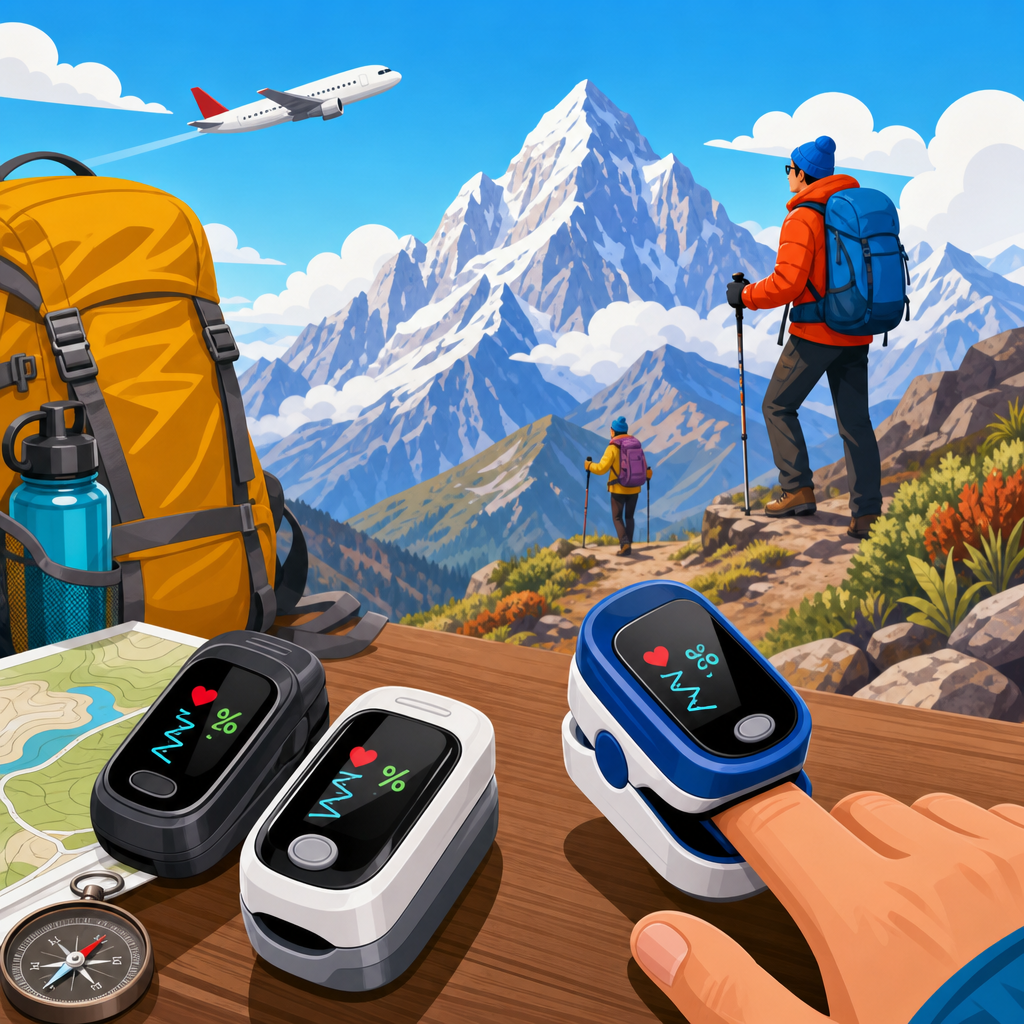
If anyone in the vehicle is prone to severe altitude symptoms, the kit should support rapid descent and monitoring rather than false confidence. A pulse oximeter can be useful for context, but it should never replace symptoms and judgment. Numbers vary with altitude, cold fingers, device quality, and individual acclimatization. The practical rule is simple: worsening headache, vomiting, confusion, shortness of breath at rest, poor coordination, or unusual drowsiness are reasons to stop, reassess, and descend or seek medical care.
Seasonal adjustments for winter, summer, and shoulder seasons
A good trunk kit changes with the calendar because mountain risk changes with the calendar. Winter kits need heavier emphasis on traction, insulation, and snow management. Summer kits need more water, stronger sun protection, and planning for wildfire smoke, heat in lower elevations, and crowded roads in recreational areas. Shoulder seasons, especially late fall and spring, are often the trickiest because conditions are mixed and drivers are caught between assumptions.
For winter, add chain-compatible gloves, an ice scraper, a collapsible shovel, and extra insulation layers. Verify that your tire chains fit the exact tire size on the vehicle and practice once at home. This matters more than most people realize. During real storms, chain installation often happens in freezing slush on narrow shoulders where there is no time to read the package. If your route includes state chain-control corridors, comply early rather than waiting until traction is already failing.
For summer, shift emphasis to hydration, cooling, and smoke readiness. Carry more water than you think you need, especially if your route starts in hot valleys and ends at cool trailheads. Add N95 masks if smoke is common in your region, because wildfire events can turn a routine mountain drive into a respiratory problem, especially for children and older adults. A lightweight tarp or reflective shade can also help if you are stopped in exposed sun for an extended period.
For shoulder seasons, prepare for rain-to-snow transitions, mud, and nighttime freezing after mild afternoons. These months are when I most often recommend redundant gloves and socks, because wet hands and wet feet make every roadside task harder. Mixed-condition driving is exactly why a simple, adaptable altitude emergency kit outperforms a generic one.
How to pack, store, and maintain the kit
The most effective kits are organized for use, not for shopping satisfaction. Heavy items go low and toward the back of the trunk. Frequently used items such as the headlamp, gloves, vest, and tire gauge should be accessible without unloading the whole tote. Keep a printed checklist taped inside the lid. In fleet settings and family vehicles, this single step improves maintenance dramatically because anyone can verify missing items in minutes.
Maintenance should happen at least every quarter, and before any major mountain trip. Check battery charge levels, test the inflator, inspect water containers for leaks or freezing damage, rotate food, and confirm clothing still fits the season. Review expiration dates in the first aid kit. Repack after every use immediately, even if the item was minor, such as a pair of hand warmers or a charging cable. Most failed emergency kits are not badly designed; they are partly depleted and nobody noticed.
Storage safety matters too. Do not keep loose fuel canisters, improvised medical supplies, or anything temperature-sensitive without understanding the manufacturer guidance. If you transport children, pets, or regular passengers with specific needs, customize accordingly. That may include child-sized layers, pet water bowls, spare leashes, or backup prescriptions. Preparedness is personal when travel is real.
How this hub connects your broader travel and emergency preparedness plan
Your trunk kit is the center of travel and emergency preparedness, but it works best when linked to a larger routine. Pair it with preventive maintenance, weather checks, route timing, and communication habits. Before mountain trips, confirm tread depth, washer fluid rated for low temperatures, battery health, and fuel level. Share your route when traveling through low-service areas. Download offline maps. Know where hospitals, ranger stations, or reliable fuel stops are located on your corridor.
This hub topic also connects naturally to deeper guides on winter traction gear, roadside first aid, water planning, vehicle recovery basics, and monitoring tools such as weather apps, GPS communicators, and tire pressure systems. In practice, those are the articles readers usually want next because building a simple altitude emergency kit is only one piece of safer mountain travel. The larger benefit is confidence grounded in preparation, not guesswork.
The best altitude emergency kit for your trunk is simple, durable, and tailored to the roads you actually drive. It should help you stay warm, visible, hydrated, powered, and mobile long enough to solve common problems or wait safely for help. That means focusing on practical items: lighting, insulation, water, calories, traction gear, basic tools, first aid, and reliable charging.
Just as important, the kit should evolve with season, route, and passengers. Winter demands chains, gloves, and snow tools. Summer calls for extra water, sun protection, and smoke awareness. Year-round, maintenance is what makes the kit trustworthy. Inspect it, rotate supplies, and replace used items immediately.
If you drive mountain roads even a few times a year, build your trunk kit this week. Start with one tote, one checklist, and the core categories in this guide, then expand based on your climate and vehicle. Small preparation pays off quickly when altitude, weather, and distance turn ordinary delays into real emergencies.
Frequently Asked Questions
What should be included in a simple altitude emergency kit for your trunk?
A simple altitude emergency kit should cover the most common problems drivers face at elevation: cold, dehydration, minor illness, limited visibility, vehicle trouble, and longer-than-expected delays. Start with the basics for personal safety, including bottled water, electrolyte packets, high-calorie snacks, a thermal blanket or two, extra gloves, warm hats, and a compact waterproof shell or poncho. At higher elevations, weather can turn quickly, and even a short roadside stop can feel much colder than expected, especially if wind picks up or the sun drops behind a ridge.
Next, include health and comfort items that help with common altitude-related issues. A small first-aid kit is essential, along with pain relievers for headaches, any personal medications, lip balm, sunscreen, tissues, and basic hygiene supplies. Many drivers also add items that help them stay functional if they feel tired, dry, or lightheaded, such as oral rehydration packets and easy-to-digest snacks. Keep in mind that altitude often magnifies dehydration and fatigue, so these simple additions can make a real difference.
Your vehicle support items matter just as much. Pack a flashlight or headlamp with extra batteries, a tire inflator, tire pressure gauge, jumper cables or a jump starter, a multitool, work gloves, a reflective triangle or road flares, and a phone charging cable or battery bank. If you regularly drive snow-prone mountain routes or remote high desert roads, add traction aids, a small shovel, and windshield washer fluid rated for colder conditions. The goal is not to build a giant survival bin. It is to create a compact, practical kit that helps you stay safe, visible, warm, hydrated, and mobile while waiting for help or solving minor problems yourself.
Why is an altitude emergency kit different from a standard car emergency kit?
A standard car emergency kit is usually built around general roadside problems like dead batteries, flat tires, and nighttime breakdowns. An altitude emergency kit includes those same essentials, but it also accounts for the environmental stress that comes with higher elevation travel. In mountain corridors, ski areas, high desert passes, and remote scenic routes, you are dealing with lower oxygen, faster-changing weather, stronger sun exposure, larger day-to-night temperature swings, and in many cases, slower emergency response times. Those conditions change what “prepared” really means.
For example, a flat tire at low elevation in mild weather is inconvenient. A flat tire at 9,000 feet during wind, sleet, or freezing temperatures can become a safety issue very quickly. The same is true for getting delayed in traffic behind an accident, sliding off a snowy shoulder, or losing cell service on a remote pass. At altitude, small problems escalate faster because your body tires more easily, dehydration sets in sooner, and exposure becomes more serious in less time. That is why extra water, insulation layers, emergency blankets, food, and weather-specific gear are not optional add-ons. They are core parts of the kit.
Another difference is that altitude-related symptoms can affect people who do not think of themselves as vulnerable. Visitors from lower elevations may experience headaches, dizziness, nausea, or unusual fatigue after even moderate exposure. If that happens while driving or after a stop on a long route, having hydration, shade, rest supplies, and a plan for monitoring symptoms can help prevent a manageable issue from becoming more serious. In short, an altitude emergency kit is built not only for mechanical problems, but also for environmental exposure and human performance at elevation.
How much water, food, and cold-weather gear should I keep in my trunk for high-elevation driving?
A practical starting point is enough water and food to support everyone in the vehicle for at least several extra hours, and ideally up to 24 hours if you frequently travel remote or weather-prone routes. For water, many drivers store multiple sealed bottles plus electrolyte packets, because altitude, dry air, and sun exposure increase fluid loss faster than many people realize. If your routes are especially isolated or you travel in winter, carrying more water is wise, but you should also rotate it regularly so it stays fresh and does not get forgotten for months at a time.
For food, choose shelf-stable items that tolerate temperature swings reasonably well and provide meaningful energy. Good options include protein bars, trail mix, nut butter packets, crackers, jerky, and other compact snacks that are easy to eat without preparation. The point is not to stock gourmet meals. It is to have enough calories to maintain focus, body heat, and patience during delays, road closures, or breakdowns. If children, older adults, or anyone with blood sugar concerns regularly rides with you, pack with their needs in mind rather than using a one-size-fits-all approach.
Cold-weather gear should be based on the worst realistic conditions you may encounter, not just the weather at your starting point. At minimum, keep extra gloves, knit caps, warm socks, and thermal blankets in the trunk. In colder mountain regions, it makes sense to add insulated layers, hand warmers, waterproof outerwear, and a compact ground barrier or tarp if you might need to kneel on snow or wet pavement during tire work. The best rule is simple: pack for the possibility of being stranded longer than planned in temperatures much lower than expected. Altitude routes can shift from sunny and dry to dangerous and cold with very little warning.
Can an altitude emergency kit help with altitude sickness or related symptoms while traveling?
Yes, a well-planned altitude emergency kit can help you manage mild altitude-related symptoms and respond more appropriately if they appear during a trip. Common early symptoms at elevation include headache, unusual fatigue, lightheadedness, dry mouth, poor appetite, shortness of breath with mild activity, and nausea. These symptoms may be more noticeable in travelers coming from lower elevations, especially if they ascend quickly, are dehydrated, skip meals, or overexert themselves. A trunk kit cannot replace medical care, but it can support smart early action.
Items that are useful in this situation include water, electrolyte packets, simple snacks, pain relievers if appropriate for the person, sun protection, and warm layers for resting comfortably. If someone develops a mild headache or starts feeling weak and dried out, stopping safely, hydrating, eating lightly, and resting may help. Sometimes the issue is not severe altitude illness but a combination of dry air, sun, dehydration, and fatigue. Having the right supplies on hand makes it easier to slow down and recover instead of pushing forward when conditions or symptoms suggest otherwise.
That said, drivers should take symptoms seriously. Severe or worsening headache, vomiting, confusion, loss of coordination, chest distress, or breathing trouble at rest are warning signs that need prompt medical attention. In those cases, the safest response may include descending to a lower elevation and seeking emergency help as quickly as possible. Your kit should support decision-making, not encourage people to “tough it out.” Think of it as a practical buffer: it helps you address mild problems early, stay more comfortable during delays, and recognize when a situation has moved beyond DIY care.
How do I store and maintain an altitude emergency kit so it stays useful year-round?
The best altitude emergency kit is one you can find quickly, carry easily, and trust when you need it. Use a sturdy container or soft-sided organizer that fits securely in the trunk without sliding around. Group supplies by function so you are not digging through everything at once. For example, keep health items together, cold-weather gear in one section, and tools and visibility items in another. Labeling pouches or using clear zip bags can make a big difference in bad weather or low light, when speed and simplicity matter.
Maintenance is where many otherwise good kits fail. Check the kit at least every few months and before any major mountain trip. Replace expired medications, worn batteries, damaged food, and old water. Seasonal rotation is especially important for high-elevation travel because your needs change throughout the year. In winter, prioritize insulation, traction tools, and cold-rated supplies. In summer, pay closer attention to sun exposure, extra hydration, and dust or wildfire-related travel concerns in certain regions. If your area experiences both extremes, build the kit to handle the shoulder seasons as well, since spring and fall often bring the most unpredictable conditions.
It is also smart to tailor the kit to your vehicle, route, and passengers. A solo commuter crossing a paved mountain pass has different needs than a family heading to a ski town or a driver taking remote scenic roads with limited services. Review the contents anytime your travel habits change. Finally, do a quick familiarity check: make sure everyone who drives the vehicle knows where the kit is, what is inside, and how to use the essentials. A well-stocked kit is valuable, but a maintained, accessible, and route-specific kit is what actually improves safety on high-altitude roads.