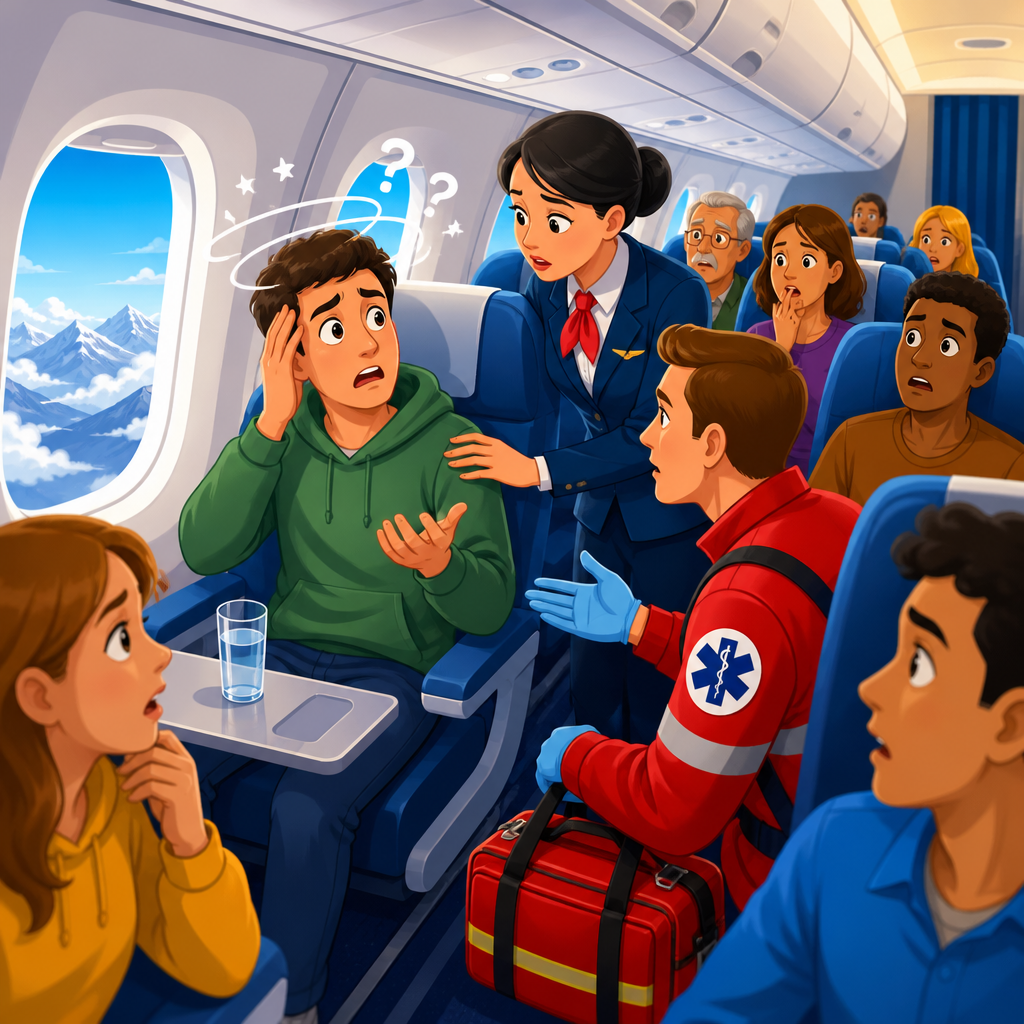
New confusion at high altitude is a medical emergency because it often signals high altitude cerebral edema, or HACE, the most dangerous form of altitude illness affecting the brain. HACE develops when the brain swells after rapid ascent to thin air, usually above 8,000 feet but more commonly after 12,000 feet, and it can progress from subtle mental changes to coma within hours. I have seen trekkers describe it as simple fatigue, dehydration, or “just being off,” yet the defining issue is altered thinking at elevation that does not fit the situation. Any new confusion, unusual behavior, poor coordination, severe lethargy, or reduced level of consciousness at altitude should be treated as HACE until proven otherwise. That approach matters because early recognition, immediate descent, oxygen, and dexamethasone save lives, while delay can be fatal. This article explains what HACE is, why confusion is such an important warning sign, how it differs from other altitude illness, what emergency response looks like, and how climbers, trekkers, guides, and families can prevent it through careful acclimatization.
What HACE Is and Why Confusion Matters
HACE stands for high altitude cerebral edema. In plain terms, it is brain dysfunction caused by altitude-related swelling. It rarely appears out of nowhere. Most cases evolve from acute mountain sickness, especially when someone keeps ascending despite headache, nausea, poor sleep, and exhaustion. The low oxygen pressure at altitude triggers a chain of changes: increased blood flow to the brain, leaky capillaries, inflammatory responses, and impaired fluid regulation. The result is vasogenic cerebral edema, meaning fluid leaks into brain tissue and disrupts normal function. Because the brain sits inside the skull, even modest swelling can impair judgment, balance, speech, and consciousness.
Confusion is the red-flag symptom because the brain is losing the ability to process information normally. In the field, confusion may look mild at first. A strong hiker may forget a route they just discussed, struggle to zip a jacket, answer simple questions slowly, wander away from camp, become irrationally irritable, or insist they are fine while stumbling on flat ground. Those are not personality quirks or signs of toughness. They are signs that altitude is now affecting the central nervous system. The Wilderness Medical Society and standard mountain medicine teaching treat altered mental status in a person at altitude as HACE unless another cause is clearly established. That rule is practical because waiting for certainty costs time the patient may not have.
How HACE Fits Within Altitude Illness
Altitude illness exists on a spectrum. Acute mountain sickness, or AMS, is the common early syndrome marked by headache plus symptoms such as nausea, dizziness, fatigue, or sleep disturbance after ascent. High altitude pulmonary edema, or HAPE, affects the lungs and causes shortness of breath, cough, reduced exercise tolerance, and low oxygen levels that worsen at rest. HACE affects the brain. A person can have HACE alone, but many severe cases overlap with HAPE because both stem from failure to adapt to hypobaric hypoxia. That overlap is one reason a confused climber may also be breathless, cyanotic, or unable to keep up even on easy terrain.
The hub value of understanding HACE is that it reframes every other altitude symptom. A headache at 14,000 feet is concerning; a headache with confusion is an emergency. Poor sleep in base camp is common; poor sleep followed by ataxia, irrational decisions, and profound fatigue is not. I teach teams to think in levels: discomfort may be AMS, impaired function suggests worsening illness, and any new confusion or coordination loss means rescue mode. That simple framework helps non-medical partners act early instead of debating whether the patient is merely tired. It also creates clearer internal linking for the broader altitude illness and acclimatization topic, because prevention, diagnosis, treatment, and evacuation all connect back to recognizing when benign symptoms become neurologic danger.
Signs, Symptoms, and Field Recognition
The classic hallmarks of HACE are altered mental status and ataxia. Altered mental status includes confusion, disorientation, unusual behavior, slowed thinking, poor memory, drowsiness, and eventually unresponsiveness. Ataxia means impaired coordination, often seen as a wide-based gait, staggering, inability to walk heel-to-toe, or clumsy hand movements. In practical mountain settings, I look for changes from baseline: the organized teammate who suddenly cannot pack a bag, the quiet trekker who becomes combative, the experienced guide who misses obvious route cues, or the runner who sits down repeatedly and cannot explain why. A severe persistent headache, vomiting, visual changes, hallucinations, and profound weakness can also appear.
Field assessment should be simple and repeatable. Ask orientation questions: name, location, day, plan. Watch the person walk in a straight line. Have them perform a basic task such as clipping a buckle, drinking water without spilling, or counting backward. Check whether symptoms improve, worsen, or stay the same over thirty to sixty minutes. In HACE, deficits usually persist or worsen, especially if the person remains at altitude. Pulse oximetry can support concern, but normal or modestly low numbers do not rule out HACE. Mental status and coordination matter more than a single device reading.
| Finding | What it may look like | Why it matters |
|---|---|---|
| Confusion | Wrong answers, slow responses, poor judgment | Suggests cerebral dysfunction from altitude |
| Ataxia | Staggering, wide gait, repeated falls | Strong field clue for HACE |
| Severe headache | Persistent, escalating, often with nausea | Common precursor or companion symptom |
| Drowsiness | Hard to wake, drifts off mid-conversation | May signal progression toward coma |
| Breathlessness at rest | Rapid breathing, cough, inability to lie flat | Raises concern for concurrent HAPE |
Why HACE Happens: Risk Factors and Triggers
The main driver of HACE is rapid ascent without enough acclimatization. Most cases occur after sleeping altitude increases too quickly, especially when people gain more than about 1,500 feet, or 500 meters, per night above roughly 10,000 feet without rest days. Exertion, cold stress, dehydration, alcohol, sedative use, and intercurrent illness can compound the problem, but they do not replace altitude as the core cause. Prior history of severe altitude illness increases risk, as does ignoring early AMS symptoms and continuing upward. I have seen this pattern repeatedly on trekking itineraries that look efficient on paper but allow no margin for delayed adaptation.
Individual susceptibility varies, and fitness does not protect against HACE. Strong endurance athletes often get into trouble because they can ascend faster than they can acclimatize. Younger, highly motivated climbers may push through warning signs, while older or less fit trekkers sometimes pace more conservatively and stay safer. There is ongoing research into genetics, hypoxic ventilatory response, nitric oxide pathways, and cerebral blood flow regulation, but from a practical perspective the preventable risk remains itinerary design. If the route profile outruns human physiology, incidence rises. That is why expedition leaders should review not just summit elevation but sleeping elevations, bailout options, weather windows, and communication plans before the trip begins.
Emergency Response: What to Do Immediately
If someone develops new confusion at high altitude, stop ascent immediately and start emergency treatment. The first priority is descent. Even a drop of 1,000 to 3,000 feet can be lifesaving, and more may be needed if symptoms are severe or persistent. Do not leave the patient alone, do not let them continue upward, and do not rely on “resting in camp” as the primary plan. They may be unable to judge their own condition. Assign one person to patient care, one to logistics, and one to communication if a team is available. Protect the patient from cold, secure them on difficult terrain, and prepare for assisted movement because coordination often deteriorates quickly.
Supplemental oxygen is highly effective when available. Many mountain medicine protocols target enough flow to improve symptoms and raise oxygen saturation, often using 2 to 4 liters per minute by nasal cannula in moderate cases and higher flows by mask when needed. Dexamethasone is the key medication for HACE because it reduces brain swelling and buys time during descent. A common adult regimen is 8 milligrams initially, then 4 milligrams every 6 hours, though local protocols, clinician direction, and patient factors matter. A portable hyperbaric chamber, such as a Gamow bag or similar device, is a useful bridge when immediate descent is temporarily impossible due to weather, darkness, or terrain, but it is not a substitute for getting lower. Monitor airway, breathing, mental status, and ability to swallow. If consciousness declines, aspiration risk rises, and evacuation urgency increases.
Diagnosis, Differential, and Common Mistakes
HACE is primarily a clinical diagnosis made in the context of recent ascent and compatible symptoms. Brain imaging is rarely available in the field, and waiting for tests is dangerous. Still, not every confused person at altitude has HACE, so clinicians and guides should consider alternatives while acting decisively. Hypoglycemia, severe dehydration, hyponatremia, head injury, stroke, meningitis, intoxication, carbon monoxide exposure, and hypothermia can mimic aspects of HACE. The challenge is that several of these conditions can also coexist during an expedition. A climber who fell, drank little water, and now seems confused after a rapid ascent may have more than one problem.
The most common mistake is normalization of deviance: a team slowly accepts abnormal behavior because everyone is tired and conditions are hard. Another mistake is overvaluing pulse oximeter numbers while undervaluing the neurologic exam. Yet another is assuming that if the patient can still talk, the situation is not critical. I have watched conversations stretch into an hour of debate while a clearly ataxic person deteriorated. The right response is simpler: at altitude, confusion plus impaired coordination equals descent and treatment. Improvement after oxygen or dexamethasone supports the diagnosis, but the decision should not depend on waiting for that proof. Mountain medicine rewards early action, not diagnostic perfection.
Prevention, Acclimatization, and Long-Term Outlook
The best prevention for HACE is a conservative ascent profile. Once above about 8,000 to 10,000 feet, increase sleeping elevation gradually and build in rest days every few days, especially after substantial gains. “Climb high, sleep low” remains useful because brief higher exposures followed by lower sleep can support adaptation. Good hydration, adequate calories, measured pacing, and prompt response to AMS symptoms reduce the chance of progression. Acetazolamide is the standard preventive medication for many travelers at risk because it speeds acclimatization by stimulating ventilation; it is not a treatment for established HACE, but it can lower the odds that a borderline itinerary becomes dangerous. Dexamethasone may be used preventively in selected high-risk situations when acetazolamide is not suitable, though it does not create true acclimatization.
After recovery, most people improve dramatically once they descend and receive treatment, but they should not re-ascend until symptoms have completely resolved and the plan has been reassessed. Severe cases can leave lingering fatigue, cognitive slowing, or coordination issues for days, and rare delayed complications are possible. Anyone who had HACE should review the event carefully before future trips: ascent rate, previous symptoms, medication use, weather stress, sleep, and decision points. New confusion at high altitude always requires an emergency response because HACE is time-sensitive, recognizable, and treatable when acted on early. Learn the signs, build safer itineraries, carry the right medications and communication tools, and make descent the default when mental status changes. In the mountains, fast recognition is not overreaction; it is the reason people get home alive.
Frequently Asked Questions
Why is new confusion at high altitude considered a medical emergency?
New confusion at high altitude is treated as an emergency because it may be the earliest obvious sign of high altitude cerebral edema, or HACE, a life-threatening form of altitude illness that affects the brain. HACE develops when the brain begins to swell after ascent to elevations where oxygen levels are much lower than at sea level. Once that process starts, symptoms can worsen very quickly. A person may seem only mildly forgetful, unusually irritable, mentally slow, or “not quite right” at first, but those subtle changes can progress to severe disorientation, loss of coordination, inability to walk normally, collapse, coma, and death if treatment is delayed.
The most important point is that confusion is not a normal adjustment symptom. Mild altitude sickness may cause headache, poor sleep, nausea, or fatigue, but altered thinking is different. If someone cannot answer simple questions clearly, acts strangely, has trouble making decisions, cannot follow instructions, or seems unaware of obvious danger, you should assume a serious brain-related altitude problem until proven otherwise. At altitude, the safest approach is immediate descent and urgent treatment rather than waiting to see if it passes.
What exactly is HACE, and how is it different from ordinary altitude sickness?
HACE stands for high altitude cerebral edema. It is the most severe form of altitude illness and involves swelling of the brain caused by the body’s inability to adapt to reduced oxygen at elevation. It usually occurs after rapid ascent, commonly above 8,000 feet and more often at elevations above 12,000 feet, especially when a person climbs too high too fast or continues ascending despite symptoms. HACE may develop on its own, but it often follows acute mountain sickness or occurs alongside high altitude pulmonary edema, which affects the lungs.
Ordinary altitude sickness, often called acute mountain sickness, typically causes headache, nausea, loss of appetite, dizziness, unusual tiredness, and poor sleep. Those symptoms are important, but they do not automatically mean the brain is swelling. HACE is different because it affects mental status and neurologic function. Hallmark warning signs include confusion, poor judgment, unusual behavior, difficulty concentrating, memory problems, slurred speech, and loss of coordination. A person with HACE may stumble, walk as if intoxicated, or be unable to perform simple tasks. That shift from discomfort to altered brain function is what makes HACE a true emergency rather than a routine altitude issue.
What are the early warning signs that confusion at high altitude is becoming dangerous?
The danger often begins with subtle mental changes that are easy to dismiss. Early signs can include slowed thinking, unusual forgetfulness, trouble following a conversation, poor decision-making, personality changes, irritability, or a vague sense that the person is “off.” Friends and climbing partners often notice the problem before the affected person does. That is important because insight is frequently impaired. Someone developing HACE may insist they are fine even while becoming progressively less reliable and less safe.
Physical clues also matter. Worsening headache, vomiting, extreme fatigue, dizziness, clumsiness, and difficulty walking in a straight line can all point toward serious altitude illness. One of the most useful field observations is coordination: if a person cannot walk heel-to-toe, staggers, or seems unable to balance normally, concern for HACE should rise immediately. The combination of altitude exposure, altered mental status, and loss of coordination is especially alarming. When these signs appear, do not blame dehydration, exhaustion, or lack of sleep without first treating altitude illness as the leading concern.
What should you do immediately if someone becomes confused at high altitude?
The correct response is to treat the situation as a rescue problem, not a wait-and-see problem. The first priority is immediate descent. Even a modest drop in elevation can be lifesaving, and the person should not be left alone or allowed to continue climbing. Stop all ascent right away. Keep the individual warm, minimize exertion, provide supplemental oxygen if available, and arrange urgent evacuation if descent is difficult or symptoms are significant. In many cases, descent is the single most important treatment because it addresses the low-oxygen environment driving the brain swelling.
If trained and equipped to do so, use oxygen and consider a portable hyperbaric bag when descent is delayed or impossible. Dexamethasone is commonly used in emergency high-altitude care because it can reduce brain swelling and may temporarily improve symptoms, but it is not a substitute for descent. Continue to monitor the person closely, since someone with HACE can deteriorate within hours. If there is any reduced consciousness, inability to walk, severe coordination problems, or concern for simultaneous lung involvement such as breathlessness at rest, this is a critical emergency requiring rapid evacuation and advanced medical care as soon as possible.
Can confusion at high altitude ever be caused by something less serious, and how should that affect your response?
Yes, confusion can sometimes be linked to other problems such as dehydration, low blood sugar, exhaustion, medication effects, alcohol, infection, or extreme cold. However, at altitude, none of those possibilities should reassure you enough to delay action. The reason is simple: HACE is too dangerous to miss, and its earliest symptoms can look deceptively mild. A trekker who seems unusually tired, detached, forgetful, or slow may actually be in the early stages of a rapidly worsening brain emergency.
The safest rule is this: any new confusion, altered behavior, or unexplained coordination problem at altitude should be presumed to be HACE until proven otherwise. You can still address other possible contributors by giving fluids if appropriate, offering food if low blood sugar is possible, stopping exertion, and checking for environmental stressors, but none of those steps replaces immediate descent and emergency evaluation. In mountain medicine, the cost of overreacting is usually inconvenience; the cost of underreacting can be fatal. That is why experienced guides and clinicians treat altered mental status at elevation as a red-flag symptom requiring urgent response.