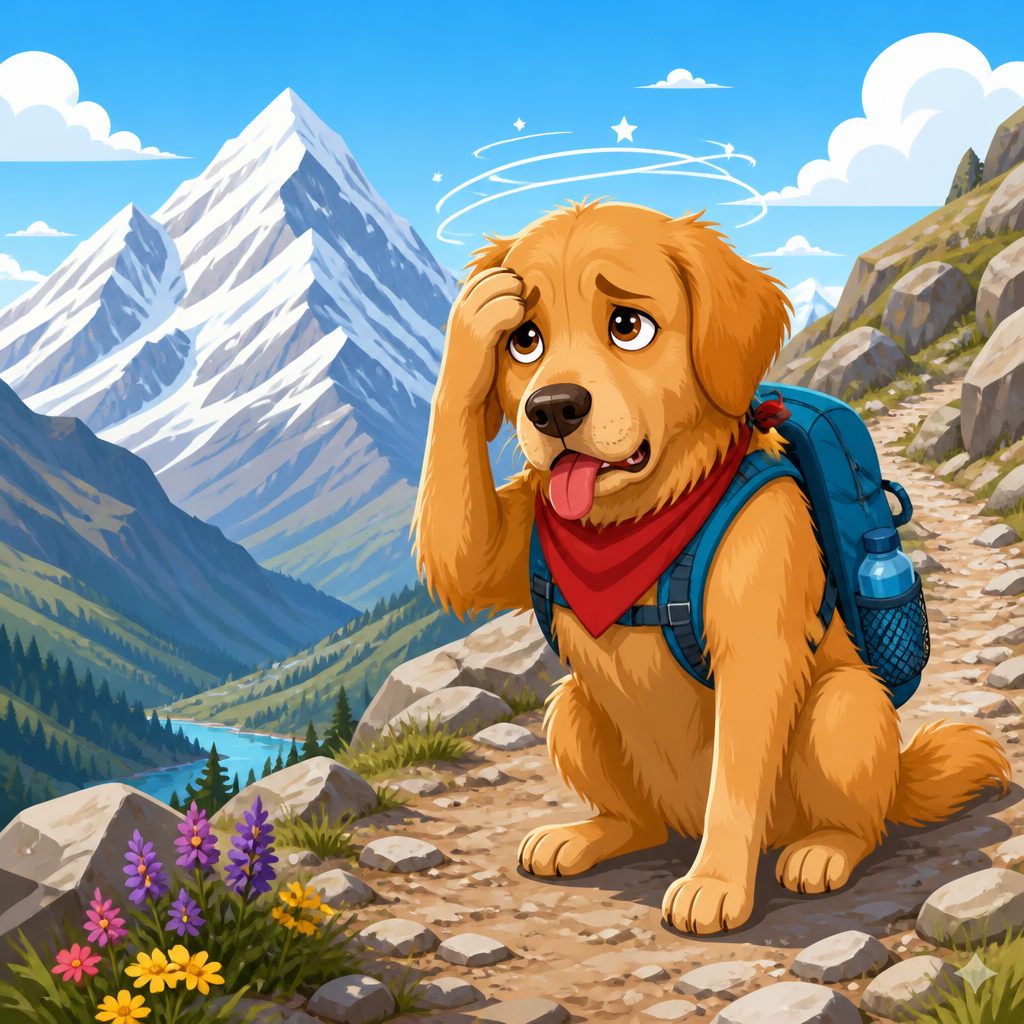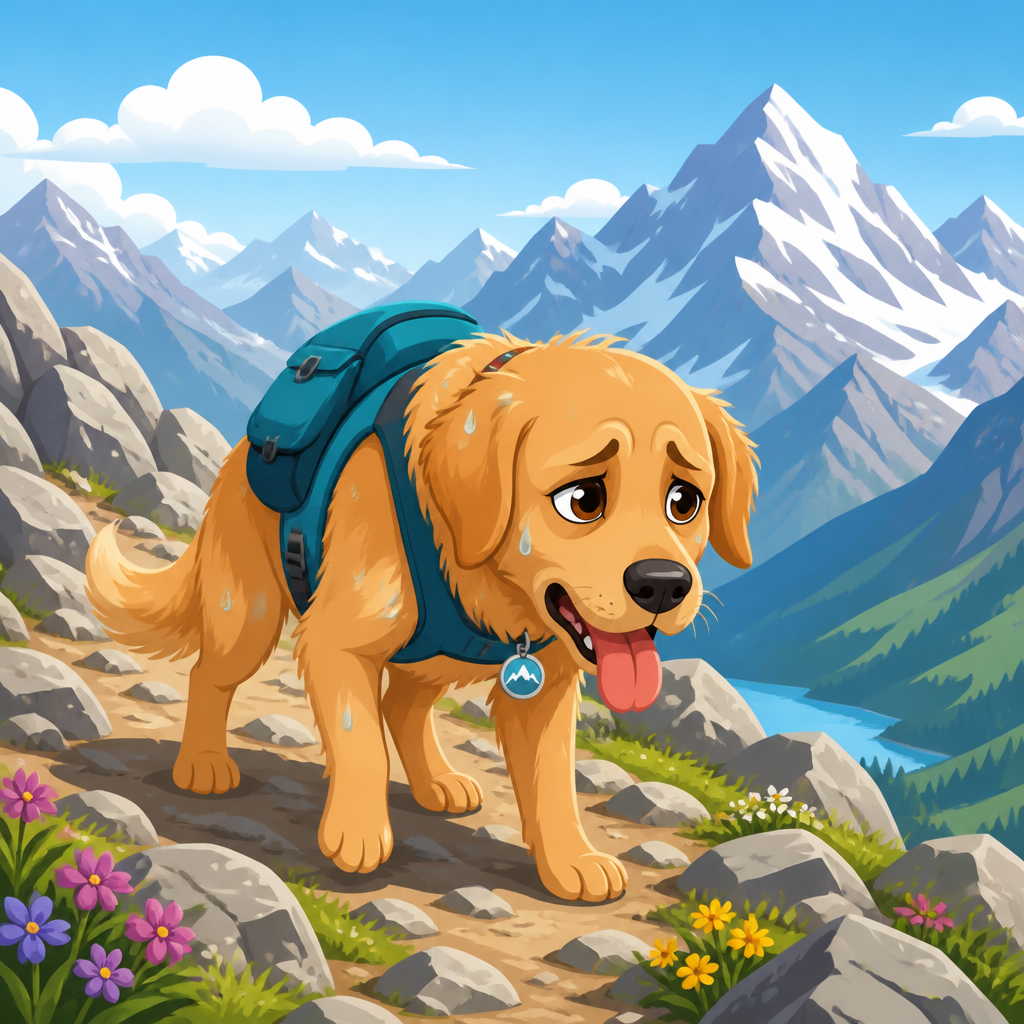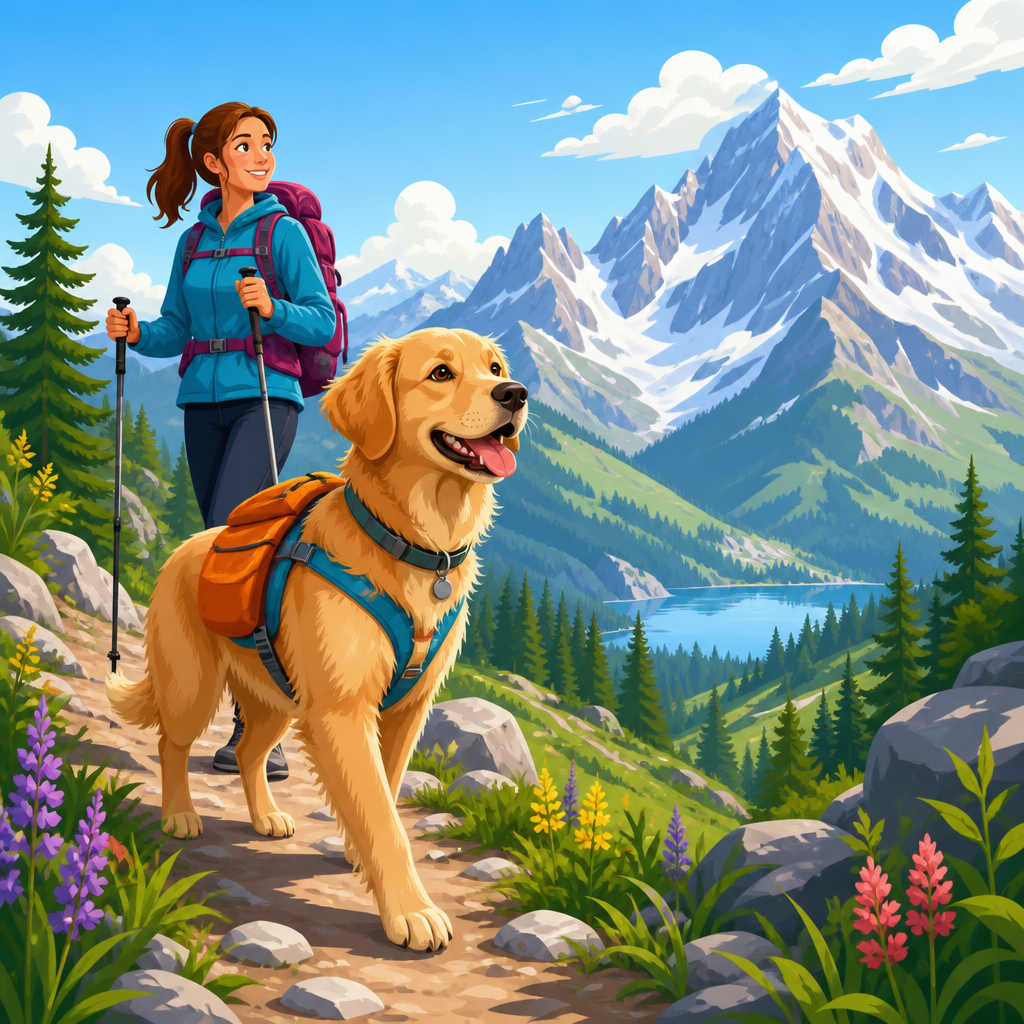
Can dogs sleep worse at altitude? Yes, many dogs do sleep worse at altitude, especially during the first one to three nights after a rapid ascent. Higher elevation means lower barometric pressure and less available oxygen with every breath, which can disrupt normal sleep cycles, increase nighttime restlessness, and worsen underlying heart, airway, or anxiety problems. For owners planning mountain trips, that matters because poor sleep does not stay a nighttime issue. A dog that sleeps badly at altitude may hike poorly the next day, drink less, eat less, recover more slowly, and show earlier signs of altitude stress.
In practice, I have seen this pattern most often in otherwise fit dogs that travel from near sea level to mountain towns, alpine trailheads, or ski areas in a single day. They pace more at bedtime, pant when they should be settling, wake frequently, and seem unable to get fully comfortable. Dogs already accustomed to mountain living usually handle sleep at altitude better, but even they can have rough nights after hard exertion, cold exposure, dehydration, or a jump to significantly higher camps. Understanding why dogs sleep worse at altitude helps owners plan safer hikes, choose realistic sleeping setups, and recognize when a restless night is merely adjustment versus the start of a medical problem.
Altitude, in simple terms, is elevation above sea level. As altitude rises, oxygen concentration stays roughly the same, but air pressure drops, so each breath delivers fewer oxygen molecules. In dogs, that can trigger faster breathing, a higher heart rate, and lighter sleep until acclimatization begins. Mountain dogs are not one uniform category. It includes working breeds developed for cold climates, active companion dogs that hike regularly, and family pets joining occasional outdoor trips. A high-drive Border Collie, a brachycephalic French Bulldog, and a senior Labrador may all love the mountains, yet their sleep quality and altitude tolerance can differ dramatically.
Why altitude changes sleep in dogs
The main reason altitude affects canine sleep is reduced oxygen availability. Mammals compensate by breathing faster and deeper, particularly during rest, when activity no longer helps maintain oxygen delivery. That compensation works, but it can fragment sleep. Dogs may alternate between dozing and waking, reposition repeatedly, or startle more easily. Owners often describe this as “he just could not settle,” when the underlying issue is mild physiologic stress rather than stubborn behavior.
Temperature and environment amplify the effect. Mountain lodging often introduces unfamiliar noises, dry air, colder floors, thinner bedding, wildlife scent, and altered routines. Dry air increases water loss through respiration. A dog that hiked all day, drank inconsistently, and then slept in heated indoor air or a drafty tent may become thirsty or uncomfortable overnight. Cold can also drive restlessness. Even breeds with thick coats lose sleep if their core temperature, paws, or joints become uncomfortable.
The first night is usually the hardest. Rapid ascent from low elevation to about 6,000 to 10,000 feet can produce transient sleep disruption even in healthy dogs. Some dogs normalize by the second or third night as ventilation and circulation adapt. Others do not, particularly if owners continue gaining elevation during the trip. Above roughly 8,000 feet, vigilance should increase, not because every dog will struggle, but because consequences of subtle problems appear faster there.
Which dogs are most likely to sleep poorly at altitude
Dogs with shortened muzzles are high on the risk list. Bulldogs, Pugs, Boston Terriers, Shih Tzus, and similar breeds already work harder to move air because of narrowed nostrils, elongated soft palates, and other upper airway limitations. At altitude, the margin shrinks further. Even if these dogs seem excited and functional during the day, nighttime breathing can become louder, more labored, and less restorative.
Senior dogs also struggle more often. Age brings lower cardiovascular reserve, more arthritis, reduced thermoregulation, and a higher chance of silent disease. An older dog may not show dramatic respiratory signs but may circle, stand up and lie down repeatedly, whine, or seek owner contact because discomfort worsens when trying to sleep. Dogs with heart disease, collapsing trachea, chronic bronchitis, laryngeal paralysis, obesity, or prior heat injury deserve extra caution and pre-trip veterinary clearance.
High-energy athletic dogs create a different problem. They may overexert on arrival because the environment is stimulating and owners underestimate cumulative stress. Adrenaline masks fatigue. By bedtime, these dogs are dehydrated, overaroused, and sore, all of which impair sleep. Puppies can also sleep worse simply because new mountain settings are overstimulating. Novel scents, tents, wildlife sounds, and changing temperatures can keep them hypervigilant.
| Dog profile | Why sleep may worsen at altitude | Practical response |
|---|---|---|
| Brachycephalic breeds | Airway resistance rises as oxygen availability falls | Choose lower elevations, cool sleeping areas, short exertion blocks |
| Senior dogs | Less reserve, more pain, hidden cardiac or respiratory disease | Schedule vet check, bring orthopedic bedding, allow longer acclimation |
| Lean athletic hikers | Overexertion, dehydration, delayed fatigue, overarousal | Short first day, early hydration, calm evening routine |
| Obese dogs | Higher breathing workload and poorer heat dissipation | Reduce mileage, avoid warm sleep areas, monitor respiration closely |
| Puppies and anxious dogs | Environmental novelty fragments sleep | Use familiar bedding, crate if crate trained, maintain routine cues |
Signs your dog is sleeping worse at altitude
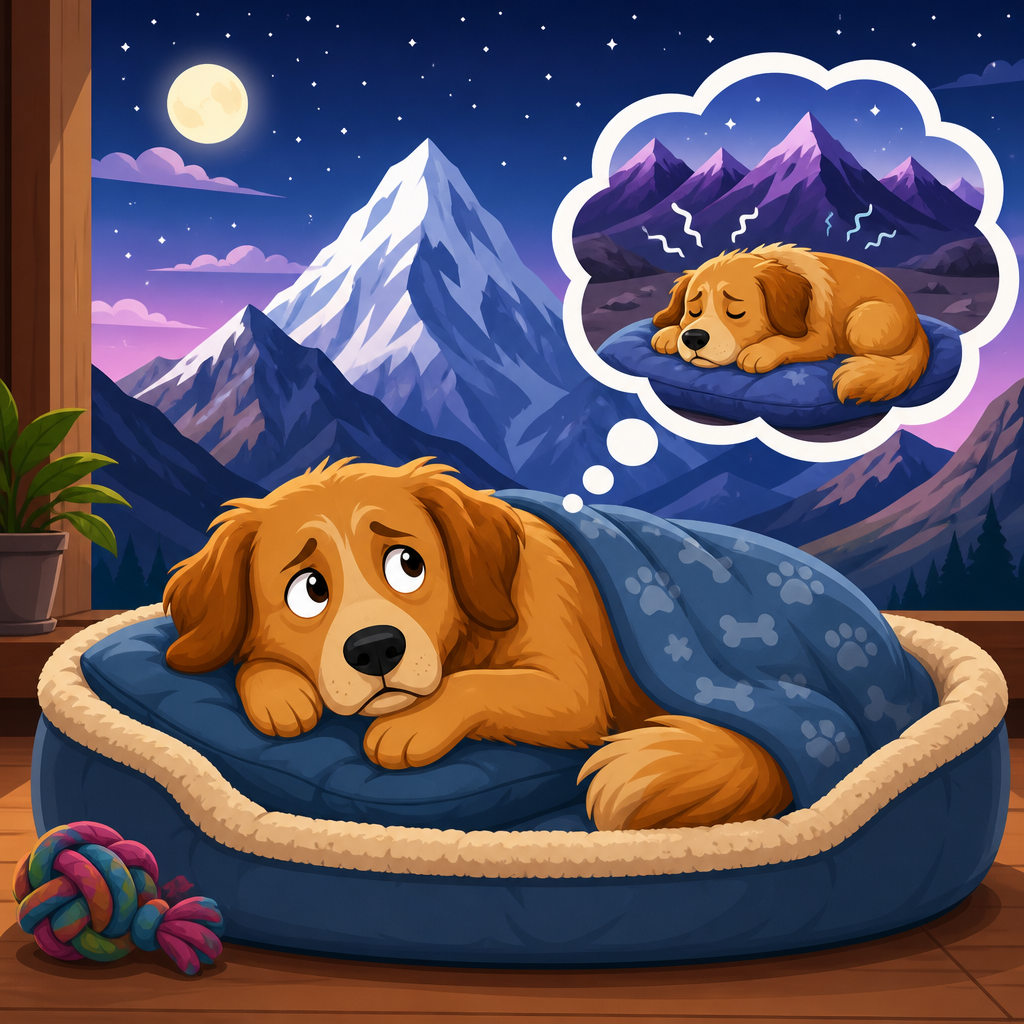
The clearest sign is repeated waking with panting that does not match room temperature. Some panting after exercise is normal, but persistent overnight panting, especially in a cool environment, deserves attention. Watch for frequent position changes, pacing, inability to lie on one side for long, shallow naps instead of sustained sleep, and unusual clinginess. A dog that normally sleeps through the night but begins standing over you, seeking open doors, or moving from bed to floor to crate is communicating discomfort.
Breathing pattern matters more than total noise. Light snoring in a deep sleeper is common. Concerning signs include exaggerated chest effort, elbows held slightly out, neck extension, open-mouth breathing at rest, or pauses followed by sudden deeper breaths. If gum color looks pale, grayish, or blue tinged, treat it as an emergency. Appetite changes the next morning are also useful clues. Poor sleep often precedes reduced breakfast interest, sluggish starts, or reluctance on trails.
Altitude-related sleep disruption exists on a spectrum. Mild cases look like a restless first night and a somewhat quieter next day. More serious cases may blend with altitude illness, dehydration, pain, hypothermia, gastrointestinal upset, or cardiorespiratory disease. That is why owners should assess the whole dog rather than focus only on bedtime behavior.
How to help a dog sleep better during mountain trips
The most effective strategy is gradual ascent. If possible, spend a night at a moderate elevation before sleeping much higher. That simple change often improves sleep quality dramatically. On arrival day, I keep activity intentionally light even for fit trail dogs. A short exploratory walk, water access, dinner on time, and a quiet evening beat a long summit push followed by a rough night.
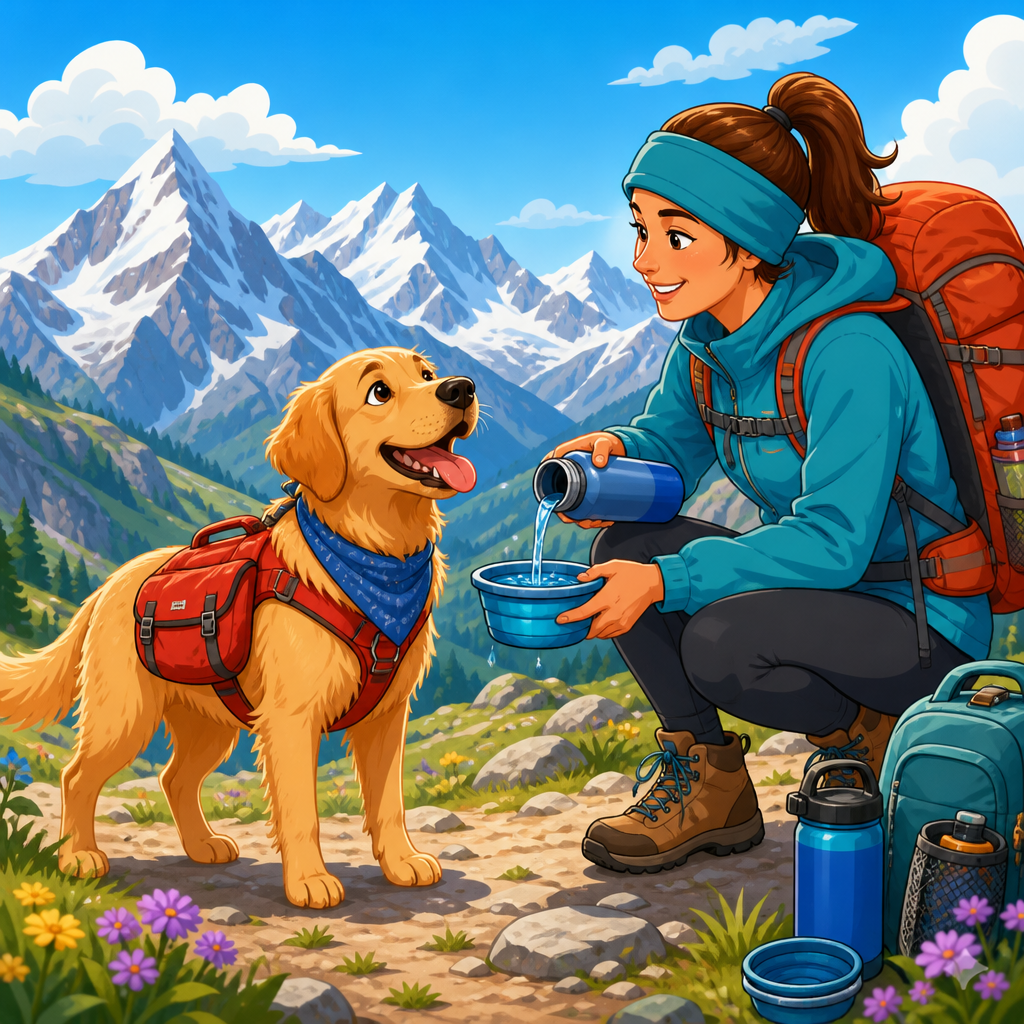
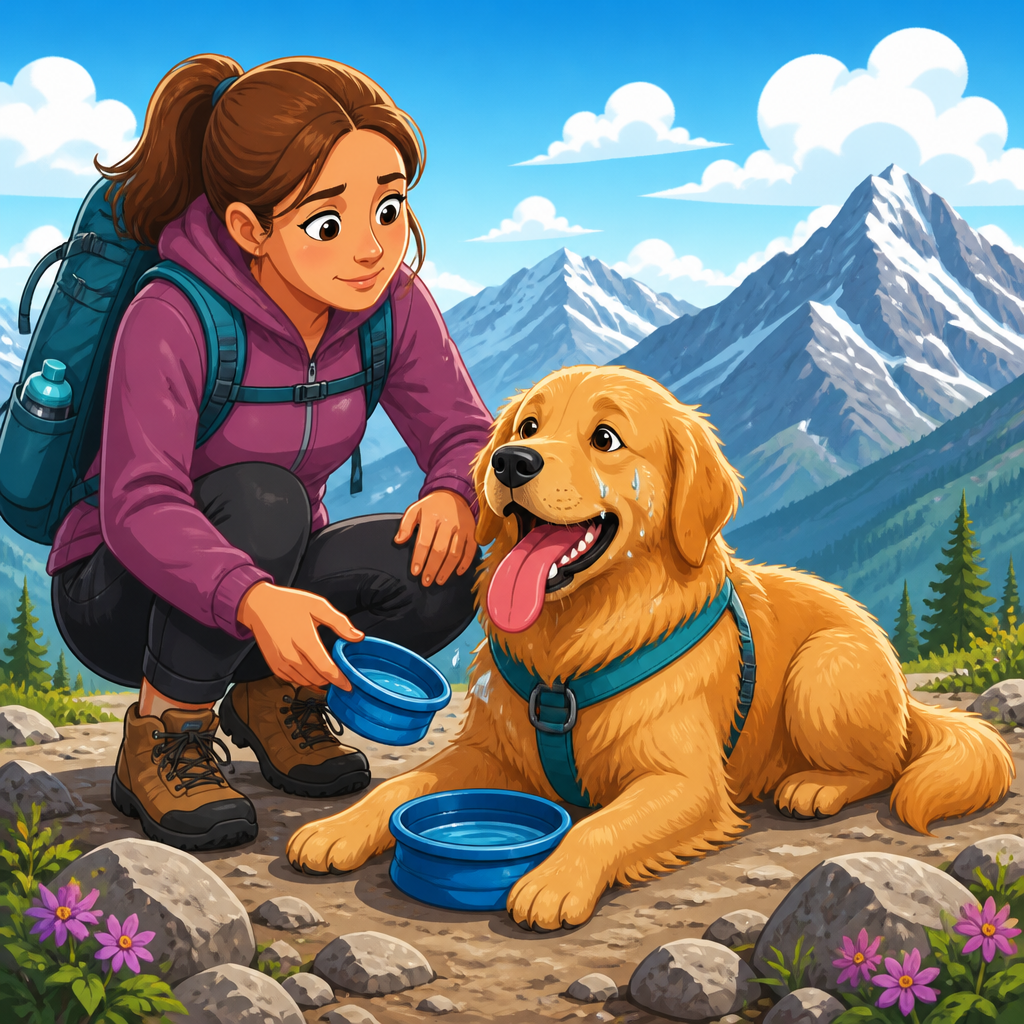
Hydration is the next priority. Offer water frequently throughout travel and after hikes, but do not force excessive drinking at once. Many dogs drink more readily from a familiar bowl than from squeeze bottles or streams. For hard-working dogs, moist food or a small amount of low-sodium broth can help increase fluid intake. Dry mountain air increases insensible water loss, and dehydrated dogs sleep worse.
Create a sleep environment that is warm but not stuffy. Insulate the dog from cold tent floors or cabin surfaces with a sleeping pad, folded blanket, or canine camping bed. Joint support matters for older dogs after long descents. Keep bedding dry. If the dog uses a crate at home, a travel crate can reduce vigilance and improve rest. Familiar scent cues, such as a home blanket, often work surprisingly well in rentals and campsites.
Timing matters too. Feed enough for recovery, but avoid an unusually heavy late meal that can increase discomfort or nighttime thirst. Build a decompression window after evening exercise. Instead of stimulating play at dusk, use a leash walk, grooming, and quiet settling cues. Some owners ask about sleep supplements. Discuss them with a veterinarian before travel. Products containing melatonin, L-theanine, or alpha-casozepine may help some dogs, but sedation is not a substitute for oxygen, warmth, hydration, or medical evaluation.
When restless sleep signals altitude sickness or another emergency
Not every bad night is harmless adjustment. Dogs can develop altitude-related problems ranging from mild distress to life-threatening respiratory compromise. If a dog has persistent rapid breathing at rest, repeated vomiting, collapse, confusion, marked weakness, coughing with distress, or cannot settle because breathing seems difficult, descend and seek veterinary care immediately. Sleeping worse at altitude is concerning when it comes with clear daytime deterioration.
High-altitude pulmonary edema is well documented in humans and uncommon but plausible in dogs under the right conditions. Any fluid accumulation in the lungs is an emergency. Severe exertion, cold stress, and preexisting disease can worsen risk. Likewise, mountain travel can uncover previously compensated heart disease. A dog may appear merely restless overnight when the real issue is failing oxygenation or cardiovascular strain.
Owners should also separate altitude problems from common mountain hazards. Pain after overuse, paw pad injury, foxtails, gastrointestinal upset from unfamiliar water, smoke exposure from wildfires, and overheating in sunny alpine terrain can all ruin sleep. If the dog improves quickly after rest, fluids, warmth, and a lower sleeping elevation, altitude was likely a major factor. If not, broaden the differential and get examined.
Building a safer mountain dog routine for hiking and overnight travel
A reliable mountain dog routine starts before the trip. Condition the dog gradually for distance, elevation gain, and terrain, because fitness improves sleep recovery. Schedule a veterinary visit for seniors, brachycephalic breeds, and dogs with known medical issues. Ask specifically about altitude tolerance, pain control, emergency medications, and whether your route is appropriate. Bring a kit that includes water capacity, collapsible bowl, insulating bed layer, paw protection if needed, leash, reflective light, and medical records.
During the trip, treat the first twenty-four hours as an acclimation phase. Keep hikes shorter than your dog’s normal best day. Watch resting respiratory rate before sleep and again at waking; trending higher without obvious cause can be an early warning sign. Many owners track their own metrics and ignore the dog’s baseline. That is a mistake. Knowing what normal sleep, breathing, appetite, and recovery look like for your dog is one of the best safety tools you have.
The broader lesson for mountain dogs and hiking is simple: good sleep is performance, recovery, and health. A dog that sleeps well at altitude will usually eat better, think more clearly on technical trails, and cope better with changing weather. A dog that sleeps poorly may still look eager, but enthusiasm can hide stress. Plan conservative first nights, protect breathing and warmth, and let your observations guide the trip. If your dog has shown altitude-related restlessness before, adjust the itinerary next time instead of assuming it will just tough it out. The mountains are more enjoyable when your dog recovers as well as you do. Before your next trip, review your route, your dog’s health status, and your overnight setup so every climb starts with a better night’s sleep.
Frequently Asked Questions
Can dogs really sleep worse at altitude?
Yes. Many dogs do sleep worse at altitude, especially during the first one to three nights after a rapid ascent. The main reason is simple physiology: as elevation increases, barometric pressure drops, and that means there is less available oxygen in every breath. Even healthy dogs can respond to that change with lighter, more fragmented sleep, more frequent waking, panting, restlessness, and difficulty settling into their usual routine. Some dogs pace, change positions often, or seem tired but unable to relax deeply. Others may wake earlier than normal or appear unusually clingy at night.
This matters because poor sleep at altitude is not just an overnight inconvenience. A dog that does not rest well may be more fatigued, irritable, or less exercise-tolerant the next day. In some cases, lack of sleep combines with the physical stress of altitude, travel, unfamiliar surroundings, and increased activity, making the dog feel worse overall. Dogs with preexisting heart disease, airway issues, obesity, anxiety, or advanced age are often more sensitive to these changes, so altitude-related sleep disruption can be more noticeable and more significant in those dogs.
Why does high altitude affect a dog’s sleep in the first place?
Altitude changes the environment in several ways that can interfere with sleep. The biggest factor is reduced oxygen availability. At higher elevations, a dog’s body has to work harder to take in enough oxygen, and that can make breathing patterns less steady during rest. Some dogs respond with faster breathing, shallow sleep, or more nighttime arousals. If a dog already has even mild airway narrowing, brachycephalic anatomy, or heart or lung disease, the impact can be stronger because their reserve is already limited.
There are also secondary factors. Mountain air is often drier, which can contribute to mild airway irritation or thirst. Travel itself can disrupt a dog’s normal sleep-wake rhythm, and unfamiliar sounds, temperatures, smells, and sleeping locations can add stress. If owners arrive at altitude and immediately start hiking, skiing, or engaging in other strenuous activities, the dog may become overtired but still sleep poorly because the body is under stress. In other words, it is rarely just one thing. Lower oxygen, environmental change, increased exertion, and anxiety can all combine to produce worse sleep.
Which dogs are most likely to have sleep problems at altitude?
Dogs vary a lot in how they respond. Young, healthy, fit dogs may only have mild temporary restlessness, while others can struggle noticeably. Dogs most at risk for altitude-related sleep problems include brachycephalic breeds such as Bulldogs, Pugs, and Boston Terriers; senior dogs; overweight dogs; and dogs with known heart disease, collapsing trachea, chronic bronchitis, laryngeal problems, or other respiratory issues. Dogs that are naturally anxious or highly routine-dependent can also sleep poorly simply because the setting is new and the body is under extra stress.
Owners should be especially cautious if their dog already snores heavily, pants excessively at baseline, tires easily, coughs, has a history of fainting, or has been told by a veterinarian that there is a heart or airway concern. In these dogs, altitude may not just cause lighter sleep. It can amplify an underlying problem that was manageable at lower elevations. Even if a dog looks fine while awake, nighttime can be when subtle breathing difficulties become more obvious because the dog is finally still enough for changes in respiration, restlessness, and sleep quality to stand out.
What signs suggest a dog is not handling altitude well overnight?
Common signs include pacing, frequent repositioning, inability to settle, unusual panting at rest, repeated waking, whining, appearing startled awake, sleeping in short bursts instead of long stretches, and seeming unusually tired but restless. The next day, a dog may act sluggish, exercise less willingly, seem less interested in food, or be more irritable than normal. Mild sleep disruption can happen during short mountain trips and may improve as the dog acclimates over a couple of nights.
More concerning signs go beyond simple poor sleep. Watch for labored breathing, persistent rapid breathing while resting, blue-tinged or pale gums, weakness, collapse, repeated coughing, marked lethargy, severe anxiety, vomiting, or obvious distress. Those signs suggest the dog may not be coping with altitude well and needs prompt veterinary attention. If symptoms are significant, descending to a lower elevation is often the safest immediate step. Owners should not assume that a dog who is “just tired” will automatically improve without intervention if breathing or circulation appears affected.
How can owners help a dog sleep better at altitude?
The best approach is prevention and gradual adjustment. If possible, ascend slowly rather than going from low elevation to a very high mountain destination in one jump. Give the dog a quieter first day with light activity instead of intense exercise right away. Keep water available at all times, since mountain environments are often dry and dehydration can make a dog feel worse. Try to preserve the dog’s normal bedtime routine, bring familiar bedding from home, and create a warm, calm sleeping space away from noise and drafts. Familiar smells and predictable cues can make a meaningful difference, especially for anxious dogs.
It is also wise to think ahead if your dog has any known medical issues. Speak with your veterinarian before the trip if your dog has heart disease, airway disease, obesity, anxiety, or is a flat-faced breed. Your veterinarian can help you assess whether the planned elevation is reasonable and whether any medication adjustments or precautions are needed. During the trip, monitor your dog closely at night and the following morning. If sleep is mildly disturbed but the dog is otherwise bright and comfortable, time and rest may be enough. If symptoms are progressing, the dog is struggling to breathe, or sleep disruption is paired with marked fatigue or distress, seek veterinary care and consider moving to a lower altitude promptly.